A Circular Saw: Compare with a Table Saw?
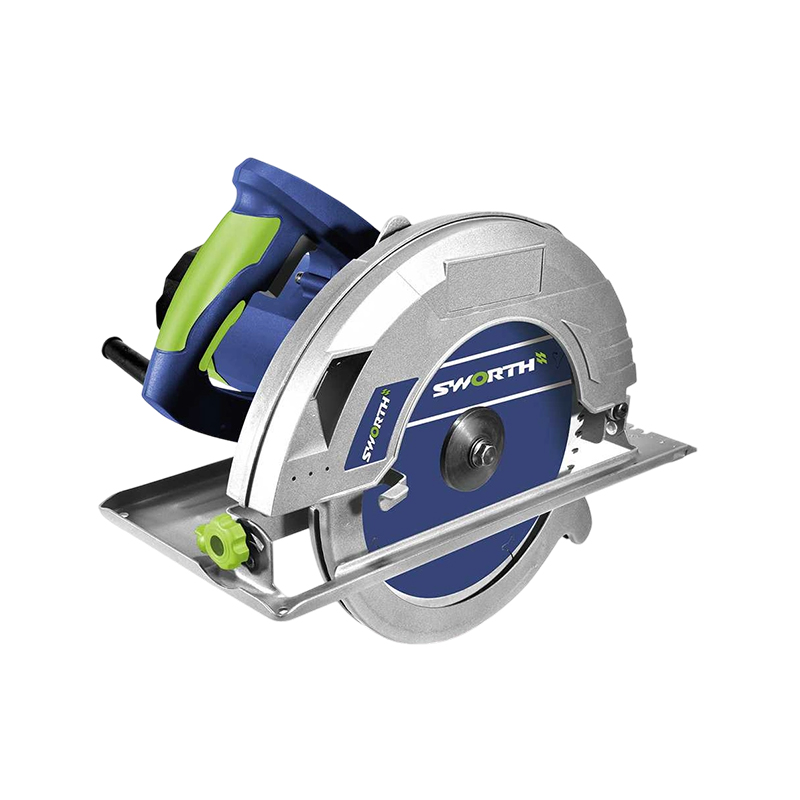
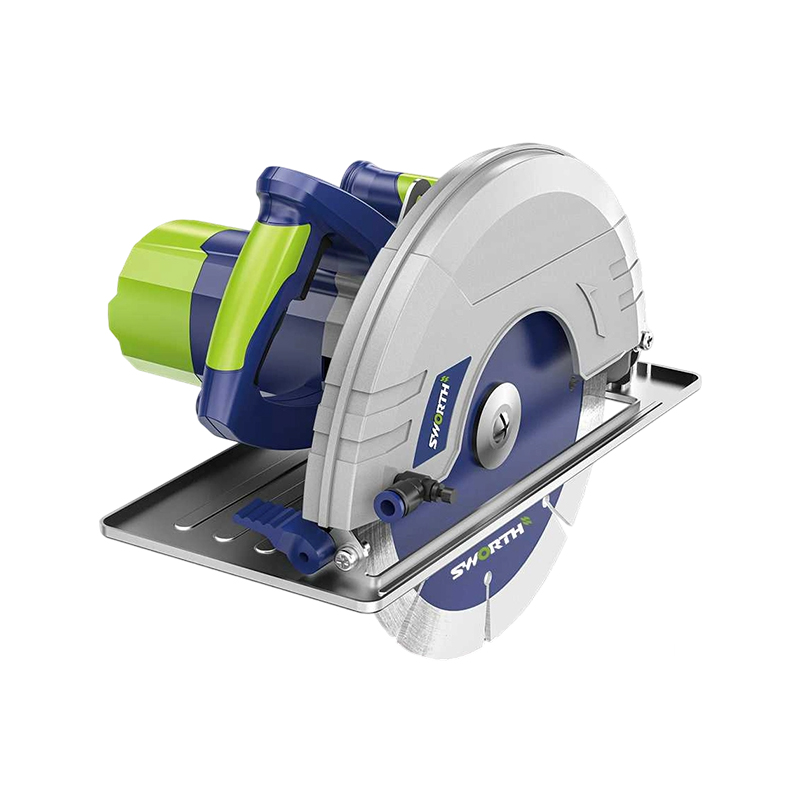
The Circular Saw is a portable cutting tool widely used in construction and workshops, while a table saw is a stationary machine designed for precision and repetitive cuts. Understanding the differences between these tools helps users select the right equipment for their projects.
1. Portability and Flexibility
A handheld saw is easy to transport and can be used directly at construction sites. It allows operators to cut large boards or install materials without moving them to a workshop. A table saw, on the other hand, requires a fixed working space and stable installation.
2. Cutting Accuracy
Table saws generally provide higher cutting accuracy because the material is guided along a fence system. Portable saws depend more on operator skill, although guides and rails can improve accuracy significantly.
3. Application Range
Portable saws are suitable for rough cutting, remodeling projects, and outdoor work. Table saws are better for detailed woodworking and repetitive cutting tasks where consistent dimensions are required.
4. Cost and Space Requirements
Handheld models are usually more affordable and require minimal storage space. Table saws are larger investments and require a dedicated workspace.
5. Ease of Operation
Portable models are simple to set up and start using quickly. Table saws may require calibration and alignment before achieving suitable results.
Both tools have their advantages, and the choice depends on whether portability or precision is more important for the intended tasks.
How Can a Precision Steel Circular Saw Reduce Cutting Burrs?
A Precision Steel Circular Saw is designed to produce smooth and accurate cuts in steel materials. However, burr formation can still occur if proper techniques and equipment are not used. Reducing burrs improves product quality and reduces the need for secondary finishing processes.
- Using High-Quality Blades
Selecting a blade with fine teeth and durable materials helps create cleaner cuts. Carbide-tipped blades are often preferred because they maintain sharp edges longer and reduce tearing of the metal surface.
Proper cutting speed is essential for reducing burr formation. Excessive speed can cause overheating and rough edges, while very low speed may produce uneven cuts. Adjusting the speed according to the steel thickness is recommended.
- Maintaining Stable Feeding
Consistent feeding pressure helps ensure uniform cutting conditions. Sudden changes in feed rate can cause irregular edges and increased burr formation.
- Ensuring Proper Blade Alignment
Accurate blade alignment reduces vibration and friction during cutting. Misaligned blades often produce rough edges and uneven surfaces.
Keeping the blade clean and sharp is important for maintaining cutting quality. Worn blades tend to produce more burrs and require additional finishing work.
Applying these measures allows operators to achieve smoother cuts and higher efficiency in steel processing applications.
Aluminum Circular Saw Prevent Overheating During Cutting?
An Aluminum Circular Saw is commonly used for cutting aluminum profiles, sheets, and extrusions. Aluminum is relatively soft but generates heat quickly during cutting, which can affect both the tool and the material.
- Selecting Proper Cutting Speed: Moderate cutting speed helps control heat generation. Extremely high speeds increase friction and temperature, which may damage both the blade and the workpiece.
- Using Suitable Blades: Blades specifically designed for aluminum typically have special tooth geometry that reduces friction. This design helps maintain lower temperatures during cutting.
- Applying Lubrication or Cooling: Using cutting fluids or lubricants reduces friction and heat buildup. Even light lubrication can significantly improve cutting conditions and extend blade life.
- Allowing Adequate Cooling Time: Continuous cutting without breaks can cause excessive heat accumulation. Short pauses between cuts allow the blade and motor to cool down.
- Maintaining Clean Surfaces: Aluminum chips can accumulate on the blade and increase friction. Regular cleaning helps maintain efficient cutting performance.
By following these practices, operators can prevent overheating and maintain consistent cutting performance when working with aluminum materials.
 English
 русский
 Español






 No. 101, Yugui Road, chengxi Industrial Zone, Yongkang City, Zhejiang Province, China
