 English
 русский
 Español
Reducing Vibration and Heat in Large Rebar Hammers
In heavy-duty demolition and construction work, tools like the Groove Sandblasting Hammer and Large Hole Rebar Hammer are essential for breaking through concrete, steel-reinforced structures, and other tough materials. However, two critical challenges affect both efficiency and safety: excessive vibration and heat buildup during continuous operation.
High vibration can cause operator fatigue, reduce precision, and even shorten tool lifespan. Simultaneously, thermal accumulation in the motor, piston, or hammering mechanism can lead to decreased efficiency, damage internal components, or trigger safety shutdowns. The Enlarged Hole Rebar Hammer, specifically designed for large-diameter rebar demolition, faces these issues more intensely due to its higher impact force and extended duty cycles.
This article explores techniques, designs, and operational strategies to minimize vibration and rebound while effectively managing heat during prolonged use.
Understanding the Sources of Vibration
Vibration in rebar hammers originates from mechanical impact, material resistance, and misalignment in moving components.
1. Mechanical Impact Force
- High-energy piston strikes generate rapid oscillations.
- The repeated transfer of energy into hard surfaces causes recoil and hammer shake.
2. Material Resistance
- Dense concrete or large-diameter rebar absorbs energy unevenly.
- Uneven load leads to sudden jolts transmitted back to the operator.
3. Component Imbalance
- Misaligned pistons, worn bearings, or loose tool bits exacerbate vibrations.
- Unbalanced moving parts create oscillations in both horizontal and vertical axes.
Understanding these sources allows engineers and operators to implement targeted vibration reduction techniques.
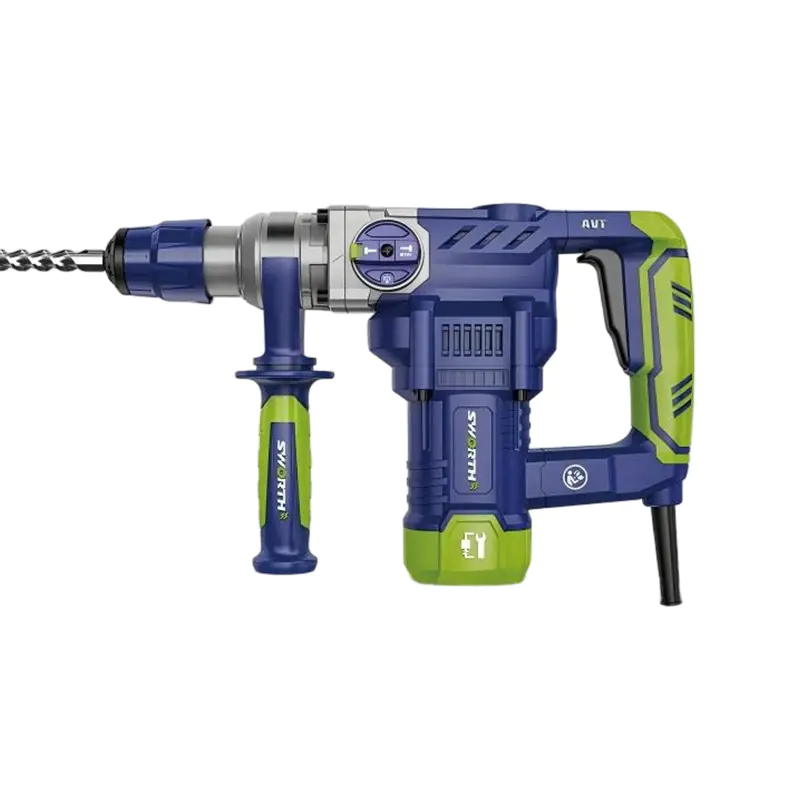
Advanced Structural Design to Reduce Vibration
The Groove Sandblasting Hammer and Large Hole Rebar Hammer rely on structural improvements to reduce vibration and improve control.
1. Piston and Striker Balancing
- Precision machining ensures the piston’s center of mass aligns with the hammer axis.
- Striker geometry distributes impact evenly, reducing lateral vibration.
2. Optimized Housing and Frame
- Reinforced aluminum or steel frames absorb part of the shock energy.
- Housing designs include vibration-damping mounts between the motor and handle.
3. Tool Holder Stabilization
- Secure chuck systems prevent the bit from loosening.
- Reducing the play in the chisel reduces back-rebound impact.
4. Internal Dampers
- Rubber or polymer dampers absorb mechanical energy before it reaches the operator.
- Strategically placed dampers in the piston path reduce peak acceleration.
Through these engineering solutions, even high-power hammers like the Enlarged Hole Rebar Hammer maintain stability under intense operation.
Selecting the Right Chisel and Accessories
Tool selection affects both vibration and heat generation.
1. Chisel Shape and Size
- Pointed chisels concentrate energy and reduce unnecessary bounce.
- Flat or spade chisels distribute force over wider areas, reducing peak recoil.
2. Material Quality
- Alloy steel or tungsten tips maintain sharpness longer.
- Worn chisels create irregular impacts that increase vibration.
3. Proper Length and Fit
- Correct chisel length ensures energy transfers efficiently.
- A snug fit in the chuck reduces vibration and prevents back-kick.
Choosing the right accessories is critical for both operational control and thermal management.
Motor and Impact System Optimization
Motor efficiency and impact mechanism design directly influence heat generation and vibration.
1. High-Efficiency Windings
- Reduce electrical resistance, lowering motor heat.
- Efficient windings maintain consistent impact power with thermal loss.
2. Electronic Load Regulation
- Prevents overloads that increase temperature.
- Smooth power delivery reduces vibration spikes.
3. Low-Friction Bearings
- Reduce energy loss and mechanical heat.
- Bearings with high-precision tolerance improve stability during rapid piston cycles.
4. Optimized Impact Mechanism
- Piston and striker geometry convert energy efficiently.
- Reduces rebound by controlling the rebound path of the striker.
A well-designed motor and impact system improve both vibration control and heat management.
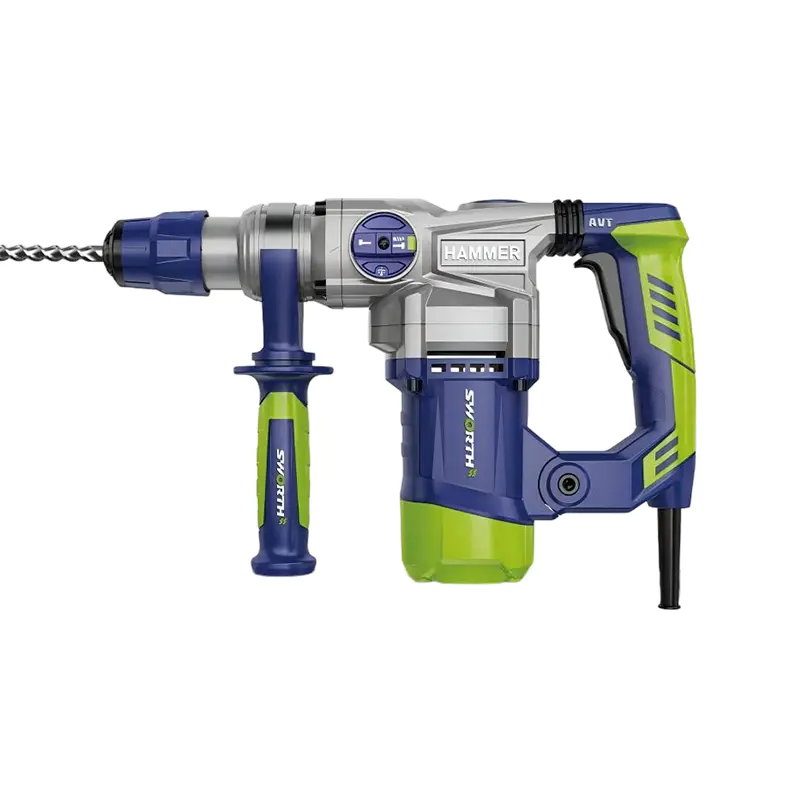
Heat Dissipation Design Features
Continuous operation generates significant heat in both Large Hole Rebar Hammers and Enlarged Hole Rebar Hammers. Efficient thermal management ensures consistent performance.
1. Ventilation Channels
- Large air vents direct airflow around motor and piston assemblies.
- Vent placement decreases hotspots and dissipates heat quickly.
2. Internal Cooling Fans
- Fans circulate air, removing heat from critical components.
- Continuous airflow lowers operating temperature even during extended work periods.
3. Heat-Resistant Materials
- Aluminum or high-grade alloys transfer heat away from sensitive areas.
- Thermal interface compounds enhance heat conduction between components.
4. Lubrication Systems
- High-temperature lubricants reduce friction and mechanical heat buildup.
- Proper lubrication extends component life and maintains smooth piston movement.
These design features prevent overheating and maintain operational efficiency during continuous demolition work.
Operator Techniques to Reduce Vibration
Proper usage is critical in controlling both vibration and heat.
1. Moderate Applied Force
- Excessive downward pressure increases tool bounce and operator strain.
- Allow the hammer’s kinetic energy to break material efficiently.
2. Stable Positioning
- Keep the hammer perpendicular to the work surface.
- Reduces lateral vibration and uneven energy transfer.
3. Short Work Cycles
- Periodic pauses prevent heat accumulation.
- Allows internal components to cool while reducing operator fatigue.
4. Task-Specific Approaches
- Use pointed chisels for dense or reinforced areas.
- Flat chisels are better for wide-area material removal.
Operator skill enhances tool performance while limiting vibration-related risks and heat buildup.
Vibration-Dampening Handle Systems
Ergonomically designed handles play a crucial role in reducing vibration exposure.
1. Shock-Absorbing Grips
- Rubber or polymer inserts reduce transmitted vibration.
- Improves operator comfort and control.
2. Dual-Handle Designs
- Distribute impact forces across both hands.
- Reduce single-point strain and enhance stability.
3. Adjustable Handle Angles
- Customizable positioning reduces awkward wrist or arm angles.
- Allows operators to maintain a suitable posture for extended periods.
Effective handle systems complement internal damping and structural design for full vibration control.
Monitoring and Safety Systems
Advanced hammers integrate monitoring systems to prevent damage from heat and vibration.
1. Temperature Sensors
- Detect excessive heat in the motor or piston chamber.
- Warn the operator to pause work before damage occurs.
2. Automatic Power Regulation
- Reduces motor output under high-load conditions to prevent overheating.
- Smooths piston strokes, reducing vibration spikes.
3. Load and Rebound Feedback
- Some models measure rebound and adjust stroke timing.
- Optimizes energy transfer and reduces unnecessary mechanical stress.
These intelligent features improve both efficiency and operator safety during continuous operation.
Maintenance Practices for Vibration and Heat Control
Regular maintenance ensures that both Groove Sandblasting Hammers and Enlarged Hole Rebar Hammers remain efficient and safe.
1. Cleaning Air Channels and Vents
Dust or debris blockage reduces airflow and increases heat.
2. Lubrication of Pistons and Bearings
Reduces friction, vibration, and thermal accumulation.
3. Inspection of Worn Components
- Replace bearings, pistons, or chisels showing wear.
- Worn parts generate uneven impact, increasing vibration and heat.
4. Tightening Fasteners and Tool Holders
- Prevents wobbling and excess recoil.
- Maintains proper energy transfer and reduces operator fatigue.
Proper maintenance extends tool lifespan and ensures consistent vibration and heat control.
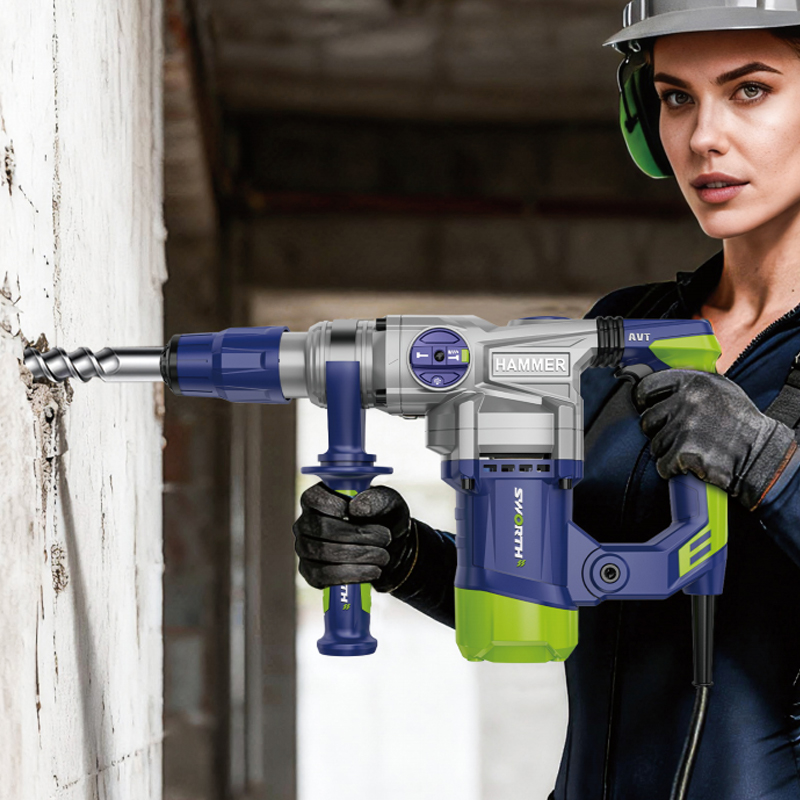
Environmental Considerations
External factors also affect vibration and heat generation.
1. Ambient Temperature
- High environmental heat increases motor and piston temperature.
- May require shorter work cycles or additional ventilation.
2. Material Density
- Harder concrete or larger rebar requires more energy.
- Generates more vibration and thermal stress.
3. Dust Levels
- Clogging vents or abrasive dust increases friction and heat.
- Adapting the operation to the environment enhances performance and tool longevity.
Integrating Techniques for Suitable Continuous Operation
To improve efficiency and safety, vibration control and heat management must be integrated into every aspect of hammer use.
1. Combine Structural and Handle Dampening
Internal dampers reduce tool vibration while ergonomic handles absorb residual energy.
2. Use Correct Accessories and Chisels
Ensures efficient energy transfer and rebound.
3. Operate Within Recommended Cycles
Periodic rest and moderate pressure prevent excessive heat buildup.
4. Implement Smart Monitoring
Sensors and automatic regulation maintain suitable operating conditions.
By combining advanced design, operator techniques, and maintenance strategies, both Groove Sandblasting Hammers and Enlarged Hole Rebar Hammers achieve high performance while reducing vibration and controlling heat during extended use.
Recommended Products
-
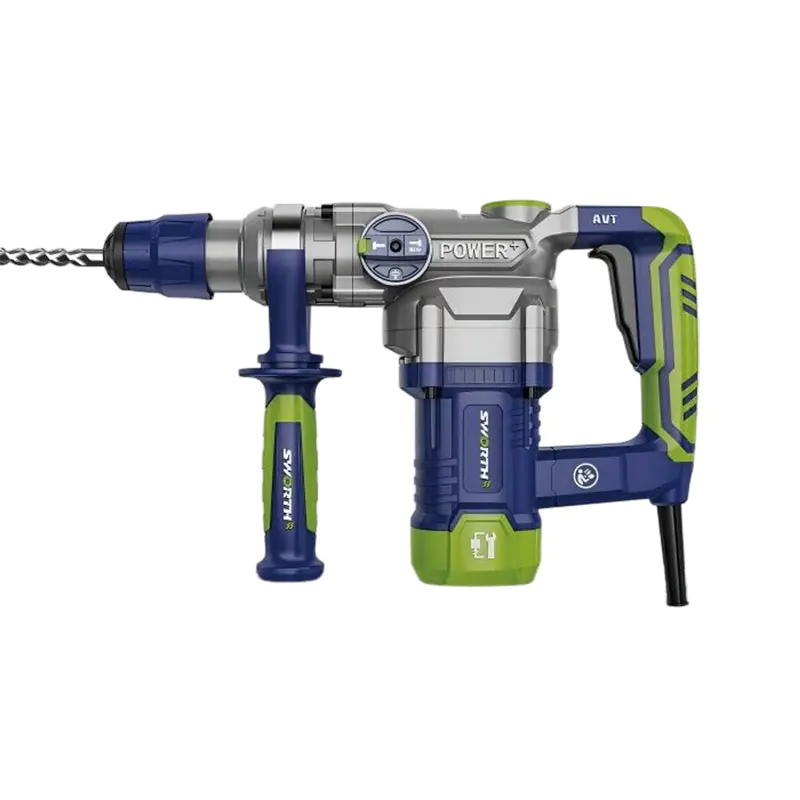


SW528 Small Hole Rebar Hammer
-
SW932 Groove Sandblasting Hammer
-
SW9362A Large Hole Rebar Hammer
-
SW940 Enlarged Hole Rebar Hammer
-
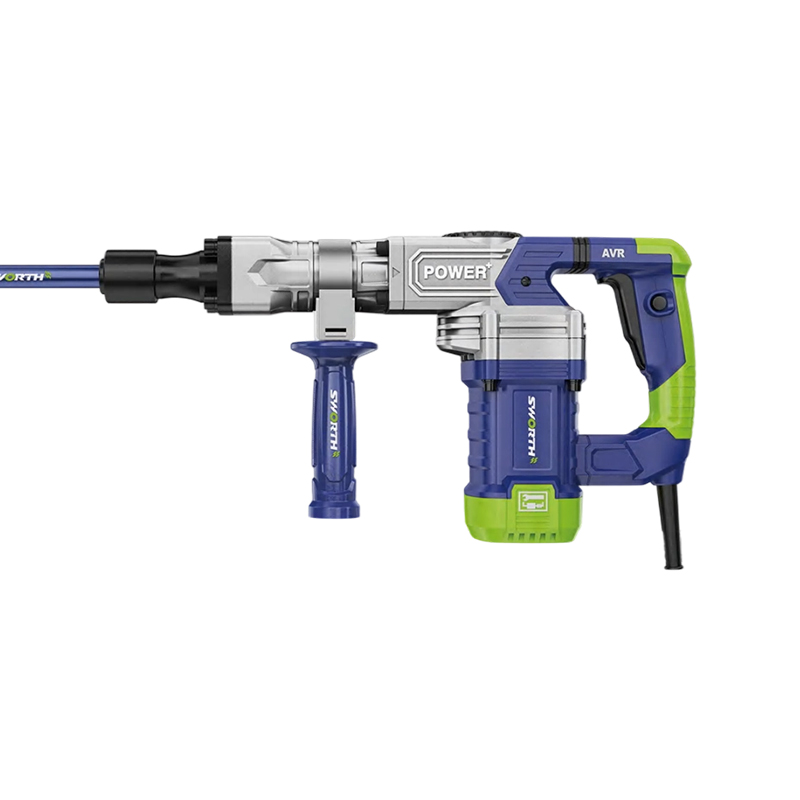
SW35S1 Powerful Demolition Hammer
-
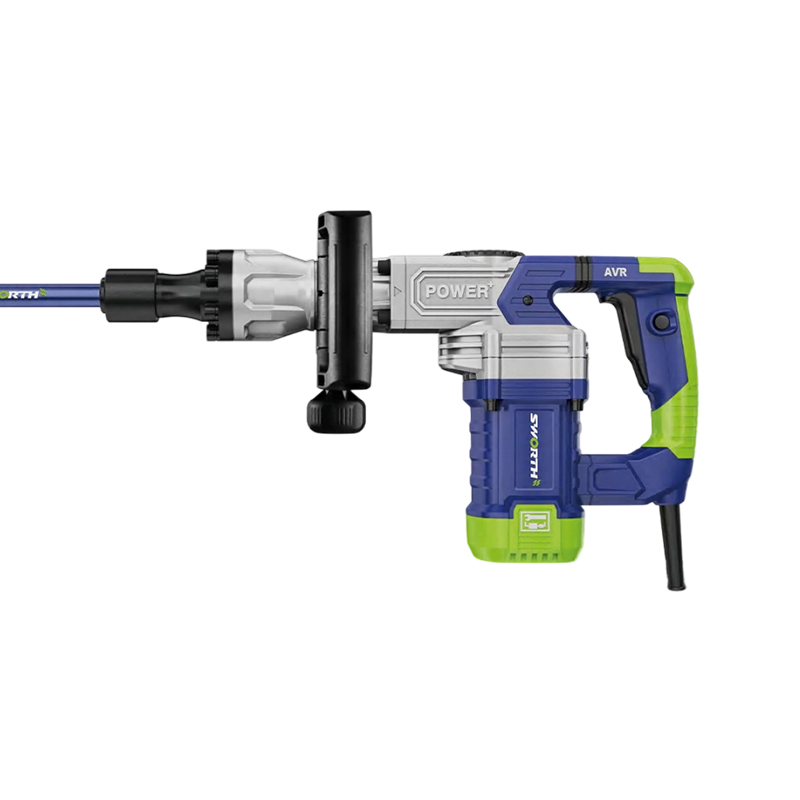
SW35S2 High-Efficiency Heat Dissipation Demolition Hammer
-
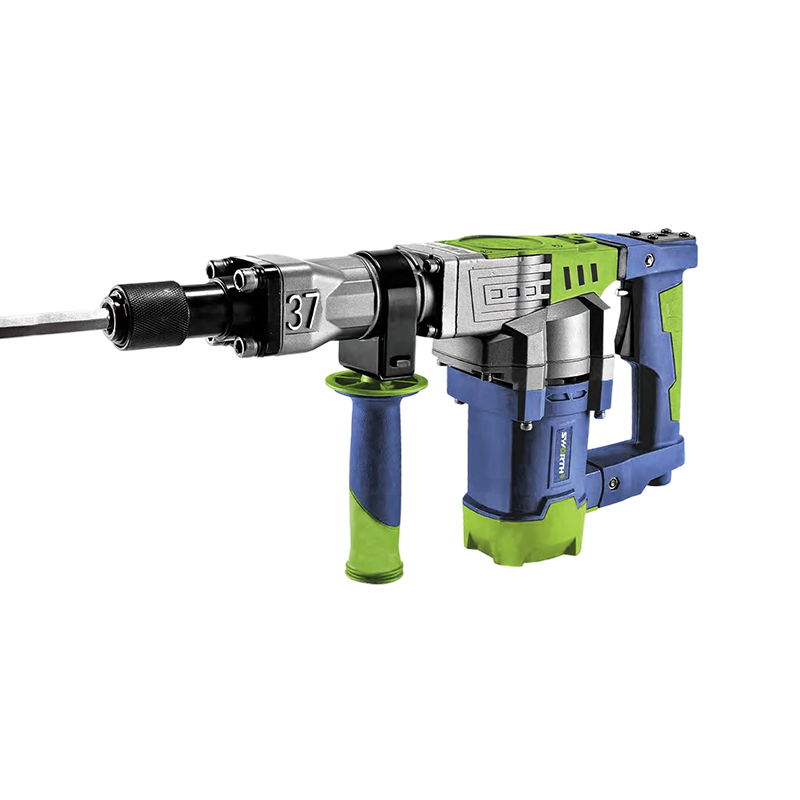
SW9371 High-Power Demolition Hammer
-
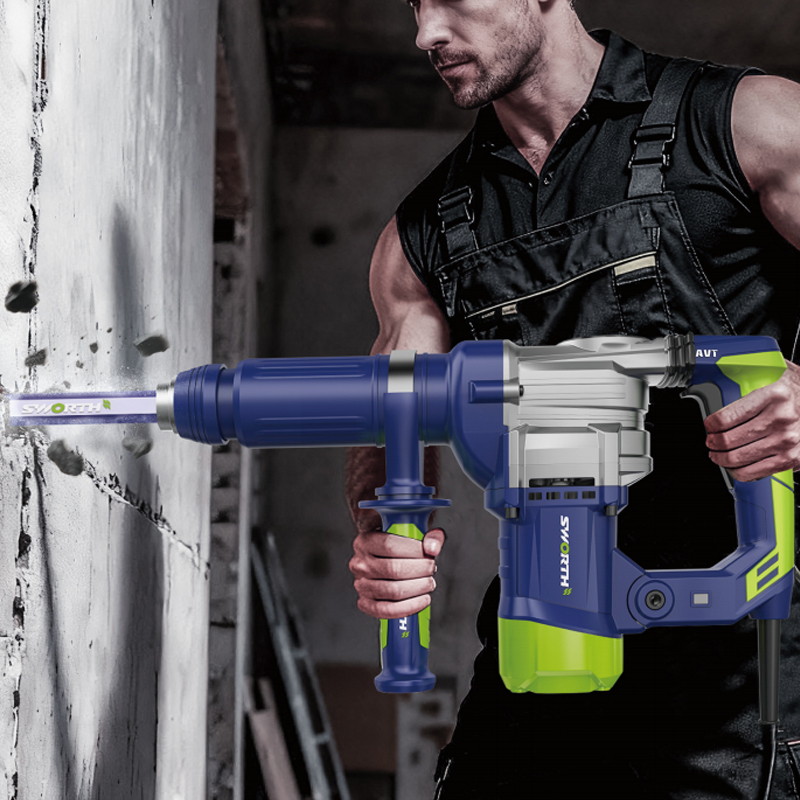
SW9373 Anti-Scalding Carbon Brush Holder Demolition Hammer
-
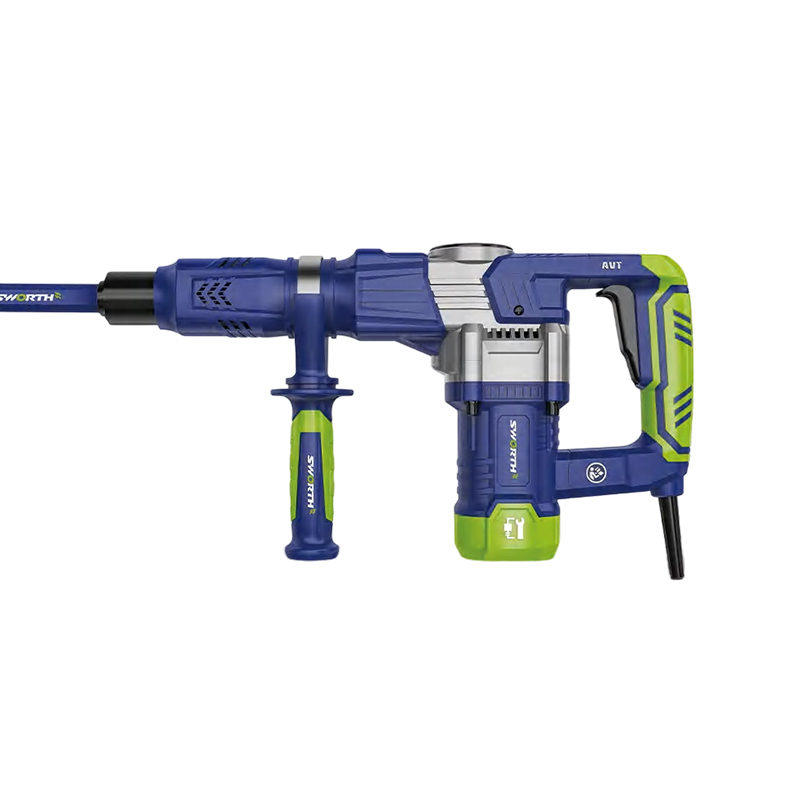
SW535 Powerful Anti-Scalding Demolition Hammer
-
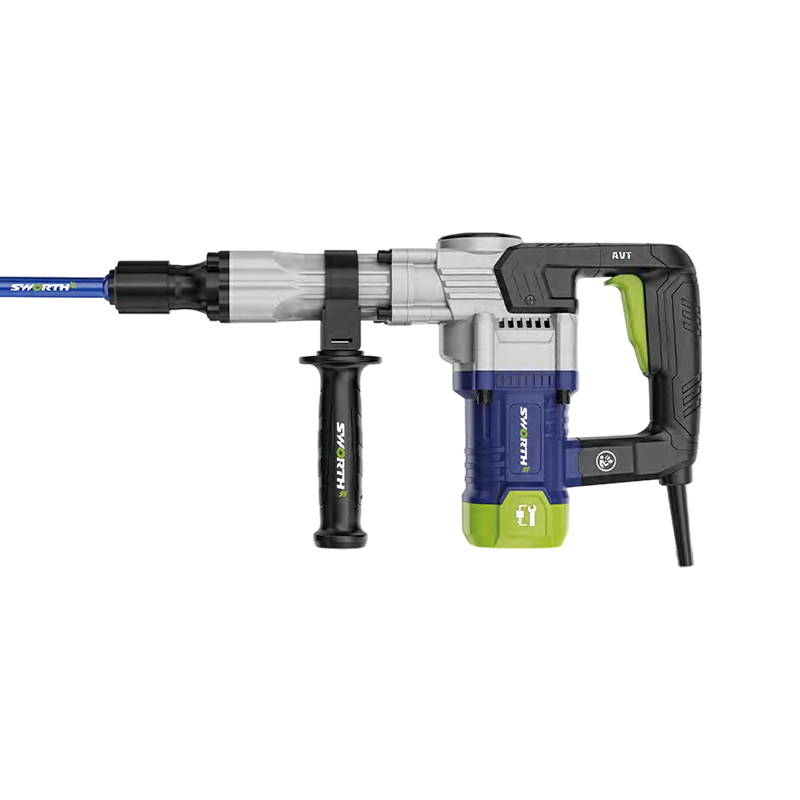
SW535-2 Durable Powerful Demolition Hammer
-
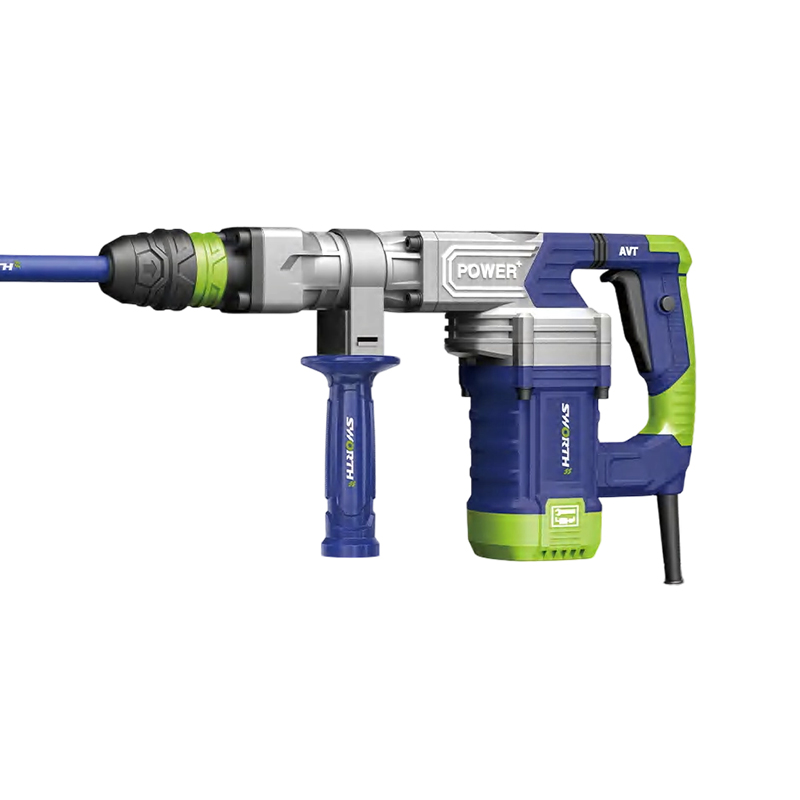
SW35S3 Five-Pipe Drill Bit Demolition Hammer
-

SW11E Five-Pipe Clamping Demolition Hammer
 +86-18314829275
 sale@sworthtools.com
 No. 101, Yugui Road, chengxi Industrial Zone, Yongkang City, Zhejiang Province, China
Copyright© Yongkang Siwei Technology Co., Ltd. All Rights Reserved

Hammer Tools & Cordless Garden Tools Manufacturer
