 English
 русский
 Español
Comparing Stability Between Four-Axis and Traditional Chain Saws
In modern forestry, gardening, and construction work, chainsaws are indispensable tools for cutting wood, trimming trees, and clearing debris. Among the innovations is the Four-Axis Cordless Chain Saw, which offers enhanced stability and precision compared to traditional dual-axis or single-axis designs.
While conventional chainsaws remain widely used due to their affordability and simplicity, they can present challenges in control, vibration management, and cutting efficiency. A Small Battery-Powered Chain Saw leverages advanced design to reduce operator fatigue, reduce chain wobble, and improve cutting accuracy. Similarly, a Hand Battery Chain Saw is designed for portability and ease of use without sacrificing performance.
Understanding the stability differences among these designs is essential for professionals and hobbyists seeking safer and more efficient cutting tools.
Understanding Axial Design in Chain Saws
The term “axis” in chain saws refers to the alignment and balance of the chain drive and motor mechanism.
1. Single-Axis Chain Saws
- Features a straightforward chain and motor alignment.
- A simple design reduces cost but can transmit more vibration to the user.
- Less balanced weight distribution may cause lateral wobble during cutting.
2. Dual-Axis Chain Saws
- Utilize a secondary axis to balance the motor or chain drive.
- Reduces some vibration but still has limitations in extreme cutting angles.
- Slightly more stable than single-axis models, but may still require frequent operator adjustments.
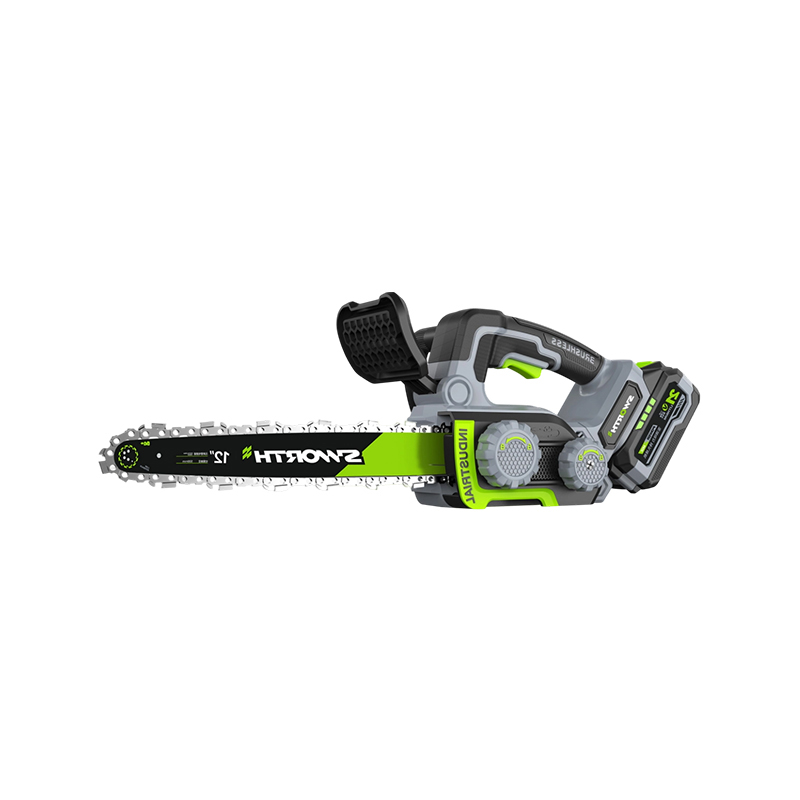
3. Four-Axis Cordless Chain Saw
- Incorporates multiple axes to optimize weight distribution and torque balance.
- Enhanced structural symmetry reduces lateral movement and chain deviation.
- Designed to maintain consistent cutting pressure, even on uneven surfaces.
The four-axis design fundamentally changes how forces are transmitted, resulting in improved stability for precise operations.
Weight Distribution and Balance
A key factor influencing chainsaw stability is how weight is distributed across the tool.
1. Single-Axis Designs
- Heavier at the motor end, lighter at the handle.
- The operator must compensate for the imbalance, increasing fatigue.
- Can tip more easily during angled or overhead cuts.
2. Dual-Axis Designs
- Partially redistribute weight along two axes.
- Improves center-of-gravity alignment but still requires careful handling.
3. Four-Axis Cordless Chain Saw
- Symmetrical weight distribution along four axes.
- Maintains a low center of gravity for easier horizontal and vertical cuts.
- Reduces operator strain and improves precision in tight or awkward positions.
Proper weight distribution is especially important in Small Battery-Powered Chain Saws, which aim to combine lightweight portability with high stability.
Vibration Control and Operator Comfort
Vibration directly affects control, fatigue, and safety during prolonged use.
1. Single-Axis Chain Saws
- More vibration is transmitted to the operator’s hands and arms.
- Can cause fatigue and reduce cutting accuracy during extended use.
- Often require additional vibration-dampening handles or operator techniques.
2. Dual-Axis Chain Saws
- Partially balance vibrations, improving comfort slightly.
- Still prone to lateral shaking when cutting dense or knotty wood.
3. Four-Axis Cordless Chain Saw
- Incorporates internal dampers aligned with multiple axes.
- Reduces high-frequency vibrations and distributes residual energy evenly.
- Enables operators to maintain precision and cut for longer periods without fatigue.
Vibration mitigation is a key reason professionals prefer Hand Battery Chain Saws with four-axis designs for complex or prolonged cutting tasks.
Torque Management and Chain Tension
Chain saw stability also depends on how torque is delivered to the chain and maintained under load.
1. Single-Axis Models
- Torque is concentrated in a single plane.
- High-resistance materials can cause chain wobble or kickback.
2. Dual-Axis Models
- Splits torque along two planes, slightly improving stability.
- Still prone to uneven chain tension during angled cuts.
3. Four-Axis Cordless Chain Saw
- Distributes torque across multiple axes, stabilizing chain motion.
- Maintains consistent tension even under high load or dense material.
- Reduces chain deviation and ensures smoother, safer cuts.
Consistent torque delivery enhances safety and makes it easier to execute precise trimming or cross-cutting.
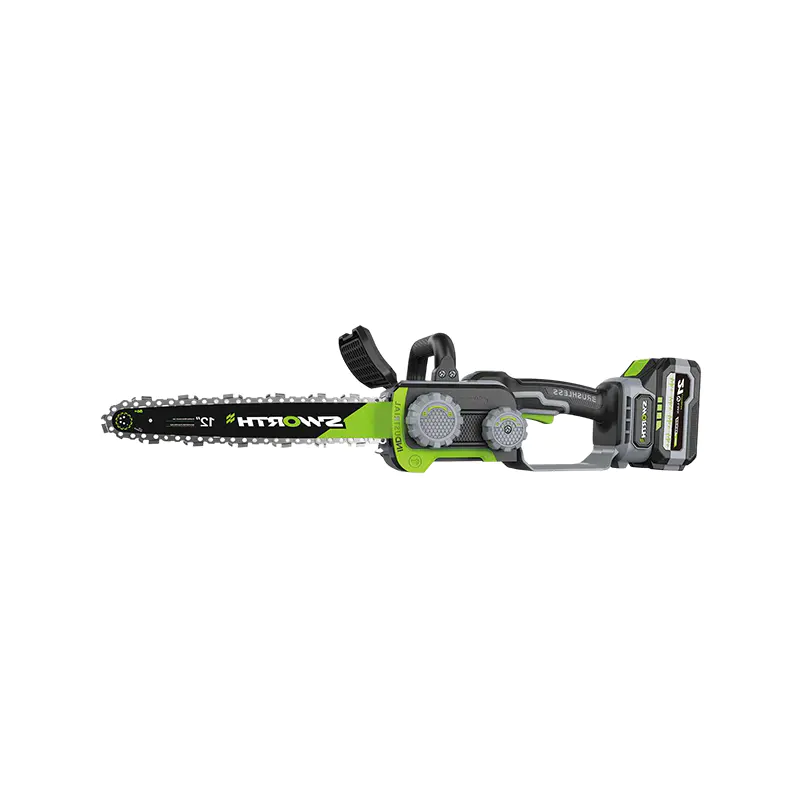
Cutting Accuracy and Performance
Stability impacts the accuracy and efficiency of every cut.
1. Single-Axis Chain Saws
- A slight wobble or vibration can result in uneven cuts.
- Precision tasks, like pruning or shaping wood, are more difficult.
2. Dual-Axis Chain Saws
- Moderate improvement in precision due to partial balance.
- May still require skilled operator compensation for complex cuts.
3. Four-Axis Cordless Chain Saw
- Enhanced balance improves alignment with the intended cut line.
- Reduces off-angle cuts and reduces material waste.
- Supports delicate operations, such as shaping garden trees or carving wood.
The enhanced stability of Small Battery-Powered Chain Saws ensures consistent performance across a variety of wood types and cutting angles.
Portability and Ergonomics
Stability is closely linked to ergonomics and portability, particularly in battery-powered designs.
1. Single-Axis Models
- May be lightweight but unbalanced, causing operator fatigue.
- Limited ergonomic features for prolonged use.
2. Dual-Axis Models
- Slightly heavier due to balancing mechanisms.
- Improved control but still requires careful hand positioning.
3. Four-Axis Cordless Chain Saw
- Designed for both stability and ergonomic handling.
- Lightweight battery integration reduces front-heavy imbalance.
- Comfortable handles and grips allow precise operation in confined spaces.
The combination of stability and ergonomic design makes four-axis battery-powered chainsaws ideal for professional and hobbyist use.
Safety Considerations
Improved stability reduces the risk of accidents and enhances operator confidence.
1. Kickback Reduction
- Four-axis alignment reduces sudden lateral chain movements.
- Helps prevent dangerous kickback incidents.
2. Enhanced Grip Control
- Balanced weight ensures the operator can maintain steady pressure.
- Reduces accidental slips or uncontrolled chain motion.
3. Vibration-Induced Fatigue Reduction
- Less fatigue causes better concentration and fewer mistakes.
- Particularly important in repetitive cutting or prolonged sessions.
Safety improvements are critical for users relying on Hand Battery Chain Saws in urban or residential environments.
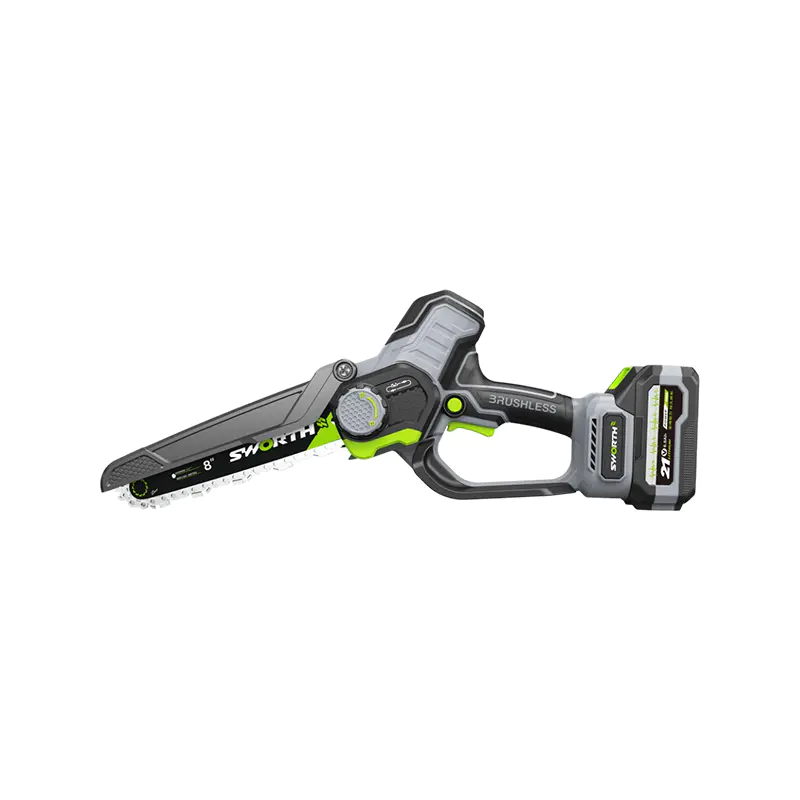
Battery Efficiency and Stability
Battery integration impacts both the tool’s weight and cutting stability.
1. Single-Axis Battery Saws
- Battery placement can create a front- or back-heavy imbalance.
- The operator must adjust hand positioning continuously.
2. Dual-Axis Battery Saws
Slight improvement in weight balance due to partial distribution.
3. Four-Axis Cordless Chain Saw
- The battery is integrated symmetrically to complement the four-axis structure.
- Weight distribution remains consistent as the battery discharges.
- Reduces wobble or tilting, even when the battery is partially depleted.
Efficient battery integration enhances operational stability and reliability during extended work sessions.
Maintenance and Longevity Implications
Stability also influences tool wear and longevity.
1. Single-Axis Chain Saws
- Uneven chain motion causes faster wear on the chain and the guide bar.
- Vibrations increase stress on motor and structural components.
2. Dual-Axis Chain Saws
Moderate reduction in wear and tear, extending service life slightly.
3. Four-Axis Cordless Chain Saw
- Balanced operation distributes stress evenly across components.
- Reduces premature wear and maintenance needs.
- Supports sustainable operation in professional environments.
Proper maintenance combined with inherent design stability ensures that four-axis battery-powered chainsaws remain reliable over years of use.
Environmental and Operational Considerations
External factors affect stability performance in all types of chainsaws.
1. Wood Density and Grain
- Dense or knotted wood can challenge single-axis saws’ stability.
- Four-axis designs maintain alignment under variable material resistance.
2. Operator Posture and Handling
Stability allows less experienced operators to maintain safe and precise cuts.
3. Working Conditions
- Outdoor use, uneven terrain, and overhead cuts benefit from balanced, ergonomic saws.
- Accounting for the environment and user technique improves the advantages of Four-Axis Cordless Chain Saws.
The Four-Axis Cordless Chain Saw offers significant stability advantages over dual-axis and single-axis chain saws. By improving weight distribution, vibration control, torque management, and ergonomics, these saws enhance operator comfort, cutting accuracy, and safety.
Meanwhile, Small Battery-Powered Chain Saws and Hand Battery Chain Saws leverage advanced battery integration and lightweight design to provide portable, reliable tools for professional and hobbyist use.
For users seeking efficiency, precision, and reduced fatigue, four-axis battery-powered chainsaws represent a good option, combining stability, control, and long-term durability. Choosing a four-axis model ensures safer, more accurate, and more comfortable cutting experiences across diverse applications.
Recommended Products
-
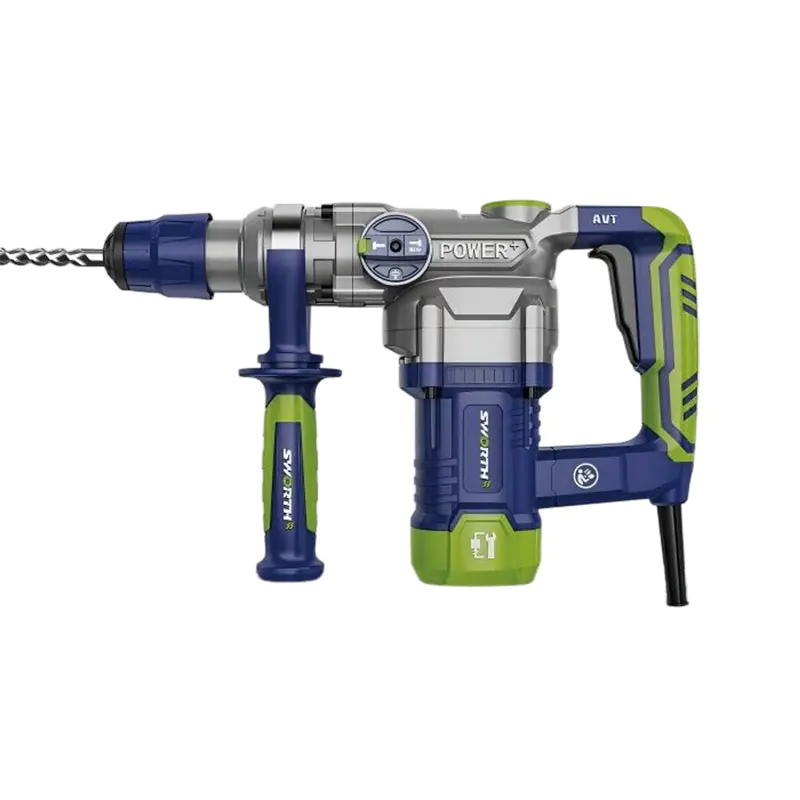


SW528 Small Hole Rebar Hammer
-
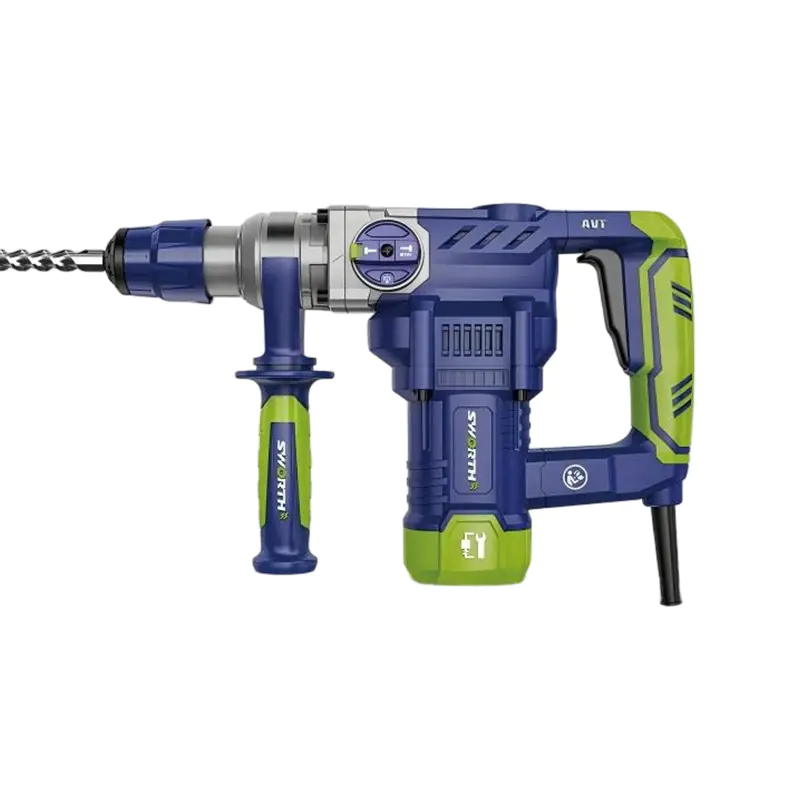
SW932 Groove Sandblasting Hammer
-
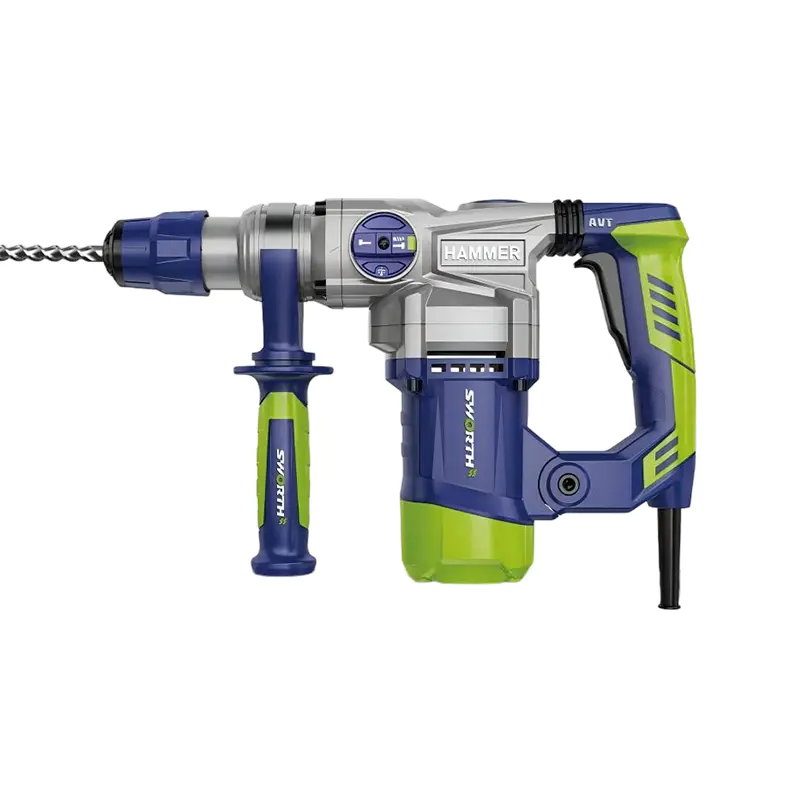
SW9362A Large Hole Rebar Hammer
-
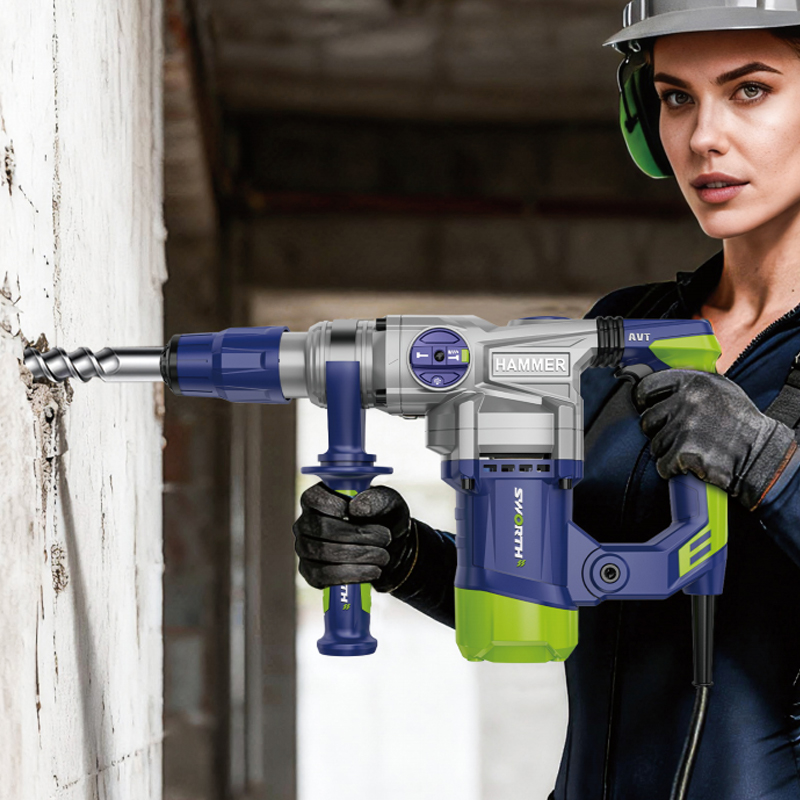
SW940 Enlarged Hole Rebar Hammer
-
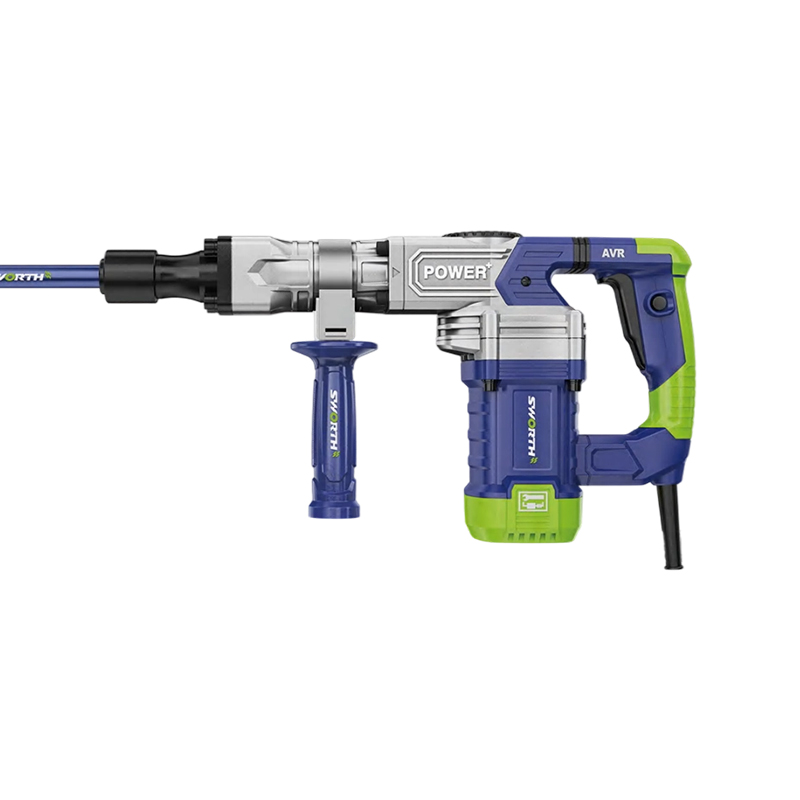
SW35S1 Powerful Demolition Hammer
-
SW35S2 High-Efficiency Heat Dissipation Demolition Hammer
-
SW9371 High-Power Demolition Hammer
-
SW9373 Anti-Scalding Carbon Brush Holder Demolition Hammer
-
SW535 Powerful Anti-Scalding Demolition Hammer
-
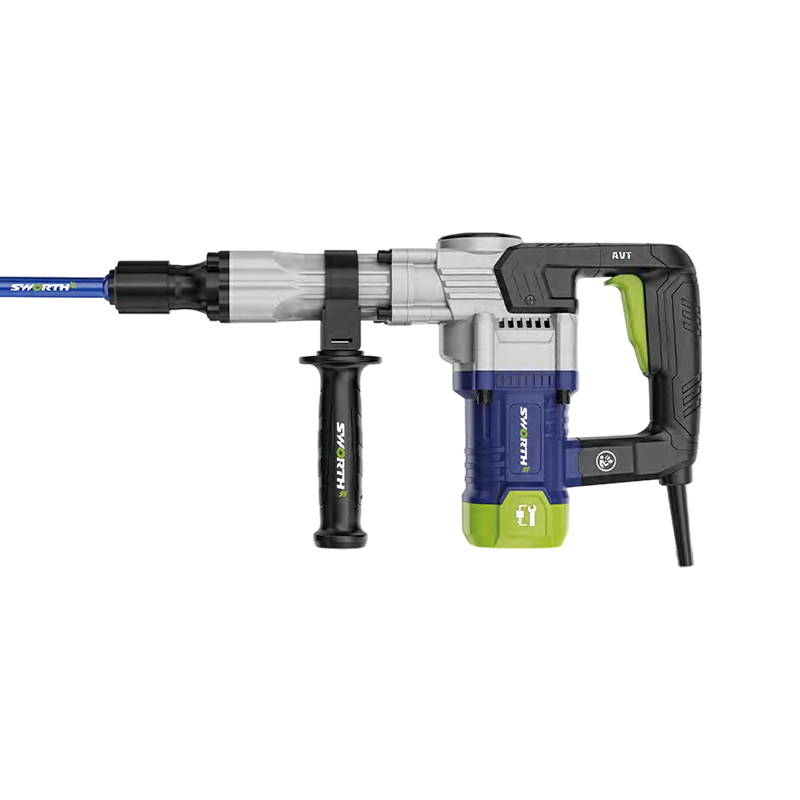
SW535-2 Durable Powerful Demolition Hammer
-
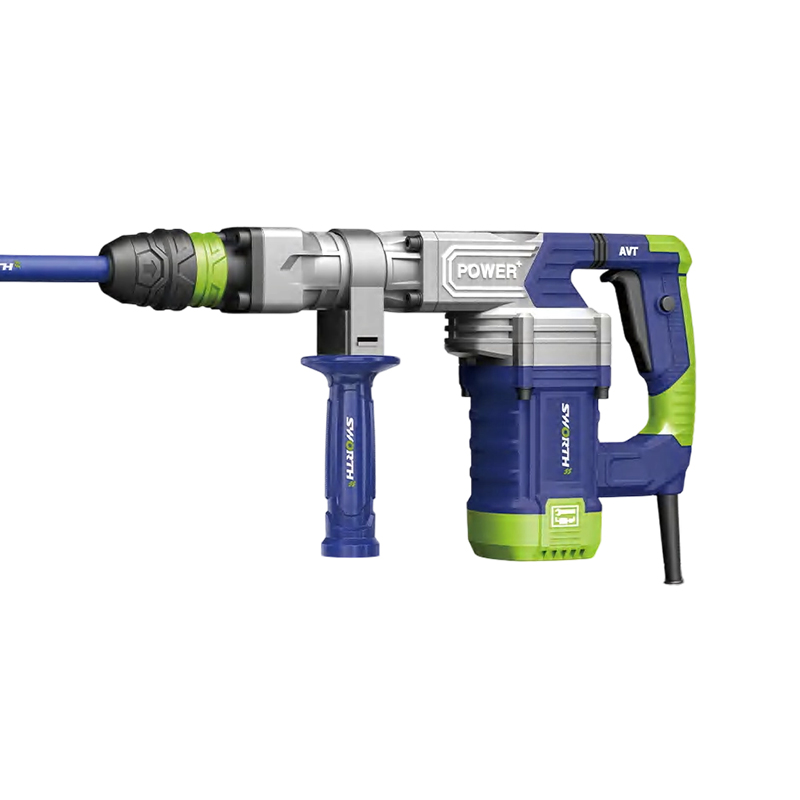
SW35S3 Five-Pipe Drill Bit Demolition Hammer
-

SW11E Five-Pipe Clamping Demolition Hammer
 +86-18314829275
 sale@sworthtools.com
 No. 101, Yugui Road, chengxi Industrial Zone, Yongkang City, Zhejiang Province, China
Copyright© Yongkang Siwei Technology Co., Ltd. All Rights Reserved

Hammer Tools & Cordless Garden Tools Manufacturer
