 English
 русский
 Español
Evaluating Noise, Vibration, and Control in Electric Demolition Hammers
In modern construction, tools like the Cordless Breaker Hammer and Electric Demolition Breaker Hammer have become essential for breaking concrete, asphalt, and reinforced steel structures. While power and portability are crucial, three factors significantly influence user safety and operational efficiency: noise levels, vibration, and control performance.
Excessive noise can cause hearing damage, disturb nearby personnel, and violate workplace regulations. High vibration affects operator comfort, reduces precision, and may cause long-term health issues. Finally, control performance determines how effectively a Power Demolition Hammer can transfer energy to the target material, which affects demolition efficiency and safety. Understanding and evaluating these factors is essential for both operators and construction managers.
Sources of Noise in Cordless Breaker Hammers
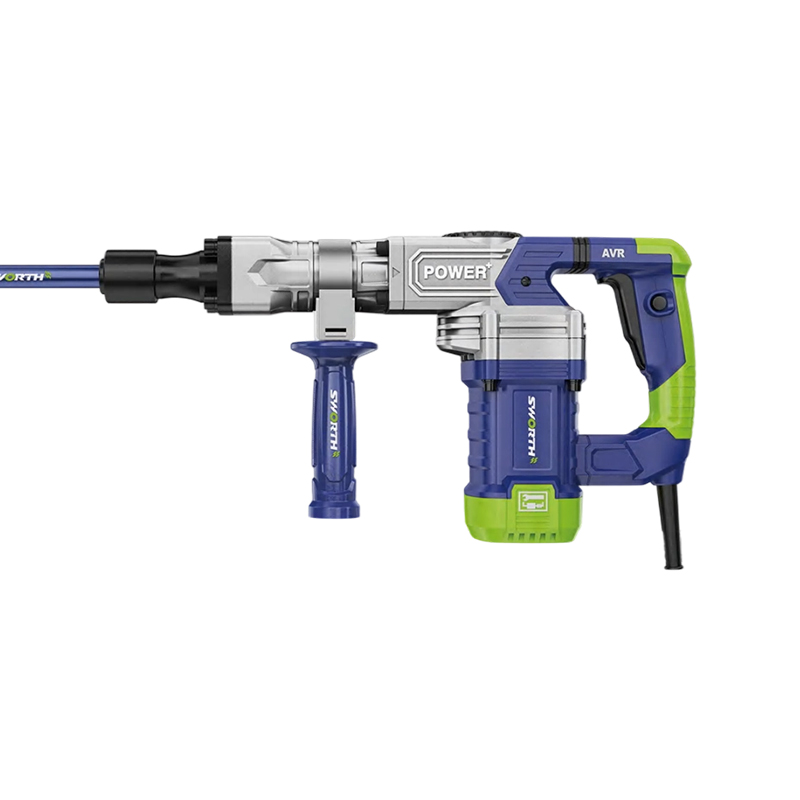
Noise in demolition hammers originates from several mechanical and electrical sources.
1. Impact Mechanism Noise
- Repeated piston strikes generate high-frequency sound waves.
- The force of the hammer against hard surfaces amplifies acoustic output.
2. Motor Operation Noise
- Electric motors produce mechanical whine or hum, particularly under heavy load.
- Brushless motors may reduce noise compared to brushed designs, but load increases still create sound.
3. Airflow and Ventilation Noise
- Cooling fans or vented housings create additional audible noise.
- Dust or debris in air channels can amplify sound levels.
4. Material Resonance
- Hammer housing and chisel transmit vibrations into the air, contributing to noise.
- The material and thickness of the housing can alter the acoustic signature.
Understanding these noise sources is a step toward effective mitigation.
Methods for Measuring Noise Levels
Accurate measurement of noise is essential to evaluate performance and comply with safety regulations.
1. Sound Level Meters
- Measure decibel levels (dB) at the operator position and the surrounding areas.
- Ensure readings capture both continuous and peak noise.
2. Weighted Measurements
- A-weighted decibel readings (dBA) reflect human hearing sensitivity.
- Useful for evaluating operator exposure during extended use.
3. ISO and OSHA Standards
- ISO 3744 and ISO 11688 provide standardized methods for machinery noise measurement.
- OSHA regulations define permissible exposure limits for construction workers.
4. Noise Mapping in Work Zones
- Measure noise at various distances and positions to determine safe operating zones.
These methods ensure that the Electric Demolition Breaker Hammer meets safety standards and reduces auditory risk.
Understanding Vibration in Demolition Hammers
Vibration affects both efficiency and operator health. High-frequency vibration can cause fatigue, loss of control, and long-term musculoskeletal disorders.
1. Sources of Vibration
- Mechanical impact: repeated piston strikes transmit energy into the operator’s hands.
- Material resistance: dense concrete or rebar causes uneven resistance, producing oscillations.
- Component misalignment: worn pistons, bearings, or loose chisels amplify vibrations.
2. Frequency and Amplitude Considerations
- Low-frequency vibrations produce noticeable shaking and fatigue.
- High-frequency vibrations are often less perceptible but can still cause long-term damage.
3. Transmission Paths
- Vibration travels from the chisel to the handle, into the operator’s arms and shoulders.
- Proper tool design reduces the amplitude reaching the operator.
Understanding vibration behavior allows engineers to design tools that are safer and more comfortable for extended use.
Methods for Evaluating Vibration
Standardized evaluation ensures that hammers meet ergonomic and safety requirements.
1. Hand-Arm Vibration Measurement
- Accelerometers attached to the handle measure vibration in m/s².
- ISO 5349 specifies procedures for evaluating hand-transmitted vibration.
2. Weighted RMS Values
- Root Mean Square (RMS) values provide average vibration exposure.
- Peak vibration readings identify stress points.
3. Operator Feedback
- Surveys and ergonomic assessments complement quantitative measurements.
- Subjective assessments help identify comfort issues not captured by instruments.
4. Duration-Based Exposure Assessment
- Total daily vibration exposure combines the tool vibration level and usage time.
- Helps plan safe work cycles to prevent fatigue and injury.
These evaluation methods allow operators to select Power Demolition Hammers that reduce vibration while improving performance.
Factors Affecting Control Performance
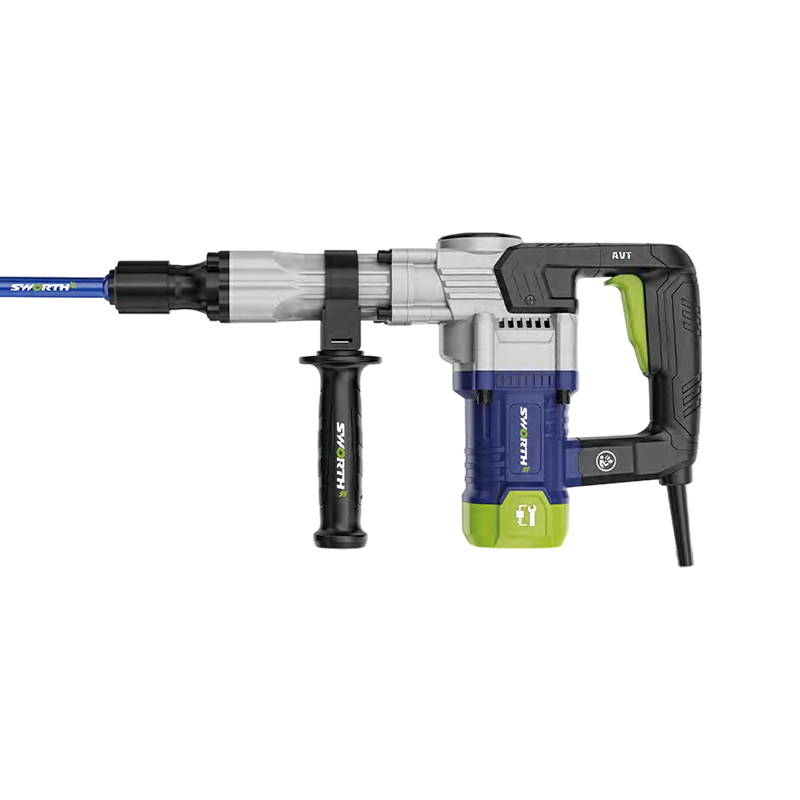
Control performance determines how efficiently a hammer transfers energy to the target material and how manageable it is for the operator.
1. Weight Distribution
- Balanced center of gravity reduces fatigue and improves precision.
- Proper distribution reduces tool tilt during strikes.
2. Handle Design and Ergonomics
- Vibration-dampening grips reduce operator strain.
- Adjustable handles allow customized positioning for different tasks.
3. Chisel Type and Fit
- A correct chisel shape ensures energy is directed efficiently.
- Tight-fitting chisels reduce play and rebound, improving control.
4. Electronic Controls
- Variable speed or power settings allow fine-tuned operation.
- Load-sensing systems adjust impact force according to material resistance.
Well-designed control features enhance efficiency, reduce operator fatigue, and maintain safety.
Techniques to Reduce Noise, Vibration, and Improve Control
Operators can implement practical techniques to reduce noise and vibration and maintain control.
1. Moderate Applied Force
- Excessive downward pressure does not improve efficiency and increases vibration.
- Allow the hammer’s kinetic energy to do the work.
2. Correct Hammer Angle
- Keep the hammer perpendicular to the surface to improve energy transfer.
- Reduces lateral vibration and rebound.
3. Intermittent Work Cycles
- Short work intervals with rest periods reduce thermal buildup and vibration exposure.
- Helps maintain operator concentration and control.
4. Selection of Chisel Based on Material
- Pointed chisels for concentrated force in dense materials.
- Flat chisels for wide-area removal to reduce operator stress.
Practical techniques complement tool design to optimize performance and operator safety.
Material and Design Innovations for Noise and Vibration Reduction
Manufacturers implement material and design strategies to reduce operational hazards.
1. High-Strength Aluminum or Magnesium Housing
- Reduces resonant vibration compared to steel housings.
- Lightweight designs improve balance and reduce fatigue.
2, Internal Dampers and Shock Absorbers
- Polymer or rubber dampers reduce transmitted vibration.
- Strategically placed dampers mitigate recoil energy.
3. Brushless Electric Motors
- Produce less noise and vibration than brushed motors.
- Maintain consistent performance with reduced wear and heat.
4. Precision-Machined Pistons and Strikers
- Ensure smooth energy transfer and reduce uneven impact.
- Reduce secondary vibrations caused by misalignment or wobble.
These innovations allow modern Cordless Breaker Hammers and Electric Demolition Breaker Hammers to operate with higher efficiency and improved ergonomics.
Maintenance Practices for Suitable Noise and Vibration Performance
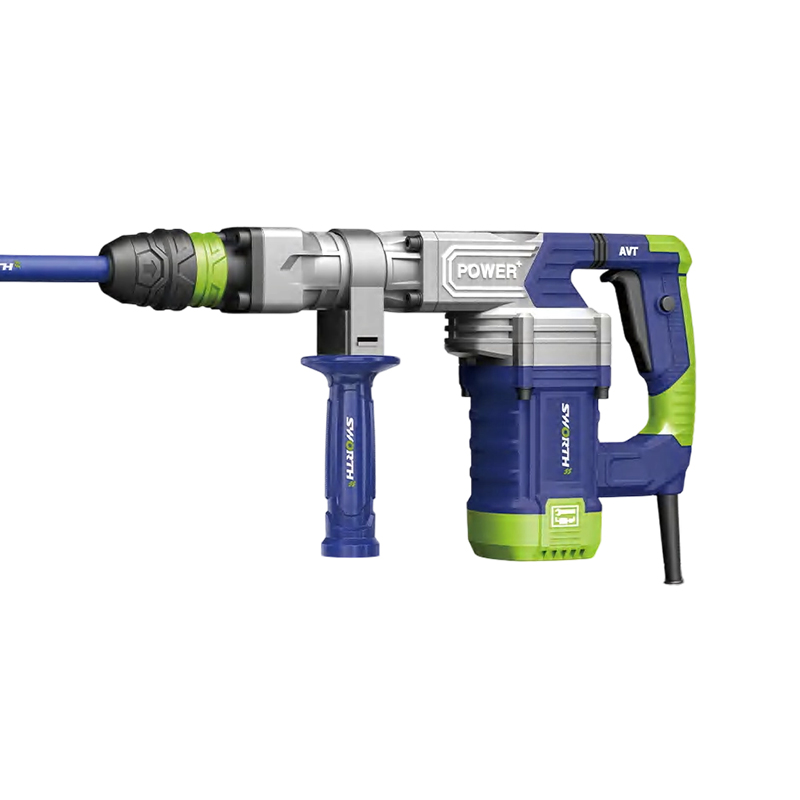
Regular maintenance ensures that hammers maintain low noise, reduced vibration, and precise control.
1. Cleaning and Lubrication
- Remove dust from ventilation channels and lubricate moving parts.
- Prevents heat buildup and reduces mechanical friction.
2. Inspection of Chisels and Tool Holders
- Replace worn or damaged chisels to avoid uneven strikes.
- Tighten tool holders to prevent play and reduce rebound.
3. Motor and Bearing Maintenance
- Check bearings for wear and replace if necessary.
- Properly functioning motors reduce vibration and maintain smooth operation.
4. Regular Calibration of Electronic Controls
- Ensure speed and load settings are accurate for safe operation.
- Maintain consistent hammer control across different materials.
Routine maintenance directly impacts noise reduction, vibration mitigation, and control performance.
Environmental Considerations
External factors also influence noise, vibration, and control performance.
1. Work Surface Material
- Dense or irregular surfaces increase impact, rebound, and vibration.
- Softer or layered materials absorb energy differently, affecting noise.
2. Ambient Temperature
High temperatures may increase motor and battery heat, affecting vibration damping.
3. Dust and Debris
- Accumulation in vents and moving parts increases friction and operational noise.
- Understanding environmental conditions helps operators adapt techniques and maintain performance.
Integrating Evaluation for Safety and Efficiency
A comprehensive evaluation of noise, vibration, and control performance ensures safe and efficient operation of demolition hammers.
1. Quantitative Measurements
Decibel meters and vibration accelerometers provide objective data.
2. Operator Assessment
Ergonomic feedback complements measurements and identifies practical issues.
3. Design Review
Evaluate housing, handle, and internal components for potential improvements.
4. Operational Guidelines
- Set safe exposure limits, work cycles, and proper techniques to reduce fatigue and risk.
Integrating these evaluations ensures that Power Demolition Hammers operate safely, efficiently, and comfortably.
The evaluation of noise, vibration, and control performance is crucial for Cordless Breaker Hammers, Electric Demolition Breaker Hammers, and Power Demolition Hammers. By understanding the sources of noise and vibration, implementing structural and material innovations, applying proper operator techniques, and performing routine maintenance, construction teams can enhance efficiency, reduce operator fatigue, and maintain long-term tool durability.
Operators and managers must consider both quantitative measurements and ergonomic assessments to select tools that meet performance, safety, and comfort requirements. This holistic approach ensures high productivity and sustainable demolition operations.
Recommended Products
-
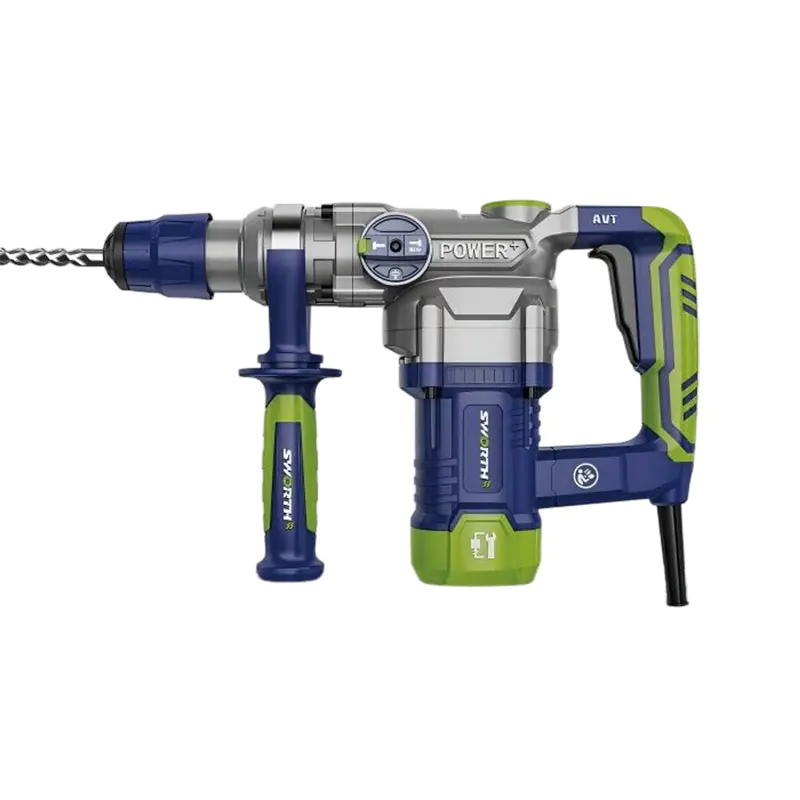


SW528 Small Hole Rebar Hammer
-
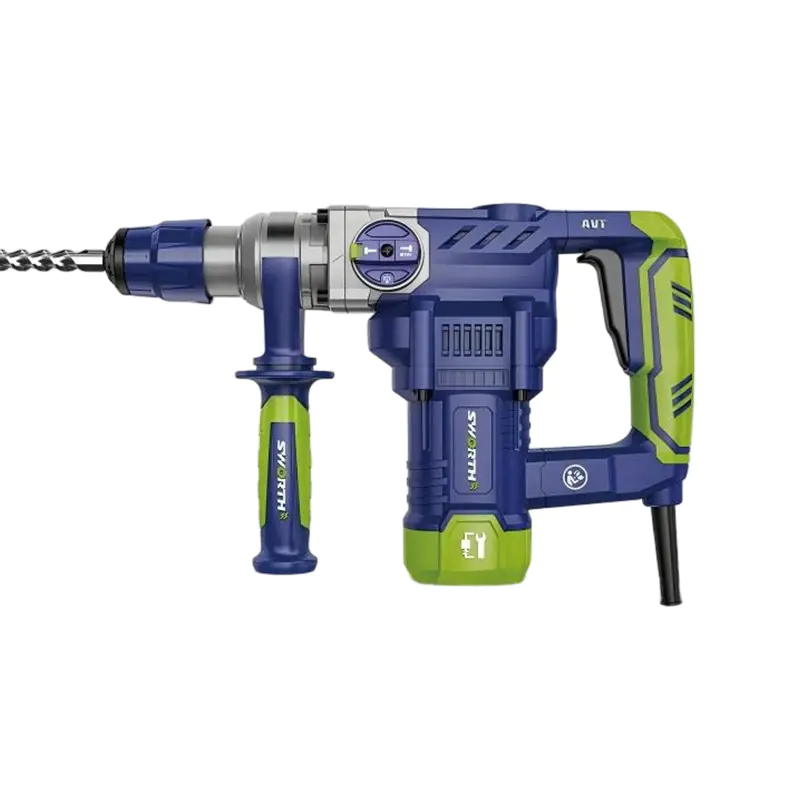
SW932 Groove Sandblasting Hammer
-
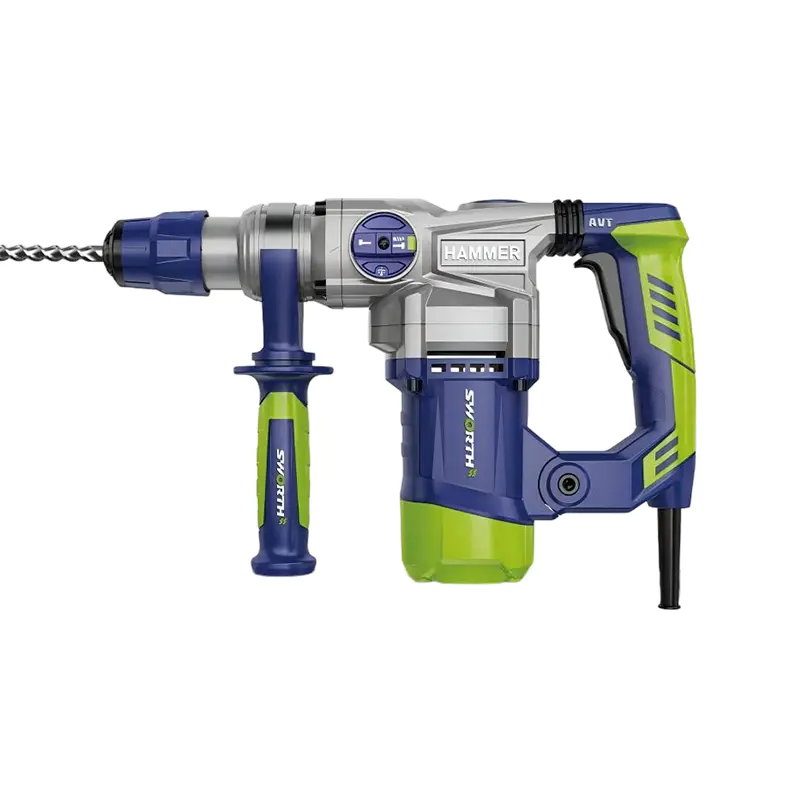
SW9362A Large Hole Rebar Hammer
-
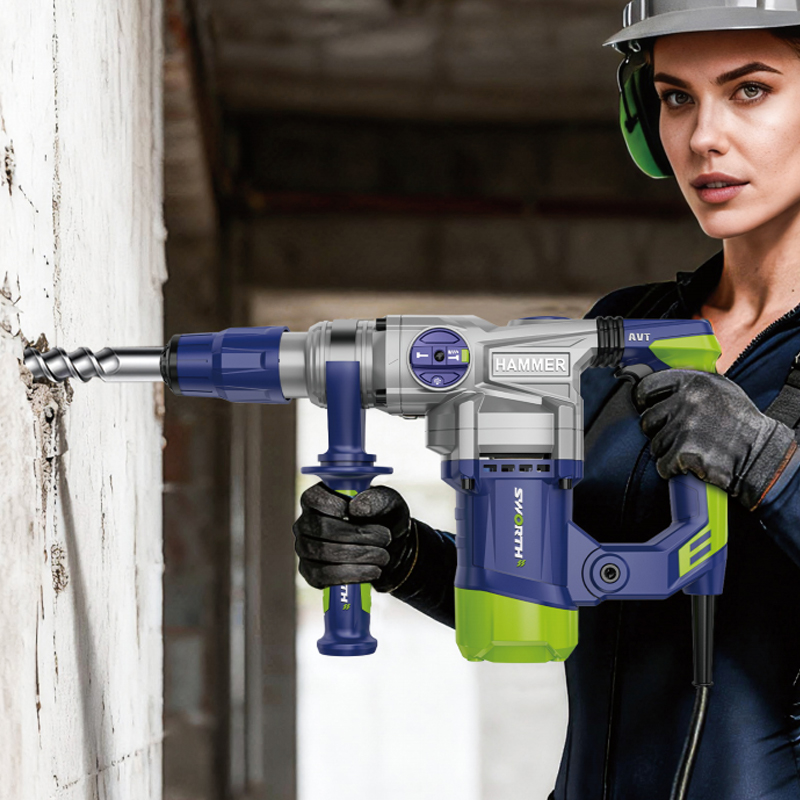
SW940 Enlarged Hole Rebar Hammer
-
SW35S1 Powerful Demolition Hammer
-
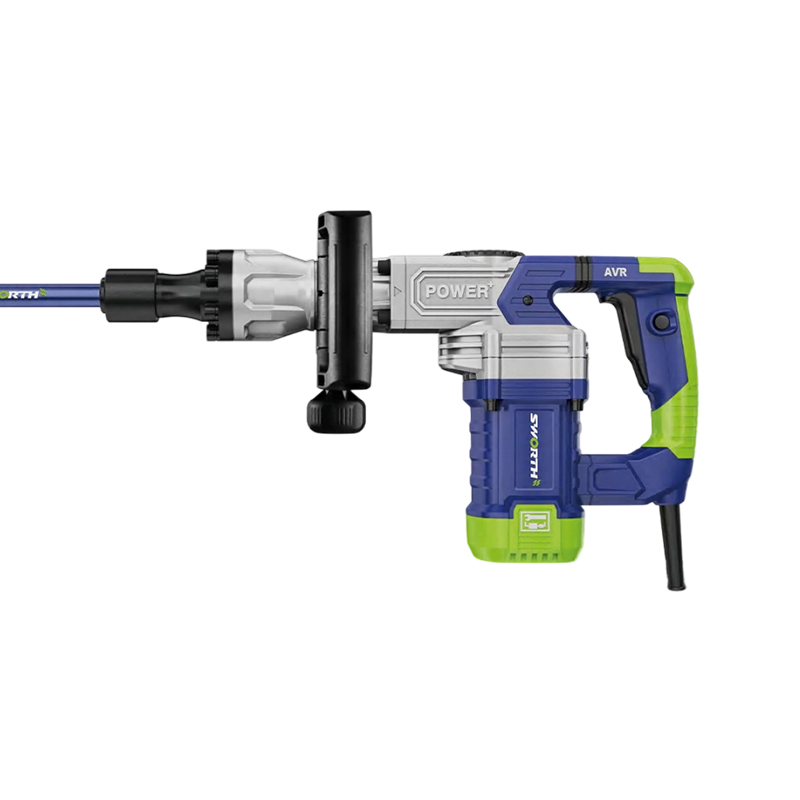
SW35S2 High-Efficiency Heat Dissipation Demolition Hammer
-
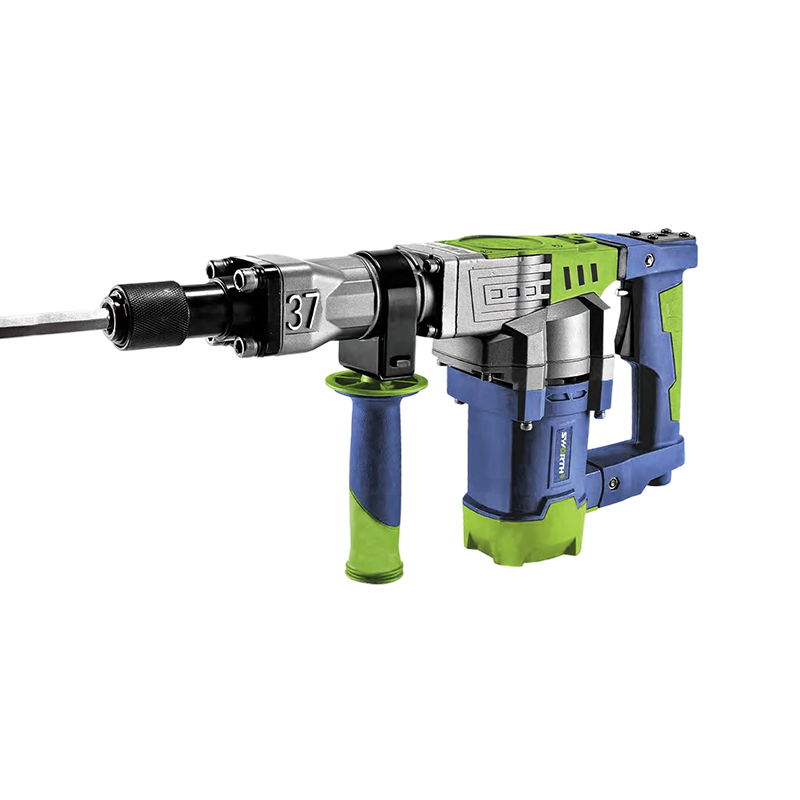
SW9371 High-Power Demolition Hammer
-
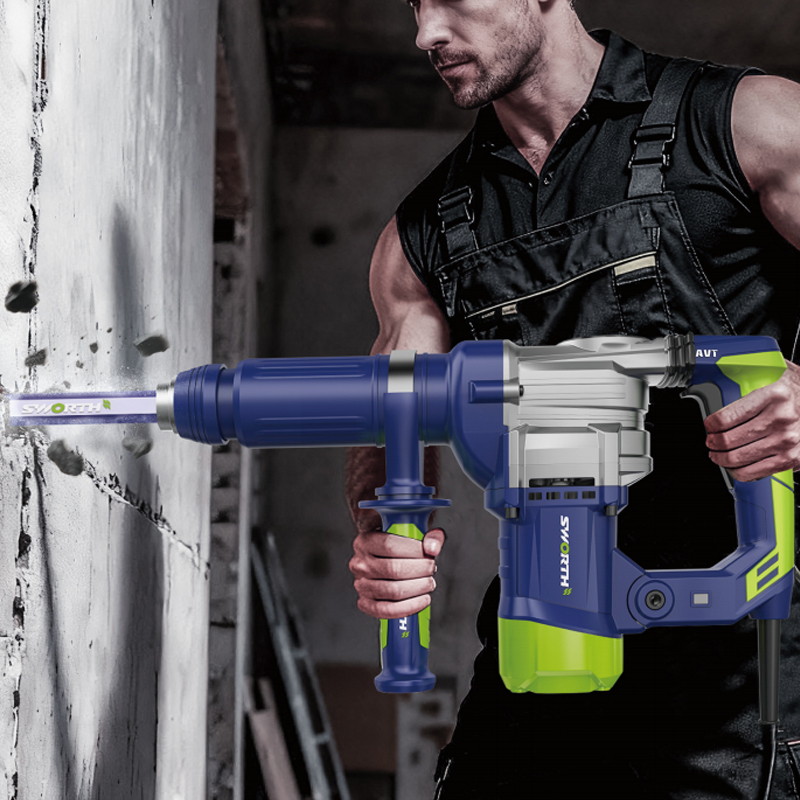
SW9373 Anti-Scalding Carbon Brush Holder Demolition Hammer
-
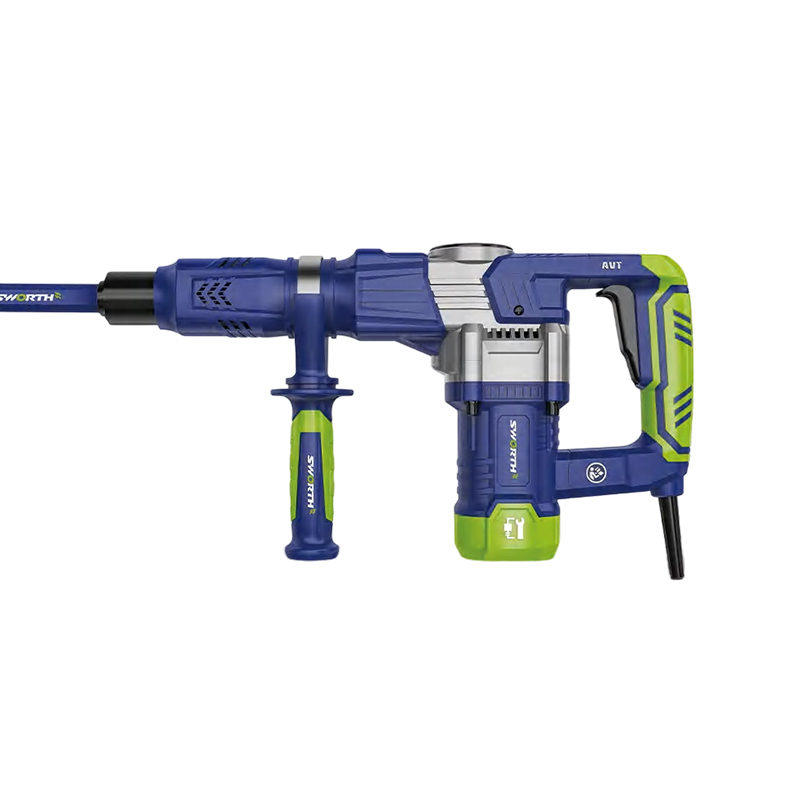
SW535 Powerful Anti-Scalding Demolition Hammer
-
SW535-2 Durable Powerful Demolition Hammer
-
SW35S3 Five-Pipe Drill Bit Demolition Hammer
-

SW11E Five-Pipe Clamping Demolition Hammer
 +86-18314829275
 sale@sworthtools.com
 No. 101, Yugui Road, chengxi Industrial Zone, Yongkang City, Zhejiang Province, China
Copyright© Yongkang Siwei Technology Co., Ltd. All Rights Reserved

Hammer Tools & Cordless Garden Tools Manufacturer
