 English
 русский
 Español
What Pinhole Reinforcement Hammer Is Used For In Construction And Planting Work
Small Scale Reinforcement Tools In Construction And Planting Work Environments
In many light construction or planting jobs, work usually happens in places where machines are not easy to bring in or simply not necessary. In these situations, handheld tools take on a more practical role because they can be moved easily and used in a more direct way. A Pinhole Reinforcement Hammer is one of those tools that shows up in tasks where the work is small in scale but still needs steady control.
On site, it is common to see workers dealing with repeated small adjustments rather than large structural changes. Things like setting small supports, adjusting position points, or preparing ground contact areas often require something simple but reliable. That is where this kind of hammer fits in.
Over time, tools in this category have shifted away from broad, general use. Instead of trying to handle many different heavy tasks, they are now more often shaped for focused work, where control and accuracy matter more than raw force.
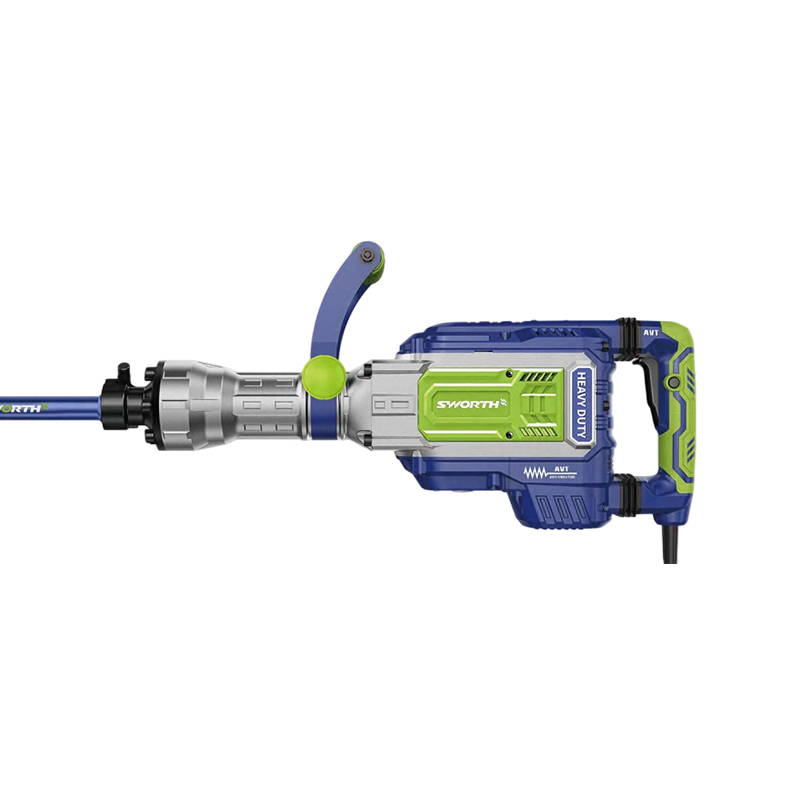
Basic Structure And Design Characteristics Of Pinhole Reinforcement Hammer In Field Applications
At first glance, the structure of a Pinhole Reinforcement Hammer does not look complicated. It usually consists of a head, a handle, and a connecting section that holds everything together. But each part plays a specific role once it is in use.
The head is designed to concentrate force into a smaller point, which helps when working on precise positions. The handle gives direction and control, especially when the same motion is repeated many times during a task.
The idea behind the pinhole design is quite practical. Instead of spreading force over a wide area, the impact is guided into a more focused point. This makes it easier to handle small fixing points or adjustments where accuracy is needed more than power.
Comfort during use often depends on balance. If the weight is evenly distributed, the tool feels more stable in hand, especially during longer working periods outdoors. When the structure is simple and clear, there is also less need to adjust or think about the tool during operation, which helps keep the workflow smooth.
Working Principle Of Pinhole Reinforcement Hammer In Construction And Planting Tasks
The way this hammer works is based on a direct transfer of force. When the user applies pressure through the handle, the energy moves straight to the head and then into the working surface. The result is a controlled impact on a specific point.
In construction tasks, this often shows up in small adjustments rather than major changes. It might be used to position parts before they are fixed in place or to prepare contact points where reinforcement will follow. In planting work, the same principle is applied to soil preparation or support positioning.
What really matters in use is not how strong the force is, but where it is applied. A well-placed strike helps avoid disturbing nearby areas, which is useful when working in tight or delicate spaces.
Different surfaces also react differently. Softer ground tends to absorb impact more easily, while harder surfaces require more careful handling to avoid slipping or uneven contact. This is where control becomes more important than force.
Application Of Pinhole Reinforcement Hammer In Construction Site Support And Assembly Work
On construction sites, this type of hammer is usually not the main tool for large structural work. Instead, it is used in supporting roles where small but repeated actions are needed.
Some common use cases include:
- Aligning smaller parts before final installation
- Adjusting position points during assembly work
- Preparing surface contact points for reinforcement
- Assisting other tools in light adjustment tasks
Because these actions tend to repeat, the tool becomes useful in maintaining a steady workflow. It is not about heavy impact, but about consistency in small movements.
Over time, this kind of repeated use makes the handling feel more natural, especially when the tool responds in a predictable way.
Use Of Pinhole Reinforcement Hammer In Planting Work And Outdoor Ground Preparation
In planting and outdoor ground work, the tool is often used in simple but necessary preparation steps. This can involve adjusting soil shape, setting small support points, or helping stabilize planting structures.
Outdoor ground conditions are rarely the same. Some areas are soft and easy to work with, while others are compact and require more controlled effort. The hammer helps bridge these differences by allowing the user to adjust impact depending on the situation.
Typical uses in planting environments include:
- Supporting young plant structures so they remain stable
- Adjusting small planting holes or positions
- Fixing lightweight frames or supports into soil
- Assisting with layout preparation in garden work
Handling Experience And Operational Behavior During Continuous Work
When a hammer is used again and again in the same working cycle, small details start to matter more than expected. The way it sits in the hand, how it responds after each strike, and how smoothly it returns for the next motion all influence how comfortable the work feels over time.
A balanced structure usually helps reduce unnecessary tension in the wrist and fingers. Instead of forcing correction during every movement, the tool allows a more natural rhythm, especially when the task requires steady repetition rather than occasional use.
Grip shape also plays a quiet role in daily handling. A handle that matches natural hand positioning makes it easier to maintain control without constantly readjusting the hold. In outdoor work, where switching between tasks is common, this becomes even more noticeable because there is rarely time to reset the grip each time.
| Aspect | Lightweight Design | Heavier Design |
|---|---|---|
| Movement Response | Easier to guide between strikes | Requires more effort to reposition |
| Hand Load Over Time | Feels lighter during long tasks | Fatigue builds more noticeably |
| Control Style | Better for precise adjustment | Stronger impact but less flexible |
Material Selection And Structural Strength Considerations
Material choice quietly defines how a hammer behaves after repeated use. The head needs to stay stable under continuous impact, while the handle must resist loosening or shifting even after long periods of movement.
In outdoor environments, exposure is not consistent. Dust, moisture, and temperature changes all interact with the surface. Materials that handle these conditions without quick wear tend to keep the tool feeling steady over time.
Surface finishing is also part of the equation. A smoother or treated surface can make cleaning easier after soil or residue builds up during work. This is not always visible at first, but it becomes noticeable after repeated use.
Another point that often gets attention during long-term handling is the connection between parts. If the head and handle stay firmly joined, the vibration during impact feels more controlled. If that connection weakens, even slightly, the tool becomes less predictable in hand.
In practice, durability is less about appearance and more about how the structure holds together after repeated cycles of use.
Functional Differences Between Pinhole Reinforcement Hammer Big Hole Planting Hammer And Light Type Hammer
Although these tools may look similar at a distance, their roles become clearer once they are used in real tasks. Each one responds differently depending on how and where it is applied.
The pinhole type is generally used when work requires focused impact on smaller points. It is often chosen for tasks where adjustment needs to stay precise and localized.
The big hole planting type shifts attention toward broader ground interaction. It is more commonly associated with planting environments where support areas are larger or where deeper placement is needed for stability.
The light type hammer focuses on ease of movement. It is often selected when tasks involve frequent repetition and when reducing hand load becomes more important than strong impact force.
In simple terms:
- Pinhole version: narrow, controlled striking for small adjustments
- Big hole planting version: wider ground contact for planting support
- Light type version: reduced weight for continuous manual use
These distinctions help users match tools to working conditions instead of relying on a single general option.
Efficiency Factors Affecting Reinforcement Hammer Performance In Practical Work Conditions
Efficiency in field work is often linked to how smoothly a tool fits into repeated motion. A hammer that behaves consistently reduces the need for correction or repeated strikes in the same position.
Several small factors tend to influence how it performs in real use:
- Stability during repeated striking cycles
- Ease of repositioning between contact points
- Response to different surface hardness levels
- Ability to maintain rhythm without interruption
When these elements stay balanced, the workflow feels more continuous, even when the working environment changes. The tool becomes part of the motion rather than something that interrupts it.
In practice, this consistency often matters more than raw force, especially in tasks where accuracy and repetition are part of the process.
Maintenance Handling And Long Term Usage Behavior
After repeated use in soil or construction environments, surface residue and wear naturally begin to appear. Cleaning at regular intervals helps keep the tool in stable condition, even if the process itself is simple.
Most maintenance routines focus on removing material buildup from the head and checking that the connection between parts remains firm. These small actions help prevent gradual performance changes that might not be noticeable at first.
Storage conditions also play a role. A dry and stable place reduces exposure that could affect surface condition or internal structure over time. Even simple placement decisions can influence how the tool ages during long periods of use.
Over time, tools that are handled with basic care tend to keep a more consistent feel during operation, especially in repetitive work environments.
Transition To Manufacturing Background And Tool Development Focus
Behind handheld tools used in construction and planting work, there is usually a continuous process of adjustment in structure and handling design. Practical feedback from real working conditions often shapes how these tools are refined over time.
In this context, Yongkang Siwei Technology Co., Ltd. is often connected with ongoing production and development of hand tools, where attention is given to structural consistency and usability in everyday field applications, keeping focus on practical performance rather than appearance or presentation.
Recommended Products
-
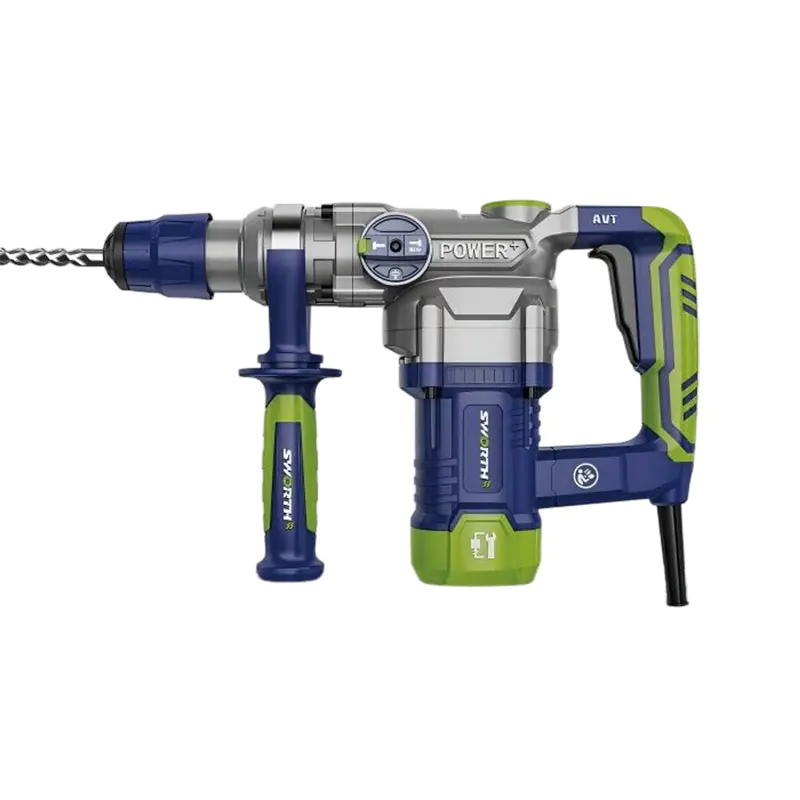


SW528 Small Hole Rebar Hammer
-
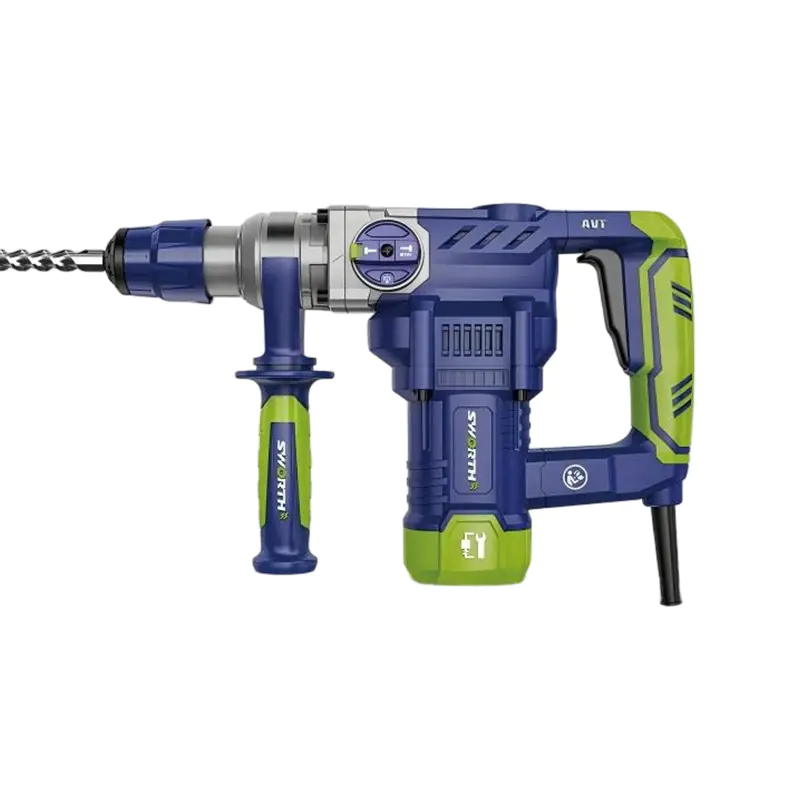
SW932 Groove Sandblasting Hammer
-
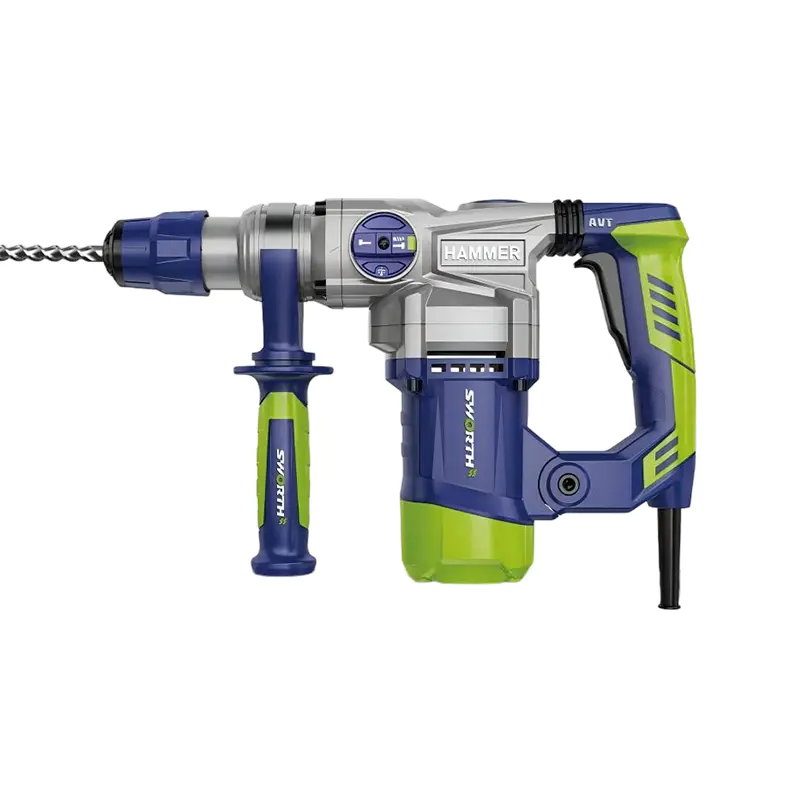
SW9362A Large Hole Rebar Hammer
-
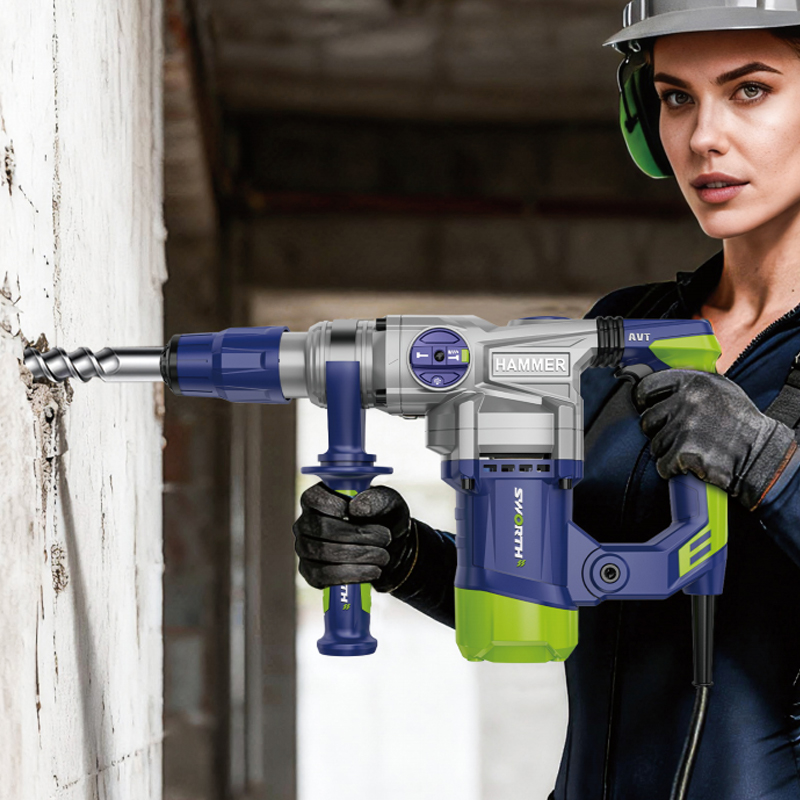
SW940 Enlarged Hole Rebar Hammer
-
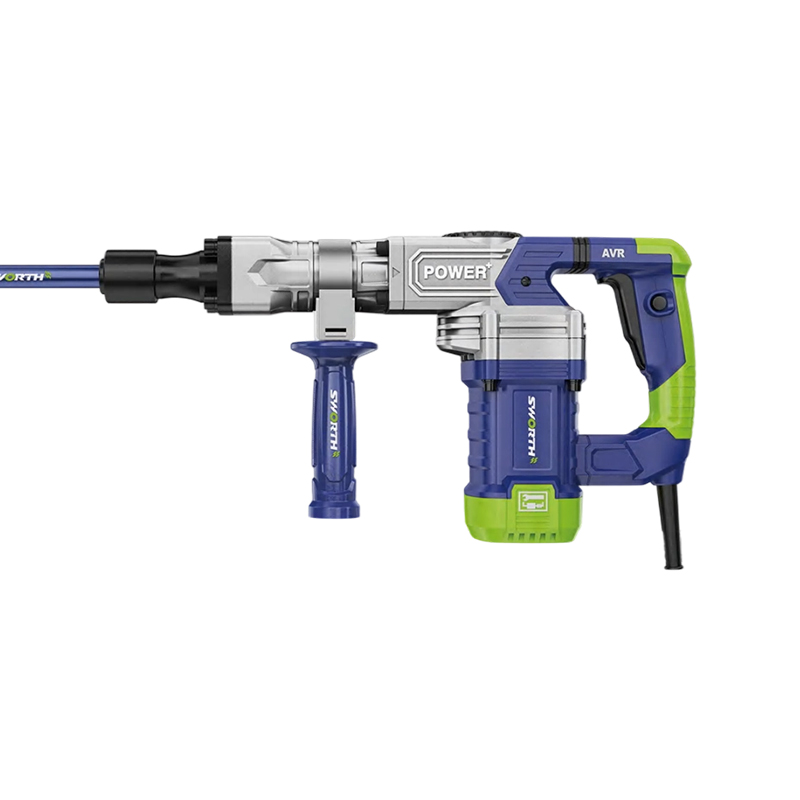
SW35S1 Powerful Demolition Hammer
-
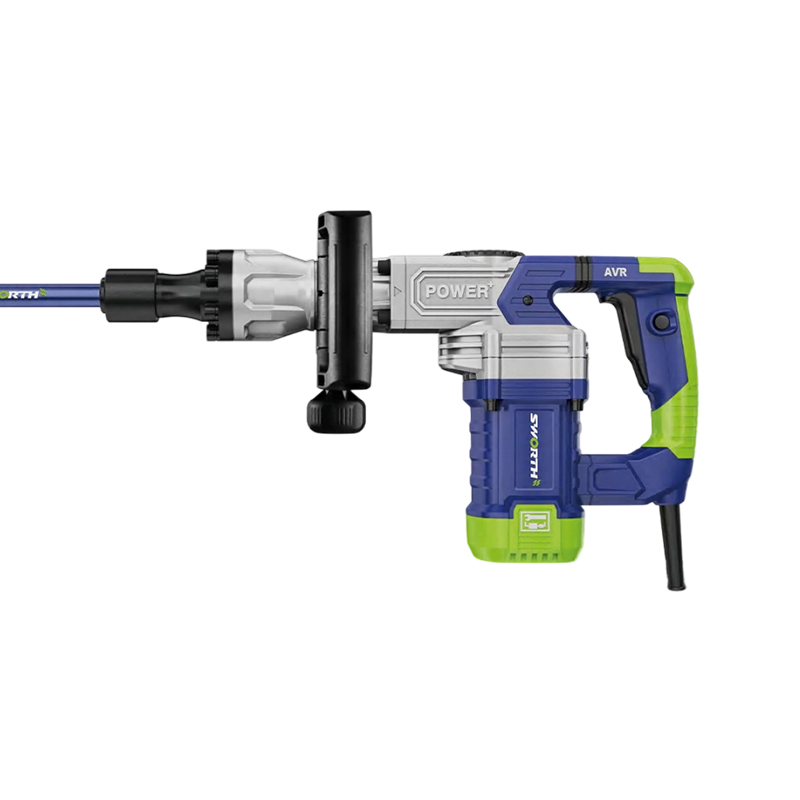
SW35S2 High-Efficiency Heat Dissipation Demolition Hammer
-
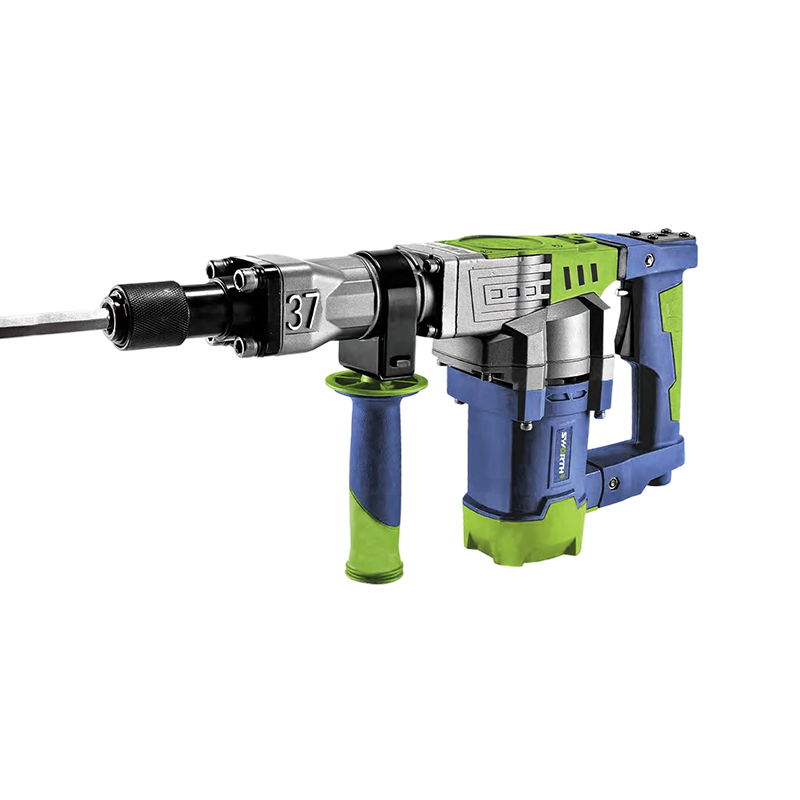
SW9371 High-Power Demolition Hammer
-
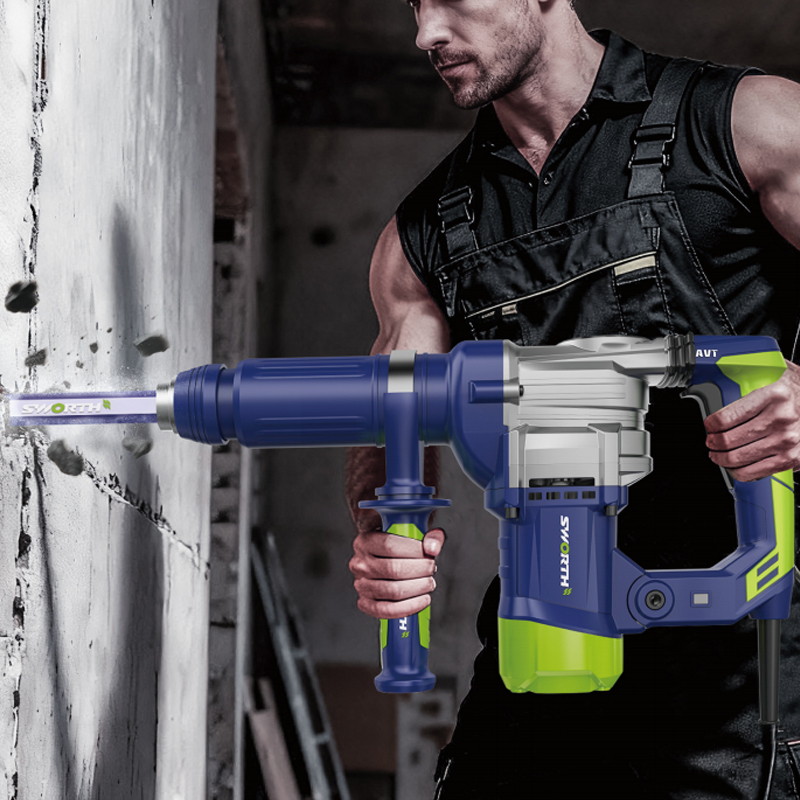
SW9373 Anti-Scalding Carbon Brush Holder Demolition Hammer
-
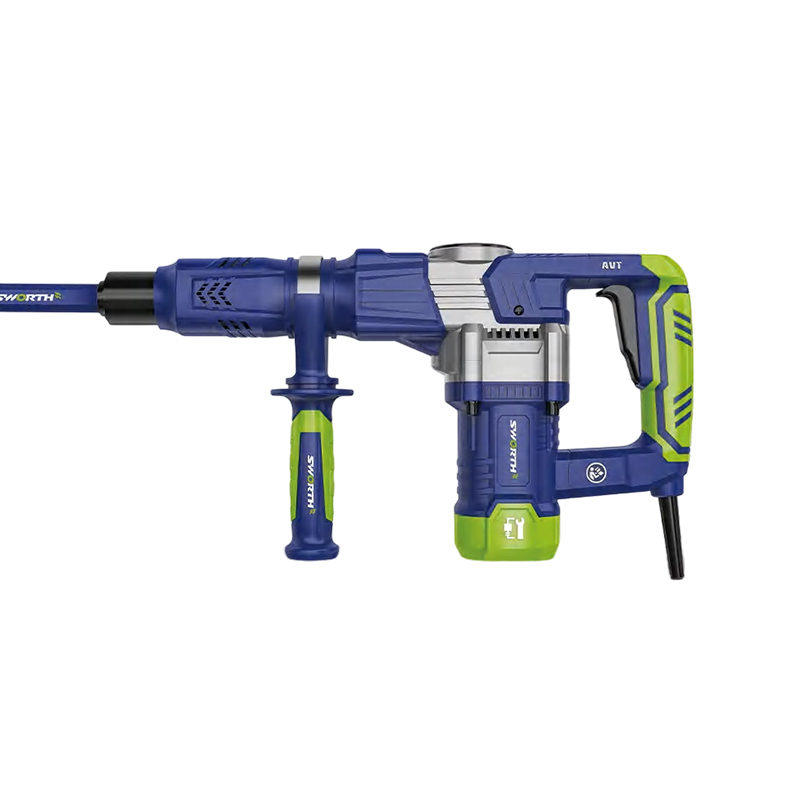
SW535 Powerful Anti-Scalding Demolition Hammer
-
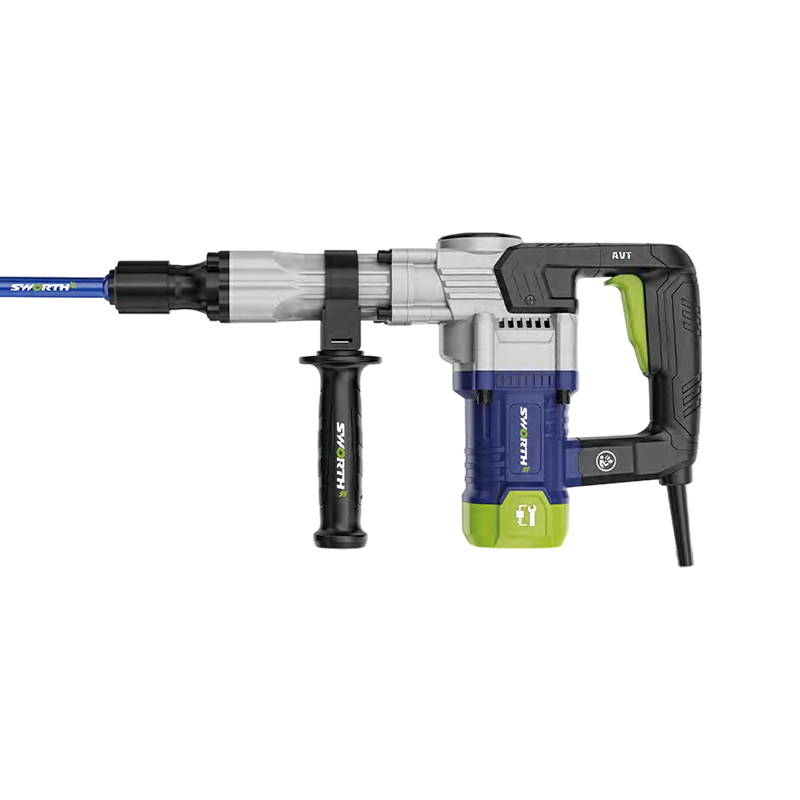
SW535-2 Durable Powerful Demolition Hammer
-
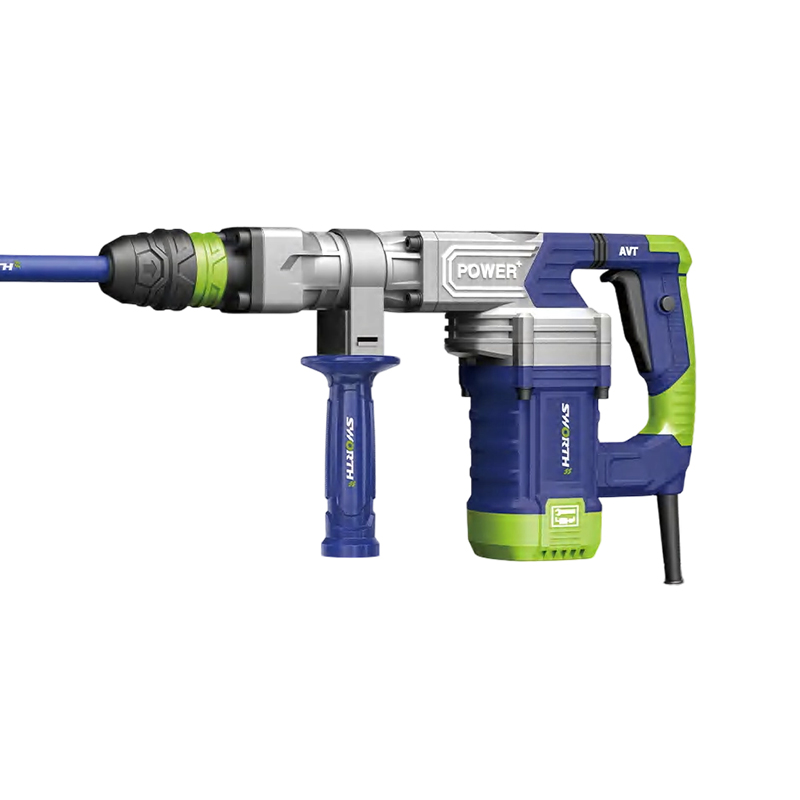
SW35S3 Five-Pipe Drill Bit Demolition Hammer
-

SW11E Five-Pipe Clamping Demolition Hammer
 +86-18314829275
 sale@sworthtools.com
 No. 101, Yugui Road, chengxi Industrial Zone, Yongkang City, Zhejiang Province, China
Copyright© Yongkang Siwei Technology Co., Ltd. All Rights Reserved

Hammer Tools & Cordless Garden Tools Manufacturer
