 English
 русский
 Español
Comparing High-Efficiency Breaker Hammer and Pneumatic Hammers
Introduction to High-Efficiency Breaker Hammer
The High Efficiency Breaker Hammer is widely used in demolition, mining, and construction projects where maximum performance is essential.
- Hydraulic operation: It relies on hydraulic systems to deliver strong, consistent impact energy.
- High productivity: The design ensures faster material breakage with fewer strikes, reducing overall project time.
- Durability: Reinforced components allow the hammer to withstand heavy-duty, continuous use.
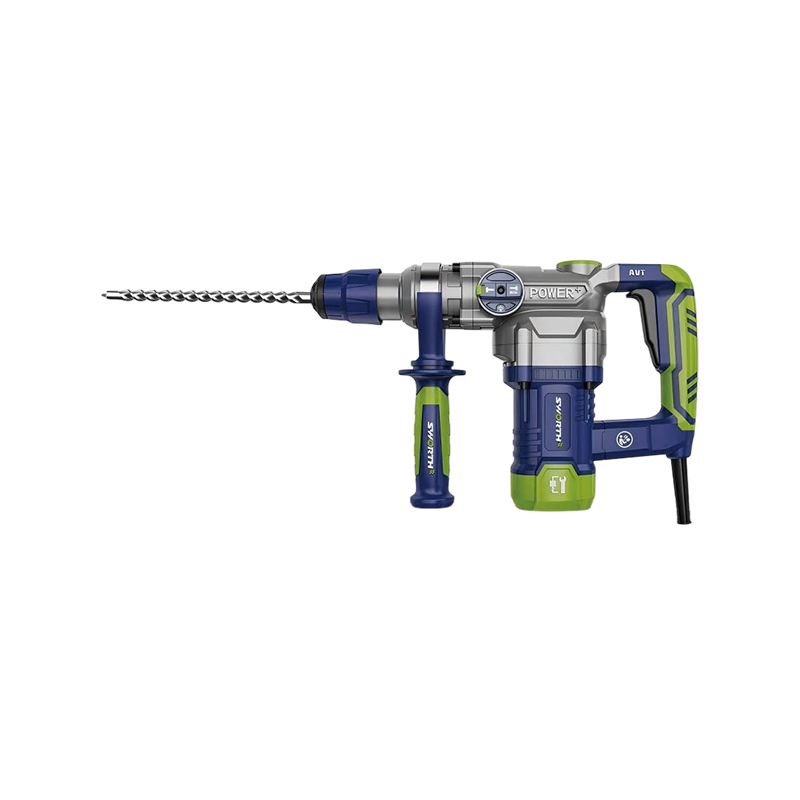
Overview of Pneumatic Hammers
Pneumatic hammers, also known as air hammers, have been traditionally used for medium-scale construction and mining tasks.
- Compressed air operation: Pneumatic hammers use pressurized air to drive the piston and create impact energy.
- Simplicity and portability: These hammers are generally lighter and easier to transport than hydraulic systems.
- Versatile applications: Suitable for lighter demolition, concrete removal, and surface preparation tasks.
Power and Impact Efficiency
Comparing the power delivery of both systems highlights the advantages of the High Efficiency Breaker Hammer.
- Impact energy: Hydraulic breakers provide higher per-strike force, enabling faster penetration of hard materials.
- Consistency: Hydraulic systems maintain steady performance even under continuous load, whereas pneumatic hammers may lose efficiency as air pressure fluctuates.
- Material versatility: High Efficiency Breaker Hammers can handle a wider range of materials, including reinforced concrete and hard rock, more effectively than pneumatic hammers.
Operational Speed and Productivity
Speed and cycle efficiency are key factors in project timelines.
- High Efficiency Breaker Hammer: Offers rapid blow frequency and adjustable settings to match project requirements.
- Pneumatic hammer: While reliable, it may require more time for equivalent material breakage, especially in dense or reinforced surfaces.
- Downtime considerations: Hydraulic breakers generally have lower downtime when properly maintained, contributing to higher overall productivity.
Safety and Operator Control
Operator comfort and safety differ between these two technologies.
- Vibration management: High Efficiency Breaker Hammers often include advanced shock absorption, reducing fatigue and risk of injury.
- Noise levels: Pneumatic hammers tend to be louder due to air exhaust, which may require additional protective measures.
- Precision control: Hydraulic systems allow operators to fine-tune impact force, preventing over-penetration and unintended damage.
Maintenance and Longevity
Maintenance requirements affect operational costs and tool reliability.
- High Efficiency Breaker Hammer: Requires regular hydraulic fluid checks, lubrication, and component inspections but generally has a longer service life.
- Pneumatic hammers: Simple air systems mean fewer moving parts, but constant air quality monitoring is critical to avoid piston wear and corrosion.
- Replacement parts: Hydraulic hammers have more specialized components, while pneumatic hammers use more standardized parts.
Environmental and Site Considerations
Project site conditions can influence which hammer is more suitable.
- High Efficiency Breaker Hammer: Ideal for large-scale, continuous operations in varied geology or confined spaces where precise control is needed.
- Pneumatic hammer: More suitable for smaller projects, portable tasks, or areas without hydraulic support.
- Temperature and moisture: Pneumatic systems may be sensitive to cold or wet conditions, which can reduce air pressure efficiency.
Cost-Benefit Analysis and Application
Choosing between a High Efficiency Breaker Hammer and a pneumatic hammer depends on long-term project goals.
- High Efficiency Breaker Hammer: Higher initial investment but good performance in heavy-duty projects, resulting in time and energy savings.
- Pneumatic hammer: Lower upfront cost and portability make it practical for small-scale or intermittent tasks.
- Project alignment: Consider material hardness, required precision, site constraints, and operator experience when selecting the appropriate hammer.
High Efficiency Breaker Hammers outperform pneumatic hammers in impact energy, consistency, and suitability for demanding projects.
Hydraulic breakers excel in heavy-duty operations, offering adjustable force, higher productivity, and reduced operator fatigue.
Pneumatic hammers remain valuable for lighter applications due to simplicity and portability.
Project requirements, site conditions, and material characteristics should guide the choice between these tools.
By understanding the performance differences, construction and mining professionals can improve efficiency, ensure safety, and optimize equipment use for each specific application. The right hammer selection can greatly influence project timelines, material handling, and operational costs.
Recommended Products
-
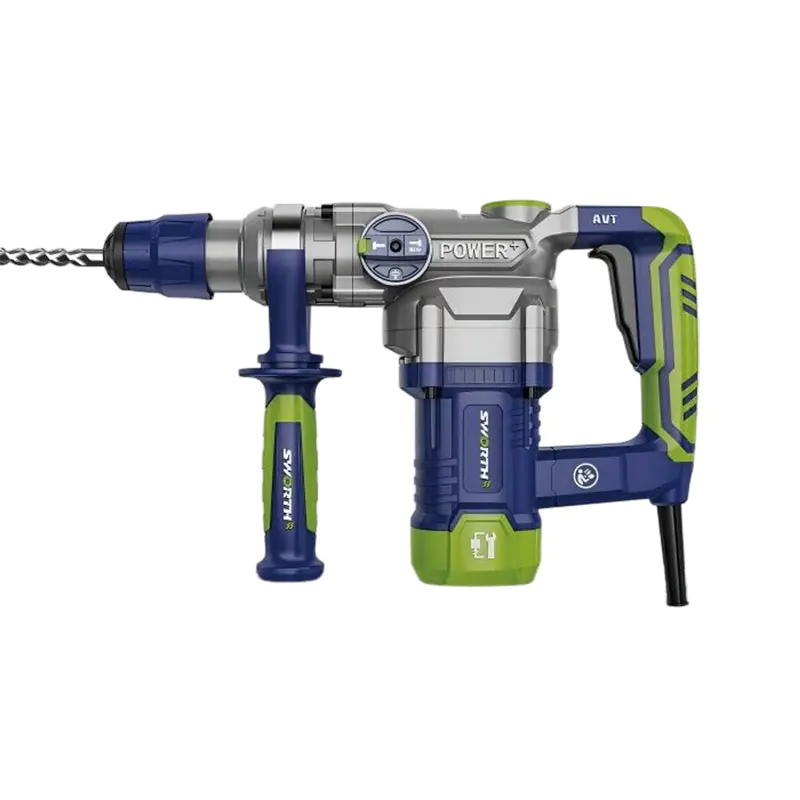


SW528 Small Hole Rebar Hammer
-
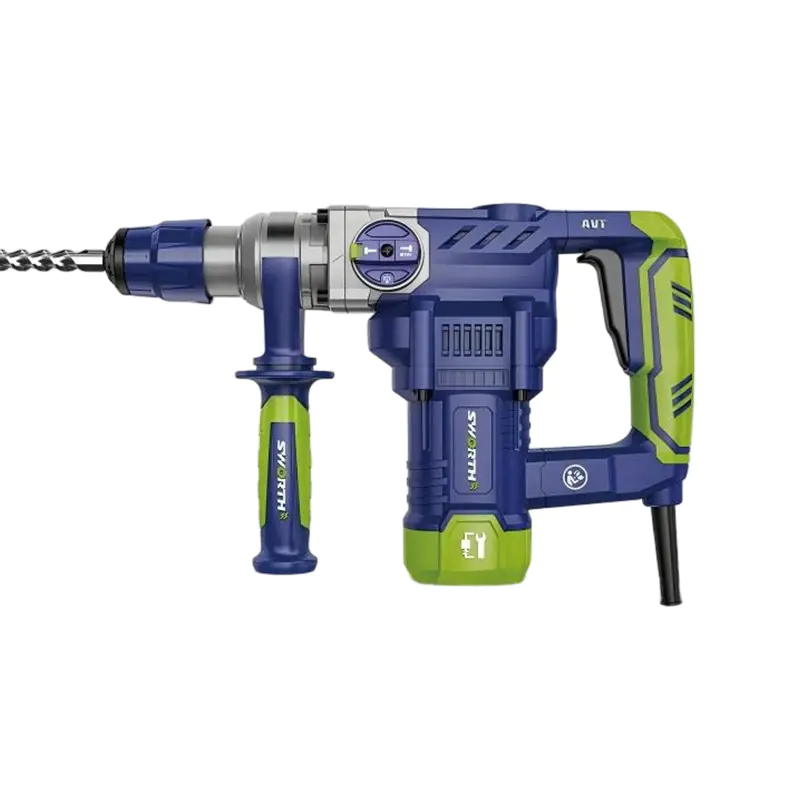
SW932 Groove Sandblasting Hammer
-
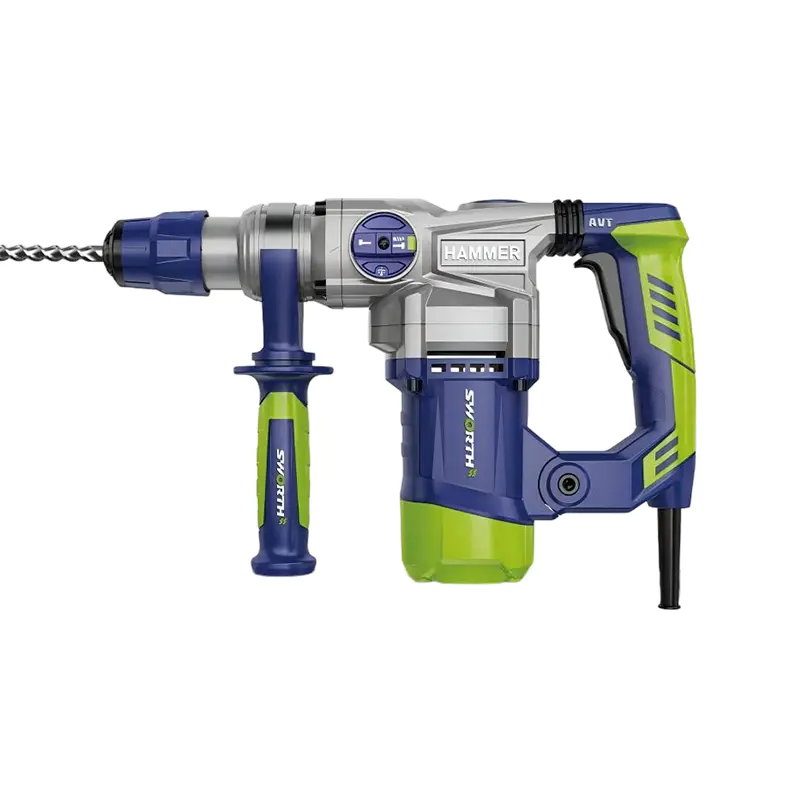
SW9362A Large Hole Rebar Hammer
-
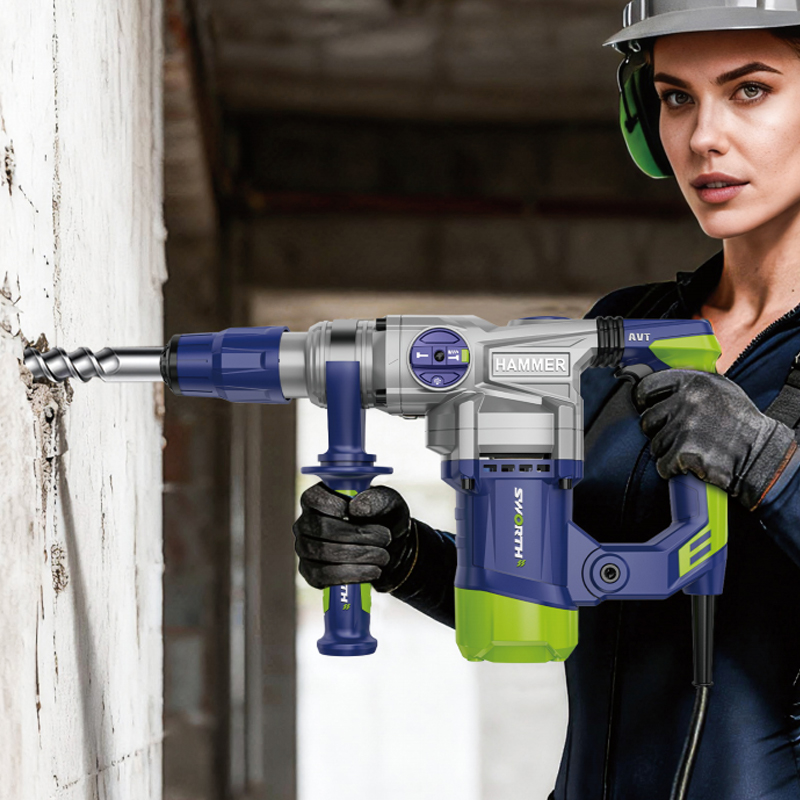
SW940 Enlarged Hole Rebar Hammer
-
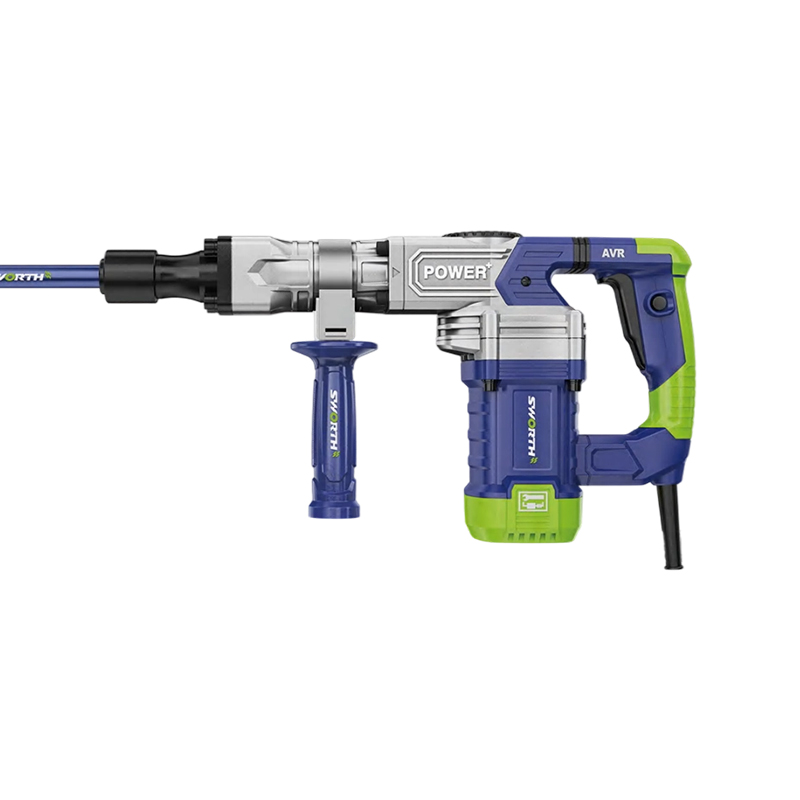
SW35S1 Powerful Demolition Hammer
-
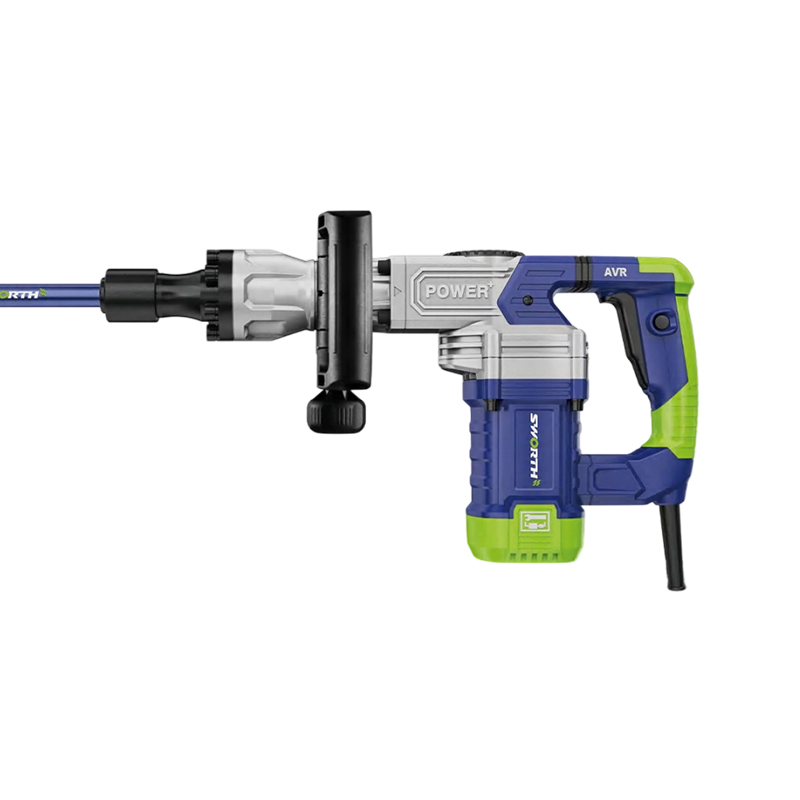
SW35S2 High-Efficiency Heat Dissipation Demolition Hammer
-
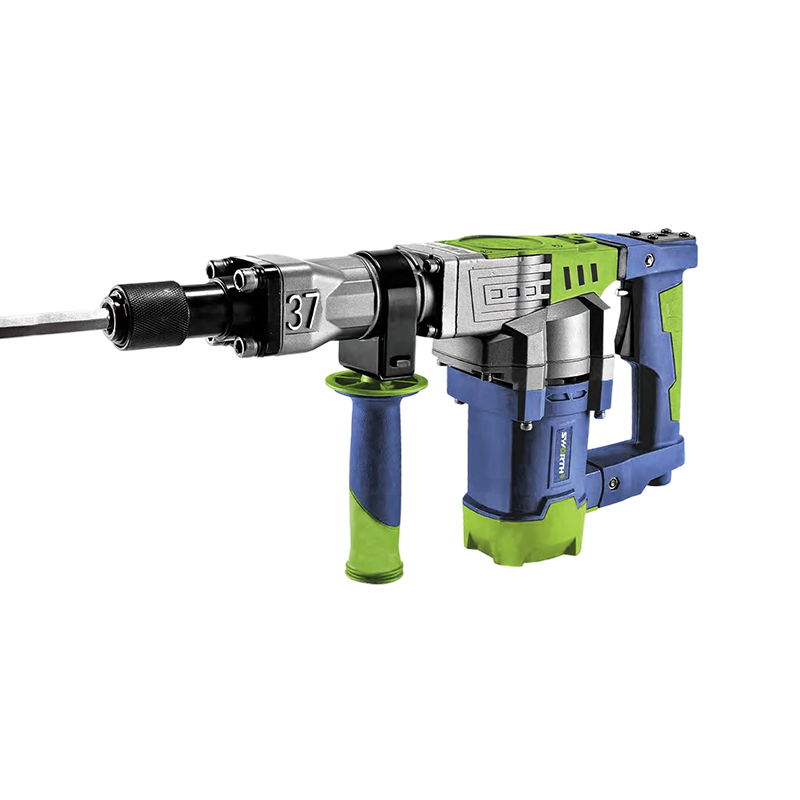
SW9371 High-Power Demolition Hammer
-
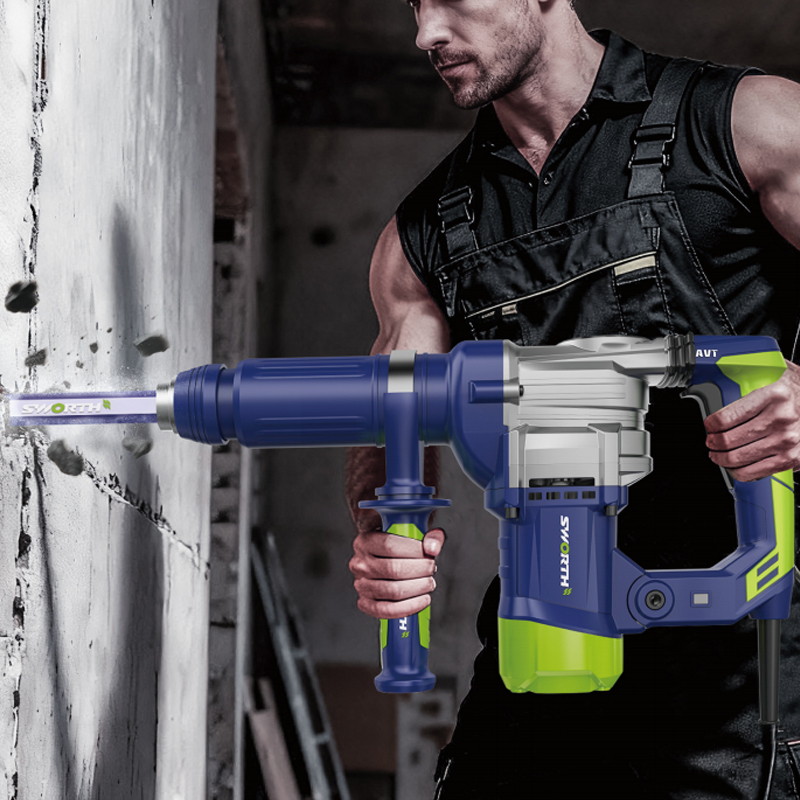
SW9373 Anti-Scalding Carbon Brush Holder Demolition Hammer
-
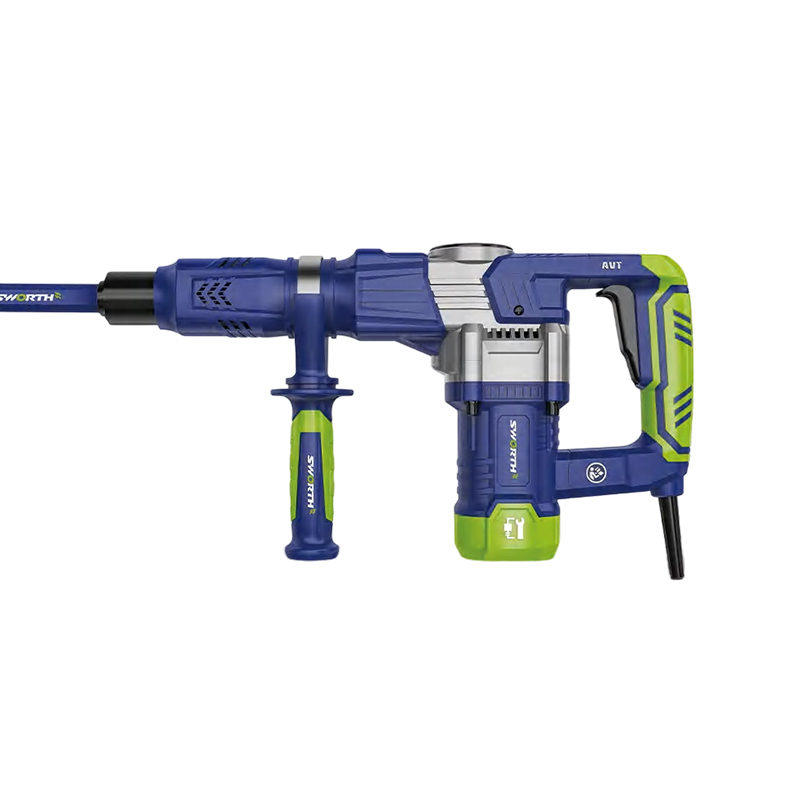
SW535 Powerful Anti-Scalding Demolition Hammer
-
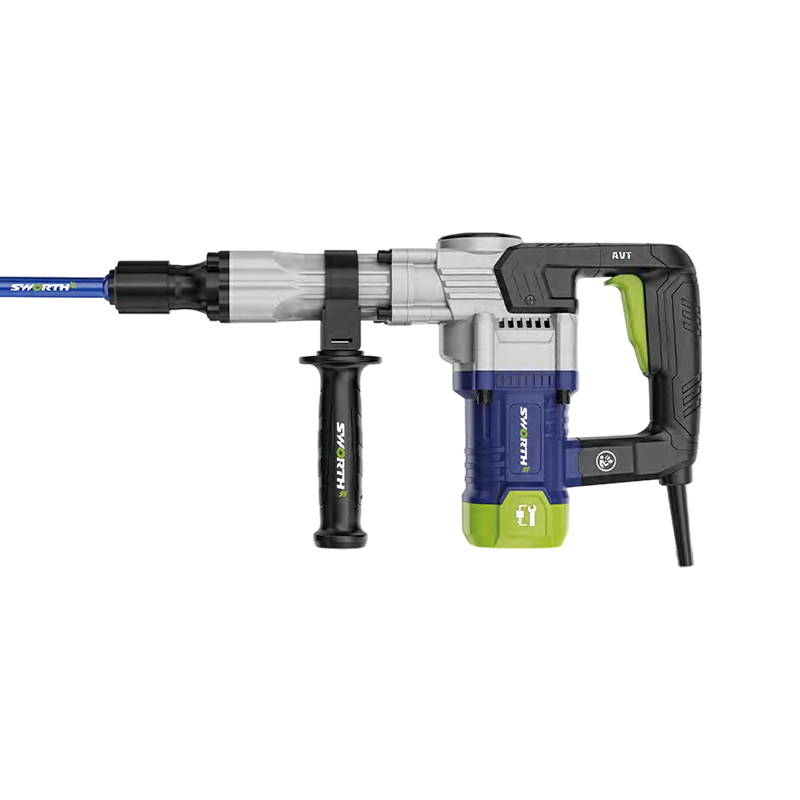
SW535-2 Durable Powerful Demolition Hammer
-
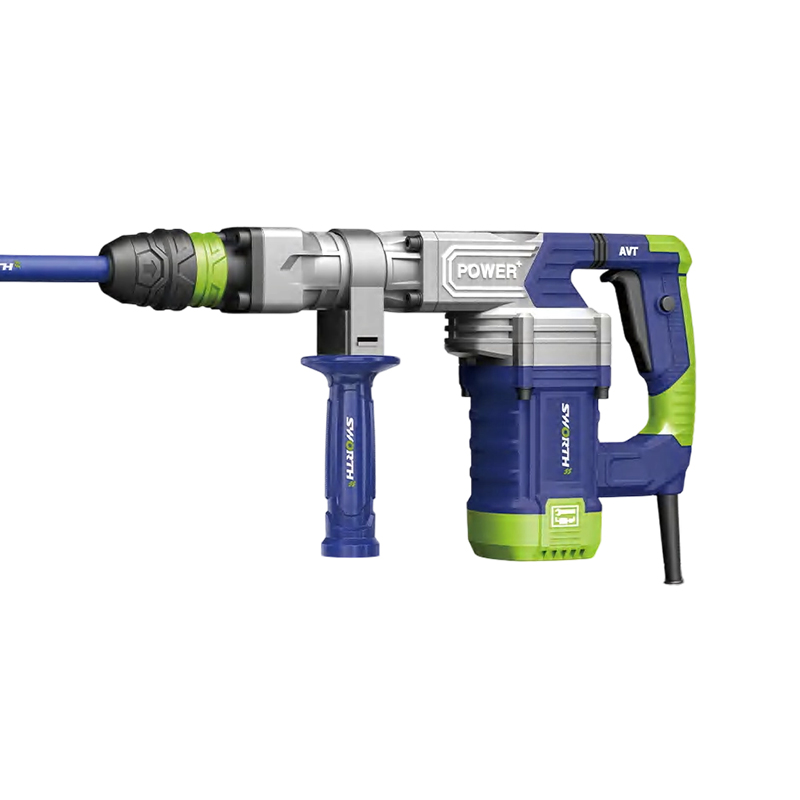
SW35S3 Five-Pipe Drill Bit Demolition Hammer
-

SW11E Five-Pipe Clamping Demolition Hammer
 +86-18314829275
 sale@sworthtools.com
 No. 101, Yugui Road, chengxi Industrial Zone, Yongkang City, Zhejiang Province, China
Copyright© Yongkang Siwei Technology Co., Ltd. All Rights Reserved

Hammer Tools & Cordless Garden Tools Manufacturer
