 English
 русский
 Español
What Factors Influence Performance Of Variable Speed Angle Grinder Polisher
An Angle Grinder is a tool that many surface work situations rely on without much complexity in its appearance. It works through rotation and direct contact, which means the final result is always tied closely to how it is handled during use. When speed adjustment is added, forming a Variable Speed Angle Grinder Polisher, the behavior of the tool becomes less fixed and more dependent on how it is set in each working moment.
In some manufacturing and equipment discussions, names such as Yongkang Siwei Technology Co., Ltd. may appear in the background when people refer to how tools like this are put together or used in different working environments. It usually relates more to general context than to the operation itself.
Even though the structure looks simple, the way it performs is shaped by several small and connected factors that show up during real use.

Role Of Angle Grinder In Surface Processing Workflows
In surface work, an Angle Grinder is often used in the early or middle stage of processing. It is not limited to one task. Instead, it shifts between rough shaping and surface adjustment depending on how it is handled.
Typical situations where it appears include:
- Smoothing uneven edges after cutting
- Removing rough surface layers
- Preparing material before finer finishing
- Light reshaping before polishing work
The movement of the disc against the surface is what creates the change. Because of that, even small differences in handling can lead to noticeable differences in results.
Functional Characteristics Of Variable Speed Angle Grinder Polisher
Once speed control is added, the Variable Speed Angle Grinder Polisher no longer behaves in a single fixed way. It reacts differently depending on how fast the rotation is set.
In practical use, the difference in speed often feels like this:
- Lower speed tends to feel calmer and easier to control
- Medium speed sits in a more balanced working range
- Higher speed feels more active and requires closer attention
These changes are not just about numbers or settings. They influence how the surface reacts at the point of contact, which is why users often adjust speed during different stages of work.
Motor Behavior And Power Output Stability In Angle Grinder Systems
Inside the Angle Grinder, the motor is doing the main work of keeping rotation going. Its behavior changes slightly depending on what it is facing during use.
Some common influences include:
- Contact with harder or uneven surfaces
- Pressure changes from the user's hand
- Longer continuous operation without pause
- Sudden changes in resistance during grinding
When the motor response feels steady, the tool is easier to guide. When it becomes uneven, the surface result may also feel less consistent.
Speed Control System And Its Impact On Working Performance
The speed control system does not change the structure of the tool, but it changes how the tool behaves during operation. This is often more noticeable than expected.
What it can influence includes:
- How smooth the surface contact feels
- How quickly material is removed
- How much heat builds up during use
- How the tool shifts between rough and fine work
A simple comparison of speed behavior:
- Speed RangeWorking FeelingSurface Reaction
- Lower rangeEasier to controlGentle surface change
- Middle rangeMore balancedEven contact feel
- Higher rangeMore activeFaster surface response
In real work, these ranges are often adjusted depending on material and working stage.
Grinding And Polishing Disc Interaction With Angle Grinder
The disc or attachment used on the Angle Grinder changes how the surface behaves just as much as the tool itself. Different discs create different contact patterns.
Some basic observations:
- Grinding discs tend to remove material more directly
- Polishing discs focus more on smoothing and surface refinement
- Worn discs may create uneven contact patterns
- Poor attachment can affect stability during rotation
Because of this, the accessory condition often decides part of the final surface result.
Material Types And Their Response To Angle Grinder Operation
Not all materials react in the same way when they are worked on with an Angle Grinder. Their response depends on hardness, texture, and sensitivity to heat or pressure.
Common behavior patterns include:
- Hard materials reacting slowly and requiring steady handling
- Softer materials changing shape more quickly
- Mixed materials showing uneven response across the surface
- Heat-sensitive materials shifting in texture under long contact
| Material Type | Response Behavior | Working Notes |
|---|---|---|
| Hard surface | Slow change | Needs steady pressure |
| Soft surface | Quick change | Light handling preferred |
| Mixed surface | Uneven reaction | Requires adjustment during use |
This is one of the reasons speed adjustment becomes useful in practice rather than staying at one fixed setting.
Heat Generation And Dissipation During Continuous Operation
When the Angle Grinder runs for a longer period, heat naturally builds up in both the tool and the material surface. This is part of normal operation rather than an unusual condition.
Heat behavior is influenced by:
- Rotation speed during operation
- Length of continuous contact time
- Pressure applied during work
- Air movement around the working area
If heat increases too quickly, the surface may start to react differently than expected. Because of this, users often adjust speed or take short pauses during longer working periods.
Operator Handling And Pressure Control Influence
An Angle Grinder does not behave only according to its structure. The way it is held and guided during use has a direct effect on how stable the result feels. Small changes in hand pressure or angle can shift how the surface is treated.
In practical work, a few habits often make a difference:
- Light and steady pressure usually keeps surface contact more even
- Strong or uneven pressure can cause visible differences on the material
- Slight changes in wrist angle may shift grinding direction
- Continuous movement tends to reduce uneven marks on the surface
The tool reacts quickly to these adjustments, so handling becomes part of performance, not just operation.
Structural Design Factors Of Variable Speed Angle Grinder Polisher
The internal and external structure of a Variable Speed Angle Grinder Polisher plays a quiet but steady role in how it performs. Even without changing settings, structural balance affects how the tool feels in use.
Key structural points include:
- Housing shape that influences grip comfort and control
- Internal layout that affects vibration during rotation
- Balance between motor and front working head
- Positioning of airflow paths for heat movement
When these elements work in a balanced way, the tool feels easier to guide during longer tasks. If balance shifts, small vibration changes may appear during operation.
Wear And Maintenance Influence On Performance Stability
Over time, any Angle Grinder gradually changes in behavior due to normal wear. This does not happen suddenly but develops through repeated use.
Some common changes include:
- Slight variation in rotation smoothness
- Dust buildup affecting internal movement
- Attachment points becoming less stable if not maintained
- Small delays in speed response under load
Regular cleaning and simple maintenance help keep these changes from becoming noticeable too early. Even basic care can make operation feel more consistent.
Environmental Conditions Affecting Angle Grinder Performance
The working environment often has more influence than expected. Even if the tool is unchanged, surroundings can affect how it behaves during use.
Common environmental factors include:
- Dust in the air entering ventilation areas
- Moisture affecting surface grip and material response
- Limited airflow increasing heat buildup
- Surrounding vibration from nearby equipment
These conditions do not stop operation, but they can change how smooth or stable the working feel is during use.
Long Term Performance Behavior Of Variable Speed Angle Grinder Polisher
With repeated use, the Variable Speed Angle Grinder Polisher slowly shifts in how it responds. These changes are usually gradual and easy to overlook at first.
Over a longer period, some patterns may appear:
- Slight differences in speed response under similar load
- Gradual change in how the tool feels during rotation
- More sensitivity to pressure changes during operation
- Small variation in smoothness when switching speed levels
These shifts are part of normal usage patterns and often depend on both handling and maintenance habits.
Interaction Between Speed Settings And Surface Quality Outcome
Speed setting is closely tied to how the surface turns out after processing. It is not just about how fast the disc rotates, but how that speed interacts with the material.
In use, different speed choices tend to create different results:
- Lower speeds often allow more controlled surface contact
- Medium speeds create more balanced finishing behavior
- Higher speeds change material surface faster but require more control
The same tool can produce different surface feels simply through speed adjustment, especially when moving between rough shaping and finer finishing stages.
System Balance Between Motor, Speed Control, And Tool Head
The overall performance of an Angle Grinder depends on how its main parts work together rather than separately. Motor output, speed control, and the tool head all influence each other during operation.
This balance can be understood in a simple way:
- The motor provides rotational force
- The speed system adjusts how that force is delivered
- The tool head decides how that force meets the surface
When these three parts stay aligned, the tool feels more predictable during use. When one part behaves differently, the working feel may change slightly.
The performance of a Variable Speed Angle Grinder Polisher is not shaped by a single factor. It comes from a combination of handling, structure, environment, maintenance, and how speed is used during work.
Because all these elements interact during operation, the tool naturally behaves a little differently from one situation to another, even when the equipment itself remains the same.
Recommended Products
-
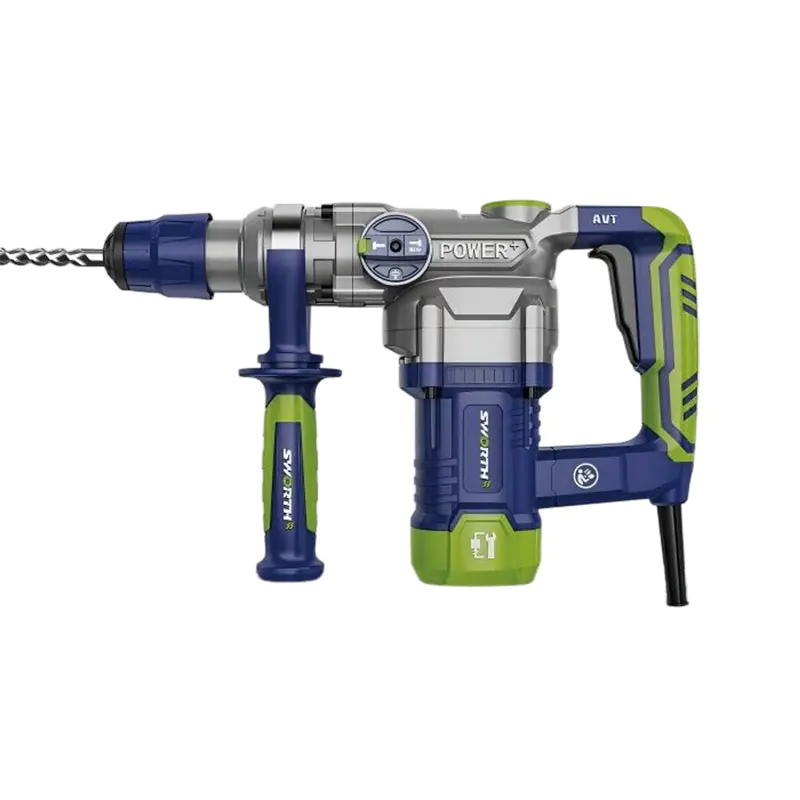


SW528 Small Hole Rebar Hammer
-
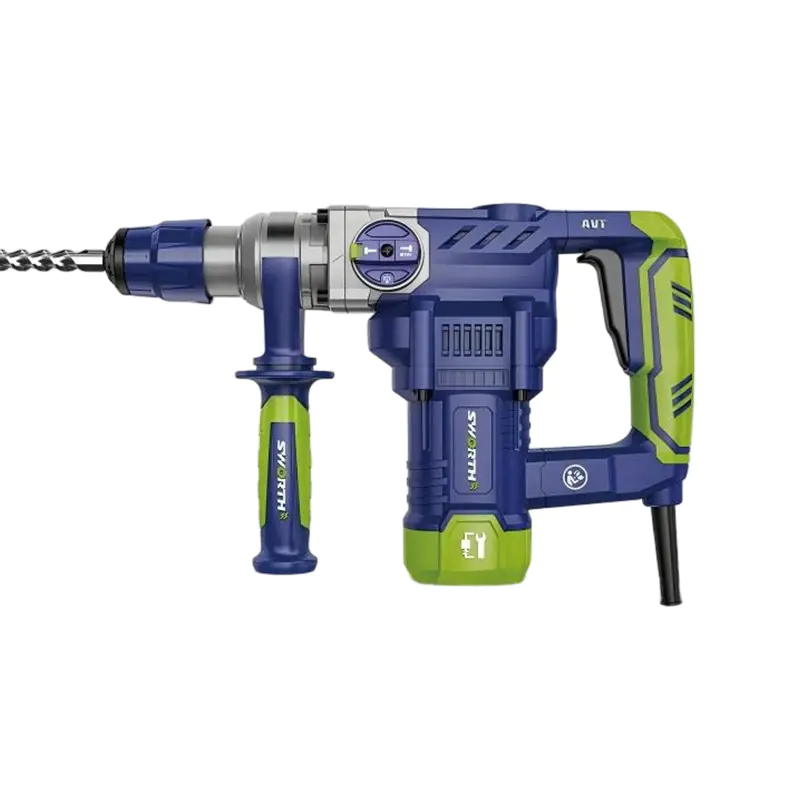
SW932 Groove Sandblasting Hammer
-
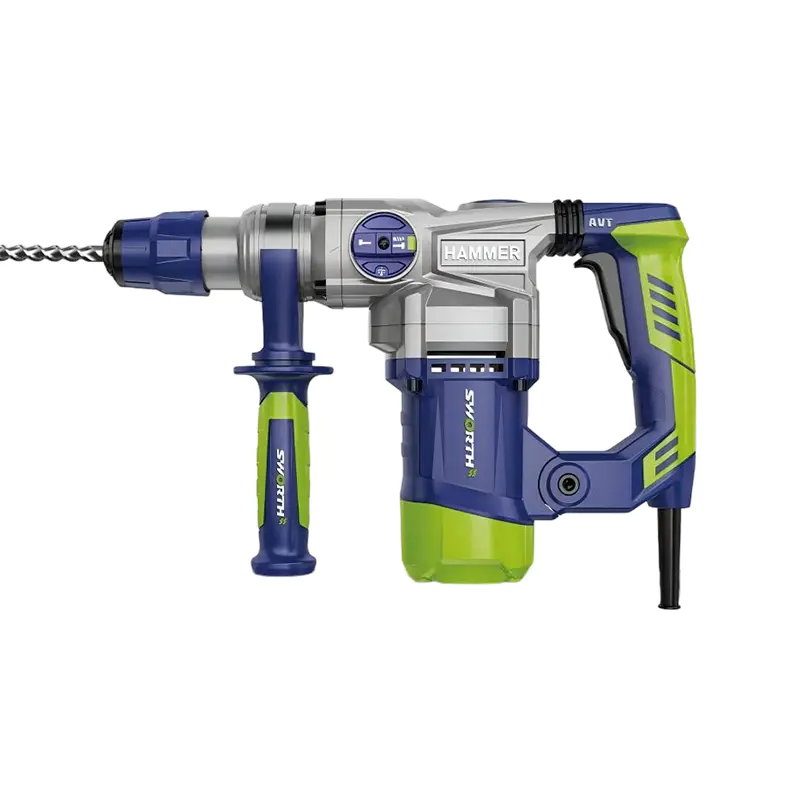
SW9362A Large Hole Rebar Hammer
-
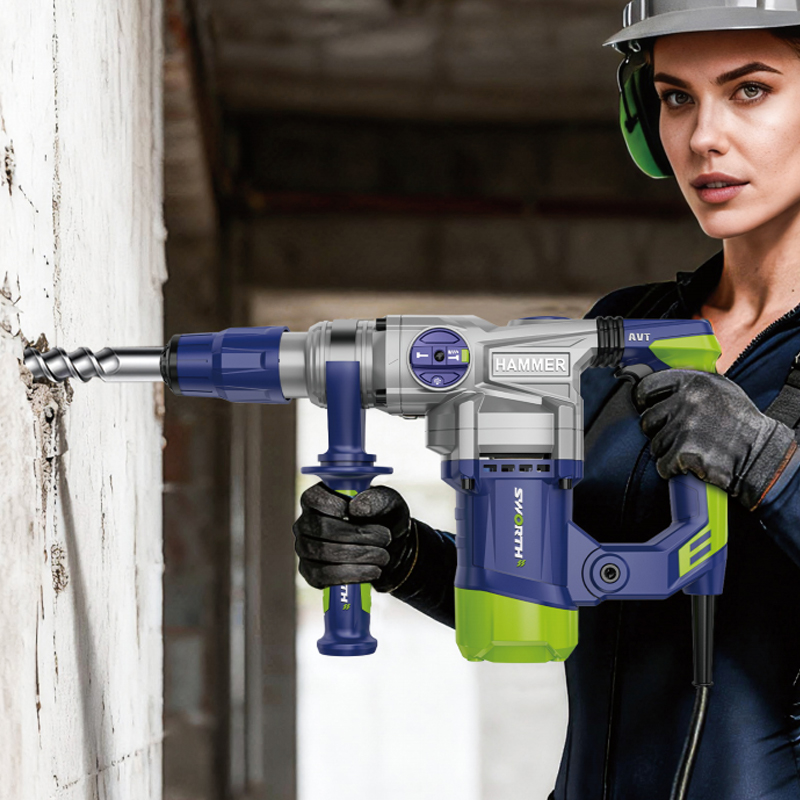
SW940 Enlarged Hole Rebar Hammer
-
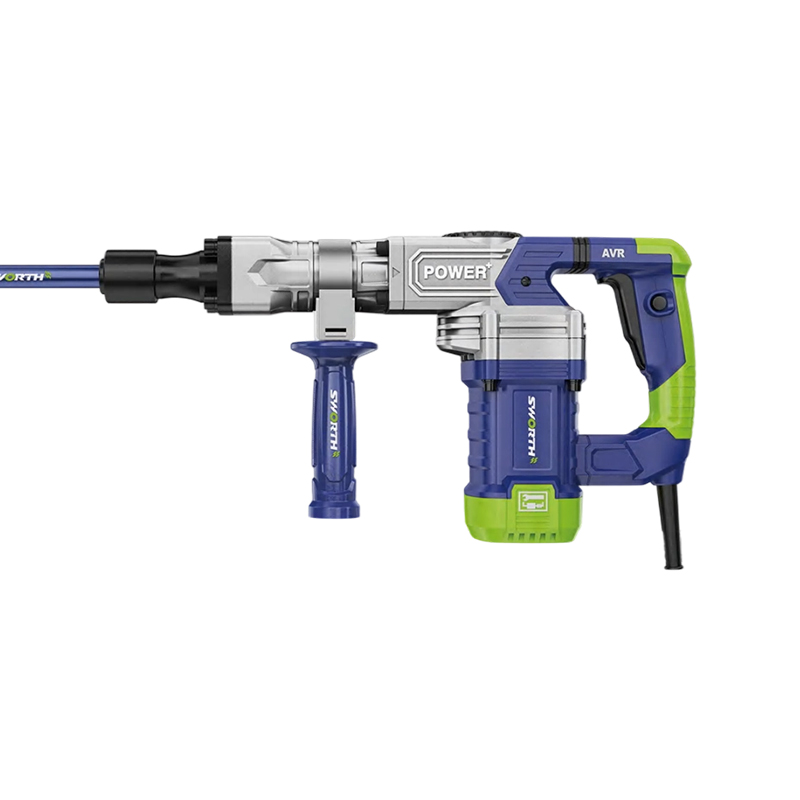
SW35S1 Powerful Demolition Hammer
-
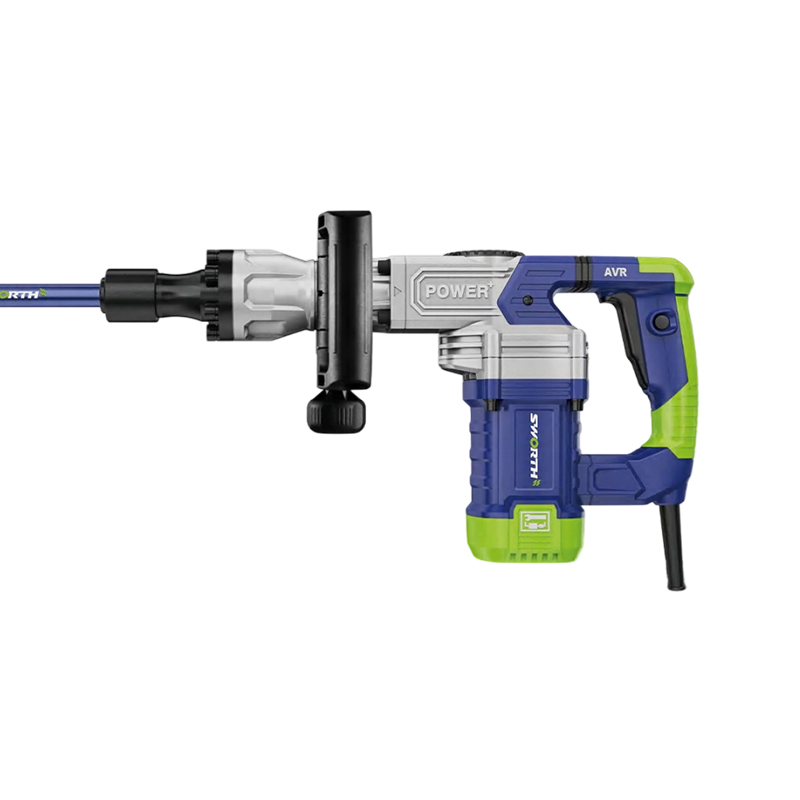
SW35S2 High-Efficiency Heat Dissipation Demolition Hammer
-
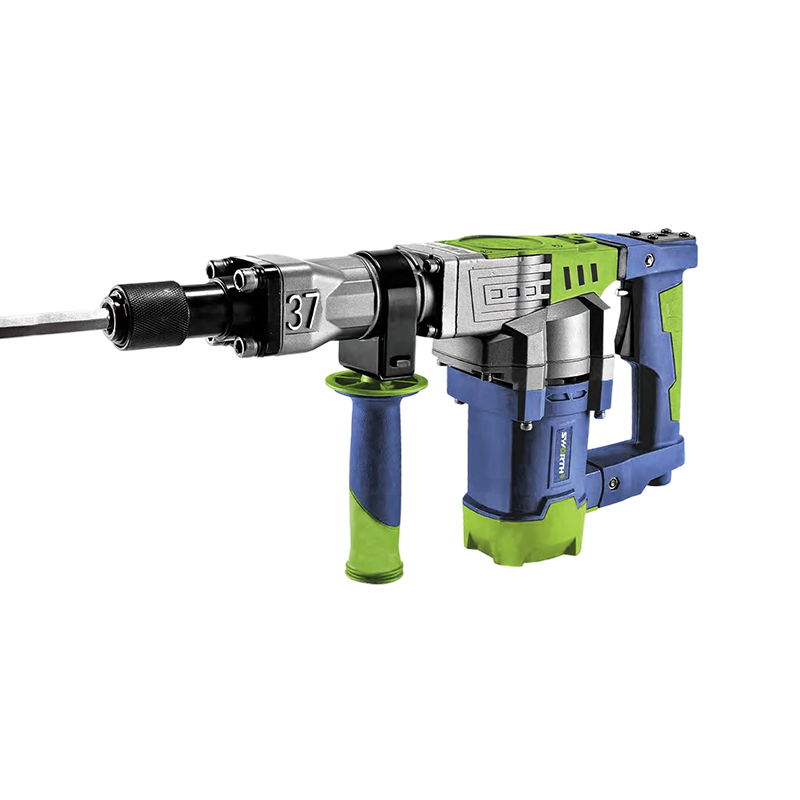
SW9371 High-Power Demolition Hammer
-
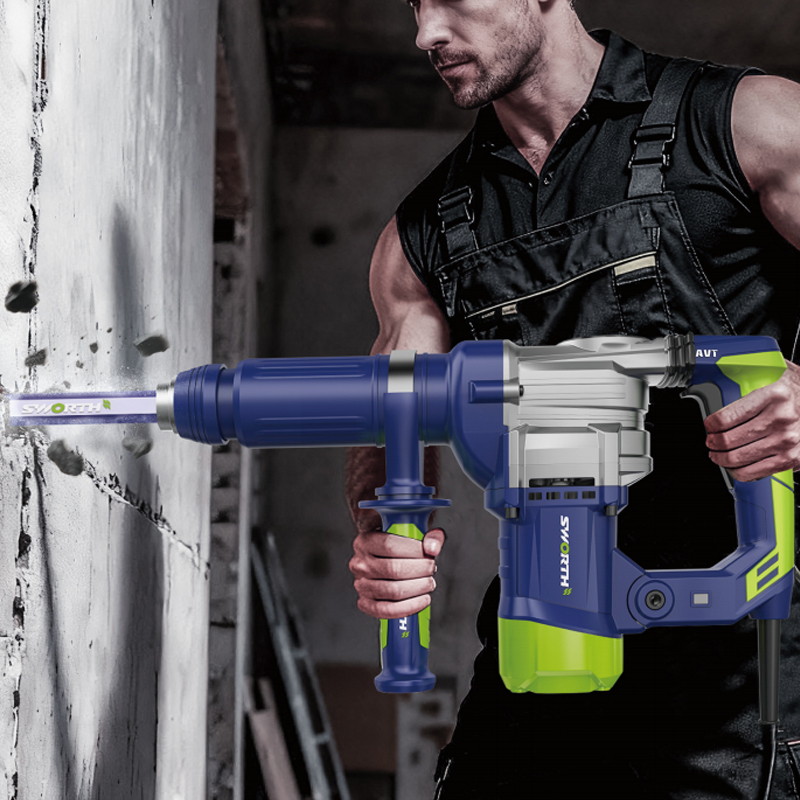
SW9373 Anti-Scalding Carbon Brush Holder Demolition Hammer
-
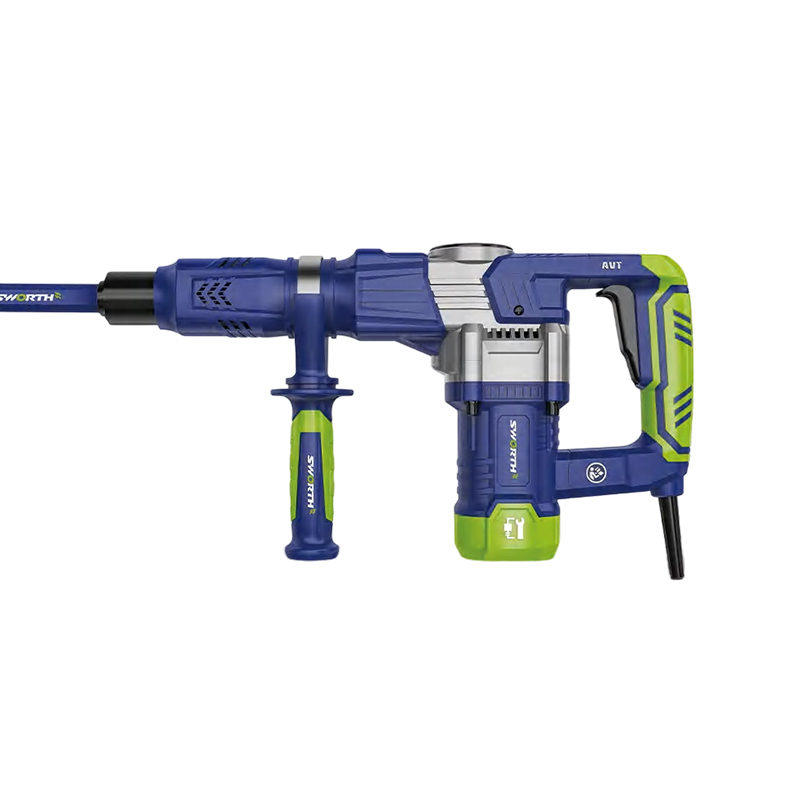
SW535 Powerful Anti-Scalding Demolition Hammer
-
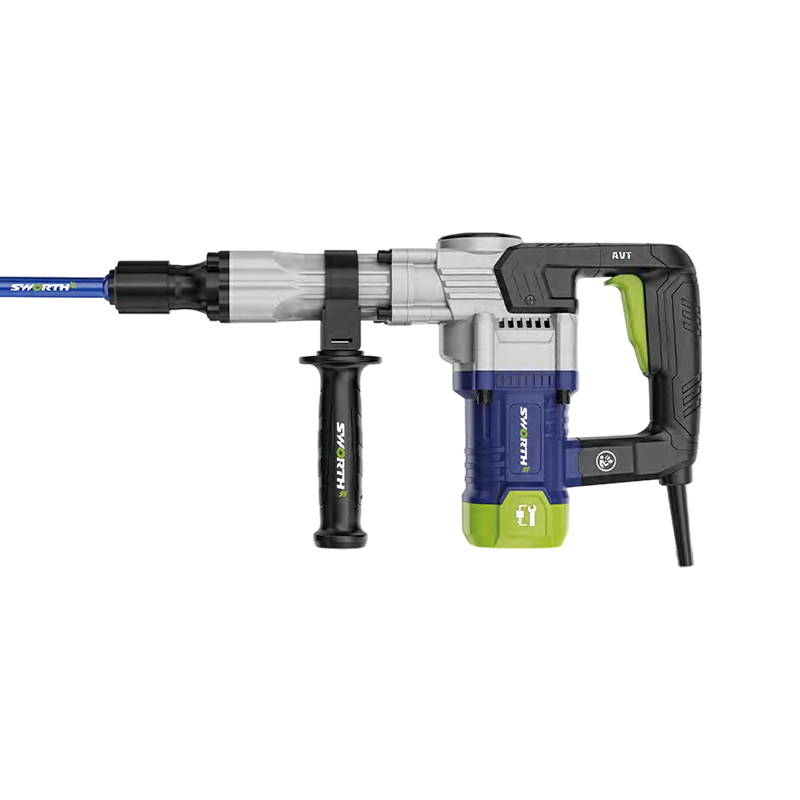
SW535-2 Durable Powerful Demolition Hammer
-
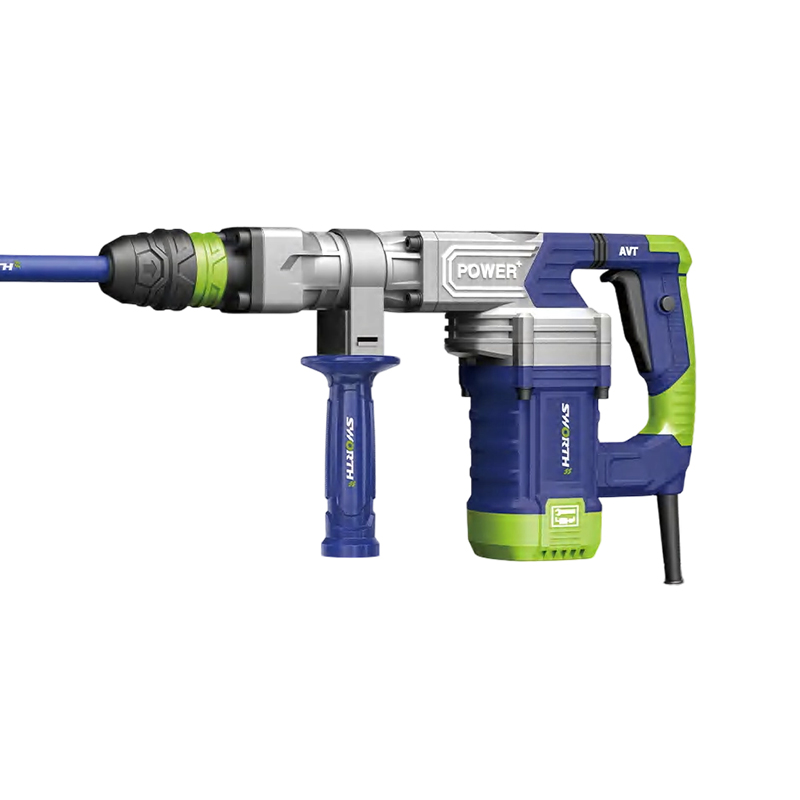
SW35S3 Five-Pipe Drill Bit Demolition Hammer
-

SW11E Five-Pipe Clamping Demolition Hammer
 +86-18314829275
 sale@sworthtools.com
 No. 101, Yugui Road, chengxi Industrial Zone, Yongkang City, Zhejiang Province, China
Copyright© Yongkang Siwei Technology Co., Ltd. All Rights Reserved

Hammer Tools & Cordless Garden Tools Manufacturer
