 English
 русский
 Español
Strong Break Hammer Supports Demolition and Ground Work
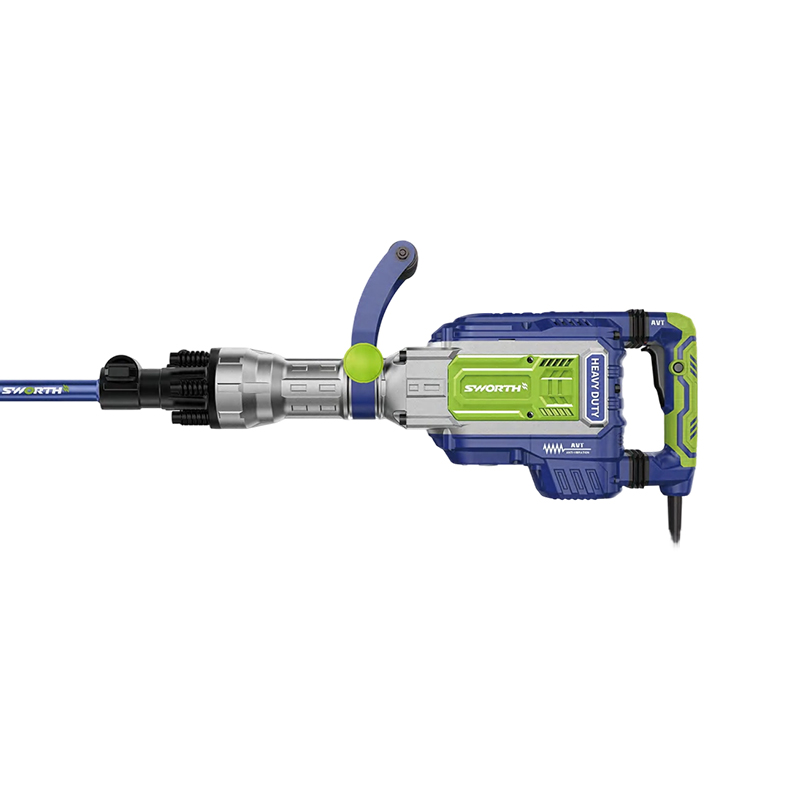
in demolition projects, road repair work, and foundation preparation, breaking through hard surfaces is a common requirement. The Strong Break Hammer is designed for these tasks. It delivers concentrated impact to crack concrete, break rocks, or loosen compacted ground. Instead of relying on larger machinery that may not fit into narrow spaces, this tool offers a portable option for medium-scale breaking work.
The Strong Break Hammer typically includes a heavy striking head, an insulated handle, and a reinforced connection zone. The head shape is optimized to transfer energy efficiently into hard materials. The handle is designed to absorb some of the vibration that occurs during repeated strikes. These features help users maintain control over extended work sessions.
How the Tool Delivers Impact
When a user operates the Strong Break Hammer, the force moves from the handle through the head and into the target surface. The result is a concentrated shock that helps fracture rigid materials. This is useful in several situations, such as breaking old concrete slabs, splitting large rocks in excavation areas, loosening hard-packed soil for planting preparation, and removing small sections of pavement during patch repairs.
The effectiveness of the Strong Break Hammer depends on consistent strike placement. A well-aimed blow creates a crack line. Subsequent strikes along that line extend the fracture. This method reduces the total number of strikes needed compared to random hitting patterns.
Common Work Environments
The Strong Break Hammer appears in various job sites where controlled breaking is needed:
- Construction sites for removing small concrete sections
- Road maintenance work for breaking damaged pavement edges
- Landscaping projects for splitting rocks or boulders
- Foundation preparation for loosening uneven ground surfaces
In each setting, the tool provides a practical balance between portability and breaking force. Workers can carry it to locations where powered breakers cannot easily reach.
Handling and User Comfort
Extended use of any breaking tool can cause hand fatigue. The Strong Break Hammer addresses this with several design considerations. The handle grip is shaped to fit natural hand positions. Weight distribution is balanced to reduce wrist strain during lifting and swinging. Vibration-damping materials are placed in the handle core to reduce shock transmission to the user's arms.
These features become noticeable during longer work periods. A user who can maintain comfortable control tends to place strikes more accurately. Accurate strikes mean fewer wasted motions and better progress through the material being broken.
Material Selection for Tough Conditions
Breaking work often takes place in dusty, wet, or temperature-varying environments. The Strong Break Hammer is built with materials that handle these conditions. The head is made from hardened steel that resists deformation under repeated impact. The handle uses fiberglass-reinforced composites or treated hardwood that does not crack easily. Surface coatings on the head reduce rust formation when the tool is stored in damp areas.
The connection between head and handle receives special attention. Wedge systems or through-tang constructions keep the head securely attached even after many strikes. A loose head is both inefficient and unsafe, so this joint area is reinforced beyond what is seen on general-purpose hammers.
Comparing with Other Breaking Tools
The Strong Break Hammer differs from similar tools in several important ways:
- Compared to standard sledgehammers, it offers better vibration control for extended sessions
- Compared to small pickaxes, it delivers more concentrated force for hard surfaces
- Compared to powered breakers, it requires no fuel or electricity and fits in tighter spaces
Each tool has its place, but the Strong Break Hammer is chosen when moderate breaking force needs to be combined with portability and user comfort.
Maintenance for Reliable Service
After working in dusty or abrasive conditions, the Strong Break Hammer benefits from basic care. Removing dust and debris from the head and handle junction takes a few minutes. Checking the head-handle connection for any movement helps catch loose joints early. Storing the tool in a dry location prevents surface rust on the head. Occasionally wiping the handle with a clean cloth removes sweat residues that could degrade grip materials.
These small actions do not require special tools or training. They help keep the Strong Break Hammer in steady working condition over years of periodic use.
Practical Value on Job Sites
From breaking concrete patches to splitting rocks in landscaping, the Strong Break Hammer offers a straightforward approach to manual breaking work. Its design balances impact force, user comfort, and material durability. For tasks where powered equipment is impractical and precision matters more than raw power, this tool provides a dependable option.
Recommended Products
-
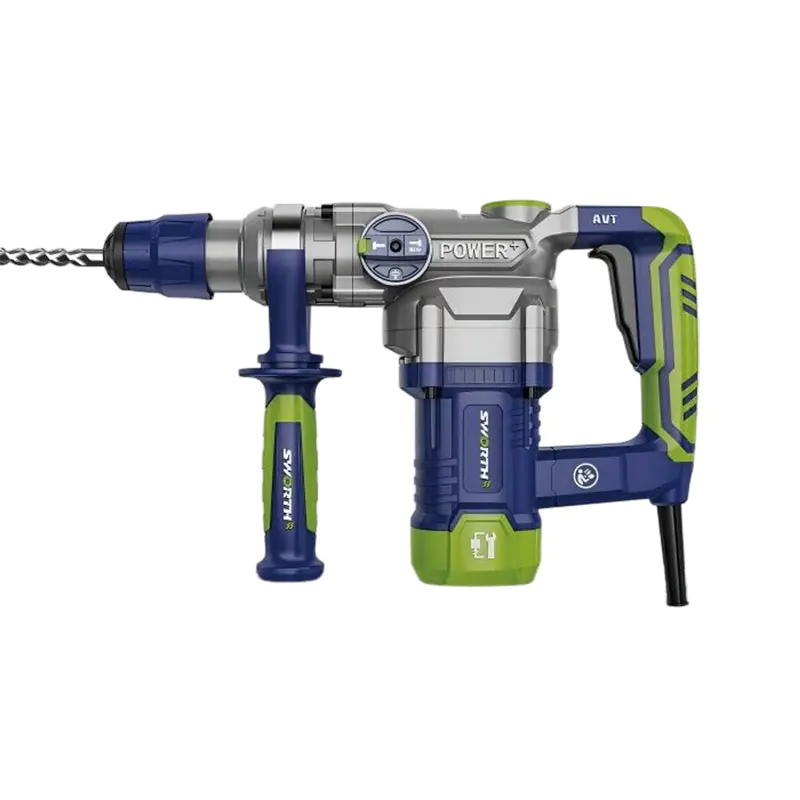


SW528 Small Hole Rebar Hammer
-
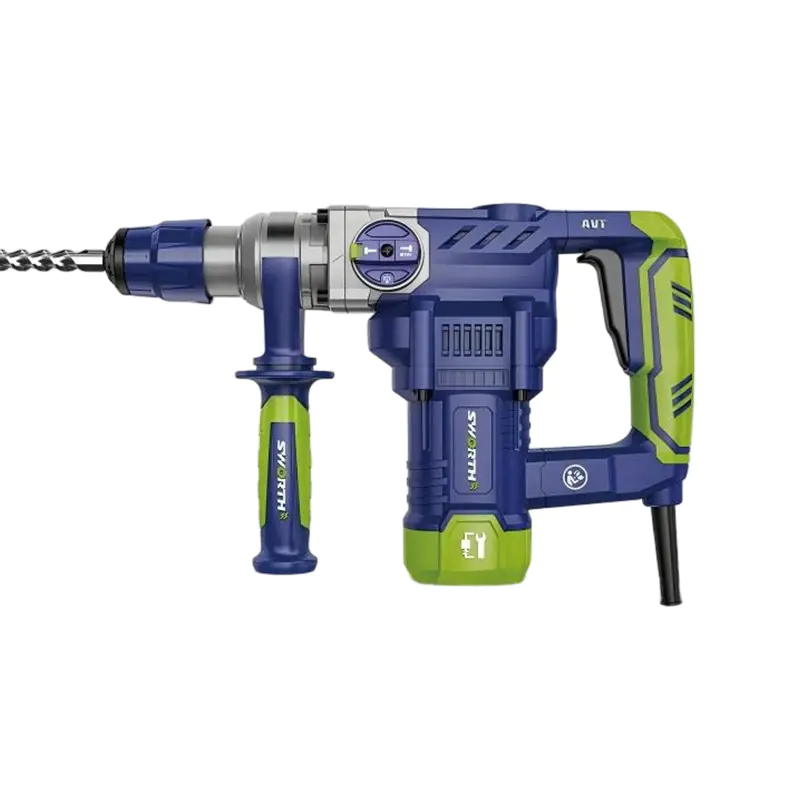
SW932 Groove Sandblasting Hammer
-
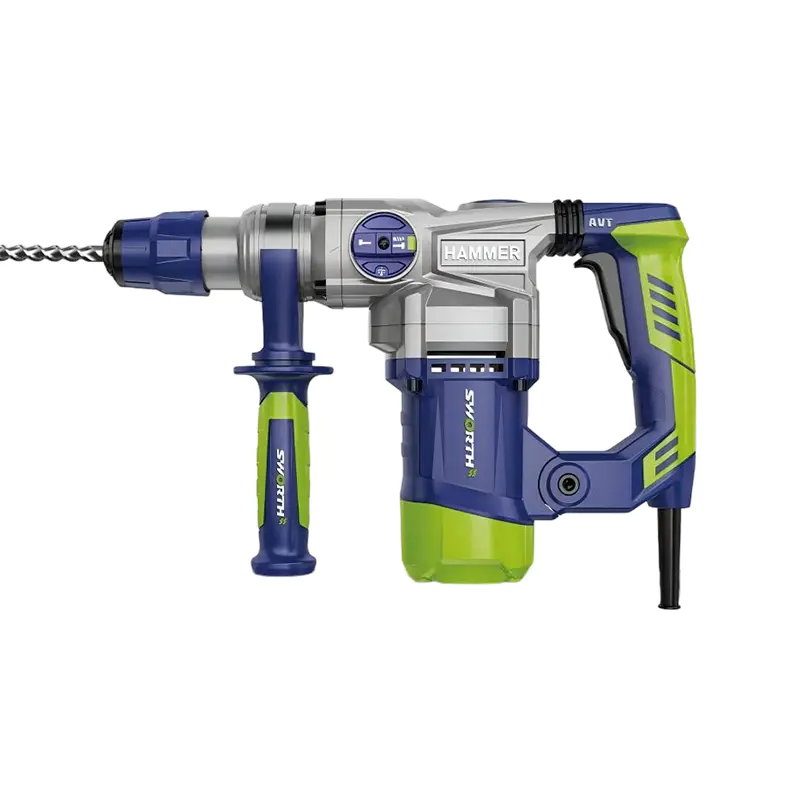
SW9362A Large Hole Rebar Hammer
-
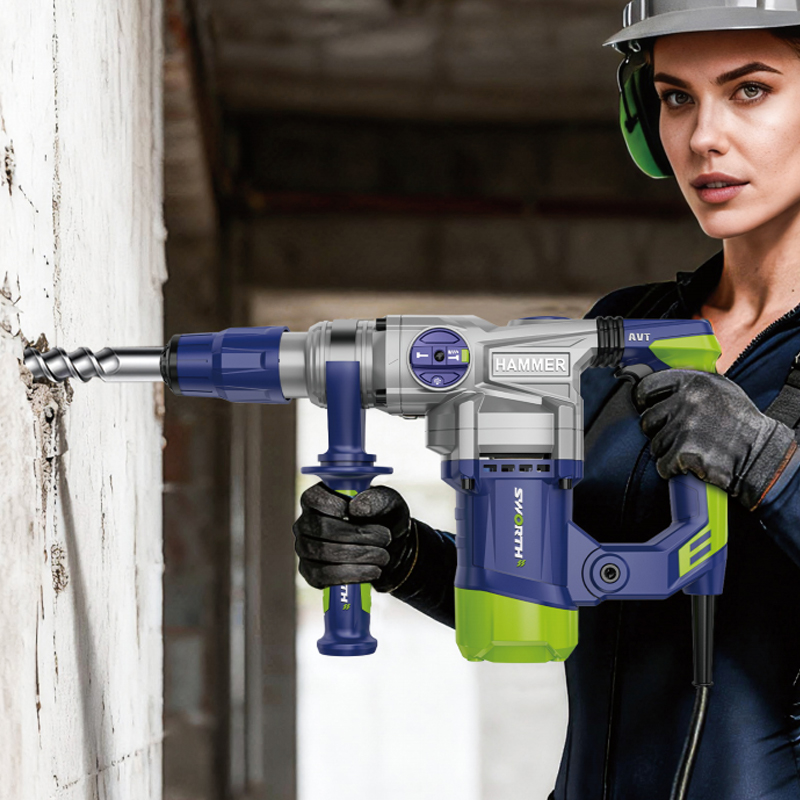
SW940 Enlarged Hole Rebar Hammer
-
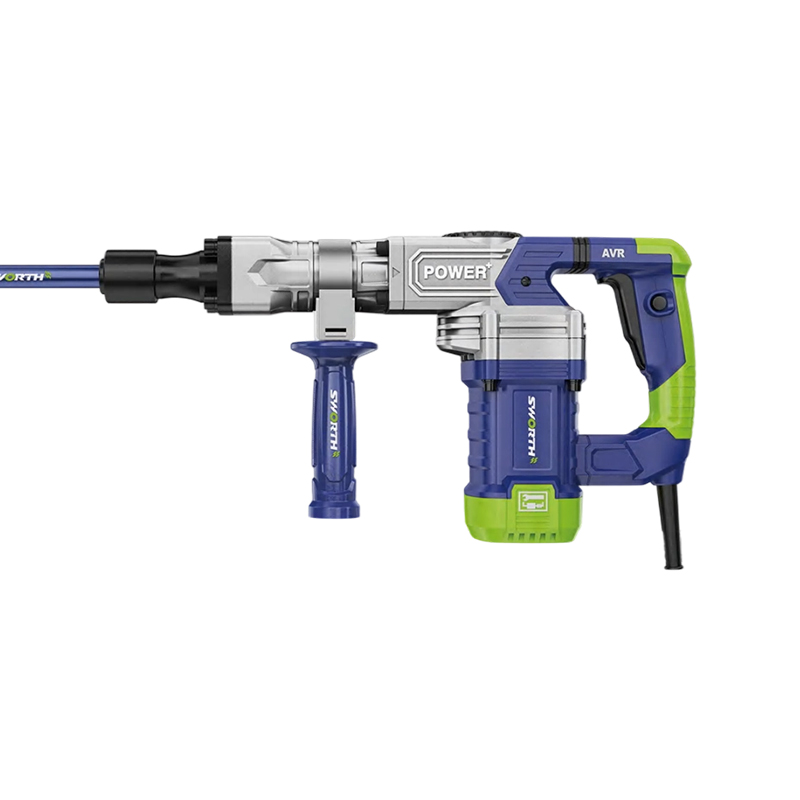
SW35S1 Powerful Demolition Hammer
-
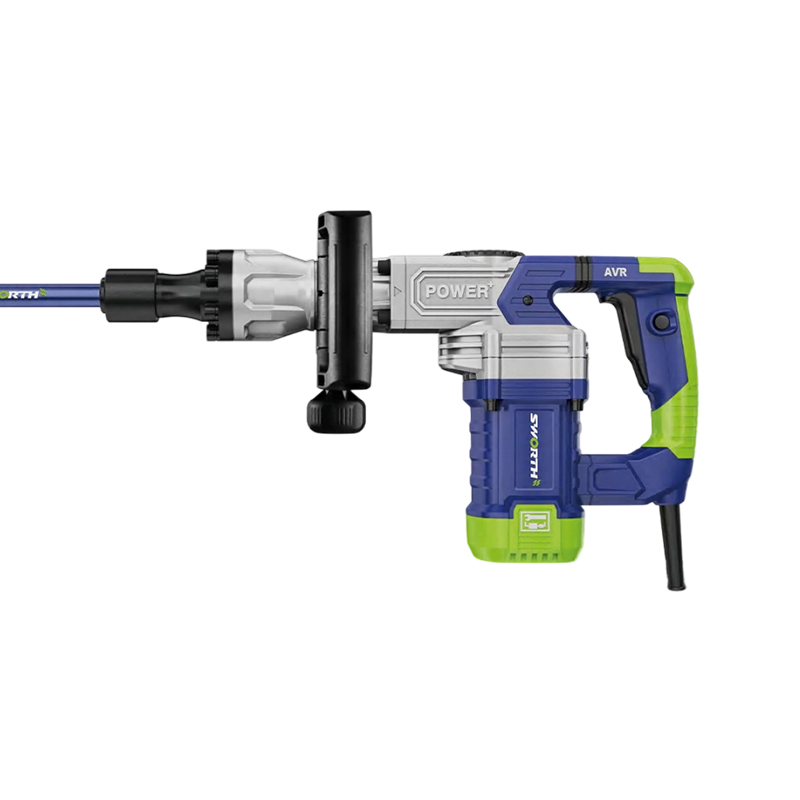
SW35S2 High-Efficiency Heat Dissipation Demolition Hammer
-
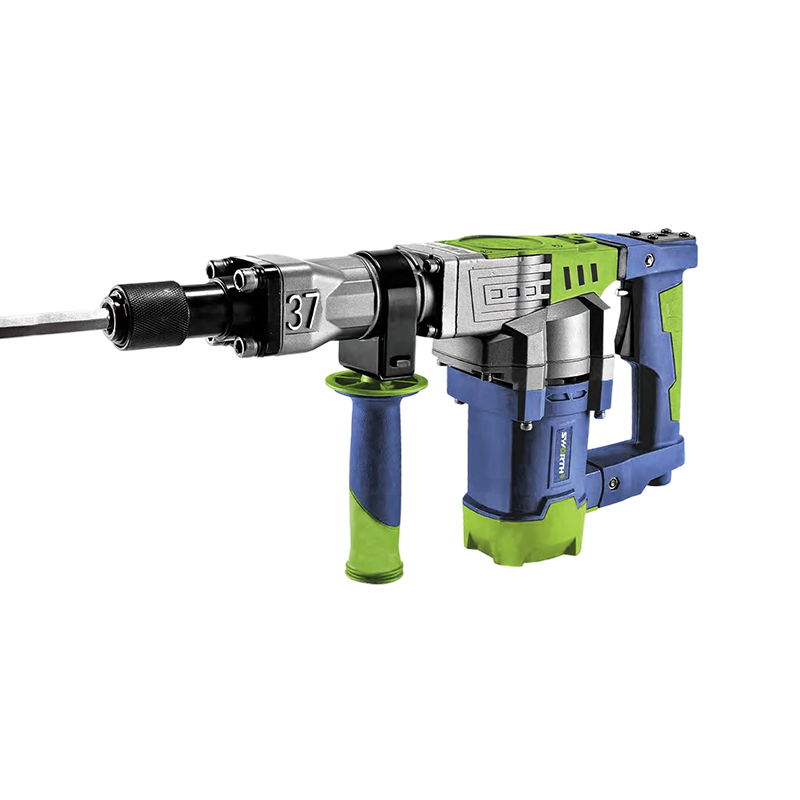
SW9371 High-Power Demolition Hammer
-
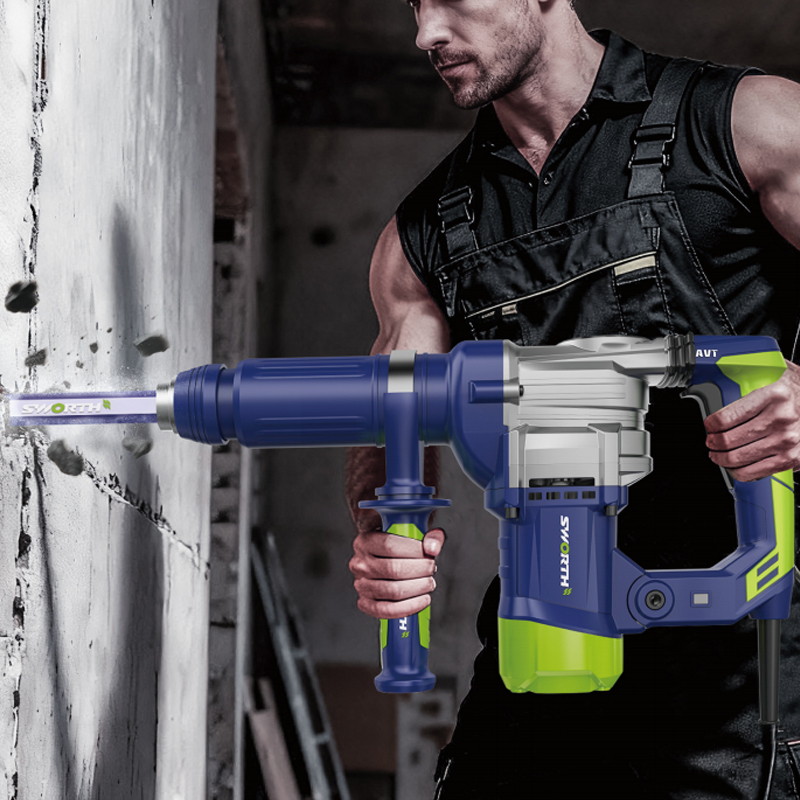
SW9373 Anti-Scalding Carbon Brush Holder Demolition Hammer
-
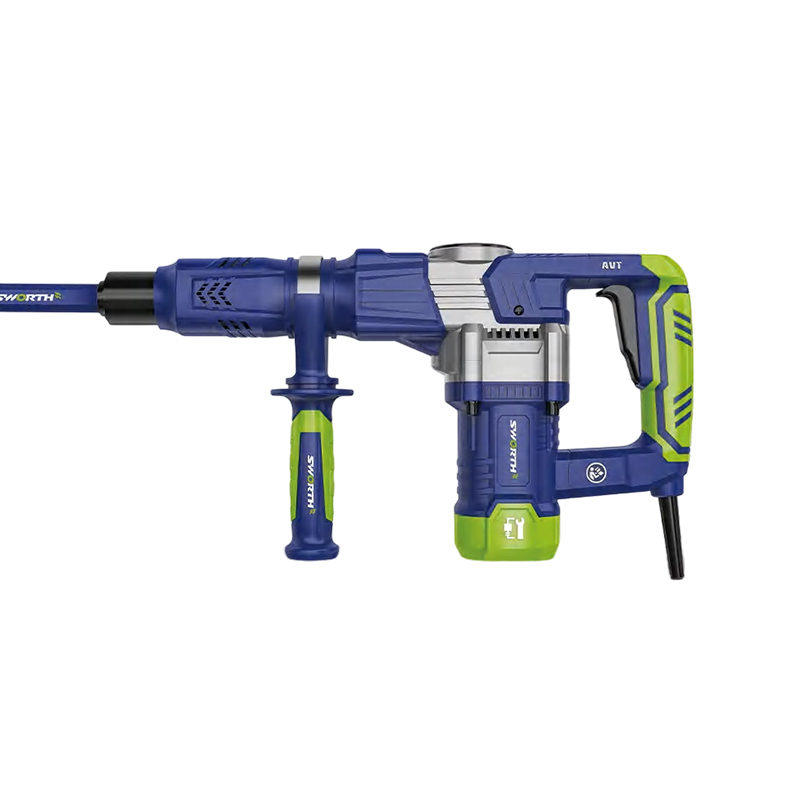
SW535 Powerful Anti-Scalding Demolition Hammer
-
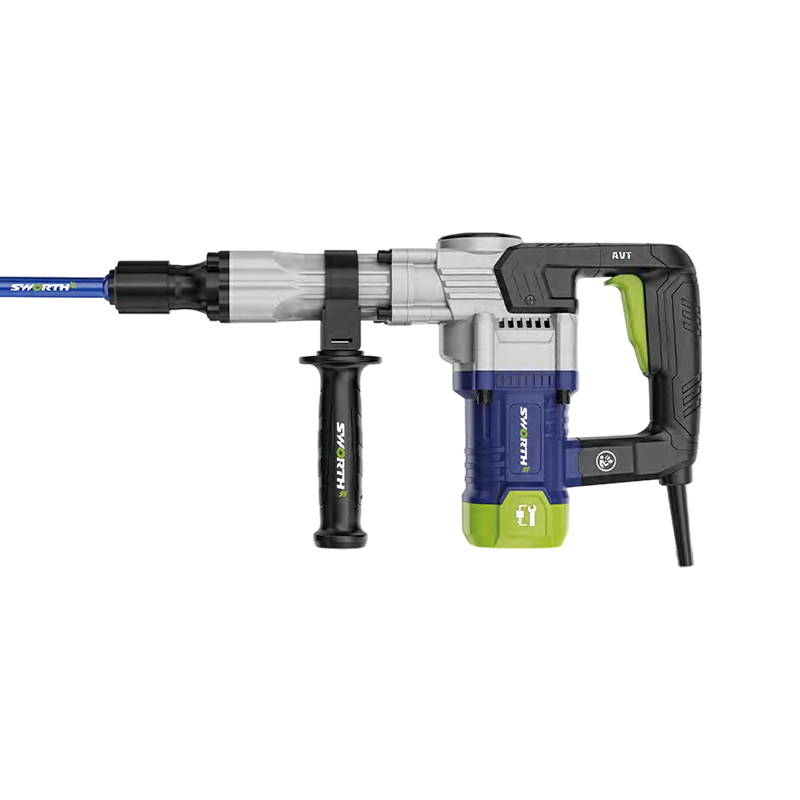
SW535-2 Durable Powerful Demolition Hammer
-
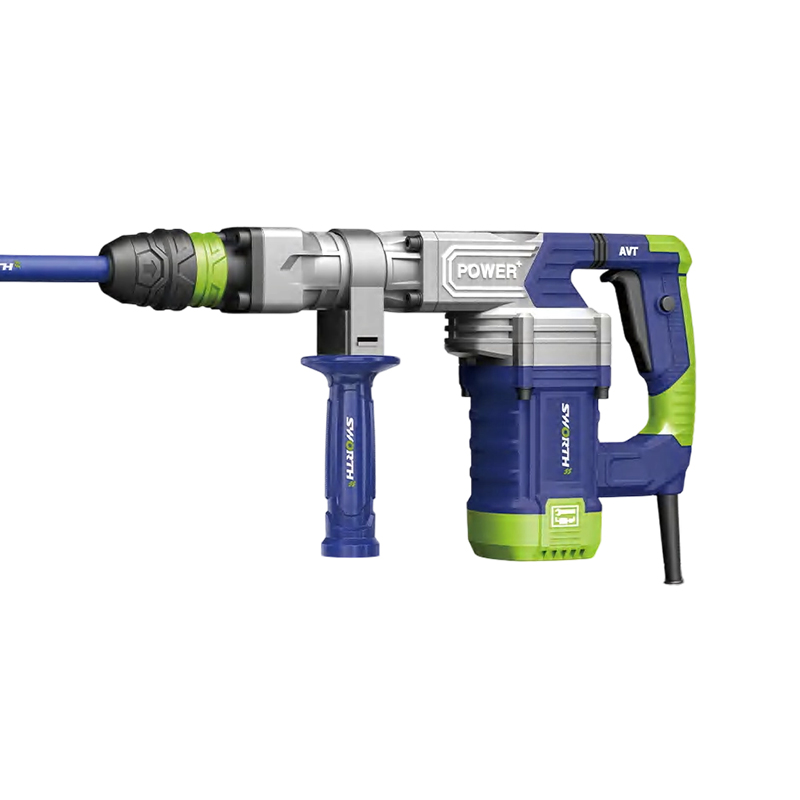
SW35S3 Five-Pipe Drill Bit Demolition Hammer
-

SW11E Five-Pipe Clamping Demolition Hammer
 +86-18314829275
 sale@sworthtools.com
 No. 101, Yugui Road, chengxi Industrial Zone, Yongkang City, Zhejiang Province, China
Copyright© Yongkang Siwei Technology Co., Ltd. All Rights Reserved

Hammer Tools & Cordless Garden Tools Manufacturer
