 English
 русский
 Español
Anti-Iron Pickaxe Boosts Indoor Renovation
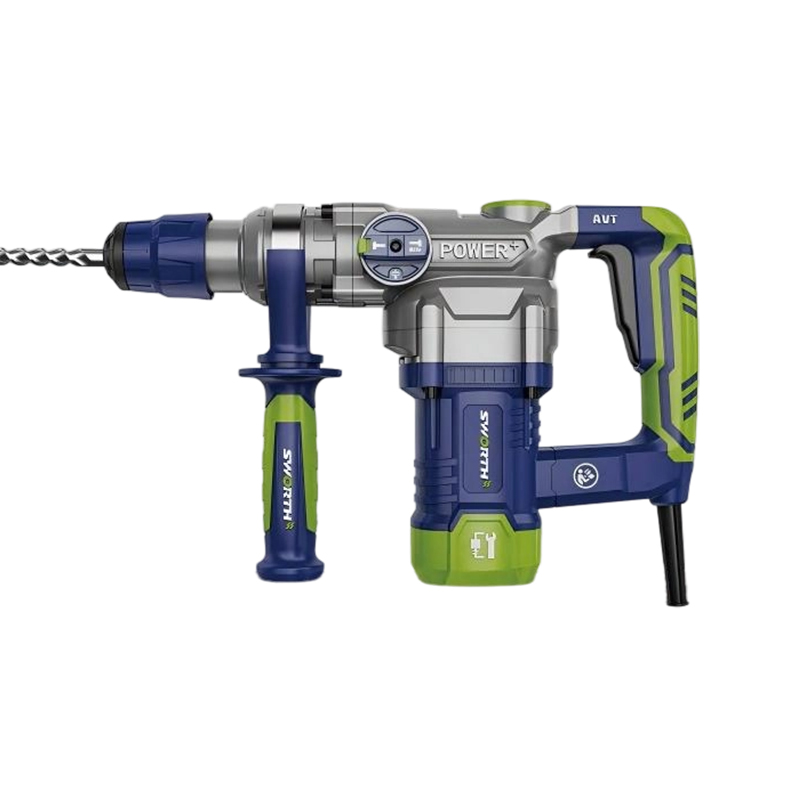
Urban construction development is gradually leaning toward building renovation and old-house refurbishment instead of extensive new building development. Existing aged architecture undergoes upgrades for pipeline transformation, energy facility refitting and indoor space rearrangement. renovation works are completed inside cramped indoor surroundings, putting strict requirements on construction noise suppression, dust containment and portable tool dimensions. Within such market background, Anti-Iron Pickaxe as a core functional configuration of electric rotary hammer gradually becomes an essential design benchmark for renovation-oriented power tools.
Rather than configuring pickaxe accessories with universal standard specifications, tool developers optimize Anti-Iron Pickaxe structural design to match narrow indoor construction environments step by step.
Why Building Renovation Reshapes Anti-Iron Pickaxe Design Standards
Refurbishment projects center on partial modification of finished buildings instead of ground-up construction. Building wall interiors are pre-laid with electrical lines, water pipelines and steel bar structures, which rules out brute-force chiseling construction and demands controllable partial cutting and grooving.
R&D designers tailor Anti-Iron Pickaxe’s material texture and geometric outline to cope with complex embedded components inside walls. Apart from basic breaking performance, Anti-Iron Pickaxe focuses on operation precision and flexible steering during confined-space manipulation.
Common construction scenarios matching Anti-Iron Pickaxe include:
- Renewing ageing indoor water supply and drainage pipelines
- Grooving wall surfaces for newly embedded electrical wire conduits
- Chiseling reserved grooves for ventilation and air-conditioning pipelines
- Peeling off outdated wall plaster and floor ceramic tiles
- Localized chipping for building reinforcement renovation
All these on-site works need Anti-Iron Pickaxe to complete fine processing inside narrow room spaces.
Indoor Construction Oriented Structural Tuning of Anti-Iron Pickaxe
Indoor refurbishment differs greatly from open-air construction sites with restricted usable space, strict dust emission rules and noise limitation clauses. These constraints push engineers to refine Anti-Iron Pickaxe and matched electric hammer overall layout synchronously.
Developers adjust electric hammer fuselage dimension, auxiliary handgrip contour and shock-absorbing framework to coordinate with optimized Anti-Iron Pickaxe. Streamlined tool main body enables operators to manipulate Anti-Iron Pickaxe smoothly inside restroom, narrow corridor and compact kitchen space.
Core optimized design items related to Anti-Iron Pickaxe cover:
- Modular size adjustment to fit narrow gap operation
- Optimized head radian of Anti-Iron Pickaxe for overhead wall chiseling
- Anti-wear surface coating to reduce dust accumulation during pickaxe work
- Diversified tooth layout of Anti-Iron Pickaxe to adapt soft plaster and rigid concrete alternatively
- Reasonable weight matching between Anti-Iron Pickaxe and host for long-hour continuous operation
These targeted upgrades retain original chiseling property while lifting Anti-Iron Pickaxe practical usability for home renovation.
Balanced Breaking Performance Brought by Anti-Iron Pickaxe Technology
Concrete wall and brick wall remain mainstream building materials in aged urban buildings, requiring steady impact force for local chipping during renovation. Designers refine internal impact transmission structure of electric hammer to coordinate with Anti-Iron Pickaxe, balancing powerful striking force and controllable cutting depth.
Well-calibrated Anti-Iron Pickaxe prevents excessive material destruction while stripping partial wall layers, effectively avoiding accidental damage to hidden pipelines and circuits buried inside walls. In dense urban refurbishment projects, Anti-Iron Pickaxe’s precise processing capacity gains increasing favor from construction practitioners.
Noise & Dust Optimization Linked With Anti-Iron Pickaxe Application
Residential area surrounding regulations impose strict limits on construction noise and flying dust. Matching shock reduction mechanism lowers vibration spread when Anti-Iron Pickaxe strikes wall surfaces, cutting extra noise output during long-time continuous chiseling. Meanwhile, matched dust collecting fittings connect with working position of Anti-Iron Pickaxe to gather scattered construction debris efficiently.
Customized Anti-Iron Pickaxe Specs for Diverse Regional Building Features
Different regional architectural styles create differentiated construction requirements. Customized parameter adjustment modifies Anti-Iron Pickaxe’s thickness, head shape and hardness accordingly. Dense downtown residential renovation prefers slim-type Anti-Iron Pickaxe for narrow-space work, while old industrial plant refitting adopts thicker Anti-Iron Pickaxe for high-load chipping assignments.
As urban building regeneration keeps expanding market share, Anti-Iron Pickaxe together with matched electric hammer will keep iterative optimization to satisfy ongoing refined renovation construction demands across the industry.
Recommended Products
-
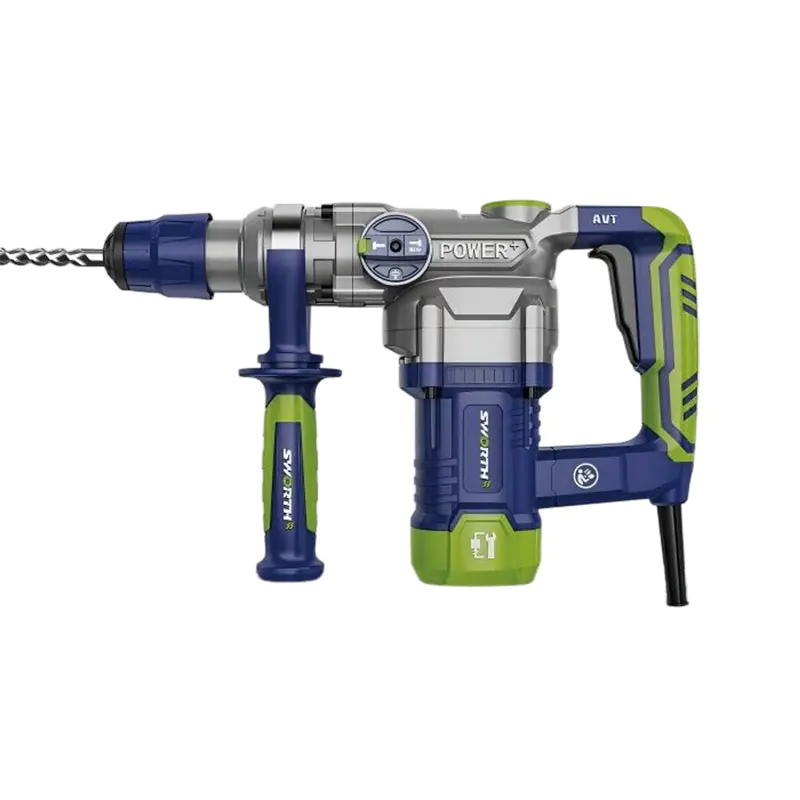


SW528 Small Hole Rebar Hammer
-
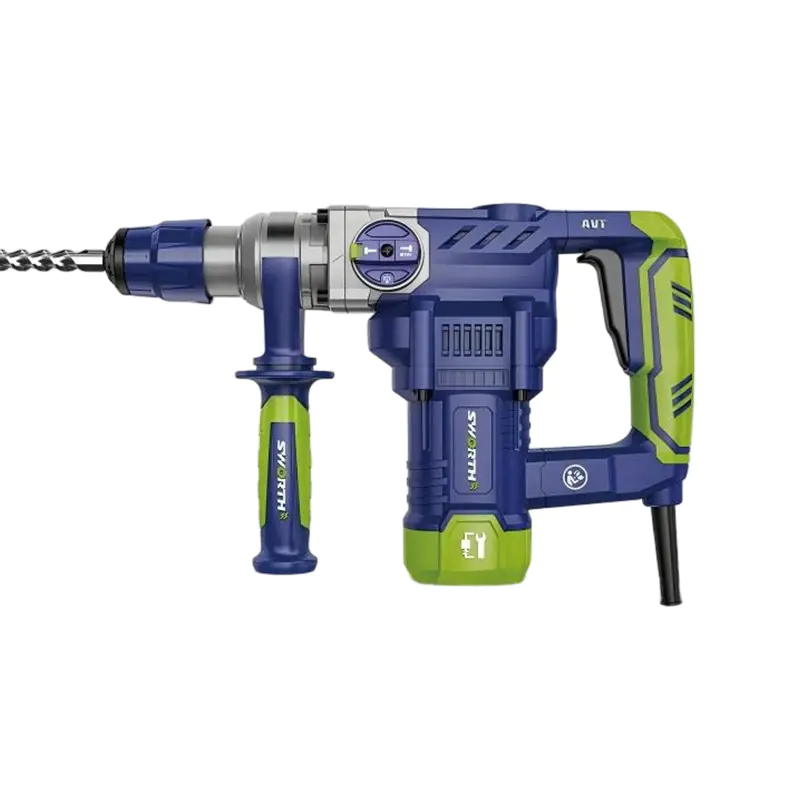
SW932 Groove Sandblasting Hammer
-
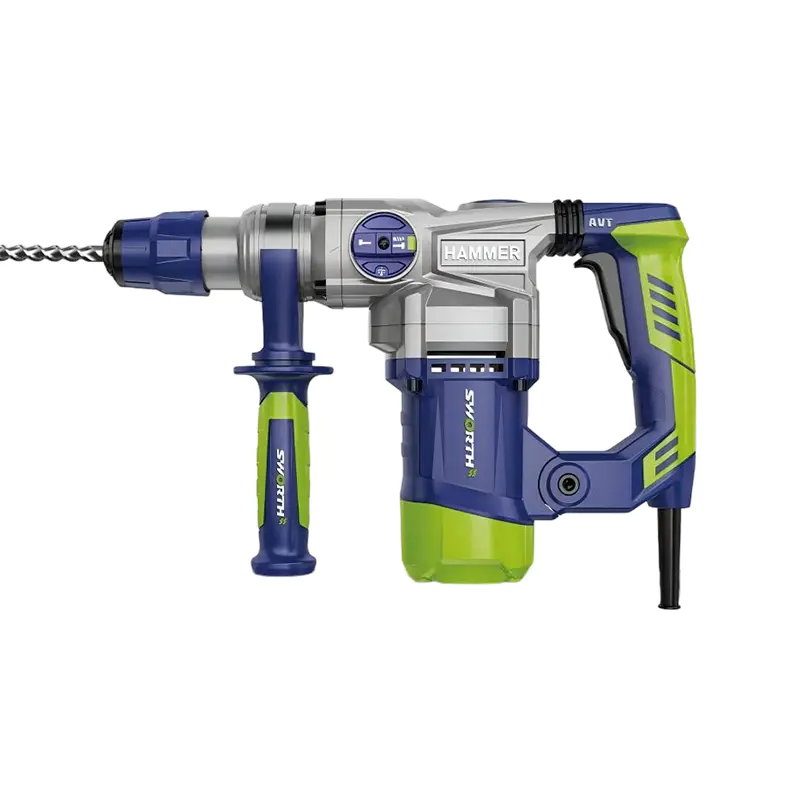
SW9362A Large Hole Rebar Hammer
-
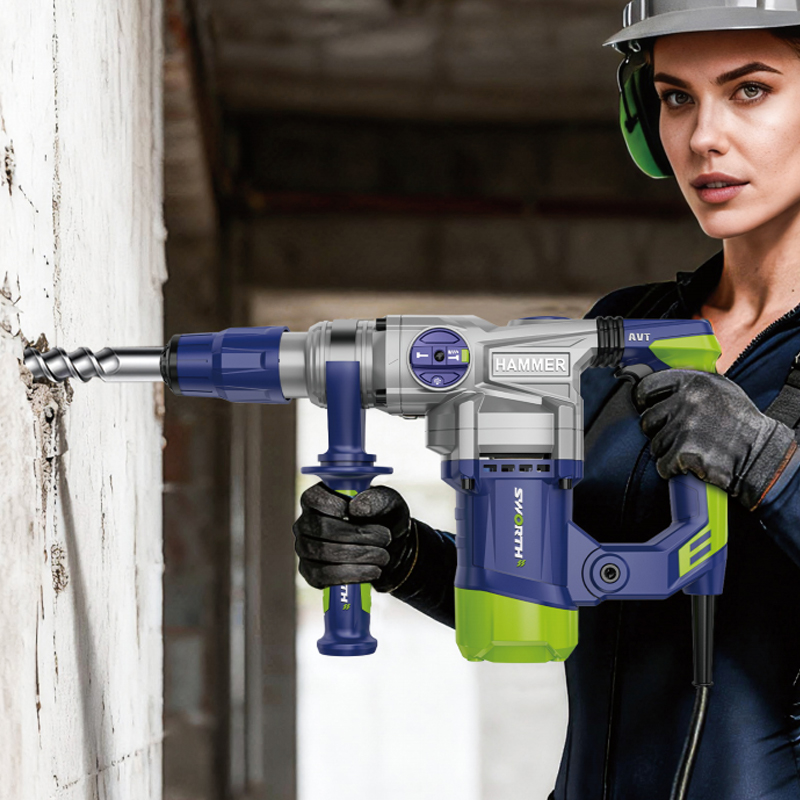
SW940 Enlarged Hole Rebar Hammer
-
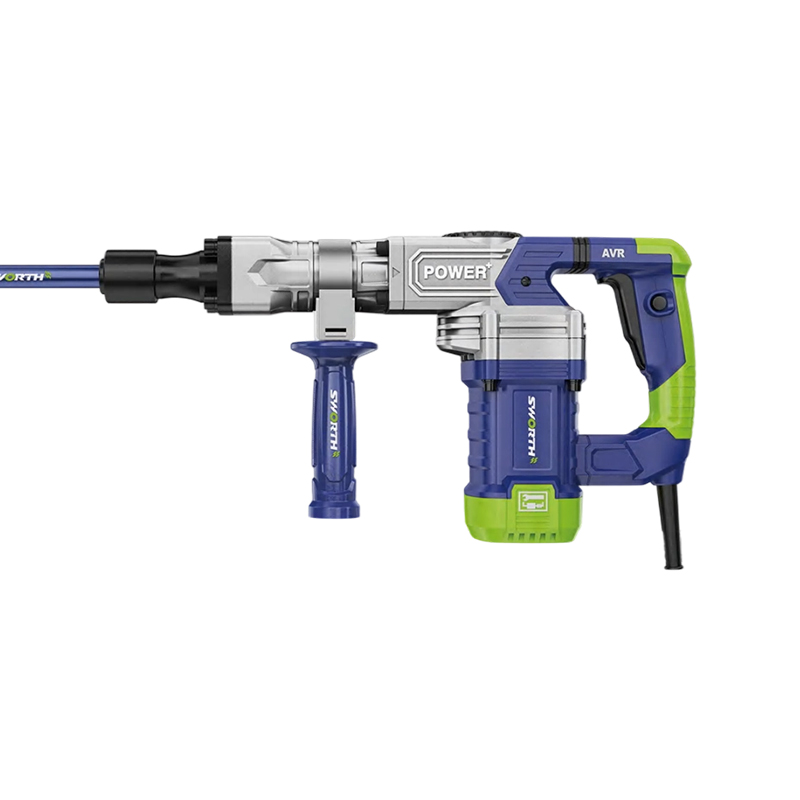
SW35S1 Powerful Demolition Hammer
-
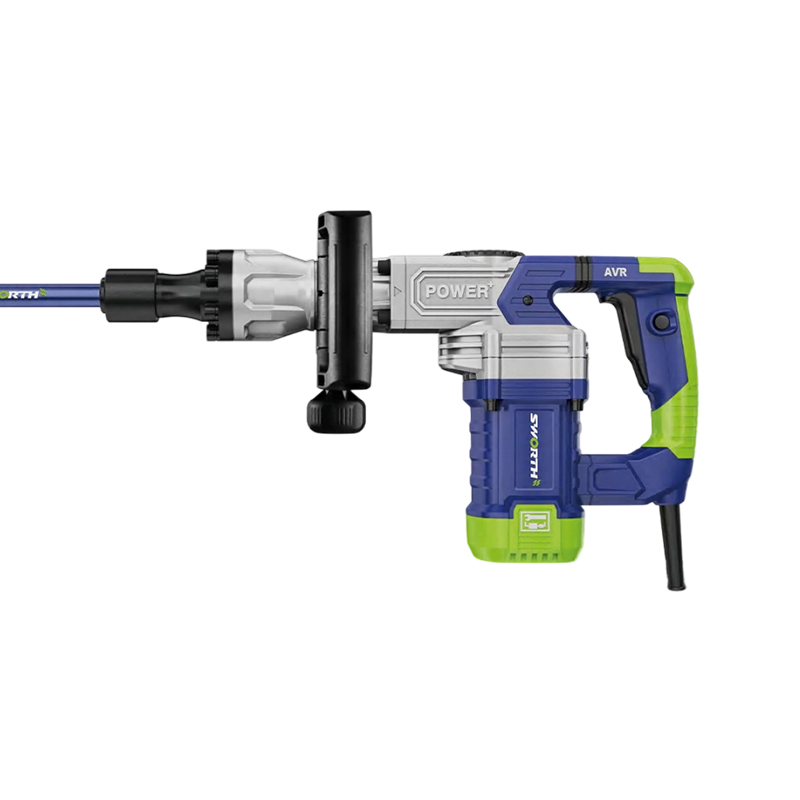
SW35S2 High-Efficiency Heat Dissipation Demolition Hammer
-
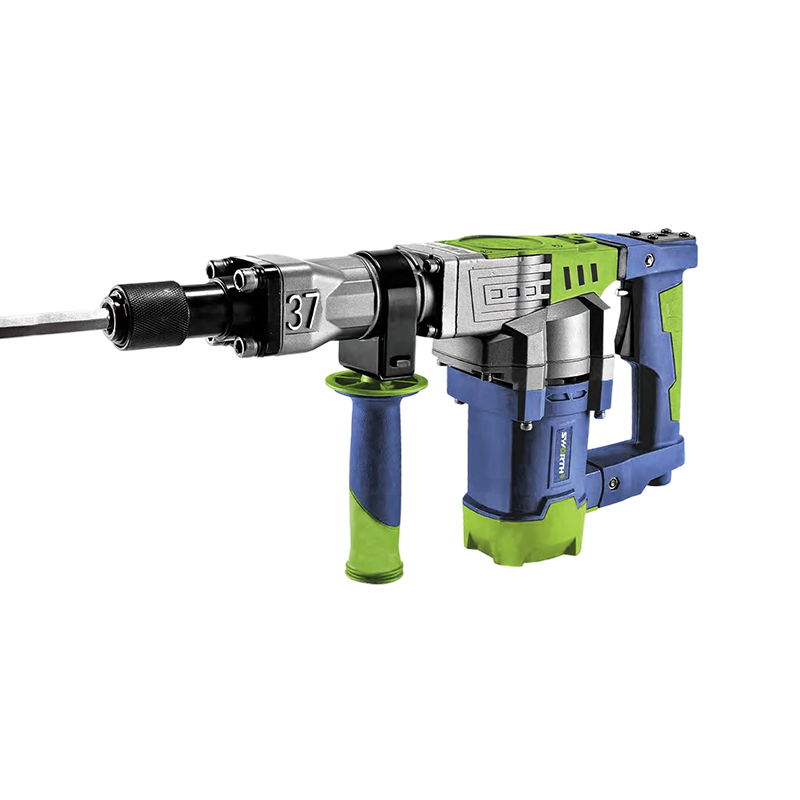
SW9371 High-Power Demolition Hammer
-
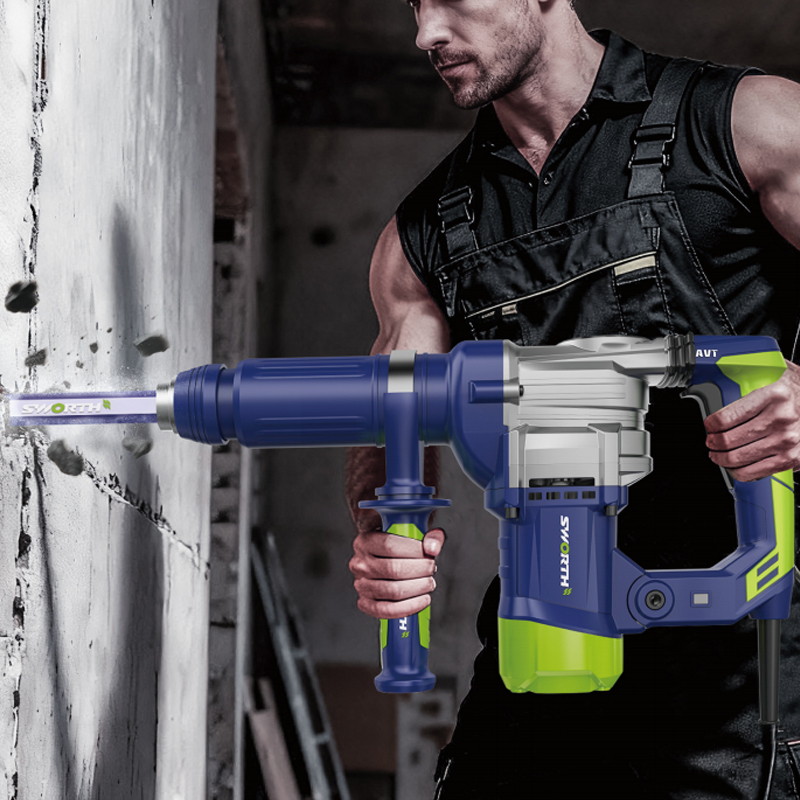
SW9373 Anti-Scalding Carbon Brush Holder Demolition Hammer
-
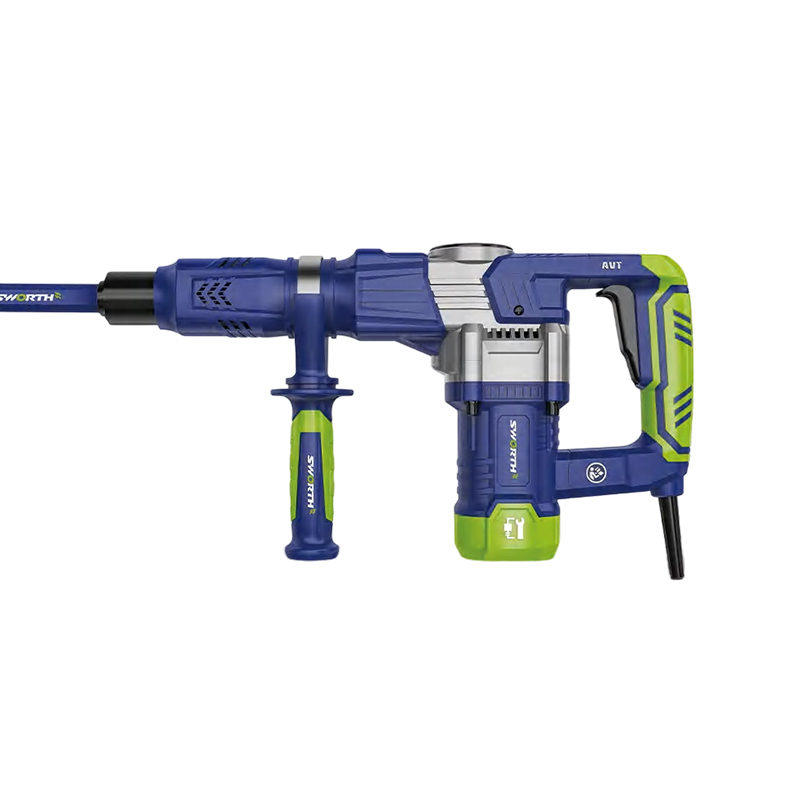
SW535 Powerful Anti-Scalding Demolition Hammer
-
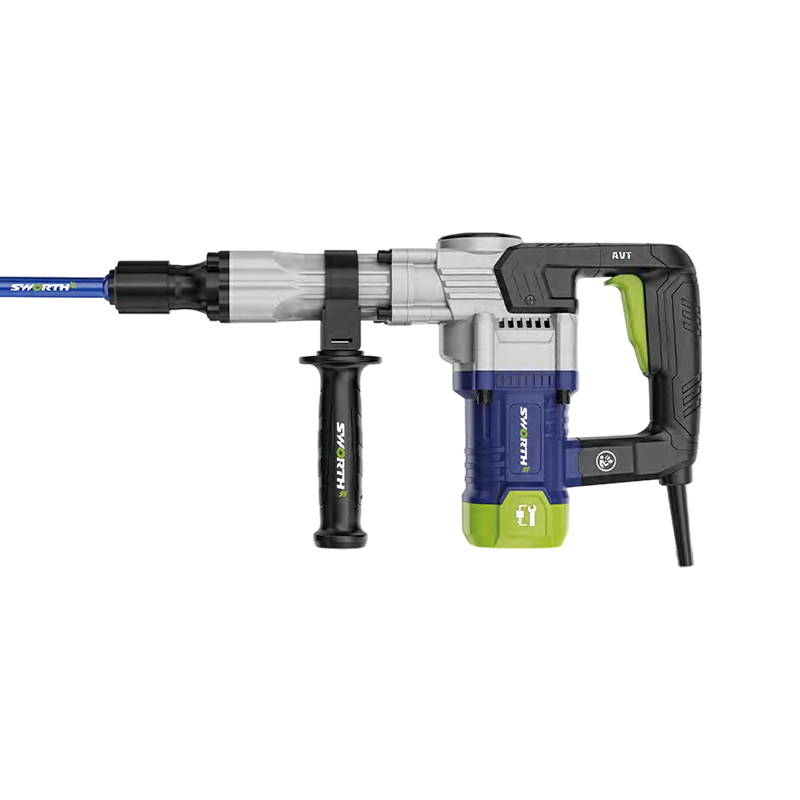
SW535-2 Durable Powerful Demolition Hammer
-
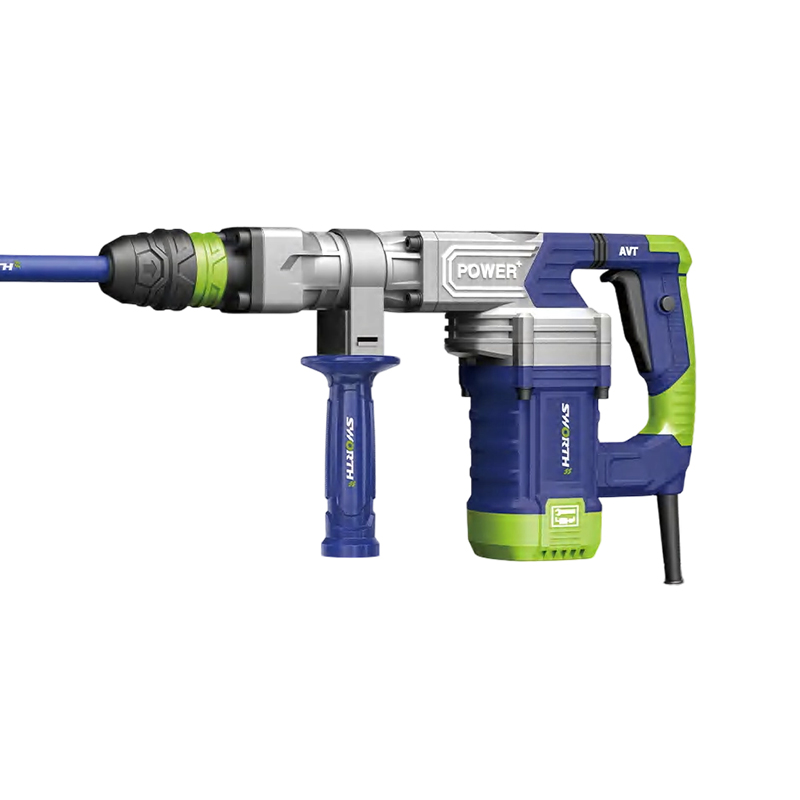
SW35S3 Five-Pipe Drill Bit Demolition Hammer
-

SW11E Five-Pipe Clamping Demolition Hammer
 +86-18314829275
 sale@sworthtools.com
 No. 101, Yugui Road, chengxi Industrial Zone, Yongkang City, Zhejiang Province, China
Copyright© Yongkang Siwei Technology Co., Ltd. All Rights Reserved

Hammer Tools & Cordless Garden Tools Manufacturer
