 English
 русский
 Español
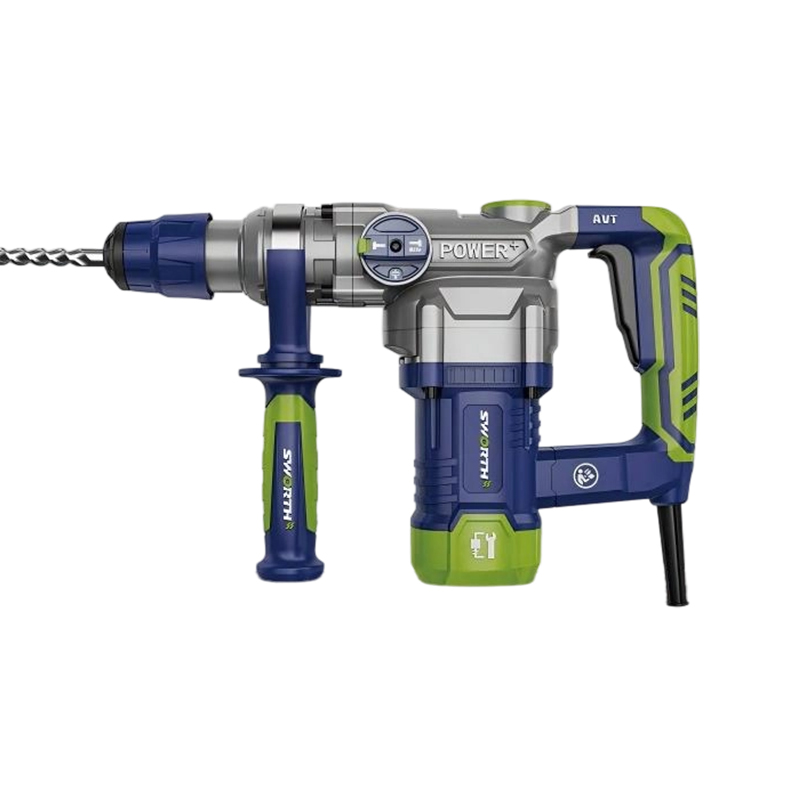
Pinhole Reinforcement Hammer Aids Small-Scale Work
In many construction or planting jobs, machinery cannot always reach the work area. Narrow paths, soft ground, or limited access make handheld tools a practical choice. The Pinhole Reinforcement Hammer is one such tool. It is designed for tasks where force needs to be directed into a small, specific point rather than spread over a wide area.
The Pinhole Reinforcement Hammer typically includes a striking head, a handle, and a secure connection between them. The head shape concentrates impact into a smaller contact area. This design helps users work on precise positions without disturbing surrounding material. Key characteristics include a focused striking surface for controlled impact, balanced weight distribution for steady handling, and a handle suited for repeated motions.
How It Works and Where It Is Used
When a user swings the Pinhole Reinforcement Hammer, energy transfers from the handle to the head and then into the work surface. The result is a localized impact. This is useful in several situations, such as making small adjustments to part positions, setting lightweight supports before final fixing, preparing contact points for reinforcement work, and adjusting soil shape around planting areas. In planting work, the same principle applies. The hammer helps position small stakes or supports for young plants. Instead of spreading force across a wide area, it stays centered on one spot.
The Pinhole Reinforcement Hammer appears in various everyday work environments:
- Construction sites during assembly and alignment tasks
- Outdoor planting areas for ground preparation
- Garden work where lightweight frames need fixing
- Small-scale reinforcement jobs without heavy machinery
Handling and Material Considerations
When a task requires many small strikes in a row, handling comfort becomes noticeable. A well-balanced Pinhole Reinforcement Hammer reduces wrist tension during extended use and supports natural hand positioning. It allows a steady rhythm across repeated motions, with each strike landing where expected. This consistency helps maintain a smooth workflow, especially when the same motion repeats many times.
Outdoor work involves dust, moisture, and temperature changes. The Pinhole Reinforcement Hammer is built with materials that handle these conditions. Head materials resist deformation under repeated impact. The handle stays firmly connected without loosening over time. Surface treatment reduces residue buildup from soil, and a smoother finish makes cleaning easier after use.
The Pinhole Reinforcement Hammer differs from similar tools in several ways:
- Compared to big hole planting hammers, it offers more focused impact on smaller points
- Compared to light type hammers, it provides more concentrated force rather than ease of movement
- Compared to general-purpose hammers, it is better suited for precise adjustments
Maintenance and Long-Term Value
After working in soil or dusty environments, the Pinhole Reinforcement Hammer benefits from simple care routines. Removing material buildup from the head after each work session takes a few minutes. Checking the head-handle connection for any signs of loosening helps maintain stability. Storing in a dry place avoids surface changes over time. These small actions keep the tool in steady condition without complicated procedures.
From small construction adjustments to planting preparations, the Pinhole Reinforcement Hammer offers a focused approach to manual work. Its design supports controlled impact, steady handling, and practical use in field conditions. For tasks where large machines are not an option and precision matters more than power, this tool provides a straightforward solution.
Recommended Products
-
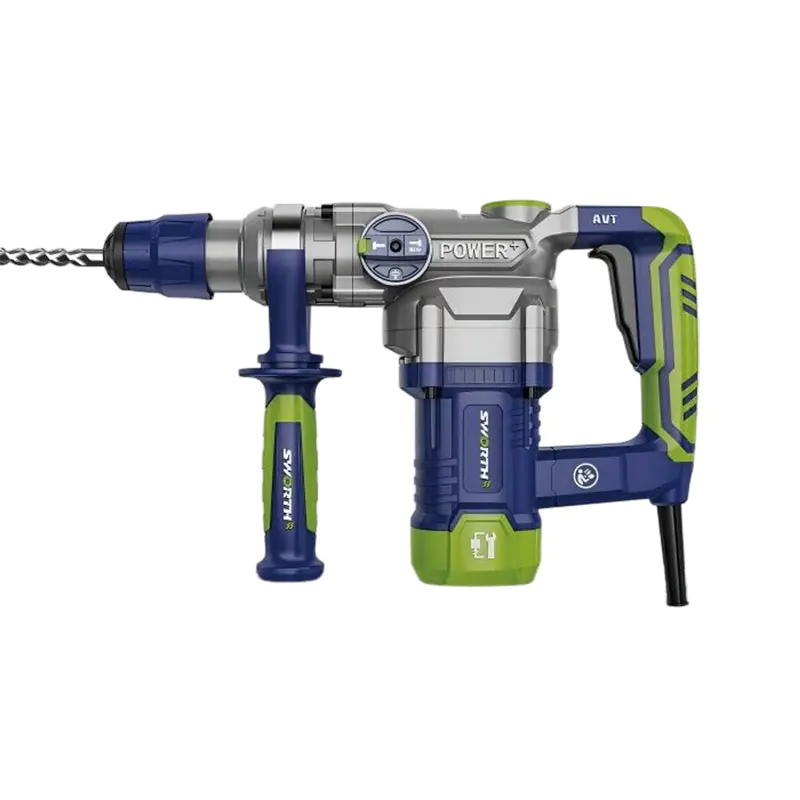


SW528 Small Hole Rebar Hammer
-
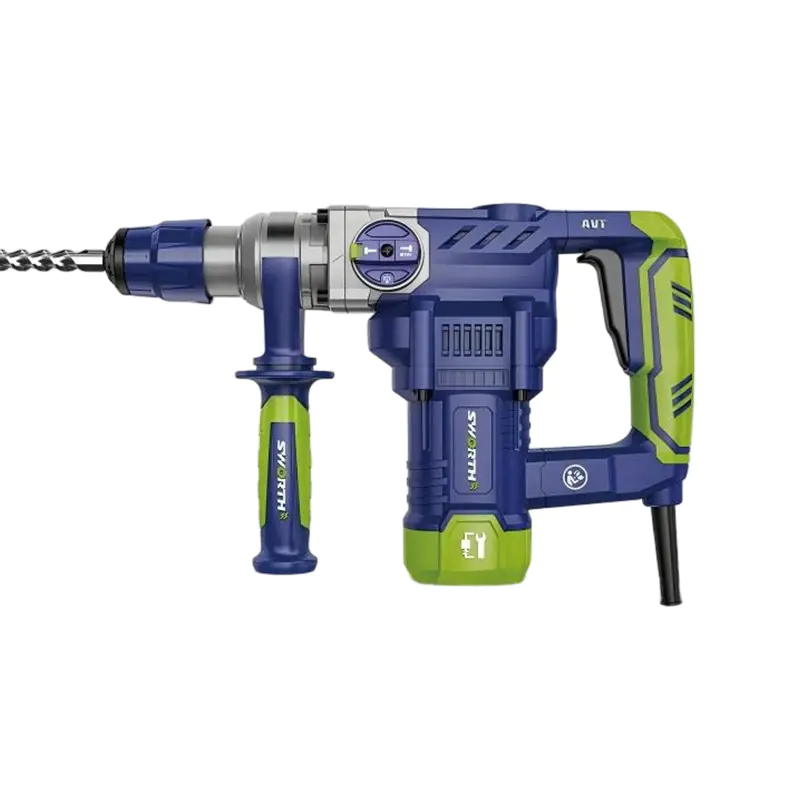
SW932 Groove Sandblasting Hammer
-
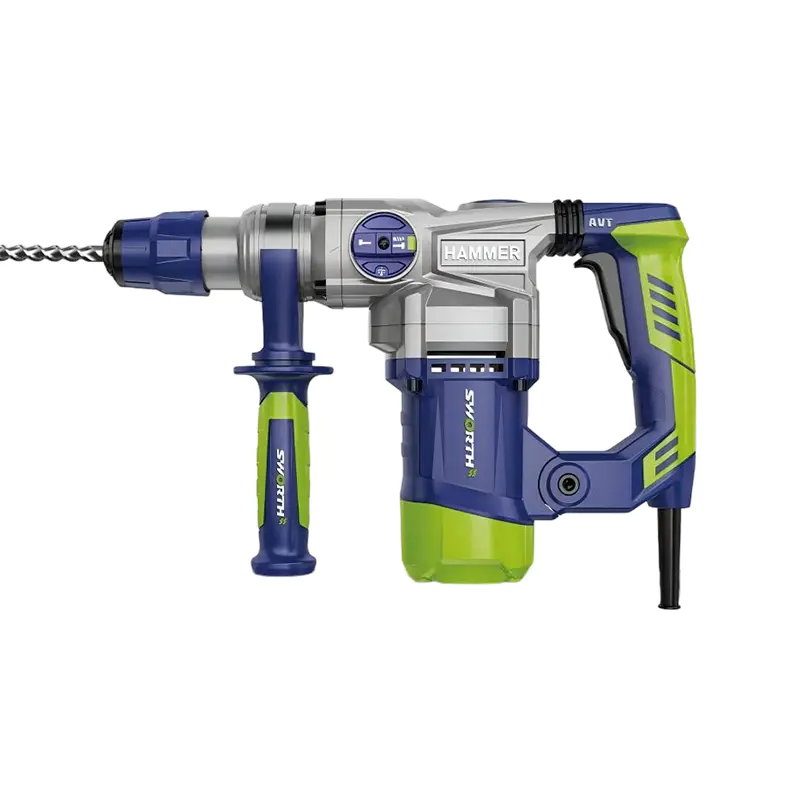
SW9362A Large Hole Rebar Hammer
-
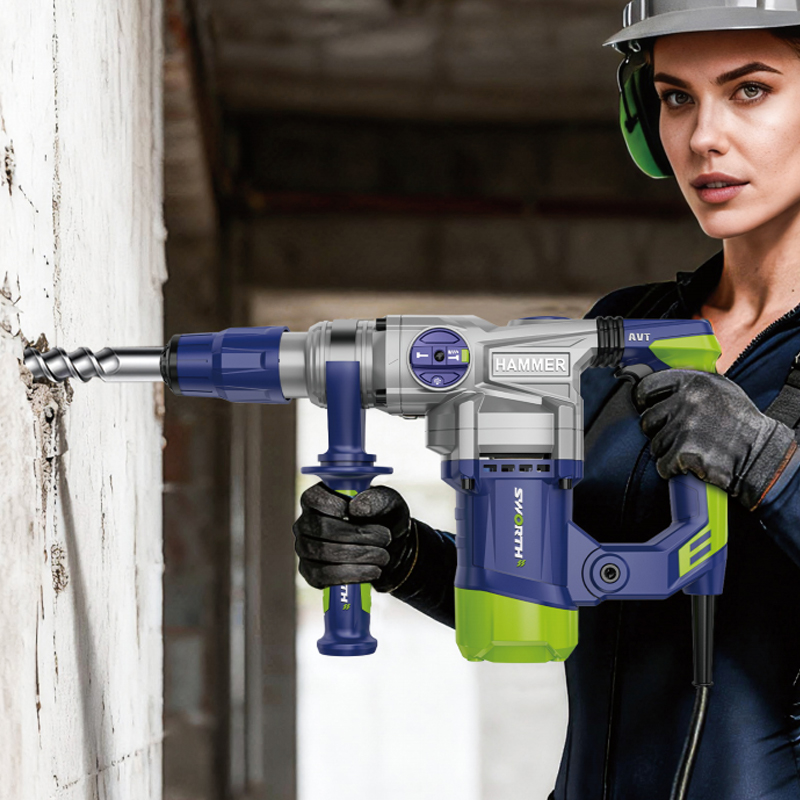
SW940 Enlarged Hole Rebar Hammer
-
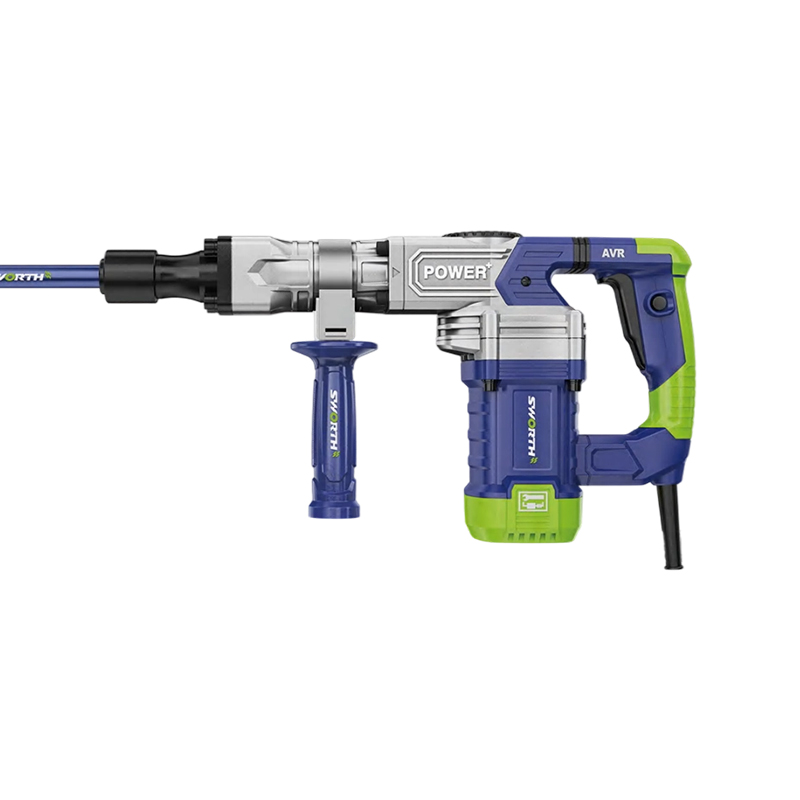
SW35S1 Powerful Demolition Hammer
-
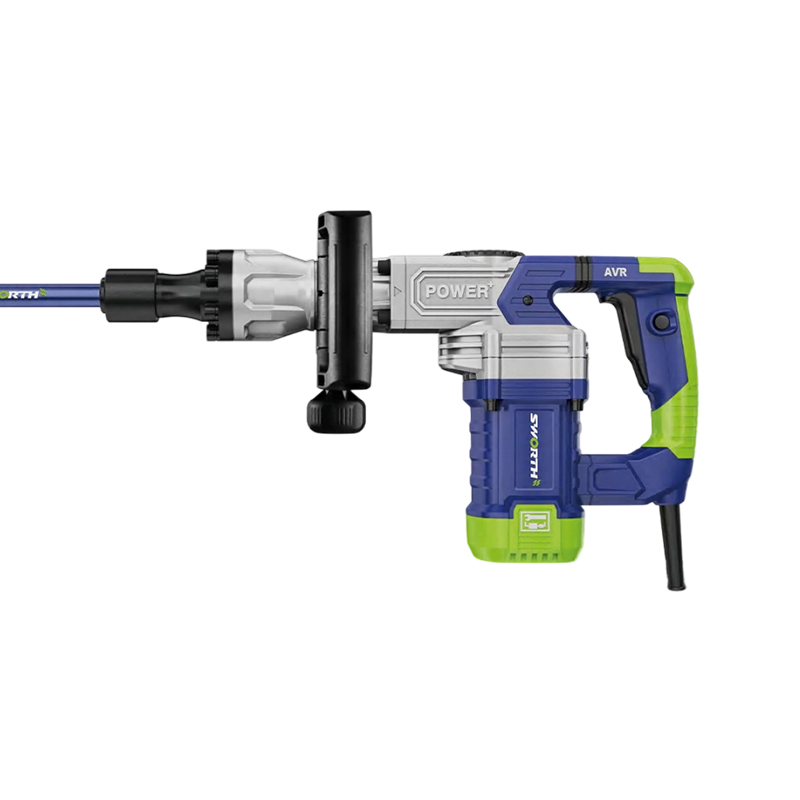
SW35S2 High-Efficiency Heat Dissipation Demolition Hammer
-
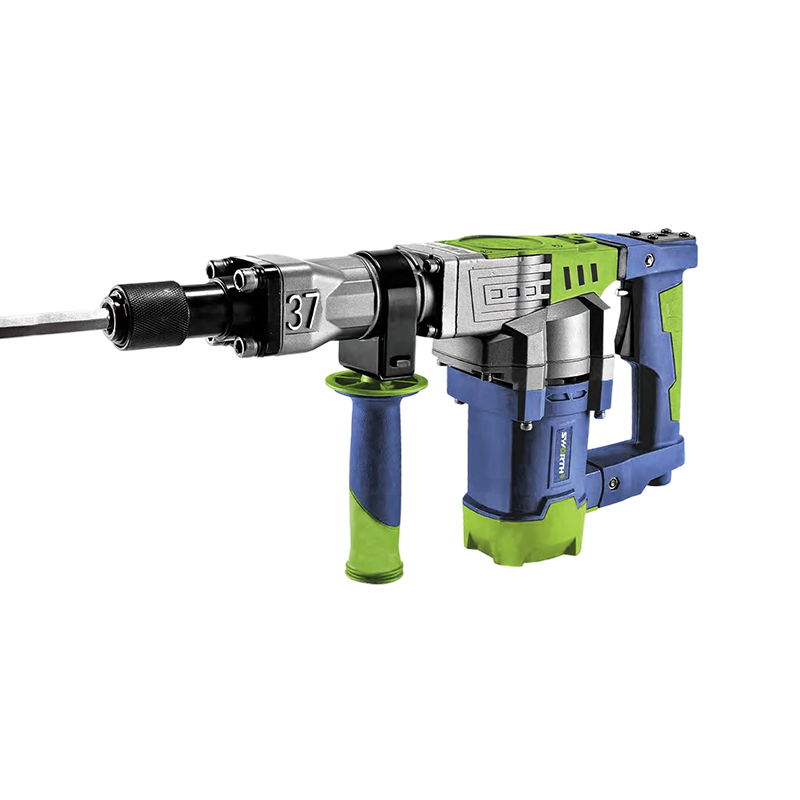
SW9371 High-Power Demolition Hammer
-
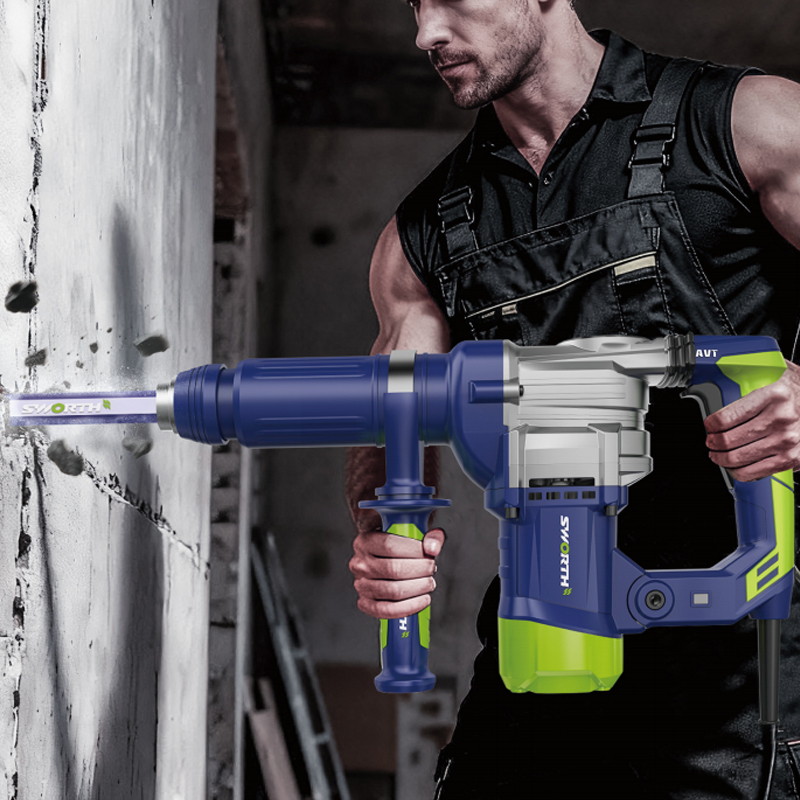
SW9373 Anti-Scalding Carbon Brush Holder Demolition Hammer
-
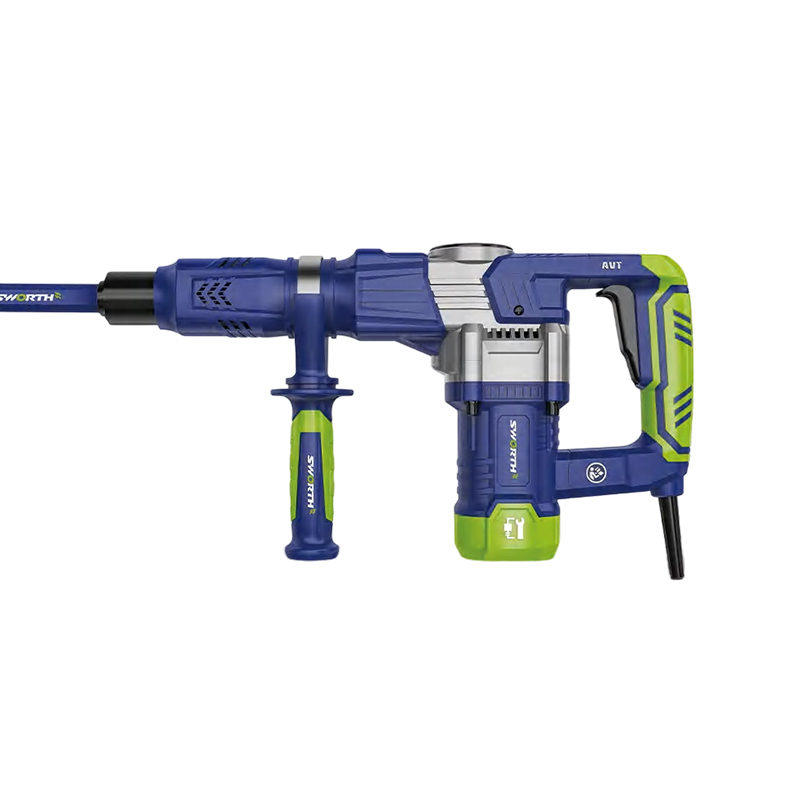
SW535 Powerful Anti-Scalding Demolition Hammer
-
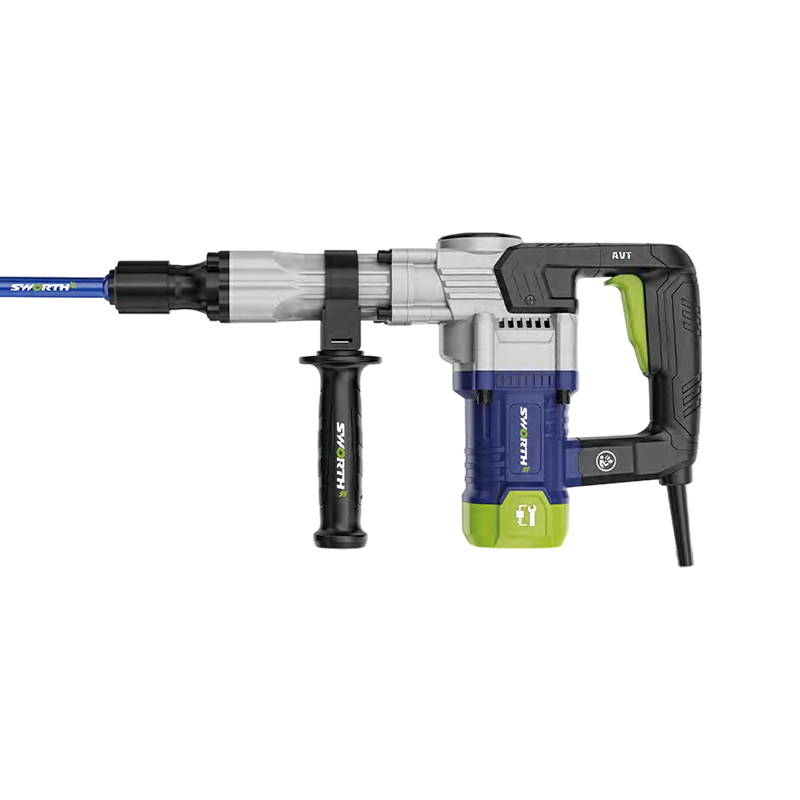
SW535-2 Durable Powerful Demolition Hammer
-
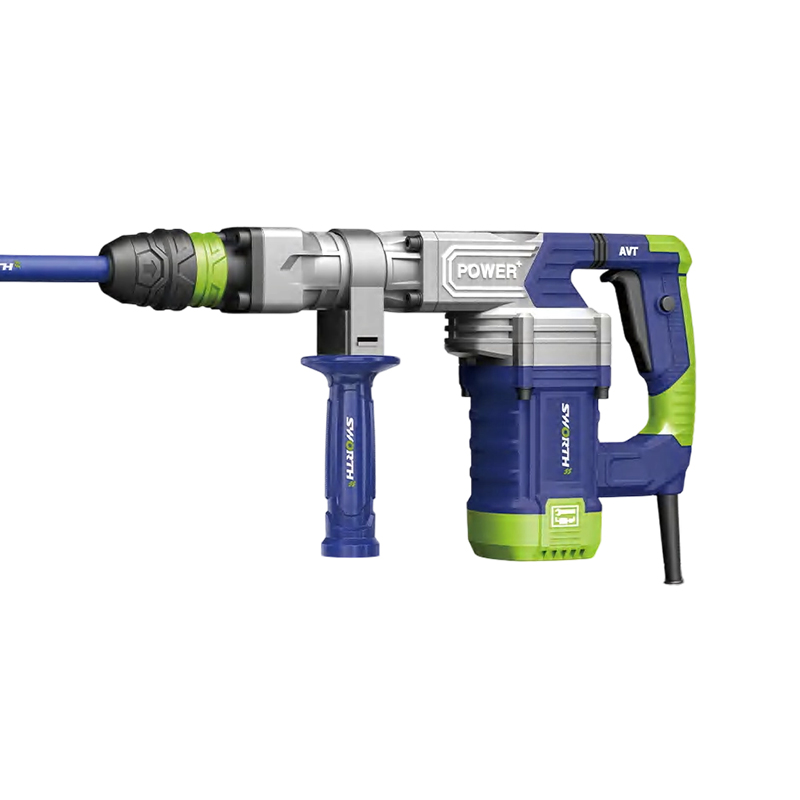
SW35S3 Five-Pipe Drill Bit Demolition Hammer
-

SW11E Five-Pipe Clamping Demolition Hammer
 +86-18314829275
 sale@sworthtools.com
 No. 101, Yugui Road, chengxi Industrial Zone, Yongkang City, Zhejiang Province, China
Copyright© Yongkang Siwei Technology Co., Ltd. All Rights Reserved

Hammer Tools & Cordless Garden Tools Manufacturer
