 English
 русский
 Español
Strong Break Hammer Manufacturer: The Tool That Breaks What a Standard Hammer Won't
A standard claw hammer drives nails. A sledgehammer swings heavy but lacks precision. A strong break hammer sits between them. It has a forged steel head with a striking face on one end and a chisel or point on the other. It breaks concrete, splits stone, and demolishes tile. The handle absorbs the shock so the user's arms don't. A strong break hammer manufacturer builds these tools for construction crews, demolition contractors, and masons who need to break things apart before they build things up.
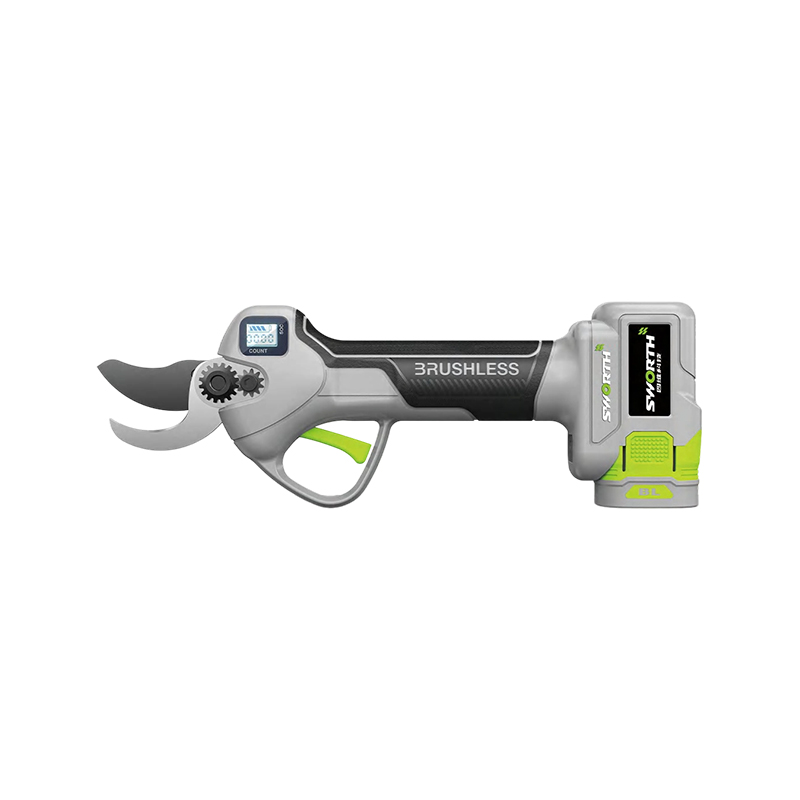
The Head That Takes the Impact
The hammer head is forged from high-carbon steel, heated and shaped under pressure to align the grain structure. Cast heads crack under repeated impact. Forged heads absorb it. A strong break hammer manufacturer hardens the striking face to a specific Rockwell range. Too hard and the face chips, sending sharp fragments flying. Too soft and the face mushrooms, spreading at the edges and eventually cracking.
The back end of the head is a chisel, a point, or a wedge. This is the breaking end. It concentrates the swing force into a small area. A strong break hammer with a properly ground chisel end bites into concrete and stone instead of bouncing off. The edge geometry is held through heat treatment so it stays sharp through repeated use.
The eye of the head, where the handle passes through, is the stress point. A strong break hammer manufacturer reinforces this area with additional material. The handle fit is a press fit or uses an epoxy bond. A loose head is dangerous. A properly fitted head stays on the handle through thousands of swings.
The Handle That Saves the Arms
Wood handles absorb shock naturally. Hickory is the standard. It flexes on impact and transmits less vibration to the user. A strong break hammer manufacturer using straight-grain hickory with no runout produces handles that bend without breaking.
Fiberglass handles are the modern alternative. They resist weather, do not rot or splinter, and dampen vibration better than wood. A strong break hammer with a fiberglass handle wrapped in a rubber grip gives the user a secure hold when hands are sweaty or wet.
The handle length determines swing force. Longer handles generate more leverage but are harder to control. Shorter handles offer precision. A strong break hammer manufacturer offers handle lengths matched to the head weight and the application.
Where the Hammer Gets Swung
Demolition crews use break hammers to take down walls, remove flooring, and break up concrete slabs before the jackhammer arrives. A strong break hammer reaches where power tools cannot fit.
Masons use them to split stone and brick to size. The chisel end scores the material, and a follow-up strike breaks it clean. A strong break hammer with a properly ground chisel makes this work predictable.
Road and utility crews use break hammers for spot demolition around pipes and conduits where heavy machinery would cause damage. One worker with a hammer opens the hole.
Here is what the hammer needs to deliver on the job:
- Forged high-carbon steel head with hardened striking face
- Chisel or point end ground for penetration and held through heat treatment
- Hickory or fiberglass handle with shock absorption
- Secure head-to-handle fit that stays tight
What Fails on a Cheap Break Hammer
The head chips at the edge, sending steel fragments into the air. A strong break hammer manufacturer that controls the hardening process prevents brittle edges. The handle snaps at the head joint from overstrike when the user misses the target and hits with the handle. A protective overstrike collar below the head prevents this.
The chisel end dulls after a few strikes and rounds over instead of biting. A strong break hammer with properly tempered steel holds the edge geometry through repeated impact.
A strong break hammer is a tool for destruction. It breaks concrete, stone, and masonry so something new can take its place. Choose a manufacturer that forges the head, controls the heat treatment, and fits the handle to stay on. The hammer hits hard and holds together. That is the job.
Recommended Products
-
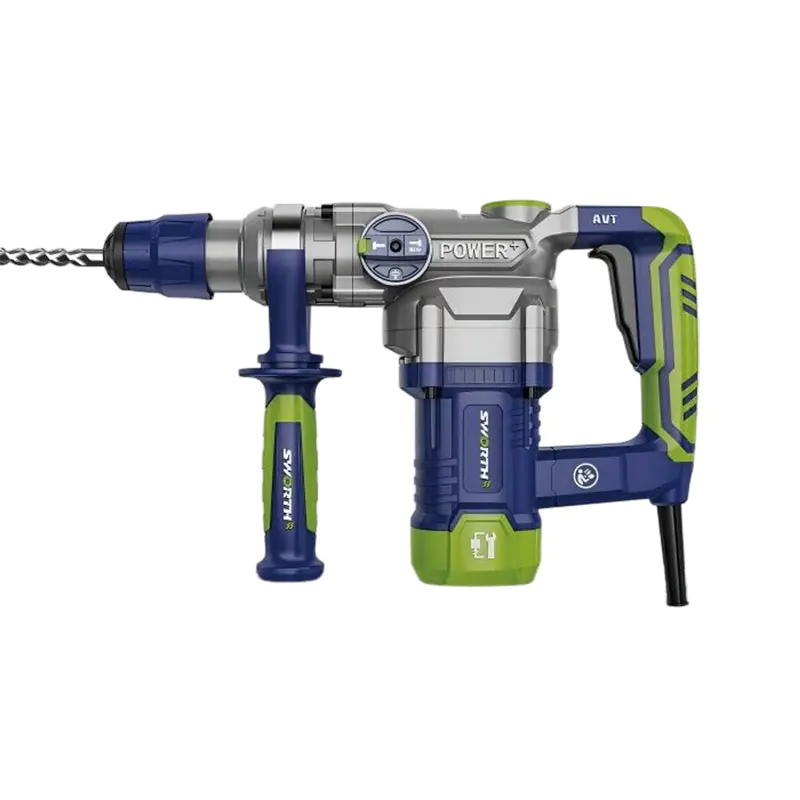


SW528 Small Hole Rebar Hammer
-
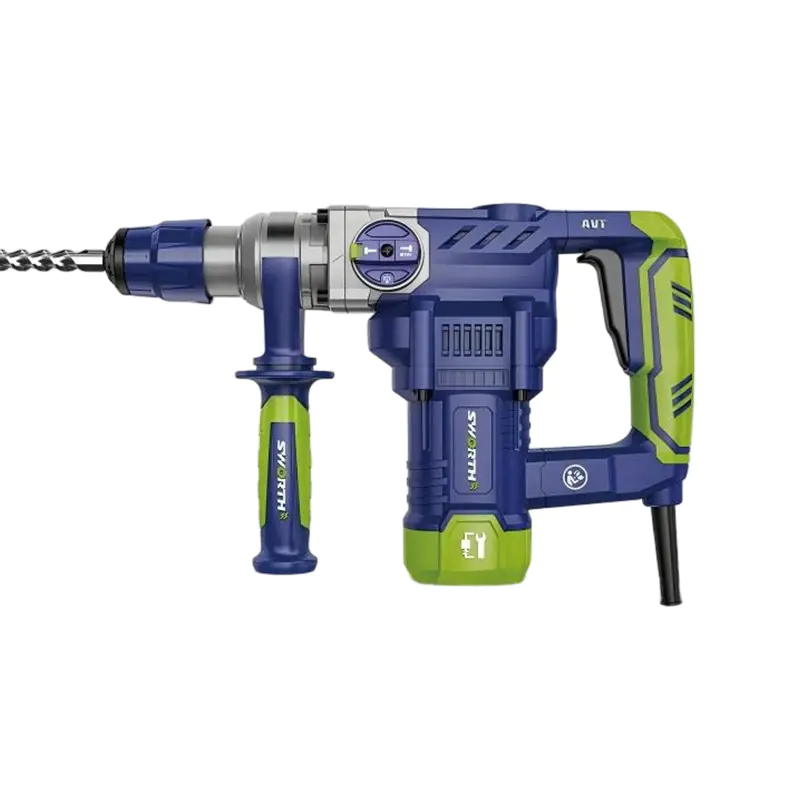
SW932 Groove Sandblasting Hammer
-
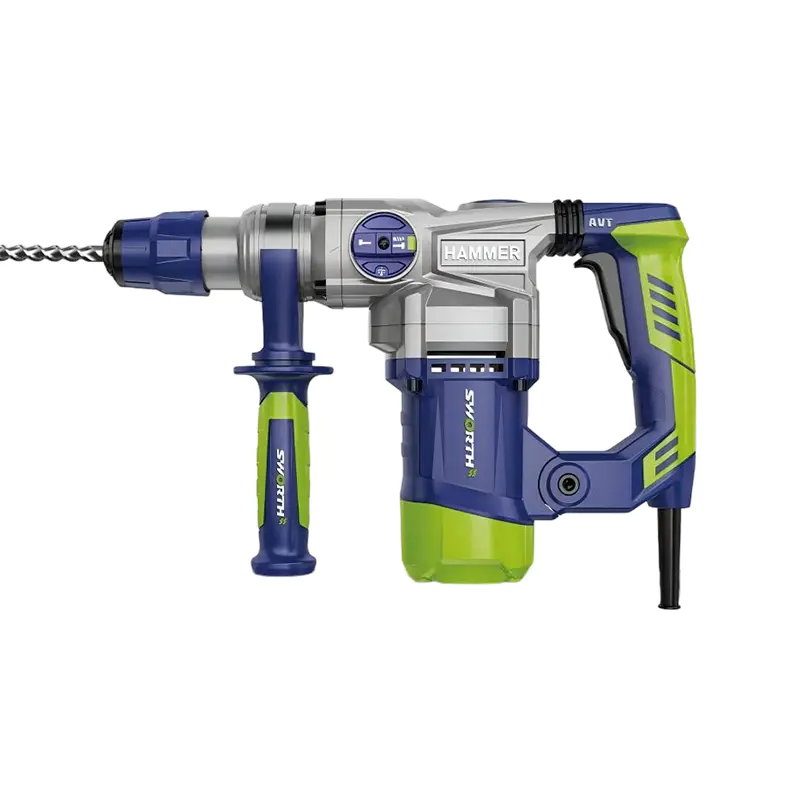
SW9362A Large Hole Rebar Hammer
-
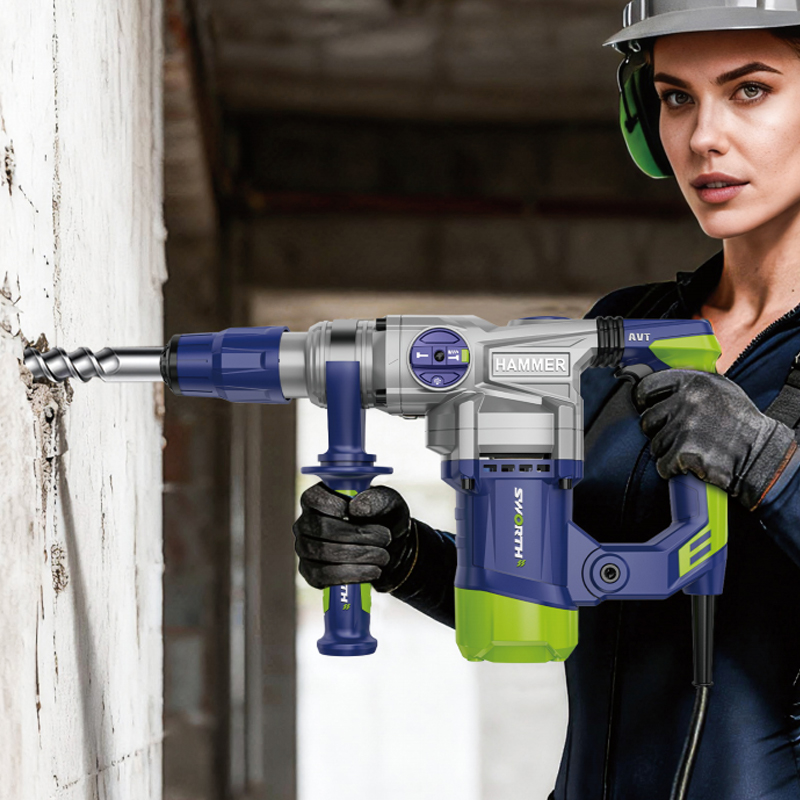
SW940 Enlarged Hole Rebar Hammer
-
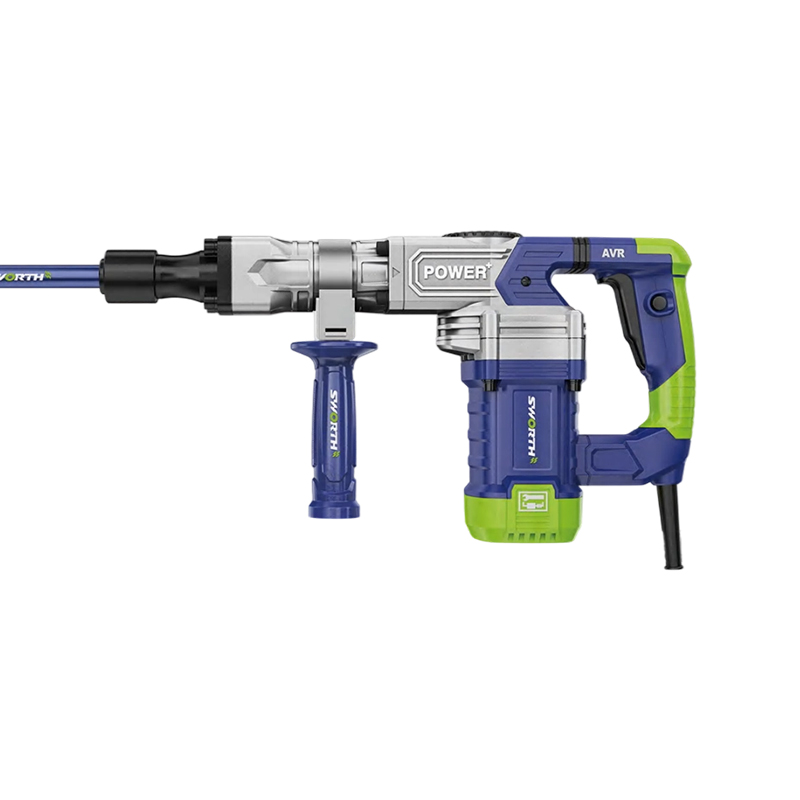
SW35S1 Powerful Demolition Hammer
-
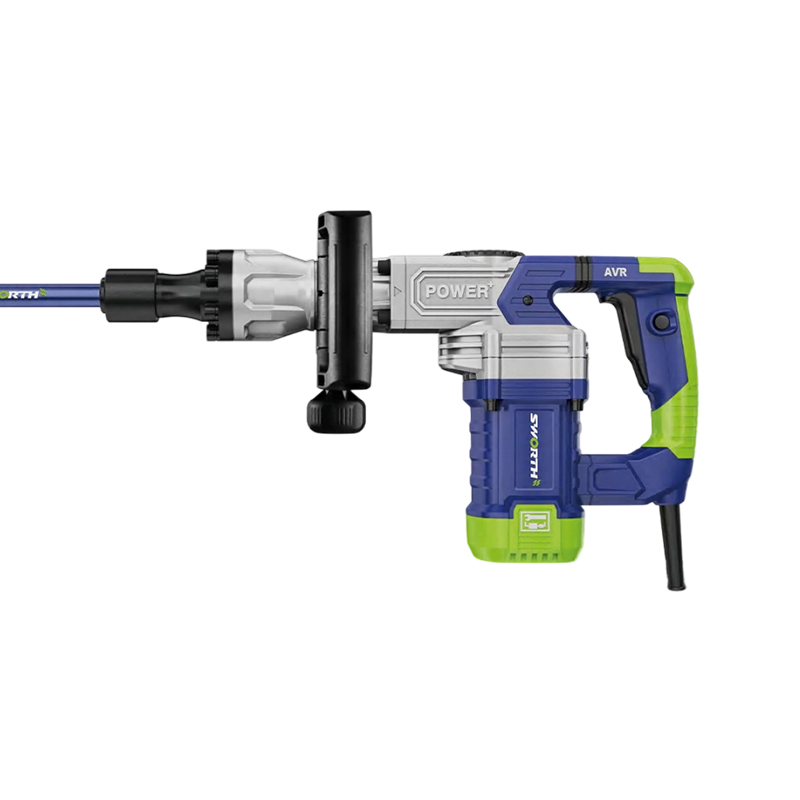
SW35S2 High-Efficiency Heat Dissipation Demolition Hammer
-
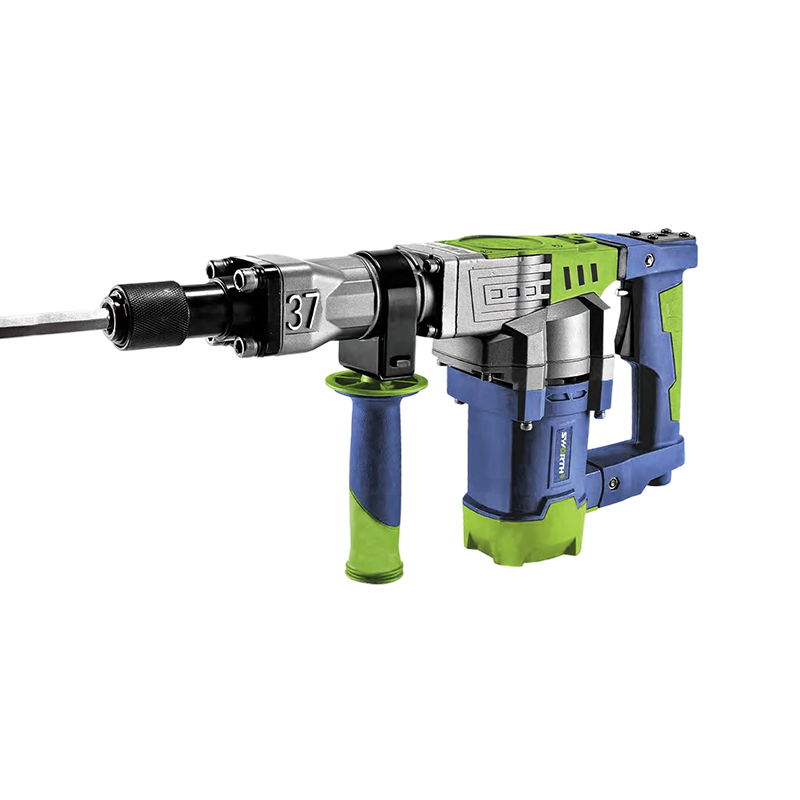
SW9371 High-Power Demolition Hammer
-
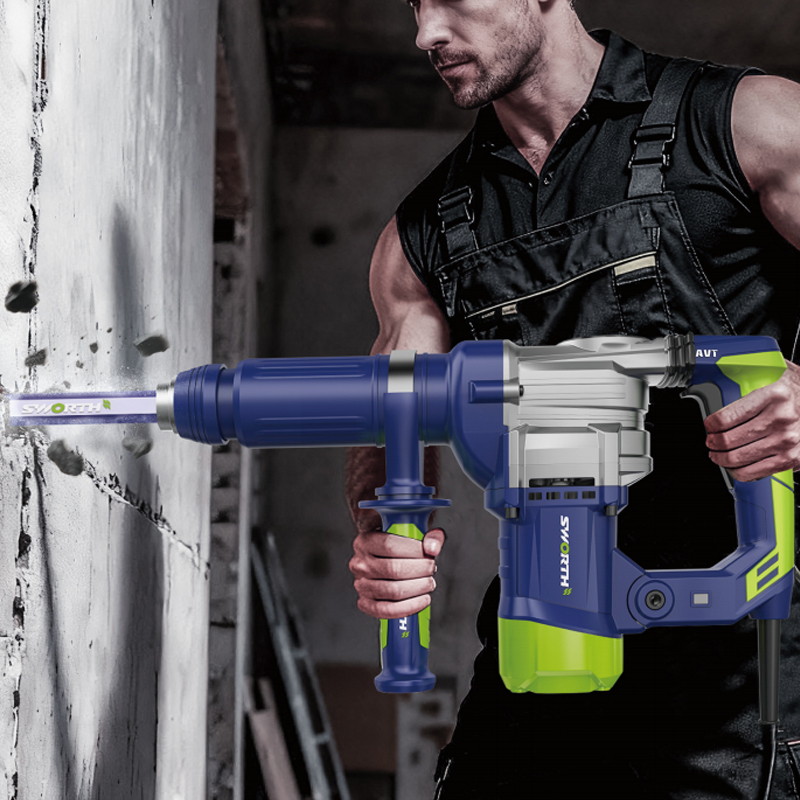
SW9373 Anti-Scalding Carbon Brush Holder Demolition Hammer
-
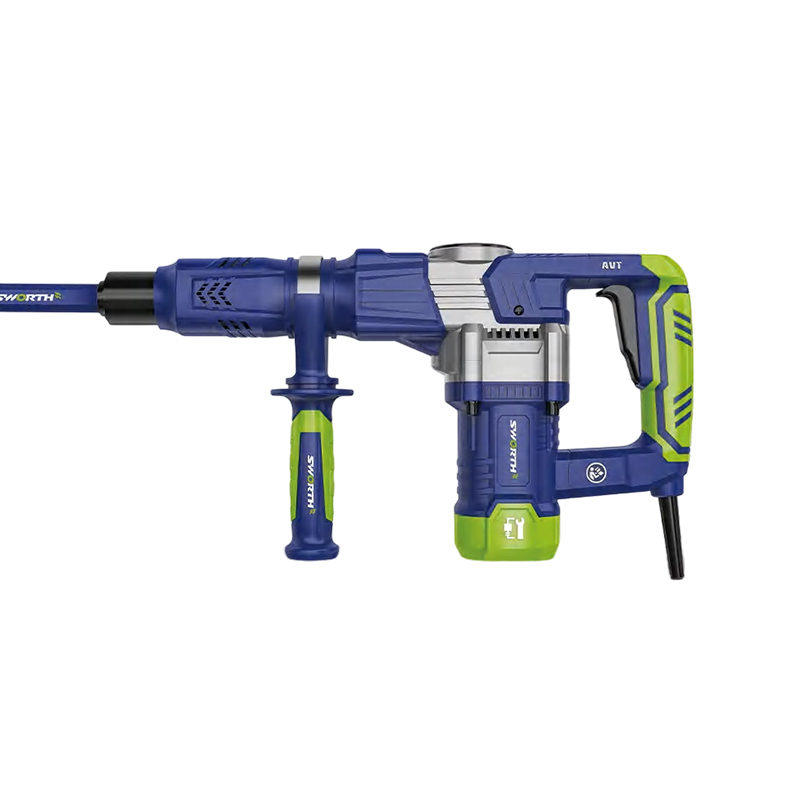
SW535 Powerful Anti-Scalding Demolition Hammer
-
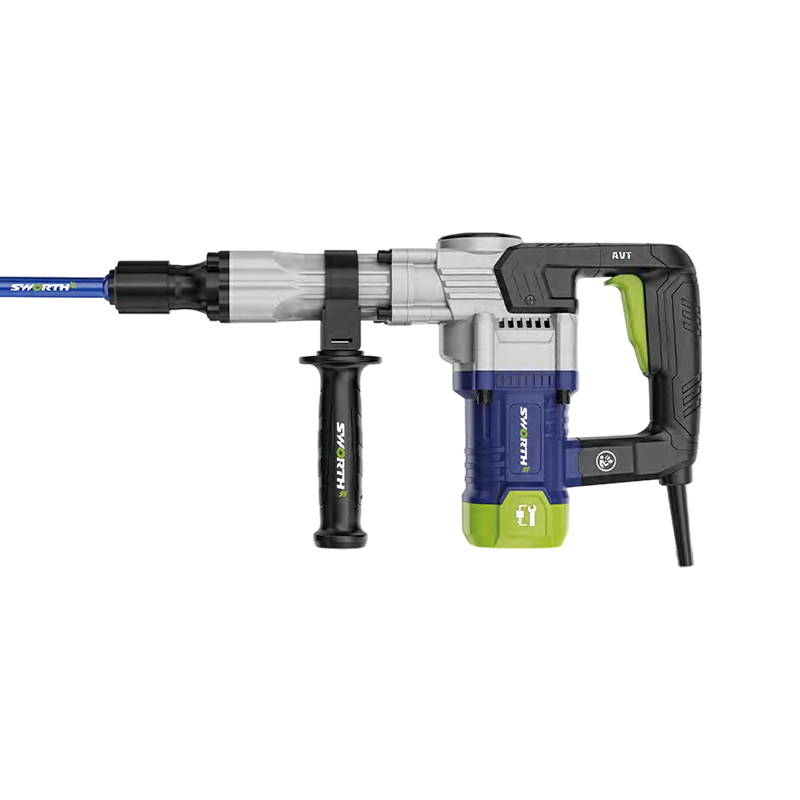
SW535-2 Durable Powerful Demolition Hammer
-
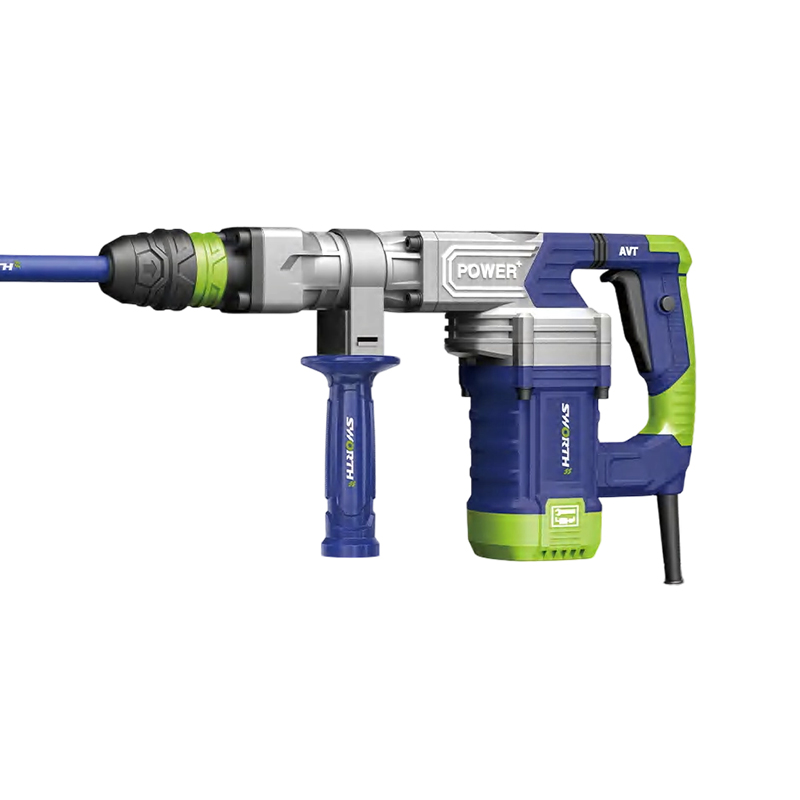
SW35S3 Five-Pipe Drill Bit Demolition Hammer
-

SW11E Five-Pipe Clamping Demolition Hammer
 +86-18314829275
 sale@sworthtools.com
 No. 101, Yugui Road, chengxi Industrial Zone, Yongkang City, Zhejiang Province, China
Copyright© Yongkang Siwei Technology Co., Ltd. All Rights Reserved

Hammer Tools & Cordless Garden Tools Manufacturer
