 English
 русский
 Español
Small Hole Rebar Hammer: The Tool That Punches Through Concrete to Set Anchors
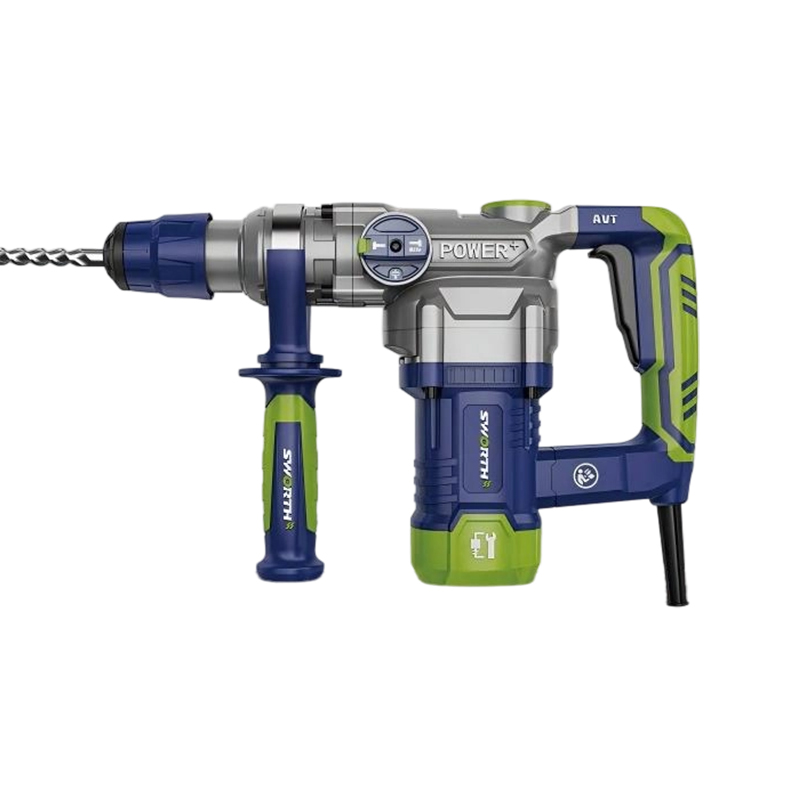
A rotary hammer drill spins a bit. A rebar hammer does not spin. It hammers. A piston drives a steel rod straight into concrete, brick, or stone, punching a small, precise hole for rebar anchors, dowels, and fasteners. The tool hits hard and fast, cycling thousands of times per minute, fracturing the material directly under the tip and blowing dust out with compressed air. For anchoring rebar into existing concrete during structural retrofits, the small hole rebar hammer is the tool that makes the hole without the oversized diameter or wandering start of a drill.
The Piston That Hits Like a Jackhammer
Inside the tool, a motor drives a piston back and forth. The piston strikes the back of the hammer rod, which transfers the impact to the tip pressed against the work surface. A small hole rebar hammer operates at thousands of blows per minute, each blow fracturing a small amount of material under the tip.
The piston is hardened steel, machined to a tight clearance in the cylinder. A small hole rebar hammer manufacturer that fits the piston and cylinder precisely builds a tool that holds its power over time. The motor runs on electric, pneumatic, or hydraulic power depending on the model. Electric is most common for construction sites with generator or grid power available.
The tool does not spin. The impact fractures the material and the operator advances the tool manually. The hole stays exactly where the tip is placed, with no walking or wandering that a twist drill produces on rough surfaces.
Dust, Debris, and Hole Quality
The hammering action crushes the material into fine dust. A small hole rebar hammer with a dust extraction port and a vacuum attachment captures debris at the source. The operator breathes cleaner air and the hole stays clear for the next strike.
Compressed air purges the hole during operation. Air flows through the tool and exits near the tip, blowing crushed material out of the hole. A small hole rebar hammer with an effective air flush keeps the tip striking fresh material instead of re-compacting dust.
The hole produced is slightly oversized relative to the rebar diameter, giving the epoxy or grout room to bond. A small hole rebar hammer with properly sized tips produces holes within the specified diameter tolerance for the anchor system being used.
Setting Anchors in Existing Concrete
Structural retrofits connect new concrete to old concrete using rebar dowels epoxied into drilled holes. A small hole rebar hammer punches those holes faster than a rotary hammer drill, especially in hard aggregate or heavily reinforced slabs where a drill bit wanders when it hits a rock or a bar.
The operator marks the hole location, positions the tool, and pulls the trigger. The hammer cycles. The tip fractures the concrete and sinks in. A small hole rebar hammer with a depth stop or depth markings on the rod lets the operator drill to the specified embedment depth without measuring.
The hole is rough-walled, not smooth like a drilled hole. That roughness improves the mechanical bond of the epoxy or grout. A small hole rebar hammer produces holes that hold anchors better than smooth-bore drilled holes.
Tool Configuration and Worksite Handling
The tool is handheld or mounted on a positioning frame for repetitive hole patterns. A small hole rebar hammer with a vibration-dampening handle reduces operator fatigue during extended use. The tool weighs enough to hold itself against the work surface but not so much that it cannot be used overhead or on vertical walls.
Tip replacement is a consumable cost. The tips are hardened steel, ground to a specific diameter. A small hole rebar hammer with a quick-change tip system lets the operator swap a worn or wrong-size tip in seconds without disassembling the tool.
Here is what a small hole rebar hammer needs to deliver on the job:
- Hardened piston and cylinder with tight clearance for consistent impact power
- Electric, pneumatic, or hydraulic power matched to the worksite
- Dust extraction port compatible with standard vacuum systems
- Depth stop or rod markings for accurate hole depth
- Quick-change tips in multiple diameters for different anchor sizes
When the Tool Stops Punching
The piston wears and the impact power drops. A small hole rebar hammer manufacturer that uses hardened steel and proper lubrication builds a tool that holds its power rating. The tip dulls and rounds over instead of fracturing the material. A replaceable tip solves this in the field. The dust port clogs and the tool runs hot because debris is packed around the piston. A vacuum system that fits the port without adapters prevents this.
A small hole rebar hammer punches holes for rebar anchors in concrete and masonry. The piston drives the tip. The dust clears. The hole is ready for the epoxy and the anchor. Choose a manufacturer that fits the piston tight, hardens the tips, and builds for the dust. The holes will be the right diameter and depth. That is what the tool is for.
Recommended Products
-
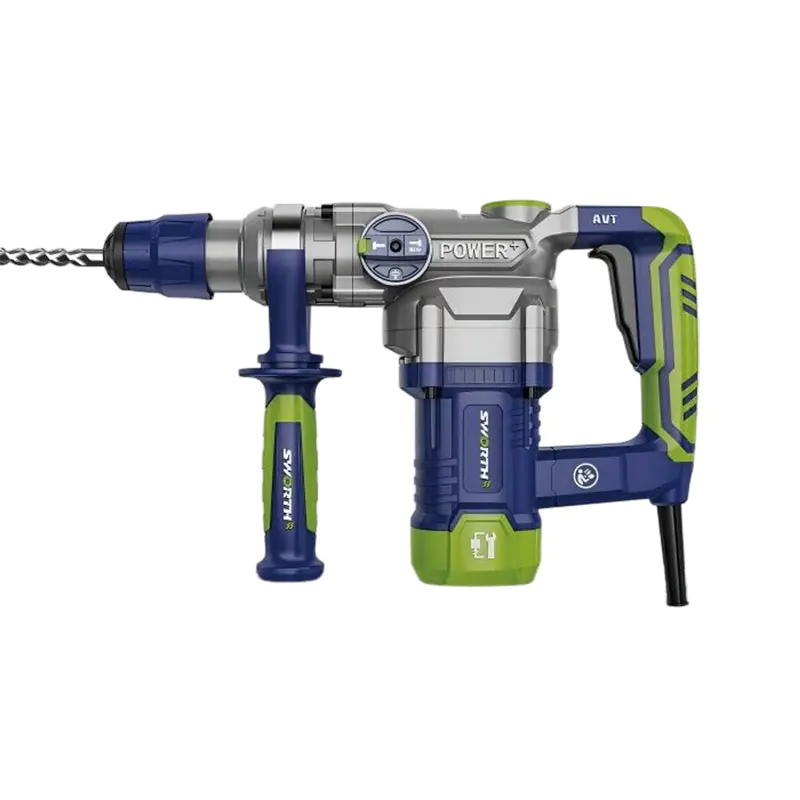


SW528 Small Hole Rebar Hammer
-
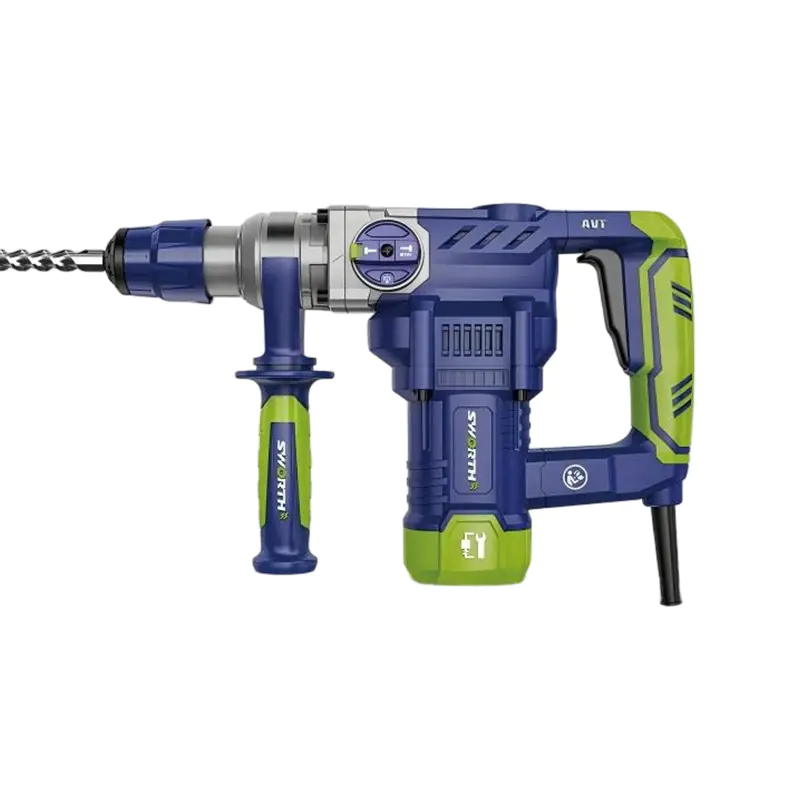
SW932 Groove Sandblasting Hammer
-
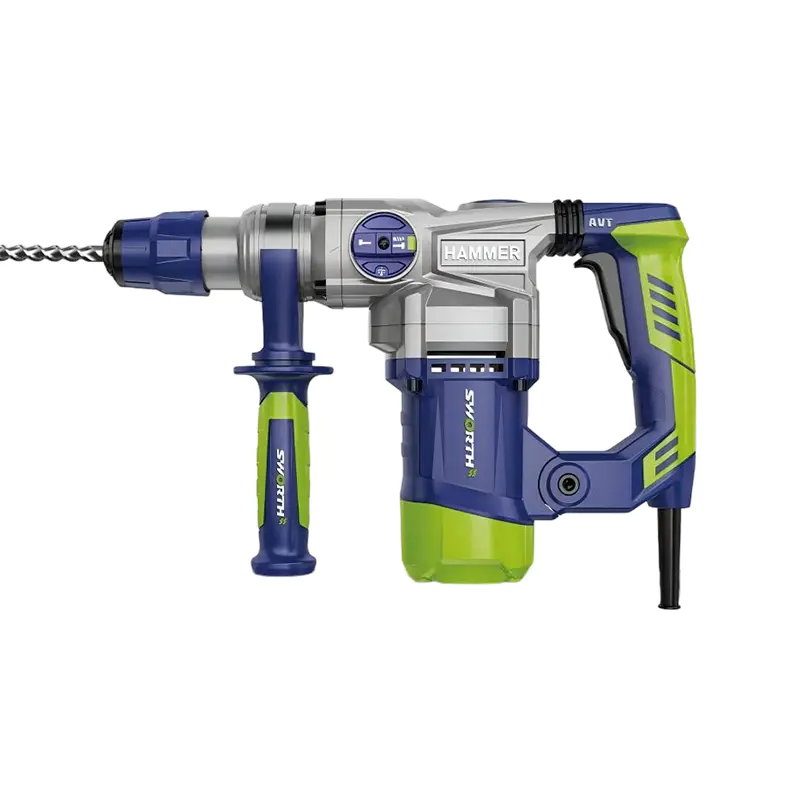
SW9362A Large Hole Rebar Hammer
-
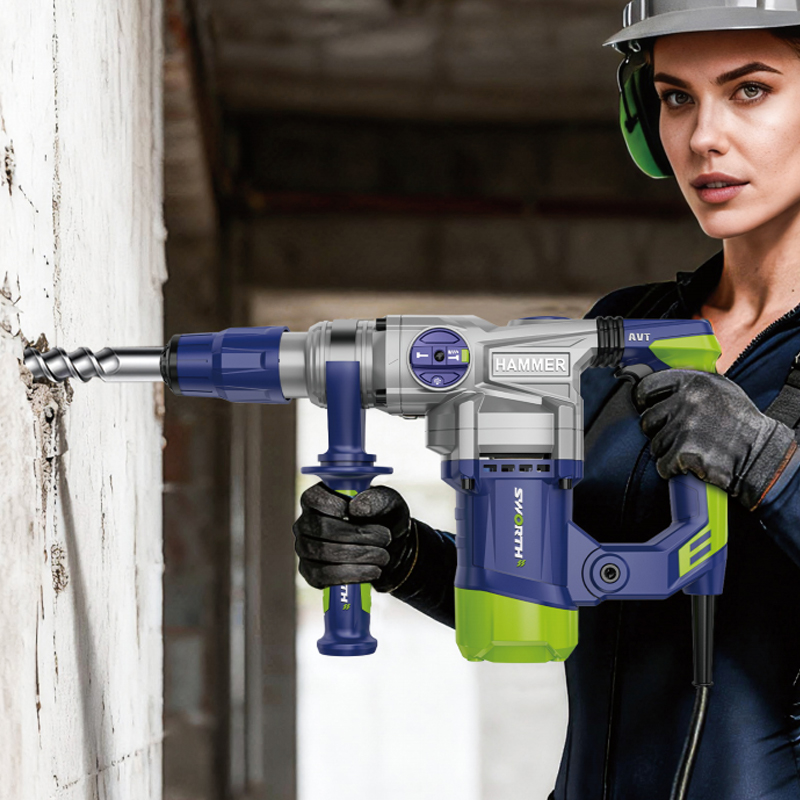
SW940 Enlarged Hole Rebar Hammer
-
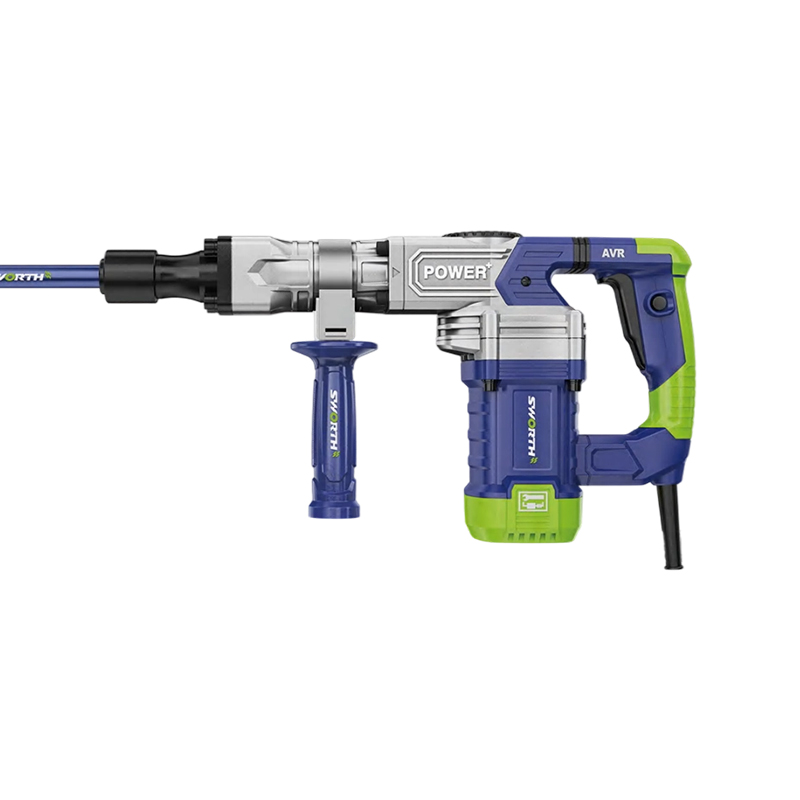
SW35S1 Powerful Demolition Hammer
-
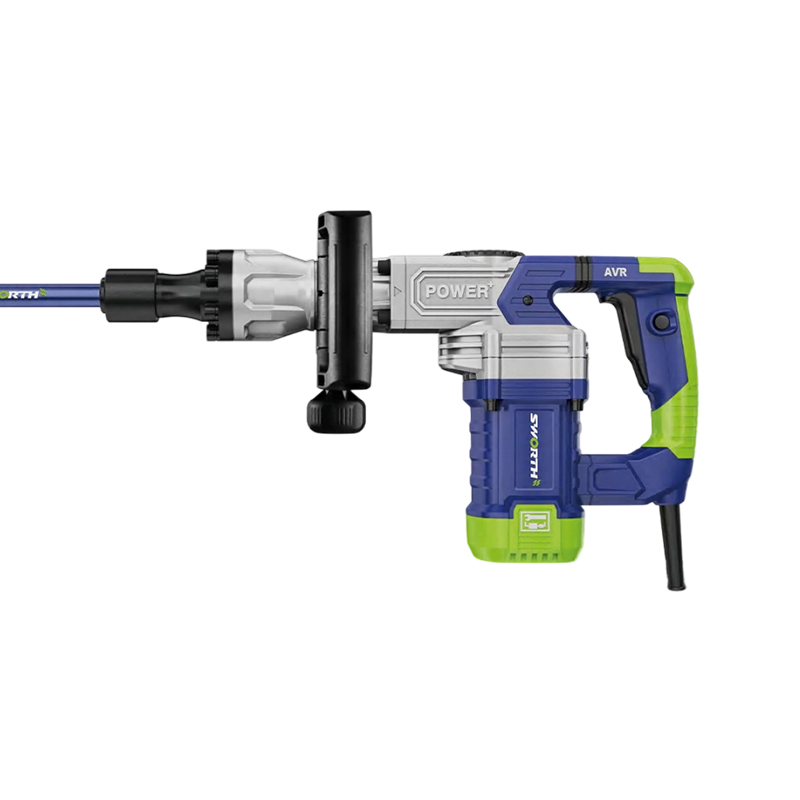
SW35S2 High-Efficiency Heat Dissipation Demolition Hammer
-
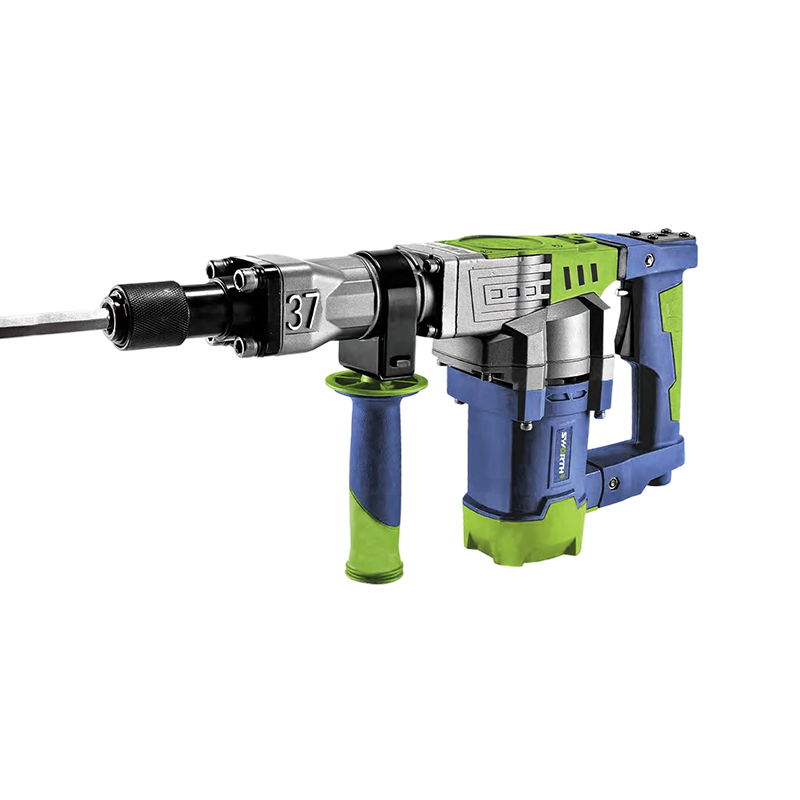
SW9371 High-Power Demolition Hammer
-
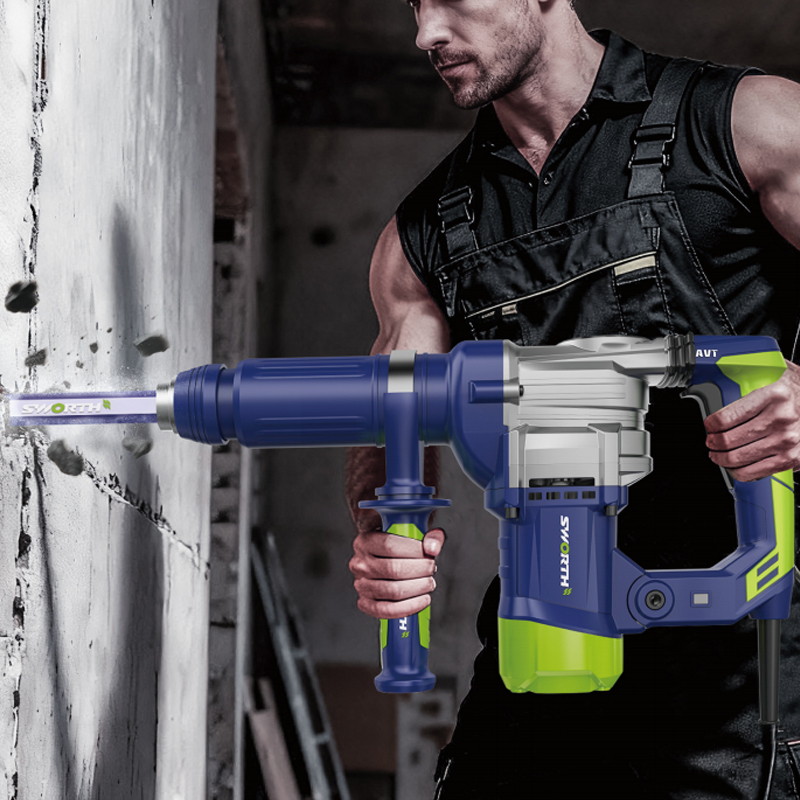
SW9373 Anti-Scalding Carbon Brush Holder Demolition Hammer
-
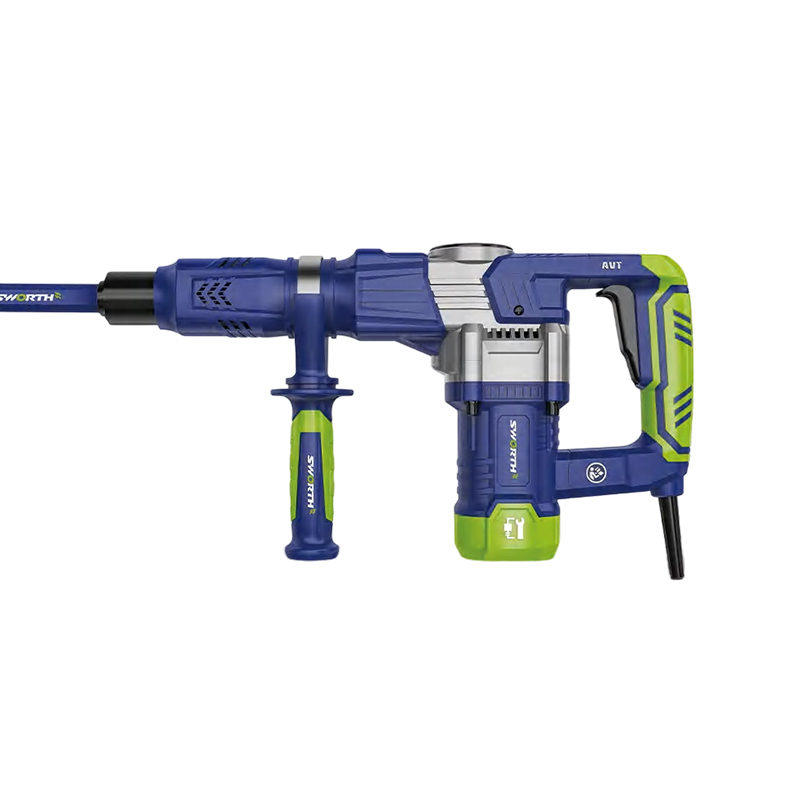
SW535 Powerful Anti-Scalding Demolition Hammer
-
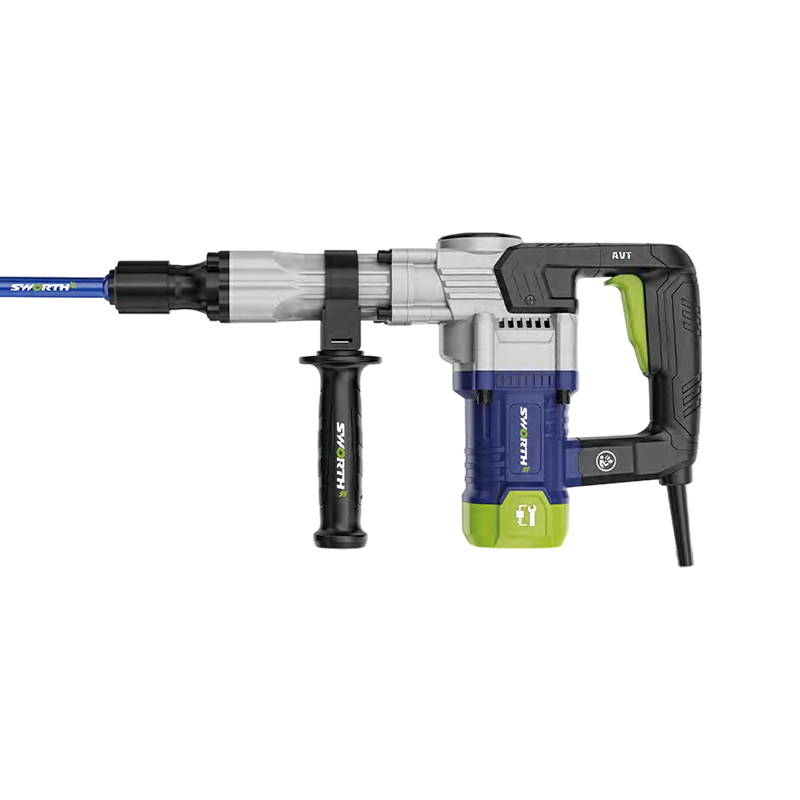
SW535-2 Durable Powerful Demolition Hammer
-
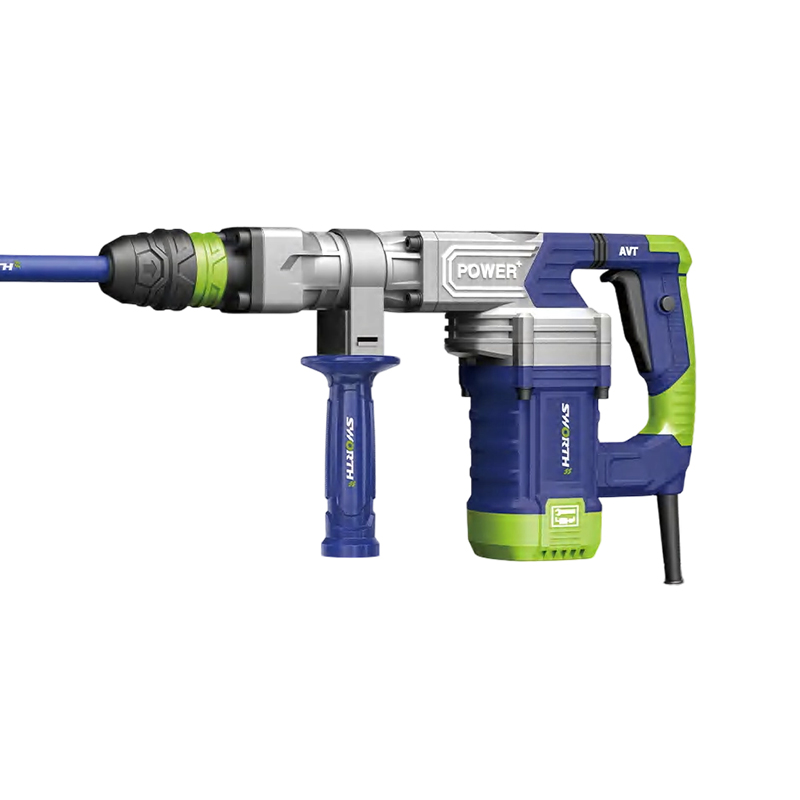
SW35S3 Five-Pipe Drill Bit Demolition Hammer
-

SW11E Five-Pipe Clamping Demolition Hammer
 +86-18314829275
 sale@sworthtools.com
 No. 101, Yugui Road, chengxi Industrial Zone, Yongkang City, Zhejiang Province, China
Copyright© Yongkang Siwei Technology Co., Ltd. All Rights Reserved

Hammer Tools & Cordless Garden Tools Manufacturer
