 English
 русский
 Español
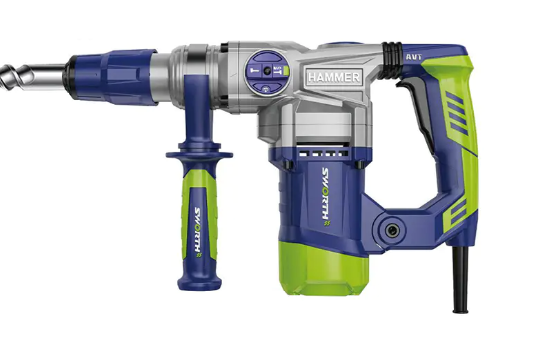
Big Hole Planting Reinforcement Hammer Manufacturer: The Tool That Anchors Large-Scale Revegetation
A slope stripped of vegetation does not recover on its own. Rain washes topsoil away. The ground loosens. Planting alone is not enough. Seedlings need anchored roots and stable soil from day one. A big hole planting reinforcement hammer drives deep anchoring stakes through erosion control blankets, geotextiles, and into compacted ground. It punches wide, clean holes that hold reinforcement rods, live stakes, and deep-root planting plugs. A big hole planting reinforcement hammer manufacturer builds these tools for crews working highway embankments, mine rehabilitation sites, and riverbank stabilization projects where surface planting fails and deep anchoring is the only thing that holds.
Why the Hole Size Comes First
A standard planting hammer drives a narrow stake. It fails when the job calls for a thick live stake or a reinforcement rod. A big hole planting reinforcement hammer opens a hole wide enough that the stake slides in without shattering the surrounding soil. The hole stays open long enough for the worker to insert the stake before the walls collapse.
The diameter of the driving head determines the hole size. Too small and the stake binds. Too large and the soil stays loose. The right diameter gives a snug fit with full soil contact. A big hole planting reinforcement hammer manufacturer offers head diameters matched to the stake specification. Depth markings on the shaft or an adjustable stop collar let the crew drive every stake to the specified embedment without guessing.
The Hammer Head That Survives Rocky Ground
Revegetation sites are full of buried rock and compacted fill. A big hole planting reinforcement hammer hits things it cannot see. The head has to survive impact without deforming or transferring shock to the worker.
A big hole planting reinforcement hammer manufacturer forges the head from heat-treated alloy steel. Cast heads crack sooner. Forged heads absorb repeated shock. The striking face is hardened to resist mushrooming. A head that mushrooms spreads, spalls, and eventually splits. The hole-forming tube takes different abuse. It enters the ground under impact and scrapes against buried gravel. A replaceable driving tip lets the crew swap the wear component in the field instead of scrapping the whole tool.
Handle Design That Keeps the Crew Working
The tool gets lifted and driven down thousands of times per shift. Handle weight, grip, and vibration damping decide whether the crew finishes the day. Fiberglass handles with rubber overgrip absorb vibration. Hickory handles provide traditional feel and field replaceability. A big hole planting reinforcement hammer manufacturer offers both.
The handle-to-head connection is the failure point. A head that loosens turns the tool into a hazard. A through-handle design or tapered press-fit with epoxy keeps the head secure. A wedge-driven connection that works loose after a few hundred strikes creates downtime and danger.
Where the Tool Sees the Hardest Use
Highway slope stabilization crews work against the rainy season. A big hole planting reinforcement hammer drives stakes through erosion mats into compacted slopes. The mats resist. The ground is dry and hard. The tool punches through without tearing the mat or binding.
Mine site rehabilitation covers ground graded and compacted by heavy equipment. The hammer drives rods into material that barely qualifies as soil. The head takes impact against buried processing waste and fractured rock.
Riverbank restoration adds saturated ground. Holes collapse fast. The worker drives the stake, pulls the tool, and inserts the planting material in one motion. A smooth, tapered driving tip releases cleanly. A rough tip drags soil out and destroys the hole.
Here is what a reinforcement hammer built for these conditions delivers:
- Forged alloy steel head with hardened striking face
- Replaceable driving tip matched to the stake diameter
- Handle options in fiberglass or hickory with vibration-damping grip
- Head-to-handle connection that stays secure through thousands of strikes
What Fails First on a Light-Duty Tool
The driving tip bends when it hits buried rock. A big hole planting reinforcement hammer manufacturer using heat-treated alloy and adequate wall thickness builds a tip that stays straight. The handle splinters at the head joint. A steel or composite overstrike collar below the head protects against mis-hits.
A big hole planting reinforcement hammer works where a failed planting means redoing the entire slope after the next storm. The tool drives the stakes that hold the blankets that keep the soil in place. Choose a manufacturer that forges the head, sizes the hole correctly, and builds handles that survive. The plants grow when the ground stays put. That is what the hammer is there to do.
Recommended Products
-
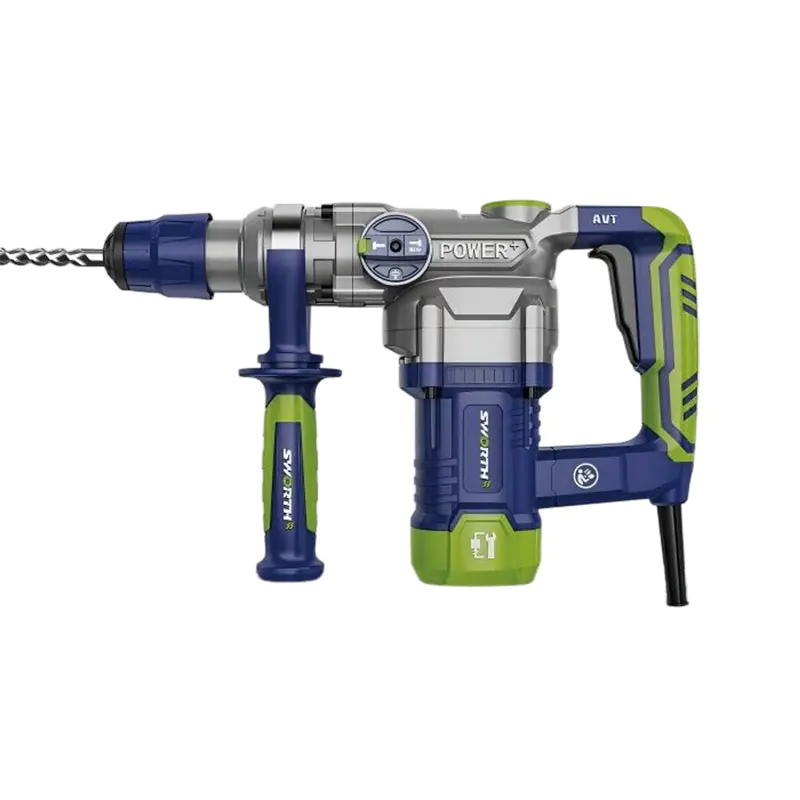


SW528 Small Hole Rebar Hammer
-
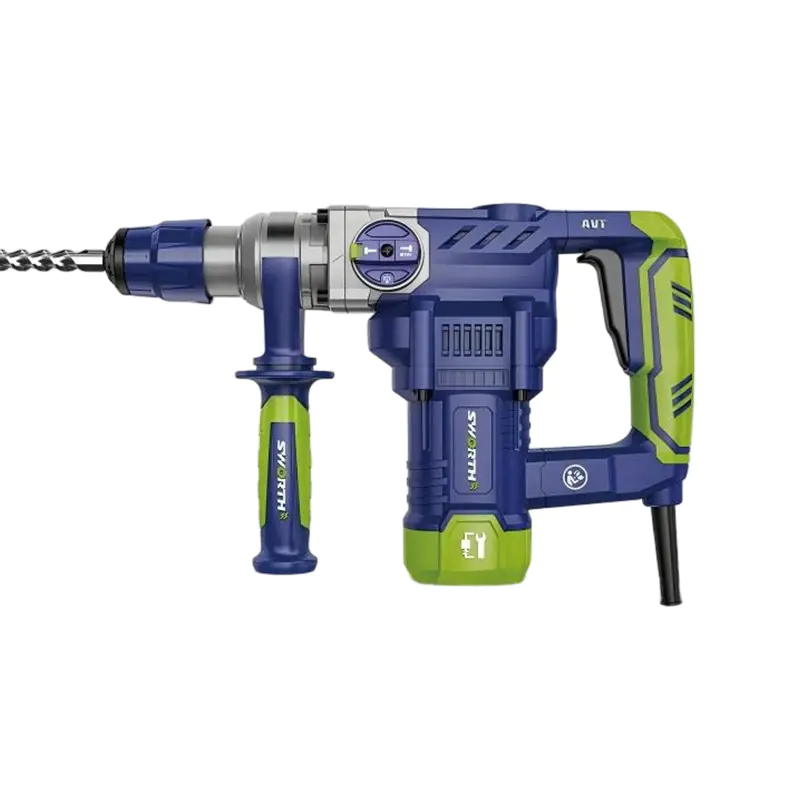
SW932 Groove Sandblasting Hammer
-
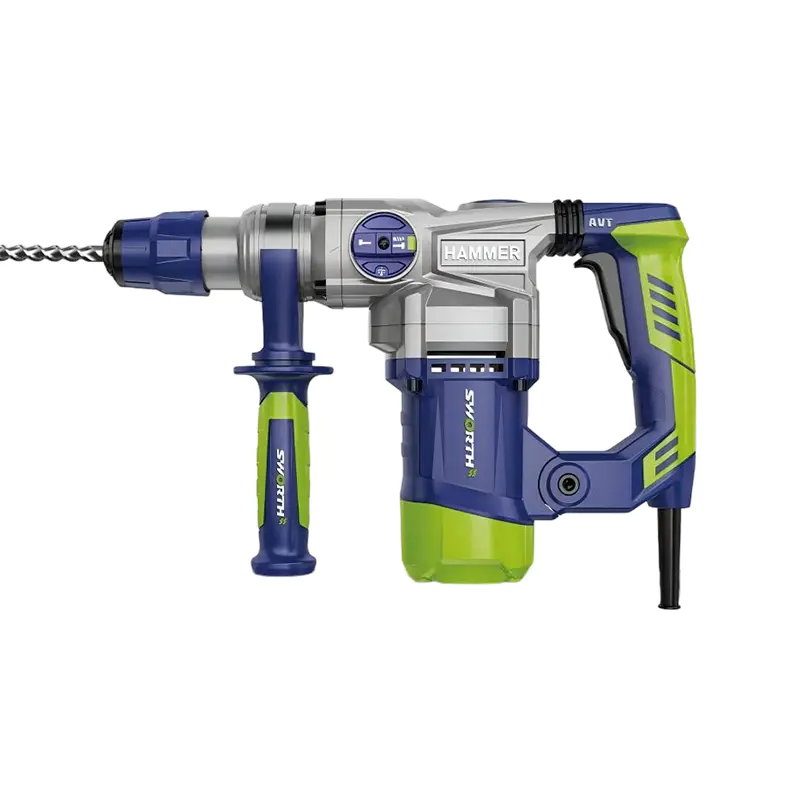
SW9362A Large Hole Rebar Hammer
-
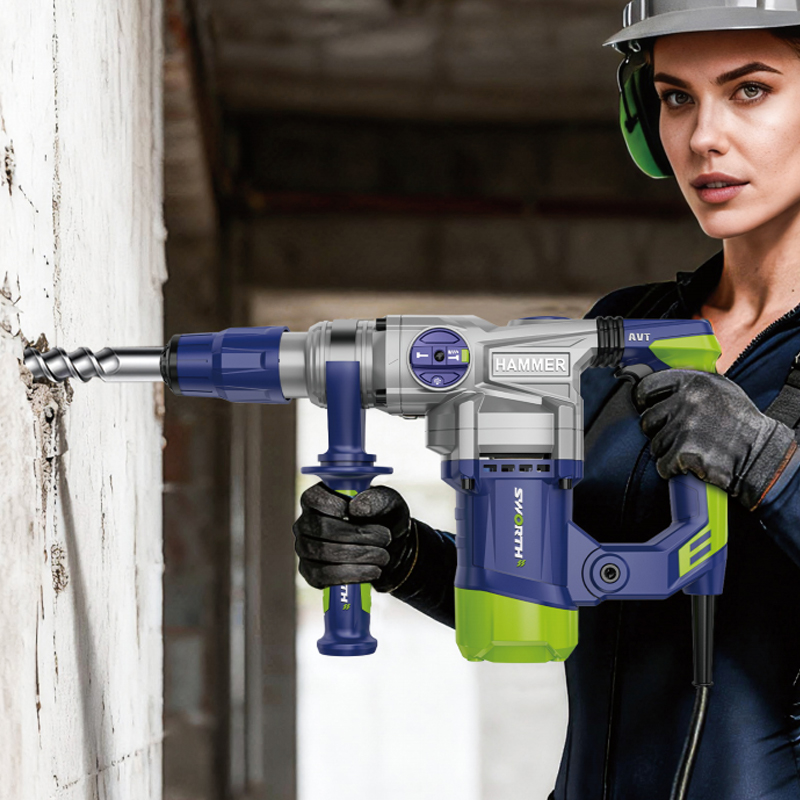
SW940 Enlarged Hole Rebar Hammer
-
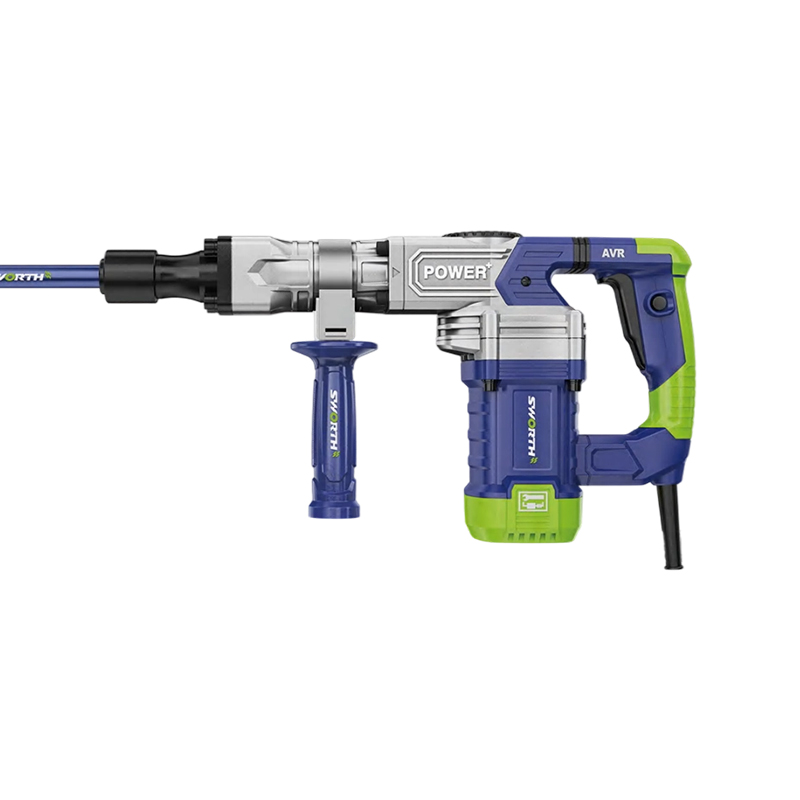
SW35S1 Powerful Demolition Hammer
-
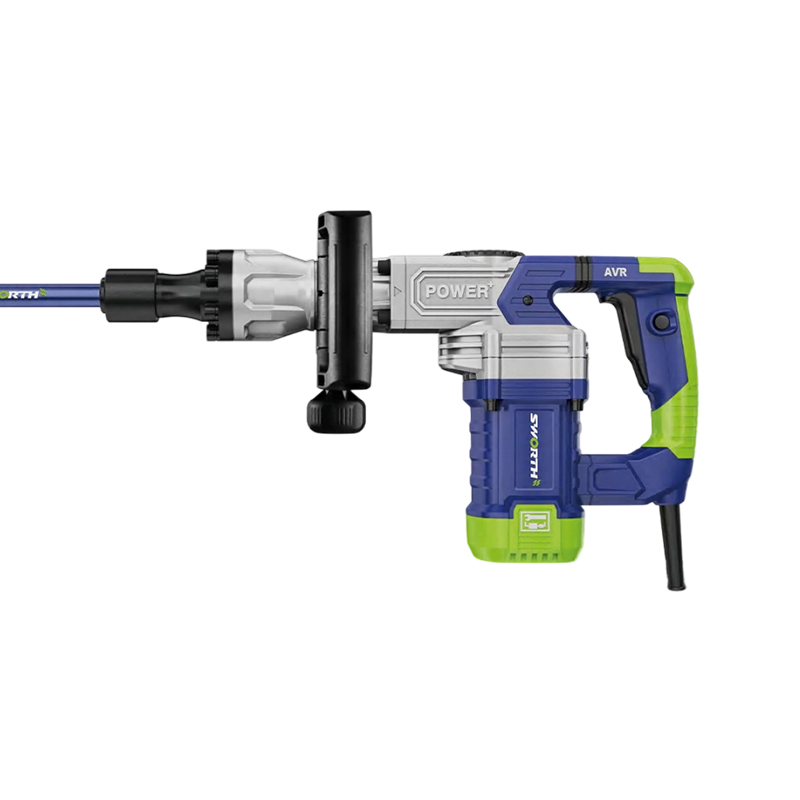
SW35S2 High-Efficiency Heat Dissipation Demolition Hammer
-
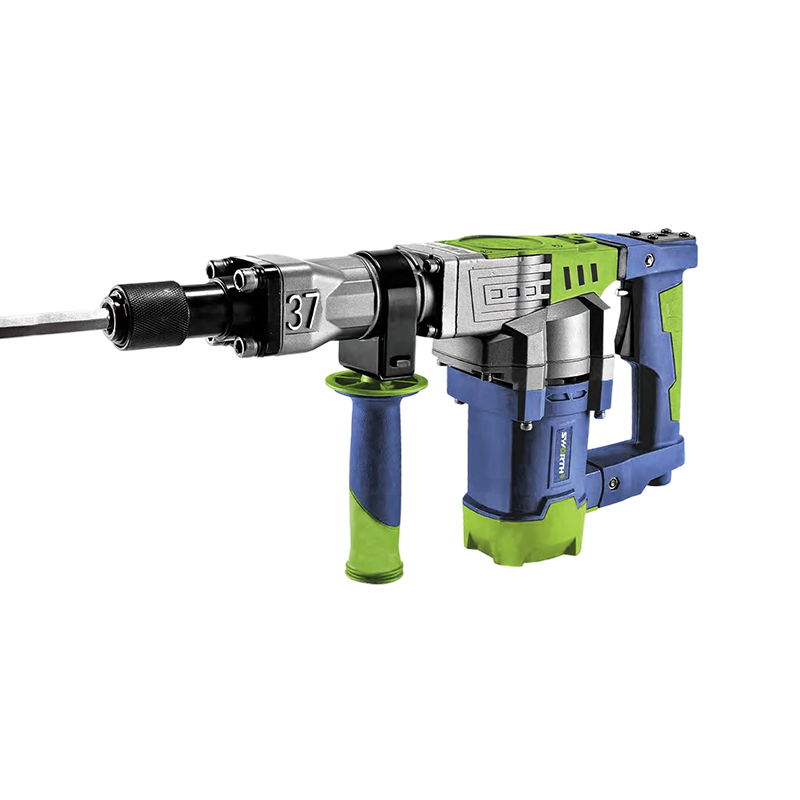
SW9371 High-Power Demolition Hammer
-
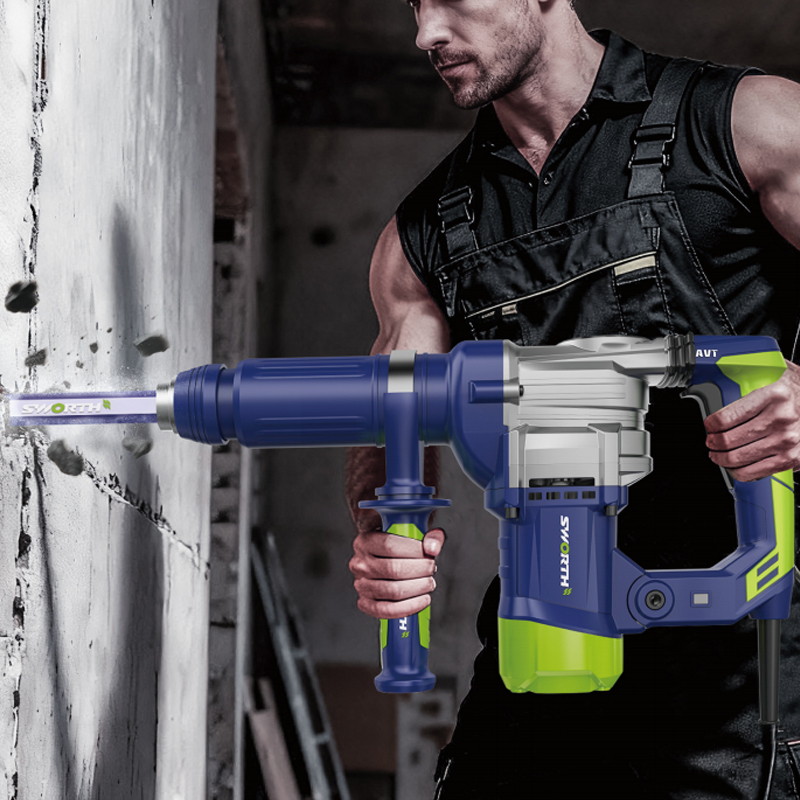
SW9373 Anti-Scalding Carbon Brush Holder Demolition Hammer
-
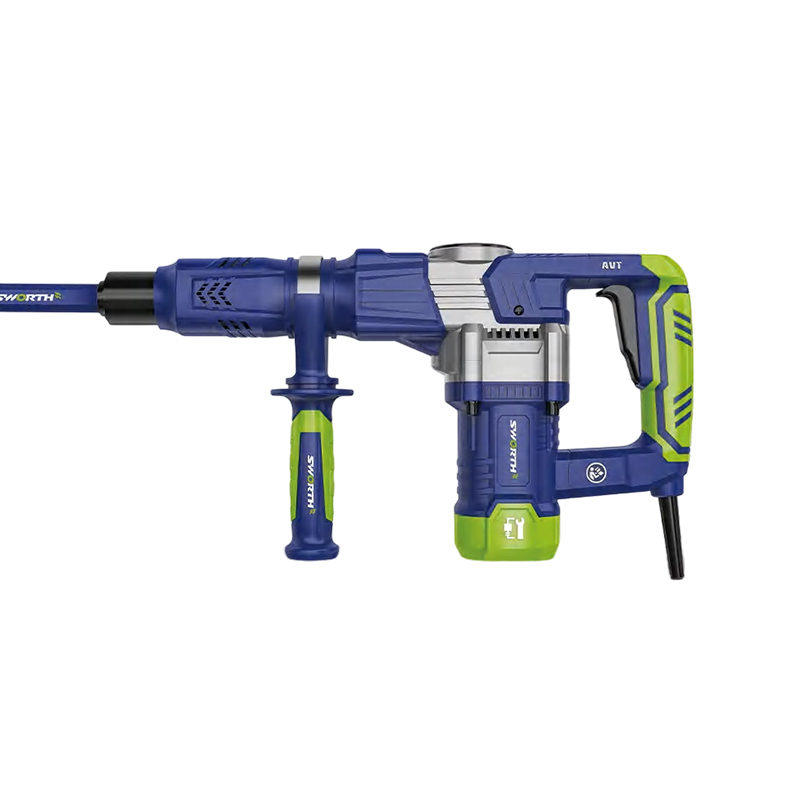
SW535 Powerful Anti-Scalding Demolition Hammer
-
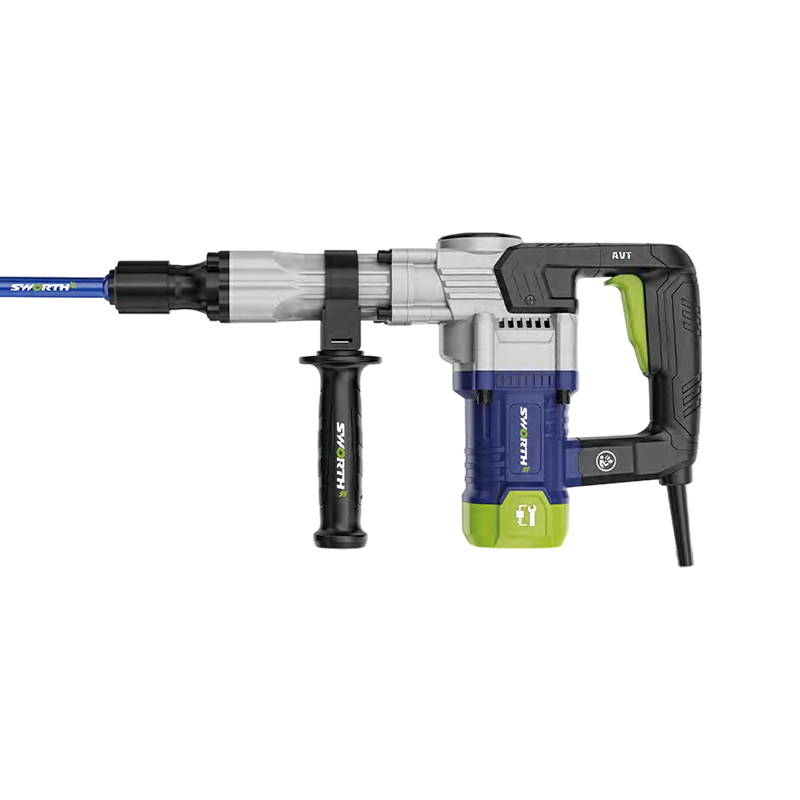
SW535-2 Durable Powerful Demolition Hammer
-
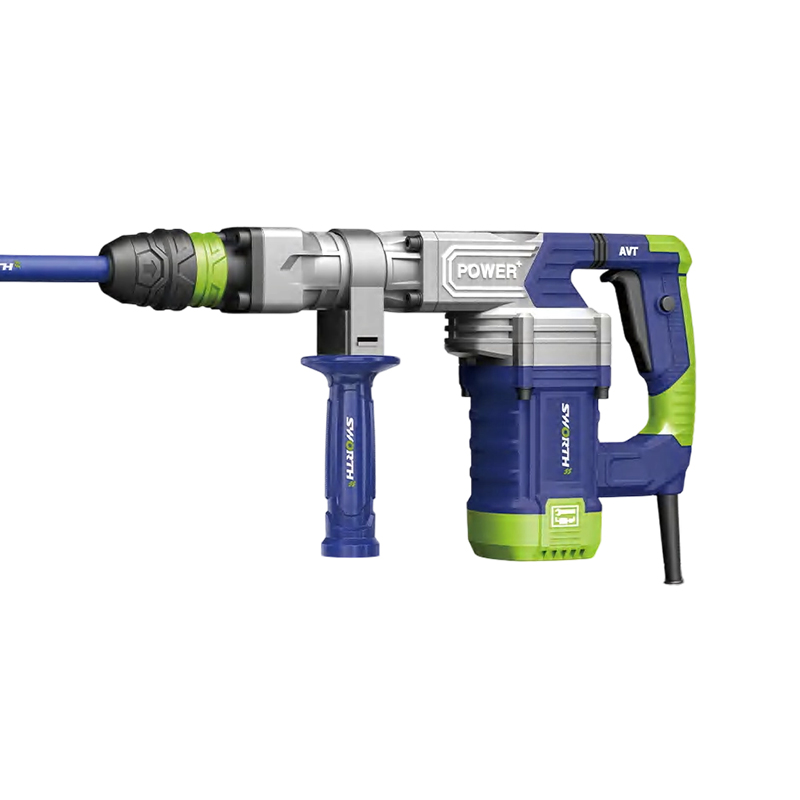
SW35S3 Five-Pipe Drill Bit Demolition Hammer
-

SW11E Five-Pipe Clamping Demolition Hammer
 +86-18314829275
 sale@sworthtools.com
 No. 101, Yugui Road, chengxi Industrial Zone, Yongkang City, Zhejiang Province, China
Copyright© Yongkang Siwei Technology Co., Ltd. All Rights Reserved

Hammer Tools & Cordless Garden Tools Manufacturer
