 English
 русский
 Español
Groove Sandblasting Hammer: The Tool That Textures Stone and Concrete
A smooth concrete floor is slippery when wet. A polished stone facade looks sterile. A groove sandblasting hammer puts texture back. It combines a hammer mechanism with an abrasive blast to chip, groove, and roughen surfaces that need grip or character. The tool is handheld. It runs on compressed air. It hits the surface with a reciprocating piston while blasting sand or grit into the impact zone. The result is a rough, grooved, or matte finish that paint bonds to, feet grip on, and water drains across. For concrete finishers, stone masons, and surface preparation crews, the hammer does what a grinder cannot.
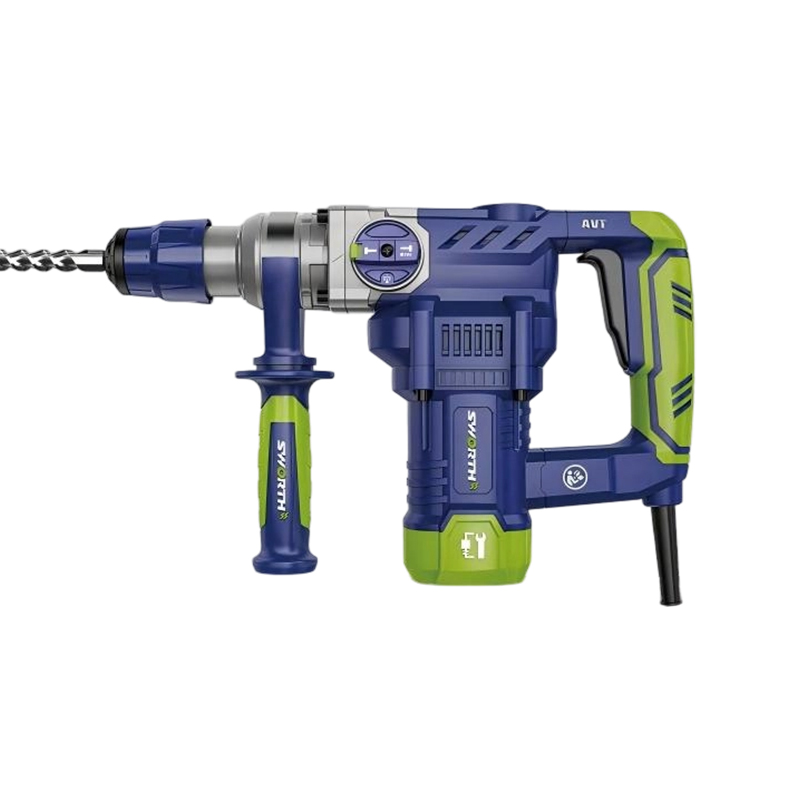
The Piston That Hammers While the Grit Blasts
Inside the tool, a piston cycles back and forth at high speed. The tip strikes the surface. At the same moment, compressed air propels abrasive grit through a nozzle aimed at the impact point. The hammer fractures the surface. The grit scours the fracture and carries away debris. A groove sandblasting hammer does both actions in one pass.
The piston is hardened steel. It cycles thousands of times per minute. Wear on the piston and the cylinder determines tool life. A groove sandblasting hammer manufacturer that fits the piston and cylinder to tight tolerances and hardens both surfaces builds a tool that holds its power.
The abrasive is typically silica sand, garnet, or aluminum oxide, fed from a hopper or a pressurized tank. The grit size determines the texture. Coarse grit cuts deep grooves. Fine grit produces a matte, non-slip finish. A groove sandblasting hammer with adjustable grit flow lets the operator switch between textures without changing tools.
Dust, Debris, and the Reality of Surface Prep
The process generates dust. A lot of it. Silica dust is a health hazard. A groove sandblasting hammer with a dust extraction port and a vacuum attachment captures debris at the source. The operator breathes cleaner air. The work area stays clearer for the next pass.
The tool body takes a beating. Abrasive grit gets everywhere. Seals around the piston, the air inlet, and the grit feed port keep the internals clean. A groove sandblasting hammer manufacturer that uses labyrinth seals or positive air pressure inside the housing prevents grit from grinding down the moving parts from the inside.
The hammer tip is a consumable. It strikes stone or concrete thousands of times and wears down. A groove sandblasting hammer with a replaceable tip held by a collet or a threaded retainer lets the operator swap the tip in minutes. Tips come in different profiles: flat for texturing, pointed for deep grooving, chisel for linear patterns.
Here is what the tool needs to deliver on site:
- Hardened piston and cylinder with tight clearance for consistent power
- Adjustable grit feed for coarse to fine finishes
- Dust extraction port compatible with standard vacuum systems
- Sealed internals to keep abrasive out of the mechanism
- Replaceable tips in multiple profiles for different surface effects
Where Texture Is the Point
Concrete floor prep uses a groove sandblasting hammer to rough up smooth surfaces before applying epoxy or paint. The texture gives the coating something to grip. Without it, the coating peels in sheets.
Stone masons texture granite and marble for decorative facades, memorials, and architectural panels. A groove sandblasting hammer produces a consistent matte or grooved finish across large surfaces.
Pool decks and walkways need slip-resistant surfaces. A groove sandblasting hammer creates a non-slip texture without the chemical residue of acid etching. The result is safer footing when the surface is wet.
What Stops the Hammer
The piston seizes because grit got past the seals. A groove sandblasting hammer with properly designed sealing keeps the piston moving. The tip wears down and the operator runs the tool without one, damaging the piston and cylinder. Replaceable tips prevent this. The dust port clogs and the tool runs in a cloud of its own debris. A vacuum system that fits the port without adapters keeps the air clear.
A groove sandblasting hammer textures, grooves, and roughs up surfaces that need grip or character. It hammers and blasts in one motion. Choose a manufacturer that seals the internals, hardens the piston, and builds for the dust. The surface gets the texture the job demands. That is what the tool is for.
Recommended Products
-
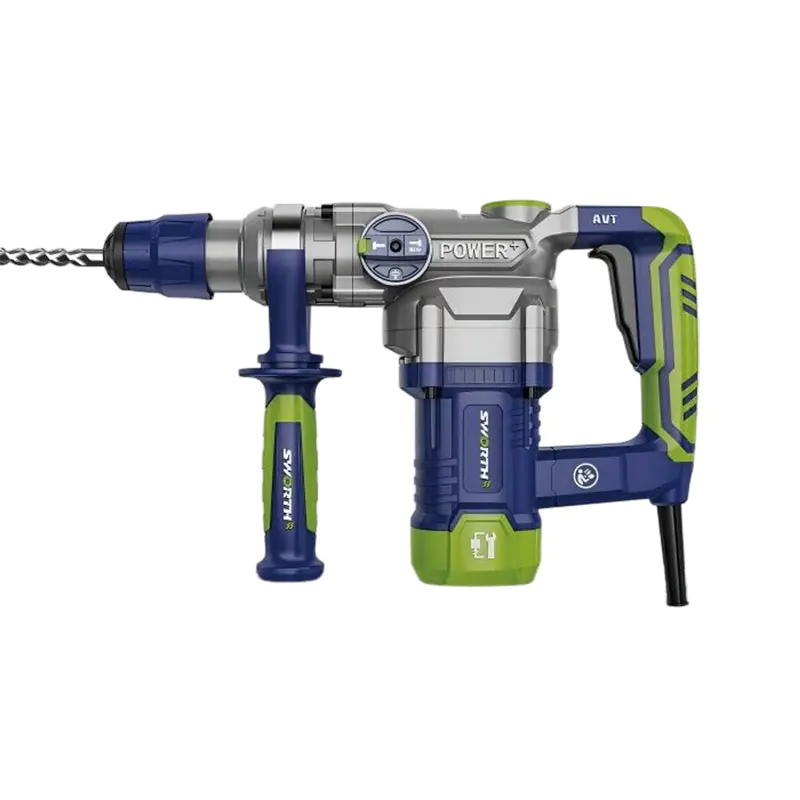


SW528 Small Hole Rebar Hammer
-
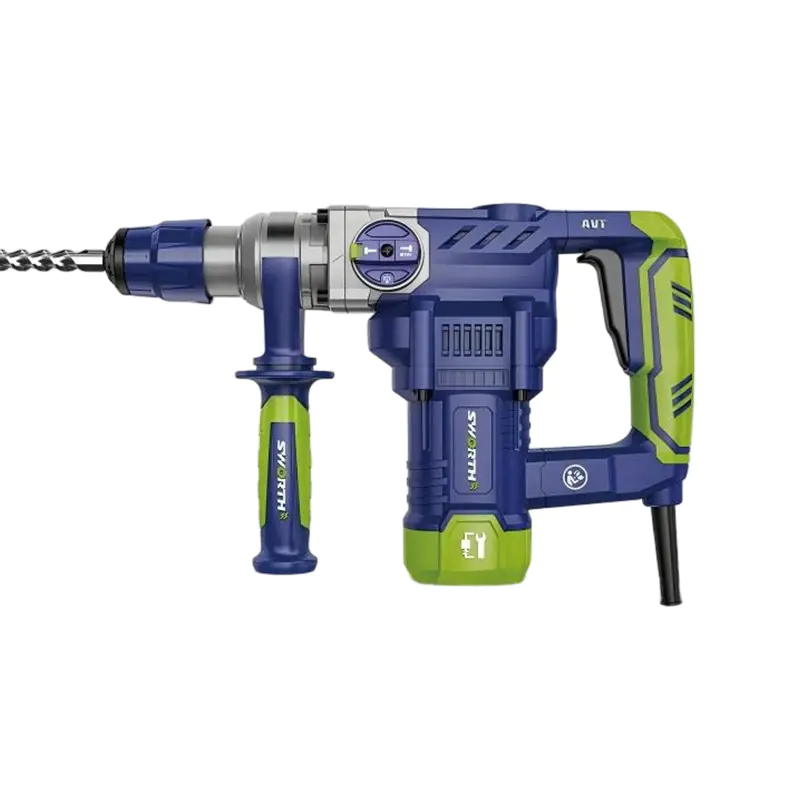
SW932 Groove Sandblasting Hammer
-
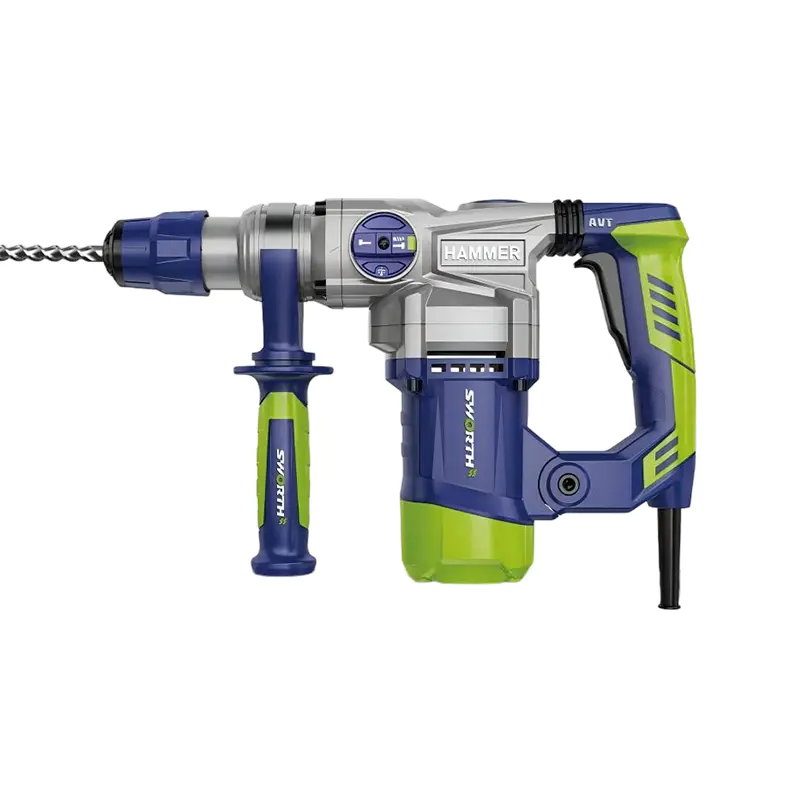
SW9362A Large Hole Rebar Hammer
-
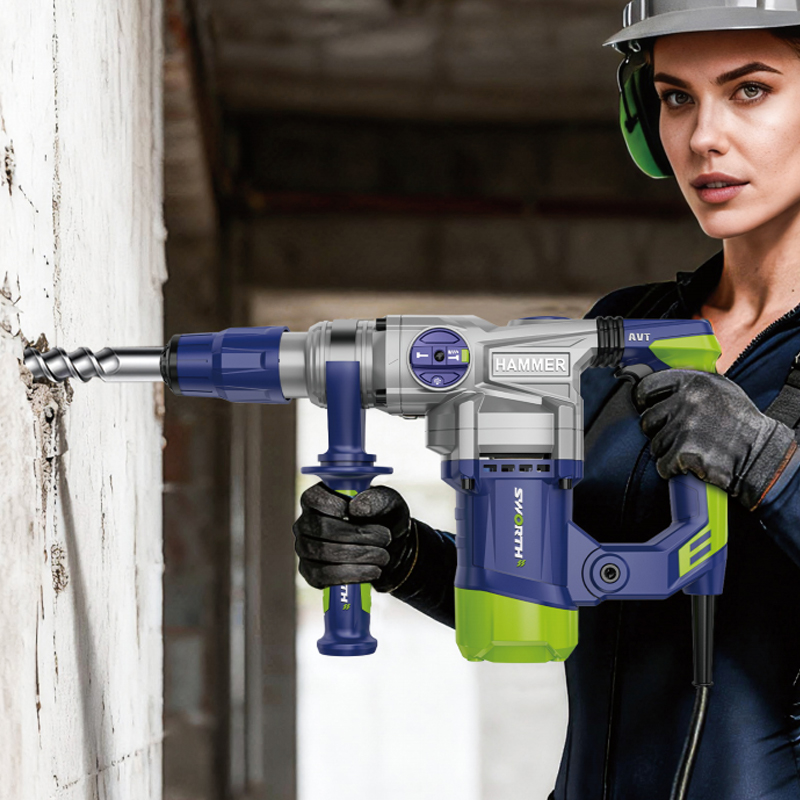
SW940 Enlarged Hole Rebar Hammer
-
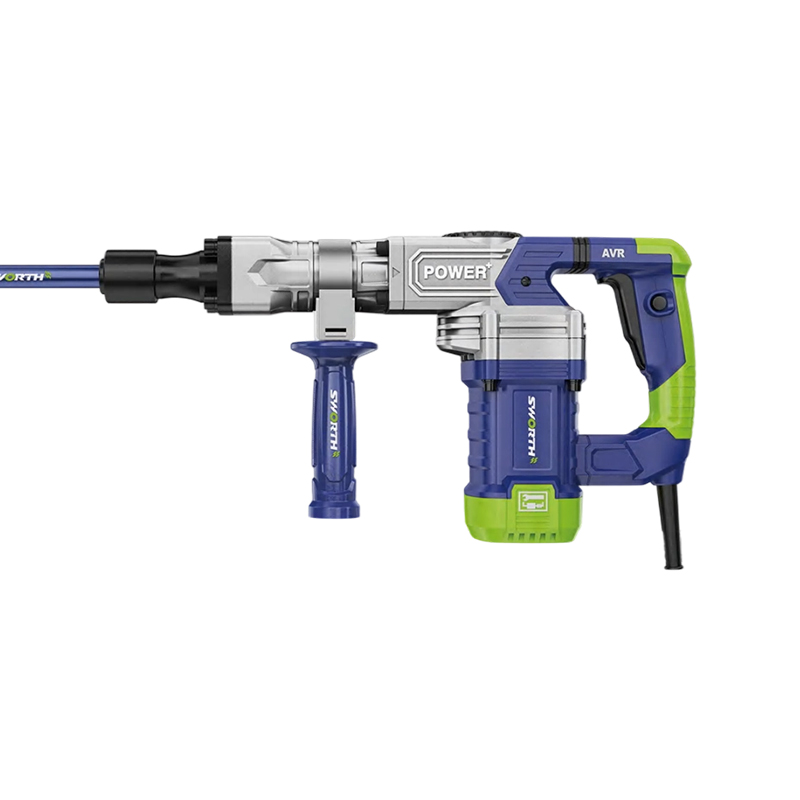
SW35S1 Powerful Demolition Hammer
-
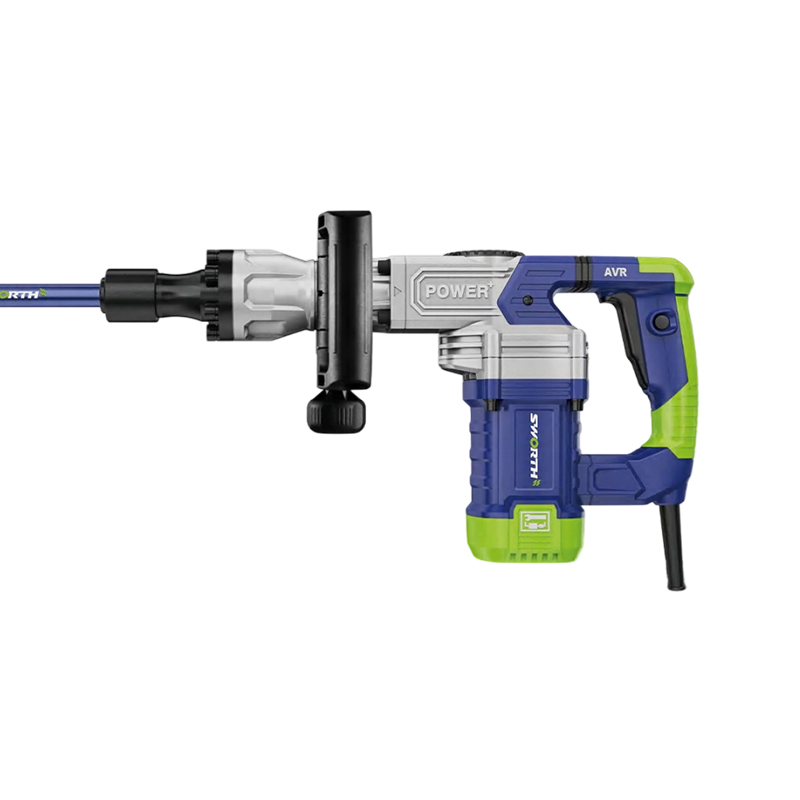
SW35S2 High-Efficiency Heat Dissipation Demolition Hammer
-
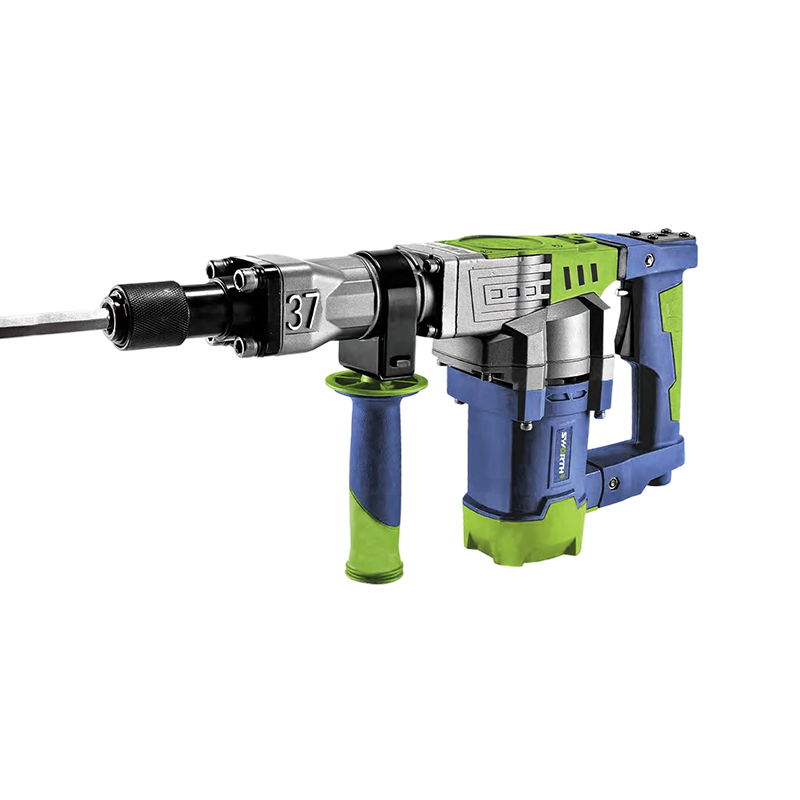
SW9371 High-Power Demolition Hammer
-
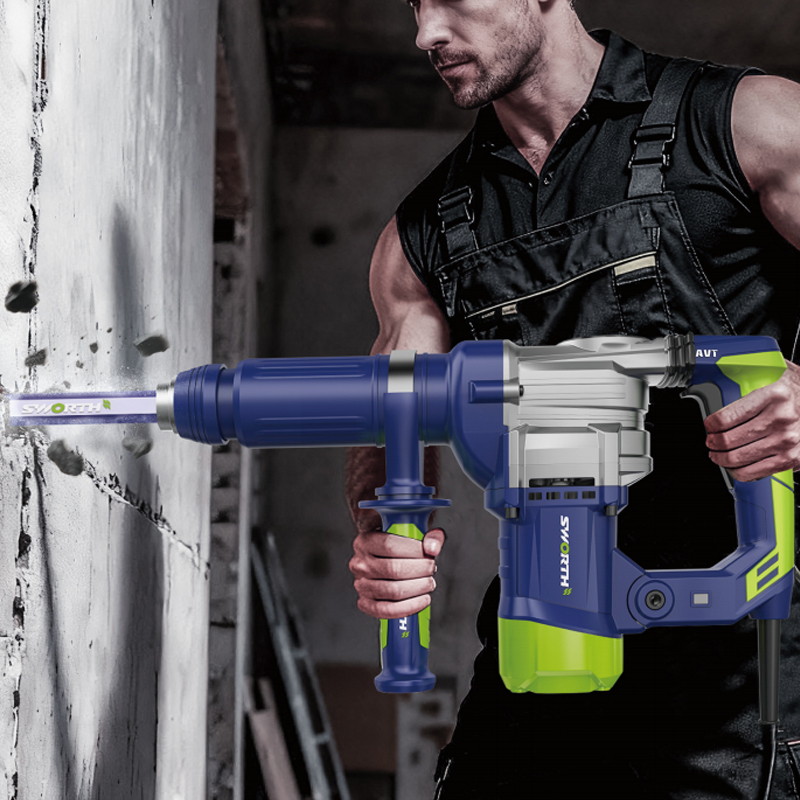
SW9373 Anti-Scalding Carbon Brush Holder Demolition Hammer
-
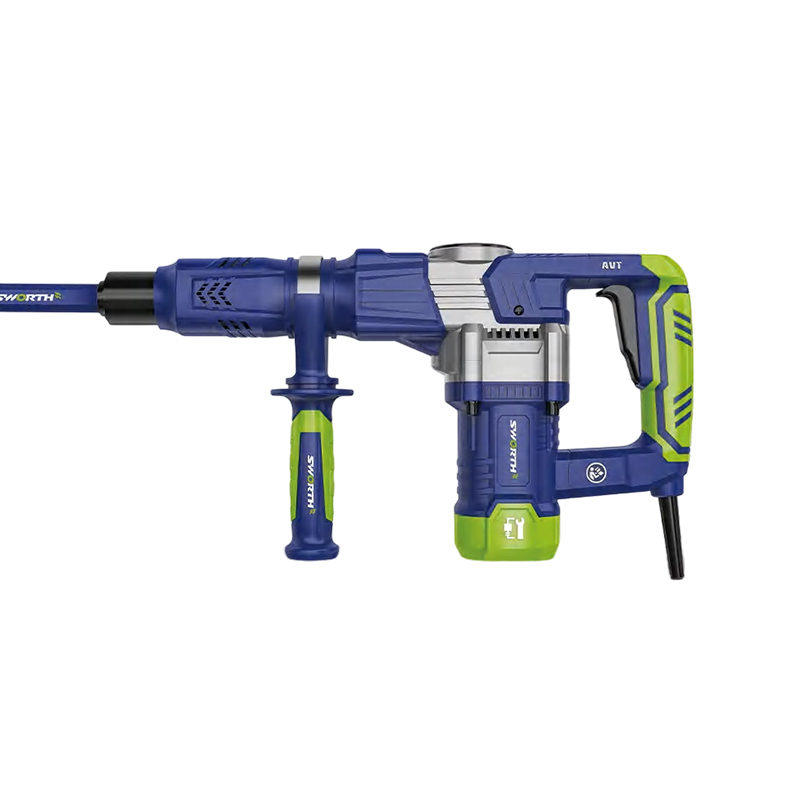
SW535 Powerful Anti-Scalding Demolition Hammer
-
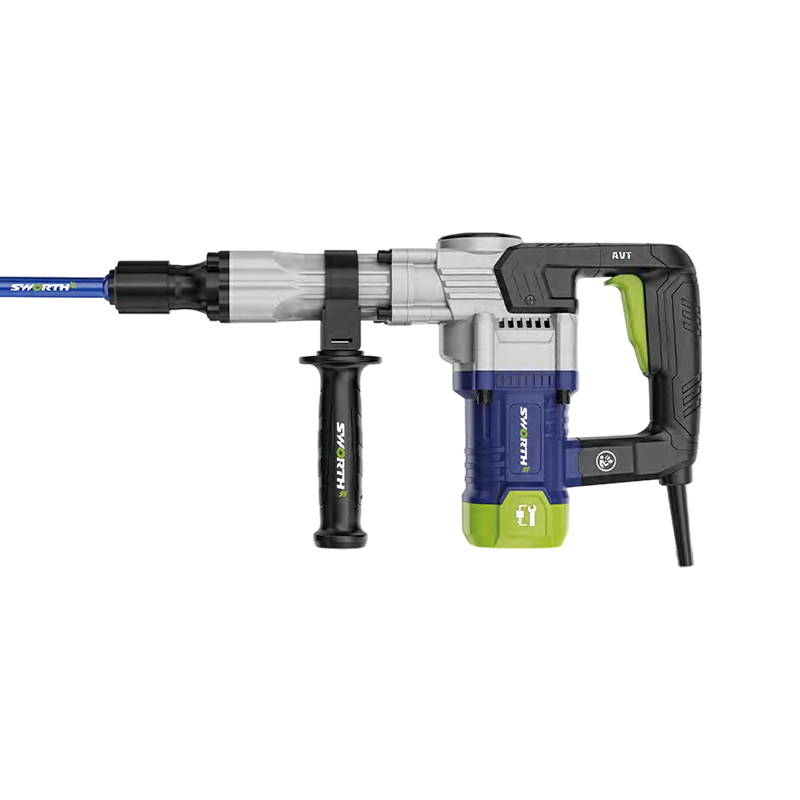
SW535-2 Durable Powerful Demolition Hammer
-
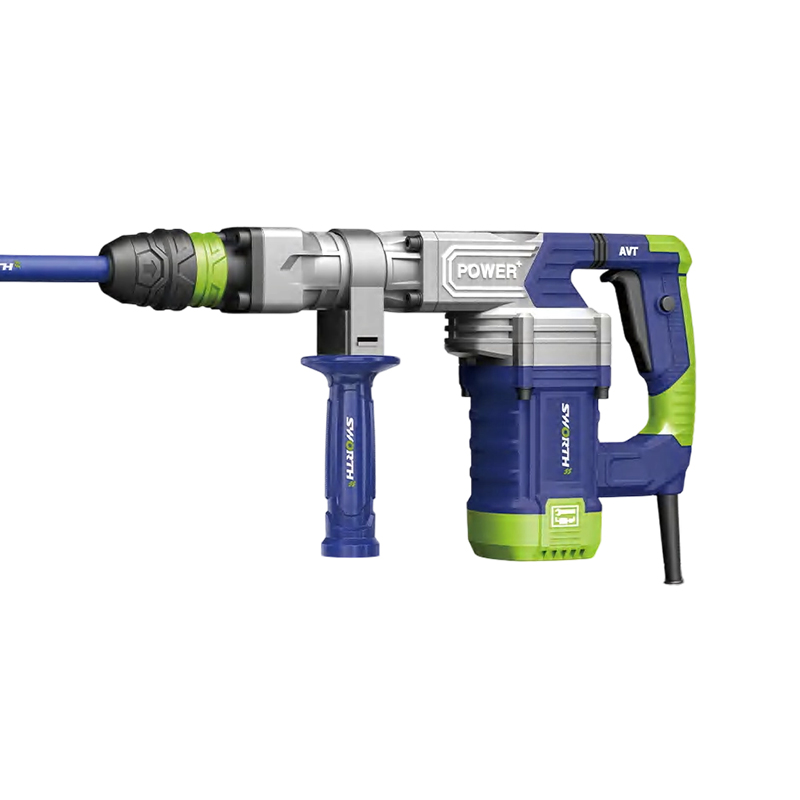
SW35S3 Five-Pipe Drill Bit Demolition Hammer
-

SW11E Five-Pipe Clamping Demolition Hammer
 +86-18314829275
 sale@sworthtools.com
 No. 101, Yugui Road, chengxi Industrial Zone, Yongkang City, Zhejiang Province, China
Copyright© Yongkang Siwei Technology Co., Ltd. All Rights Reserved

Hammer Tools & Cordless Garden Tools Manufacturer
