 English
 русский
 Español
Enhancing Efficiency and Cooling in High-Power Demolition Hammers
In modern construction and industrial demolition, a Powerful Demolition Hammer is essential for breaking through tough materials such as concrete, asphalt, and reinforced steel. These tools combine mechanical force, high-impact frequency, and advanced motor systems to deliver reliable performance. However, while impact energy is critical for demolition efficiency, heat generation during extended operation can reduce performance, cause premature wear, and even cause tool failure.
Optimizing both breaking efficiency and thermal management is therefore crucial. A High-Efficiency Heat Dissipation Demolition system ensures that heat is effectively removed from critical components while the hammer continues to deliver impact force. Additionally, choosing the right materials, accessories, and operational techniques can improve productivity and extend tool service life.
A High-Power Demolition Hammer that balances force and cooling capability can operate longer with consistent results. Understanding how design, materials, maintenance, and operator behavior interact is the foundation for optimizing performance.
Structural Design Optimization for Impact Efficiency
The internal design of a demolition hammer significantly affects its energy transmission and breaking capability. Engineers have developed mechanisms that convert electrical or pneumatic energy into kinetic impact more efficiently.
1. Optimized Piston and Striker System
- Precision-engineered pistons reduce energy loss during the hammering cycle.
- Strikers are designed to improve impact force while reducing rebound energy.
- A well-balanced piston system ensures consistent frequency and impact depth.
2. High-Precision Gear Transmission
Gears with friction reduce energy loss.
- Smooth gear engagement maintains consistent hammer strokes.
- Enhanced transmission efficiency increases overall breaking power.
3. Ergonomic Weight Distribution
- Balanced center of gravity reduces operator fatigue.
- Proper weight distribution enhances control and stability during operation.
4. Reinforced Structural Housing
- Durable housings resist deformation under high-impact loads.
- Protect critical components from shock and vibration.
Structural improvements allow the hammer to deliver energy to the target material while reducing unnecessary mechanical stress.
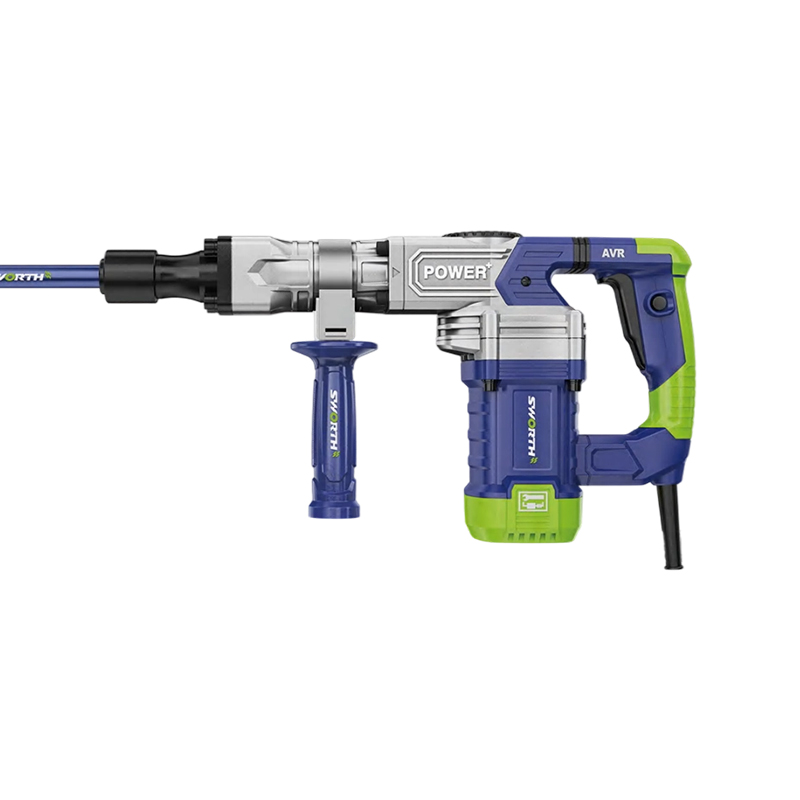
Selecting the Right Chisels and Accessories
The choice of chisel directly influences demolition efficiency and heat generation. Using inappropriate tools can reduce energy transfer and accelerate overheating.
1. Chisel Shape and Application
- Pointed chisels for concentrated breaking of hard materials.
- Flat chisels for surface removal and smoothing operations.
- Spade chisels for large-area demolition tasks.
2. Material Quality
- High-strength alloy steel ensures longer life and maintains sharp edges.
- Wear-resistant coatings reduce friction and heat generation.
3. Chisel Length and Fit
- Shorter chisels transmit energy more efficiently.
- Proper fit in the chuck prevents energy loss from vibration.
4. Regular Inspection and Replacement
- Worn or damaged chisels reduce efficiency and increase stress on internal components.
- Timely replacement ensures continuous high-performance operation.
Correct tool selection optimizes energy transfer, reduces operator effort, and lowers heat production.
Motor Performance Optimization for Stable Operation
The motor is the heart of a High-Power Demolition Hammer. Its efficiency determines both the tool’s impact performance and its heat generation.
1. High-Efficiency Windings
- Copper windings with minimal electrical resistance reduce heat buildup.
- Quality insulation prevents breakdown under prolonged operation.
2. Stable Power Supply
- Voltage fluctuations increase motor stress and generate heat.
- Consistent supply ensures suitable torque and stroke frequency.
Advanced Speed and Load Control
- Electronic regulators maintain consistent hammer performance.
- Adaptive load management prevents overheating during intensive use.
4. Low-Friction Bearings
- Reduce energy loss and reduce thermal stress on moving components.
Optimized motor performance enhances efficiency while limiting heat accumulation, ensuring reliable long-term operation.
Airflow and Ventilation Systems for Effective Cooling
Proper ventilation is essential for maintaining a High-Efficiency Heat Dissipation Demolition system. Airflow removes heat from critical components and stabilizes operating temperature.
1. Large and Strategically Placed Vents
- Enable airflow around motors, gears, and bearings.
- Reduce heat accumulation in high-temperature zones.
2. Directed Air Channels
- Ensure airflow reaches components that generate the heat.
- Prevents hotspots that could damage internal systems.
3. Internal Cooling Fans
- Enhance heat transfer from the motor to the housing.
- Maintain lower operating temperatures even during continuous operation.
4. Dust Filters and Maintenance
- Filtered air prevents debris from blocking vents.
- Clean ventilation systems sustain cooling performance.
Proper airflow design allows extended operation without overheating, which maintains both efficiency and safety.
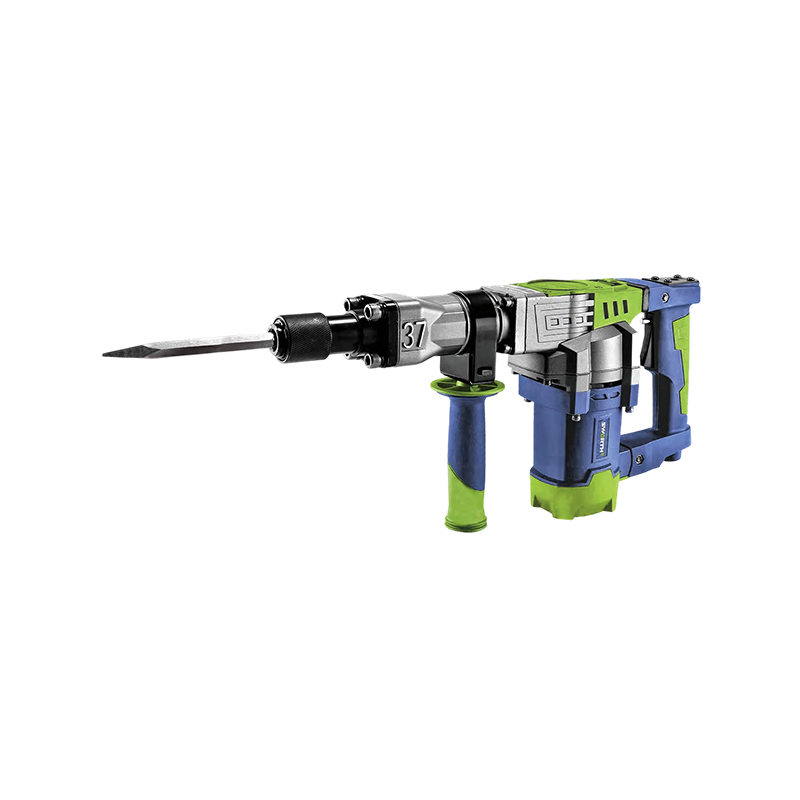
Using Advanced Heat Dissipation Materials
Material selection plays a crucial role in thermal management. Innovative materials help transfer heat away from critical components, maintaining stable hammer performance.
1. Aluminum Alloy Housings
- Good thermal conductivity reduces heat buildup.
- Lightweight and durable for long-term use.
2. Thermal Insulation for Electrical Components
- Protects sensitive electronics from heat exposure.
- Extends motor and control system lifespan.
3. Thermal Interface Compounds
- Improve heat transfer between components and metal surfaces.
- Reduce thermal resistance and localized overheating.
4. High-Temperature Lubricants
- Maintain viscosity at elevated temperatures.
- Reduce friction and extend mechanical component life.
Material innovation ensures that a Powerful Demolition Hammer operates efficiently under demanding conditions.
Proper Operating Techniques for Performance and Cooling
Operator behavior can dramatically influence both breaking efficiency and heat management. Correct techniques reduce unnecessary stress and extend tool lifespan.
1. Moderate Applied Pressure
- Excessive force does not increase impact but increases heat and wear.
- Allow the hammer to deliver its full mechanical energy.
2. Steady Positioning and Angle Control
- Improves energy transfer to the material.
- Reduces vibration and associated heat buildup.
3. Periodic Resting Intervals
- Allows components to cool during prolonged operation.
- Prevents thermal overload and potential failure.
4. Task-Specific Techniques
- Pointed chisels: concentrate energy for hard material.
- Flat chisels: spread force evenly over wide surfaces.
By combining the correct technique with the right accessories, operators can improve efficiency while limiting thermal stress.
Regular Maintenance for Suitable Efficiency
Consistent maintenance is essential for ensuring that both impact performance and heat dissipation remain at good levels.
1. Ventilation Cleaning
Dust and debris accumulation reduce airflow and cooling efficiency.
2. Lubrication of Moving Parts
- Reduces friction and heat generation.
- Prevents premature wear of pistons, gears, and bearings.
3. Inspection of Internal Components
- Identifies worn or damaged parts before failure occurs.
- Helps maintain consistent hammer performance.
4. Replacement of Worn Tools and Accessories
- Ensures energy transfer.
- Prevents excess heat from friction caused by ill-fitting components.
Regular maintenance prolongs both the service life of a High-Power Demolition Hammer and its consistent demolition efficiency.
Intelligent Temperature Monitoring and Protection Systems
Modern hammers integrate sensors and protective mechanisms to optimize both efficiency and heat dissipation.
1. Temperature Sensors
- Monitor motor and gearbox heat in real-time.
- Provide early warnings for potential overheating.
2. Automatic Shutoff Systems
Prevent damage by shutting down the hammer if temperatures exceed safe thresholds.
3. Load-Sensitive Control
- Adjusts power output based on task load.
- Reduces excessive heat generation during intensive operations.
4. Visual Indicators and Alarms
- Alert operators to thermal stress conditions.
- Encourage timely intervention to protect the tool.
Integration of these systems ensures that a High-Efficiency Heat Dissipation Demolition tool maintains high productivity without risking damage.
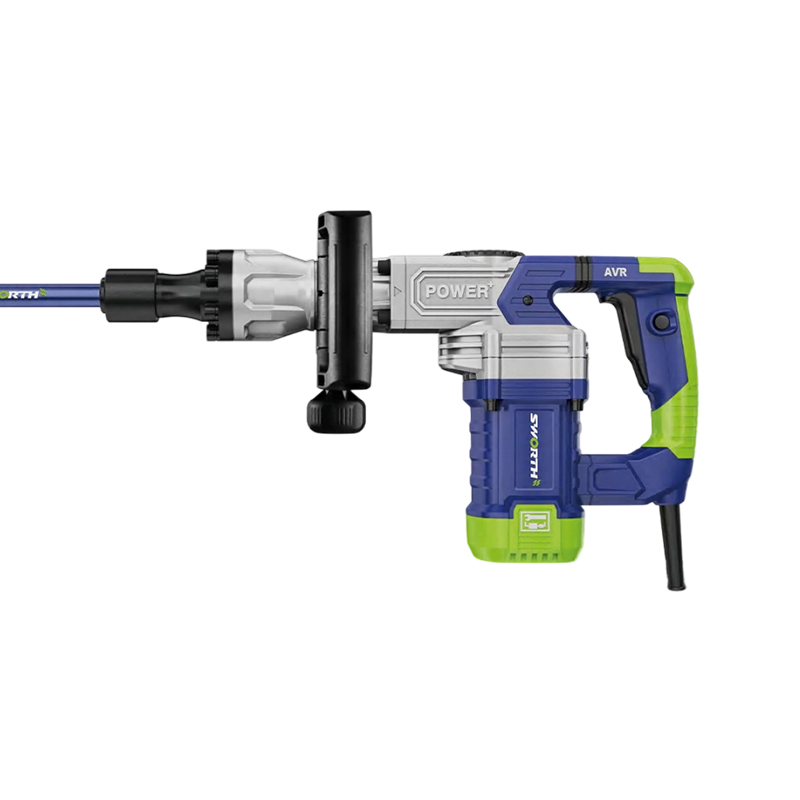
Environmental Considerations for Performance
External conditions also influence both demolition efficiency and heat management. Understanding these factors helps operators make informed adjustments.
1. Ambient Temperature
- High temperatures reduce cooling efficiency.
- May require more frequent pauses or enhanced airflow.
2. Dust and Debris
- Can block ventilation channels and reduce cooling efficiency.
- Protective filters and cleaning are essential.
3. Humidity and Moisture
- High humidity may affect electrical insulation.
- Can accelerate corrosion of critical components.
4. Material Hardness
- Harder surfaces increase tool load and heat generation.
- Adjust chisel type and operating technique accordingly.
Accounting for environmental factors ensures consistent hammer performance and safe operation.
Combining Efficiency and Heat Dissipation Strategies
Achieving suitable demolition performance requires balancing impact efficiency with effective heat dissipation.
1. Integrating Mechanical Design and Cooling Systems
- Efficient internal mechanics generate less heat.
- Combined with airflow and material choices, cooling is improved.
2. Coordinating Operation and Maintenance
- Proper operating techniques prevent excessive thermal buildup.
- Regular maintenance ensures components remain efficient.
3. Implementing Smart Operation Schedules
- Alternating work and rest cycles maintains stable temperatures.
- Prevents overheating during extended operations.
4. Data-Driven Monitoring
- Tracking temperatures, load, and hammer strokes helps identify potential efficiency losses.
Informs of timely maintenance and operational adjustments.
By integrating advanced structural design, intelligent cooling, correct accessories, proper operation, and preventive maintenance, a Powerful Demolition Hammer can achieve breaking efficiency while maintaining stable heat levels. Optimizing these factors extends service life, reduces downtime, and ensures reliable performance under demanding conditions.
Recommended Products
-
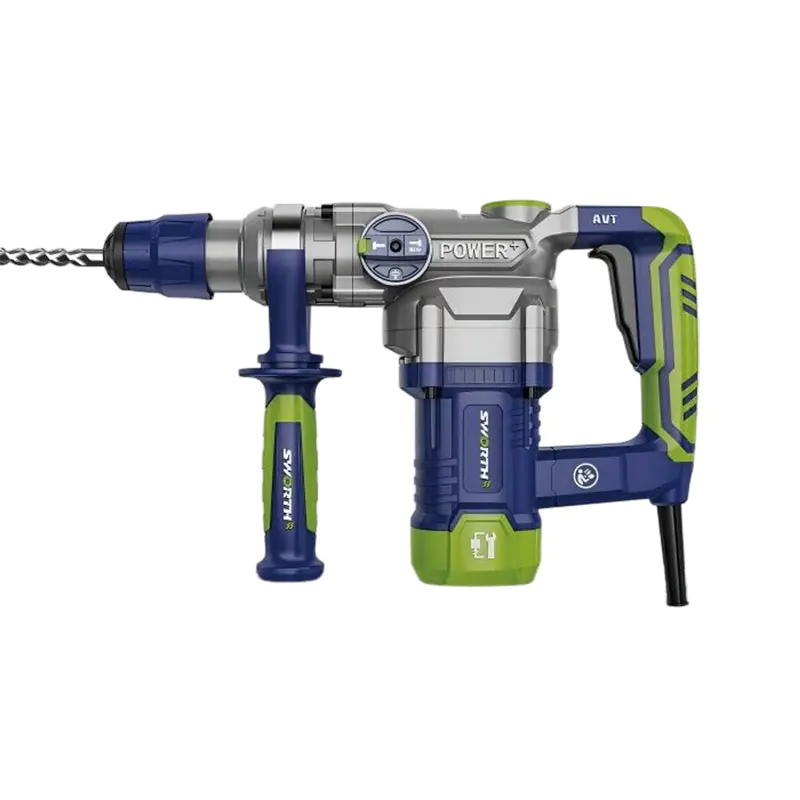


SW528 Small Hole Rebar Hammer
-
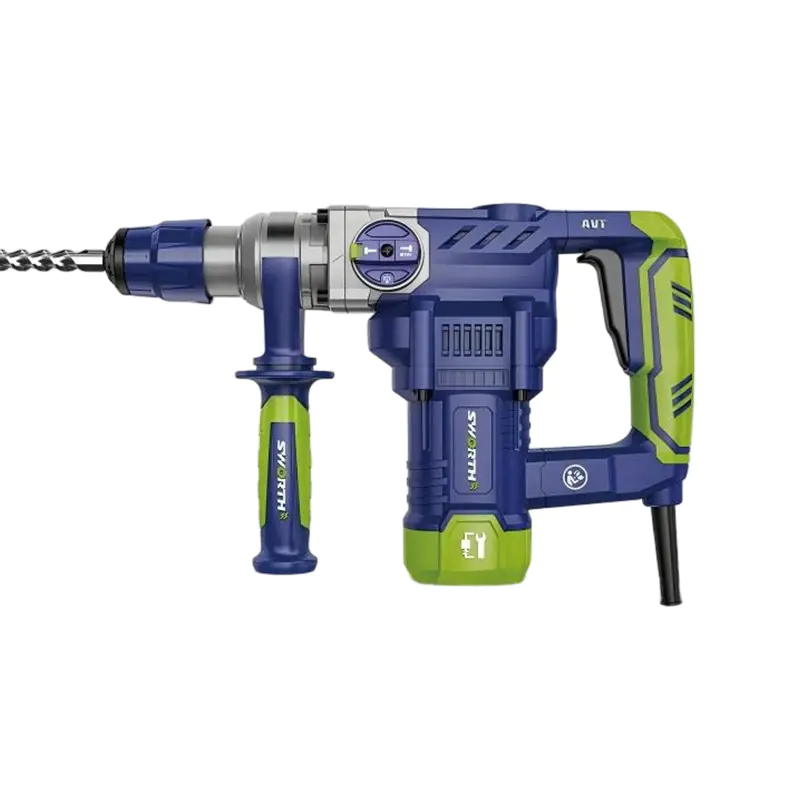
SW932 Groove Sandblasting Hammer
-
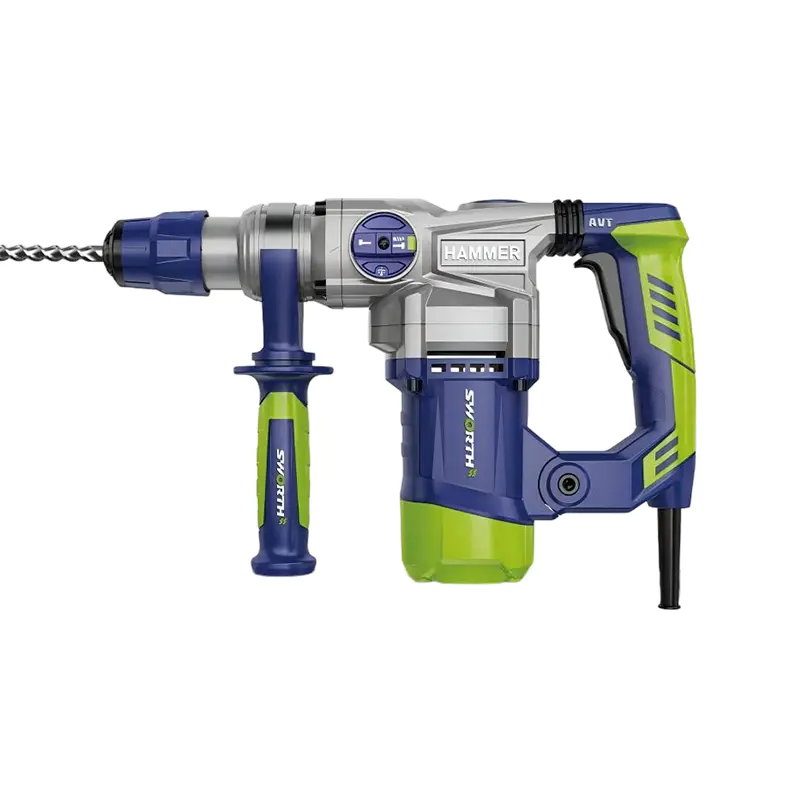
SW9362A Large Hole Rebar Hammer
-
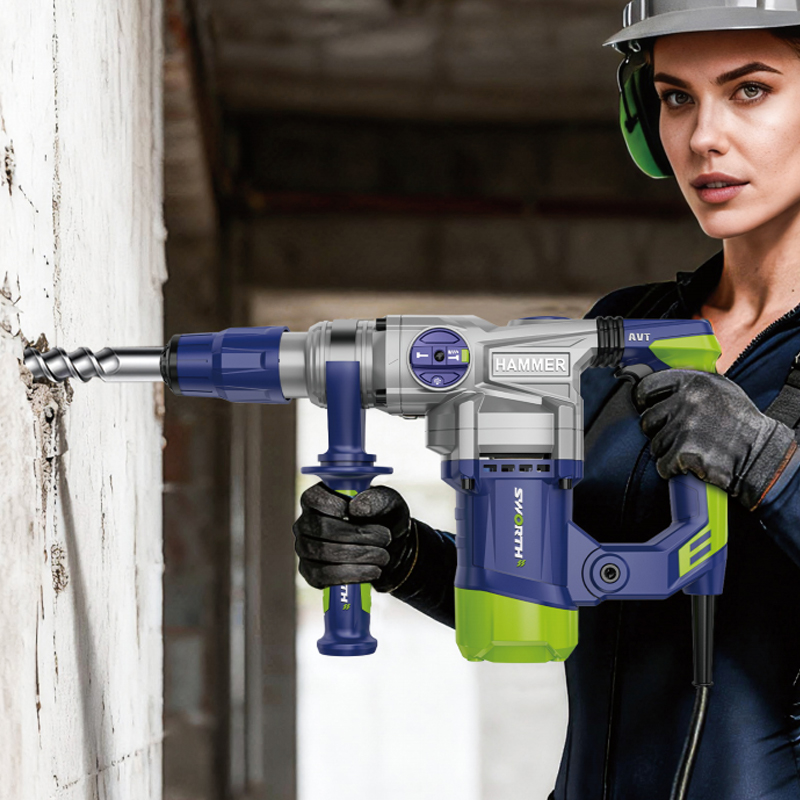
SW940 Enlarged Hole Rebar Hammer
-
SW35S1 Powerful Demolition Hammer
-
SW35S2 High-Efficiency Heat Dissipation Demolition Hammer
-
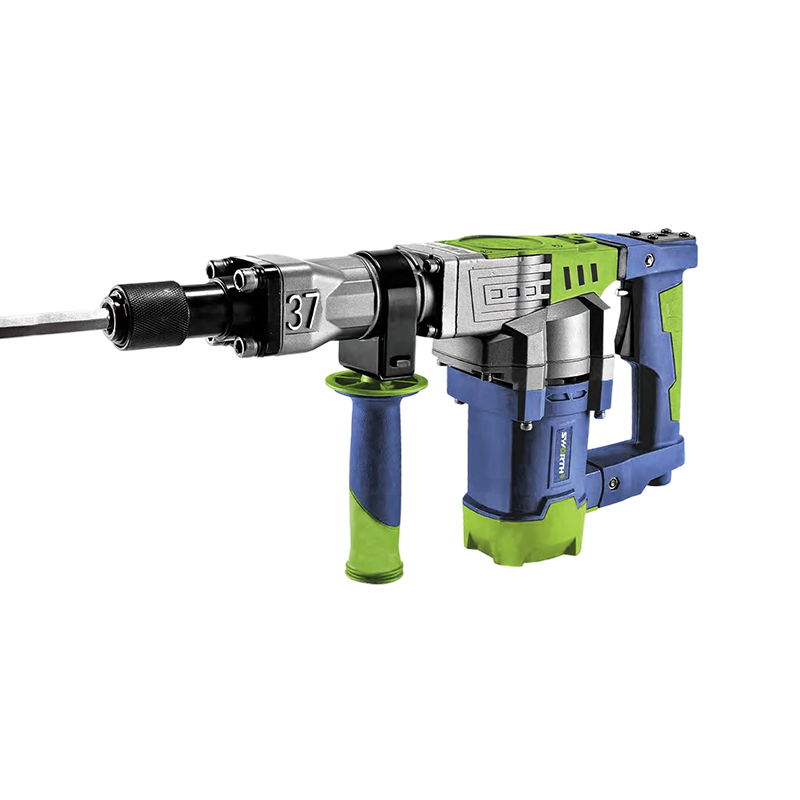
SW9371 High-Power Demolition Hammer
-
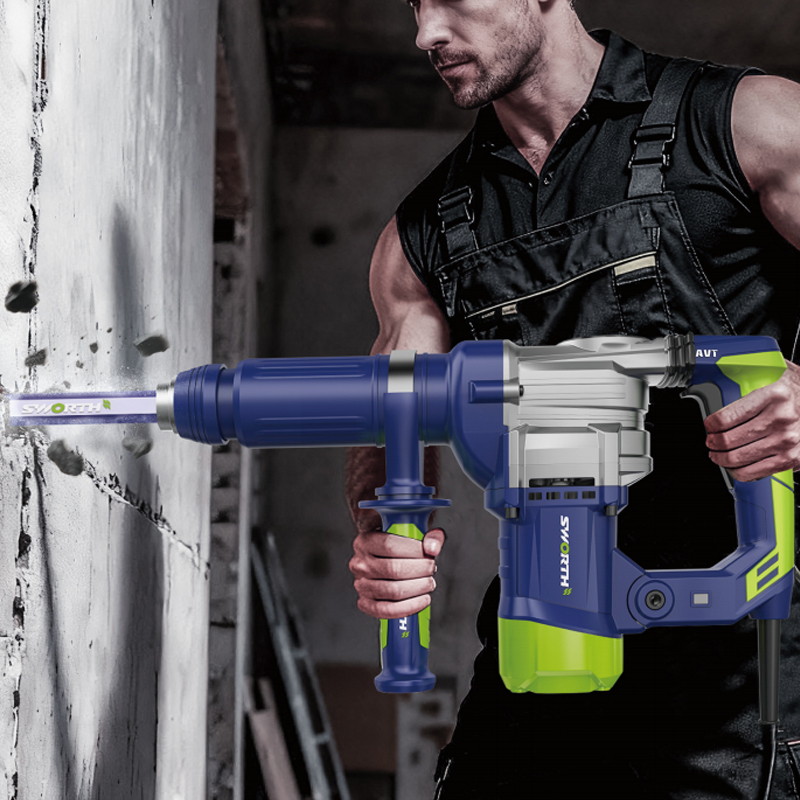
SW9373 Anti-Scalding Carbon Brush Holder Demolition Hammer
-
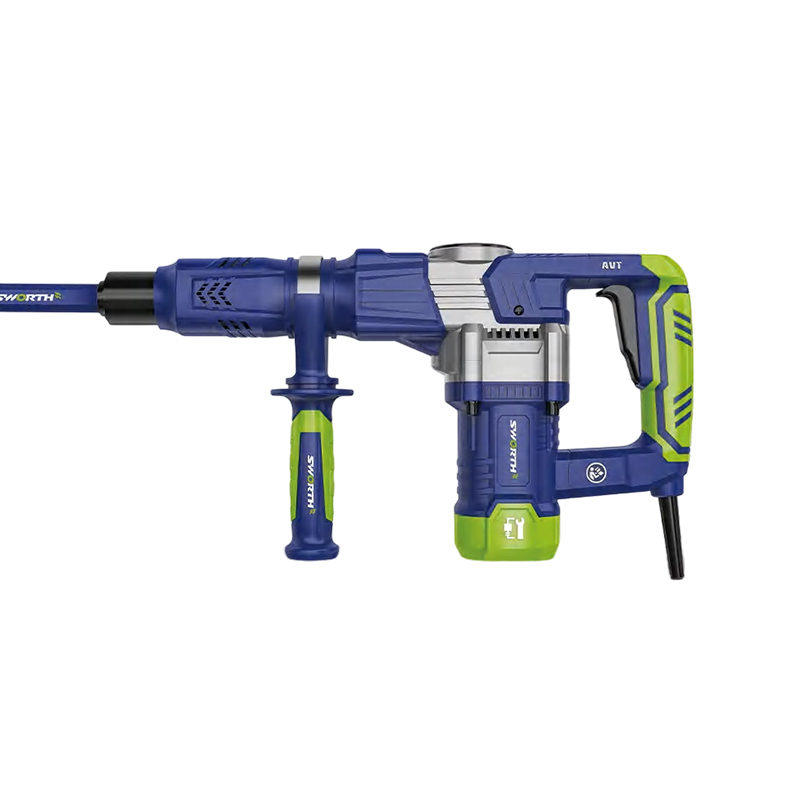
SW535 Powerful Anti-Scalding Demolition Hammer
-
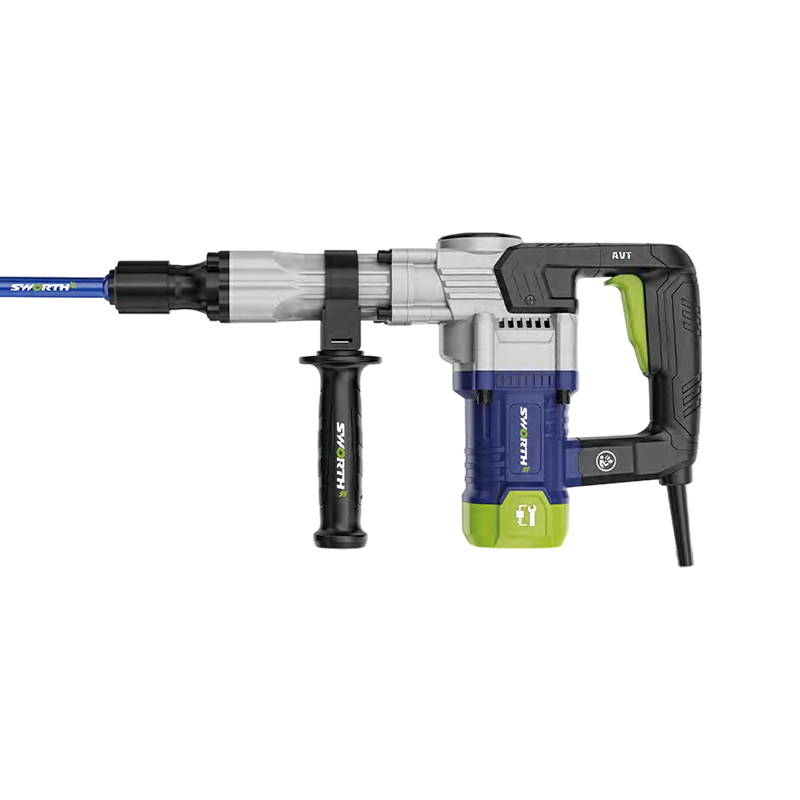
SW535-2 Durable Powerful Demolition Hammer
-
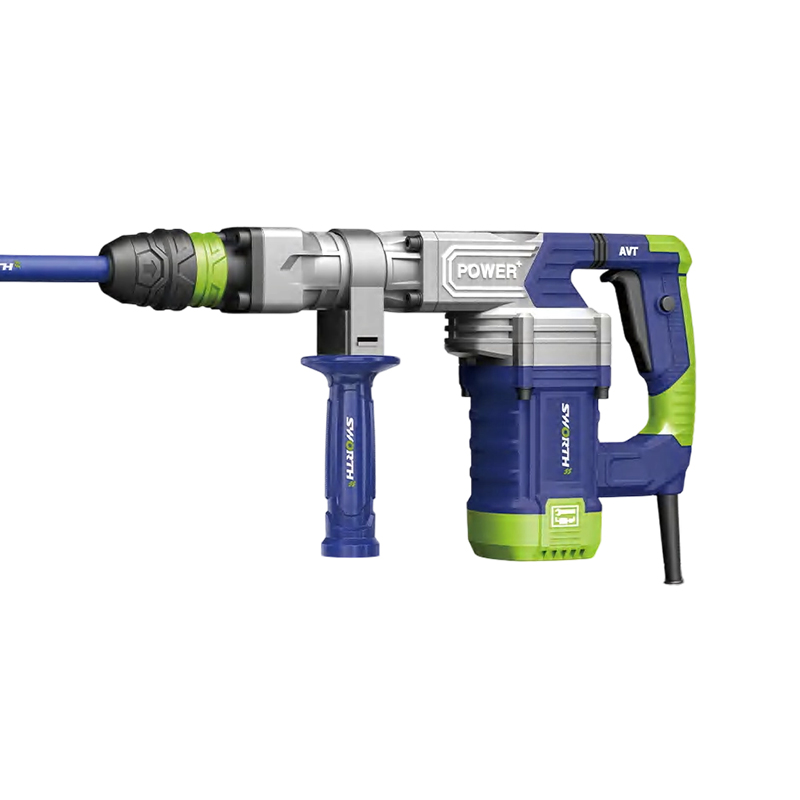
SW35S3 Five-Pipe Drill Bit Demolition Hammer
-

SW11E Five-Pipe Clamping Demolition Hammer
 +86-18314829275
 sale@sworthtools.com
 No. 101, Yugui Road, chengxi Industrial Zone, Yongkang City, Zhejiang Province, China
Copyright© Yongkang Siwei Technology Co., Ltd. All Rights Reserved

Hammer Tools & Cordless Garden Tools Manufacturer
