 English
 русский
 Español
Performance of Strong Break Hammer in Various Geologies
Understanding the Strong Break Hammer
The Strong Break Hammer is a versatile tool designed to handle tough demolition, mining, and excavation tasks.
- Hydraulic efficiency: It delivers high-impact energy through a hydraulic system, ensuring consistent performance.
- Durability: Built with reinforced components to withstand heavy-duty operations over extended periods.
- Adaptability: Capable of adjusting force and speed for different material types and work environments.
Performance in Soft Rock
Soft rock, such as limestone or sandstone, presents unique challenges and advantages for the Strong Break Hammer.
- Quick penetration: The hammer’s energy is sufficient to break soft rock efficiently with fewer strikes.
- Reduced wear: Lower resistance means less strain on the tool, extending its service life.
- Controlled fragmentation: Operators can achieve finer material sizes, suitable for construction or landscaping projects.
Performance in Medium-Hard Rock
Medium-hard rock, including granite and basalt, requires more precise energy application to maintain efficiency.
- Optimal tonnage use: Adjusting the hammer’s force ensures effective breaking without overloading the machinery.
- Cycle speed considerations: Maintaining proper blow frequency improves penetration while preventing overheating.
- Vibration management: Strong Break Hammer models often include shock-absorbing systems to reduce operator fatigue and equipment wear.
Performance in Hard Rock
badly hard rock, such as quartzite or reinforced concrete formations, tests the hammer’s capacity.
- High-impact energy: The Strong Break Hammer can deliver sufficient force to fracture dense materials.
- Durable components: Reinforced tool tips and pistons are essential to prevent damage under bad stress.
- Reduced efficiency risk: Operators must monitor hydraulic pressure and temperature to avoid potential downtime or maintenance issues.
Performance in Layered or Mixed Geological Conditions
Many construction and mining sites feature mixed or layered geology, which requires careful hammer management.
- Adjustable settings: Modifying impact force and blow frequency allows adaptation to varying hardness layers.
- Operator expertise: Skilled handling ensures smooth transitions between soft, medium, and hard layers.
- Preventing tool fatigue: Rotating or alternating hammer use can help manage wear across varying rock types.
Environmental Factors Affecting Performance
Environmental conditions can influence how effectively the Strong Break Hammer operates.
- Temperature effects: badly cold or hot conditions may impact hydraulic fluid viscosity, affecting performance.
- Moisture and water exposure: Wet rocks may require adjusted blow energy to prevent slippage or reduced efficiency.
- Confined spaces: Limited maneuverability may necessitate a lighter hammer setting or smaller attachment for precision.
Maintenance for Consistent Performance
Maintaining the Strong Break Hammer is critical to ensure it performs well in any geology.
- Regular lubrication: Keeping hydraulic components properly lubricated prevents wear and overheating.
- Inspection of wear parts: Regularly checking tool tips and pistons extends tool life and efficiency.
- Hydraulic system checks: Monitoring pressure and fluid levels ensures consistent force delivery across different rock types.
The Strong Break Hammer demonstrates reliable performance across a wide range of geological conditions.
- In soft rock, it provides quick and efficient fragmentation with minimal wear.
- In medium-hard rock, precise energy application and vibration management are key to efficiency.
- In hard rock, reinforced components and careful monitoring are essential for durability and safety.
- In layered or mixed geology, operator skill and adjustable settings ensure consistent performance.
Understanding how the Strong Break Hammer interacts with varying rock hardness, environmental factors, and site conditions allows contractors to improve productivity, maintain safety, and reduce equipment downtime. Selecting the correct hammer settings, ensuring compatibility with machinery, and adhering to regular maintenance practices are crucial for successful operations across diverse geological landscapes.
Recommended Products
-
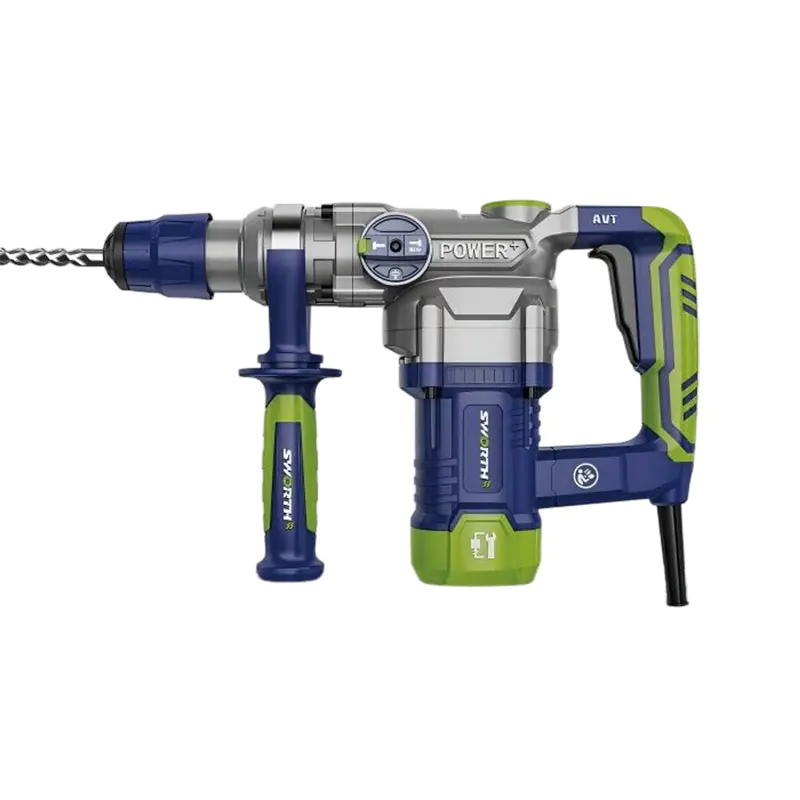


SW528 Small Hole Rebar Hammer
-
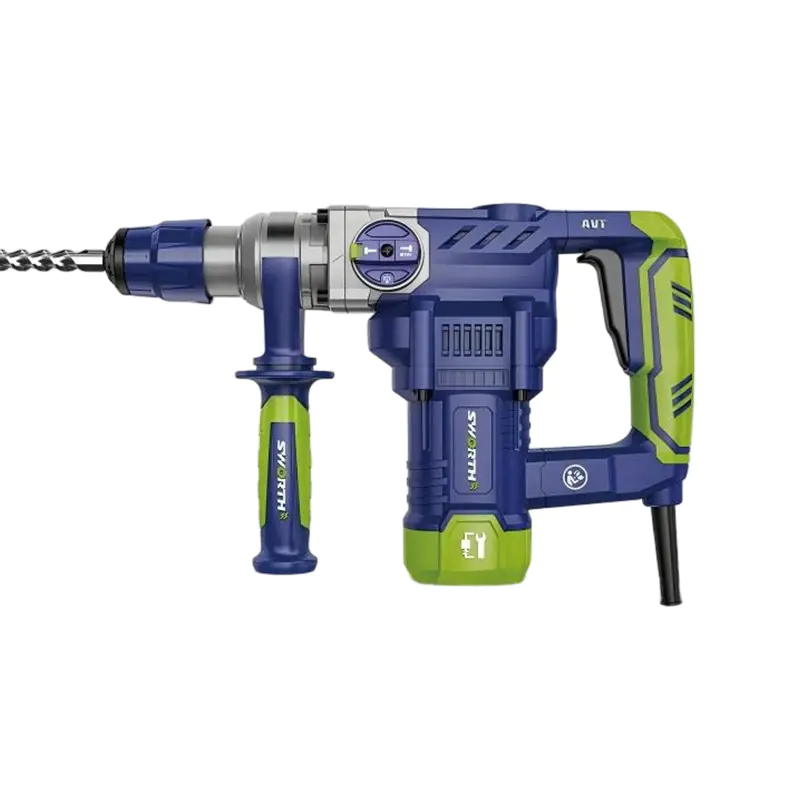
SW932 Groove Sandblasting Hammer
-
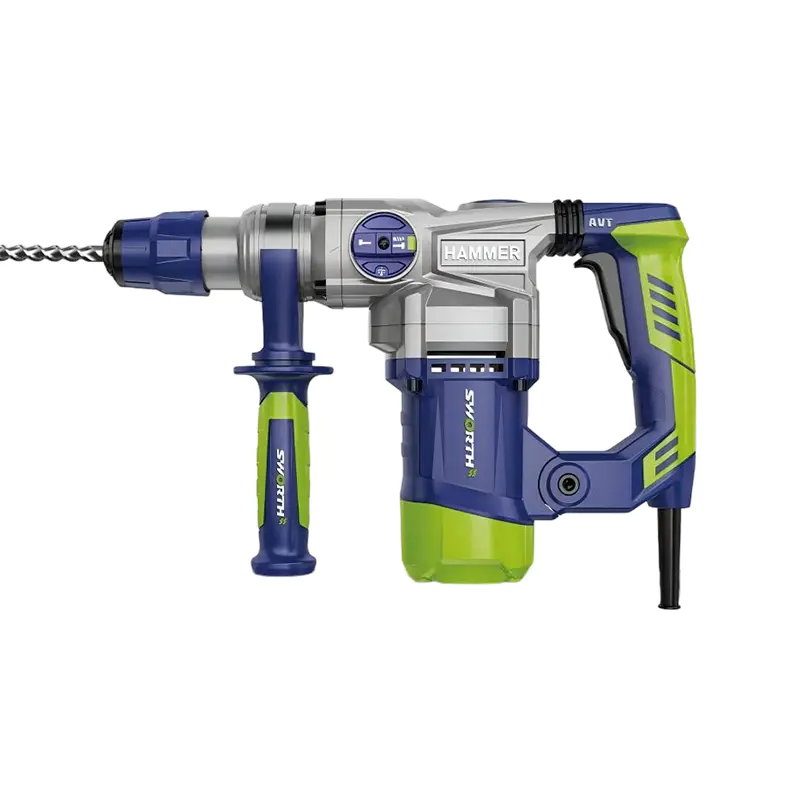
SW9362A Large Hole Rebar Hammer
-
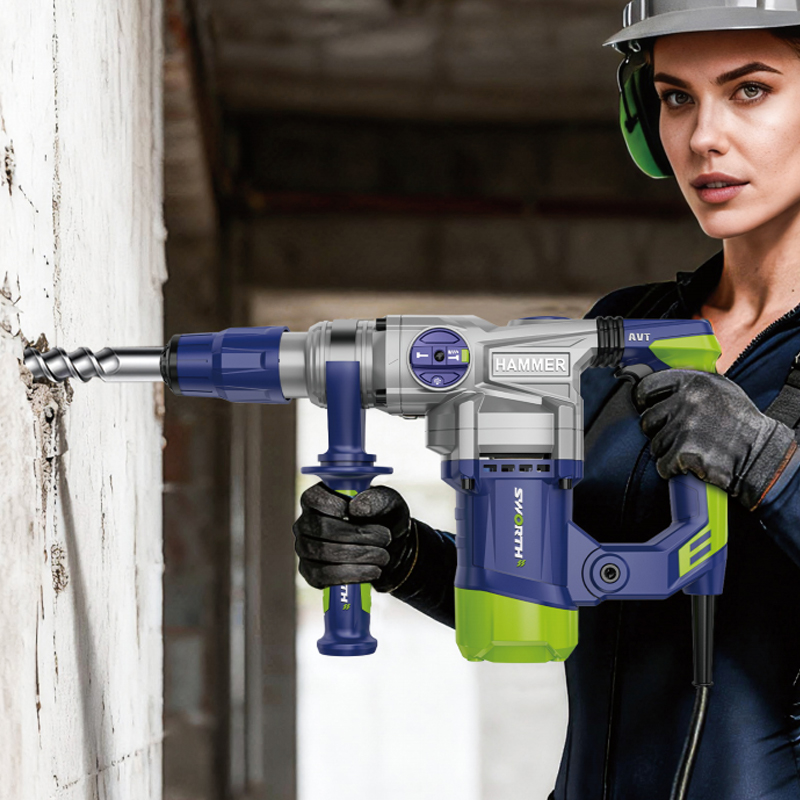
SW940 Enlarged Hole Rebar Hammer
-
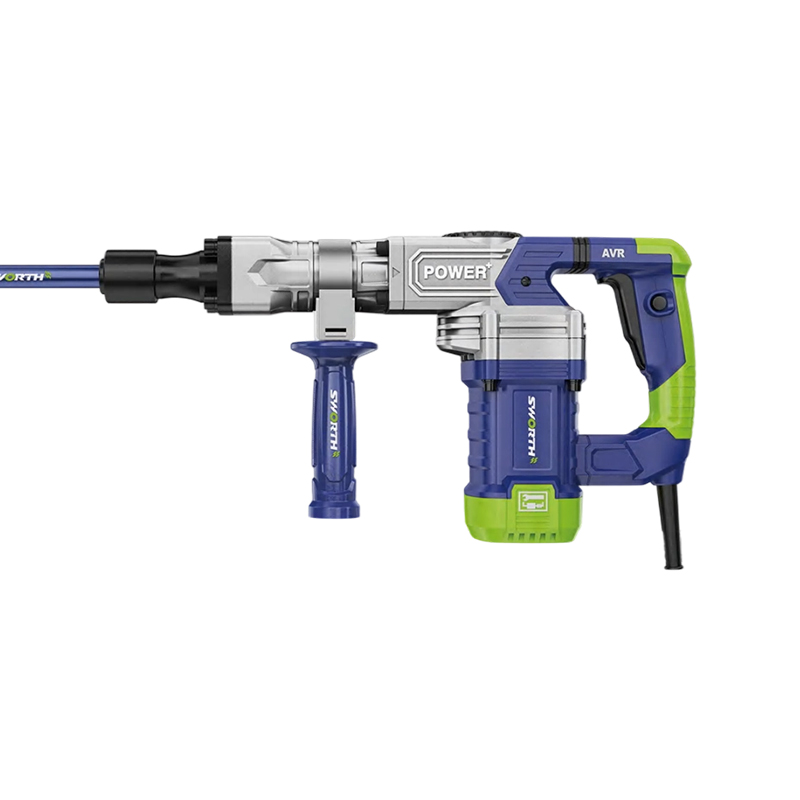
SW35S1 Powerful Demolition Hammer
-
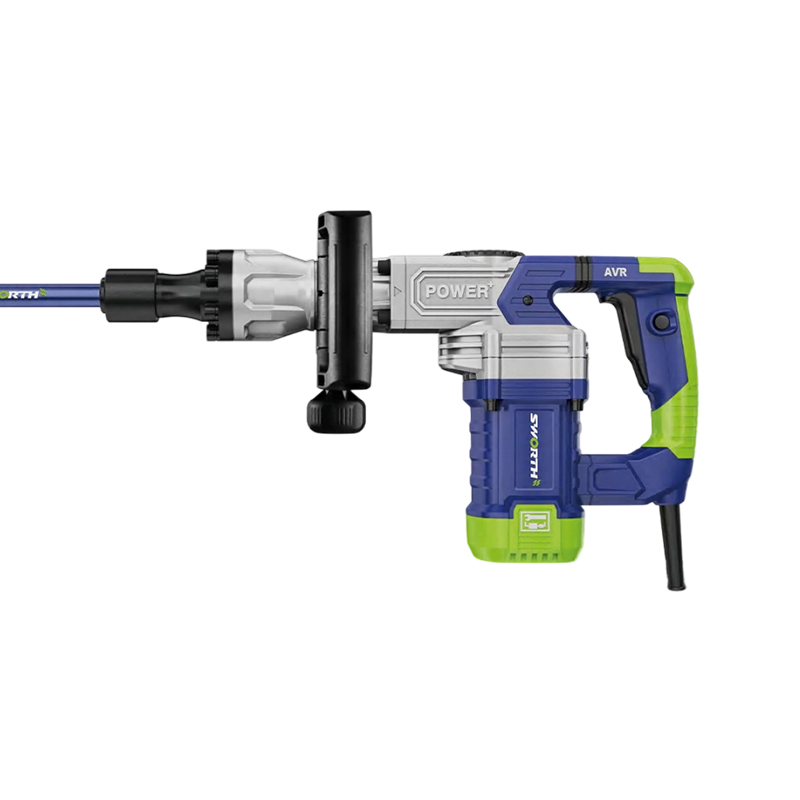
SW35S2 High-Efficiency Heat Dissipation Demolition Hammer
-
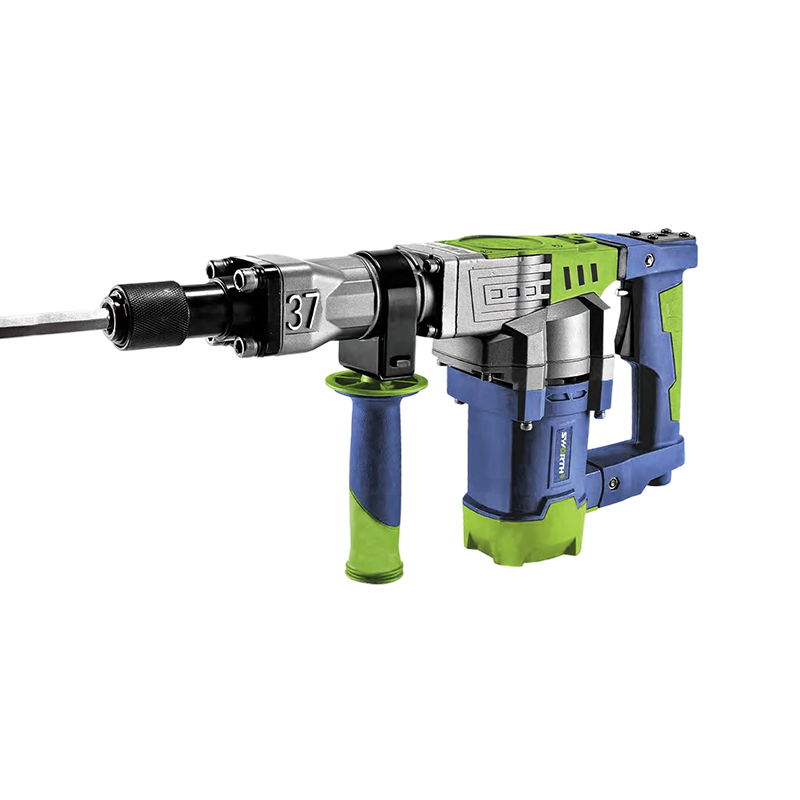
SW9371 High-Power Demolition Hammer
-
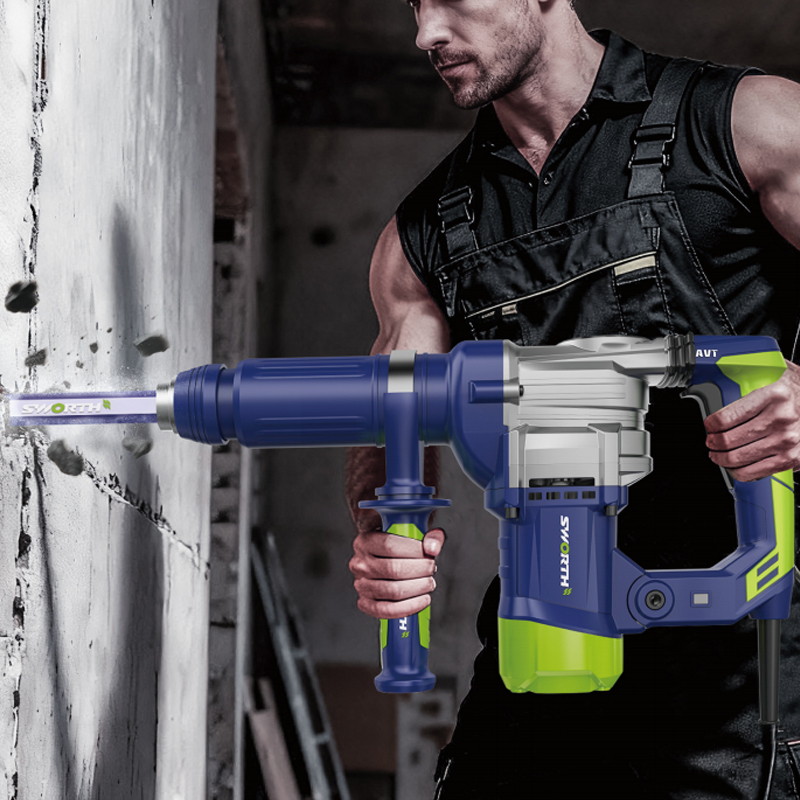
SW9373 Anti-Scalding Carbon Brush Holder Demolition Hammer
-
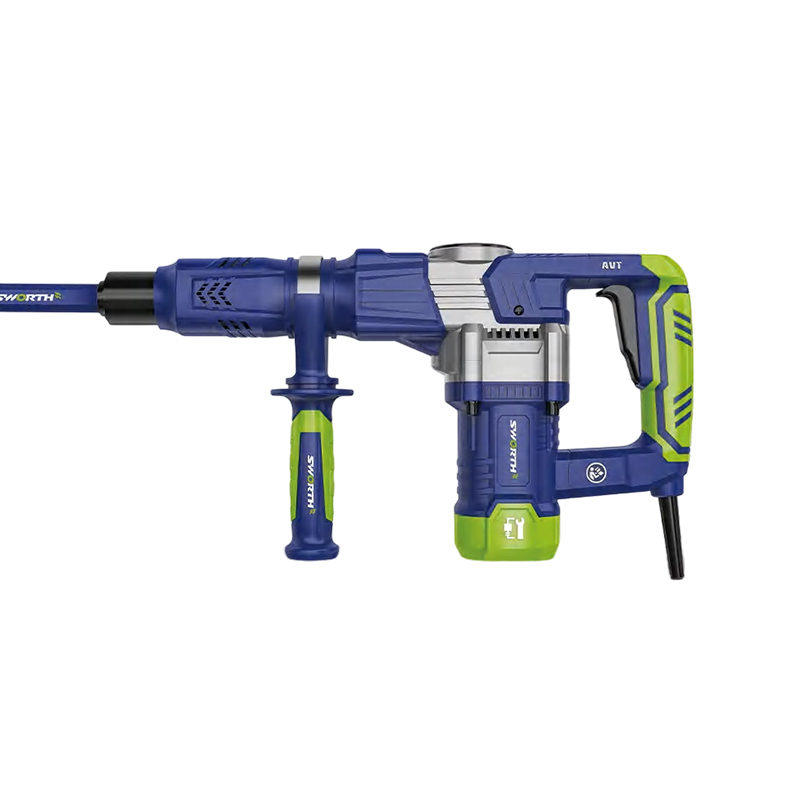
SW535 Powerful Anti-Scalding Demolition Hammer
-
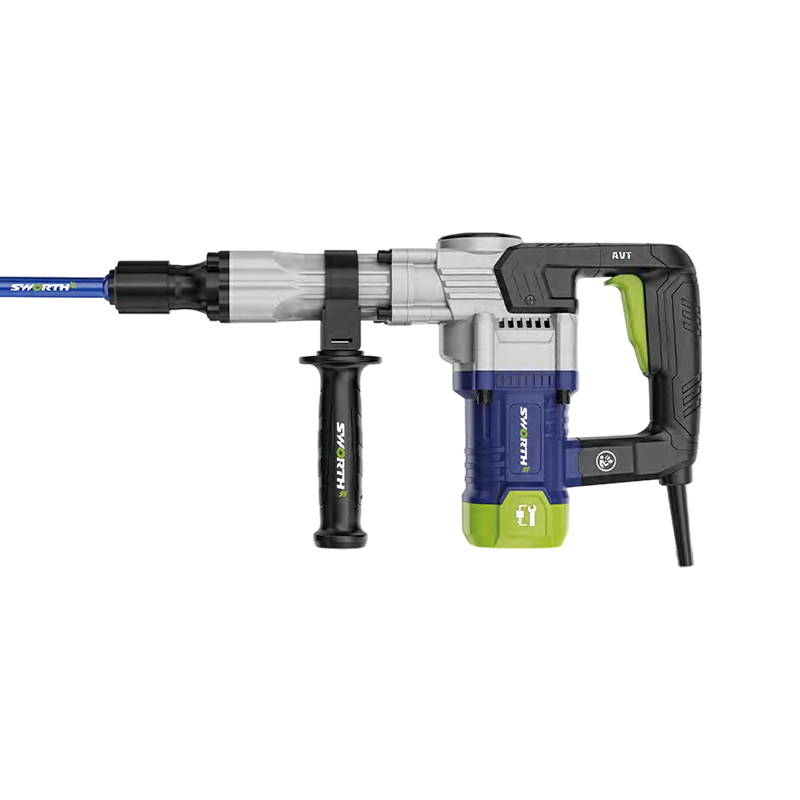
SW535-2 Durable Powerful Demolition Hammer
-
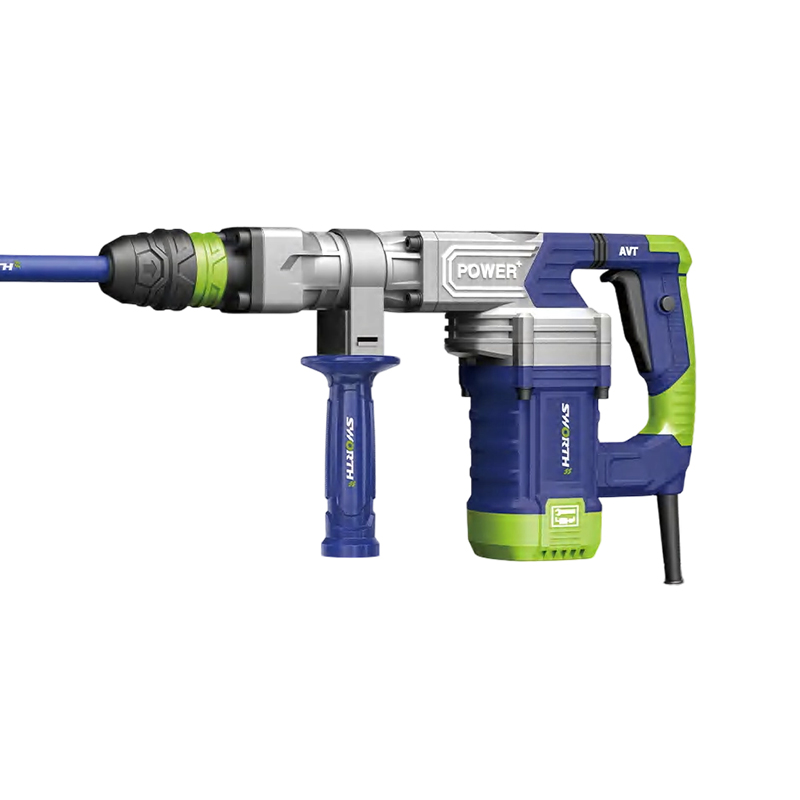
SW35S3 Five-Pipe Drill Bit Demolition Hammer
-

SW11E Five-Pipe Clamping Demolition Hammer
 +86-18314829275
 sale@sworthtools.com
 No. 101, Yugui Road, chengxi Industrial Zone, Yongkang City, Zhejiang Province, China
Copyright© Yongkang Siwei Technology Co., Ltd. All Rights Reserved

Hammer Tools & Cordless Garden Tools Manufacturer
