 English
 русский
 Español
Choosing the Right Slot Blasting Hammer for Your Project
Understanding Your Construction Needs
Selecting the appropriate Slot Blasting Hammer begins with a clear understanding of your project’s requirements.
- Project scale: Large-scale demolition or mining projects require heavier tonnage hammers to break through dense materials efficiently.
- Material type: The hardness of the material, such as reinforced concrete, granite, or softer rock, influences the hammer’s required force.
- Work environment: Confined spaces or urban areas may demand lighter hammers for better maneuverability and reduced noise impact.
Evaluating Hammer Tonnage
Hammer tonnage refers to the weight and impact energy the equipment delivers.
- Lightweight hammers (1–3 tons): Suitable for small-scale operations, delicate structures, or interior demolition where precision is important.
- Medium hammers (3–6 tons): Ideal for standard construction and excavation projects, providing a balance between power and control.
- Heavy hammers (6+ tons): Designed for large-scale demolitions, mining, and infrastructure projects where impact is necessary.
Matching Hammer Size to Excavator Capacity
It is crucial to ensure the Slot Blasting Hammer is compatible with the machinery used.
- Hydraulic compatibility: Check that the excavator’s hydraulic system can support the hammer’s flow and pressure requirements.
- Weight considerations: The hammer should not exceed the lift capacity of the machine, ensuring safe and efficient operation.
- Attachment compatibility: Confirm mounting brackets and couplings match the excavator model.
Considering Operation Efficiency
Proper hammer selection can significantly affect project efficiency.
- Energy per blow: Higher tonnage hammers deliver more force per impact, reducing the number of strikes required.
- Cycle speed: Evaluate the hammer’s blow frequency to ensure it meets project deadlines without overloading the machine.
- Durability: Heavier and more robust hammers are better for extended operation in harsh conditions, decreasing downtime.
Assessing Safety and Control
Safety should always be a priority when selecting equipment.
- Operator control: Ensure the hammer offers adjustable settings to prevent over-penetration and material damage.
- Vibration reduction: Select hammers with effective shock absorption to protect both the operator and machinery.
- Noise management: Consider acoustic performance, especially in residential or sensitive environments.
Maintenance and Service Considerations
Ongoing maintenance influences both safety and efficiency.
- Service intervals: Check manufacturer recommendations for lubrication, filter changes, and inspections.
- Ease of replacement: Quick-change tools and parts reduce downtime during high-intensity projects.
- Manufacturer support: Reliable after-sales service ensures troubleshooting and repair support when needed.
Budgeting and Long-Term Value
While cost is not the main focus, long-term project value is critical.
- Operational efficiency: A hammer properly matched to project requirements saves time and energy.
- Longevity: Investing in a durable Slot Blasting Hammer reduces the frequency of replacements.
- Adaptability: Hammers that can handle multiple material types and project scales offer greater flexibility.
Making the Final Decision
- Ultimately, choosing the right Slot Blasting Hammer requires balancing tonnage, machine compatibility, efficiency, and safety considerations.
- Consult with manufacturers or suppliers to match hammer specifications with your specific construction demands.
- Analyze project constraints such as site accessibility, material hardness, and operational timelines.
- Opt for a hammer that not only meets immediate needs but also provides long-term reliability and adaptability.
By carefully evaluating these factors, contractors and project managers can ensure that their choice of Slot Blasting Hammer improves efficiency, safety, and project success. Selecting the correct tonnage is not just about raw power—it’s about harmonizing the tool with machinery, materials, and operational conditions to achieve suitable results.
Recommended Products
-
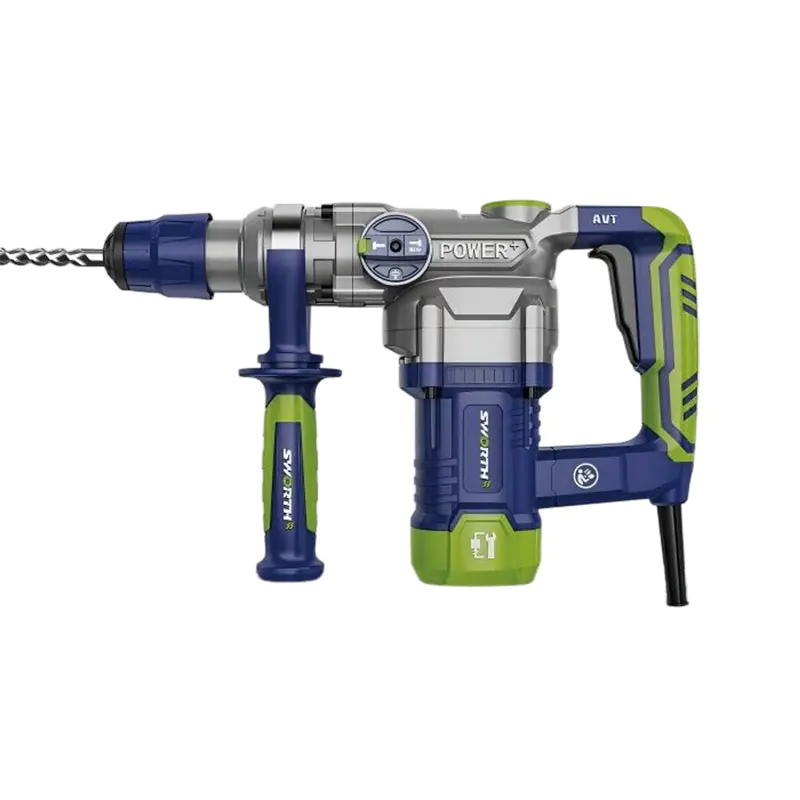


SW528 Small Hole Rebar Hammer
-
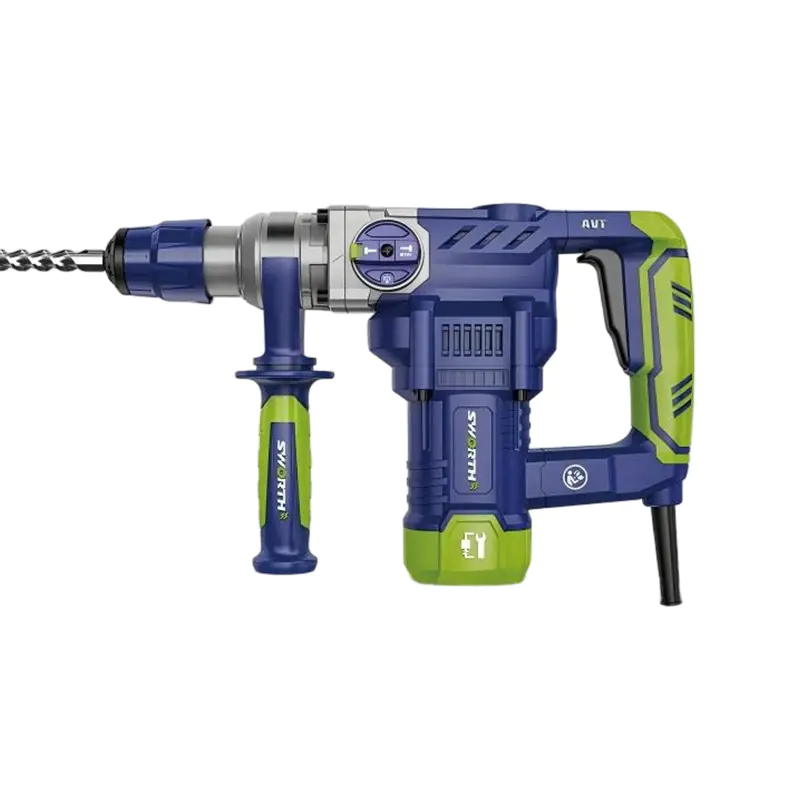
SW932 Groove Sandblasting Hammer
-
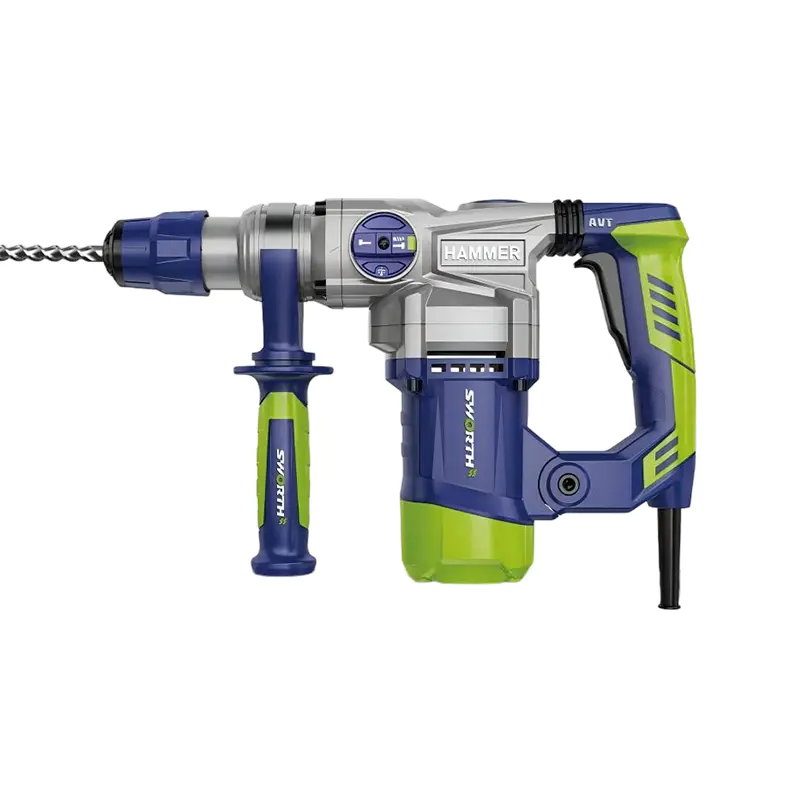
SW9362A Large Hole Rebar Hammer
-
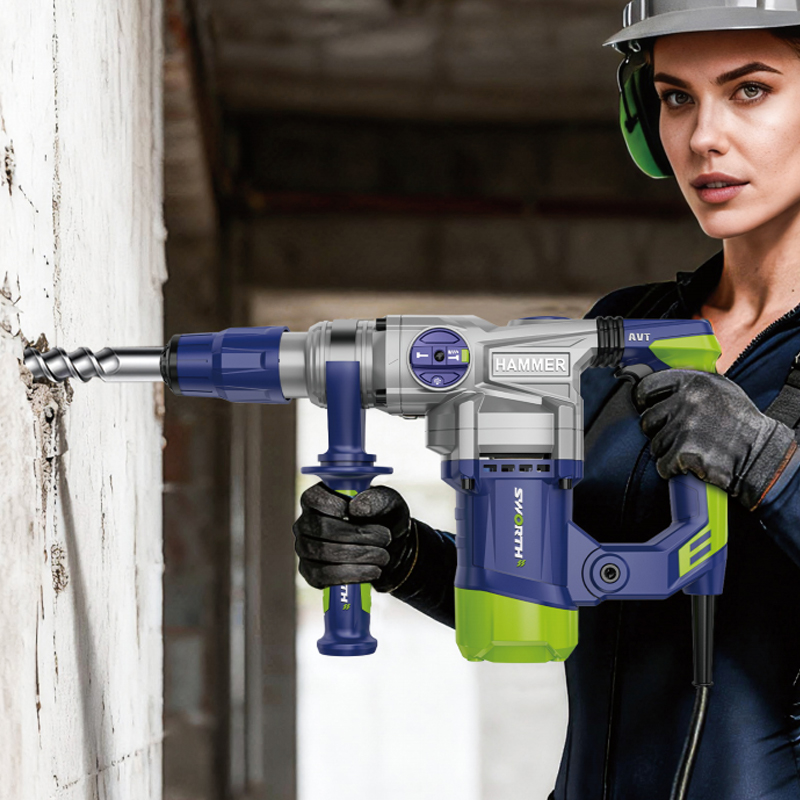
SW940 Enlarged Hole Rebar Hammer
-
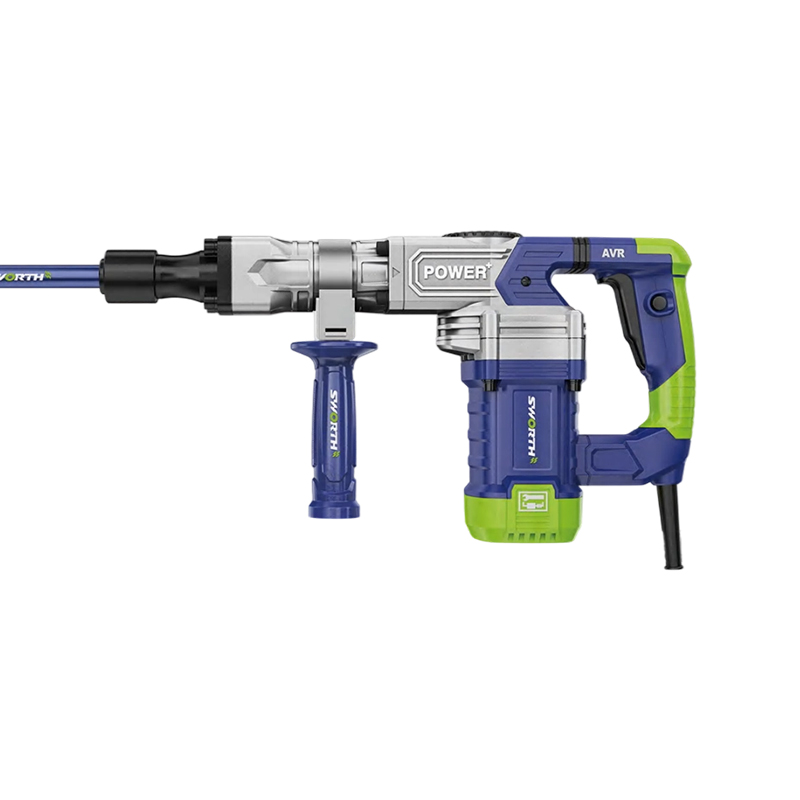
SW35S1 Powerful Demolition Hammer
-
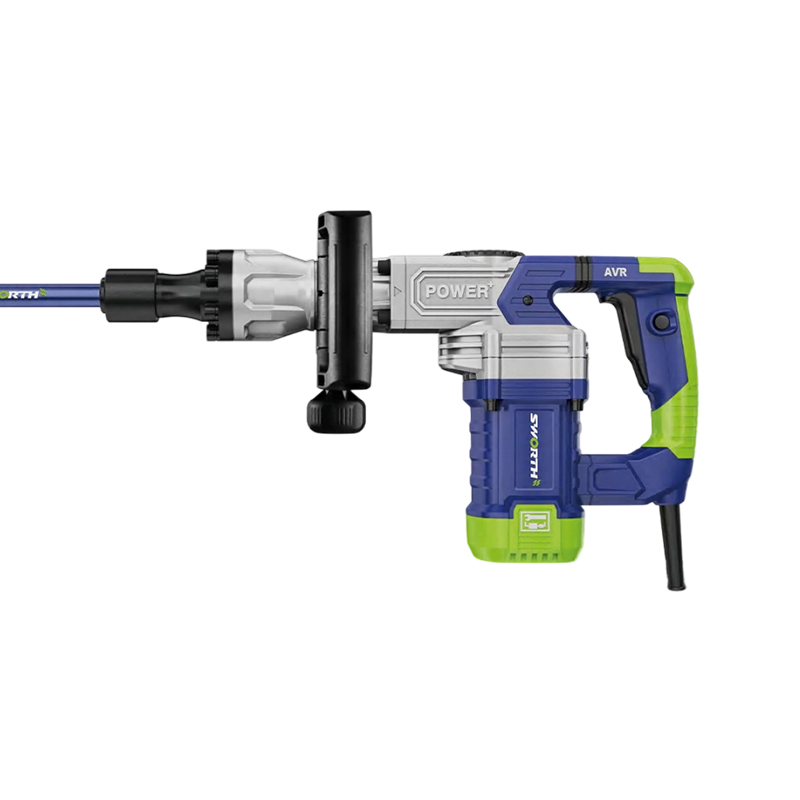
SW35S2 High-Efficiency Heat Dissipation Demolition Hammer
-
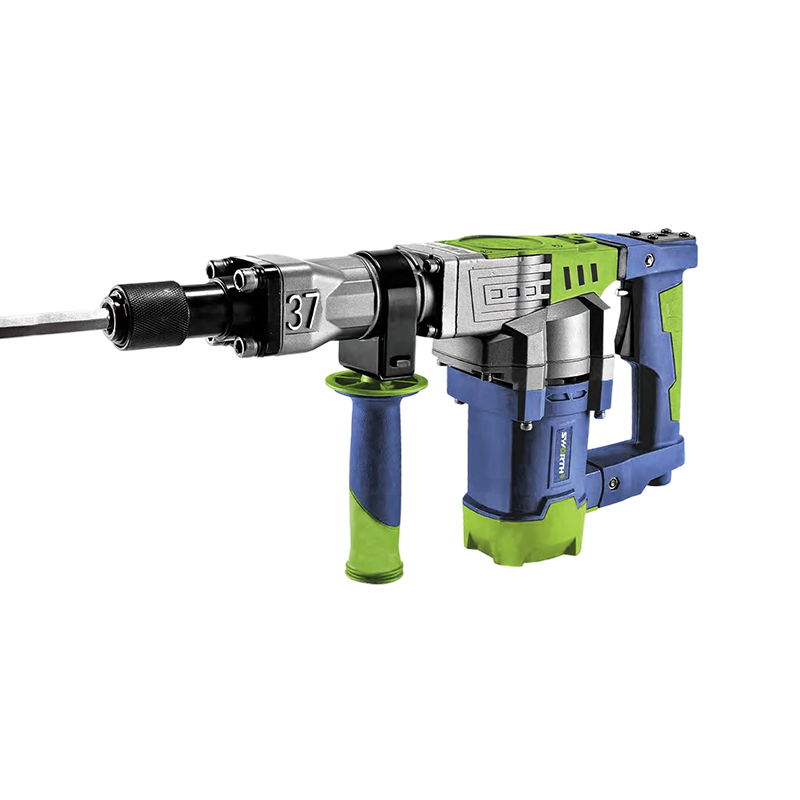
SW9371 High-Power Demolition Hammer
-
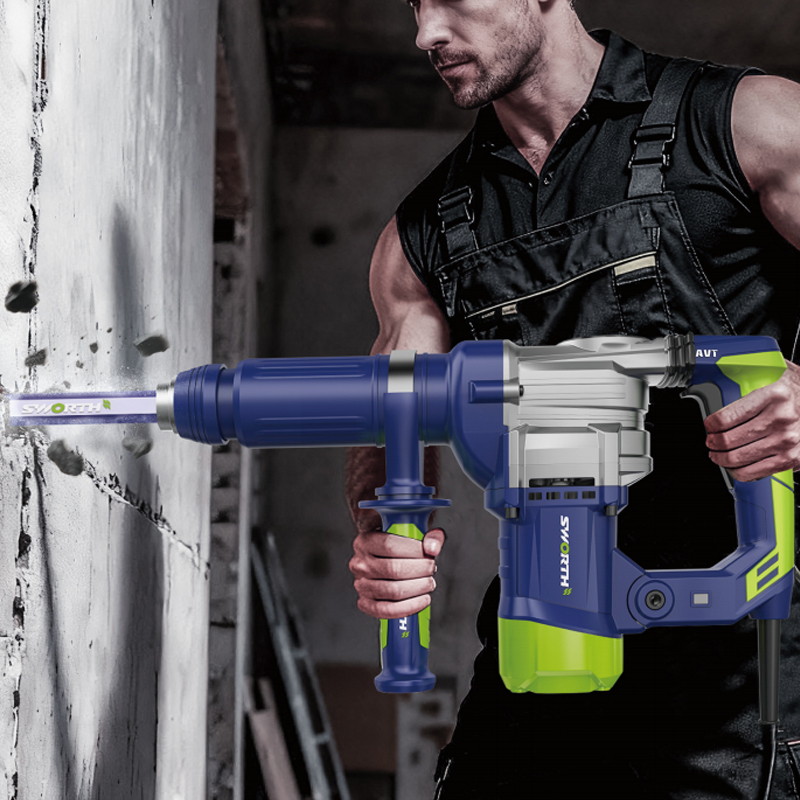
SW9373 Anti-Scalding Carbon Brush Holder Demolition Hammer
-
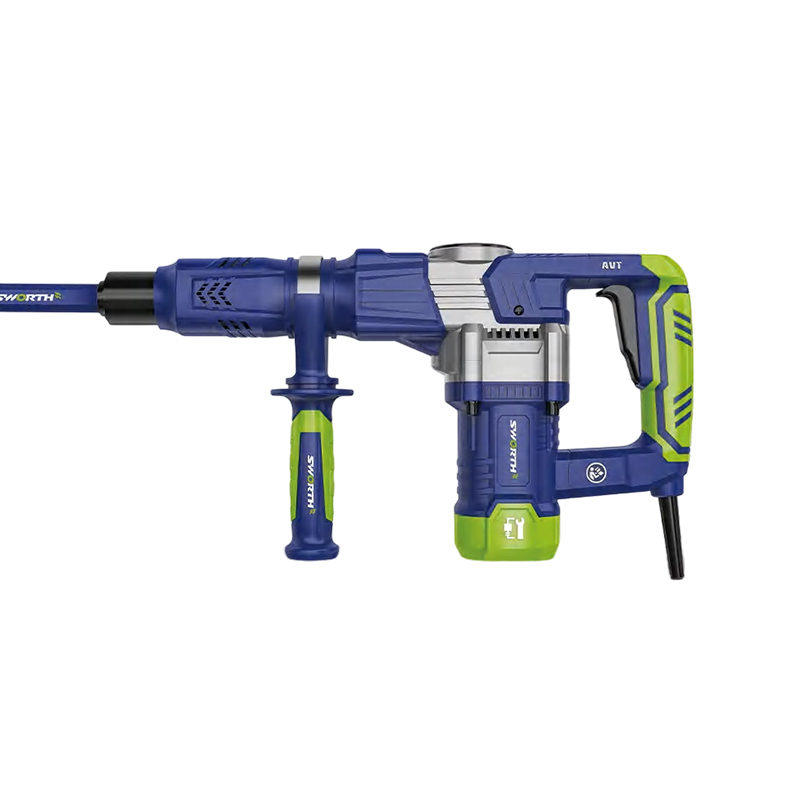
SW535 Powerful Anti-Scalding Demolition Hammer
-
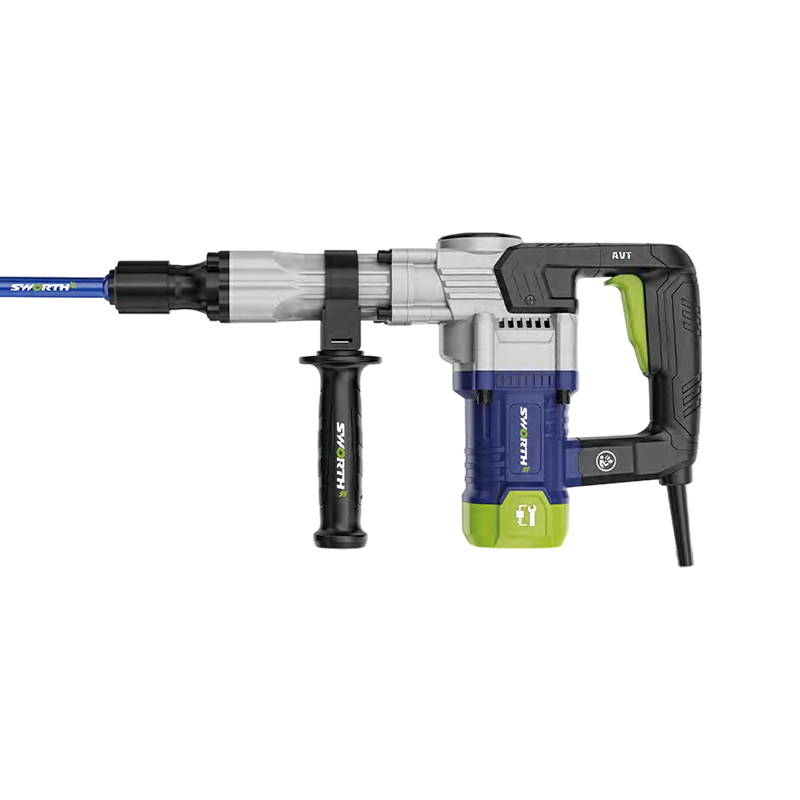
SW535-2 Durable Powerful Demolition Hammer
-
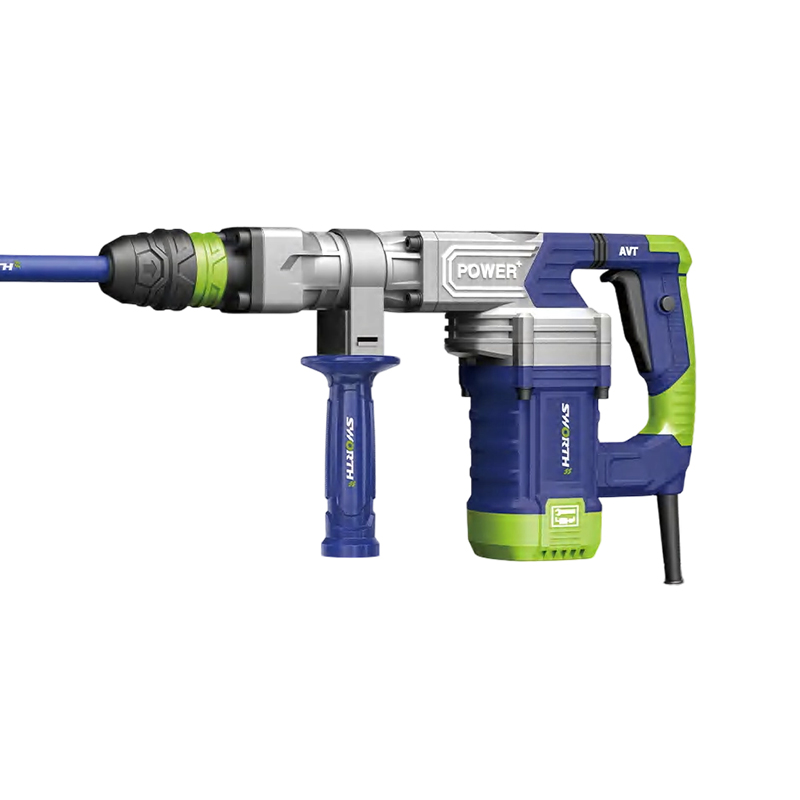
SW35S3 Five-Pipe Drill Bit Demolition Hammer
-

SW11E Five-Pipe Clamping Demolition Hammer
 +86-18314829275
 sale@sworthtools.com
 No. 101, Yugui Road, chengxi Industrial Zone, Yongkang City, Zhejiang Province, China
Copyright© Yongkang Siwei Technology Co., Ltd. All Rights Reserved

Hammer Tools & Cordless Garden Tools Manufacturer
