 English
 русский
 Español
Light Type Hammers Over Specialized Hammers
Understanding the Light Type Hammer
- Definition and Purpose
The Light Type Hammer is designed to provide a balanced combination of weight, control, and usability. Unlike specialized hammers such as spring hammers or dead blow hammers, it prioritizes general-purpose applications, making it suitable for a wide range of tasks including woodworking, minor demolition, and assembly work.
- Target Users
Home DIY enthusiasts, professional carpenters, and construction workers often prefer a light-type hammer for projects that require precision and ease of handling rather than impact force.
Comparison with Spring Hammers
Design Principle
- Spring hammers are engineered with a coiled spring or mechanical system that amplifies or absorbs energy to reduce rebound.
- Light Type Hammers, by contrast, rely on material selection and balanced weight distribution to provide smooth impact and control without specialized internal mechanisms.
Control and Precision
- The Light Type Hammer allows for fine control, making it ideal for delicate tasks such as furniture assembly or light woodworking.
- Spring hammers may produce inconsistent strikes in small-scale tasks due to the spring action, which can reduce accuracy.
Ease of Use
- Light Type Hammers are generally simpler and lighter, allowing users to work longer without fatigue.
- Spring hammers may require more careful handling to manage the internal mechanics and prevent accidental rebound.
Comparison with Dead Blow Hammers
Functionality
- Dead blow hammers are designed to reduce rebound using internal shot or sand compartments, which absorb impact energy.
- While highly effective for heavy-duty impact tasks, they are heavier and less maneuverable than Light Type Hammers.
Weight and Portability
- Light Type Hammers offer a weight advantage that makes them easier to carry and use over extended periods.
- Dead blow hammers’ heavier construction can cause user fatigue during prolonged use.
Versatility
- Light Type Hammers can handle multiple tasks without switching tools, making them versatile for woodworking, light metal work, and DIY applications.
- Dead blow hammers are more specialized, often used for metal assembly, automotive repairs, or precision machinery work.
Performance Advantages of Light Type Hammers
1. Reduced Fatigue
The lightweight design and ergonomic handle reduce strain on the wrist, forearm, and shoulder, allowing for longer periods of work.
2. Improved Swing Speed
Less weight allows faster and more controlled swings, which is beneficial for tasks requiring repeated or rapid strikes.
3. Precision and Accuracy
Balanced weight distribution ensures that each strike is predictable and consistent, reducing the risk of accidental damage to surrounding surfaces.
4. Cost-Effectiveness
- Light Type Hammers are often more affordable than specialized spring or dead blow hammers, making them accessible for both professionals and hobbyists.
- Lower maintenance requirements also contribute to long-term savings.
Ergonomic Considerations
- Handle Comfort: Many light-type hammers feature ergonomic handles with anti-slip grips, improving user comfort and reducing the risk of injury.
- Shock Absorption: While they do not have internal shot or spring mechanisms, Light Type Hammers often incorporate vibration-reducing handle materials, lessening impact stress on the user.
- Ease of Transport: The lighter design is easier to carry on-site, which is especially important for construction workers or landscapers who move between multiple job locations.
Practical Applications
- Woodworking: Ideal for assembling frames, cabinetry, or furniture where precision is key.
- DIY Projects: Suitable for hanging pictures, minor demolition, or home repairs.
- Construction: Useful for small-scale construction tasks where a heavier hammer would be overkill.
- Metal Light Work: Can handle light tapping on sheet metal or soft materials without causing deformation.
Compared to spring hammers and dead blow hammers, the Light Type Hammer offers a unique blend of versatility, control, and ease of use. While specialized hammers excel in minimizing rebound or maximizing impact force, they often sacrifice weight, portability, or precision. Light Type Hammers provide an ergonomic, lightweight alternative suitable for a wide range of applications, reducing fatigue and enabling accurate strikes. For professionals and DIY users alike, this balance of usability and performance makes the Light Type Hammer a practical choice for general-purpose tasks.
Recommended Products
-
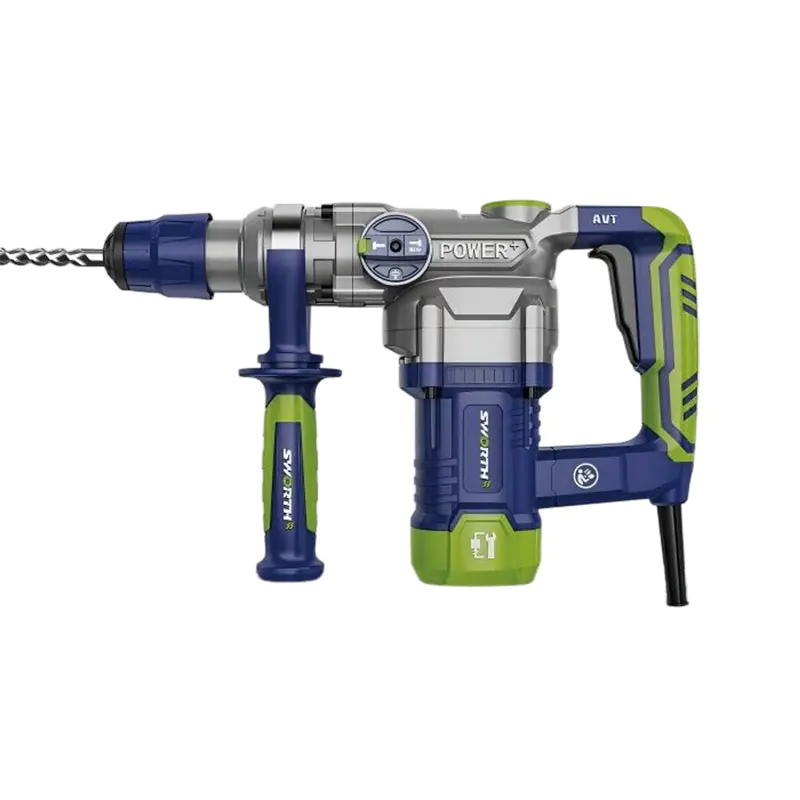


SW528 Small Hole Rebar Hammer
-
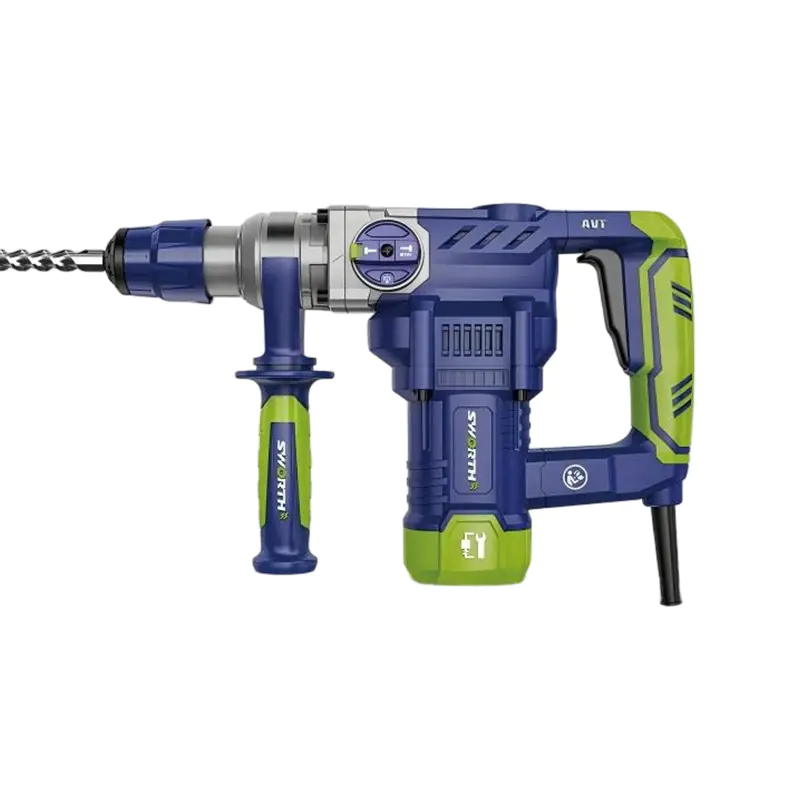
SW932 Groove Sandblasting Hammer
-
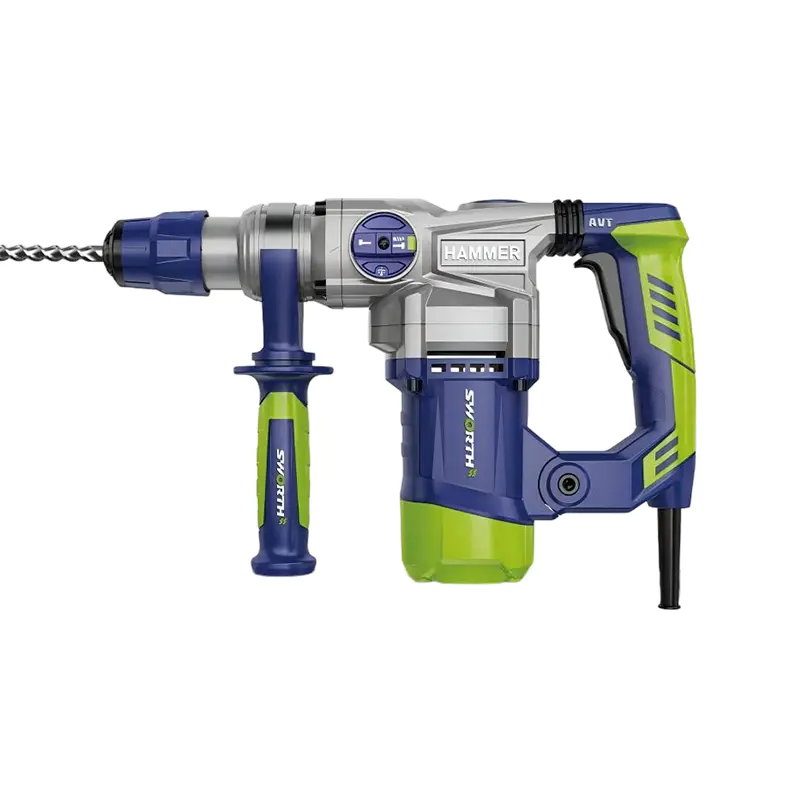
SW9362A Large Hole Rebar Hammer
-
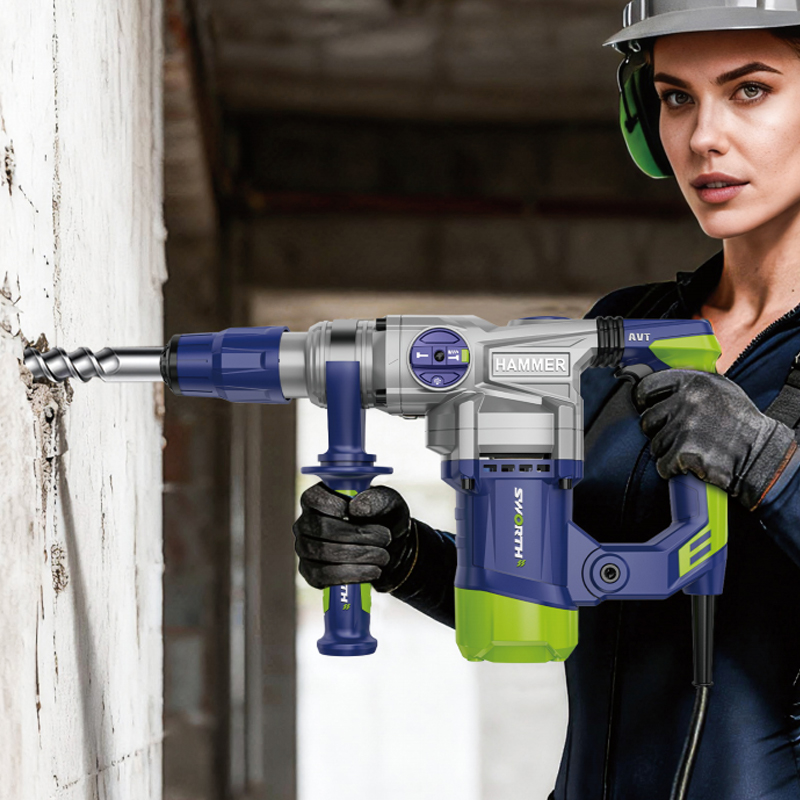
SW940 Enlarged Hole Rebar Hammer
-
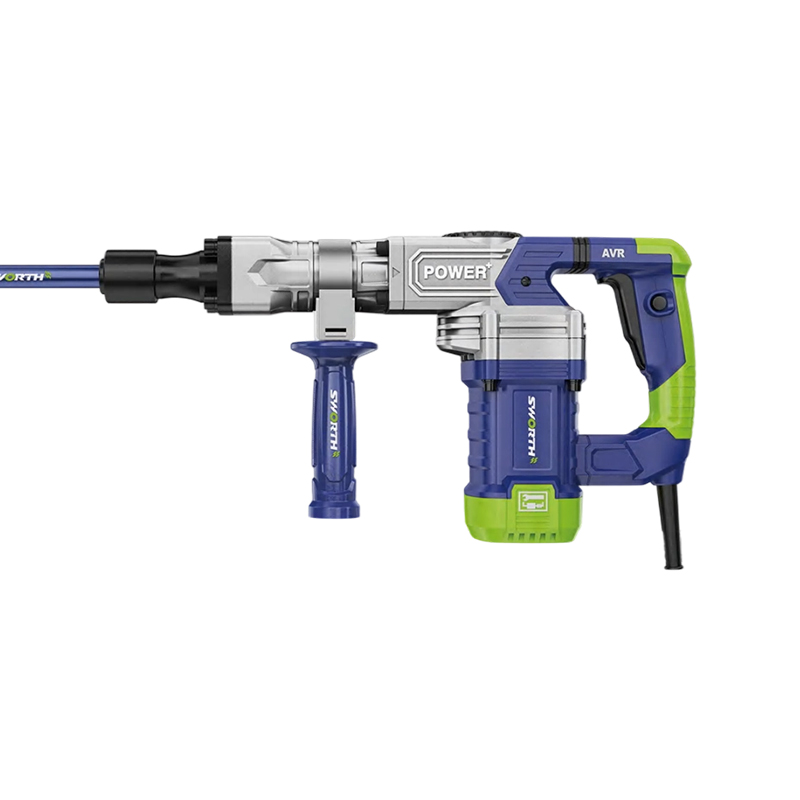
SW35S1 Powerful Demolition Hammer
-
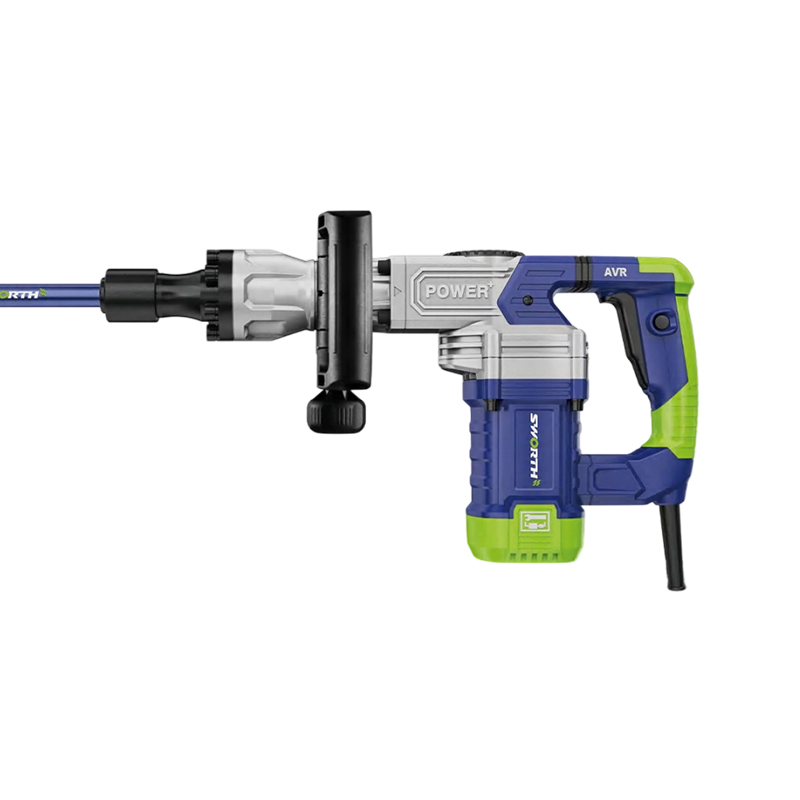
SW35S2 High-Efficiency Heat Dissipation Demolition Hammer
-
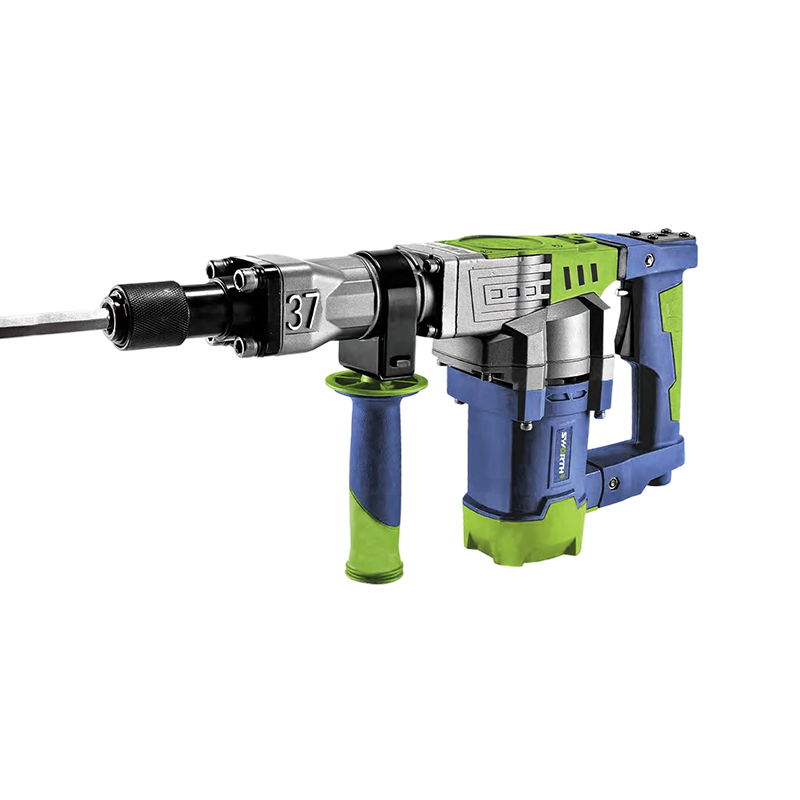
SW9371 High-Power Demolition Hammer
-
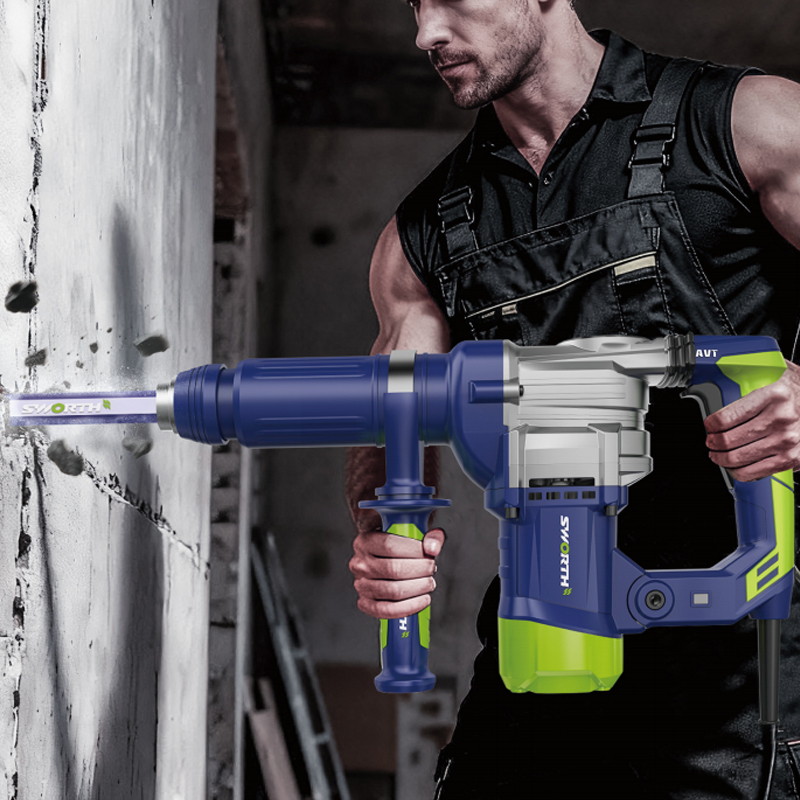
SW9373 Anti-Scalding Carbon Brush Holder Demolition Hammer
-
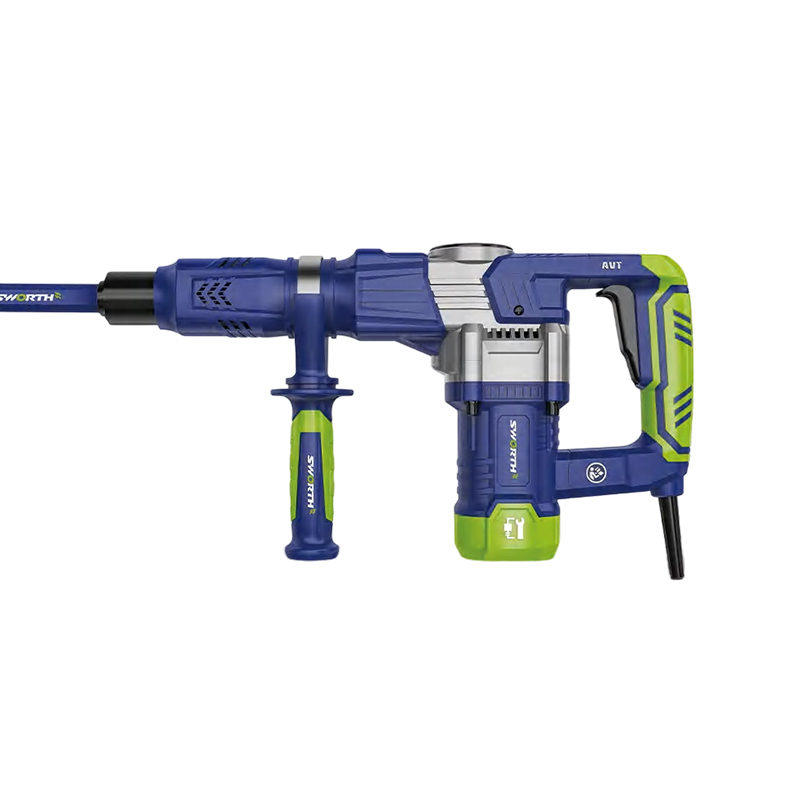
SW535 Powerful Anti-Scalding Demolition Hammer
-
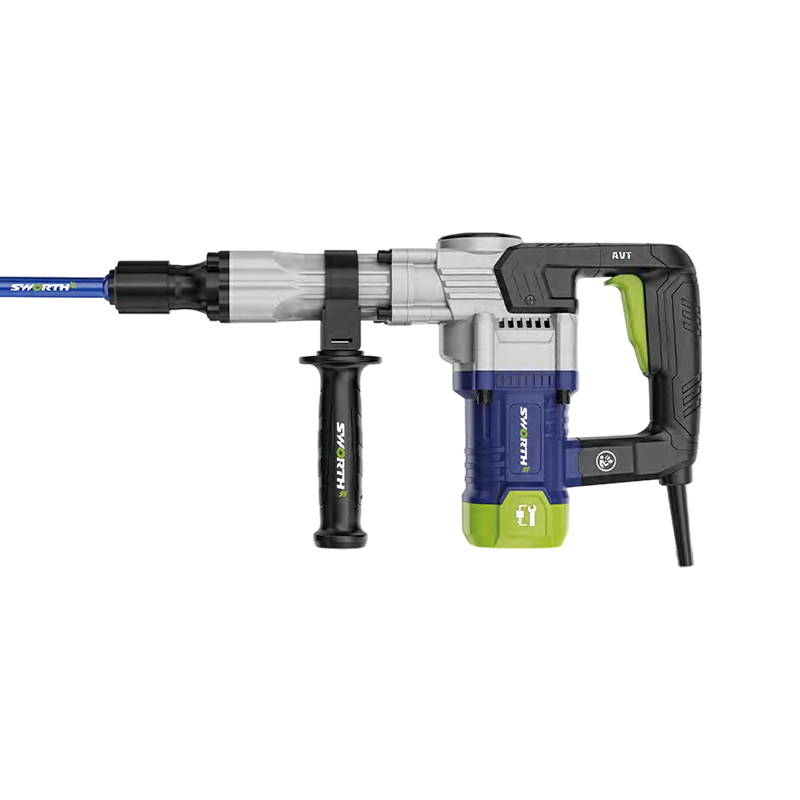
SW535-2 Durable Powerful Demolition Hammer
-
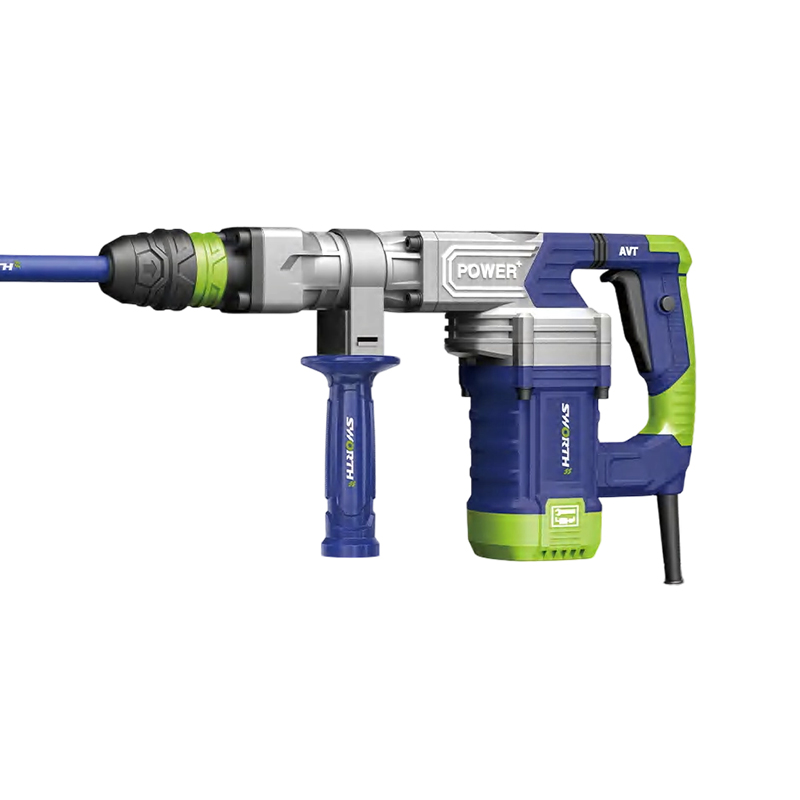
SW35S3 Five-Pipe Drill Bit Demolition Hammer
-

SW11E Five-Pipe Clamping Demolition Hammer
 +86-18314829275
 sale@sworthtools.com
 No. 101, Yugui Road, chengxi Industrial Zone, Yongkang City, Zhejiang Province, China
Copyright© Yongkang Siwei Technology Co., Ltd. All Rights Reserved

Hammer Tools & Cordless Garden Tools Manufacturer
