 English
 русский
 Español
Ergonomic Handle Features of Anti-Iron Pickaxe
The Importance of Handle Design
The handle of any pickaxe plays a crucial role in its overall performance, safety, and user comfort. In the case of the Anti-Iron Pickaxe, the handle is engineered to optimize grip, reduce fatigue, and enhance control during heavy-duty tasks.
Material and Durability
- High-Strength Materials: Most Anti-Iron Pickaxe handles are made from reinforced fiberglass, hickory wood, or composite materials. These options ensure the handle can withstand repeated impacts without cracking or splintering.
- Resistance to Environmental Factors: The handle materials are often treated to resist moisture, UV rays, and temperature fluctuations, extending the lifespan of the pickaxe.
- Shock Absorption: Certain materials, such as fiberglass or rubberized composites, provide built-in shock absorption to reduce vibrations transmitted to the hands and arms.
Ergonomic Shape
- Curved or Contoured Design: Handles are often shaped to follow the natural curvature of the hand and forearm. This reduces strain and provides a more comfortable swinging motion.
- Tapered Ends: Many handles taper slightly towards the head or the end of the handle. This design helps maintain control during powerful swings and reduces the chance of slippage.
- Balanced Weight Distribution: Proper balance between the handle and the pickaxe head improves accuracy and efficiency, making repetitive tasks less tiring for users.
Grip and Surface Texture
- Non-Slip Grip: High-quality Anti-Iron Pickaxe handles feature textured or rubberized grips. This ensures the tool remains secure in the hand, even when wet or muddy.
- Finger Grooves and Contours: Some handles include subtle grooves for fingers, enhancing the natural grip and reducing the likelihood of hand fatigue.
- Protective Coatings: Anti-slip coatings or synthetic wraps not only improve grip but also protect the handle from abrasion and wear.
Safety Considerations
- Vibration Dampening: Handles designed to absorb shock reduce the risk of hand and wrist injuries, which is particularly important during prolonged use.
- Impact-Resistant Design: The connection between the handle and the pickaxe head is reinforced to prevent the head from loosening or detaching during heavy impacts.
- Ergonomic Guard: Some models include a guard or flared base at the handle end to prevent hands from sliding off during aggressive swings.
Maintenance and Longevity
- Easy to Clean: Smooth and treated surfaces make it easier to clean dirt, sap, or rust off the handle.
- Replaceable Handles: In professional-grade models, handles can often be replaced without purchasing a new pickaxe, ensuring long-term usability.
- Regular Inspections: Users are encouraged to check for cracks, splinters, or worn areas, as maintaining a well-kept handle directly impacts safety and performance.
User Experience and Comfort
- Reduced Fatigue: Ergonomically designed handles allow users to work longer with less strain on the hands, arms, and back.
- Improved Control: A comfortable and well-balanced handle enhances precision, especially when breaking rock, ice, or compact soil.
- Adaptability: Some handles are designed to be versatile, suitable for both left- and right-handed users, or adjustable in length to accommodate different body sizes.
The handle of an Anti-Iron Pickaxe is far more than a simple stick connecting the head to the user’s hand. It combines durable materials, ergonomic shaping, anti-slip features, and safety enhancements to provide suitable performance and comfort. By understanding these characteristics, users can select a pickaxe that not only meets their work requirements but also reduces fatigue and improves efficiency. Investing in a well-designed handle ensures that the tool is safe, reliable, and comfortable for years of rigorous use.
Recommended Products
-
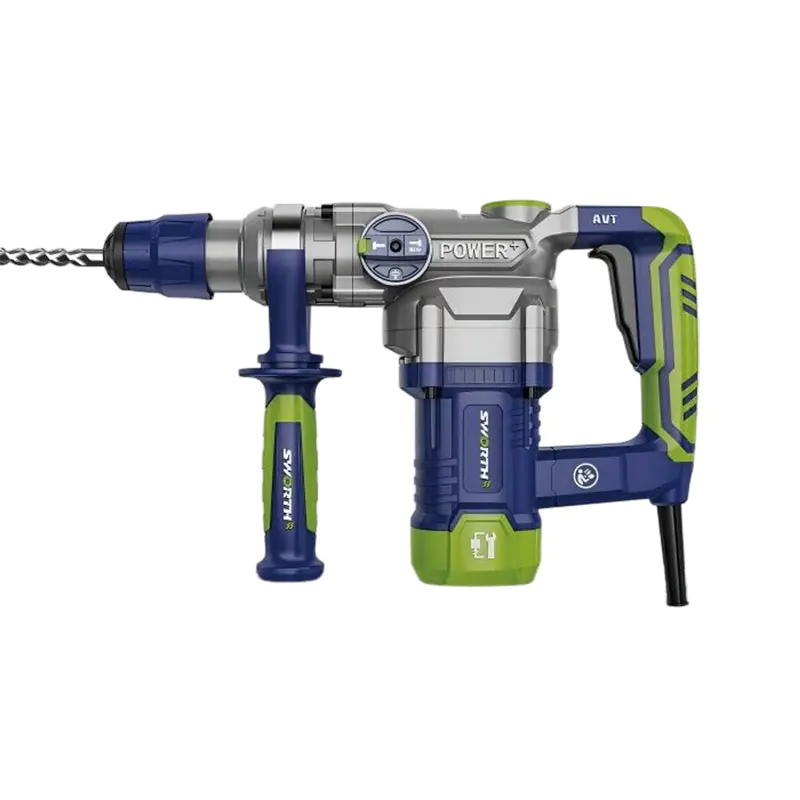


SW528 Small Hole Rebar Hammer
-
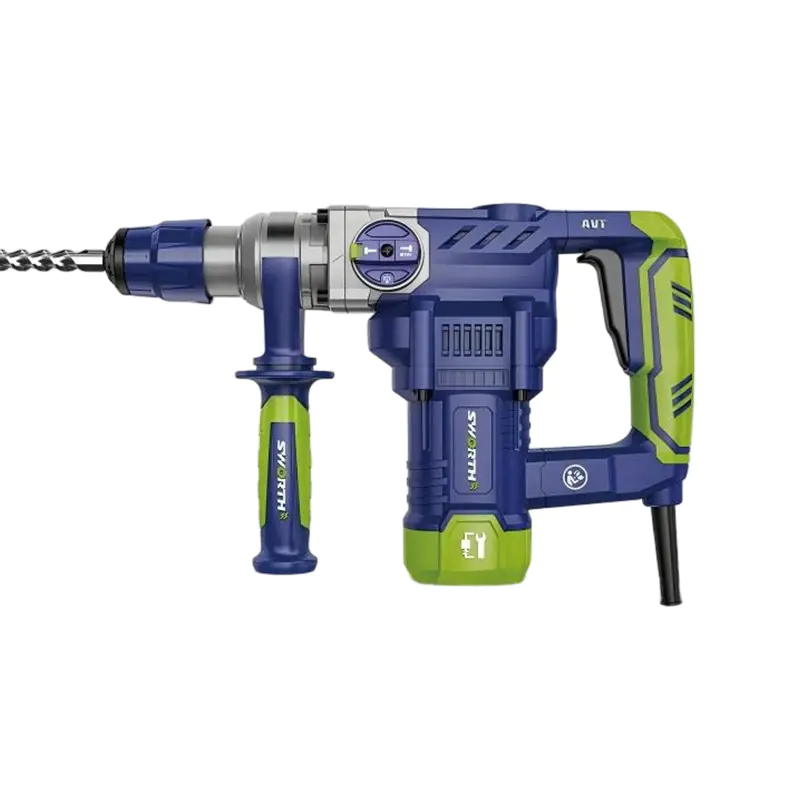
SW932 Groove Sandblasting Hammer
-
SW9362A Large Hole Rebar Hammer
-
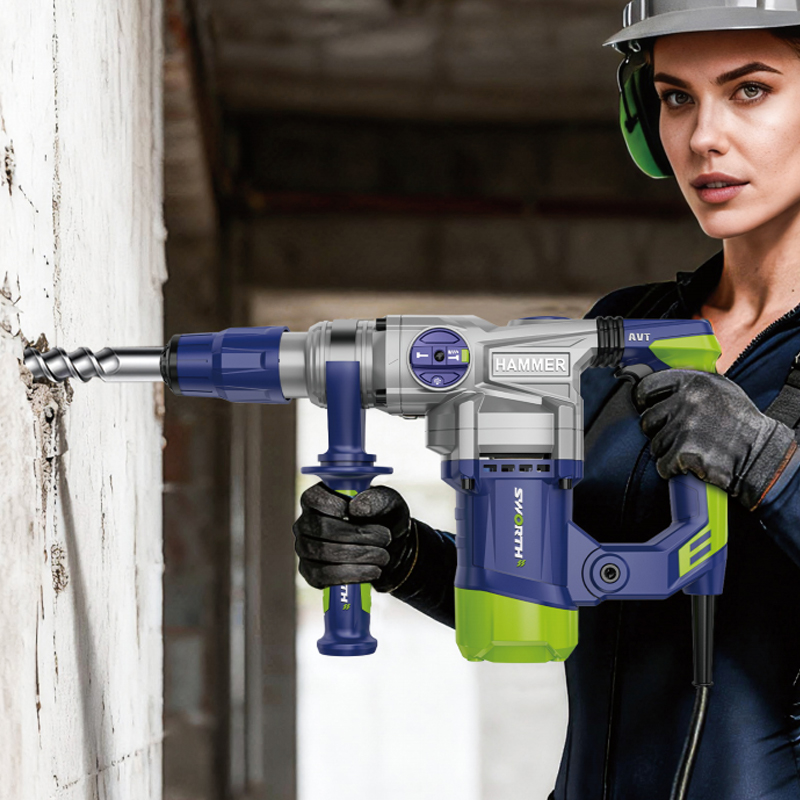
SW940 Enlarged Hole Rebar Hammer
-
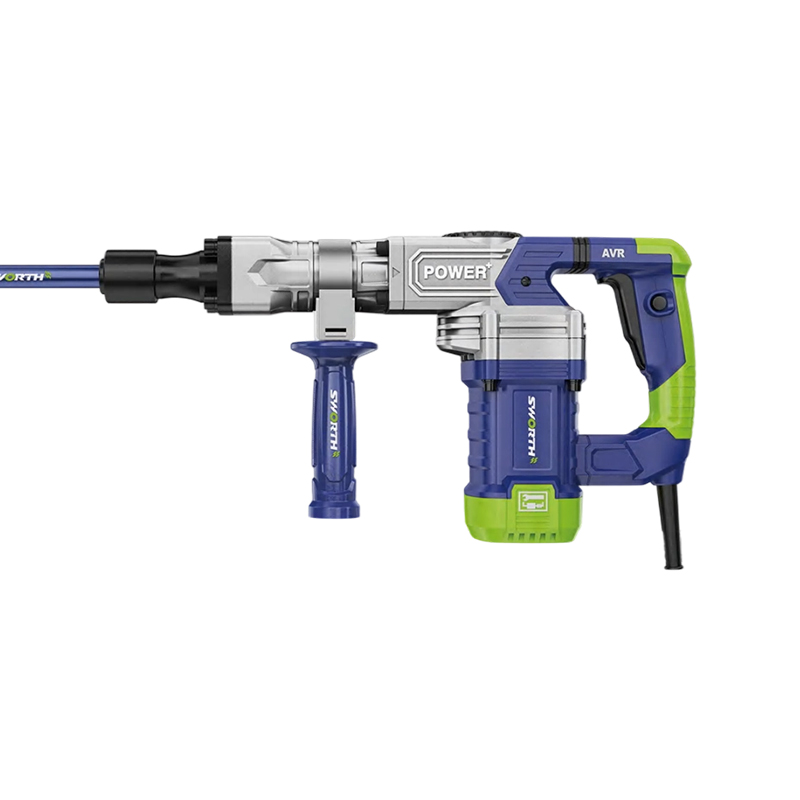
SW35S1 Powerful Demolition Hammer
-
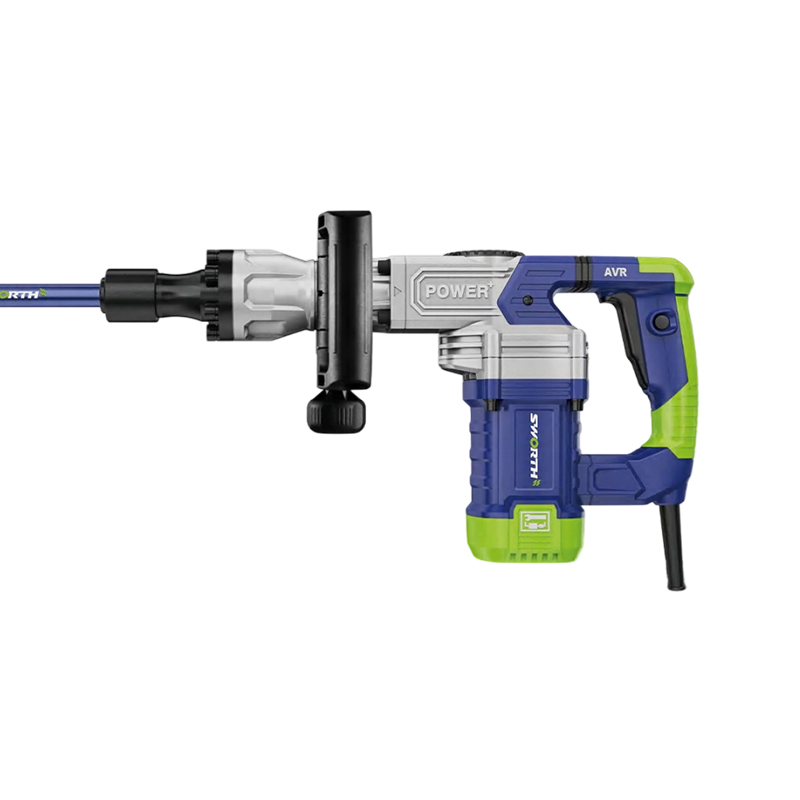
SW35S2 High-Efficiency Heat Dissipation Demolition Hammer
-
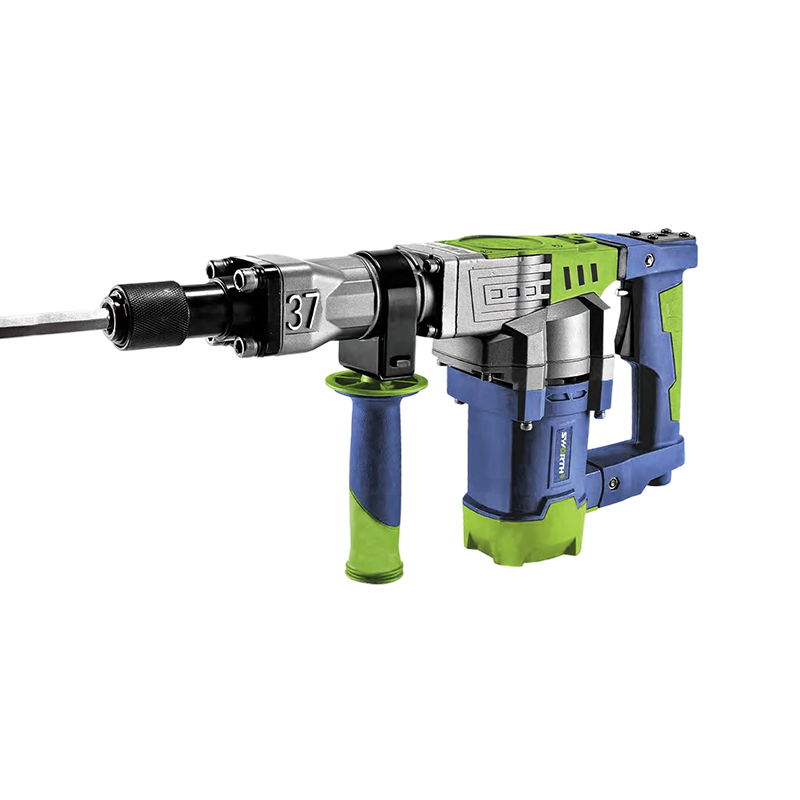
SW9371 High-Power Demolition Hammer
-
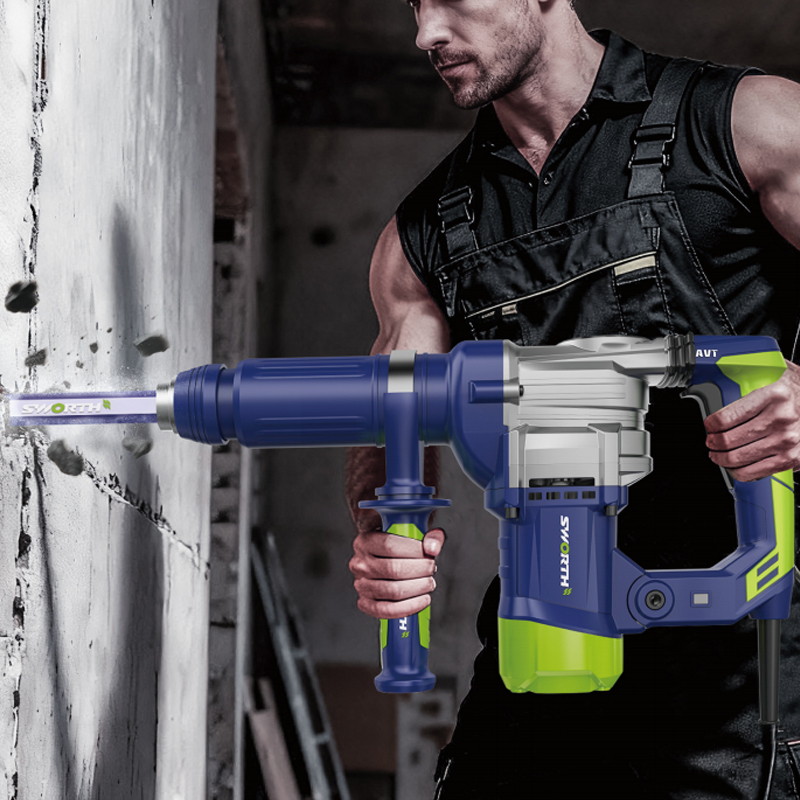
SW9373 Anti-Scalding Carbon Brush Holder Demolition Hammer
-
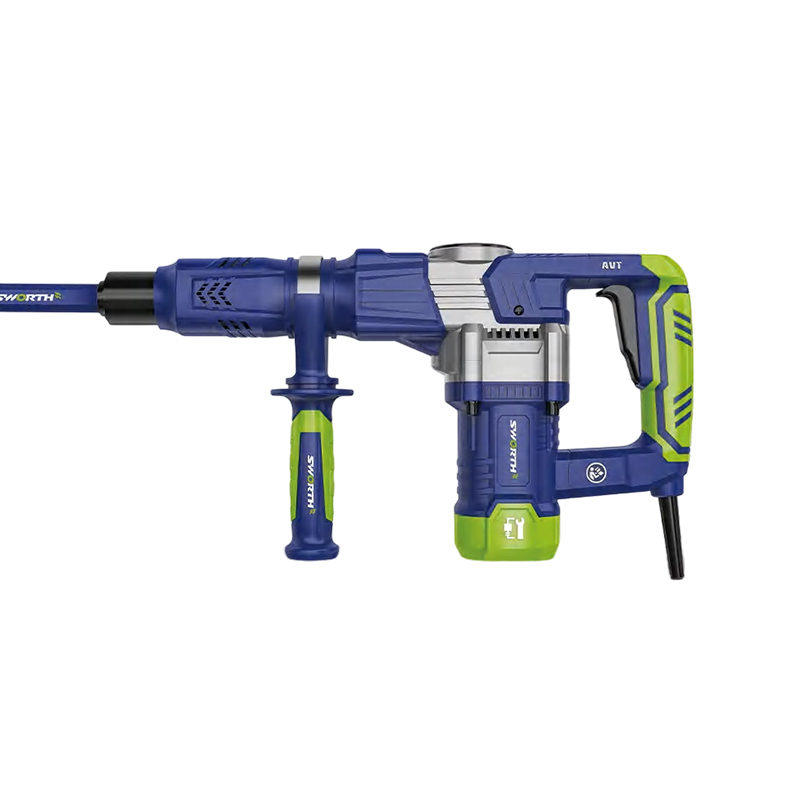
SW535 Powerful Anti-Scalding Demolition Hammer
-
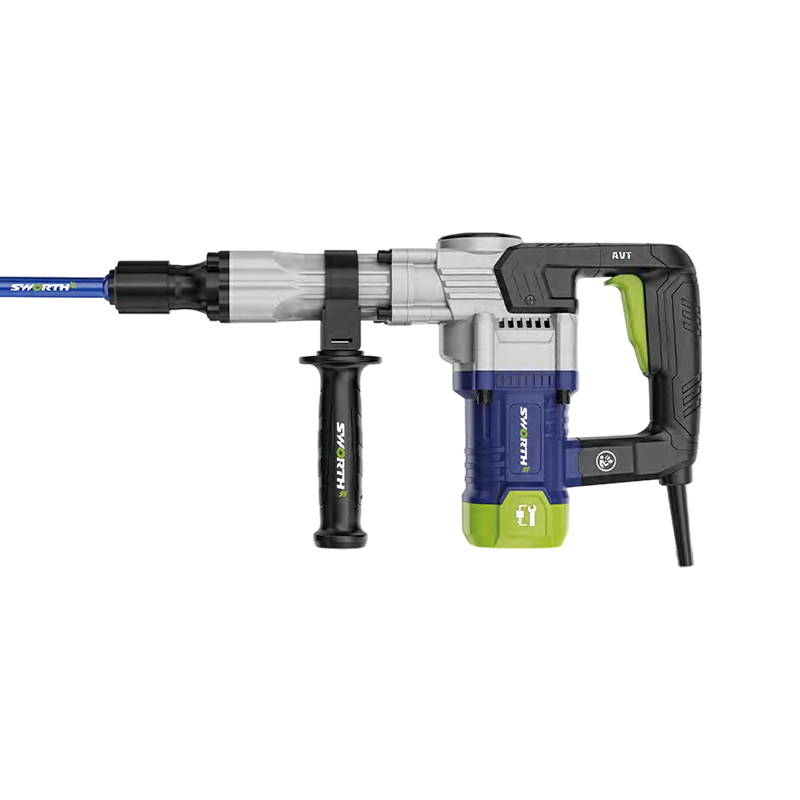
SW535-2 Durable Powerful Demolition Hammer
-
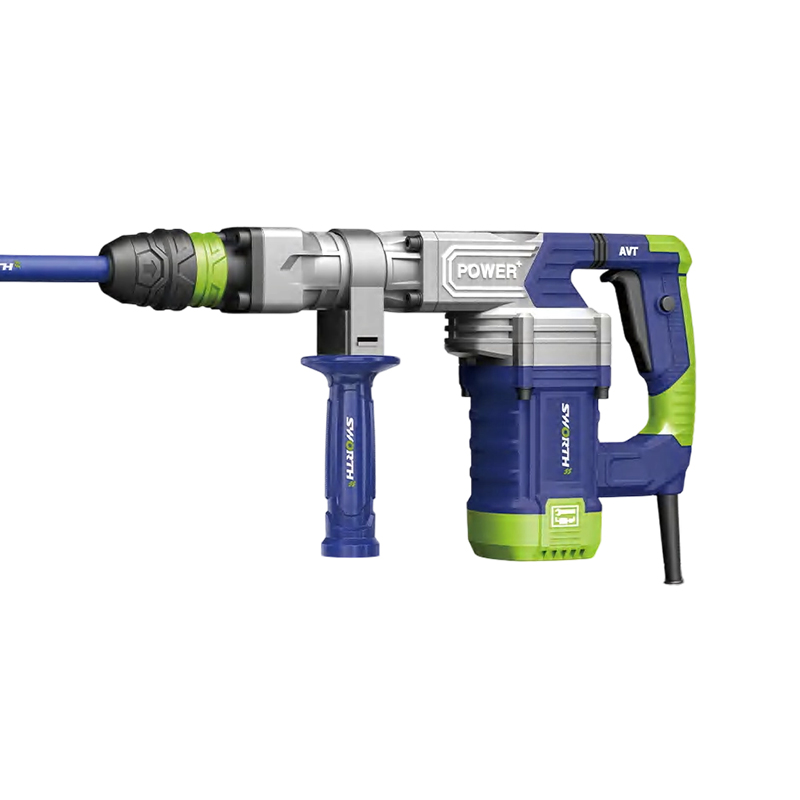
SW35S3 Five-Pipe Drill Bit Demolition Hammer
-

SW11E Five-Pipe Clamping Demolition Hammer
 +86-18314829275
 sale@sworthtools.com
 No. 101, Yugui Road, chengxi Industrial Zone, Yongkang City, Zhejiang Province, China
Copyright© Yongkang Siwei Technology Co., Ltd. All Rights Reserved

Hammer Tools & Cordless Garden Tools Manufacturer
