 English
 русский
 Español
Preventing Rebound and Fatigue with Reinforcement Hammers
Understanding the Big Hole Planting Reinforcement Hammer
Definition and Purpose: The Big Hole Planting Reinforcement Hammer is a specialized tool designed for heavy-duty planting, construction, and soil reinforcement tasks. Its structure focuses on durability and efficient force transfer to handle large-scale planting or piling operations.
Target Users: Agricultural workers, landscapers, construction professionals, and forestry workers frequently use this hammer for repetitive high-intensity tasks, requiring tools that reduce physical strain while maintaining consistent performance.
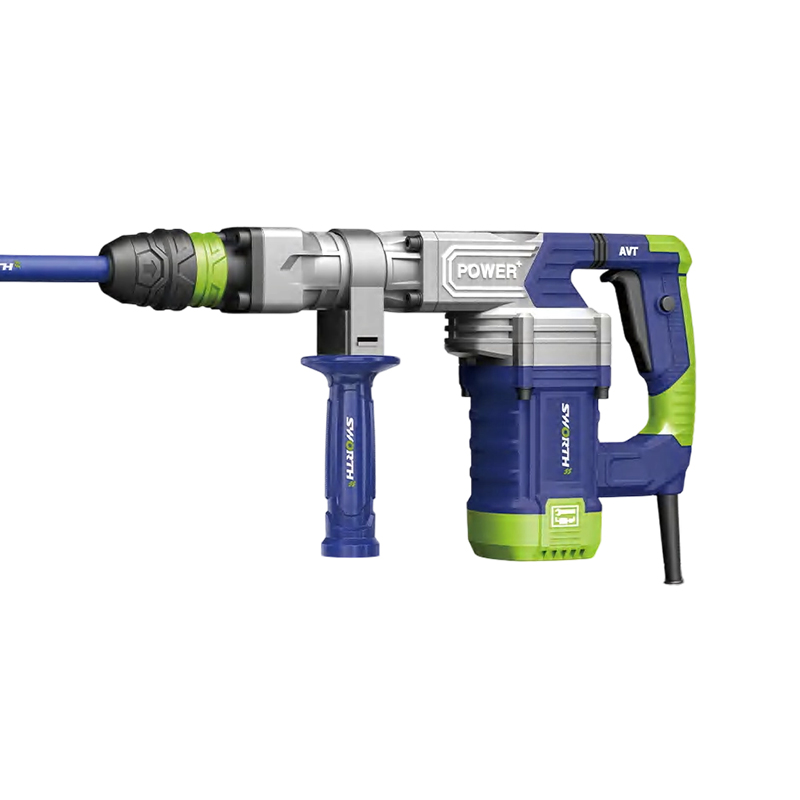
Causes of Rebound and Arm Fatigue
Excessive Force Transmission
- When a hammer delivers high-impact blows, energy can rebound into the user’s arms if the tool design does not absorb shock efficiently.
- Repeated exposure causes cumulative fatigue and potential strain injuries.
Poor Weight Distribution
- Hammers with uneven weight or unbalanced heads increase muscle exertion during swings.
- Improper ergonomics can amplify the risk of wrist, elbow, and shoulder fatigue.
Inadequate Grip and Vibration Dampening
- Handles that do not provide proper shock absorption or ergonomic shaping transfer more vibration to the user’s arms.
- High vibration exposure over time contributes to discomfort and long-term fatigue.
Design Features to Minimize Rebound
Shock-Absorbing Materials
- Using reinforced polymer or rubber layers in the handle reduces the impact transmitted to the user.
- Some hammers integrate internal damping cores to further soften the blow.
Optimized Head Geometry
- The Big Hole Planting Reinforcement Hammer features a slightly curved or weighted head designed to improve ground contact while reducing upward bounce.
- Rounded edges or micro-hole reinforcement may help distribute force more evenly, reducing rebound.
Balance and Center of Gravity
- Properly balanced hammers allow the user to maintain control throughout each swing.
- A well-positioned center of gravity ensures energy is directed into the planting surface, not back into the arms.
Ergonomic Practices for Users
Correct Grip Technique
- Hold the handle firmly but not rigidly, allowing subtle wrist movement to absorb energy.
- Position hands according to the recommended distance from the head to optimize leverage.
Swing Mechanics
- Use the entire body, not just the arms, to generate force.
- Engage core muscles and legs to reduce localized arm strain.
Alternating Work Patterns
- Rotate tasks or take short breaks to prevent overuse injuries.
- Avoid extended periods of continuous high-intensity swings without recovery.
Maintenance and Tool Adjustments
Inspect for Wear and Damage
- Check handles, grips, and hammer heads for cracks, chips, or loose fittings.
- Damaged components can increase vibration or unpredictable rebound during impact.
Lubrication and Protective Coating
For metal components, applying anti-corrosion coatings or light lubrication can maintain smooth contact surfaces, reducing sudden energy spikes.
Adjustable Features
- Some models allow weight adjustment or modular handles to optimize for user strength and task intensity.
- Experimenting with slight modifications can reduce fatigue while maintaining efficiency.
Environmental and Surface Considerations
Ground Hardness
- Striking extremely hard surfaces may increase rebound.
- Pre-softening soil or using intermediary planting tools can reduce energy feedback to the user.
Surface Angle and Strike Position
- Proper alignment of the hammer head with the planting surface reduces glancing blows.
- Direct, perpendicular strikes transfer more energy efficiently and reduce uncontrolled bounce.
Training and Awareness
- User Education: Training on proper hammer handling and ergonomics is essential.
- Fatigue Monitoring: Users should be aware of early signs of strain, such as soreness, tingling, or vibration sensitivity, and adjust work patterns accordingly.
- Regular Practice: Controlled practice sessions help users internalize swing mechanics and improve energy transfer efficiency.
Preventing rebound and arm fatigue when using the Big Hole Planting Reinforcement Hammer requires a combination of thoughtful tool design, ergonomic handling, and maintenance practices. Shock-absorbing materials, optimized head geometry, and balanced weight distribution reduce force transmission back to the user. Proper grip, swing mechanics, and task rotation reduce localized strain, while regular inspections and environmental awareness enhance safety and performance. By integrating these strategies, users can maintain high efficiency during heavy-duty planting operations while protecting themselves from unnecessary fatigue and injury.
Recommended Products
-
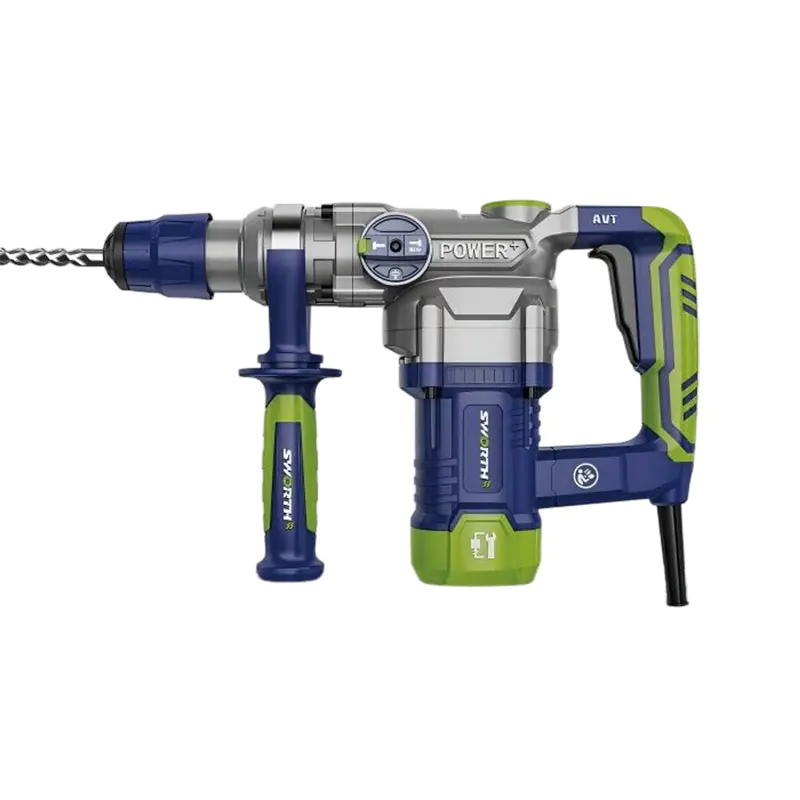


SW528 Small Hole Rebar Hammer
-
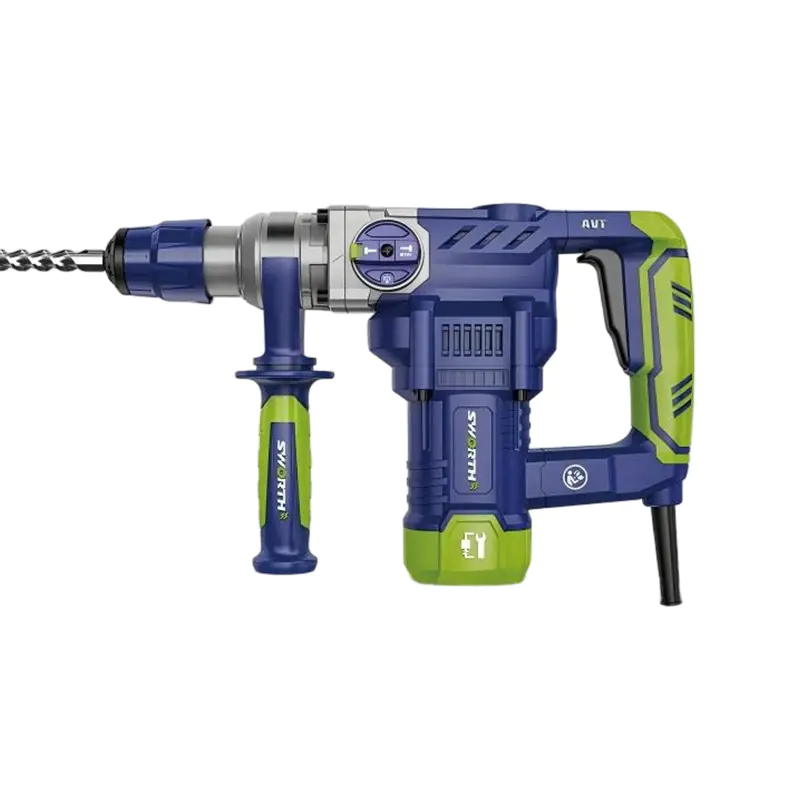
SW932 Groove Sandblasting Hammer
-
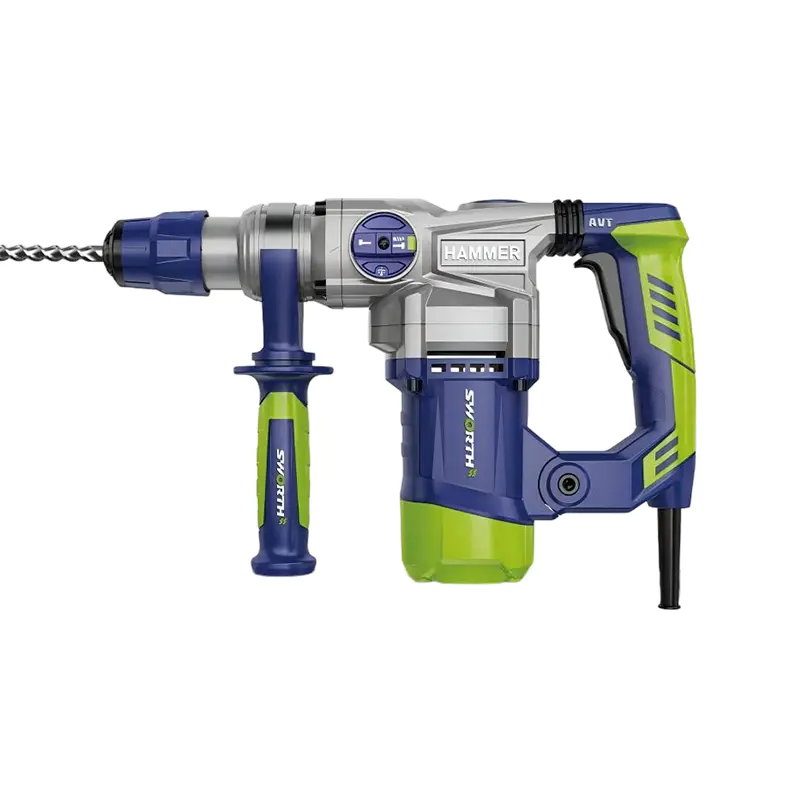
SW9362A Large Hole Rebar Hammer
-
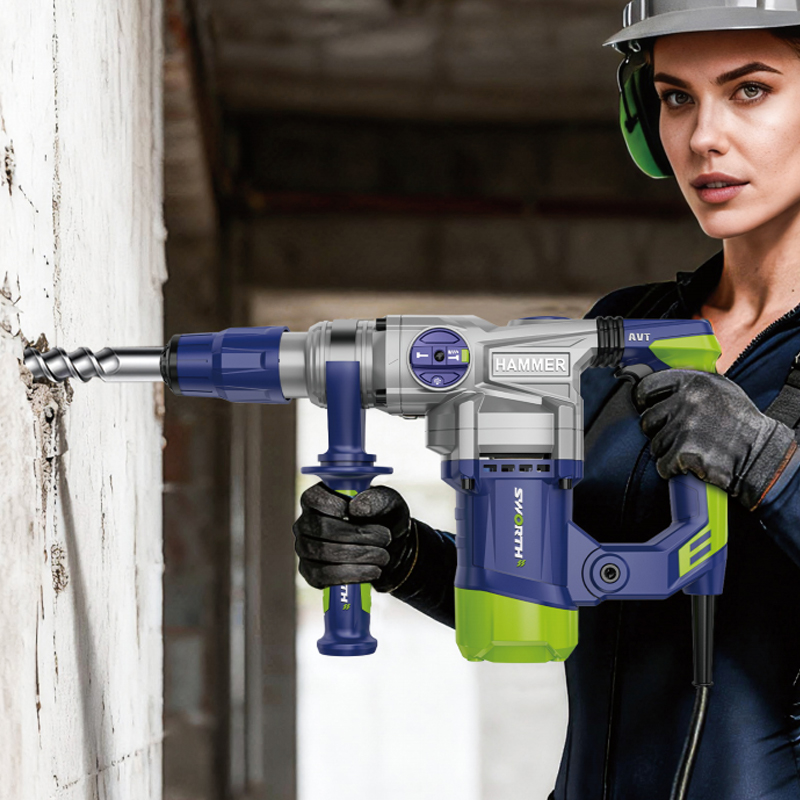
SW940 Enlarged Hole Rebar Hammer
-
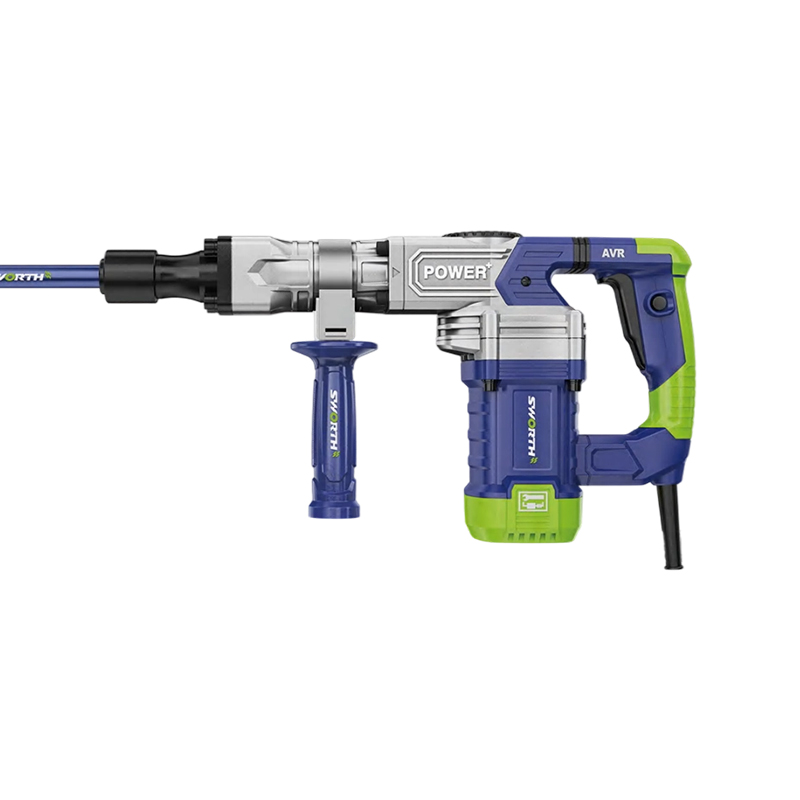
SW35S1 Powerful Demolition Hammer
-
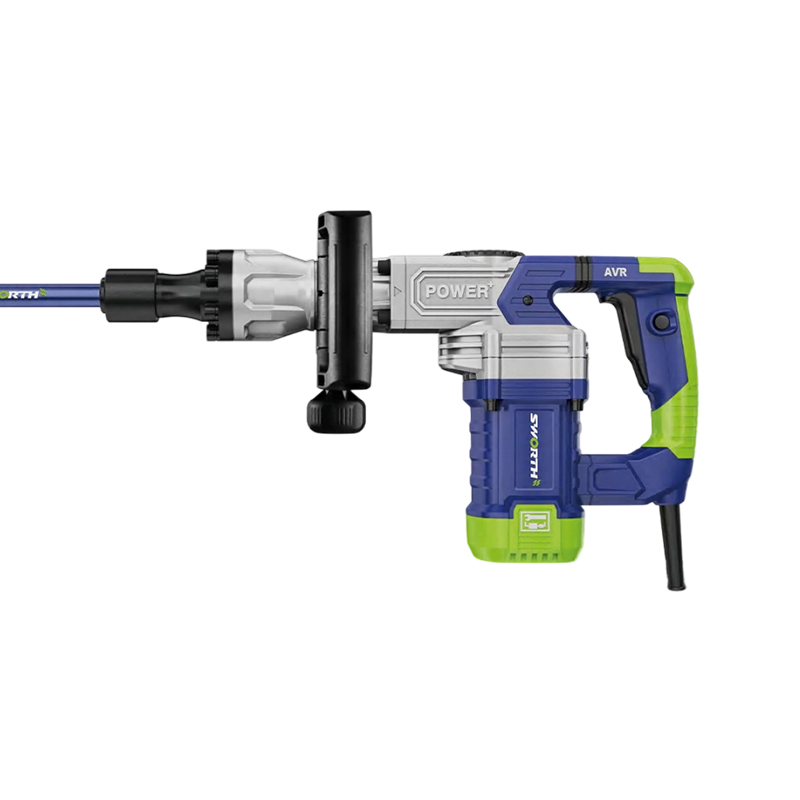
SW35S2 High-Efficiency Heat Dissipation Demolition Hammer
-
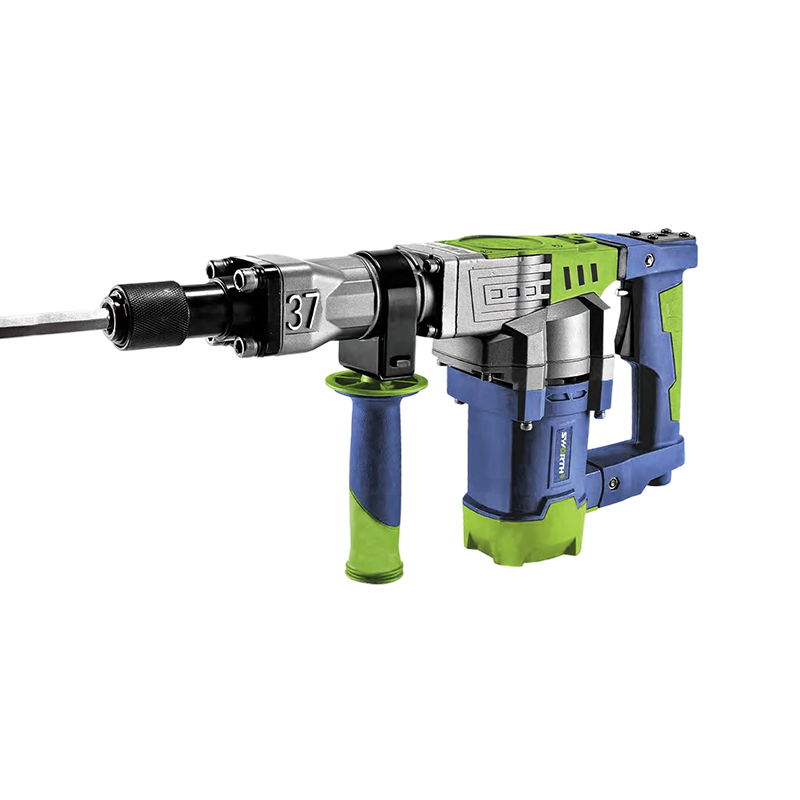
SW9371 High-Power Demolition Hammer
-
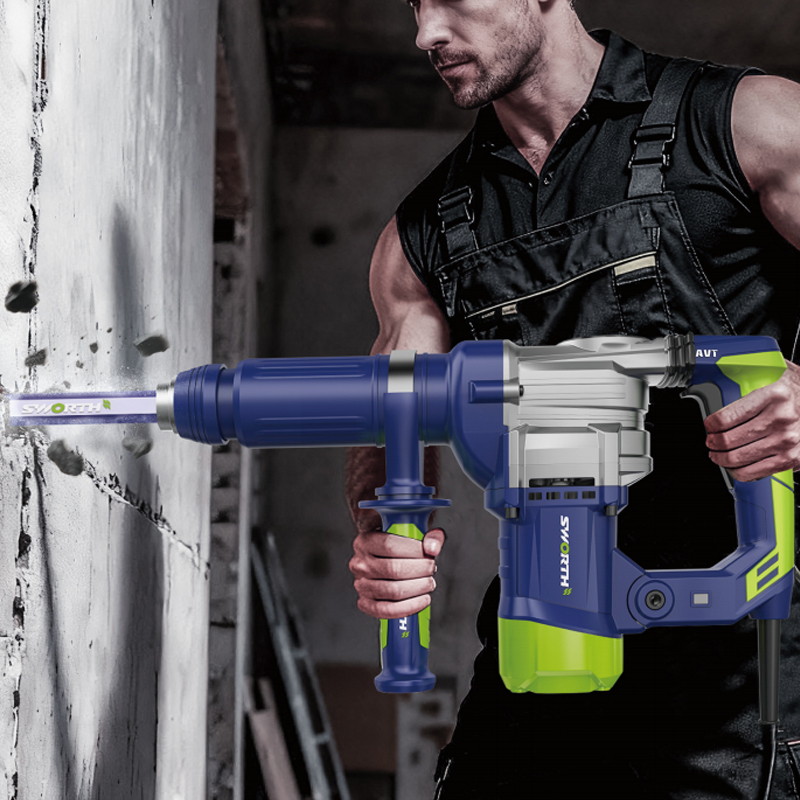
SW9373 Anti-Scalding Carbon Brush Holder Demolition Hammer
-
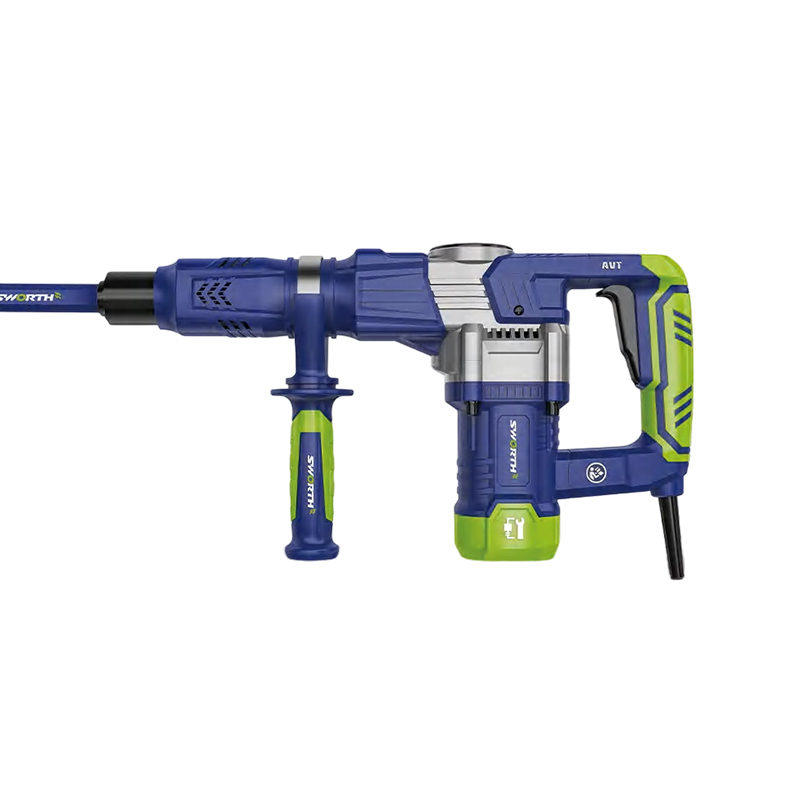
SW535 Powerful Anti-Scalding Demolition Hammer
-
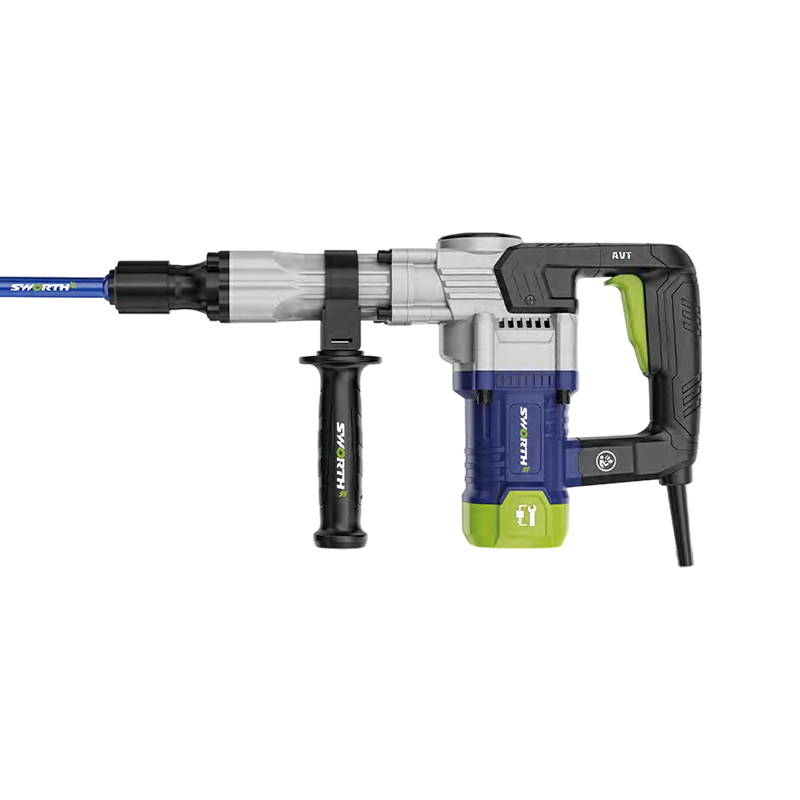
SW535-2 Durable Powerful Demolition Hammer
-
SW35S3 Five-Pipe Drill Bit Demolition Hammer
-

SW11E Five-Pipe Clamping Demolition Hammer
 +86-18314829275
 sale@sworthtools.com
 No. 101, Yugui Road, chengxi Industrial Zone, Yongkang City, Zhejiang Province, China
Copyright© Yongkang Siwei Technology Co., Ltd. All Rights Reserved

Hammer Tools & Cordless Garden Tools Manufacturer
