 English
 русский
 Español
Improving the Efficiency of the Pinhole Reinforcement Hammer
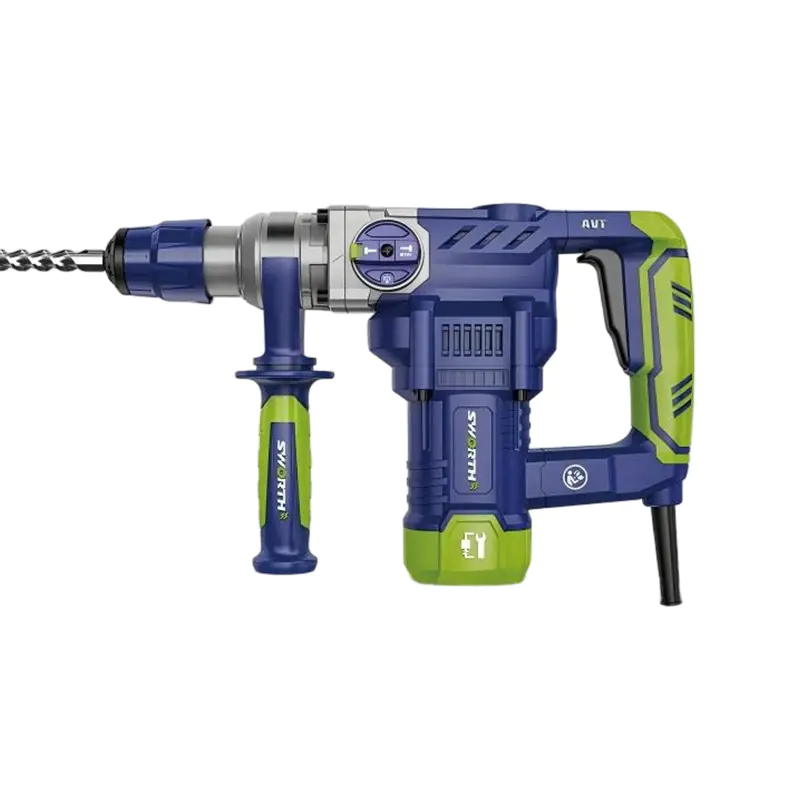
Introduction to Pinhole Reinforcement Hammer
The Pinhole Reinforcement Hammer is an essential tool in construction and mining projects for targeted breaking and reinforcement tasks.
- Precision design: Its compact head and focused impact allow for precise material penetration.
- Hydraulic or pneumatic operation: Depending on the model, the hammer delivers consistent energy to small areas without damaging surrounding structures.
- Durability: Built with reinforced components to withstand repeated use in demanding conditions.
Assessing Current Efficiency Levels
Understanding the current performance of the Pinhole Reinforcement Hammer is one step toward improvement.
- Impact energy delivery: Monitor how much force is effectively transferred to the target material.
- Cycle speed: Track the number of strikes per minute and how consistently the hammer operates.
- Material compatibility: Evaluate how efficiently it works with different rock types or concrete densities.
Optimizing Operator Technique
The efficiency of any Pinhole Reinforcement Hammer heavily depends on the operator’s skill.
- Proper positioning: Ensure the hammer is aligned perpendicular to the surface for energy transfer.
- Controlled application: Avoid excessive force that can cause tool rebound or material over-fracture.
- Consistent rhythm: Maintaining a steady strike pattern reduces energy loss and improves penetration.
Adjusting Hammer Settings
Modern Pinhole Reinforcement Hammers often have adjustable settings to match project needs.
- Impact energy adjustment: Increase or decrease force depending on material hardness and project requirements.
- Blow frequency: Higher cycles can accelerate progress on softer materials, while lower frequency prevents tool wear on harder materials.
- Stroke length optimization: Adjusting the piston stroke ensures energy efficiency without unnecessary stress on the hammer.
Maintenance and Component Care
Regular maintenance directly contributes to consistent efficiency.
- Lubrication: Ensure hydraulic or pneumatic components are properly lubricated to prevent friction loss.
- Wear part inspection: Check chisel tips, pistons, and seals frequently to avoid an efficiency drop from worn components.
- Hydraulic or air system checks: Monitor pressure levels and fluid or air quality to maintain suitable performance.
Using Appropriate Machinery
Efficiency can be improved by pairing the Pinhole Reinforcement Hammer with the right supporting equipment.
- Compatible excavators or carriers: Ensure the mounting system can handle the hammer’s weight and force.
- Hydraulic power matching: The supporting machinery should provide adequate flow and pressure to maintain energy output.
- Mobility considerations: Efficient positioning and mobility reduce setup time and increase productivity.
Enhancing Worksite Conditions
The environment where the hammer is used can influence performance.
- Stable surface support: Reduce vibration and movement by ensuring the base equipment is properly secured.
- Material preparation: Pre-scoring or lightly weakening surfaces can reduce the hammer’s workload.
- Temperature and weather considerations: bad cold or moisture may reduce hydraulic efficiency or air pressure, requiring adjustments.
Training and Continuous Improvement
Investing in operator training ensures long-term efficiency gains.
- Skill development: Operators trained in tool handling, alignment, and force control achieve faster results.
- Performance monitoring: Track completion rates, energy use, and maintenance data to identify improvement areas.
- Practice sharing: Encourage feedback and technique sharing among operators to refine methods.
Improving the efficiency of the Pinhole Reinforcement Hammer requires a combination of proper equipment selection, operator skill, maintenance, and optimized worksite conditions.
- Adjusting hammer settings for material hardness and blow frequency ensures energy is effectively applied.
- Regular maintenance and inspection prevent performance loss due to worn parts or hydraulic inefficiencies.
- Operator training and proper technique improve penetration while reducing tool wear.
Construction and mining professionals can enhance productivity, reduce downtime, and extend the service life of the Pinhole Reinforcement Hammer, achieving better results in a variety of project scenarios.
Recommended Products
-
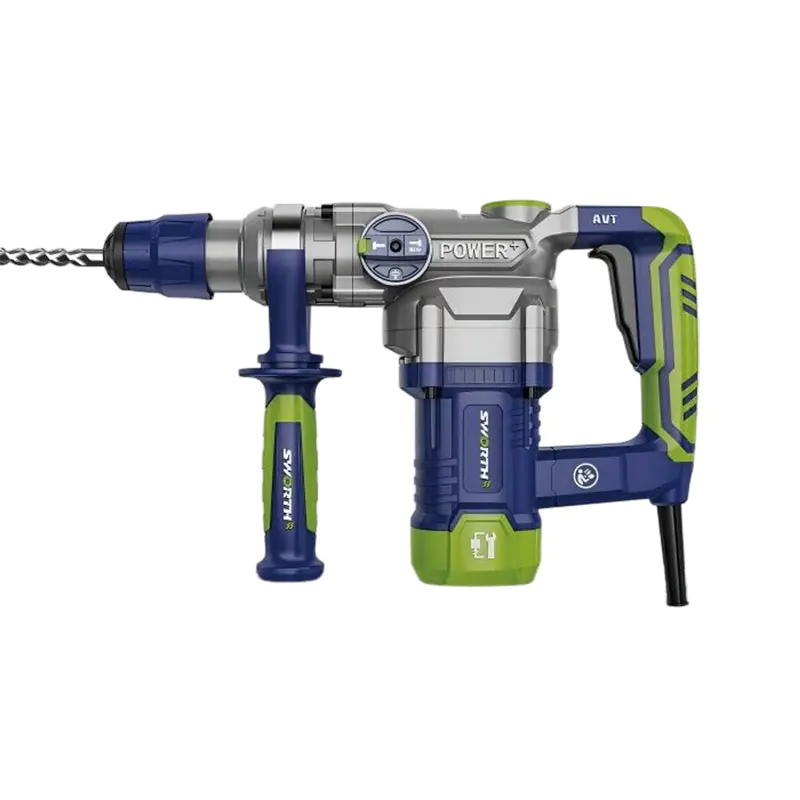


SW528 Small Hole Rebar Hammer
-
SW932 Groove Sandblasting Hammer
-
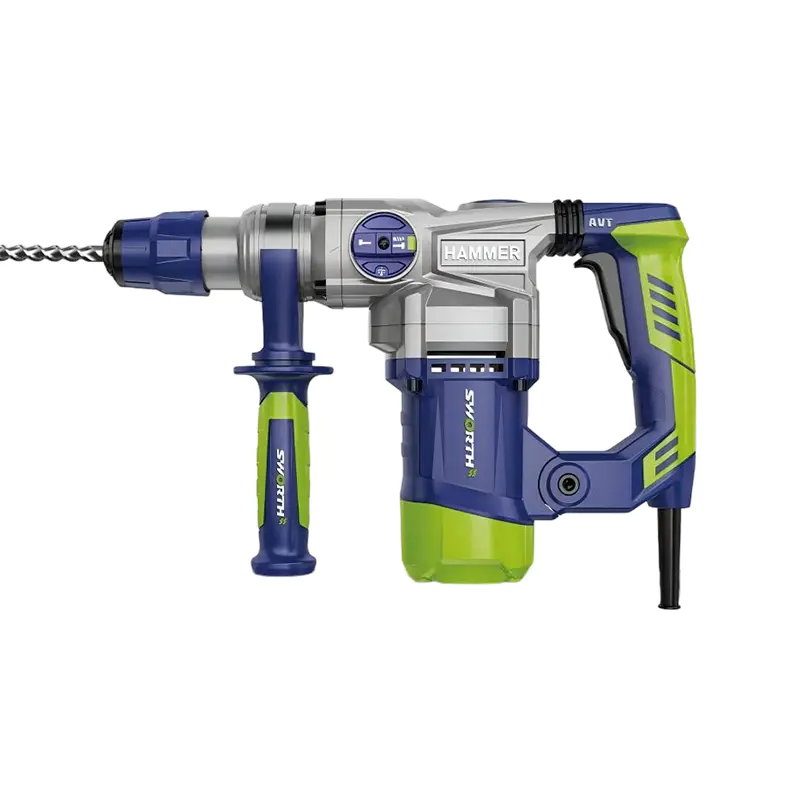
SW9362A Large Hole Rebar Hammer
-
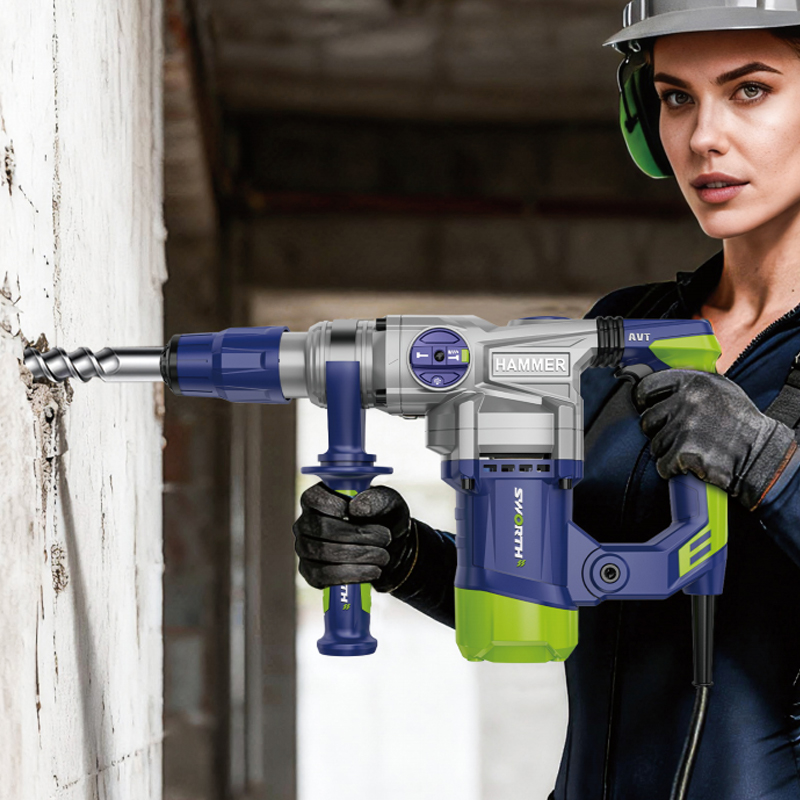
SW940 Enlarged Hole Rebar Hammer
-
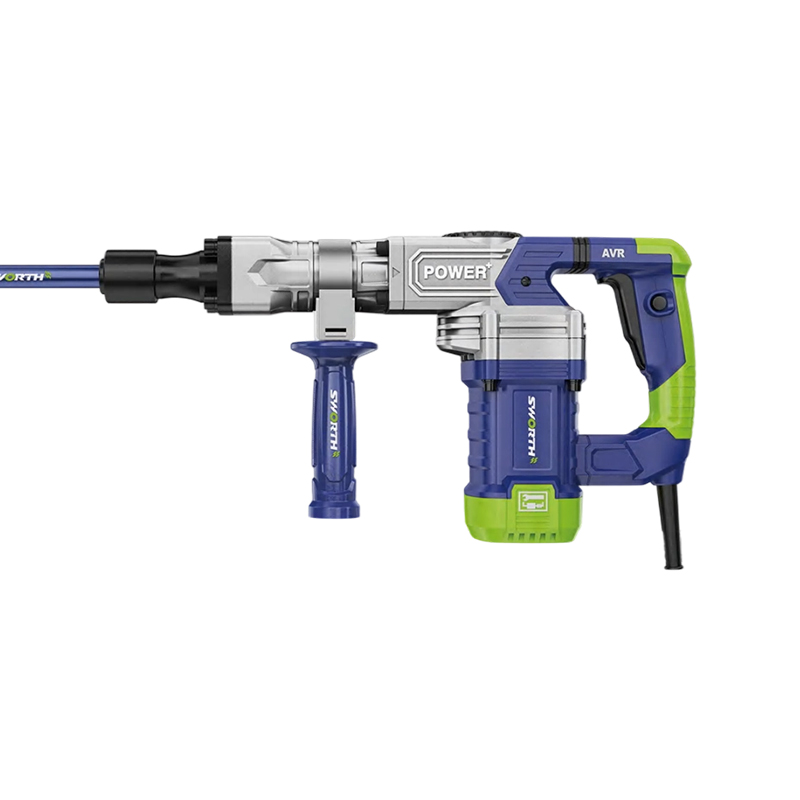
SW35S1 Powerful Demolition Hammer
-
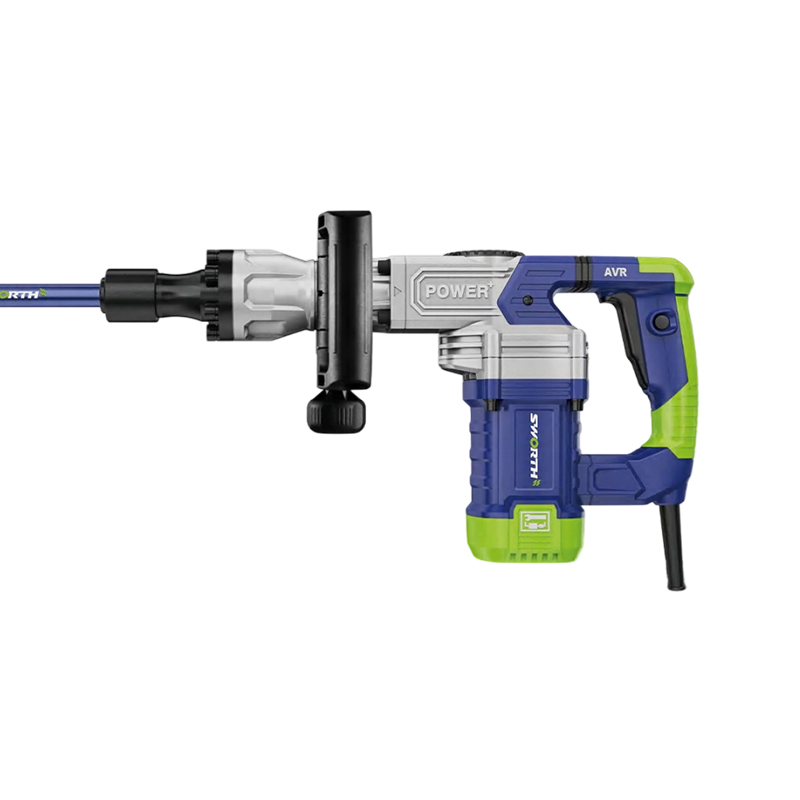
SW35S2 High-Efficiency Heat Dissipation Demolition Hammer
-
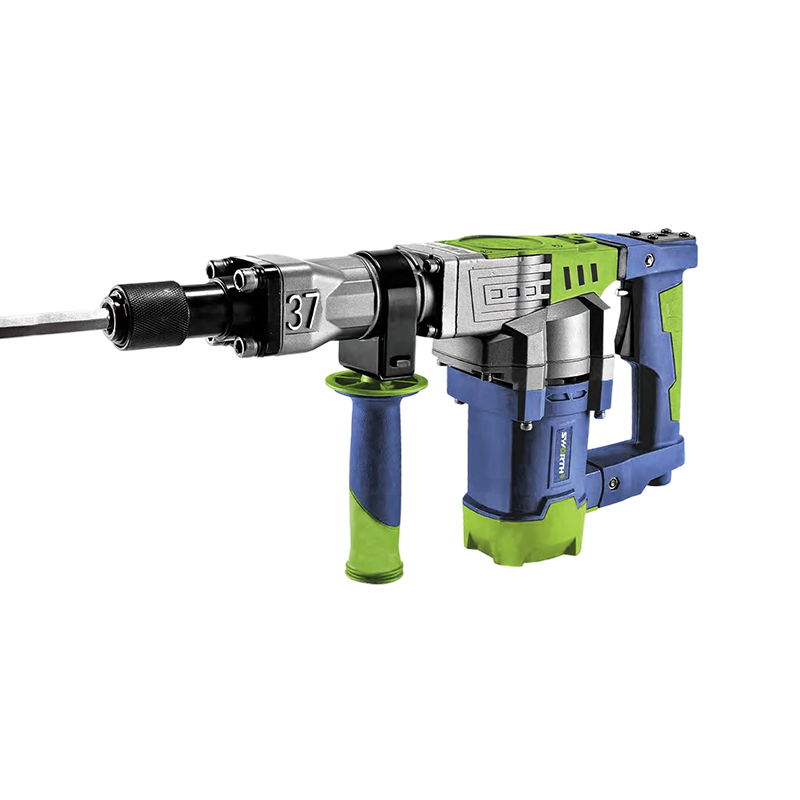
SW9371 High-Power Demolition Hammer
-
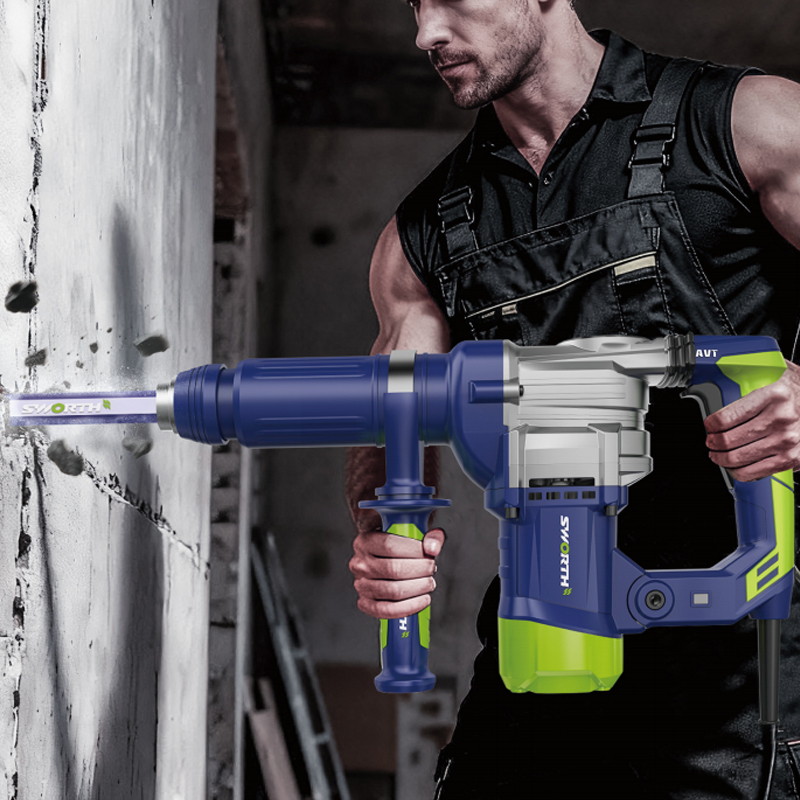
SW9373 Anti-Scalding Carbon Brush Holder Demolition Hammer
-
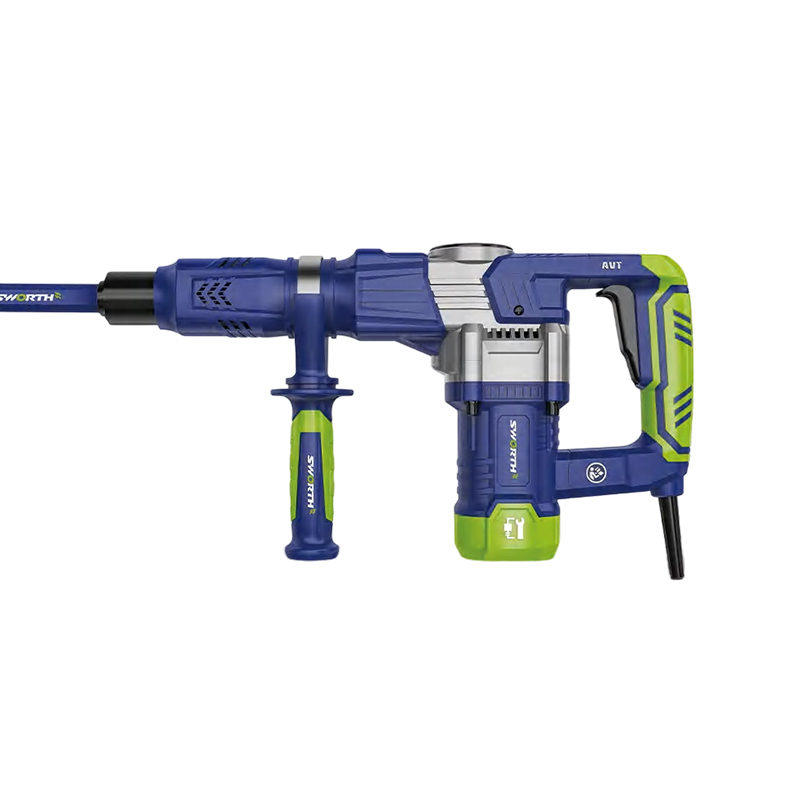
SW535 Powerful Anti-Scalding Demolition Hammer
-
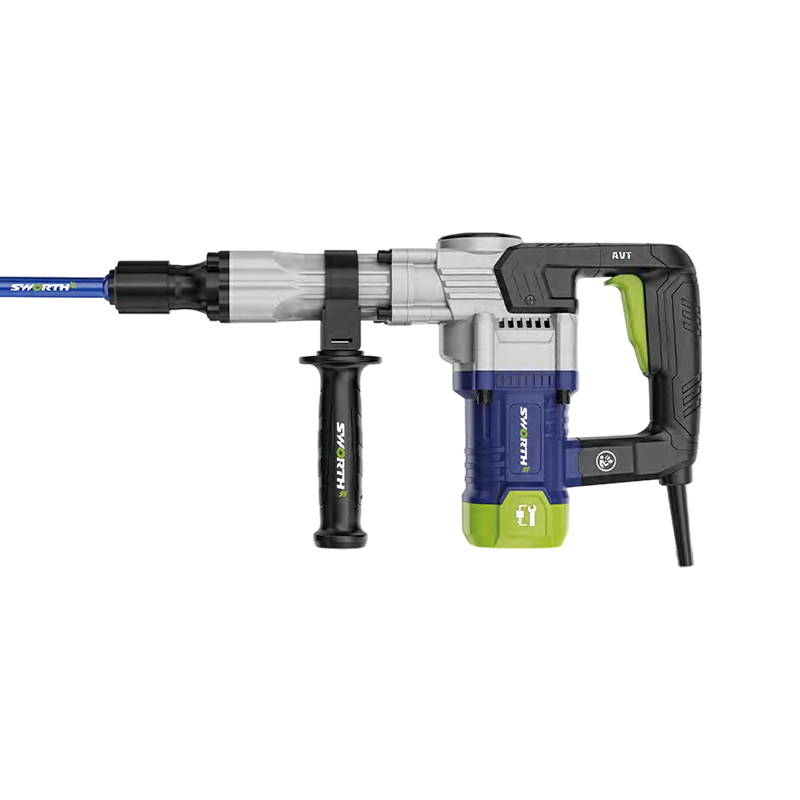
SW535-2 Durable Powerful Demolition Hammer
-
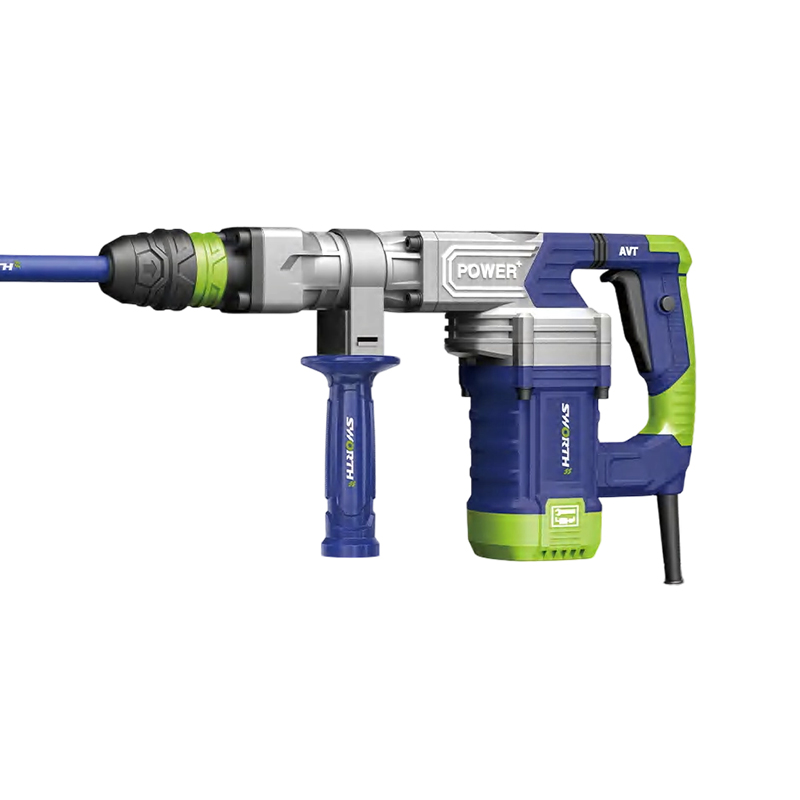
SW35S3 Five-Pipe Drill Bit Demolition Hammer
-

SW11E Five-Pipe Clamping Demolition Hammer
 +86-18314829275
 sale@sworthtools.com
 No. 101, Yugui Road, chengxi Industrial Zone, Yongkang City, Zhejiang Province, China
Copyright© Yongkang Siwei Technology Co., Ltd. All Rights Reserved

Hammer Tools & Cordless Garden Tools Manufacturer
