 English
 русский
 Español
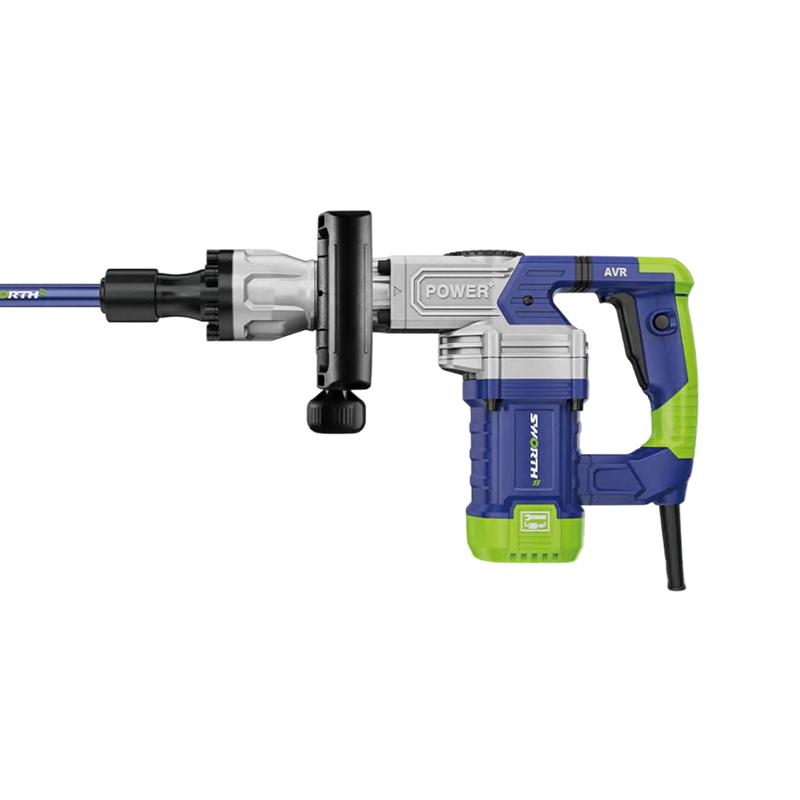
High-Efficiency Heat Dissipation Demolition Hammer: Keeping Cool When the Work Won't Stop
A demolition hammer runs hard. The motor generates heat. The hammer mechanism generates heat. Without proper cooling, the tool overheats, the grease thins, and the motor burns out. A high-efficiency heat dissipation demolition hammer pulls heat out fast enough to keep running when a standard hammer needs a rest.
Where the Heat Comes From
Two sources work together to cook the tool. The motor windings heat up under load. The piston and striker generate frictional heat with every blow. In a standard hammer, those two heat sources saturate the housing. The grease degrades. The winding insulation breaks down. A high-efficiency heat dissipation demolition hammer shortens the required cool-down period or eliminates it by moving heat out as fast as it builds up.
Airflow Design
Most hammers use a fan mounted on the motor shaft. It pulls air through inlet vents, across the motor, and out exhaust vents. That works if the airflow path is unobstructed. A high-efficiency design directs air over both the motor and the hammer mechanism before it exits. Baffles inside the housing guide air where it is needed rather than letting it take the shortest path out.
Vent placement matters. Inlets on the top or sides pull clean air when the tool is upright. Vents on the bottom suck in dust. Exhaust vents should direct hot air away from the operator. A factory that positions vents with attention to how the tool is held and laid down has thought beyond the CAD model.
Material Choices
Aluminium and magnesium housings conduct heat better than plastic. A metal housing spreads heat from hot spots across the entire surface, dumping more into the surrounding air. Some designs use a metal inner frame with a plastic outer shell to keep the exterior safe to touch. External fins on the motor housing increase surface area for cooling. Internal thermal paste between the stator and housing bridges the air gap. These details add cost and pay back in longer duty cycles on the jobsite.
The tool shank where the chisel seats is another hot spot. Friction generates concentrated heat at the nose. A vent near the tool holder or a copper heat pipe embedded in the nose pulls that heat back toward the main airflow. Without it, the grease burns, the retainer wears, and the chisel sticks.
Duty Cycle and Protection
A high-efficiency heat dissipation demolition hammer should still carry a rated duty cycle. A continuous-duty rating means the tool can run until the job is done. A factory that publishes a continuous-duty rating has tested the tool at full load in high ambient temperature. Overheating protection backs up the cooling design. A thermal sensor on the windings cuts power before temperatures reach damaging levels. That is better than cooking the motor.
Here is what to check on a sample:
- Run the hammer at full load for twenty minutes and measure housing temperature at the motor, mechanism, and tool holder
- Feel the exhaust air—it should be warm, not cool, which signals heat is being pulled out
- Check inlet vents after an hour of dusty work for clogging
- Confirm thermal protection triggers before the housing becomes too hot to touch
A high-efficiency heat dissipation demolition hammer factory that gets the airflow, the materials, and the thermal protection right builds a hammer that runs longer on hot days and survives more total hours. One that skips these details builds a hammer that feels powerful for ten minutes and fades as the heat soaks in. The difference is in the fan path, the fin design, and where the factory chose to put thermal paste instead of air. The things nobody sees until the tool is opened up.
Recommended Products
-
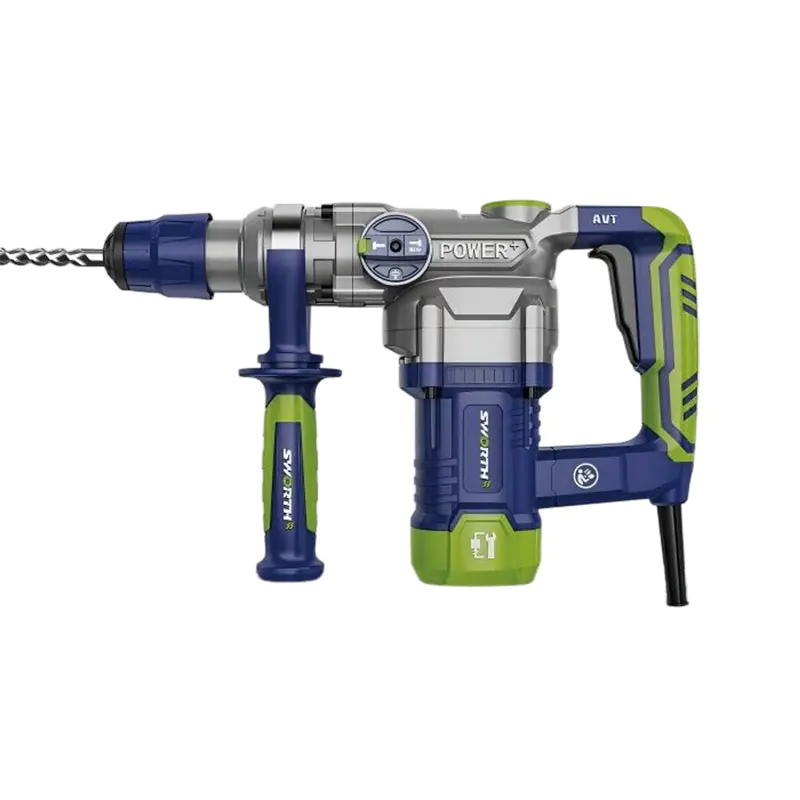


SW528 Small Hole Rebar Hammer
-
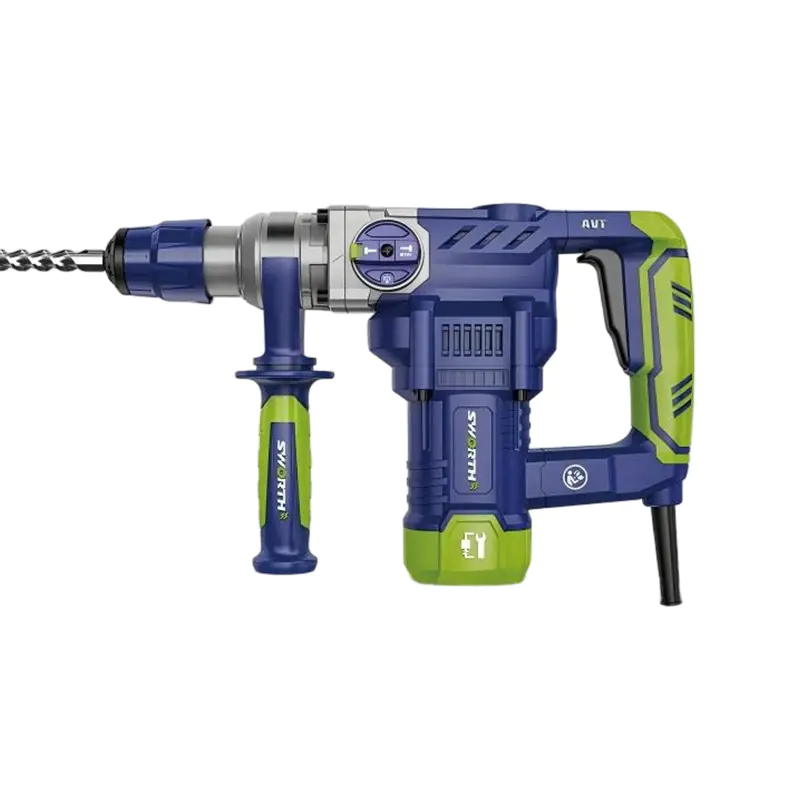
SW932 Groove Sandblasting Hammer
-
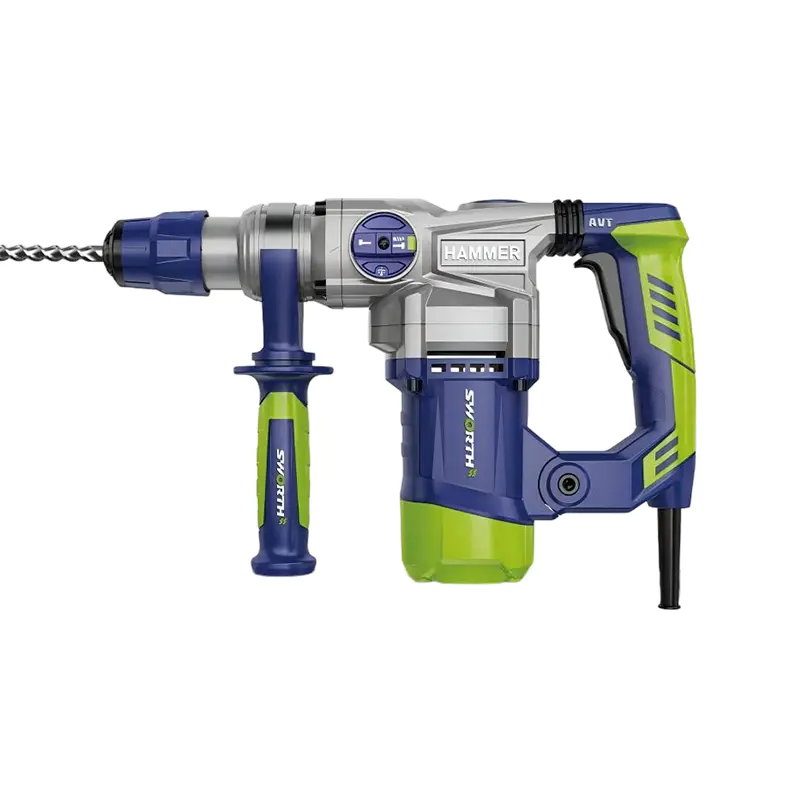
SW9362A Large Hole Rebar Hammer
-
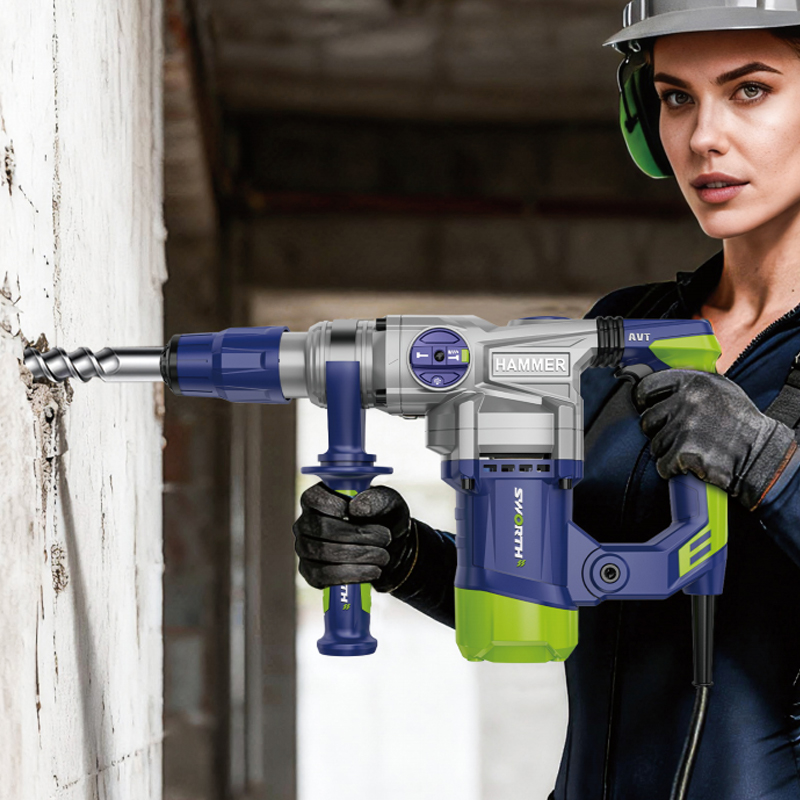
SW940 Enlarged Hole Rebar Hammer
-
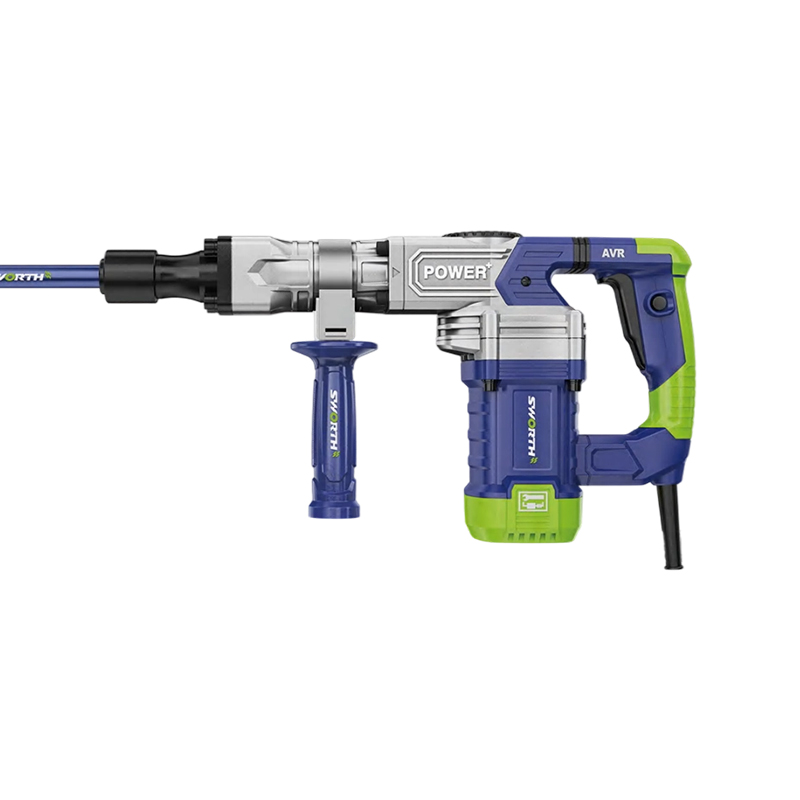
SW35S1 Powerful Demolition Hammer
-
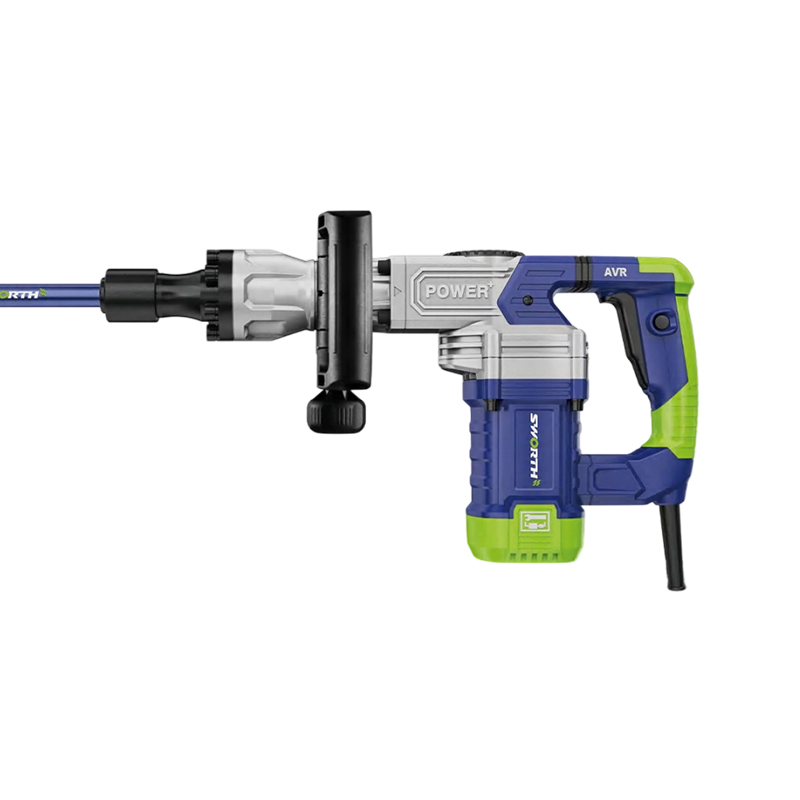
SW35S2 High-Efficiency Heat Dissipation Demolition Hammer
-
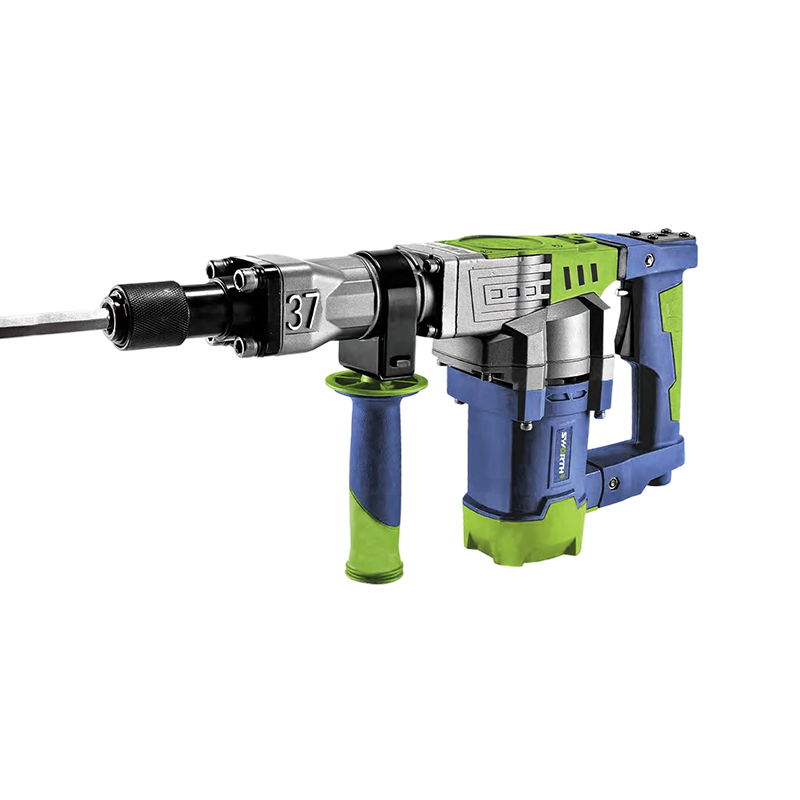
SW9371 High-Power Demolition Hammer
-
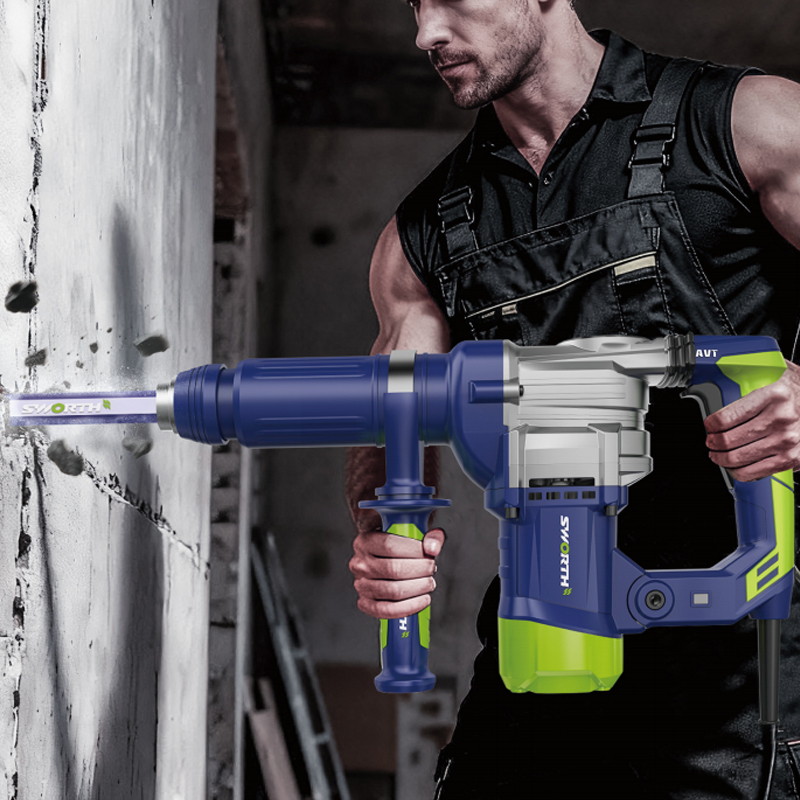
SW9373 Anti-Scalding Carbon Brush Holder Demolition Hammer
-
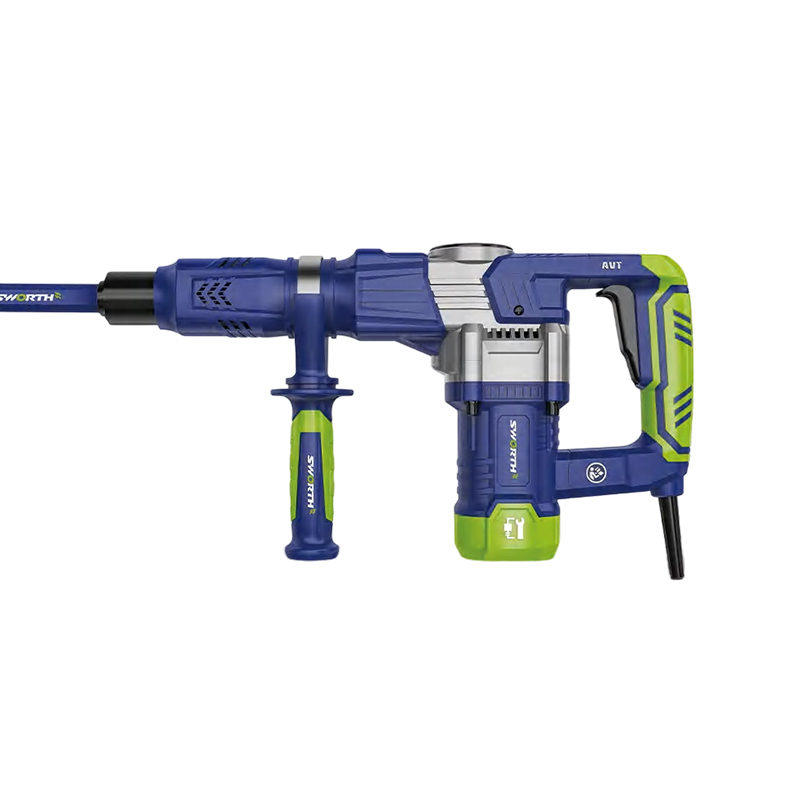
SW535 Powerful Anti-Scalding Demolition Hammer
-
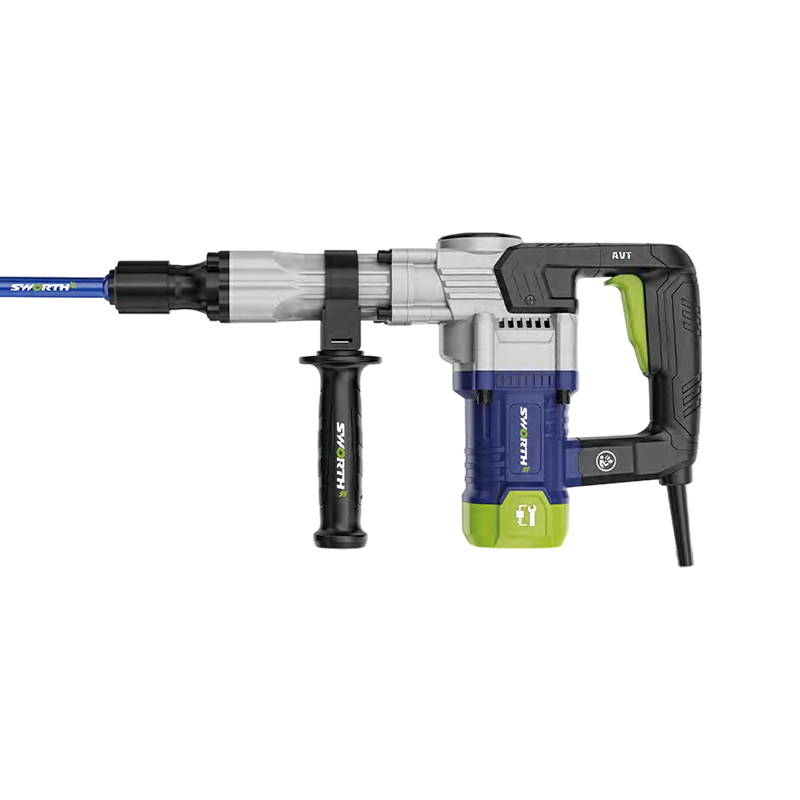
SW535-2 Durable Powerful Demolition Hammer
-
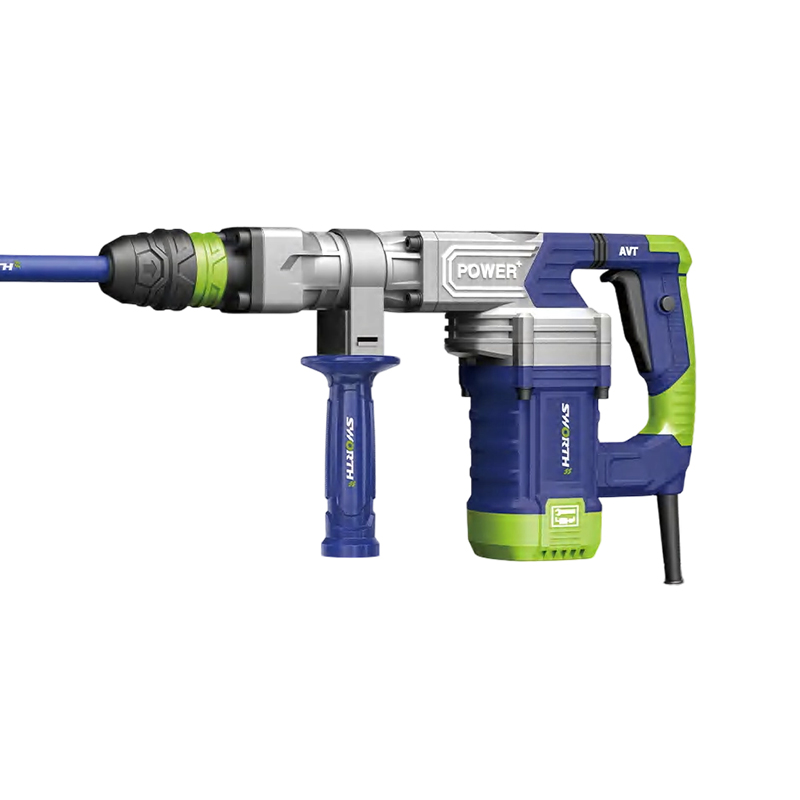
SW35S3 Five-Pipe Drill Bit Demolition Hammer
-

SW11E Five-Pipe Clamping Demolition Hammer
 +86-18314829275
 sale@sworthtools.com
 No. 101, Yugui Road, chengxi Industrial Zone, Yongkang City, Zhejiang Province, China
Copyright© Yongkang Siwei Technology Co., Ltd. All Rights Reserved

Hammer Tools & Cordless Garden Tools Manufacturer
