 English
 русский
 Español
Cutting Grooving Angle Grinder: The Tool That Chases Channels
A standard angle grinder runs one disc. A cutting grooving angle grinder runs two, with a spacer between them. One pass cuts both walls of a groove in concrete or stone. A second pass knocks out the middle. The groove becomes a channel for pipes or cable. A cutting grooving angle grinder factory that gets the spindle, the dust shroud, and the motor load right builds a tool that cuts clean and runs cool.
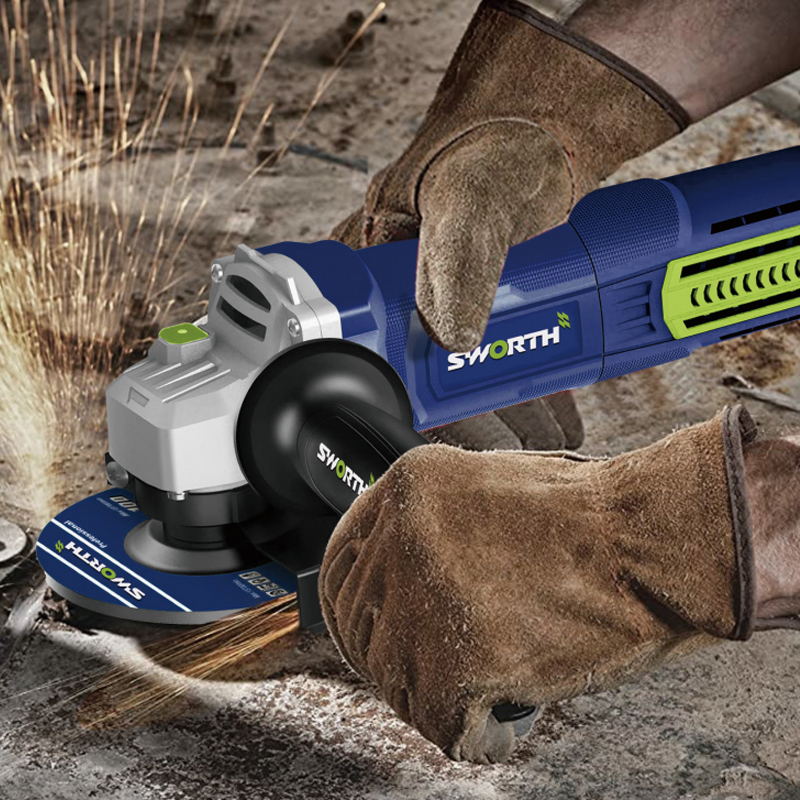
Dual Blades and Spindle Load
Two blades mount on a single spindle with a spacer ring setting the groove width, commonly 10 to 40 millimetres. Depth runs 20 to 40 millimetres per pass. The spindle must be longer than a standard grinder spindle to seat both blades and still engage enough thread on the lock nut. The bearing housing also takes more side load because the cutting forces act across a wider lever arm. A cutting grooving angle grinder factory that uses a standard spindle and bearing set from a single-disc model is risking blade retention and early bearing wear.
Motor and Heat
Running two blades through masonry doubles the cutting resistance. The motor pulls more current and heats up faster. A cutting grooving angle grinder specs a higher-torque motor with better cooling than a standard grinder of the same disc diameter. Dust makes cooling harder. Grooving creates fine silica that clogs air inlets. A sealed motor housing with a dedicated cooling path that bypasses the dust zone keeps internal temperatures down. A factory that puts a standard motor in a dual-blade housing gets short run times and early thermal cutouts.
Dust Shroud and Vacuum
Grooving concrete without dust control fills the air with silica. A proper cutting grooving angle grinder integrates a shroud that connects to a vacuum. The shroud surrounds both blades with a brush seal or rubber skirt that rides the wall without catching. A rigid plastic shroud without a seal leaks dust from the edges. The vacuum port should swivel so the hose does not fight the operator. A cutting grooving angle grinder factory that offers a swivelling port and a spring-loaded depth adjustment has tested the tool on walls and overhead, not just on a bench.
Blade Changes and Vibration
Blades wear. Spacers get lost. A captured spacer ring that stays on the spindle when blades are removed speeds up changes. A loose spacer falls in the dust and gets replaced with improvised washers, which throws groove width off. The guard should open without tools. A guard that needs a hex key gets left at one depth.
Two blades vibrate more than one. Rubber-isolated handles reduce the buzz. The side handle should mount on either side of the gear housing. A grinder that only accepts a side handle on one side forces half of users into a compromised grip.
Here is what separates a purpose-built tool from a modified grinder:
- Extended spindle with reinforced bearings for dual-blade load
- Higher-torque motor with cooling path isolated from dust
- Integrated shroud with brush seal and swivelling vacuum port
- Captured spacer ring and tool-free guard adjustment
- Anti-vibration handles mountable on both sides
A cutting grooving angle grinder factory that builds around the dual-blade load produces a machine that cuts clean channels and handles the dust. One that bolts a second blade onto a standard grinder produces a tool that wanders, overheats, and fills the air with silica. The difference is in the spindle length, the motor cooling, and the shroud seal. Things you see in the groove quality and the air quality after a day of cutting.
Recommended Products
-
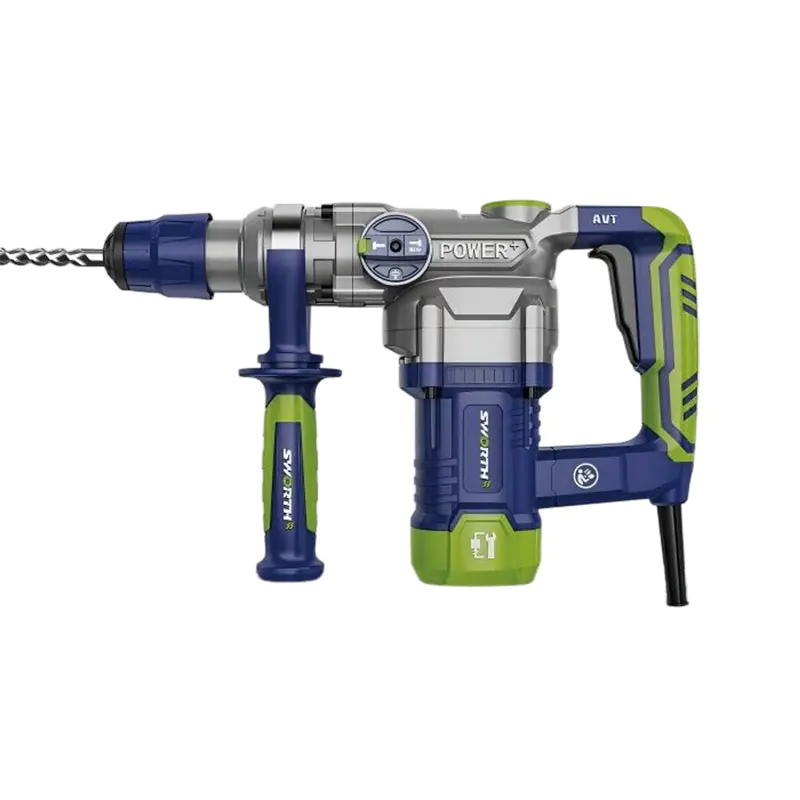


SW528 Small Hole Rebar Hammer
-
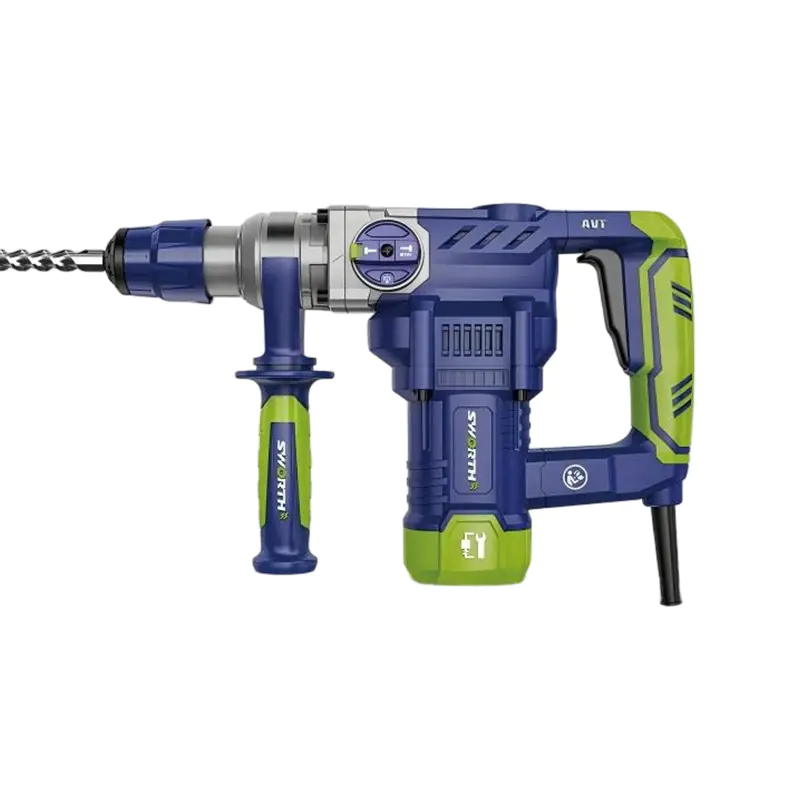
SW932 Groove Sandblasting Hammer
-
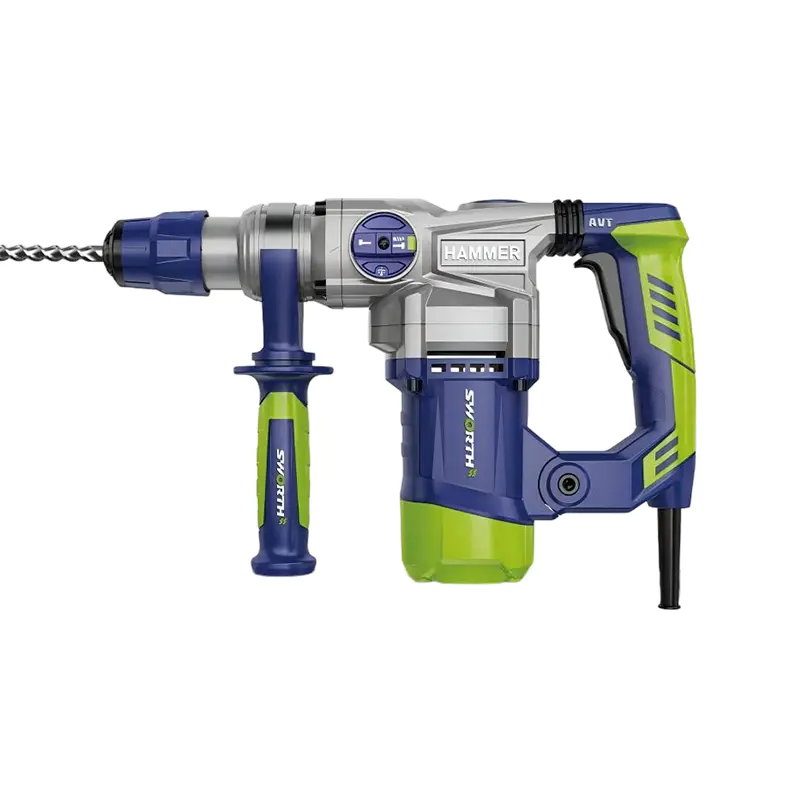
SW9362A Large Hole Rebar Hammer
-
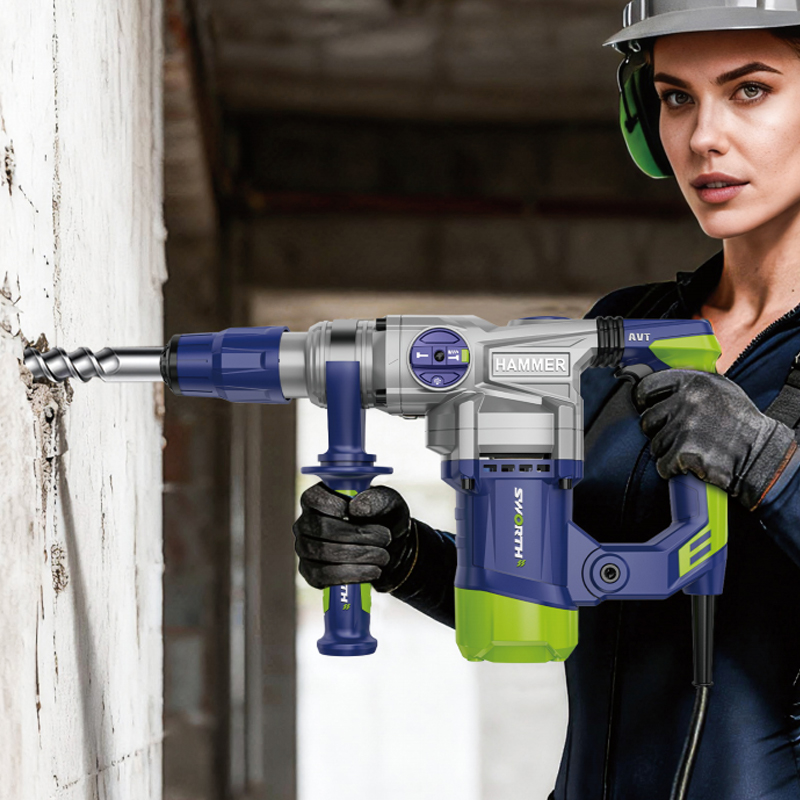
SW940 Enlarged Hole Rebar Hammer
-
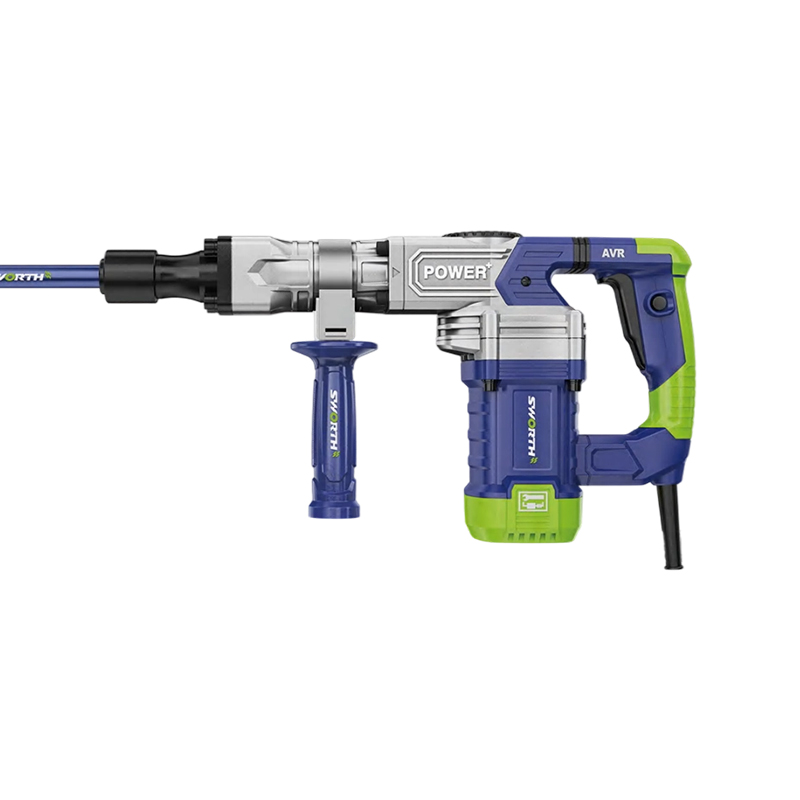
SW35S1 Powerful Demolition Hammer
-
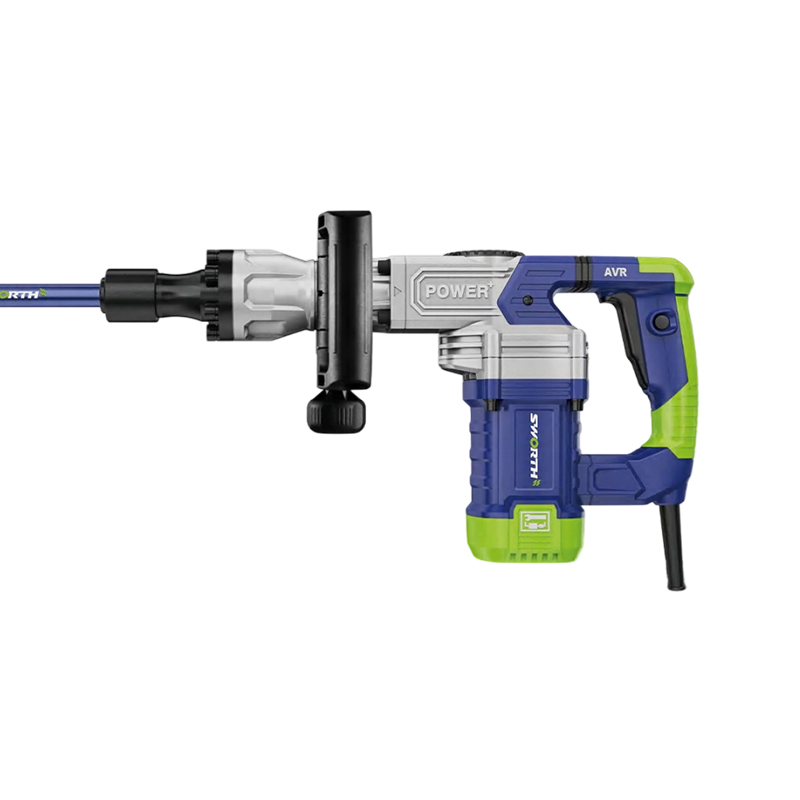
SW35S2 High-Efficiency Heat Dissipation Demolition Hammer
-
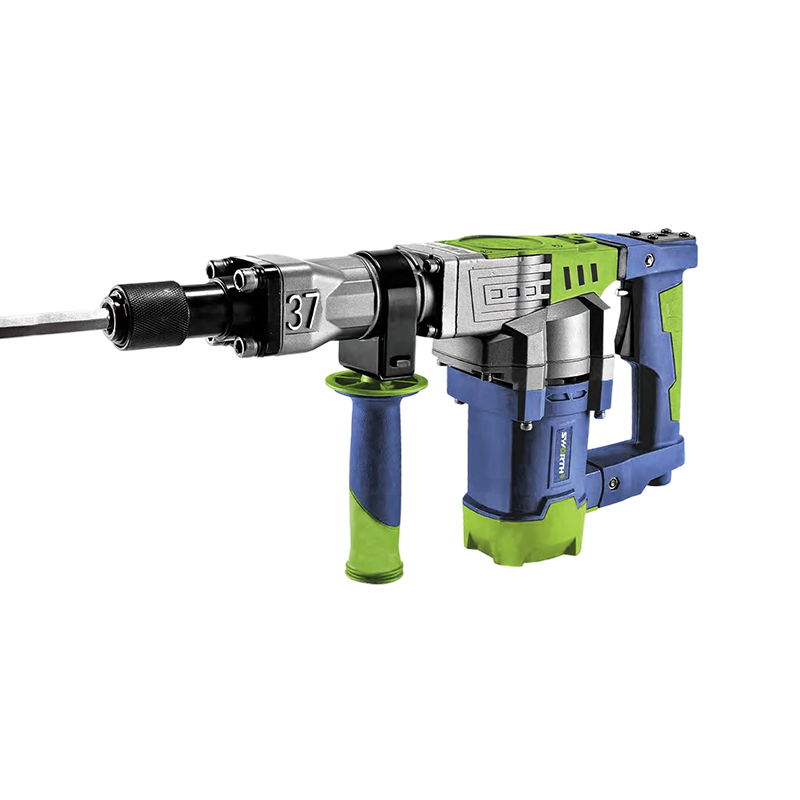
SW9371 High-Power Demolition Hammer
-
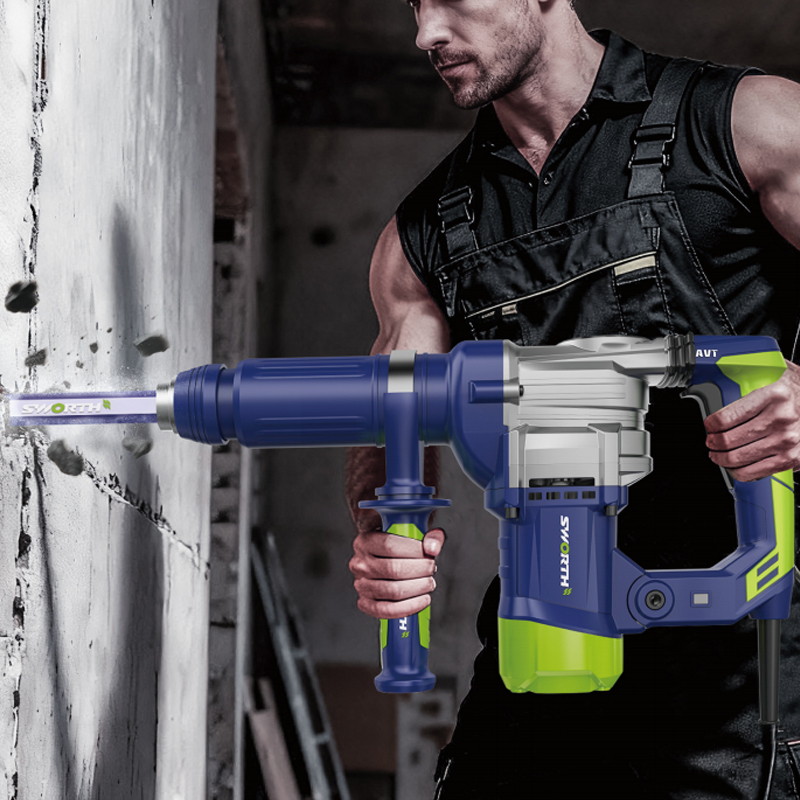
SW9373 Anti-Scalding Carbon Brush Holder Demolition Hammer
-
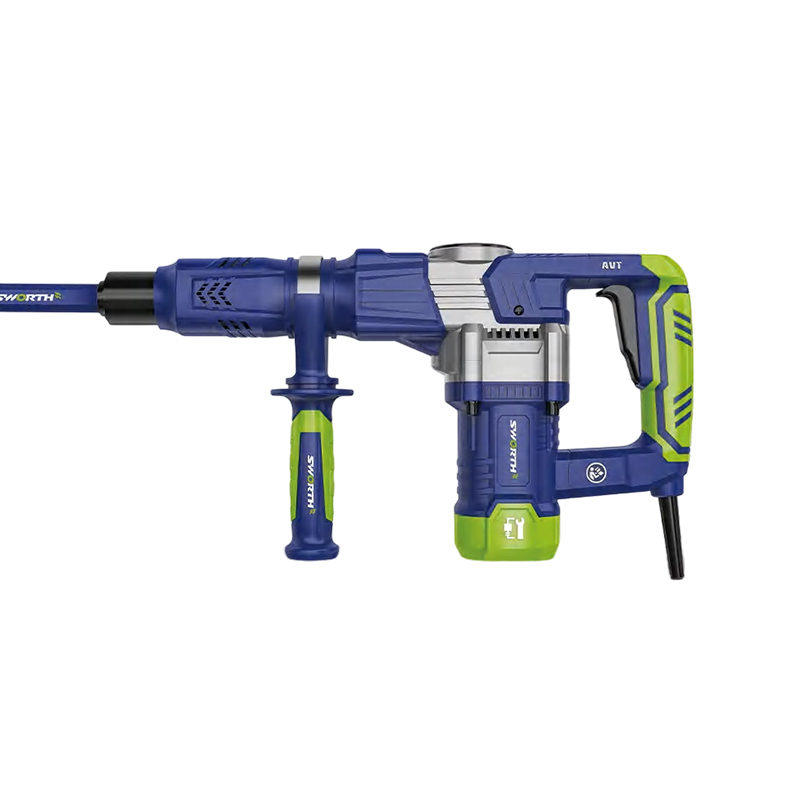
SW535 Powerful Anti-Scalding Demolition Hammer
-
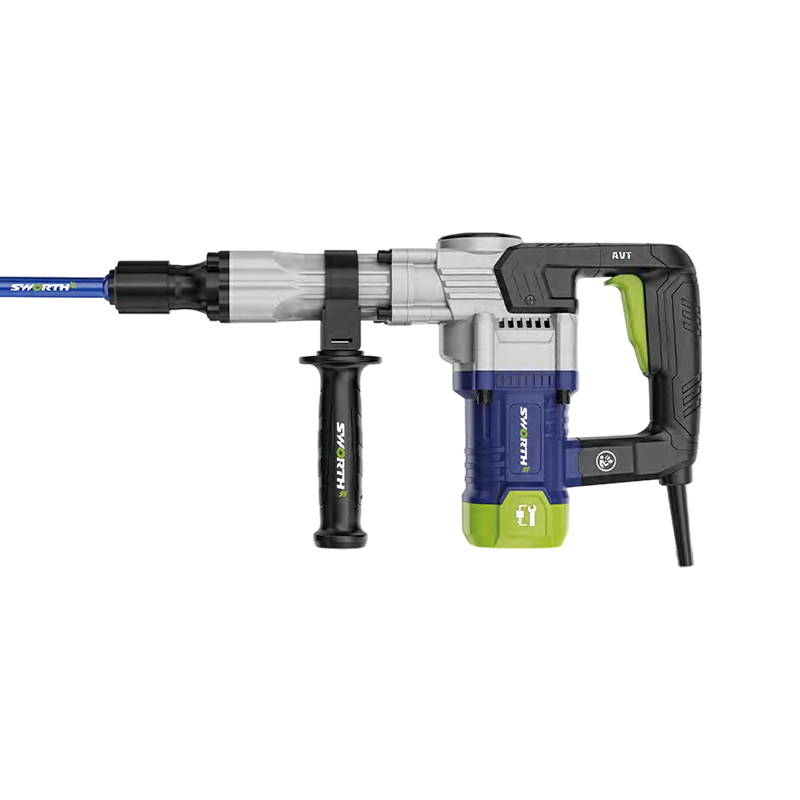
SW535-2 Durable Powerful Demolition Hammer
-
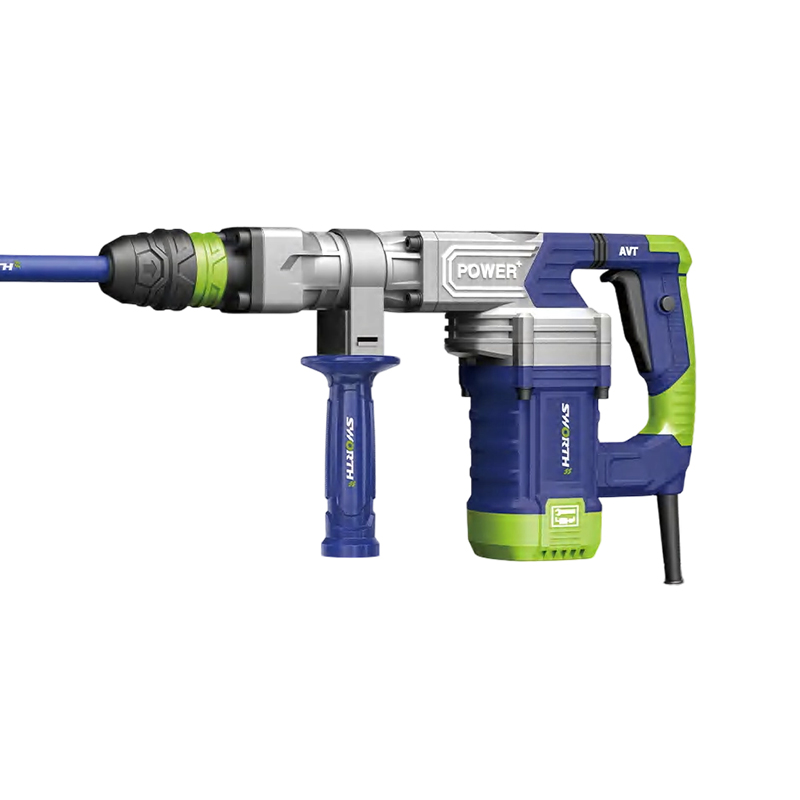
SW35S3 Five-Pipe Drill Bit Demolition Hammer
-

SW11E Five-Pipe Clamping Demolition Hammer
 +86-18314829275
 sale@sworthtools.com
 No. 101, Yugui Road, chengxi Industrial Zone, Yongkang City, Zhejiang Province, China
Copyright© Yongkang Siwei Technology Co., Ltd. All Rights Reserved

Hammer Tools & Cordless Garden Tools Manufacturer
