 English
 русский
 Español
High-Efficiency Angle Grinder: Where the Power Goes
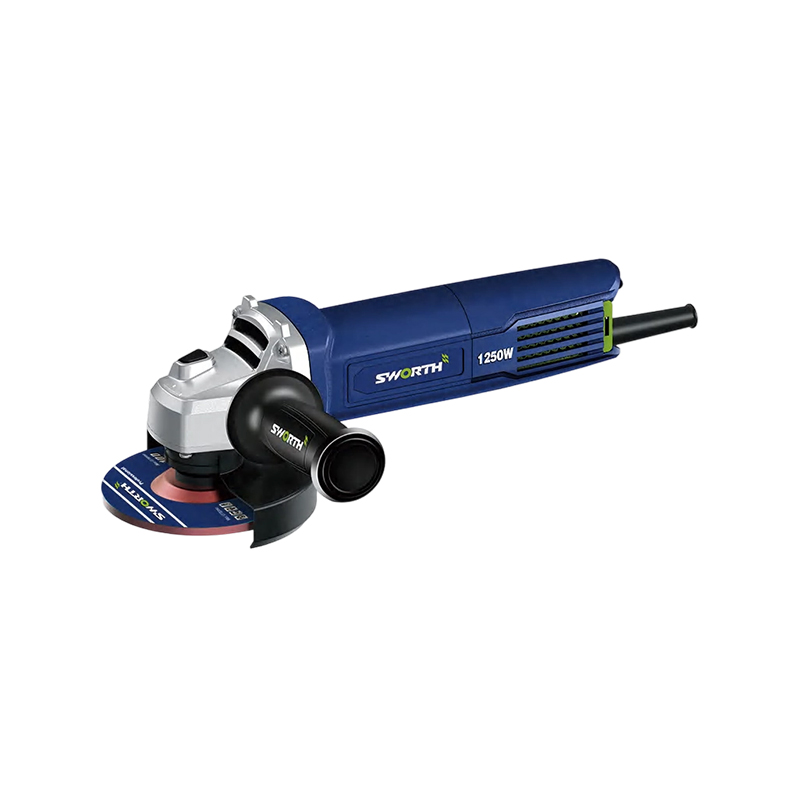
An angle grinder pulls current, spins a disc, and cuts. Some of that current turns into cutting power. Some turns into heat. A high-efficiency angle grinder is built to push more of it into the cut and less into the housing. The operator feels it in two places: how long the tool runs before it needs a rest, and how many discs it goes through in a week.
No Brushes, No Rub
Carbon brushes drag on a spinning commutator. That drag eats energy and makes heat. A brushless motor removes the brushes and uses an electronic controller to switch the current through the stator windings. Less drag, less heat, more spin per amp.
A high-efficiency angle grinder with a brushless motor stays cooler at the same load. Cooler means the power holds through a long pass instead of fading halfway. It also means the bearings and windings last longer. That is not a slogan. It is why the tool still cuts at the same rate on the last pass as it did on the first.
The Ninety-Degree Turn Costs Something
The motor spins one way. The disc spins ninety degrees off. The bevel gears make that turn, and every tooth contact gives up a little energy to friction. That is where a large share of the loss hides.
Ground gears with the right tooth profile and the right backlash give up less. A high-efficiency angle grinder passes more of the motor's power to the spindle, and the cut rate shows it. The gearbox also runs cooler, which keeps the oil and the bearings in better condition over the life of the tool.
Hold the Speed, Save the Disc
When the disc bites into steel, the load climbs. A grinder without speed control slows down. The operator leans in. The leaning makes heat, the disc glazes, and the cut drags. The operator changes the disc and the job falls behind.
A high-efficiency angle grinder reads the load and raises the current to hold the RPM. The disc keeps cutting at speed, wears evenly, and lasts longer. The cut stays steady from the first pass to the last, and the operator does not have to fight the tool.
Here is what a high-efficiency angle grinder has to get right:
- Brushless motor with electronic commutation
- Ground bevel gears with correct backlash
- Constant-speed control under load
- Overload and thermal protection
- Airflow reaching motor and gearbox
- Vibration control for the operator
Let the Heat Out
The heat that does not become cutting power has to leave. The fan pulls air through the housing, past the motor and the gearbox, and out the vents. The vents point away from the operator's hand. A high-efficiency angle grinder stays comfortable through a long session, so it does not get set down to cool while the work waits.
The Disc Is Half the Job
A grinder at full power with a dull disc still cuts slowly. The disc has to match the material and the operator has to use the right pressure. The tool supplies the power. The disc and the technique decide what happens with it. A high-efficiency angle grinder paired with the right disc removes more material per minute than a stronger grinder running the wrong one.
Where It Shows Up
A grinder that slows under load makes the operator push harder. That pressure wears discs faster. A high-efficiency angle grinder holds speed, the disc keeps cutting, and the disc budget drops. The gain shows up in consumables, not just runtime.
A high-efficiency angle grinder sends power to the disc instead of the housing. The brushless motor, the ground gears, and the constant-speed control do the work. Pick one with all three. The cut stays steady and the disc lasts.
Recommended Products
-
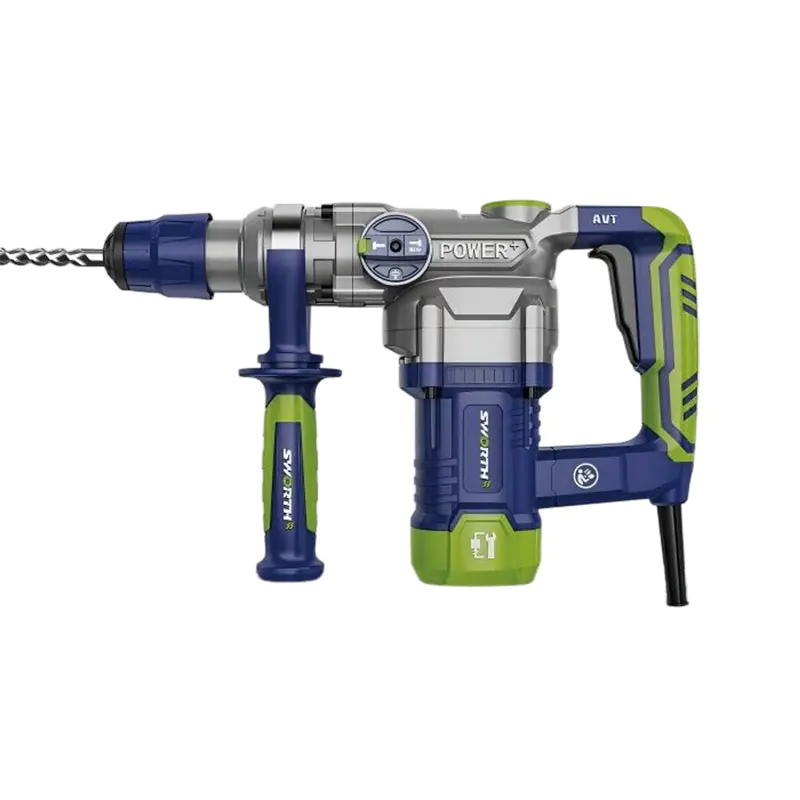


SW528 Small Hole Rebar Hammer
-
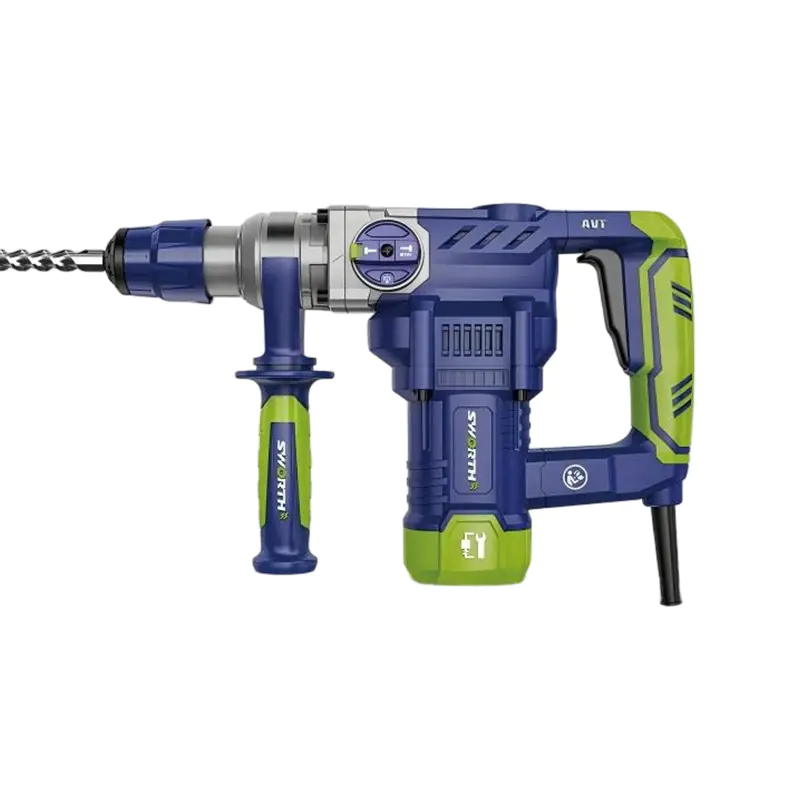
SW932 Groove Sandblasting Hammer
-
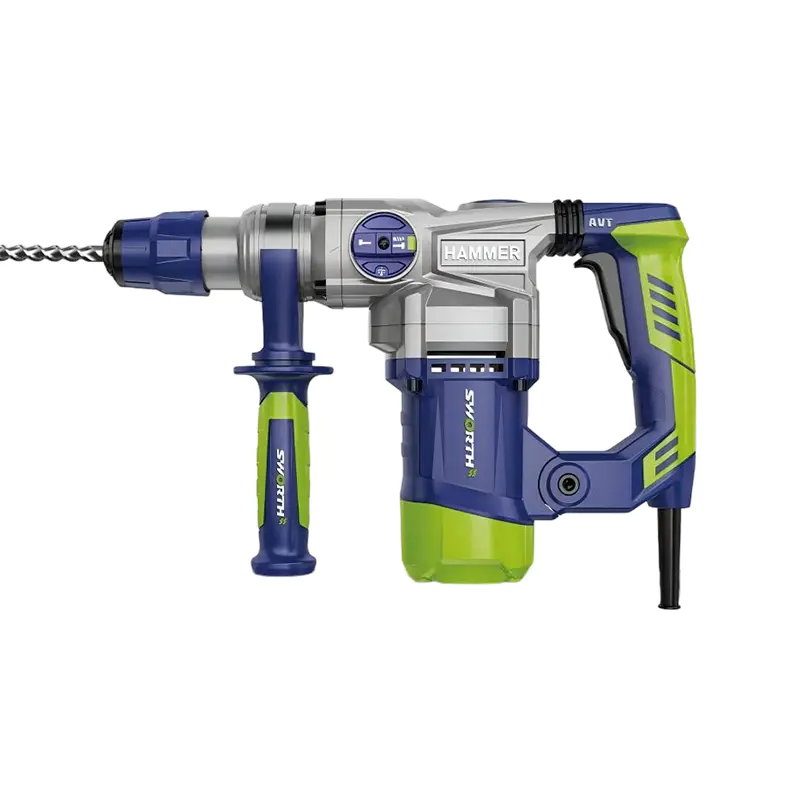
SW9362A Large Hole Rebar Hammer
-
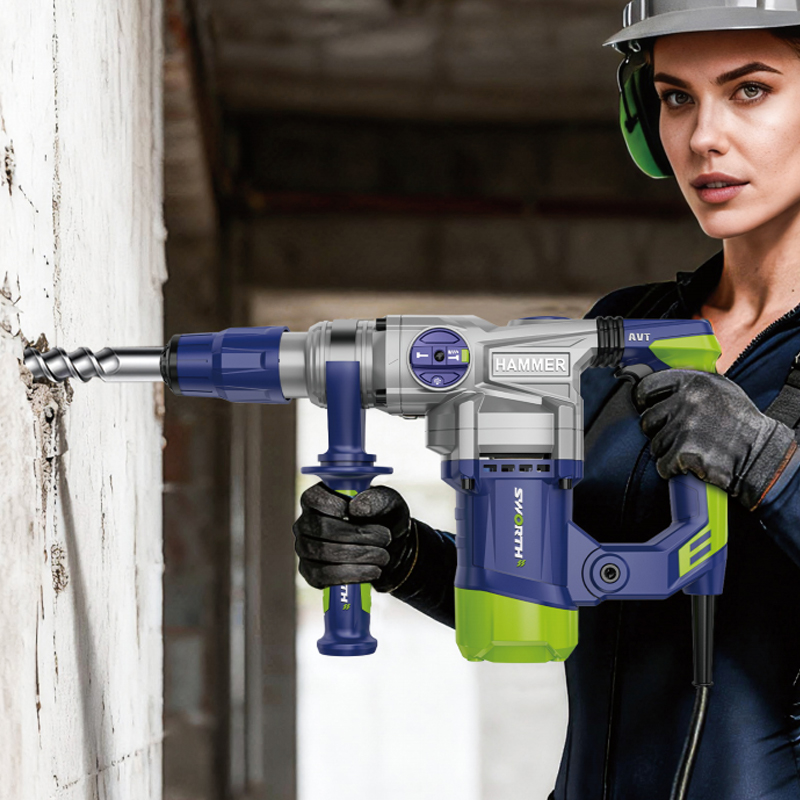
SW940 Enlarged Hole Rebar Hammer
-
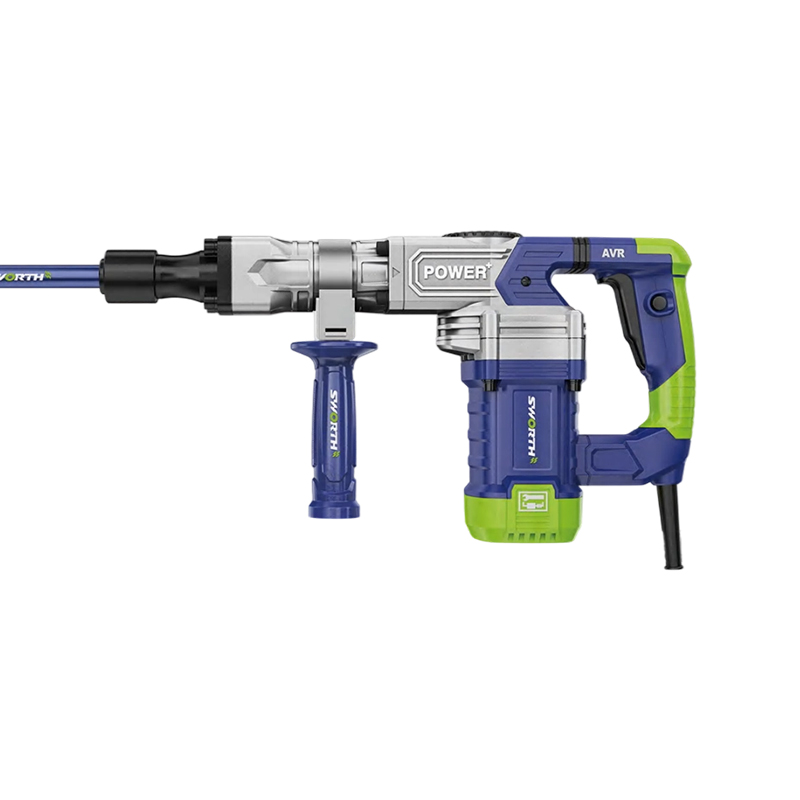
SW35S1 Powerful Demolition Hammer
-
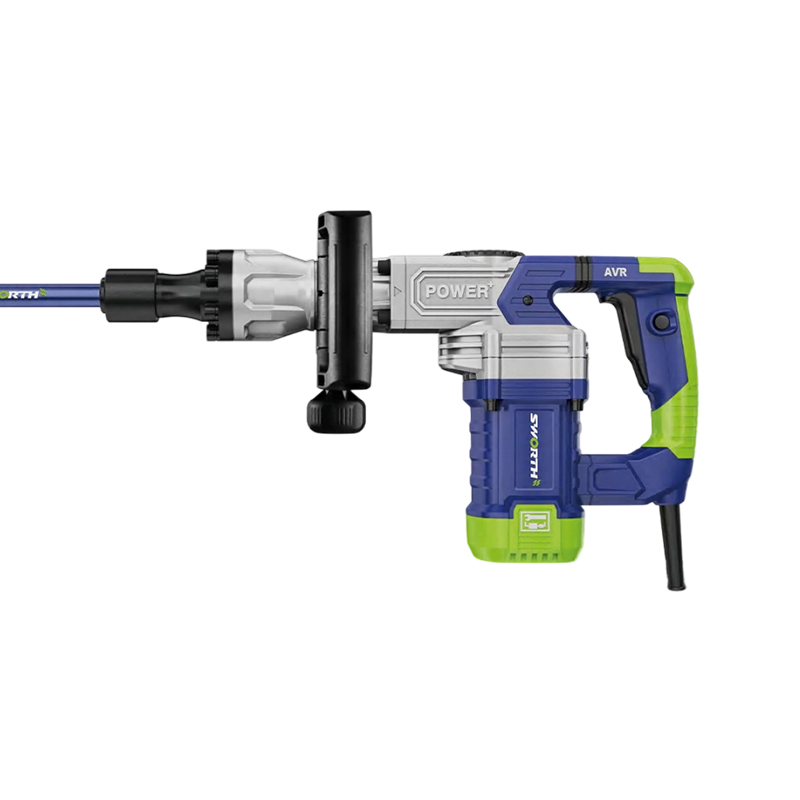
SW35S2 High-Efficiency Heat Dissipation Demolition Hammer
-
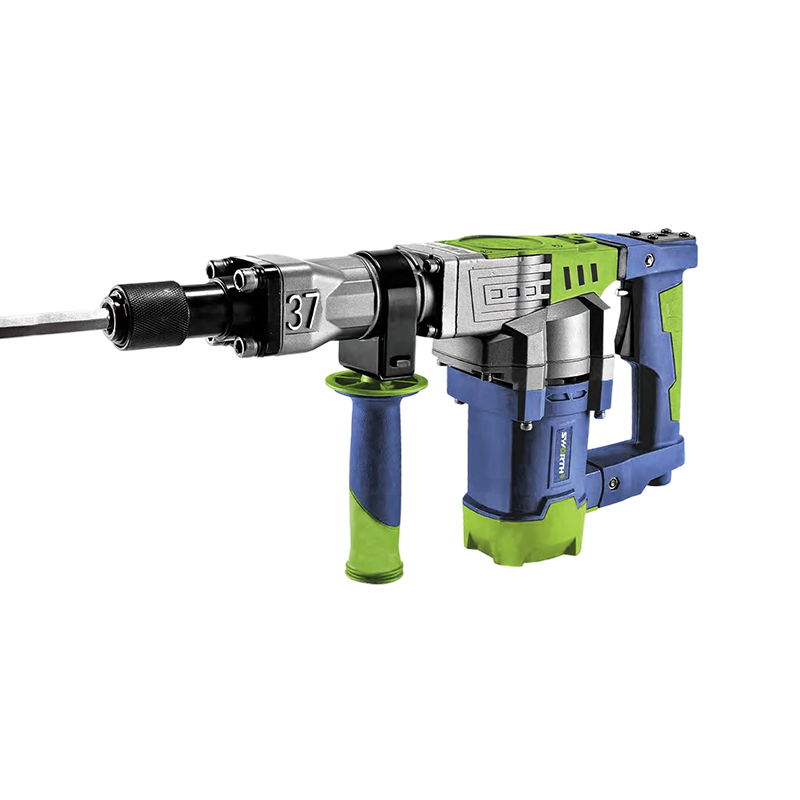
SW9371 High-Power Demolition Hammer
-
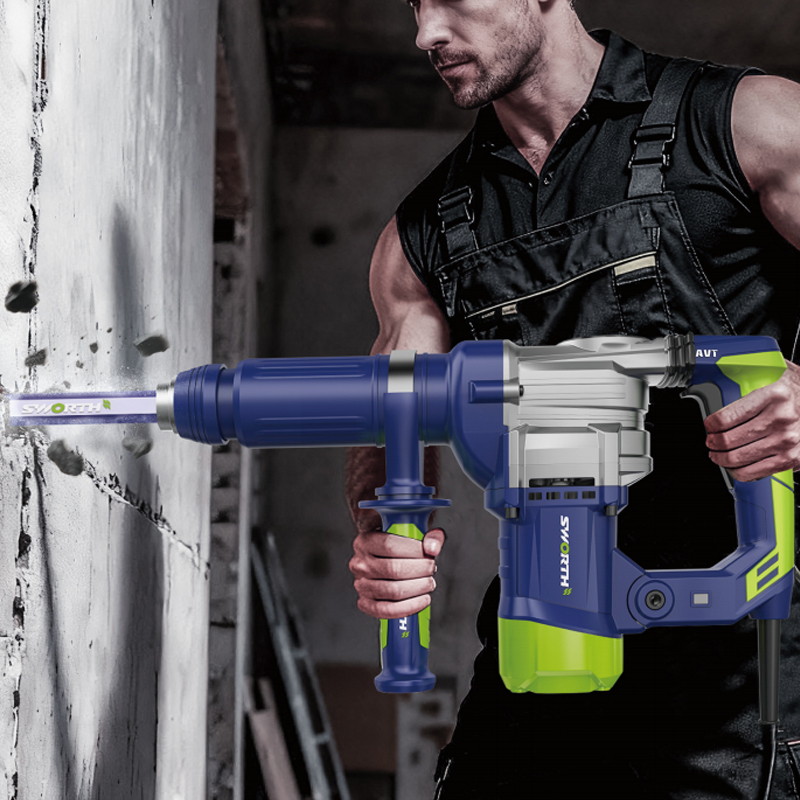
SW9373 Anti-Scalding Carbon Brush Holder Demolition Hammer
-
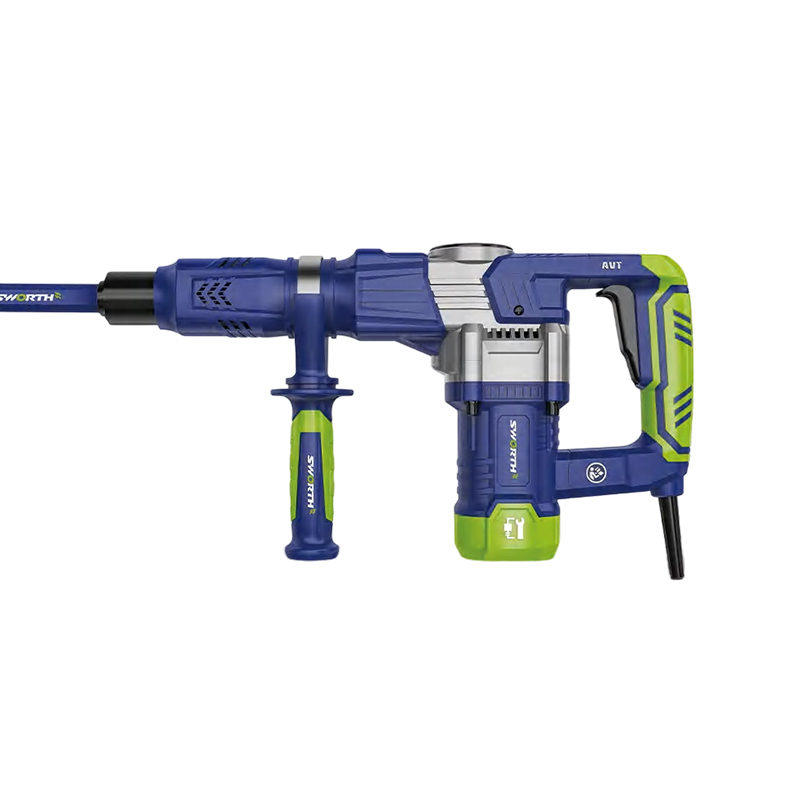
SW535 Powerful Anti-Scalding Demolition Hammer
-
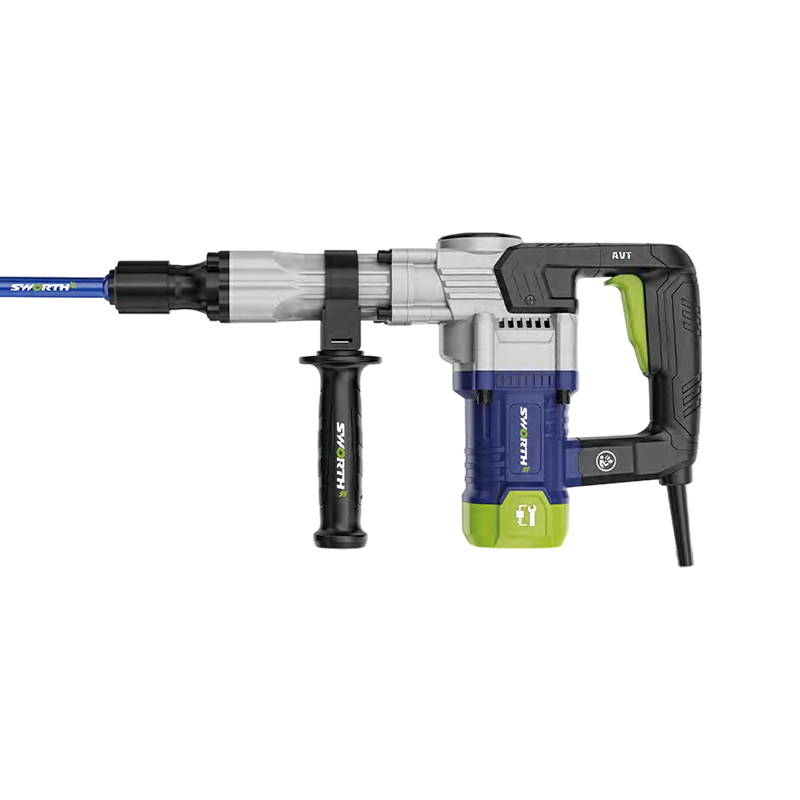
SW535-2 Durable Powerful Demolition Hammer
-
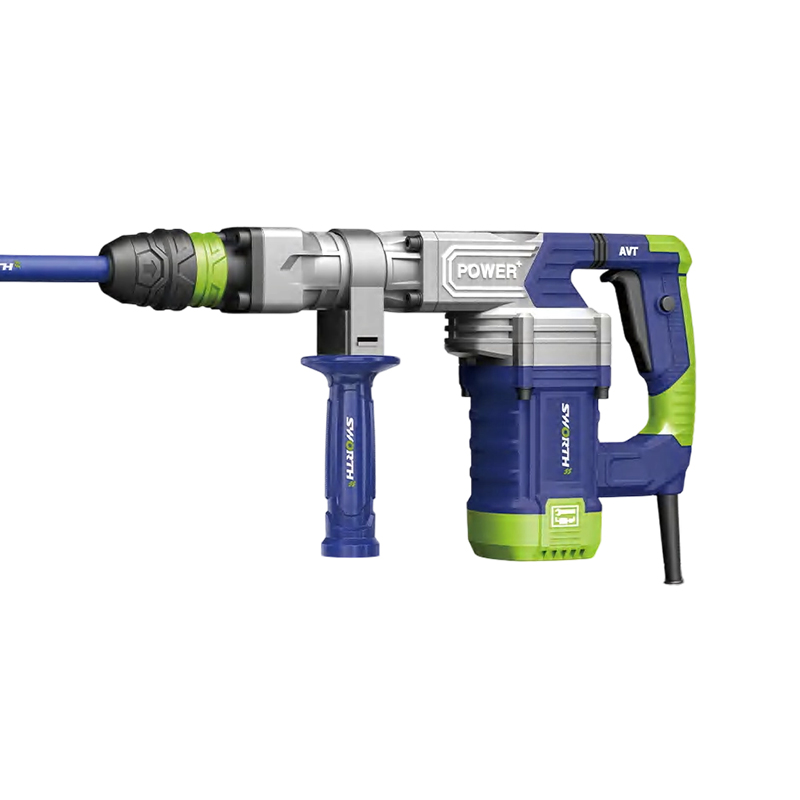
SW35S3 Five-Pipe Drill Bit Demolition Hammer
-

SW11E Five-Pipe Clamping Demolition Hammer
 +86-18314829275
 sale@sworthtools.com
 No. 101, Yugui Road, chengxi Industrial Zone, Yongkang City, Zhejiang Province, China
Copyright© Yongkang Siwei Technology Co., Ltd. All Rights Reserved

Hammer Tools & Cordless Garden Tools Manufacturer
