 English
 русский
 Español
Big Hole Planting Reinforcement Hammer: Anchoring Slopes Before the Rain
A bare slope sheds soil at the first heavy rain. Seed and mulch alone will not hold it. The ground has to be pinned with stakes and reinforcement rods driven deep. The tool that drives them is not a garden dibble. It is a heavy striking tool with a forged head and a wide spike that punches a clean hole through erosion blanket and compacted fill. A big hole planting reinforcement hammer manufacturer builds the tool that keeps the slope in place until the roots take over.
Why the Hole Has to Be Wide
A narrow slit closes back up as soon as the tool pulls out. The stake goes in tight, the soil around it stays compressed, and the roots struggle to spread. A wide hole leaves a pocket of loosened soil around the stake. The roots move into it. The stake holds better because the surrounding soil is not compacted.
That is the whole reason the tool exists. A standard planting bar makes a slit. A big hole planting reinforcement hammer makes a hole. The difference shows up two seasons later when the slope has either held or slid.
The Head Takes a Beating and Has to Keep Its Shape
The head is forged steel, not cast. Cast heads crack after repeated impact against buried rock. Forged heads hold. The striking face is hardened to resist mushrooming. A face that mushrooms spreads at the edges, throws fragments, and eventually splits. A big hole planting reinforcement hammer manufacturer that controls the heat treatment produces a head that lasts a season instead of a week.
The spike is the other wear point. It enters the ground under impact, scrapes against gravel, and pulls out under resistance. A replaceable tip keeps the main tool in service. A worn tip gets swapped in the field instead of scrapping the whole hammer.
The Handle Has to Survive the Swing
The handle takes the shock of every strike. Fiberglass with a rubber overgrip absorbs vibration better than steel. Hickory can be replaced in the field and feels better in cold weather. A big hole planting reinforcement hammer manufacturer that offers both lets the crew choose.
The head-to-handle connection is where striking tools fail. A head that loosens becomes a hazard. A tapered press fit with a locking wedge, or a through-handle design with epoxy, keeps the head on through thousands of strikes.
Here is what a big hole planting reinforcement hammer manufacturer needs to deliver:
- Forged alloy steel head with a hardened striking face
- Replaceable spike tip sized to the stake or rod
- Depth marks or an adjustable stop collar
- Handle in fiberglass or hickory
- Head-to-handle connection that stays tight
- Finish that resists rust on a tool that lives outdoors
Where the Hammer Goes to Work
Highway and rail crews pin erosion blankets on cut slopes before the wet season. Mine rehabilitation crews drive rods into ground compacted by heavy equipment. Riverbank restoration crews work in saturated soil where the hole wants to close before the stake goes in. Each job has the same deadline: anchor the ground before the next storm.
The tool that fails in the middle of that work costs more than the tool itself. A bent spike, a mushroomed head, or a loose handle stops the crew and puts the schedule at risk.
The Cheap Tool That Costs a Season
A cheap hammer bends on buried rock and mushrooms within a week. The crew stops, drives to town, buys another. The slope sits bare. The rainy season arrives on schedule.
A properly built big hole planting reinforcement hammer finishes the season. The head holds its shape. The spike stays straight. The handle stays on. At the end of the project the tool goes back in the truck and heads to the next site.
A big hole planting reinforcement hammer manufacturer builds the tool that anchors the ground before the rain. The head is forged. The spike is sized. The handle holds. Choose a manufacturer that controls the heat treatment and the fit. The stake goes in deep and the slope stays put.
Recommended Products
-


SW528 Small Hole Rebar Hammer
-
SW932 Groove Sandblasting Hammer
-
SW9362A Large Hole Rebar Hammer
-
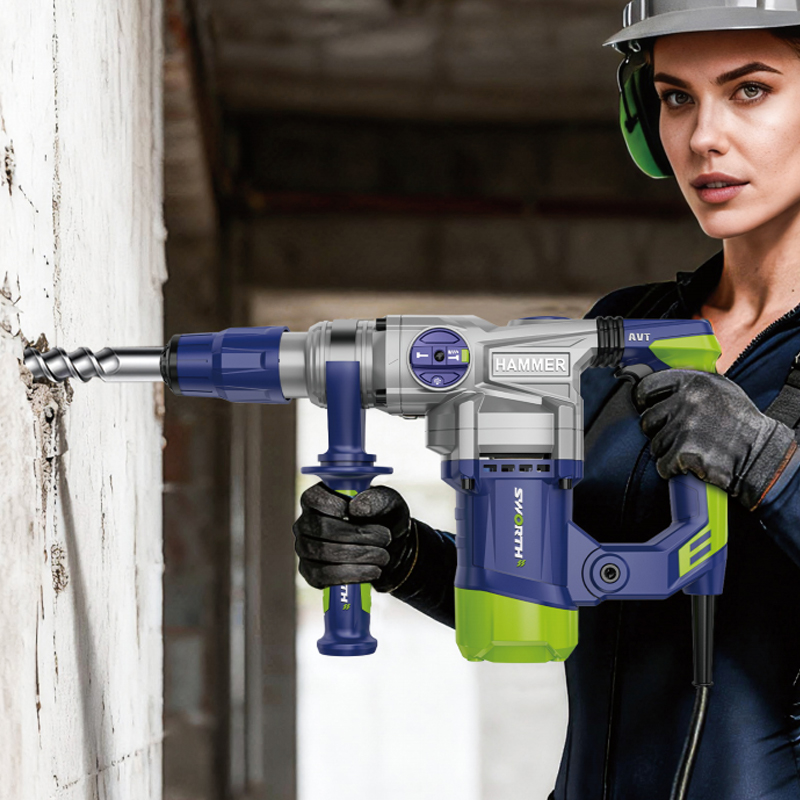
SW940 Enlarged Hole Rebar Hammer
-
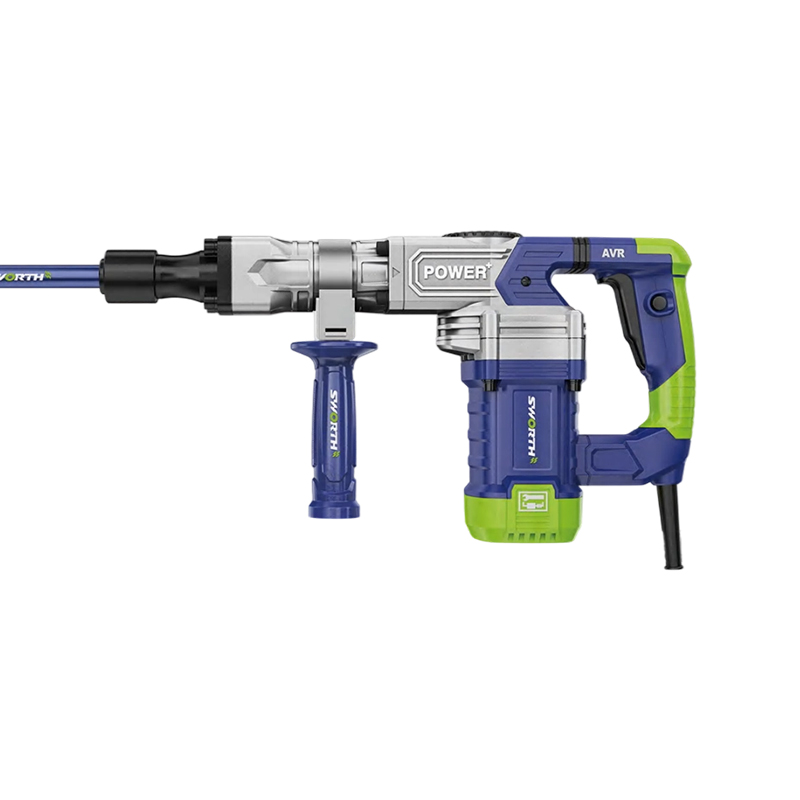
SW35S1 Powerful Demolition Hammer
-
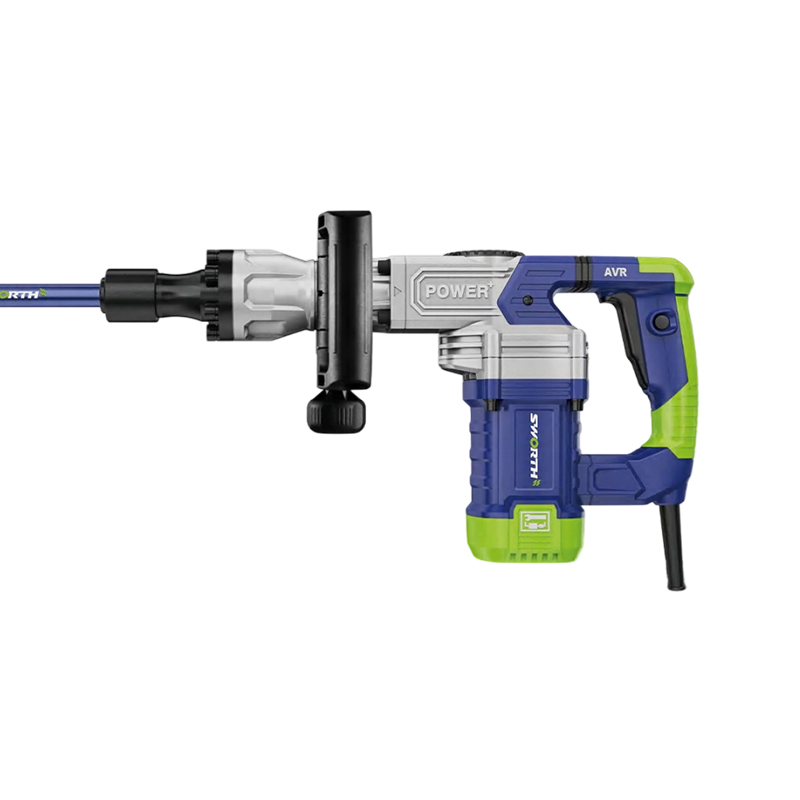
SW35S2 High-Efficiency Heat Dissipation Demolition Hammer
-
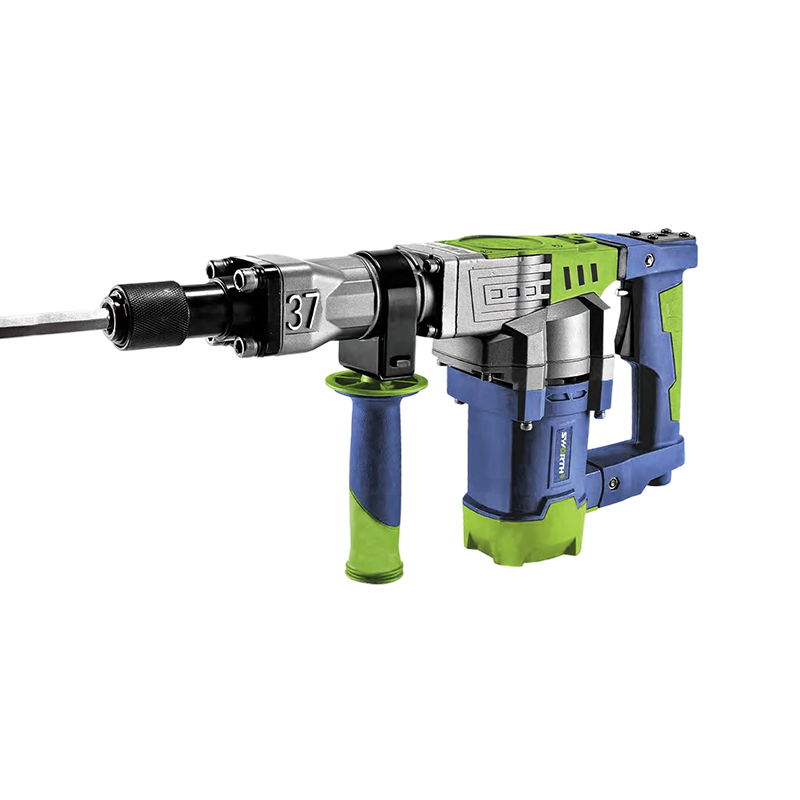
SW9371 High-Power Demolition Hammer
-
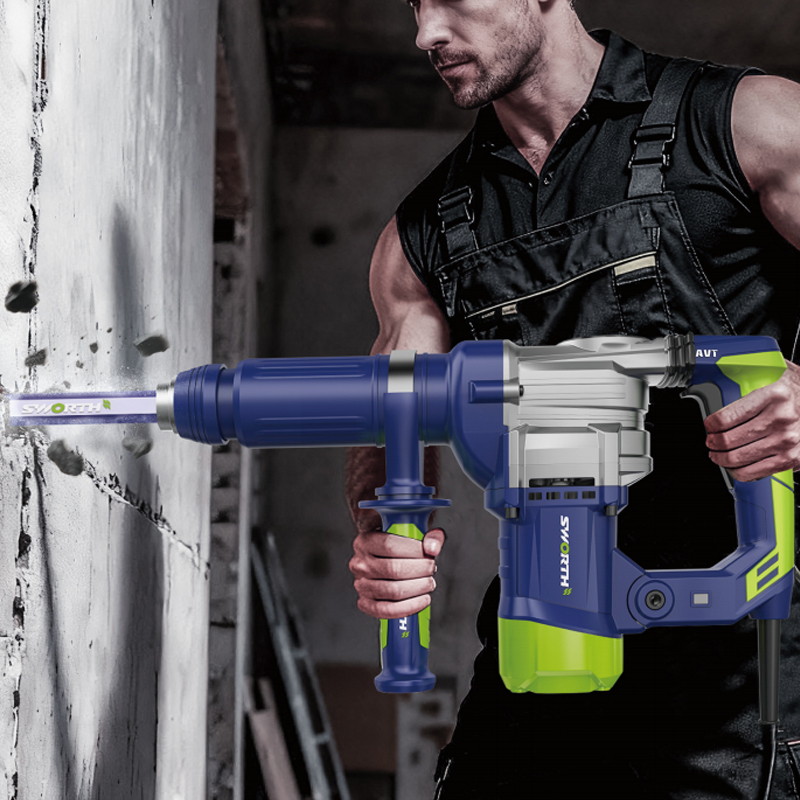
SW9373 Anti-Scalding Carbon Brush Holder Demolition Hammer
-
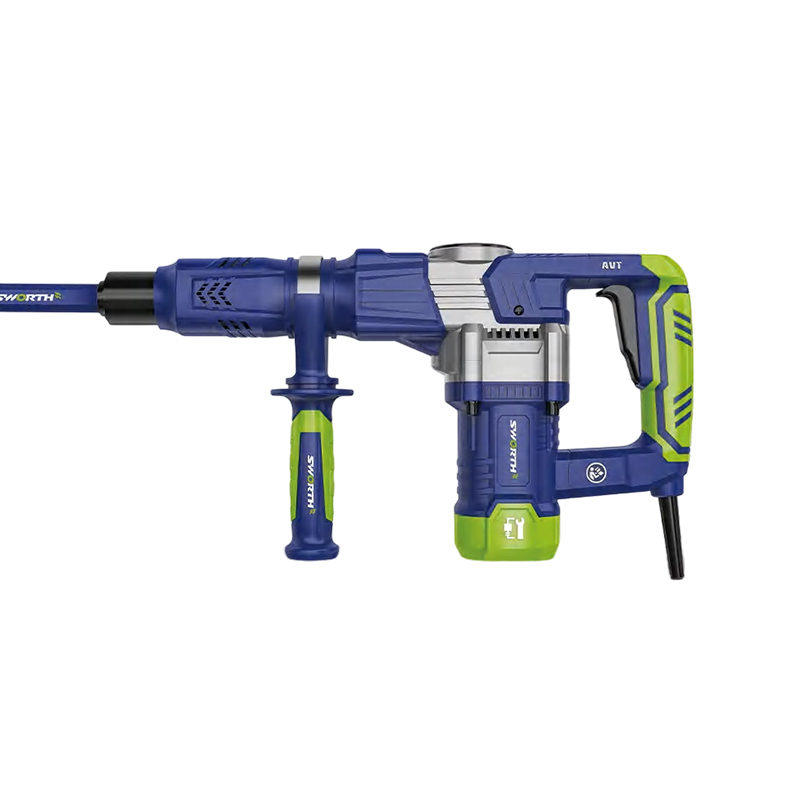
SW535 Powerful Anti-Scalding Demolition Hammer
-
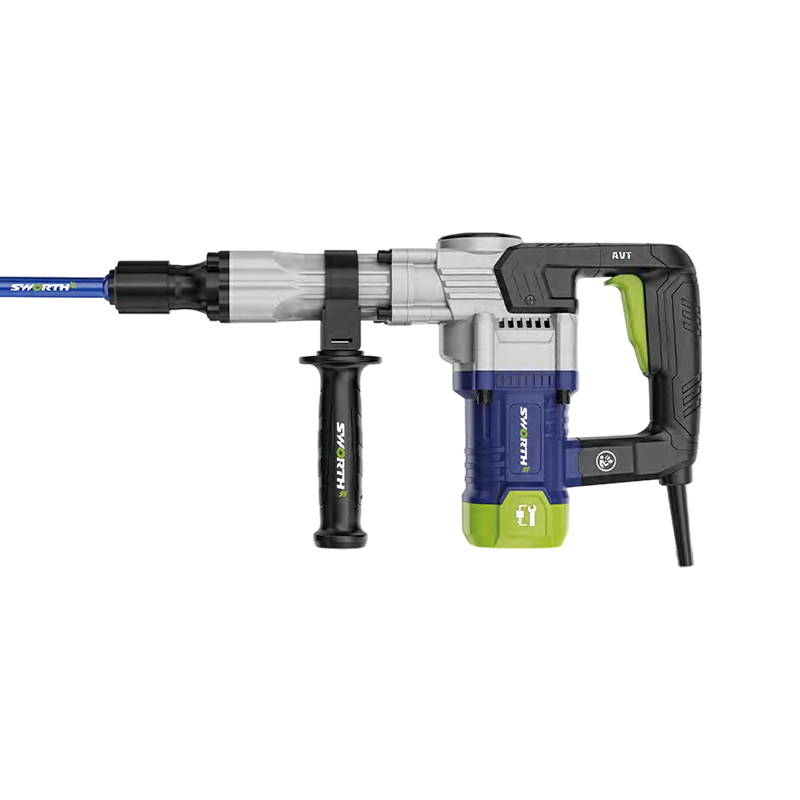
SW535-2 Durable Powerful Demolition Hammer
-
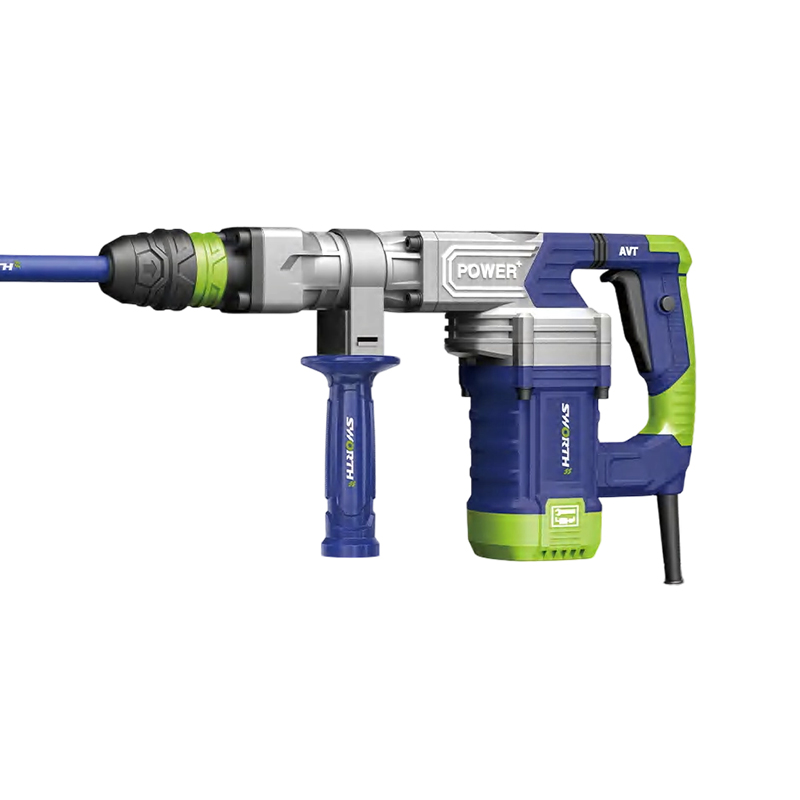
SW35S3 Five-Pipe Drill Bit Demolition Hammer
-

SW11E Five-Pipe Clamping Demolition Hammer
 +86-18314829275
 sale@sworthtools.com
 No. 101, Yugui Road, chengxi Industrial Zone, Yongkang City, Zhejiang Province, China
Copyright© Yongkang Siwei Technology Co., Ltd. All Rights Reserved

Hammer Tools & Cordless Garden Tools Manufacturer
