 English
 русский
 Español
Heat Dissipation Demolition Hammer: The Hammer That Runs Cool When the Work Runs Long
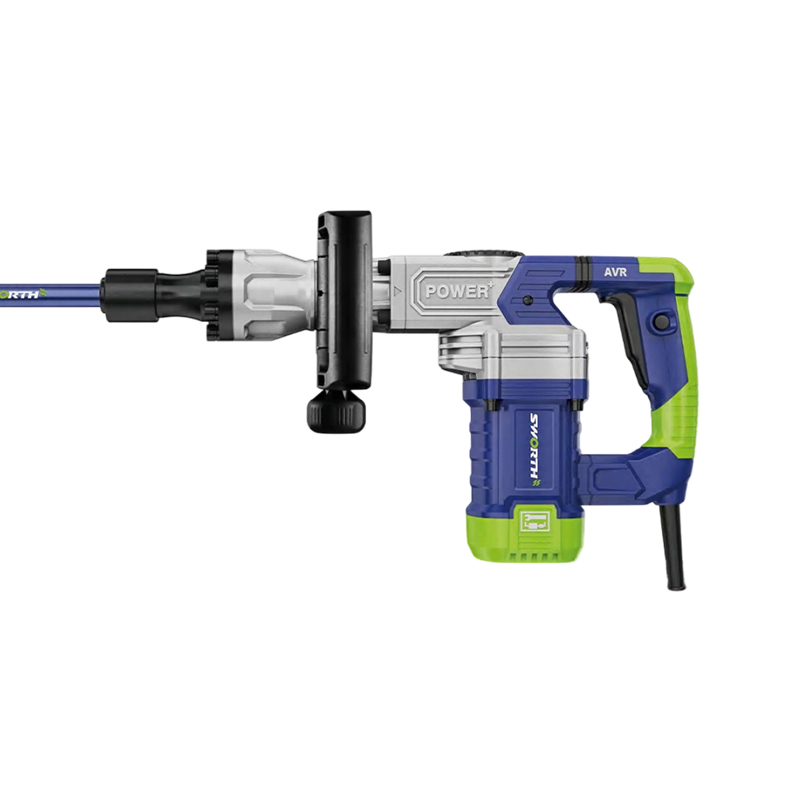
A demolition hammer breaks concrete, chips tile, and drives through masonry. The motor and the gearbox run hard, and the heat builds with every minute. A heat dissipation demolition hammer is built to move that heat away from the motor and the gearbox before it shortens the tool's life. The difference shows up on a long job. A hammer that cannot shed heat slows down, then stops. A hammer with the right heat path keeps working through the shift.
Where the Heat Actually Comes From
The motor windings generate heat as the current passes through them. The gearbox generates heat where the gears mesh and the bearings spin. The hammer mechanism generates heat at the piston and the cylinder, where the impact happens thousands of times per minute.
A heat dissipation demolition hammer does not treat these as one problem. The motor has its own airflow path. The gearbox has its own lubrication and cooling. The impact mechanism has its own clearances and surface treatment. Each one has to shed heat on its own or the whole tool overheats.
The Airflow Path Has to Reach the Hot Spots
Most hammers have a fan on the motor shaft that pulls air through the housing. The fan works. The problem is where the air goes. If the air passes over the motor and exits without touching the gearbox, the gearbox keeps its heat.
A heat dissipation demolition hammer routes the air so it passes the gearbox before it leaves. The housing has internal baffles that direct the flow. The vents are positioned so the hot air exits away from the operator and away from the intake, so the tool does not breathe its own exhaust.
The Gearbox Oil Does Two Jobs
The oil lubricates the gears. It also carries heat away from the mesh point to the housing walls, where the air can take it. A gearbox with too little oil runs hot and wears fast. One with too much oil churns and generates its own heat.
A heat dissipation demolition hammer manufacturer specifies the oil volume and the oil type for the gearbox. The oil has to hold its viscosity at the operating temperature. Oil that thins out stops protecting the gears.
The Impact Mechanism Runs Hottest of All
The piston and the cylinder take the hardest thermal load. The clearances have to allow for thermal expansion without losing the seal that makes the impact work. The surface treatment on the piston and the cylinder reduces friction and helps the heat move.
A heat dissipation demolition hammer that runs the impact mechanism cool lasts longer between services. The seals hold, the clearances stay in spec, and the impact energy stays at the rated level.
Here is what a heat dissipation demolition hammer has to get right:
- Separate airflow paths for the motor and the gearbox
- Baffles that direct air past the gearbox before it exits
- Vents positioned to keep hot air away from the intake
- Gearbox oil specified for volume and viscosity
- Piston and cylinder clearances that allow thermal expansion
- Surface treatment that reduces friction in the impact mechanism
Why Long Jobs Expose the Weak Design
A hammer that runs for ten minutes and rests does not reveal much. A hammer that runs for two hours on a concrete slab does. The heat builds, the clearances change, the oil thins, and the tool that felt fine at the start starts losing impact energy.
That is where the heat dissipation design earns its cost. The crew does not stop to let the tool cool. The hammer keeps breaking.
The Hammer That Slows Down Before It Stops
The first sign of a heat problem is not a shutdown. It is a drop in impact energy. The tool still hits, but it hits softer. The operator leans harder and the work slows. By the time the tool stops, the damage is already done.
A heat dissipation demolition hammer that moves heat out of the motor, the gearbox, and the impact mechanism keeps the impact energy steady through the shift. Choose a manufacturer that treats the three heat sources separately and routes the airflow to reach all of them. The hammer runs cool and the crew finishes the job.
Recommended Products
-
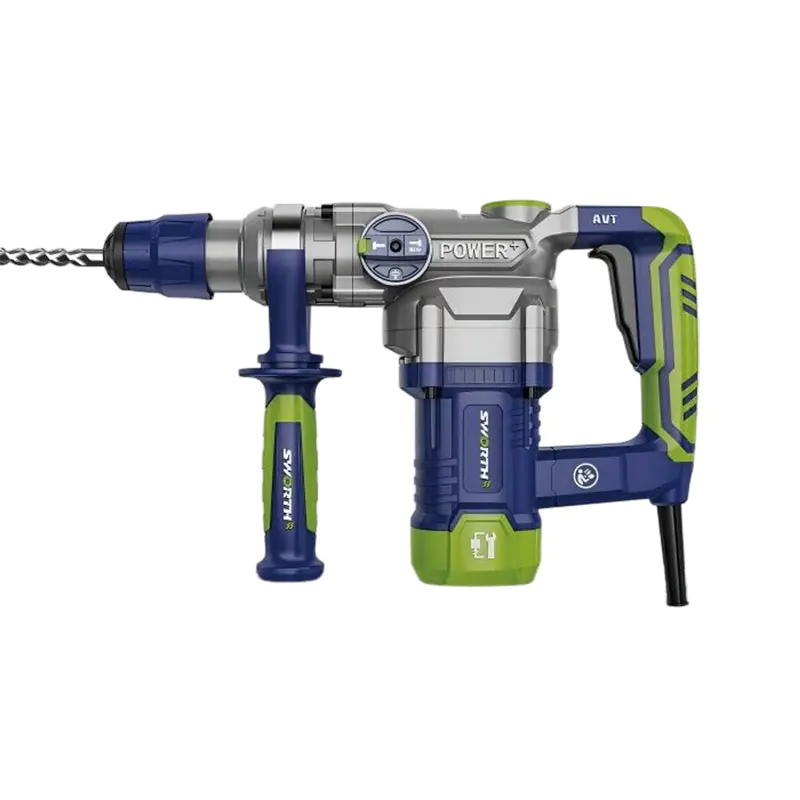


SW528 Small Hole Rebar Hammer
-
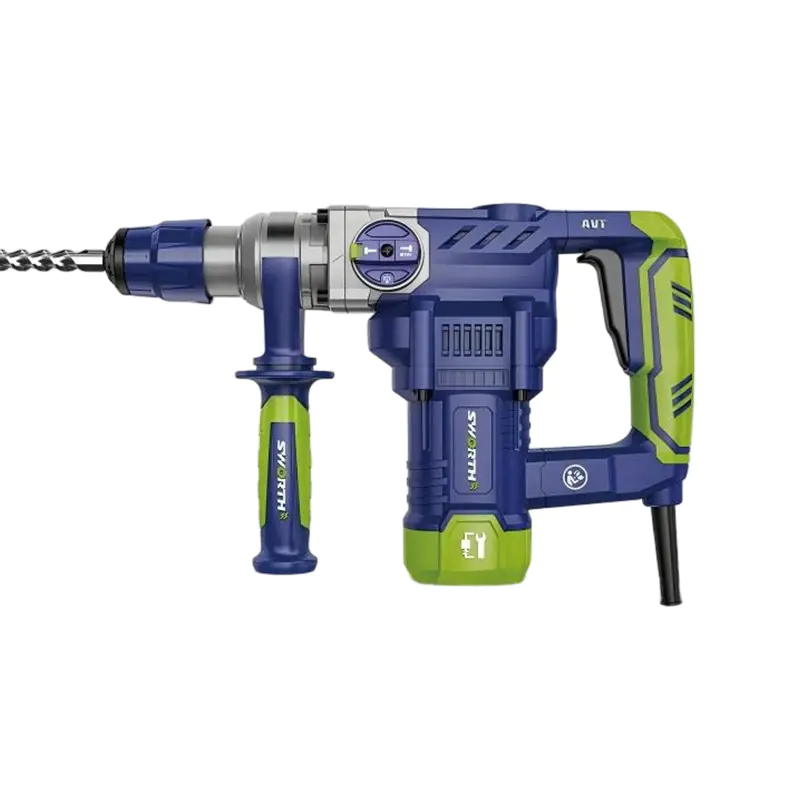
SW932 Groove Sandblasting Hammer
-
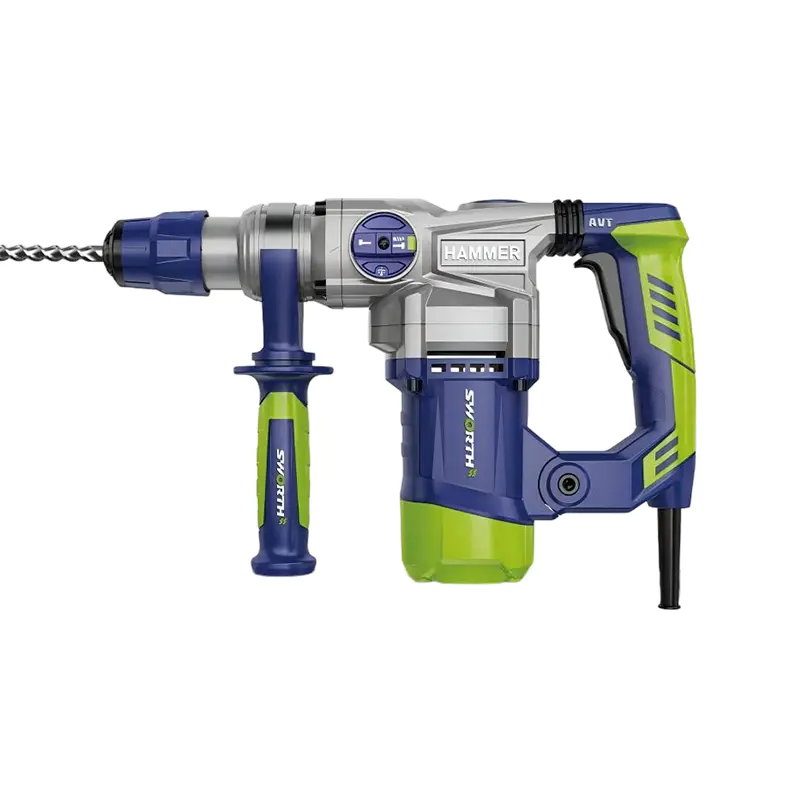
SW9362A Large Hole Rebar Hammer
-
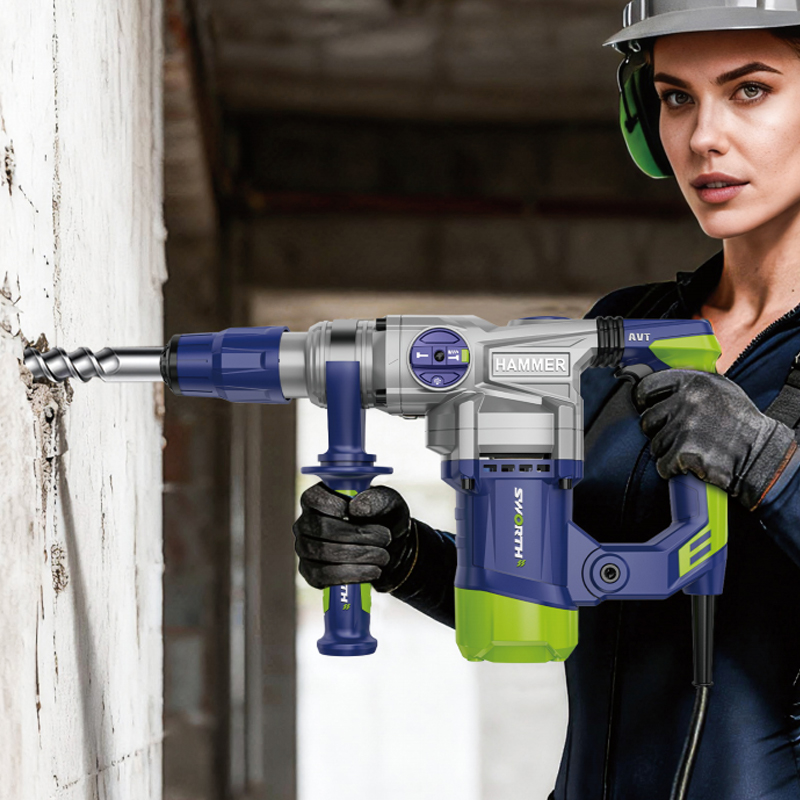
SW940 Enlarged Hole Rebar Hammer
-
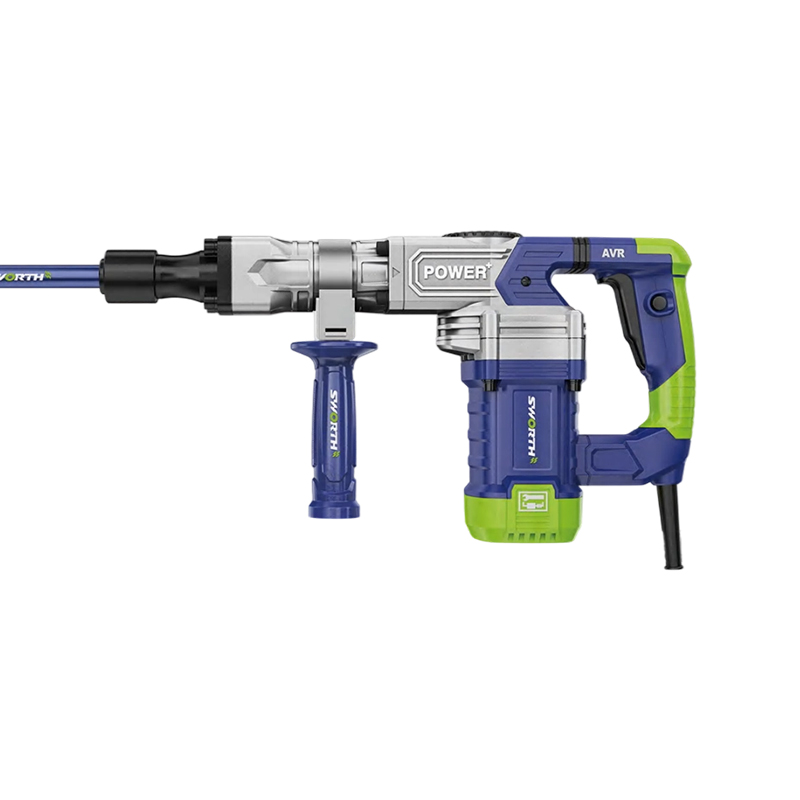
SW35S1 Powerful Demolition Hammer
-
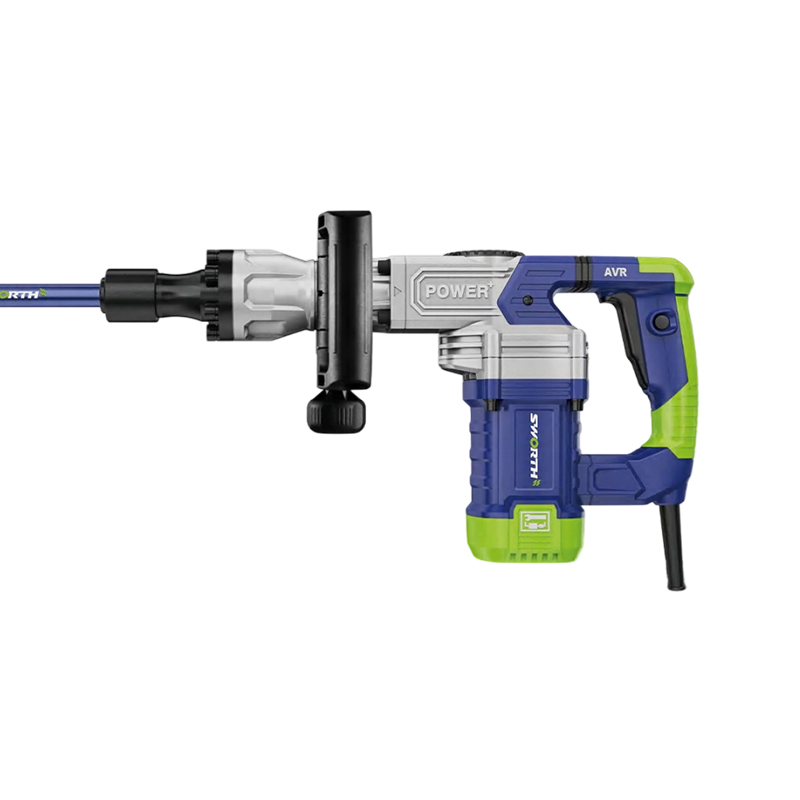
SW35S2 High-Efficiency Heat Dissipation Demolition Hammer
-
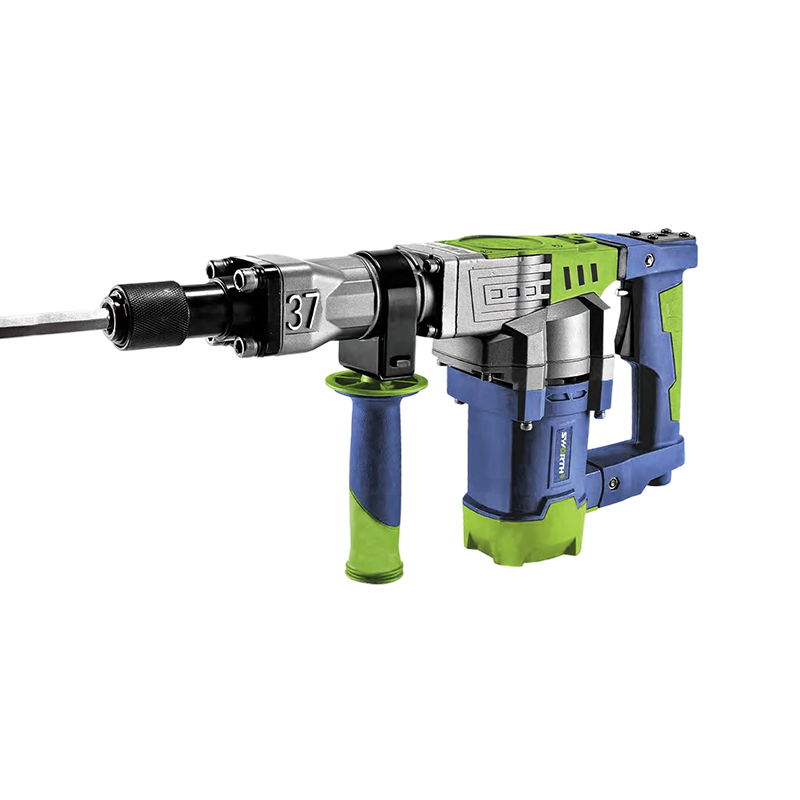
SW9371 High-Power Demolition Hammer
-
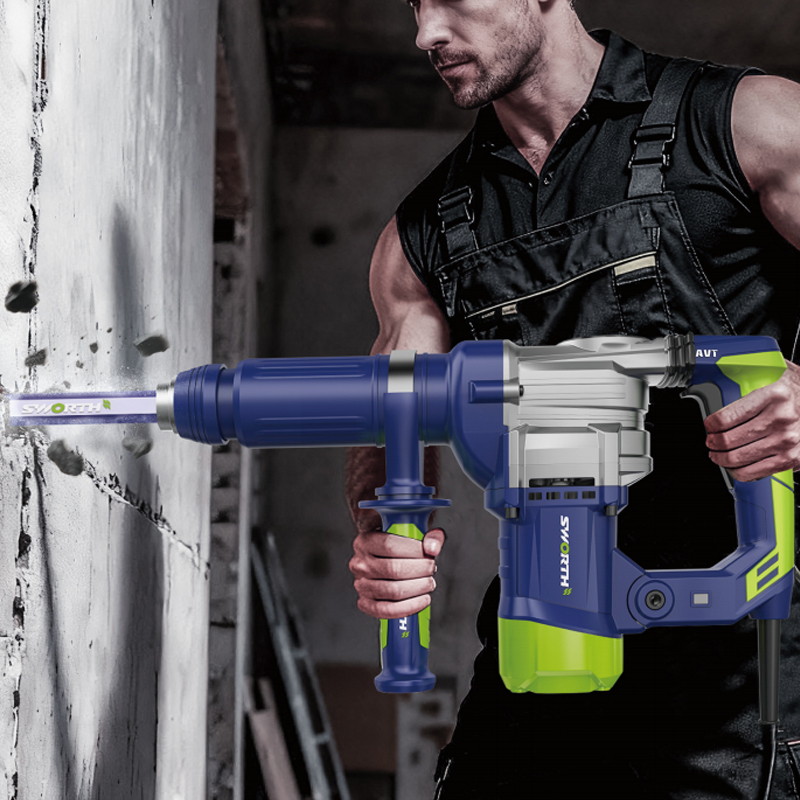
SW9373 Anti-Scalding Carbon Brush Holder Demolition Hammer
-
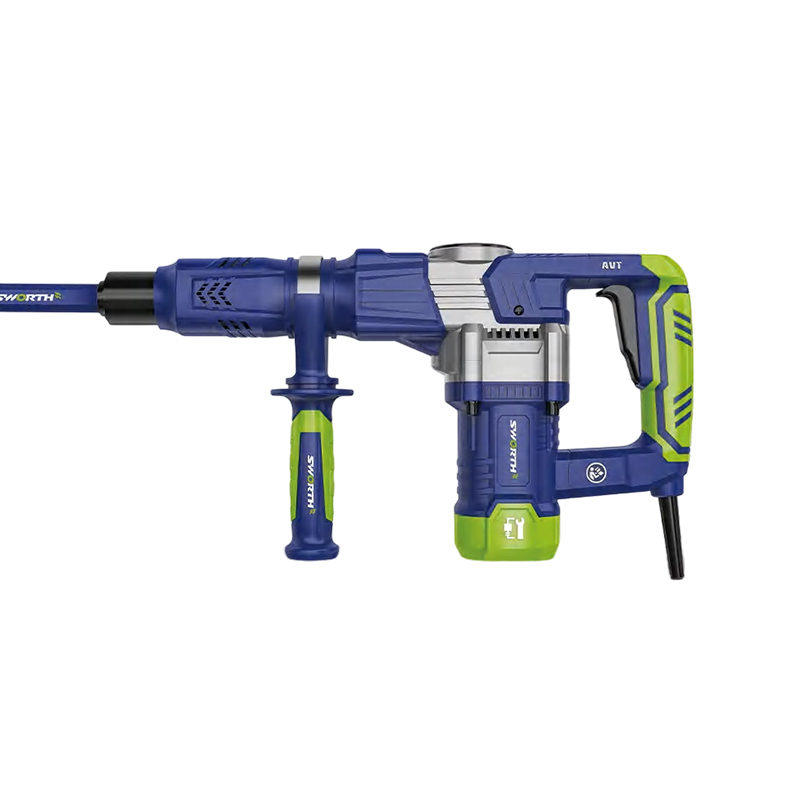
SW535 Powerful Anti-Scalding Demolition Hammer
-
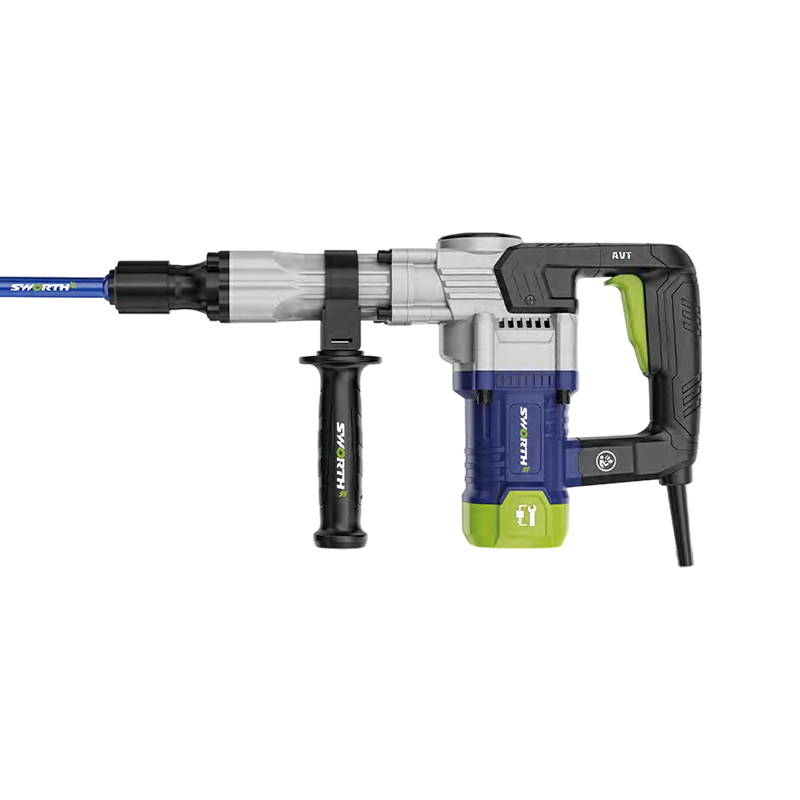
SW535-2 Durable Powerful Demolition Hammer
-
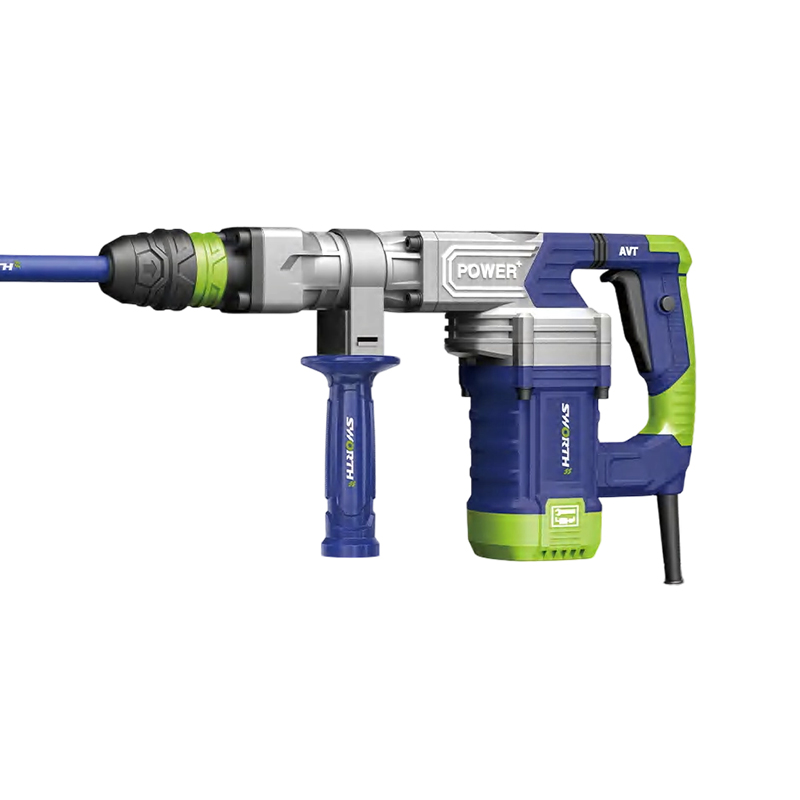
SW35S3 Five-Pipe Drill Bit Demolition Hammer
-

SW11E Five-Pipe Clamping Demolition Hammer
 +86-18314829275
 sale@sworthtools.com
 No. 101, Yugui Road, chengxi Industrial Zone, Yongkang City, Zhejiang Province, China
Copyright© Yongkang Siwei Technology Co., Ltd. All Rights Reserved

Hammer Tools & Cordless Garden Tools Manufacturer
