 English
 русский
 Español
Big Hole Planting Reinforcement Hammer Factory: The Tooling That Anchors Slopes and Riverbanks
A hillside stripped of vegetation does not heal on its own. Rain scours the topsoil. The next storm takes more. Planting alone fails because the seedlings cannot root fast enough to hold the ground. The solution is deep anchoring, driving stakes and reinforcement rods through erosion blankets and into the compacted earth below. A big hole planting reinforcement hammer factory builds the tool that does this work. It is not a garden hammer. It is a full-body striking tool with a forged head sized to punch wide, deep holes for live stakes and reinforcement rods. The crews that do slope stabilization, mine rehabilitation, and riverbank restoration depend on it.
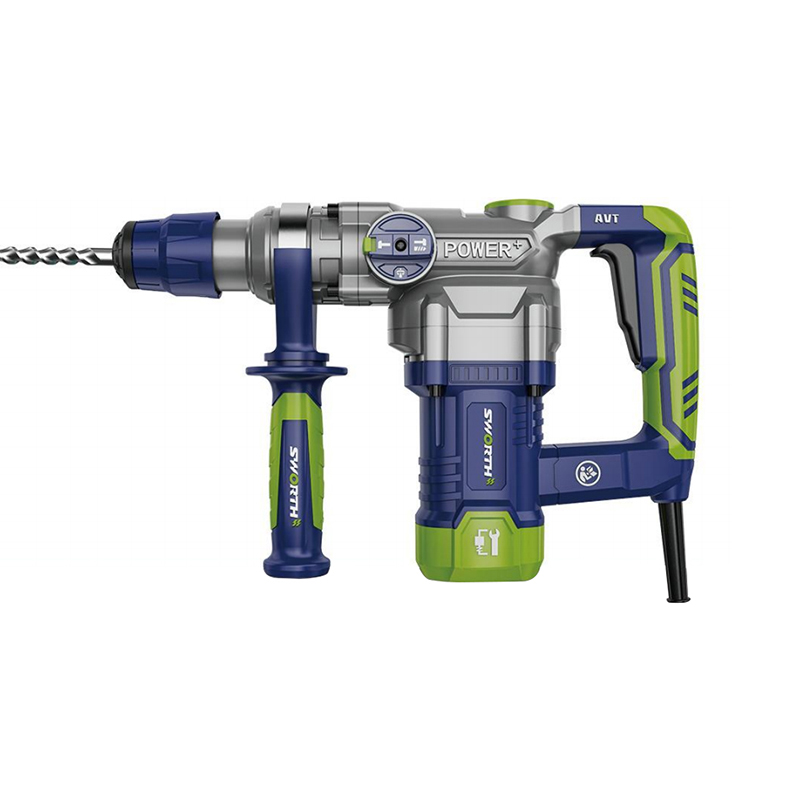
What the Hammer Actually Does
The tool has two ends. One end is a flat striking face, built to take a sledge blow or a mechanical driver. The other end is a thick, tapered spike or tube that enters the ground. The operator drives the spike through the erosion blanket and into the subsoil, then pulls it out. The hole stays open long enough for the worker to insert a stake, a rod, or a deep-root planting plug.
The hole diameter is the point. A standard planting bar makes a narrow slit. A big hole planting reinforcement hammer makes a hole wide enough for a live willow stake or a steel reinforcement rod. The wider hole also disturbs less of the surrounding soil structure, so the stake seats firmly and the ground stays stable around it.
Depth control matters. A hole too shallow gives the anchor no grip. A hole too deep wastes material and labor. The shaft carries depth marks. Some models have an adjustable stop collar. The worker drives to the mark and stops. Every hole the same depth. Every stake the same embedment.
Where the Tool Takes Its Beating
Revegetation sites are not garden beds. They are cut slopes full of buried rock, compacted fill, and hidden rubble. The head hits things it cannot see. A cast head cracks under that abuse. A big hole planting reinforcement hammer factory forges the head from alloy steel so the grain structure follows the shape. The striking face is hardened to resist mushrooming. The spike is heat-treated to stay straight when it hits rock at an angle.
The connection between the head and the handle is the failure point on any striking tool. A head that loosens on the handle turns the tool into a hazard. A properly built hammer uses a tapered press fit or a through-handle design with epoxy bonding. The head stays on. The tool stays safe.
The handle takes the shock. Fiberglass with a rubber grip absorbs vibration better than steel. Hickory handles can be replaced in the field and feel better in cold weather. A big hole planting reinforcement hammer factory offers both because different crews have different preferences, and the tool gets swung thousands of times per shift.
Slope Stabilization and Mine Rehabilitation
Highway departments and railway operators use these hammers to anchor erosion control blankets on cut slopes. The blanket holds the soil. The stakes hold the blanket. The hammer installs the stakes. Without deep anchoring, the first heavy rain pulls the blanket off the slope and the erosion starts again.
Mine rehabilitation crews work on ground that has been graded, compacted by heavy equipment, and left barren. The soil structure is destroyed. A big hole planting reinforcement hammer drives reinforcement rods through this material into whatever stable layer lies below. The rods hold the planting medium in place while the vegetation establishes.
Riverbank restoration projects use the hammer in saturated ground. The holes collapse fast. The worker has to drive, pull, and insert the stake in one motion before the hole closes. A smooth, tapered spike releases cleanly from wet soil. A rough or poorly machined spike drags soil out and destroys the hole.
What a Factory Has to Get Right
The steel has to be right. A big hole planting reinforcement hammer forged from cheap steel will bend the spike on the first buried rock and mushroom the striking face within a week. The heat treatment has to balance hardness against toughness. Too hard and the head chips. Too soft and it deforms.
The weld, if the tool uses a welded spike, has to be full penetration with no voids. A spike that snaps off at the weld turns the tool into a piece of scrap. Some designs forge the spike and the head as one piece. Some use a replaceable tip so the wear component can be swapped in the field without replacing the whole tool.
The finish matters for tools that live outdoors. A phosphate treatment or powder coating on the head prevents rust. The handle needs UV resistance if it is fiberglass. The grip has to hold when the worker's hands are wet with sweat or rain.
Here is what a big hole planting reinforcement hammer factory needs to deliver:
- Forged alloy steel head with a hardened striking face
- Tapered spike sized for the specified stake or rod diameter
- Depth marks or an adjustable stop collar
- Head-to-handle connection that stays secure under repeated impact
- Handle options in fiberglass or hickory with vibration damping
The Failed Tool That Costs More Than the Hammer
The cheap hammer bends on the second day. The crew stops. The foreman drives to town and buys another. The job falls behind schedule. The rainy season is coming. The slope is still bare.
A properly built hammer lasts through the season. The head stays on. The spike stays straight. The depth marks stay legible. At the end of the project, the tool goes back in the truck and heads to the next site.
The cost of the hammer is nothing compared to the cost of the work it does. A failed slope washes out a highway. A failed riverbank floods a neighborhood. A big hole planting reinforcement hammer factory builds the tool that prevents those failures. The stake goes in deep. The blanket stays anchored. The roots take hold. That is the whole point.
Recommended Products
-
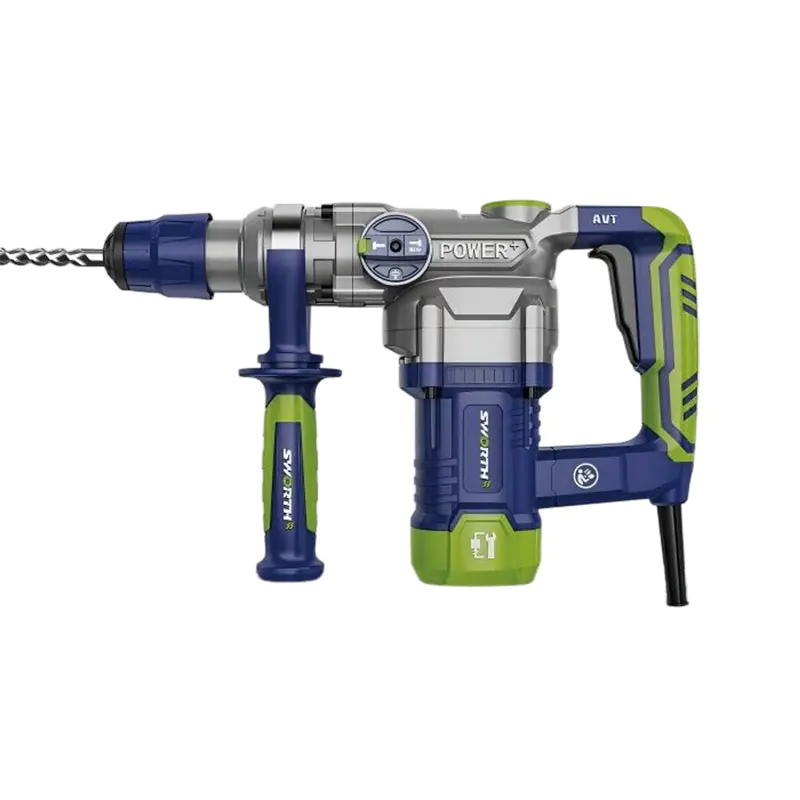


SW528 Small Hole Rebar Hammer
-
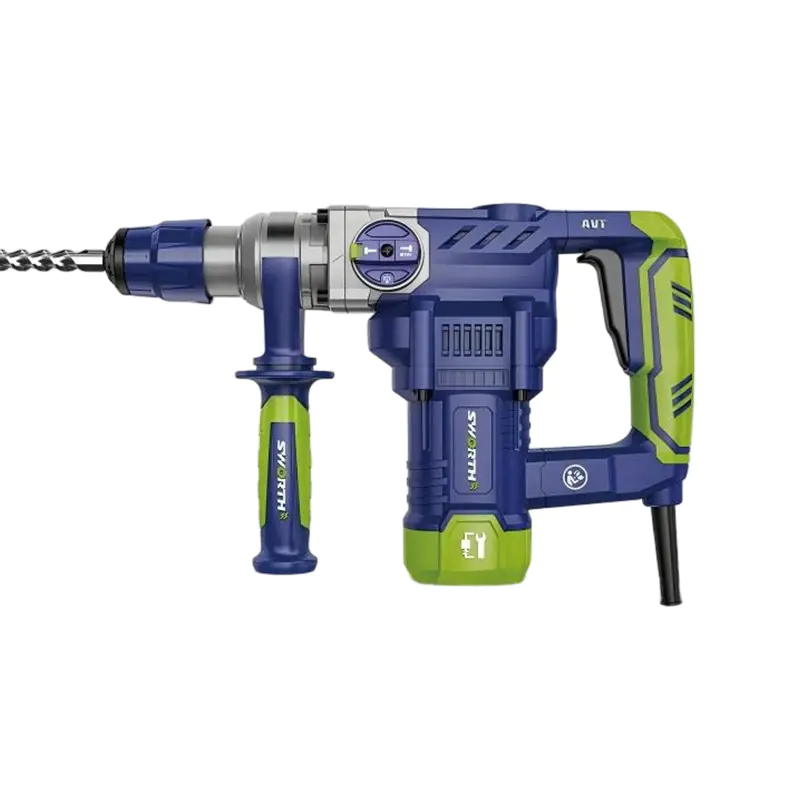
SW932 Groove Sandblasting Hammer
-
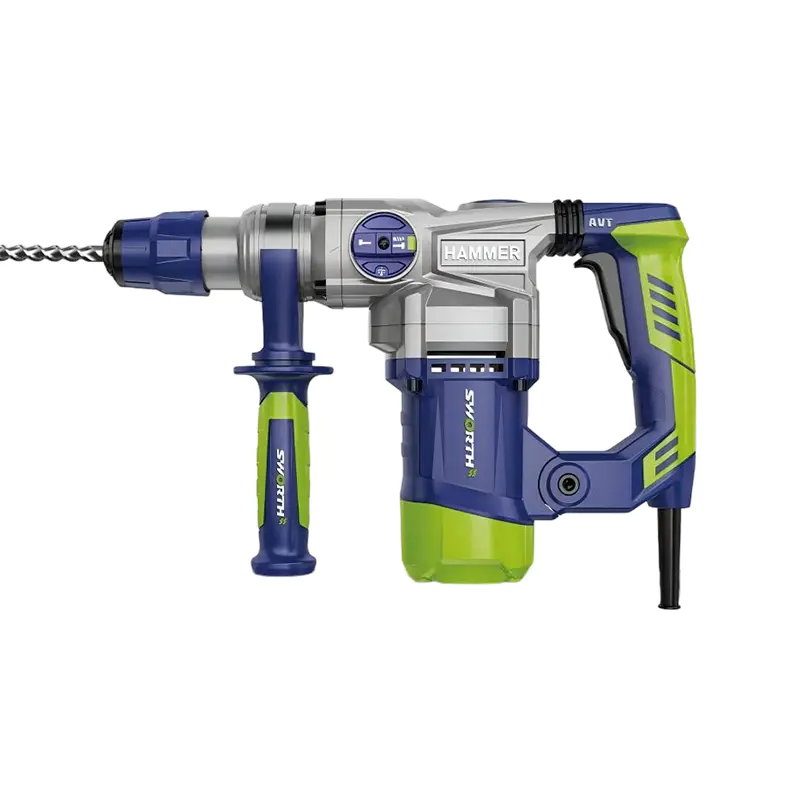
SW9362A Large Hole Rebar Hammer
-
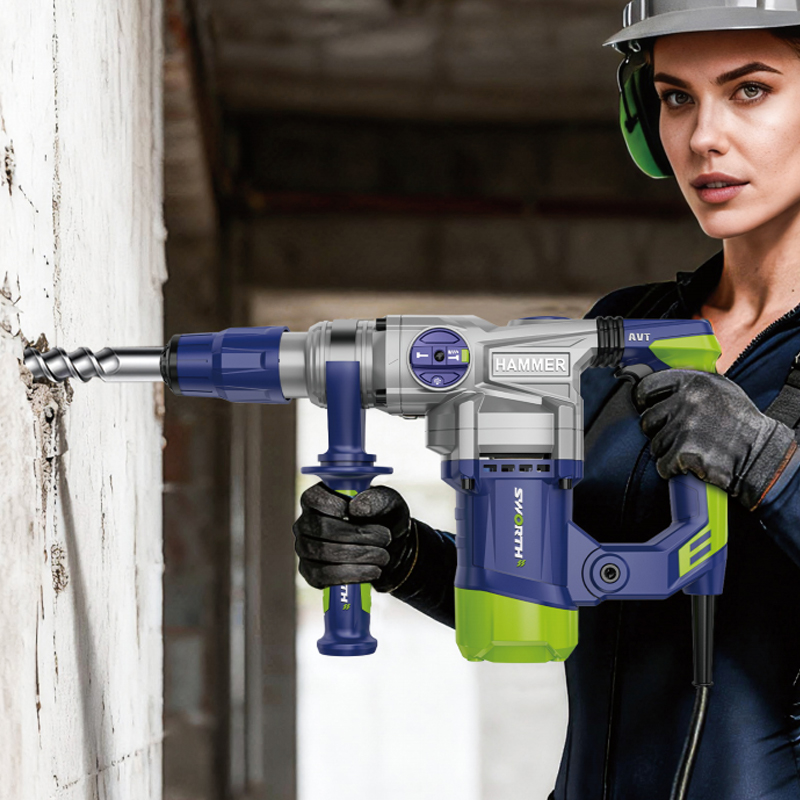
SW940 Enlarged Hole Rebar Hammer
-
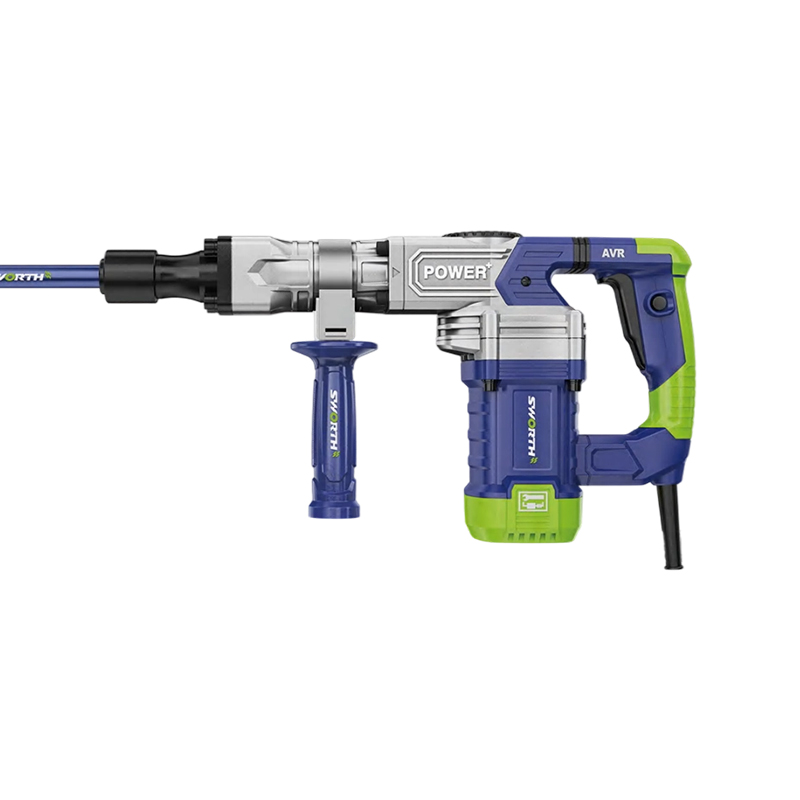
SW35S1 Powerful Demolition Hammer
-
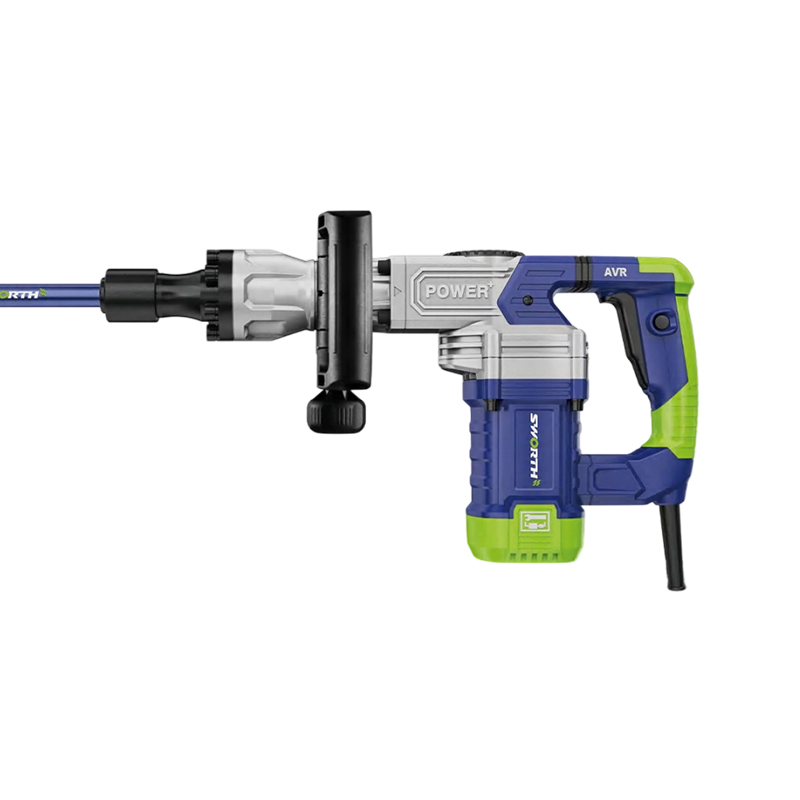
SW35S2 High-Efficiency Heat Dissipation Demolition Hammer
-
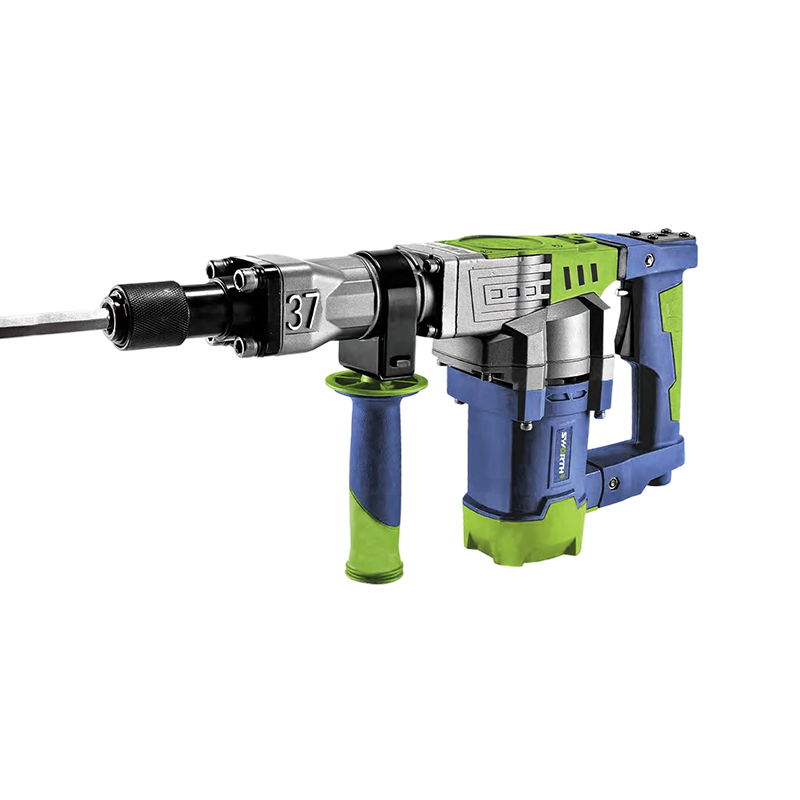
SW9371 High-Power Demolition Hammer
-
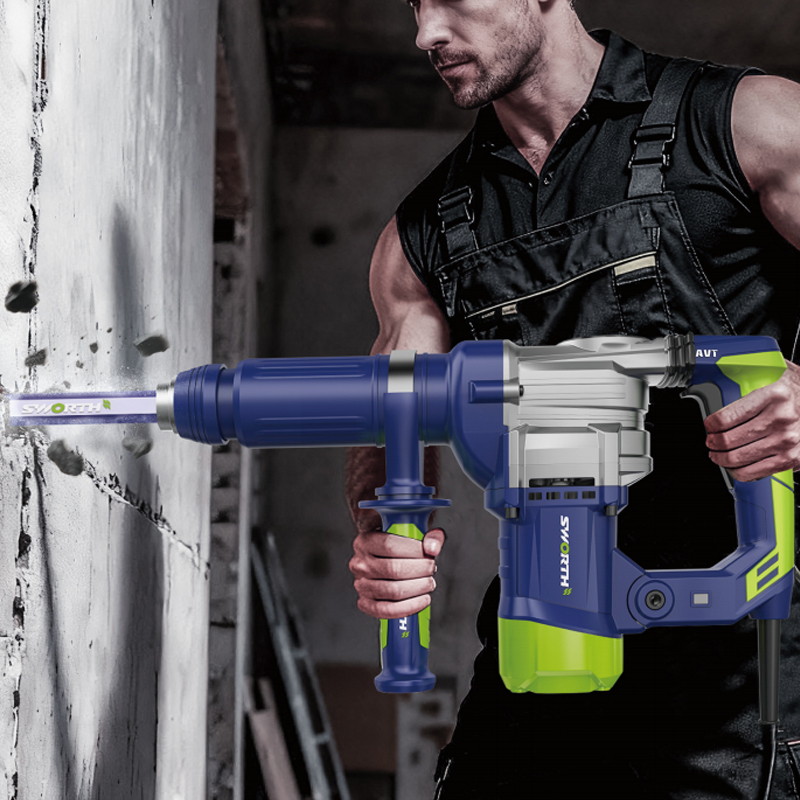
SW9373 Anti-Scalding Carbon Brush Holder Demolition Hammer
-
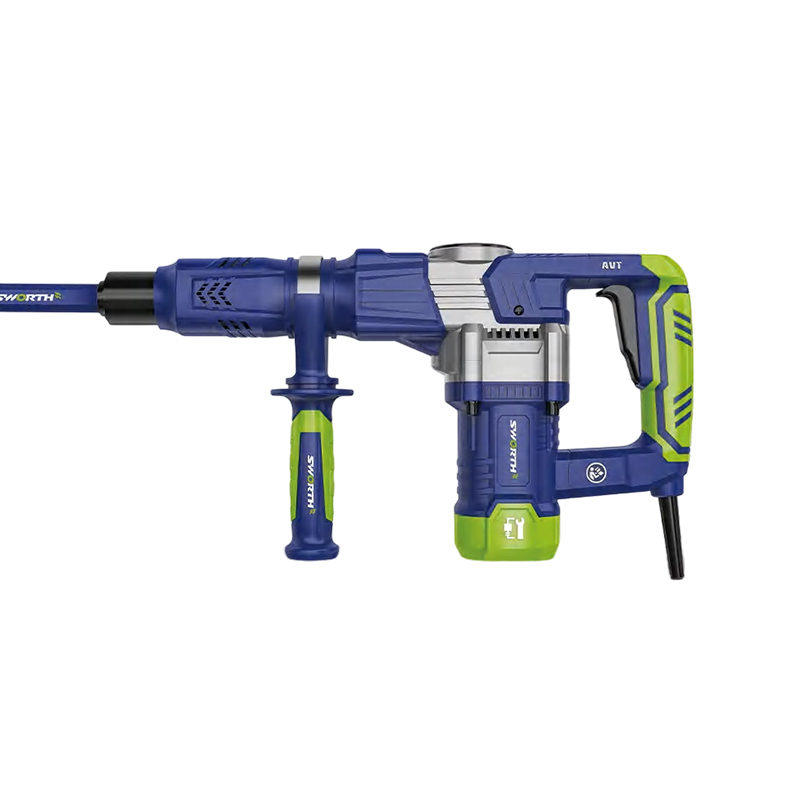
SW535 Powerful Anti-Scalding Demolition Hammer
-
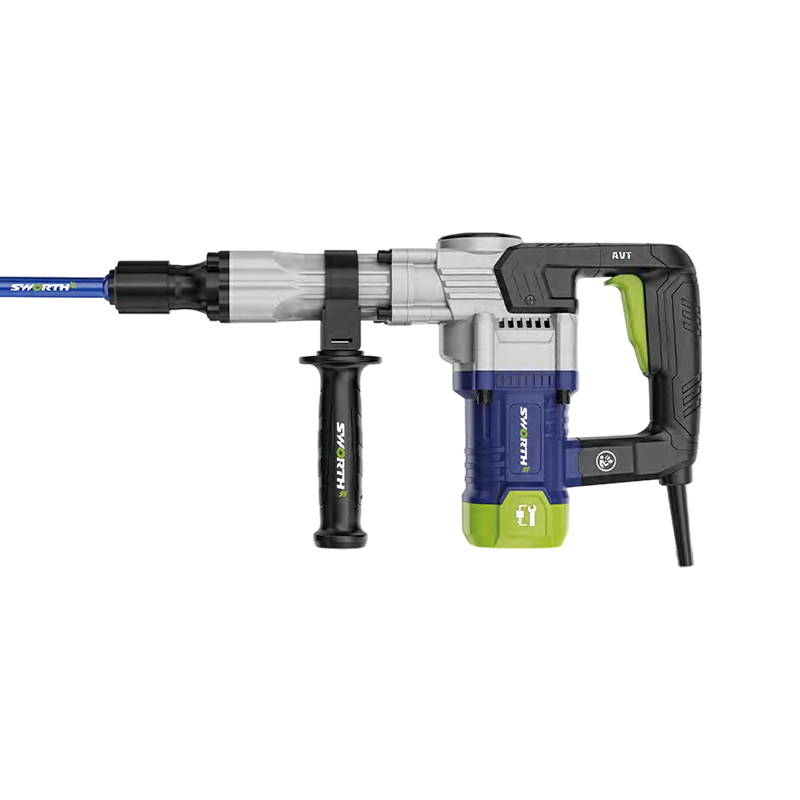
SW535-2 Durable Powerful Demolition Hammer
-
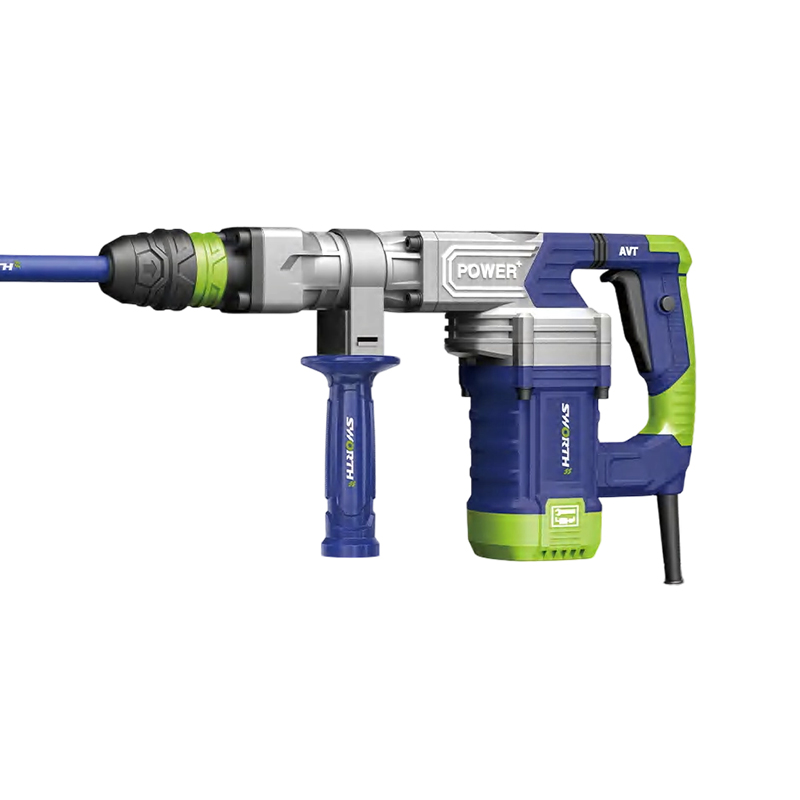
SW35S3 Five-Pipe Drill Bit Demolition Hammer
-

SW11E Five-Pipe Clamping Demolition Hammer
 +86-18314829275
 sale@sworthtools.com
 No. 101, Yugui Road, chengxi Industrial Zone, Yongkang City, Zhejiang Province, China
Copyright© Yongkang Siwei Technology Co., Ltd. All Rights Reserved

Hammer Tools & Cordless Garden Tools Manufacturer
