 English
From Residential Pruning to Professional Logging: Cordless Chain Saws for Every Task
A cordless chain saw is a portable power tool designed for cutting wood, branches, and other organic materials, powered by rechargeable lithium-ion batteries instead of electric cords or gasoline engines. Unlike gas-powered models that rely on internal combustion engines, cordless chain saws operate with an electric motor that drives the chain around the guide bar to achieve cutting. The core advantage of this design lies in its freedom from power cords and fuel tanks, making it highly maneuverable and suitable for use in remote areas where electricity and fuel are inaccessible.
The working principle of a cordless chain saw can be summarized in four key steps: first, the lithium-ion battery supplies electrical energy to the electric motor; second, the motor converts electrical energy into mechanical rotational energy; third, the transmission system (usually consisting of gears) adjusts the rotational speed and torque to match the cutting requirements; fourth, the rotating output shaft drives the chain to move at high speed along the guide bar, generating cutting force to slice through the target material. Additionally, most modern cordless chainsaws are equipped with safety mechanisms such as chain brakes and overload protection to ensure user safety during operation.
Key Factors to Consider When Selecting a Cordless Chain Saw
Selecting the right cordless chain saw requires careful consideration of multiple factors to ensure it meets the specific needs of the user and delivers optimal performance. Below are the core criteria that industry professionals and users should focus on:
1. Battery Performance (Voltage and Capacity)
Battery performance is the core of a cordless chain saw, directly affecting its power and runtime. Voltage determines the tool’s cutting power: higher voltage models (36V and above) are suitable for heavy-duty tasks, while lower voltage models (12V-20V) are ideal for light work. Battery capacity, measured in ampere-hours (Ah), indicates runtime—higher Ah values mean longer operating time on a single charge. For example, a 20V 5Ah battery will provide longer runtime than a 20V 3Ah battery. Additionally, users should consider the battery’s charging time and compatibility with other tools from the same brand (many manufacturers offer interchangeable batteries), which can improve convenience and reduce costs.
2. Guide Bar Length
The guide bar length determines the maximum cutting diameter of the chainsaw. For light-duty tasks such as pruning small branches, an 8-12 inch guide bar is sufficient. For medium-sized tree trunks (up to 12 inches in diameter), a 14-16 inch guide bar is recommended. For thick trunks (16 inches or more), an 18-inch or longer guide bar is necessary. It is important to note that a longer guide bar requires more power to drive, so it should be matched with a high-voltage battery to ensure cutting efficiency.
3. Motor Type and Power
The motor is the "heart" of a cordless chainsaw, and its type and power directly impact cutting performance. Brushless motors are preferred over traditional brushed motors due to their higher efficiency, longer lifespan, lower noise, and less heat generation. Brushless motors also require less maintenance, as they have no carbon brushes to replace. When selecting a model, users should check the motor’s power rating (usually in watts or horsepower) to ensure it can handle the intended tasks—higher power motors are better for cutting hardwood or thick trunks.
4. Ergonomics and Safety Features
Ergonomics is crucial for reducing user fatigue during prolonged operation. Key ergonomic features include a lightweight design, balanced weight distribution, and soft-grip handles. Anti-vibration technology is also important, as it minimizes hand and arm fatigue caused by tool vibration. In terms of safety, essential features include a chain brake (which stops the chain instantly in case of kickback), overload protection (prevents motor damage from excessive load), and a safety switch (prevents accidental startup). Some advanced models also come with automatic oiling systems to keep the chain lubricated, reducing wear and improving cutting smoothness.
Safety Tips for Using Cordless Chain Saws
Safe operation of a cordless chain saw is essential to prevent accidents and injuries. Below are key safety guidelines for users:
-
Wear appropriate personal protective equipment (PPE), including a helmet with a face shield, safety glasses, cut-resistant gloves, sturdy work boots, and hearing protection.
-
Inspect the tool before each use: check the battery charge level, ensure the chain is properly tensioned and lubricated, and verify that all safety mechanisms (chain brake, safety switch) are functioning correctly.
-
Choose a stable working position: stand with feet shoulder-width apart, keep a firm grip on both handles (front and rear), and avoid overreaching, which can lead to loss of balance.
-
Be aware of kickback: kickback occurs when the tip of the guide bar hits an object, causing the saw to jerk back violently. To prevent this, avoid cutting with the tip of the bar and maintain a steady cutting angle.
-
Do not operate the tool in adverse weather conditions such as rain, snow, or strong winds, as this can reduce visibility and increase the risk of slipping.
-
Store the battery and chain saw separately in a dry, cool place when not in use, and keep them out of reach of children.
-
Charge the battery only with the manufacturer’s recommended charger to avoid overcharging or battery damage.
Recommended Products
-
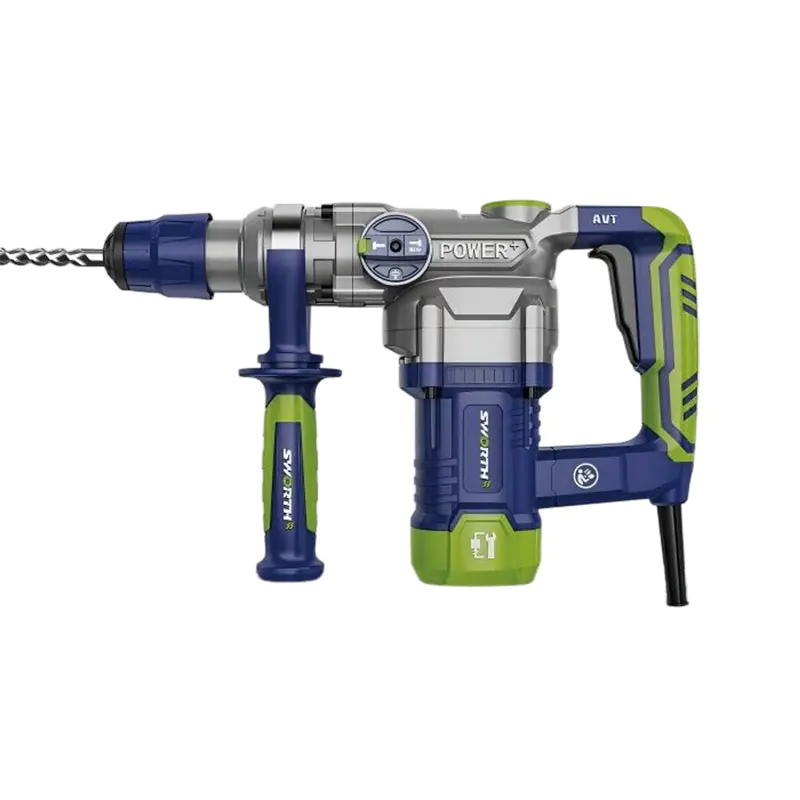


SW528 Small Hole Rebar Hammer
-
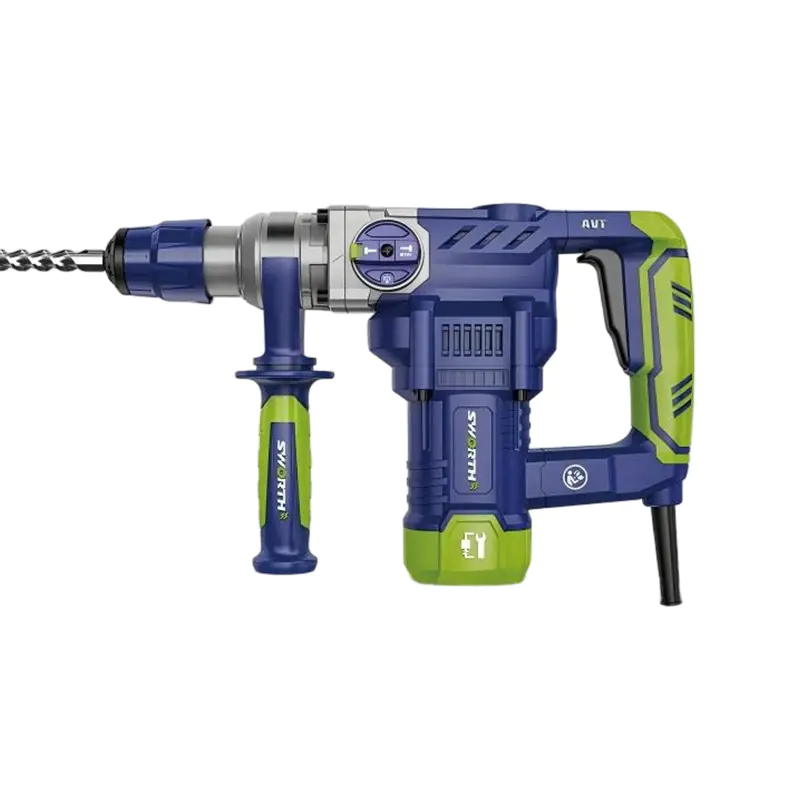
SW932 Groove Sandblasting Hammer
-
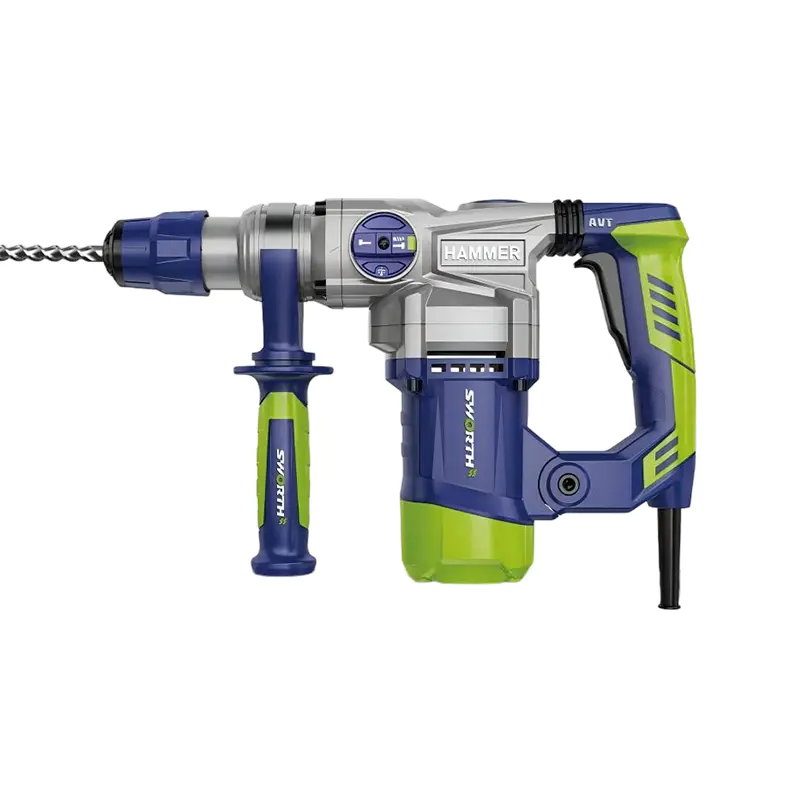
SW9362A Large Hole Rebar Hammer
-
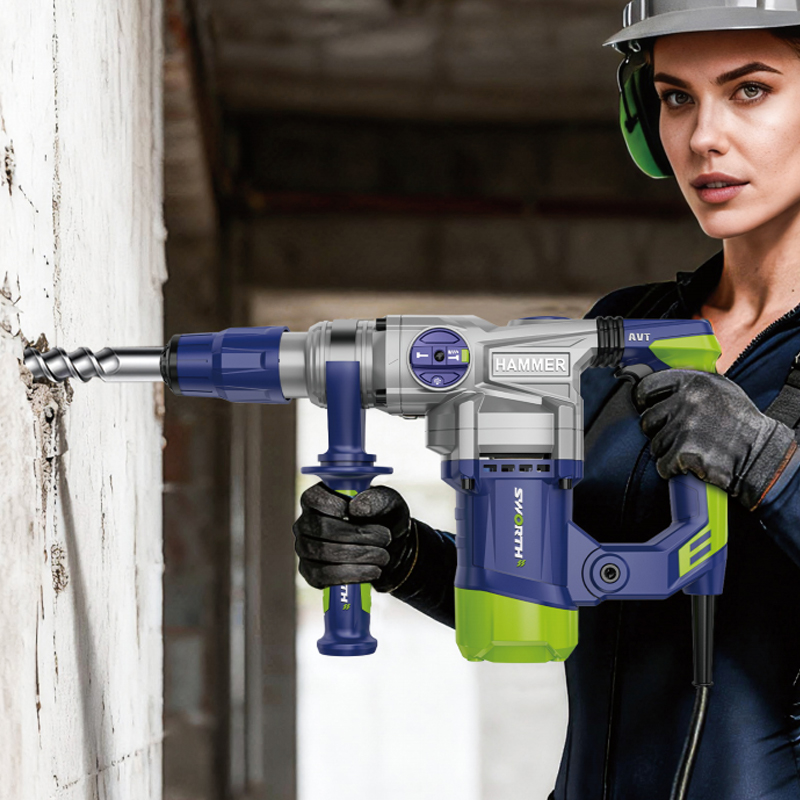
SW940 Enlarged Hole Rebar Hammer
-
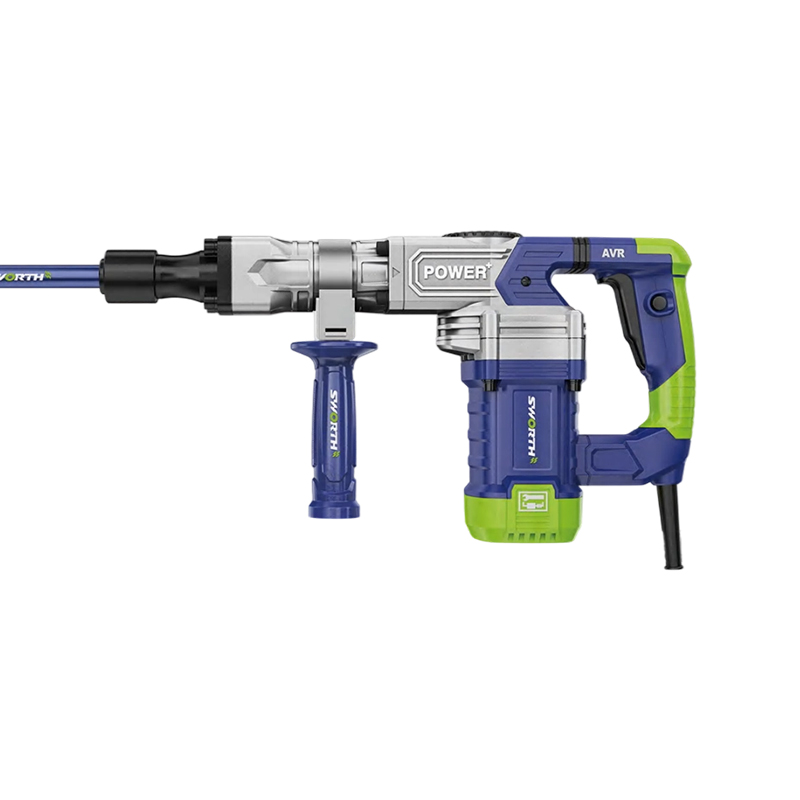
SW35S1 Powerful Demolition Hammer
-
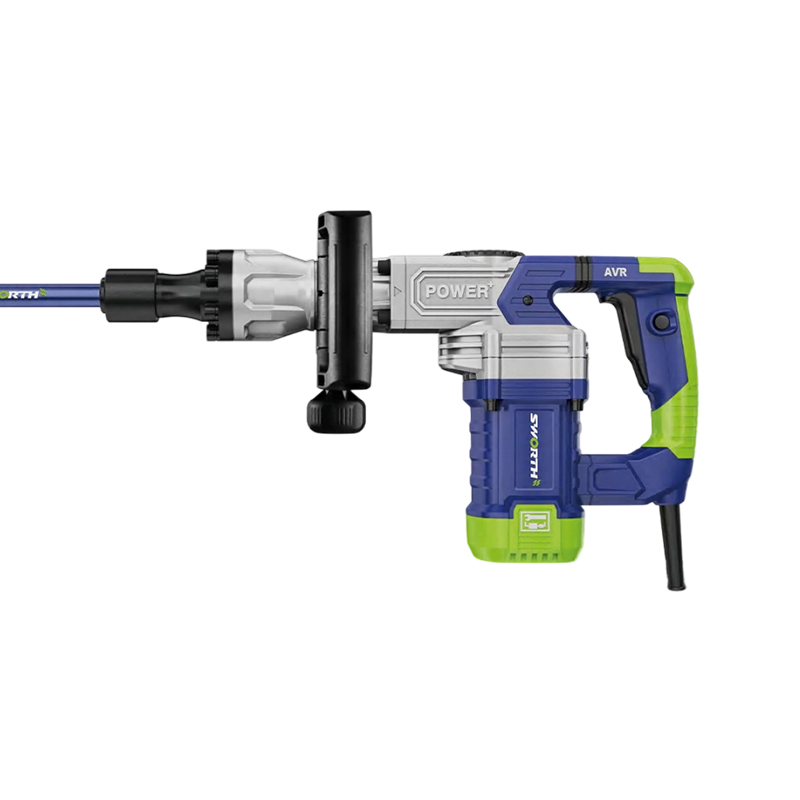
SW35S2 High-Efficiency Heat Dissipation Demolition Hammer
-
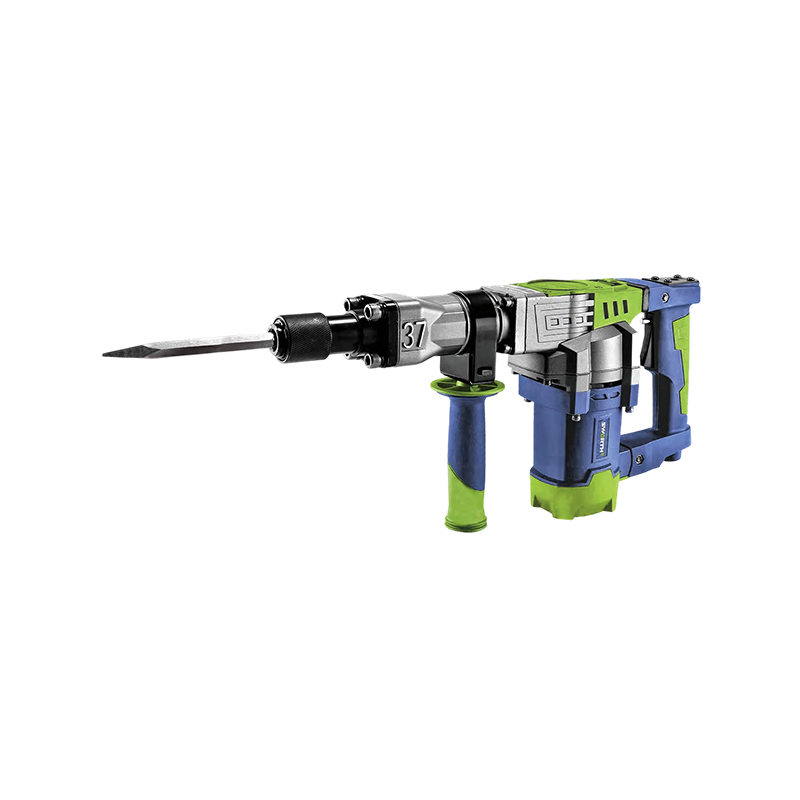
SW9371 High-Power Demolition Hammer
-
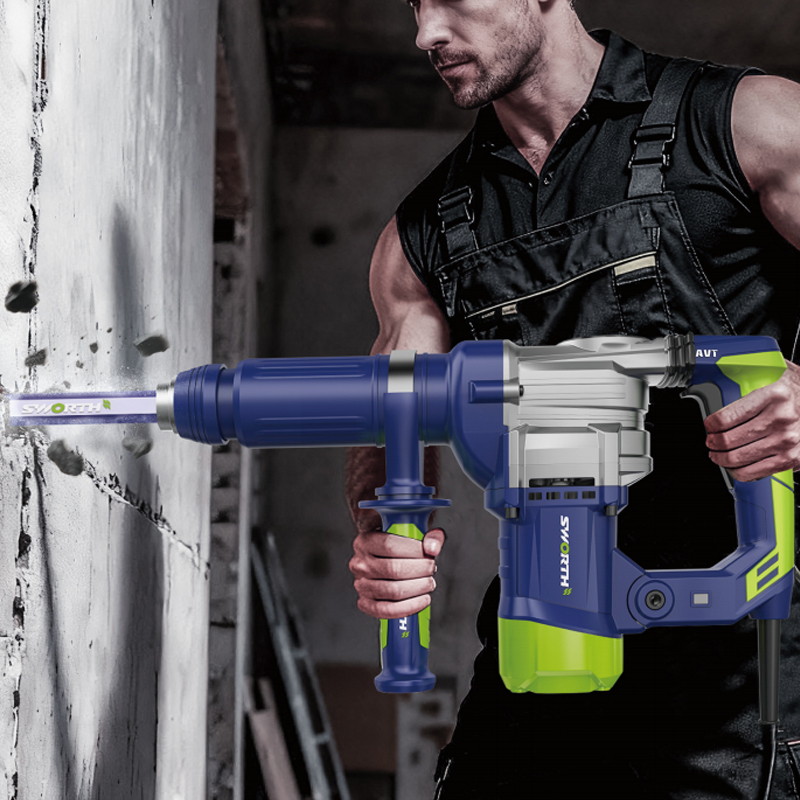
SW9373 Anti-Scalding Carbon Brush Holder Demolition Hammer
-
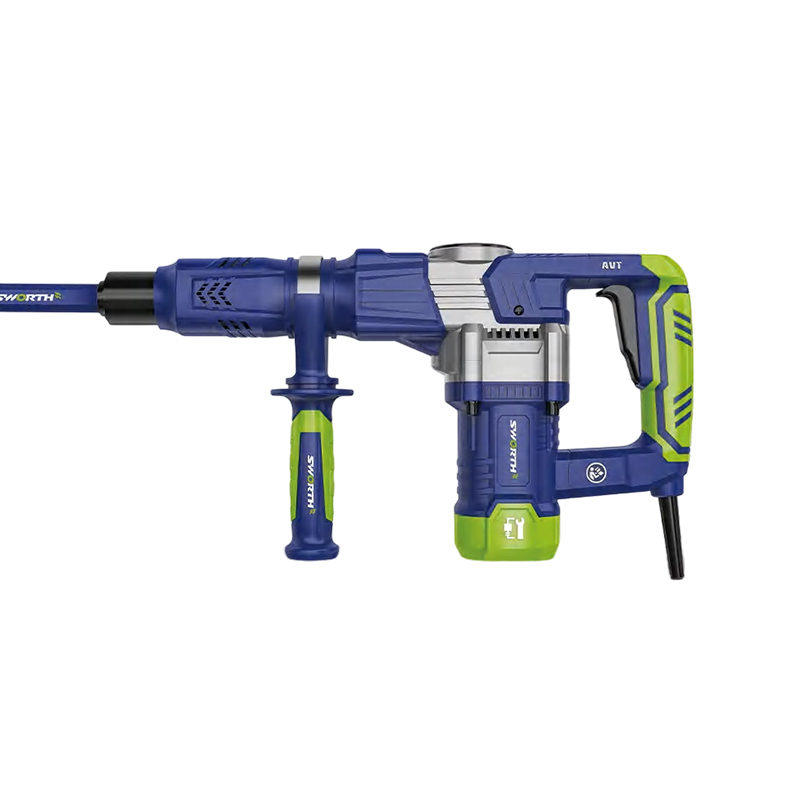
SW535 Powerful Anti-Scalding Demolition Hammer
-
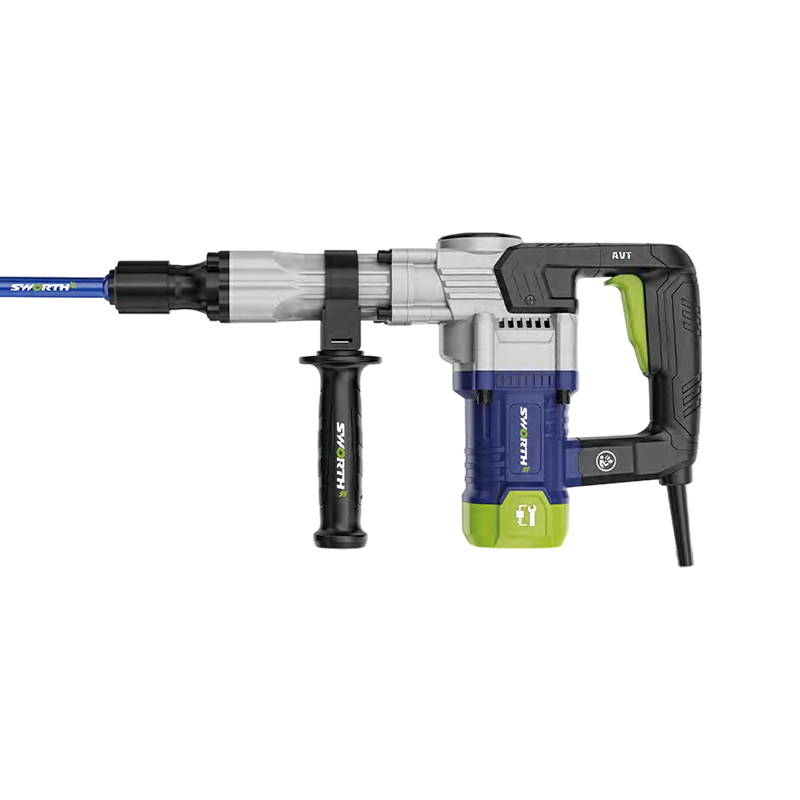
SW535-2 Durable Powerful Demolition Hammer
-
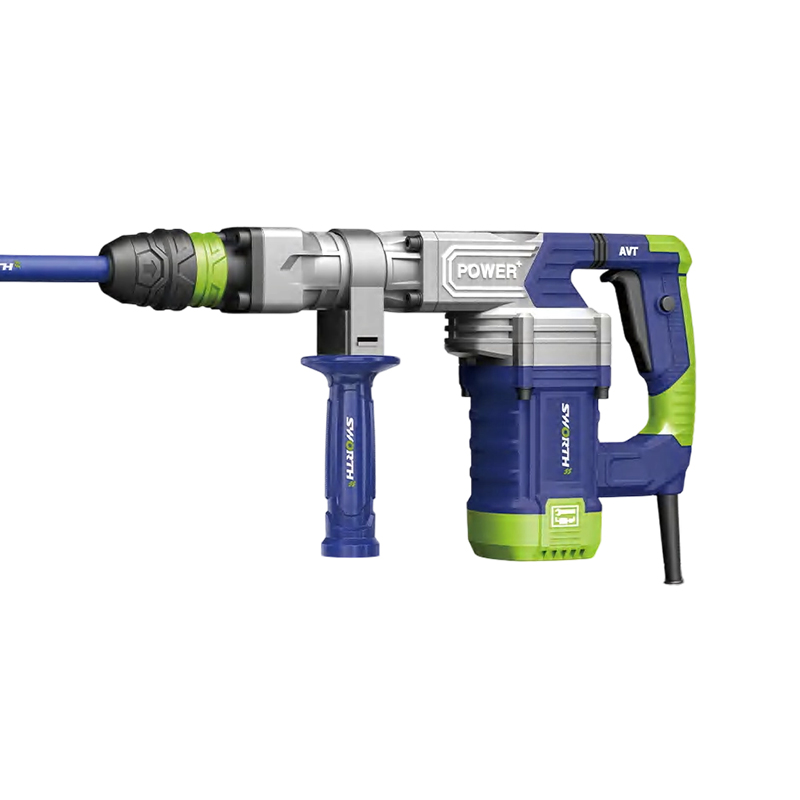
SW35S3 Five-Pipe Drill Bit Demolition Hammer
-

SW11E Five-Pipe Clamping Demolition Hammer
Contact Us
 +86-18314829275
+86-15058591340

 No. 101, Yugui Road, chengxi Industrial Zone, Yongkang City, Zhejiang Province, China
Copyright© Yongkang Siwei Technology Co., Ltd. All Rights Reserved

