 English
 русский
 Español
What Is a Rotary Hammer and How Does It Work?
A rotary hammer, distinct from a regular hammer drill, is a power tool designed for drilling into hard materials such as concrete, brick, stone, and masonry. The key difference lies in its pneumatic hammering mechanism: inside the tool, a piston moves back and forth to generate high-impact blows, which are combined with rotational force to break down hard materials effectively. Unlike hammer drills that rely on a cam mechanism for impact, rotary hammers deliver more powerful and consistent blows, making them suitable for heavy-duty applications.
The working principle of a rotary hammer can be simplified into three core steps: first, the motor drives the gear system to produce rotational motion; second, the crankshaft converts the rotational motion into linear motion of the piston; third, the piston compresses air in the cylinder, pushing the striker to deliver high-frequency impacts to the drill bit. This combination of rotation and impact allows the tool to drill through hard materials with less effort from the user.
Key Factors to Consider When Selecting a Rotary Hammer
1. Power and Impact Energy
The power of a rotary hammer is typically measured in watts (for corded models) or volts (for cordless models), while impact energy is measured in joules (J). Higher impact energy indicates the tool’s ability to drill through harder materials more efficiently. For light-duty tasks such as drilling small holes in brick walls, a model with 1-2 joules of impact energy is sufficient. For heavy-duty tasks like drilling large holes in reinforced concrete, a tool with 3-5 joules or more is recommended.
2. Weight and Ergonomics
The weight of the rotary hammer directly affects user comfort and fatigue during prolonged use. Lightweight models (2-4 kg) are suitable for overhead work or tasks that require frequent movement, while heavier models (5 kg or more) offer more stability and power for ground-level heavy-duty work. Ergonomic design features such as anti-vibration handles, soft-grip surfaces, and balanced weight distribution can significantly reduce user fatigue and improve control.
3. Chuck Type
The chuck type determines the compatibility and ease of changing drill bits. SDS chucks are preferred for professional use due to their quick-change capability and secure grip. SDS-Plus chucks are compatible with most standard drill bits for light to medium tasks, while SDS-Max chucks are designed for larger, heavy-duty bits. For occasional use, a keyless chuck may be sufficient, but it is less durable for frequent heavy use.
4. Additional Features
Modern rotary hammers come with a range of additional features that enhance functionality and safety. These include adjustable speed settings, which allow users to control the rotation and impact rate for different materials; a chiseling mode for breaking up concrete or tile; and safety features such as overload protection and dust extraction systems. Dust extraction is particularly important for indoor work, as it helps maintain air quality and reduces the risk of respiratory issues for users.
Safety Tips for Using Rotary Hammers
Using a rotary hammer requires proper safety precautions to prevent accidents and injuries. Here are some essential safety tips for users:
- Wear appropriate personal protective equipment (PPE), including safety goggles, gloves, a dust mask, and ear protection.
- Inspect the tool before use to ensure it is in good working condition, with no damaged cords, loose parts, or worn components.
- Choose the right drill bit for the material and task, and ensure it is securely fastened in the chuck.
- Keep the work area clean and free of obstacles to avoid tripping hazards.
- Use the tool with both hands for better control, and maintain a stable stance while operating it.
- Avoid overloading the tool, as this can lead to motor damage or loss of control.
- Disconnect the power source (or remove the battery for cordless models) when changing drill bits or performing maintenance.
Recommended Products
-
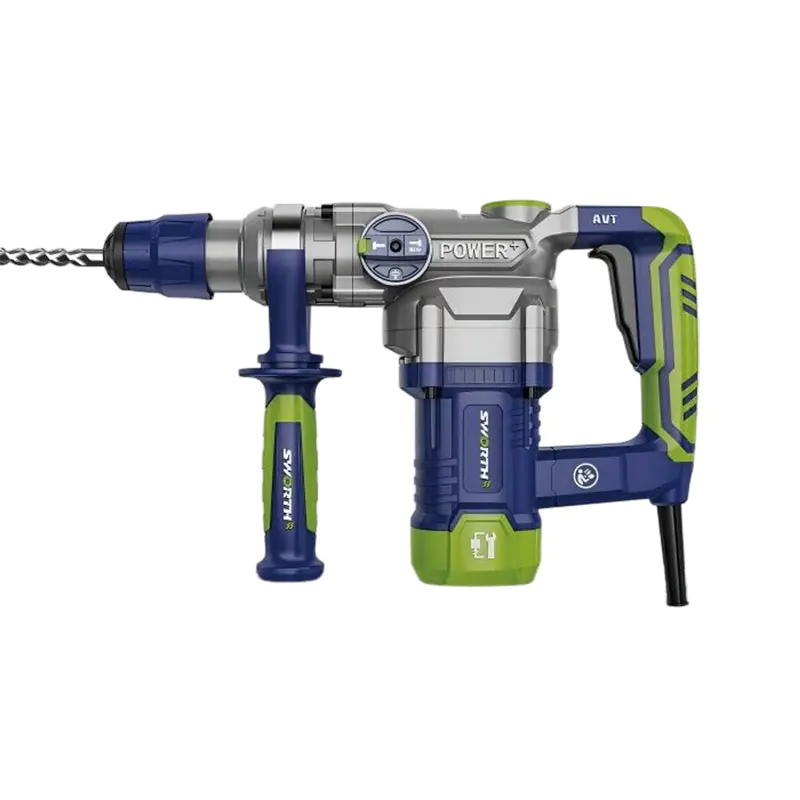


SW528 Small Hole Rebar Hammer
-
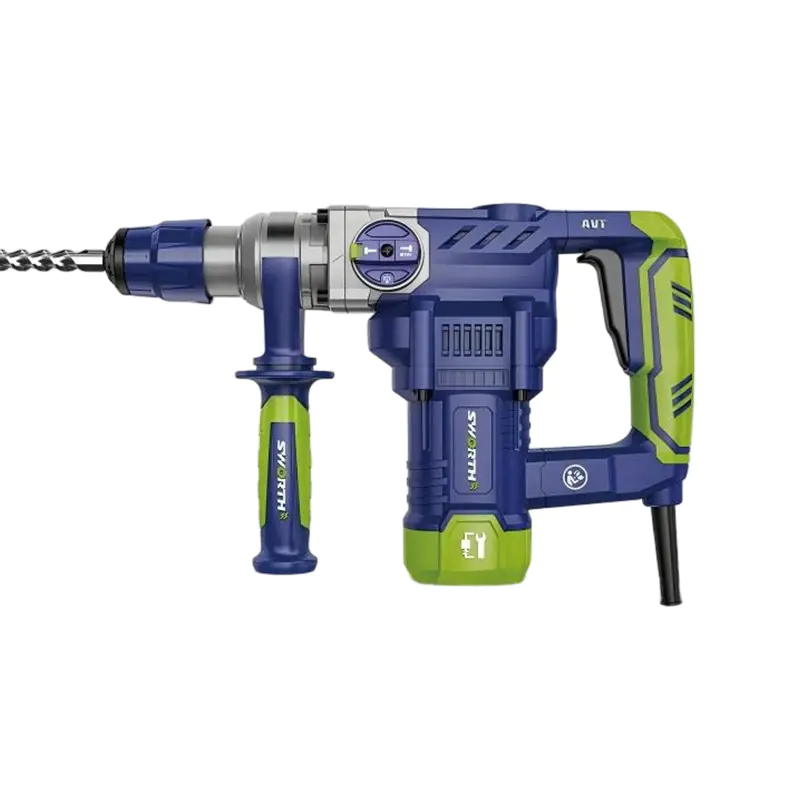
SW932 Groove Sandblasting Hammer
-
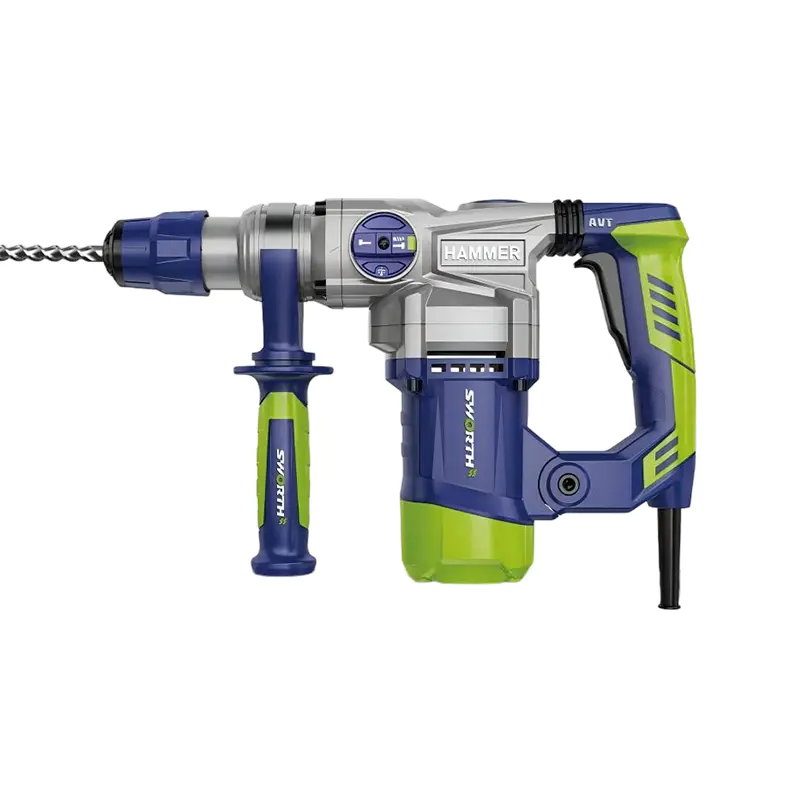
SW9362A Large Hole Rebar Hammer
-
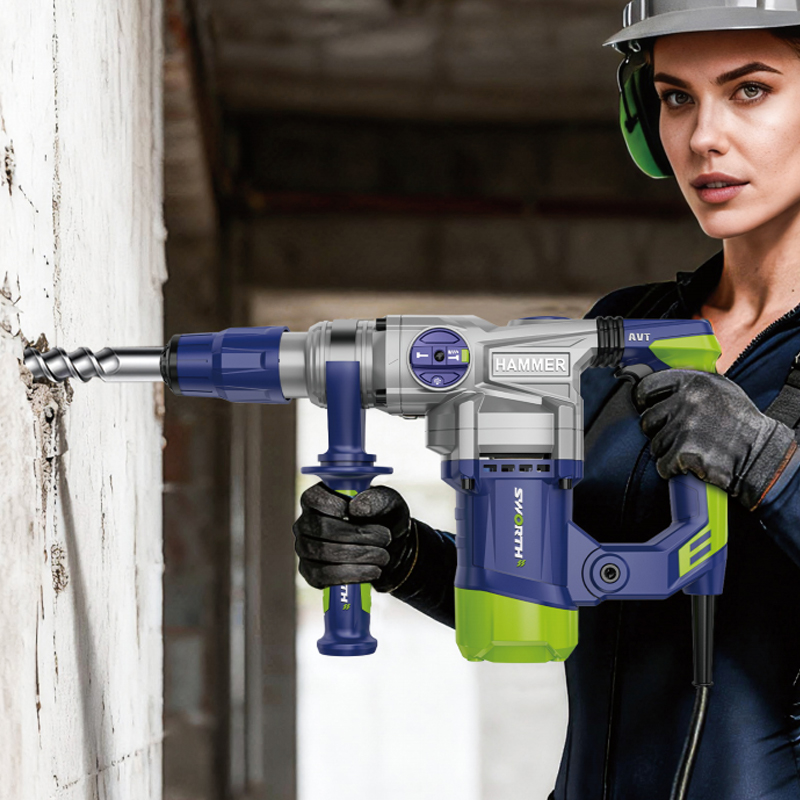
SW940 Enlarged Hole Rebar Hammer
-
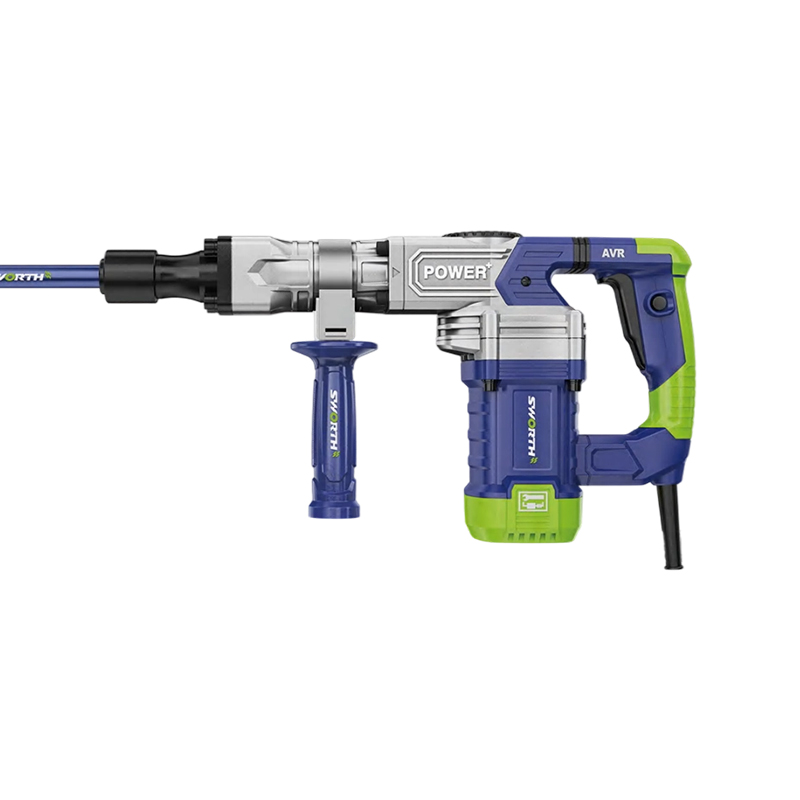
SW35S1 Powerful Demolition Hammer
-
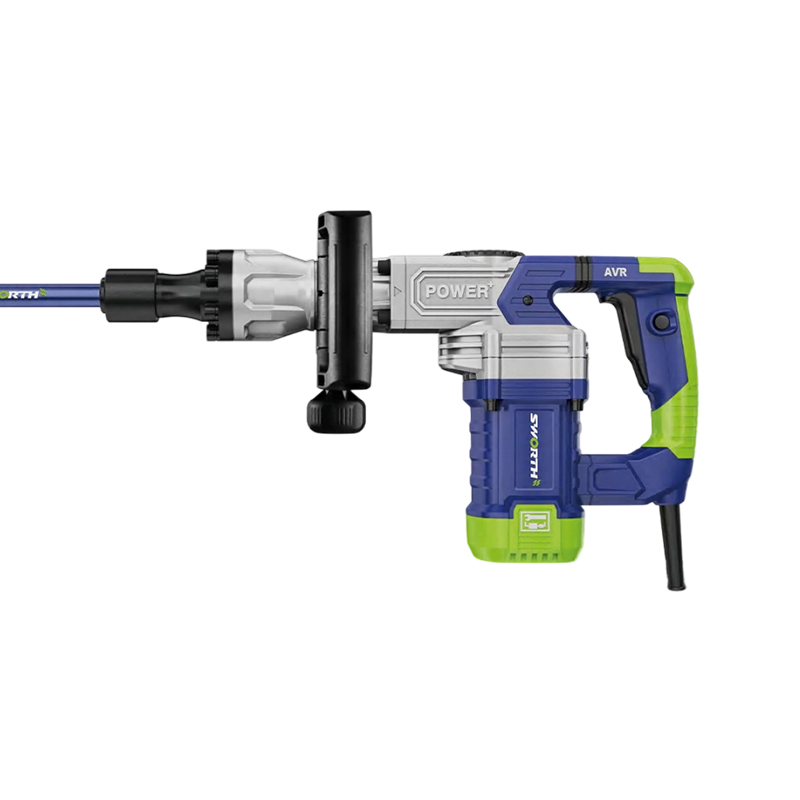
SW35S2 High-Efficiency Heat Dissipation Demolition Hammer
-
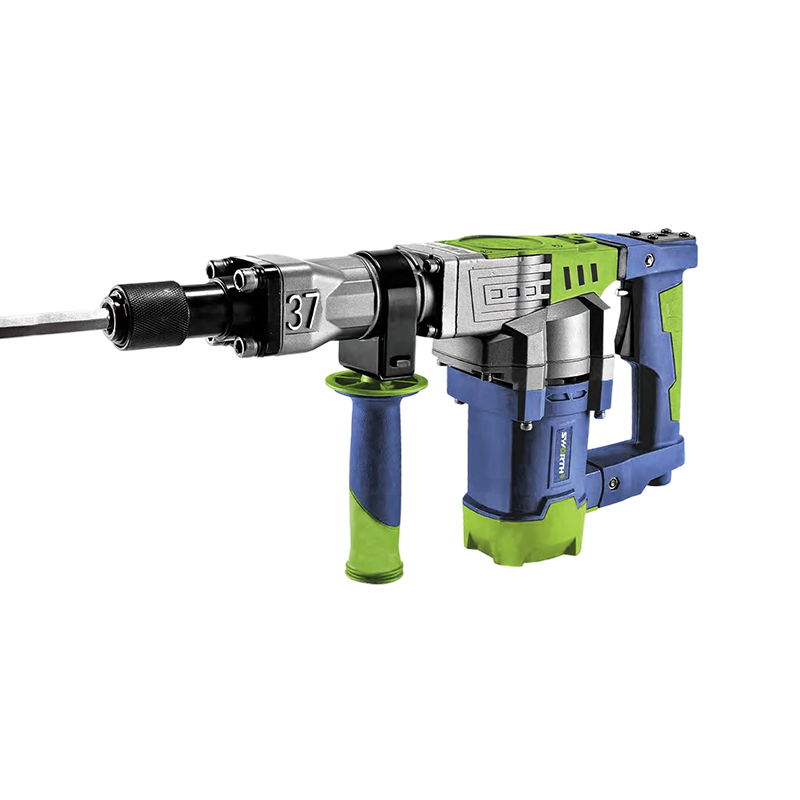
SW9371 High-Power Demolition Hammer
-
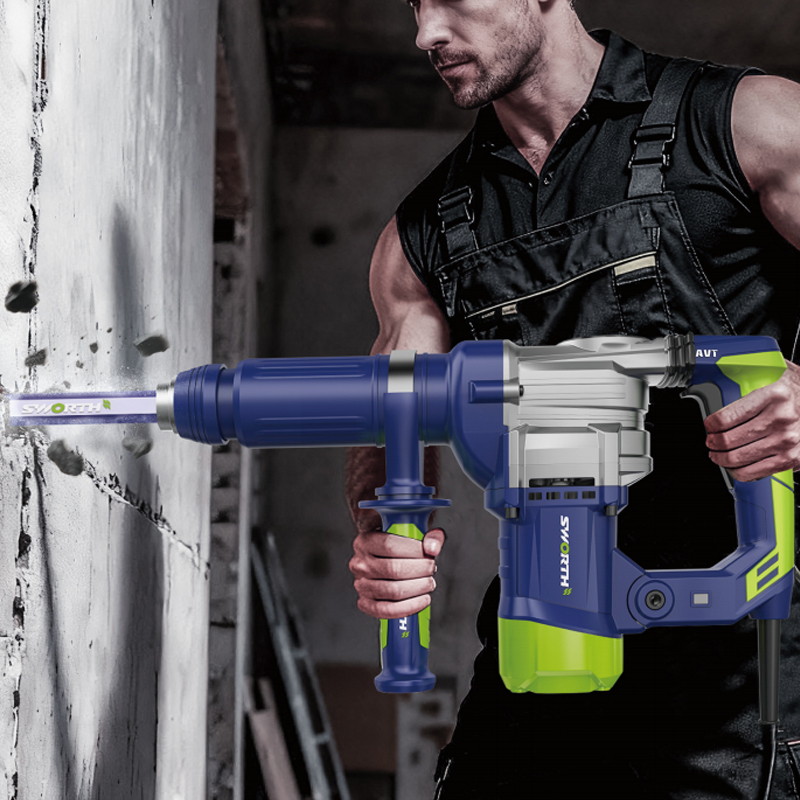
SW9373 Anti-Scalding Carbon Brush Holder Demolition Hammer
-
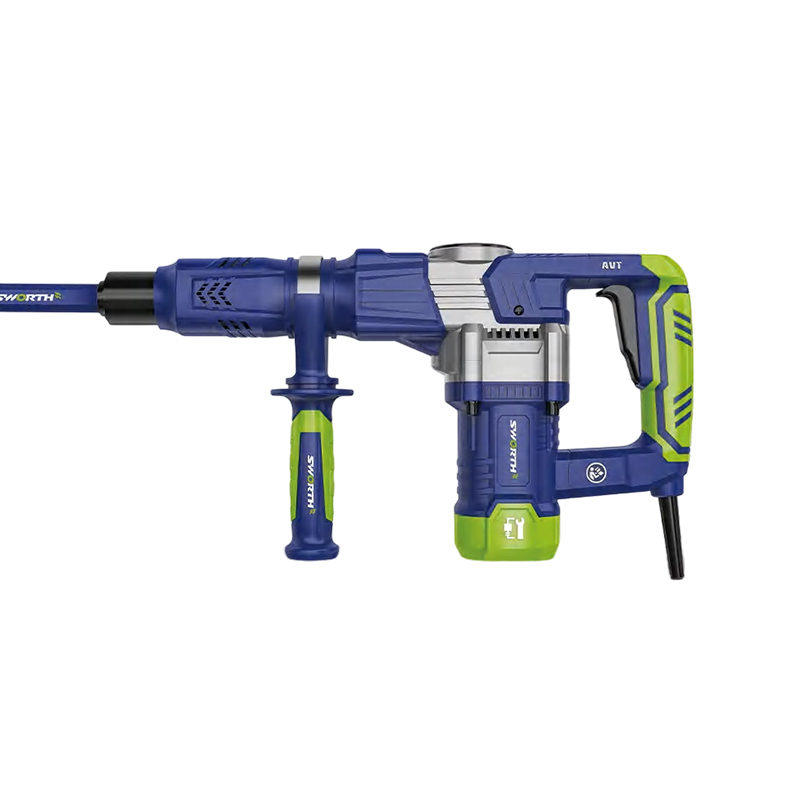
SW535 Powerful Anti-Scalding Demolition Hammer
-
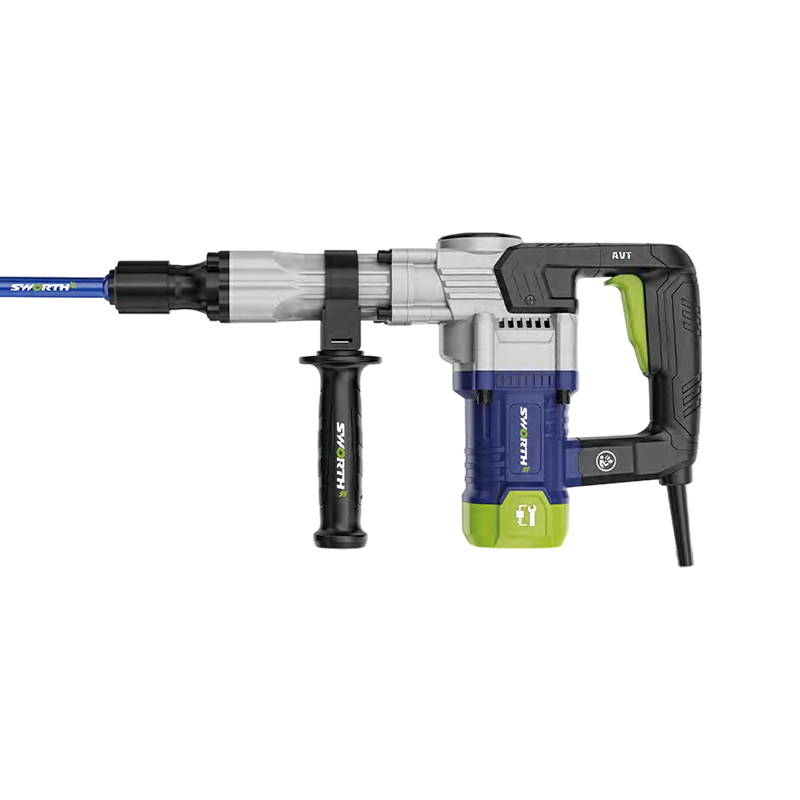
SW535-2 Durable Powerful Demolition Hammer
-
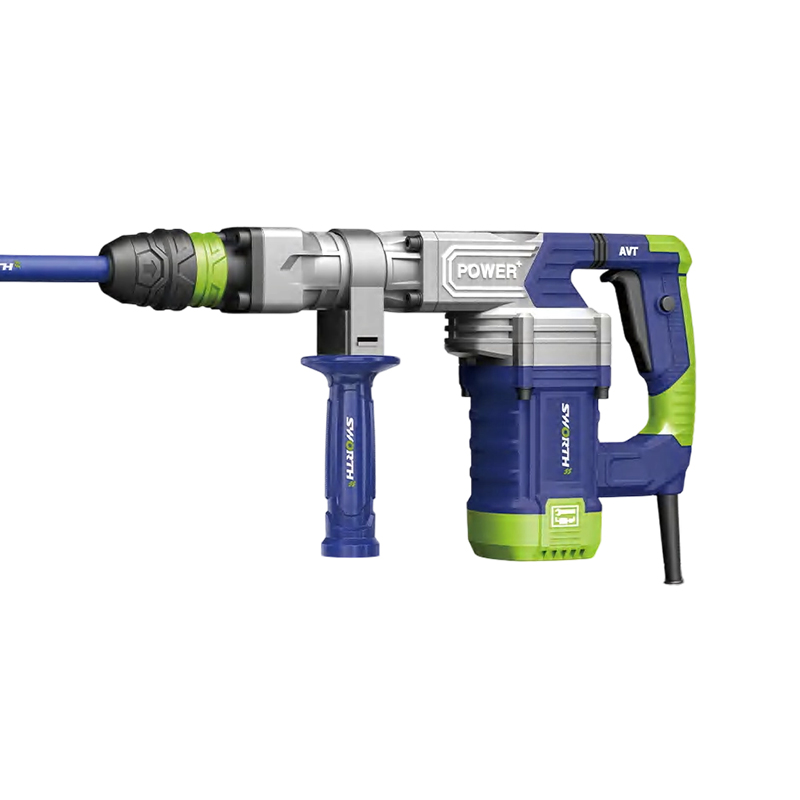
SW35S3 Five-Pipe Drill Bit Demolition Hammer
-

SW11E Five-Pipe Clamping Demolition Hammer
 +86-18314829275
 sale@sworthtools.com
 No. 101, Yugui Road, chengxi Industrial Zone, Yongkang City, Zhejiang Province, China
Copyright© Yongkang Siwei Technology Co., Ltd. All Rights Reserved

Hammer Tools & Cordless Garden Tools Manufacturer
