 English
Circular Saws: How Brushless Motors Are Revolutionizing Cutting Tool Performance
A circular saw is a power tool characterized by a rotating circular blade that cuts through materials such as wood, metal, plastic, and masonry. Unlike traditional handsaws, it relies on a motor to drive the blade at high speeds, enabling fast and consistent cuts. The core components of a circular saw include an electric motor (corded or cordless), a circular blade with sharpened teeth, a blade guard for safety, a base plate (shoe) that stabilizes the tool on the workpiece, and an adjustable cutting depth and angle mechanism.
The working principle of a circular saw is straightforward: when activated, the motor converts electrical energy into mechanical rotational energy, which is transmitted to the blade via a drive system (typically a belt or direct drive). The high-speed rotating blade makes contact with the workpiece, and its sharp teeth slice through the material. The base plate ensures the saw moves smoothly and maintains a consistent cutting angle, while the adjustable depth setting allows users to control the depth of the cut according to the thickness of the material. Additionally, most modern circular saws are equipped with safety features such as a trigger lock (to prevent accidental startup) and an anti-kickback mechanism (to reduce the risk of the saw jerking back during operation).
Key Factors to Consider When Selecting a Circular Saw
Selecting the right circular saw requires careful consideration of several factors to ensure it meets the user’s specific needs and delivers optimal performance. Below are the core criteria to focus on:
1. Power Source (Corded vs. Cordless)
The choice between corded and cordless depends on the user’s work environment and mobility needs. Corded saws are ideal for fixed workspaces and long-duration projects, offering continuous power. Cordless saws are better for remote sites, outdoor work, or areas with limited power access, though battery runtime and charging time should be considered. For heavy-duty tasks, a high-voltage cordless model (40V+) or a powerful corded model is recommended.
2. Blade Size and Type
Blade size (measured by diameter) determines the maximum cutting depth of the saw. Common blade sizes for circular saws range from 6-1/2 inches to 10 inches. A 6-1/2 inch blade is suitable for most residential and light commercial tasks (cutting 2x4 lumber), while a 10-inch blade is used for heavy-duty cutting of thick lumber. The blade type should match the material: carbide-tipped blades are ideal for wood and plywood, abrasive blades for metal, and diamond blades for masonry.
3. Motor Power and Torque
Motor power (watts for corded, volts for cordless) and torque directly impact cutting performance. Higher power and torque enable the saw to cut through hard or thick materials more efficiently without stalling. For light-duty tasks (e.g., cutting softwood), a 1200W-1500W corded saw or 18V-20V cordless saw is sufficient. For heavy-duty tasks (e.g., cutting hardwood or metal), a 1800W+ corded saw or 40V+ cordless saw is recommended.
4. Ergonomics and Safety Features
Ergonomics is crucial for reducing user fatigue during prolonged operation. Key features include a lightweight design, comfortable grip, balanced weight distribution, and easy-to-reach controls. Safety features such as a blade guard, trigger lock, anti-kickback mechanism, and electric brake (which stops the blade quickly when the trigger is released) are essential to prevent accidents. Some advanced models also include dust extraction ports to keep the work area clean and improve visibility.
Safety Tips for Using Circular Saws
Safe operation of a circular saw is essential to prevent accidents and injuries. Below are key safety guidelines for users:
-
Wear appropriate personal protective equipment (PPE), including safety glasses, cut-resistant gloves, sturdy work boots, and hearing protection (for prolonged use).
-
Inspect the saw before each use: check the blade for damage or dullness, ensure the blade guard and safety mechanisms are functioning properly, and verify that the power cord (for corded models) or battery (for cordless models) is in good condition.
-
Secure the workpiece with clamps before cutting to prevent it from moving. Never hold the workpiece with your hand while cutting.
-
Adjust the cutting depth to match the thickness of the material—ensure the blade extends no more than 1/4 inch beyond the workpiece to reduce the risk of kickback.
-
Keep your hands away from the blade path and never reach over the saw while it is running. Use a push stick for small or narrow workpieces to maintain a safe distance from the blade.
-
Avoid cutting wet materials (unless using a saw designed for wet cutting) to prevent slipping and electrical hazards (for corded models).
-
Turn off the saw and disconnect the power source (or remove the battery) before changing the blade or performing maintenance.
-
Store the saw in a dry, cool place when not in use, and keep it out of reach of children.
Recommended Products
-
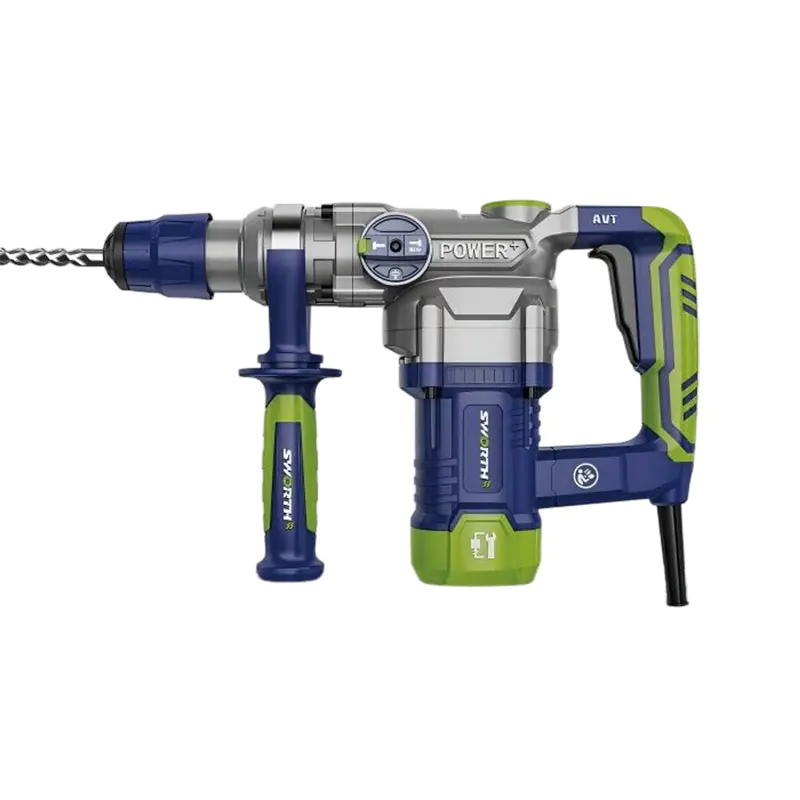


SW528 Small Hole Rebar Hammer
-
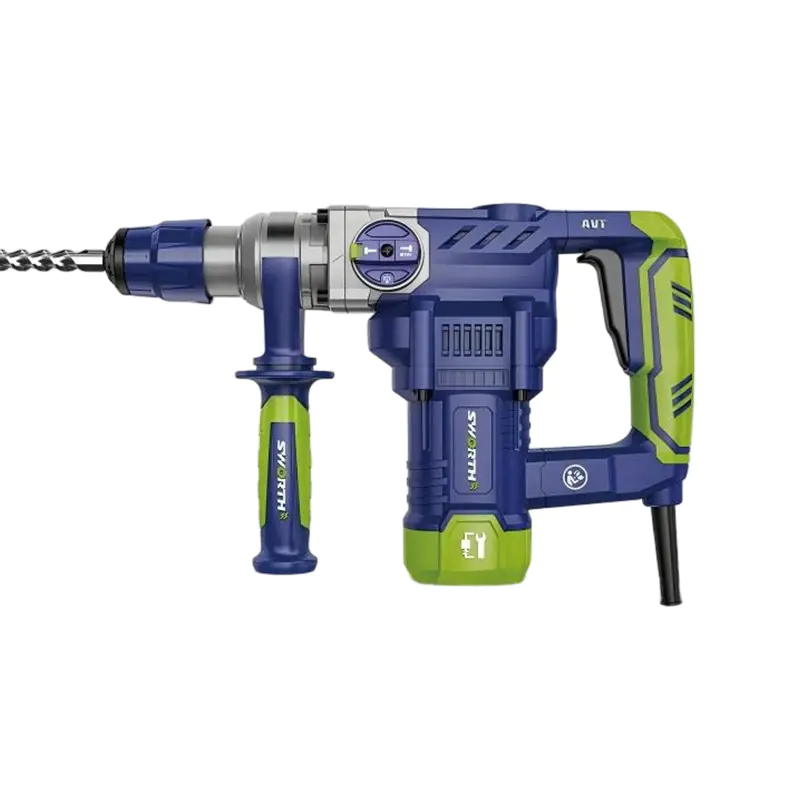
SW932 Groove Sandblasting Hammer
-
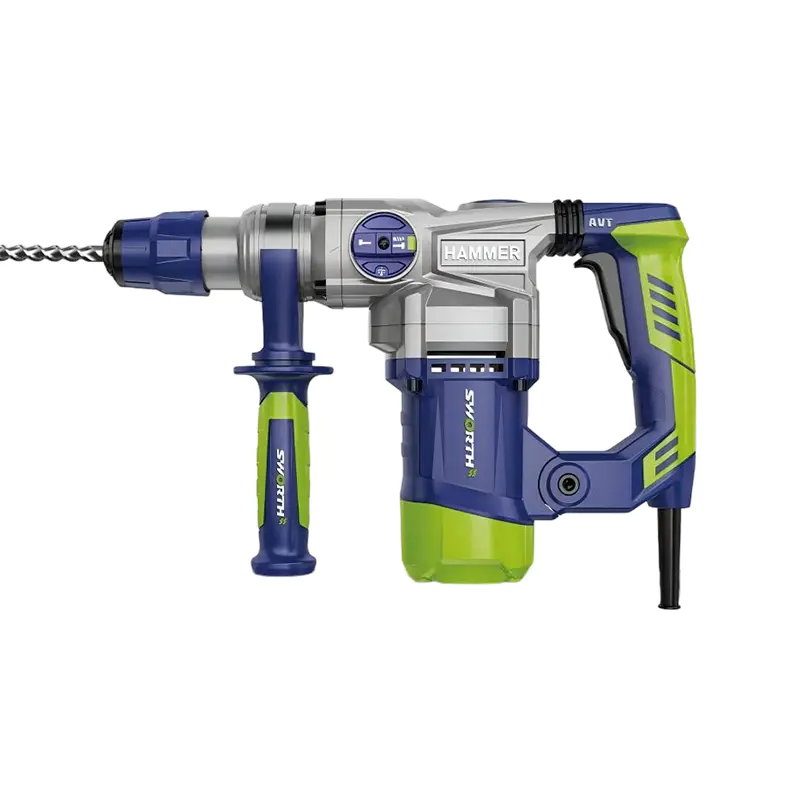
SW9362A Large Hole Rebar Hammer
-
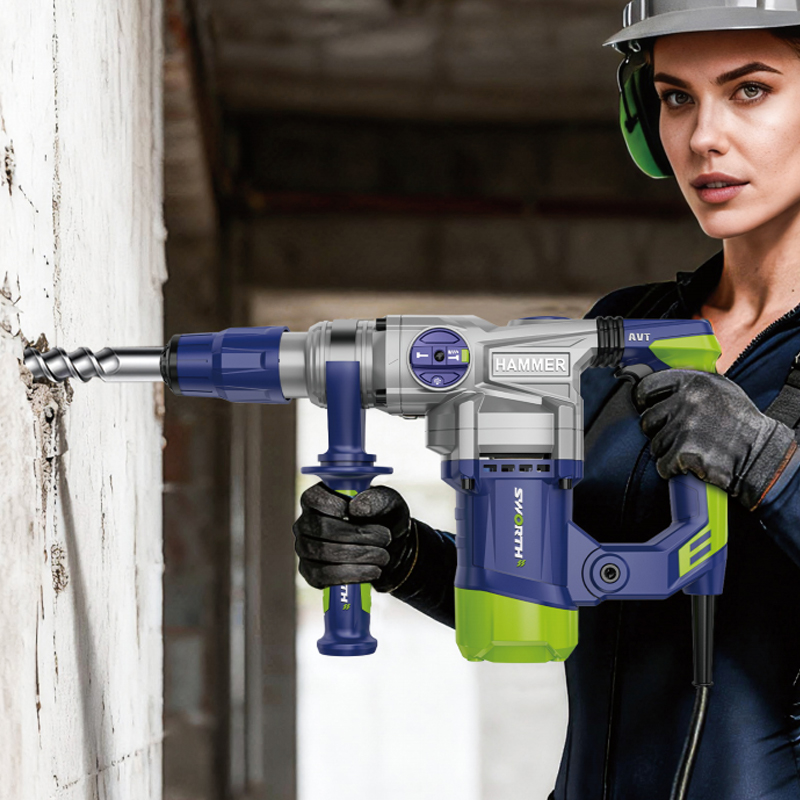
SW940 Enlarged Hole Rebar Hammer
-
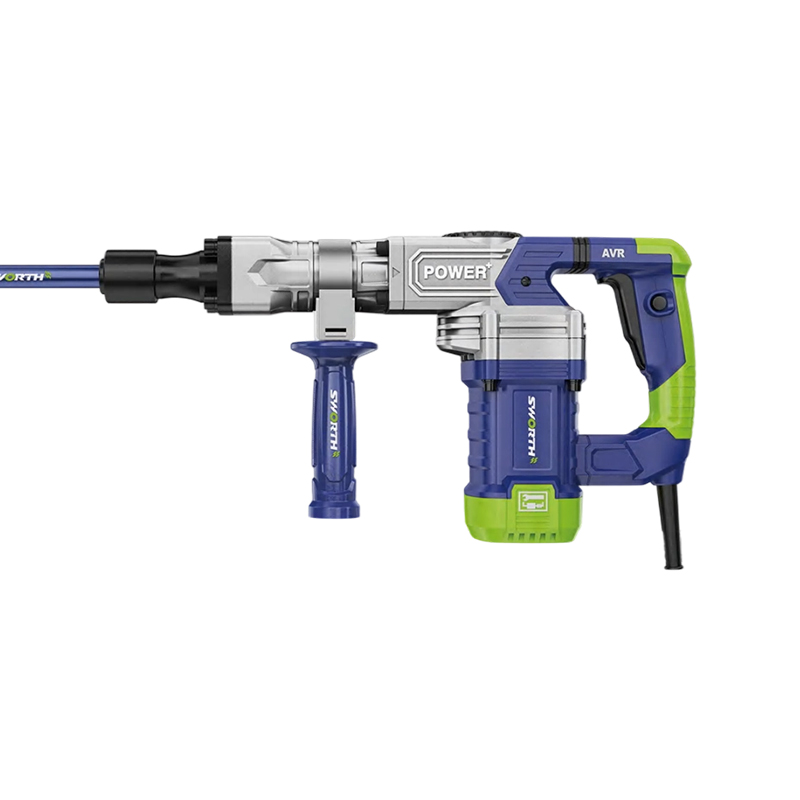
SW35S1 Powerful Demolition Hammer
-
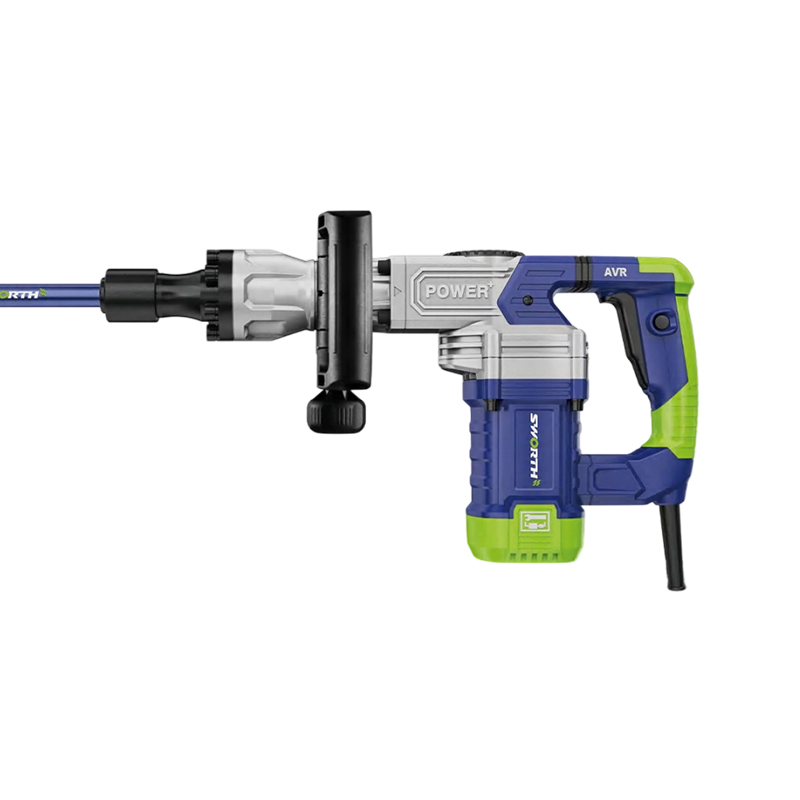
SW35S2 High-Efficiency Heat Dissipation Demolition Hammer
-
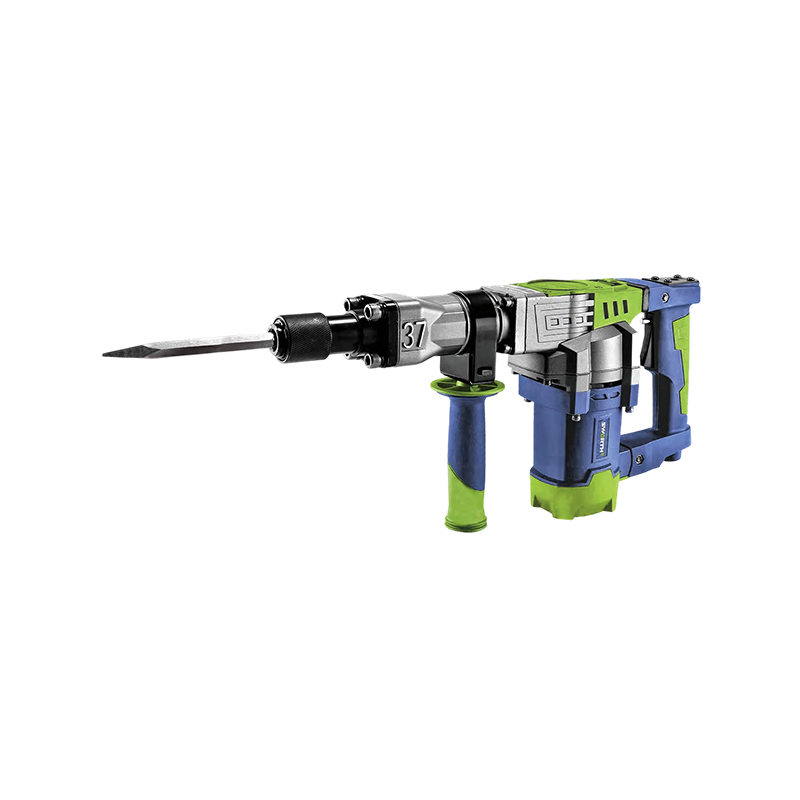
SW9371 High-Power Demolition Hammer
-
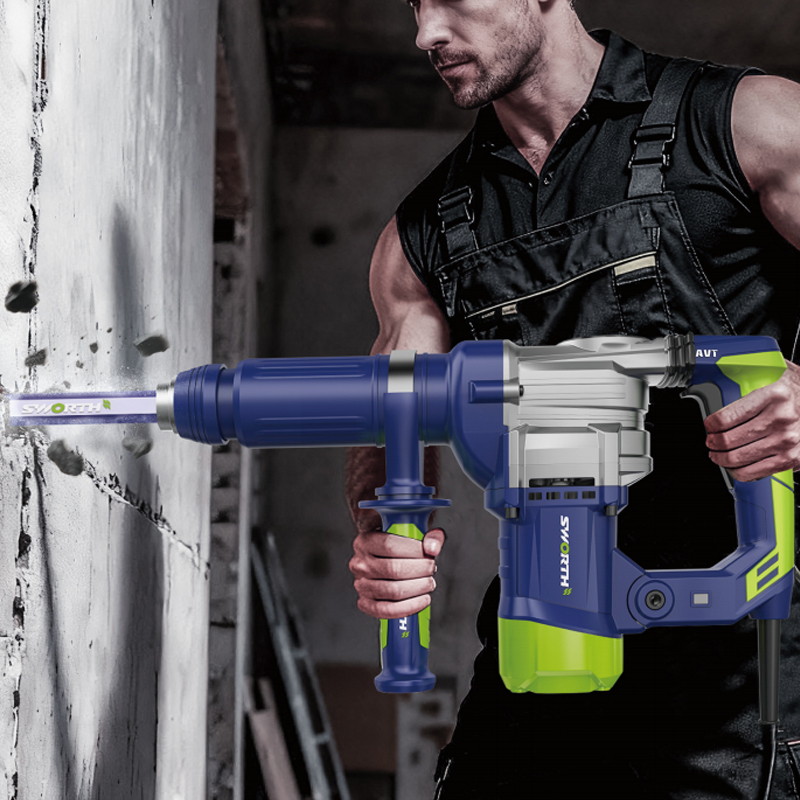
SW9373 Anti-Scalding Carbon Brush Holder Demolition Hammer
-
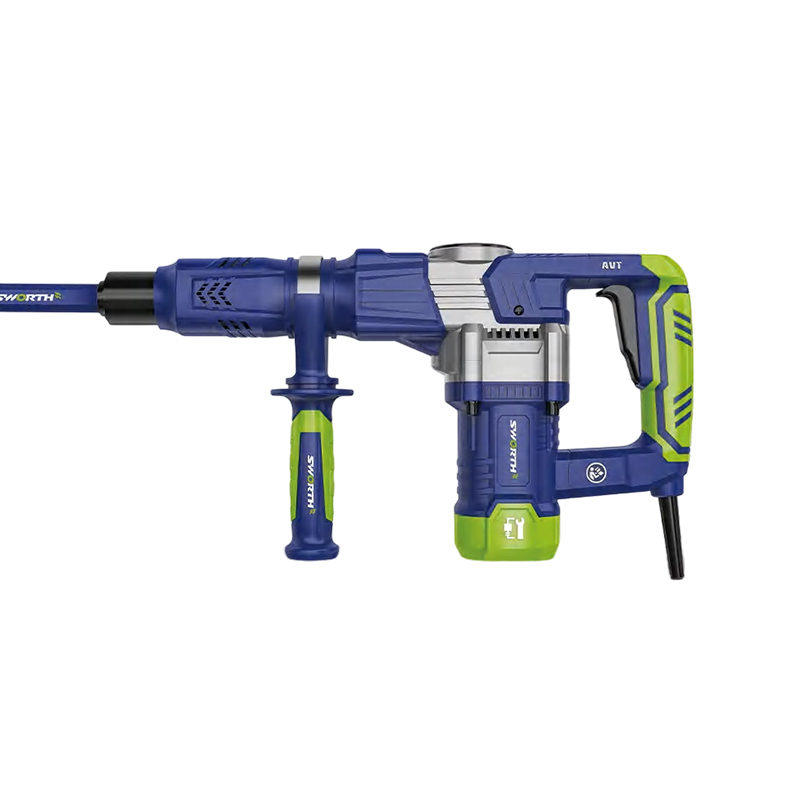
SW535 Powerful Anti-Scalding Demolition Hammer
-
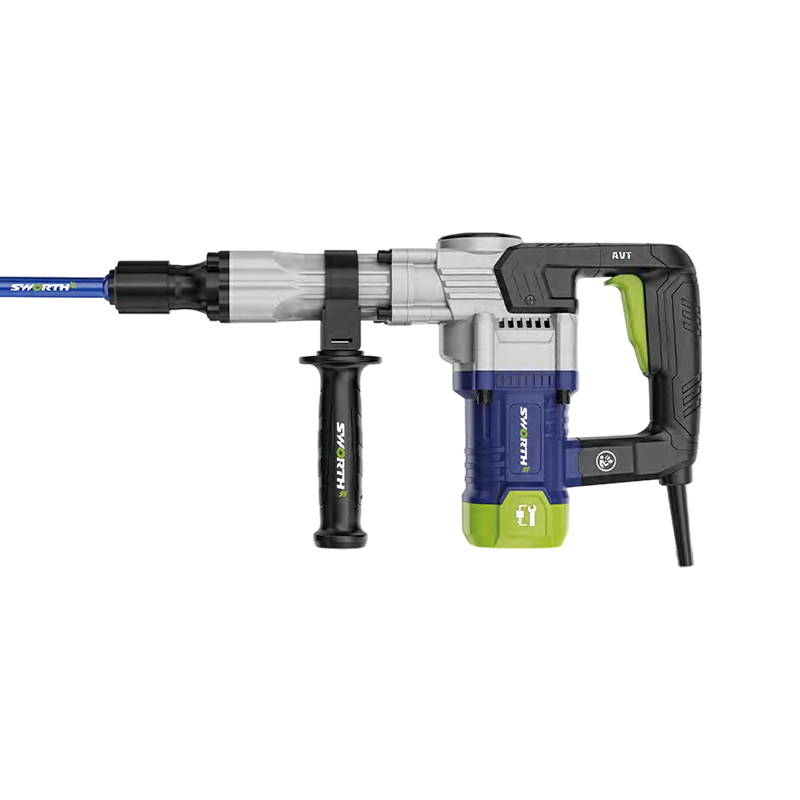
SW535-2 Durable Powerful Demolition Hammer
-
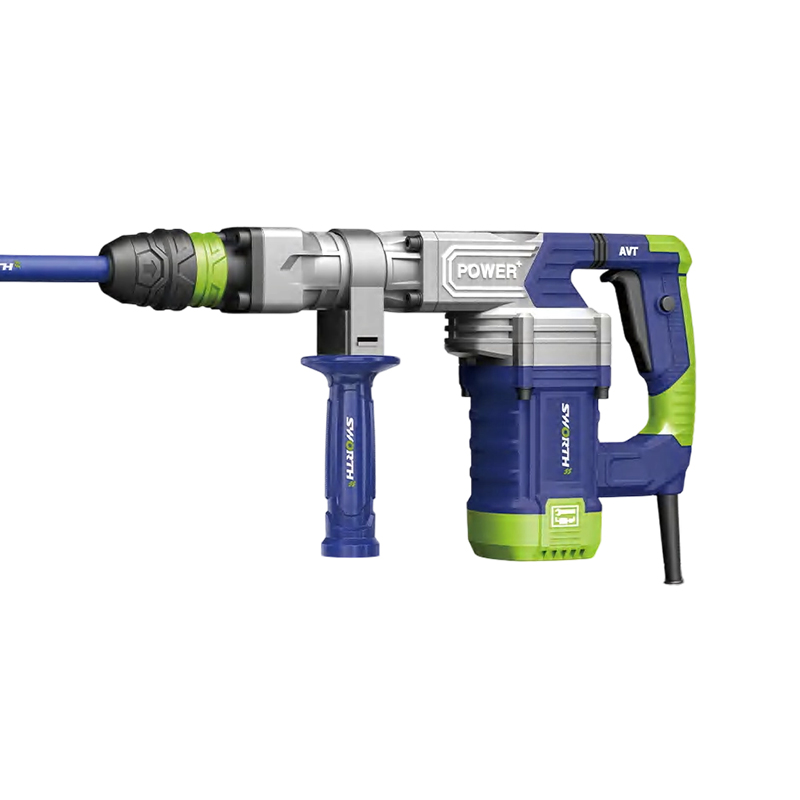
SW35S3 Five-Pipe Drill Bit Demolition Hammer
-

SW11E Five-Pipe Clamping Demolition Hammer
Contact Us
 +86-18314829275
+86-15058591340

 No. 101, Yugui Road, chengxi Industrial Zone, Yongkang City, Zhejiang Province, China
Copyright© Yongkang Siwei Technology Co., Ltd. All Rights Reserved

