 English
 русский
 Español
Anti-Iron Pickaxe Performance and Testing Metrics
Understanding the Anti-Iron Pickaxe
Definition and Purpose: The Anti-Iron Pickaxe is designed to offer enhanced resistance against corrosion and wear compared to conventional metal pickaxes. Its primary aim is to maintain structural integrity over long-term use, especially in harsh conditions such as damp soil, rocky terrain, and high-humidity environments.
Target Users: Outdoor workers, miners, construction professionals, and gardening enthusiasts often seek tools that combine durability with low maintenance. The Anti-Iron Pickaxe addresses these needs by reducing rust formation and extending service life.
Key Factors Affecting Performance
Material Composition
- The main factor influencing the pickaxe’s performance is the material used in its construction. Common options include alloyed steel, stainless steel, or treated iron composites.
- Corrosion-resistant coatings, such as zinc plating or powder coatings, can significantly improve the tool’s longevity and reduce rusting.
Design and Structural Integrity
- The shape and thickness of the pickaxe head determine how effectively it can resist bending or breaking.
- Reinforced joints, ergonomic handles, and high-strength attachments contribute to maintaining performance under heavy stress.
Environmental Exposure
- Frequent exposure to moisture, acidic soils, or salt can accelerate wear in ordinary metal pickaxes.
- Anti-Iron Pickaxes are engineered to withstand these conditions better, but proper care and storage remain essential.
Testing Indicators for Anti-Iron Performance
To determine whether the Anti-Iron Pickaxe truly outperforms traditional metal pickaxes, several testing metrics should be considered:
Corrosion Resistance
- Salt Spray Test: Simulates exposure to saline environments to assess how quickly rust forms.
- Humidity Chamber Test: Measures resistance to prolonged exposure to moisture and high humidity.
Hardness and Wear Resistance
- Rockwell Hardness Test: Evaluates the material’s ability to resist deformation under pressure.
- Abrasion Testing: Determines how the pickaxe surface withstands continuous friction or impact, which is critical when used on rocks or compact soil.
Impact Strength
- Drop and Shock Tests: Assess the tool’s durability against sudden force or accidental drops.
- Flexural Strength Measurements: Examine the pickaxe’s ability to resist bending under heavy loads.
Coating and Surface Integrity
- Adhesion Tests: Ensure protective coatings do not peel or chip during use.
- Surface Roughness Analysis: Helps evaluate whether micro-structural defects could accelerate corrosion.
Comparative Performance Analysis
- Longevity: Independent tests generally show that corrosion-resistant pickaxes maintain structural integrity longer than standard iron tools under identical environmental conditions.
- Maintenance: Reduced rust formation translates to less frequent cleaning and oiling, which saves time and cost for users.
- Practical Efficiency: While raw cutting power may be similar between Anti-Iron and traditional pickaxes, the former’s resistance to wear ensures consistent performance over months or years.
Practical Recommendations for Users
- Inspection Before Use: Check for coating defects, loose attachments, or signs of corrosion, even on an Anti-Iron Pickaxe.
- Environmental Awareness: Avoid prolonged exposure to highly acidic soils or stagnant water to improve durability.
- Maintenance Practices: Occasional cleaning and light oiling of joints or metal surfaces further extend tool life.
- Testing Familiarity: Understanding key metrics, such as hardness and impact resistance, allows users to make informed comparisons between products.
The Anti-Iron Pickaxe offers measurable advantages over traditional metal pickaxes, particularly in corrosion resistance, durability, and maintenance efficiency. However, its true performance depends on careful selection, proper usage, and adherence to maintenance practices. By considering testing indicators such as corrosion resistance, hardness, impact strength, and surface integrity, users can reliably assess whether a particular Anti-Iron Pickaxe meets their practical needs. While no tool is completely impervious to wear, investing in a well-engineered Anti-Iron Pickaxe ensures a longer-lasting and more dependable performance, especially in challenging environments.
Recommended Products
-
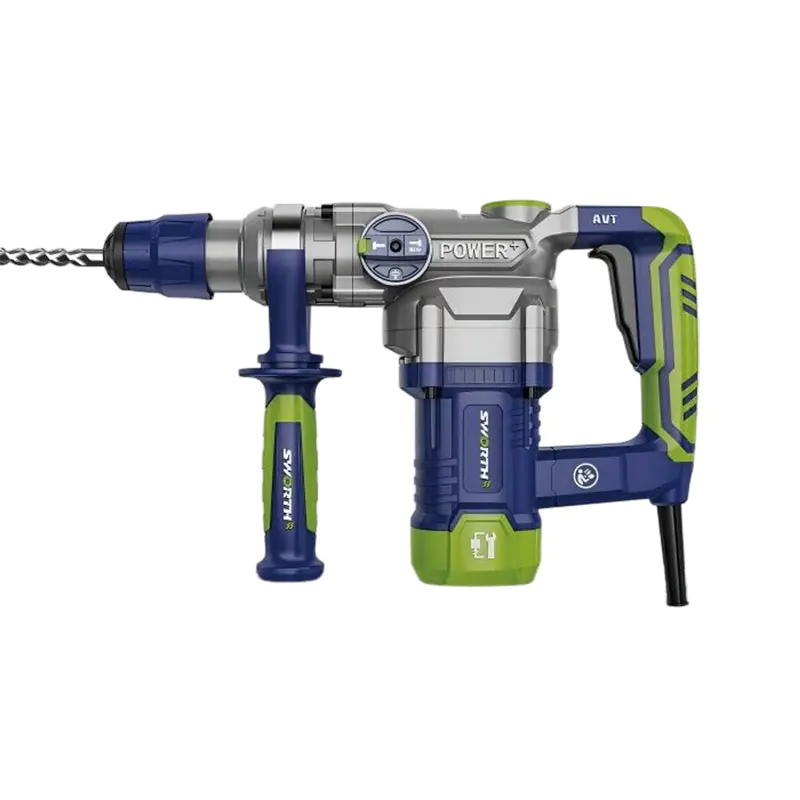


SW528 Small Hole Rebar Hammer
-
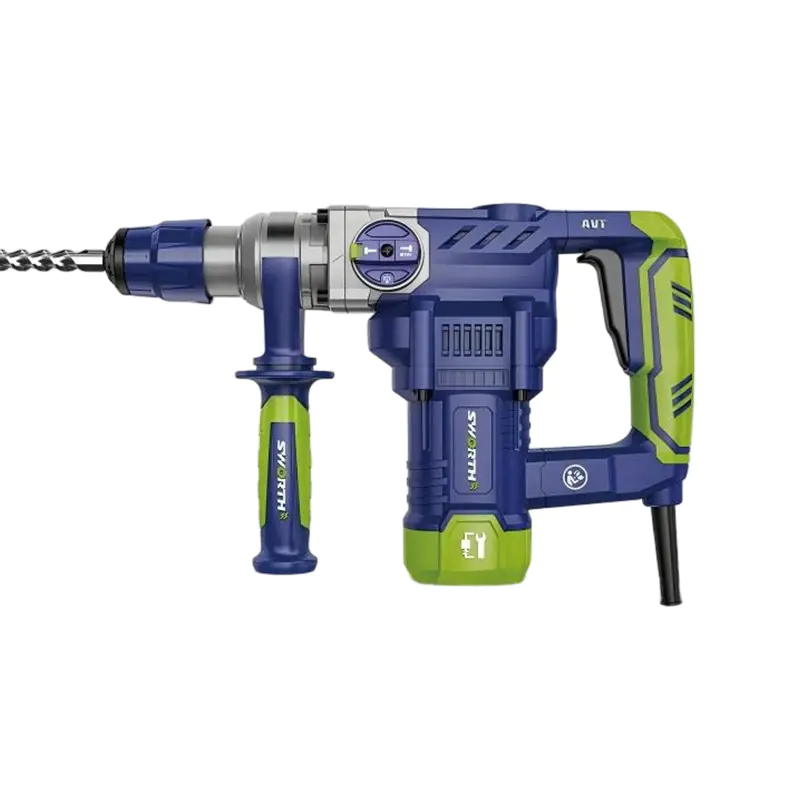
SW932 Groove Sandblasting Hammer
-
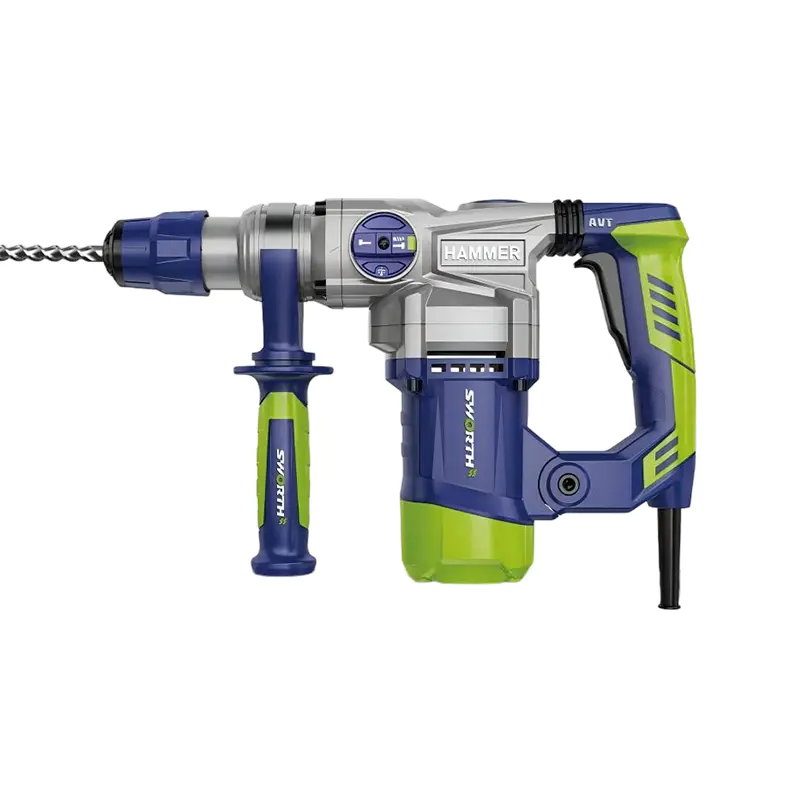
SW9362A Large Hole Rebar Hammer
-
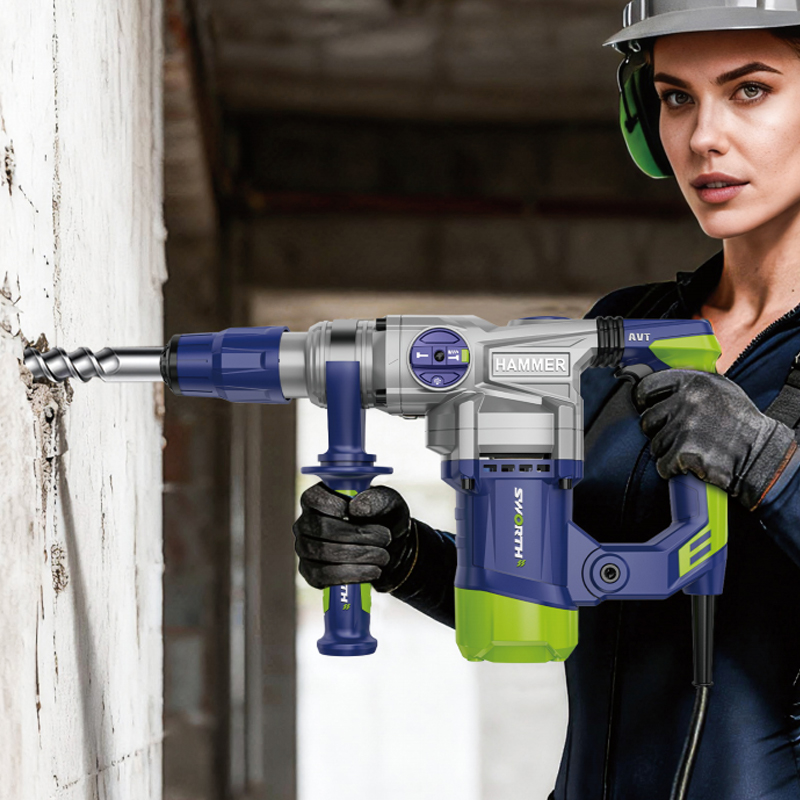
SW940 Enlarged Hole Rebar Hammer
-
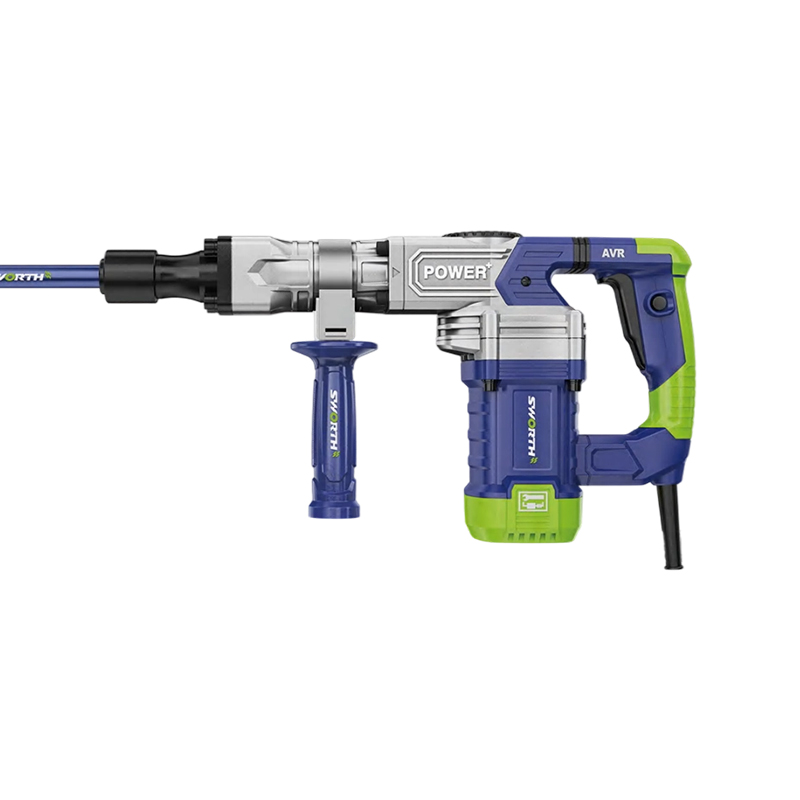
SW35S1 Powerful Demolition Hammer
-
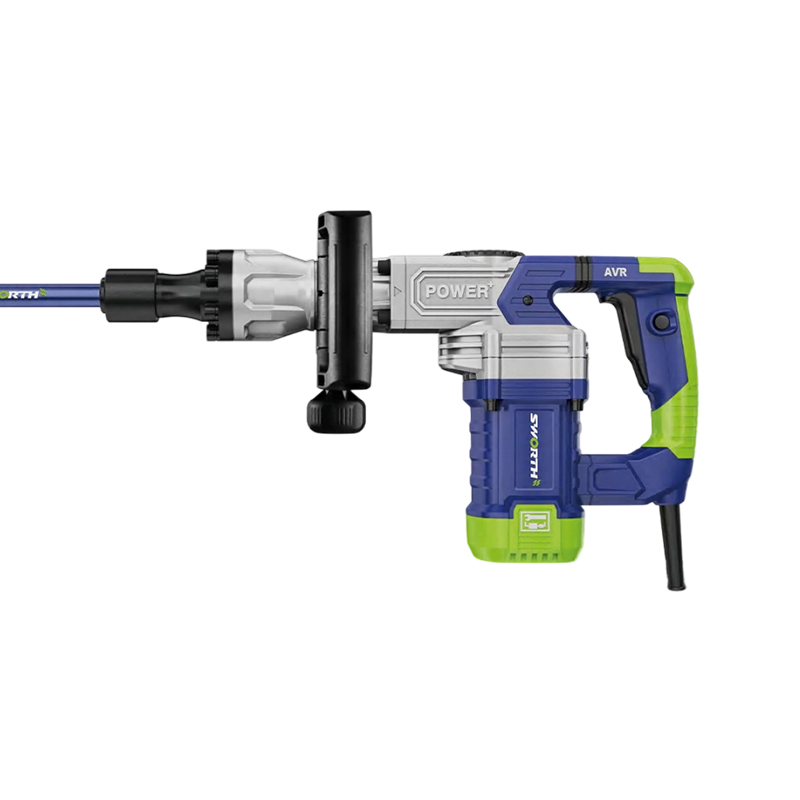
SW35S2 High-Efficiency Heat Dissipation Demolition Hammer
-
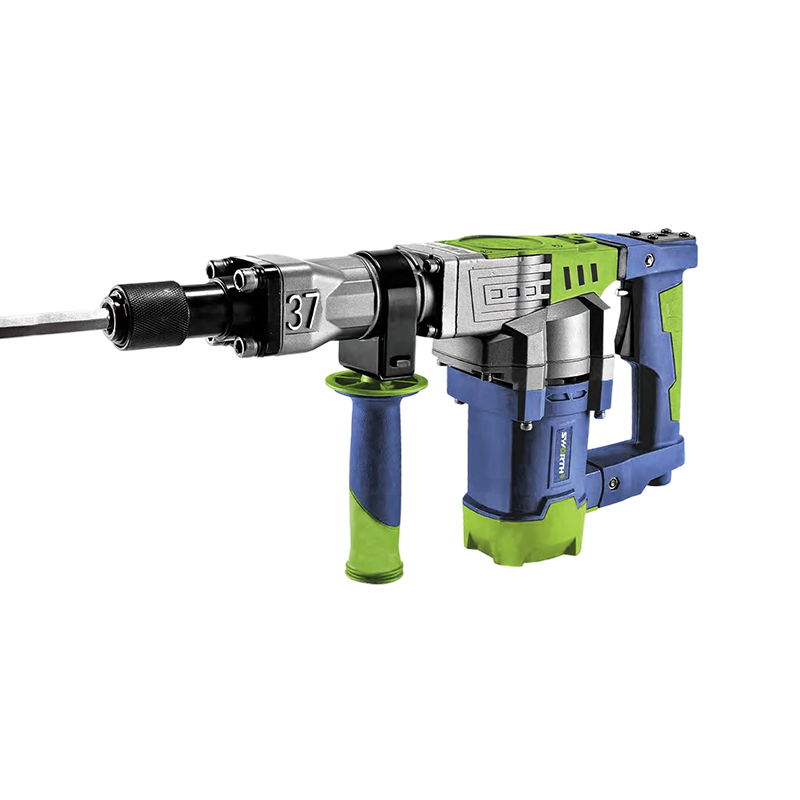
SW9371 High-Power Demolition Hammer
-
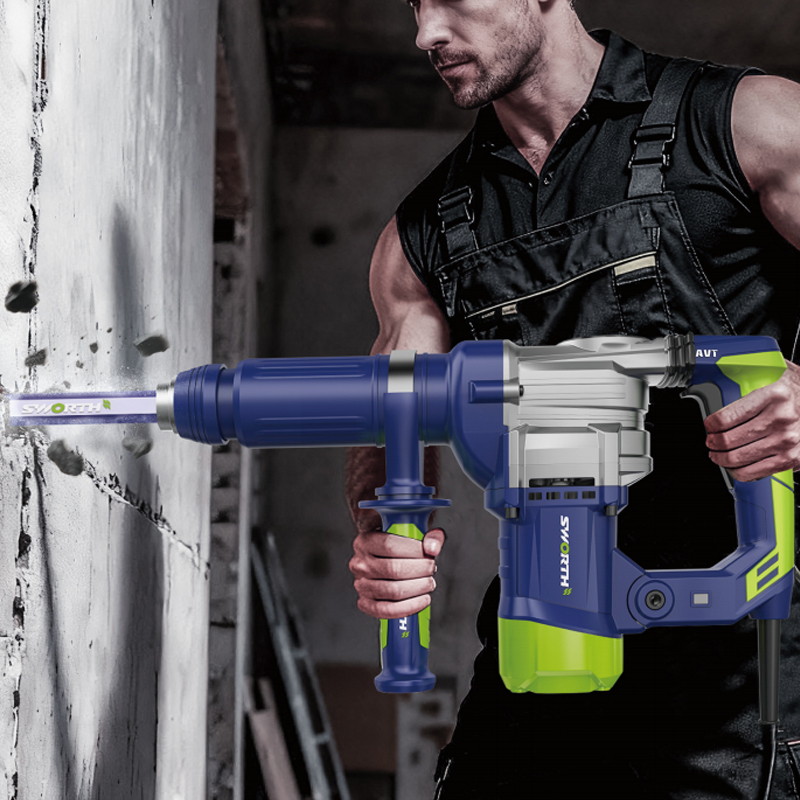
SW9373 Anti-Scalding Carbon Brush Holder Demolition Hammer
-
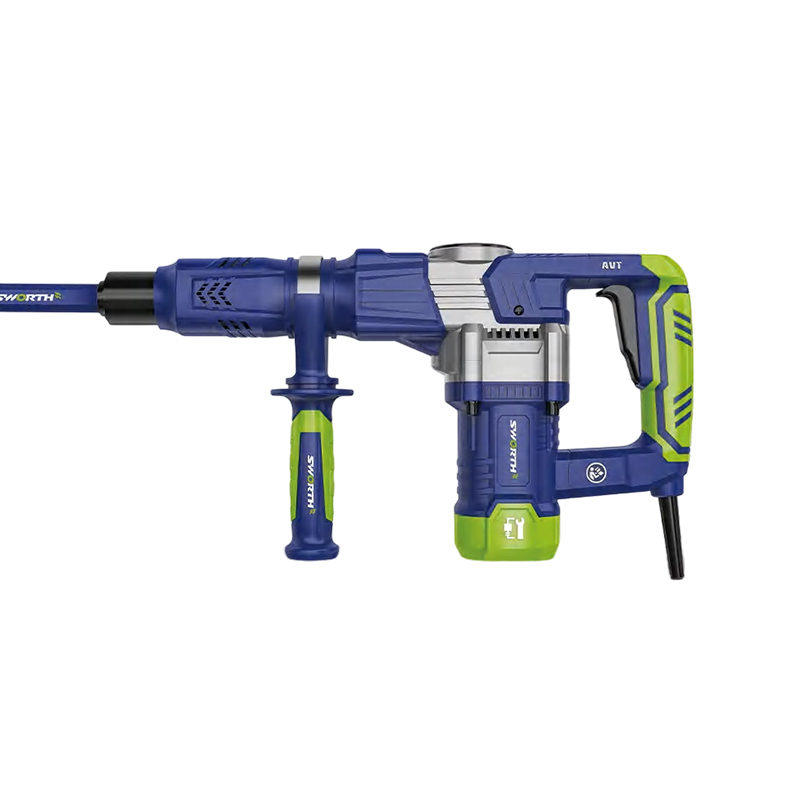
SW535 Powerful Anti-Scalding Demolition Hammer
-
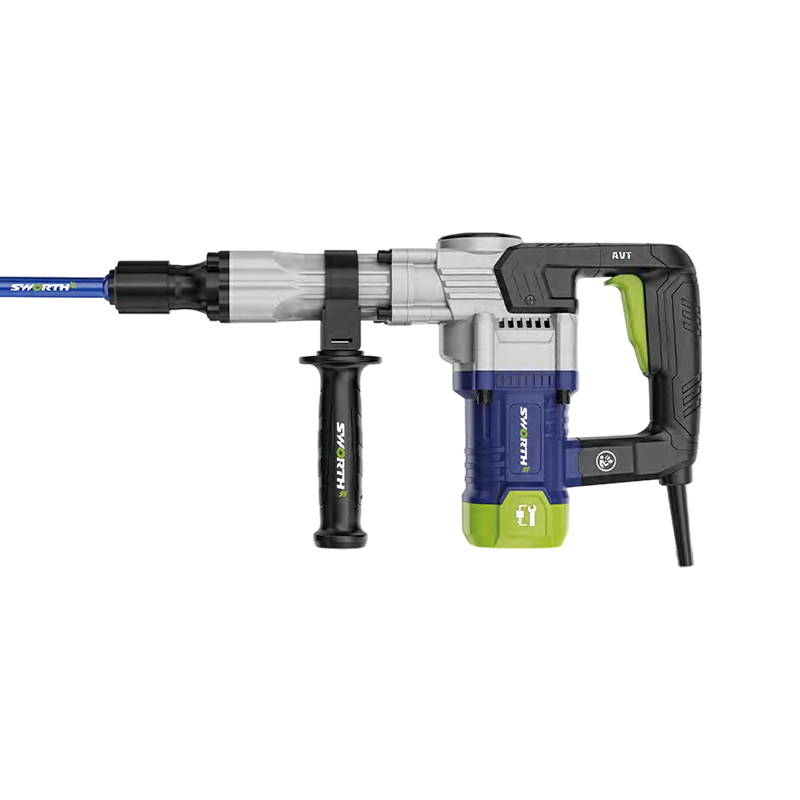
SW535-2 Durable Powerful Demolition Hammer
-
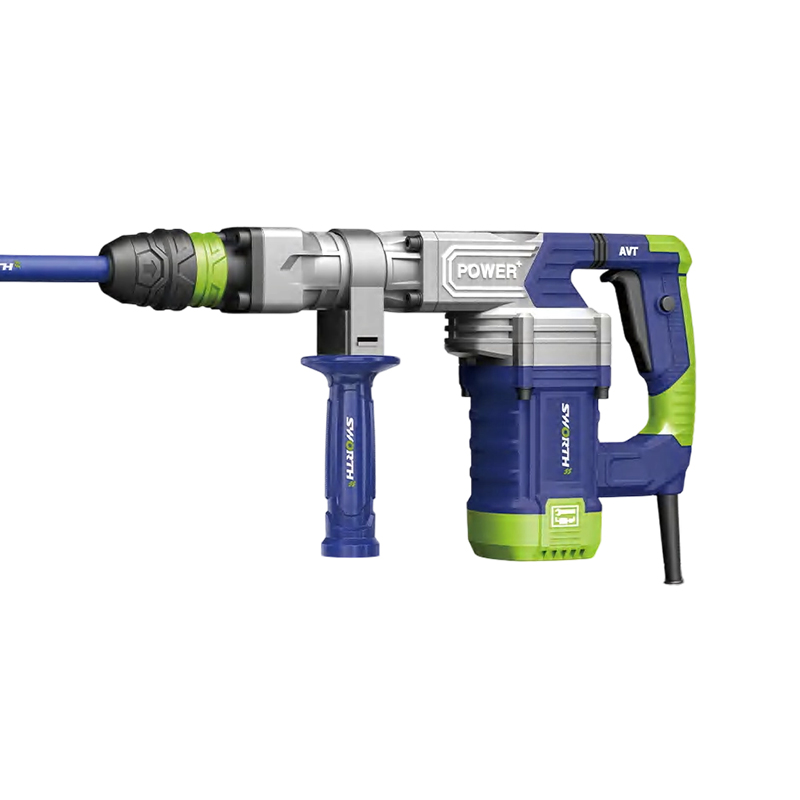
SW35S3 Five-Pipe Drill Bit Demolition Hammer
-

SW11E Five-Pipe Clamping Demolition Hammer
 +86-18314829275
 sale@sworthtools.com
 No. 101, Yugui Road, chengxi Industrial Zone, Yongkang City, Zhejiang Province, China
Copyright© Yongkang Siwei Technology Co., Ltd. All Rights Reserved

Hammer Tools & Cordless Garden Tools Manufacturer
