 English
 русский
 Español
Anti-Iron Pickaxe Factory: The Tool That Breaks Rock Without Sparking
A pickaxe swings into rock. The point hits. In a coal mine or a gas-rich tunnel, a single spark from steel striking rock can ignite an explosion. That is why anti-iron pickaxes exist. The head is made from beryllium copper or aluminum bronze, alloys that do not produce sparks when they strike stone. An anti-iron pickaxe factory builds these tools for underground mining, oil and gas facilities, and chemical plants where an ordinary steel pickaxe is a fire hazard. The tool has to do the same work as a steel pickaxe: break rock, pry material, and survive constant impact. The difference is the material.
Why Steel Is Dangerous Underground
Steel striking rock produces sparks. In an environment with flammable gas, coal dust, or solvent vapors, a spark can set off an explosion. The tools used in these environments have to be made from materials that do not spark. Beryllium copper and aluminum bronze are the standard choices. They are hard enough to break rock, tough enough to survive impact, and non-sparking.
An anti-iron pickaxe factory forges the head from these alloys. The forging process aligns the grain structure for strength. The point is hardened and sharpened. The head is fitted to a handle, usually hickory or fiberglass. The tool looks like a standard pickaxe. It just does not spark.
Beryllium copper is the stronger of the two alloys. It has a hardness approaching steel and outstanding wear resistance. An anti-iron pickaxe factory using beryllium copper produces a tool that lasts. Aluminum bronze is softer and wears faster, but it costs less. An anti-iron pickaxe factory offers both grades for different applications.
The Forging and the Point
The pickaxe head has two ends: a pointed end for breaking and a chisel end for prying. An anti-iron pickaxe factory forges the head as one piece, then machines and hardens the working ends. The point has to penetrate rock without chipping. The chisel end has to wedge under material without bending.
The heat treatment for non-sparking alloys is different from steel. Beryllium copper is solution-treated and aged to reach its full hardness. The process requires precise temperature control. An anti-iron pickaxe factory that controls the heat treatment produces a head that holds its edge. A factory that skips the aging step produces a head that dulls fast.
The eye of the head, where the handle passes through, is the stress point. The head has to fit the handle tightly without cracking. An anti-iron pickaxe factory machines the eye to a precise taper and reinforces the area around it.
The Handle That Takes the Shock
The handle absorbs the impact of every swing. A steel pickaxe handle would be unthinkable in a spark-sensitive environment anyway, but the handle is traditionally wood or fiberglass. Hickory is the standard wood choice. It flexes and absorbs vibration. Fiberglass resists weather and never splinters.
An anti-iron pickaxe factory fits the handle to the head with a taper press fit and a wedge. The wedge expands the handle inside the eye so the head does not fly off mid-swing. A loose head is a safety hazard in any environment, but in an underground mine it is deadly.
The handle length varies by use. A short handle suits confined spaces. A long handle gives more swing force. An anti-iron pickaxe factory offers lengths from 600 millimeters to a meter and more.
Here is what an anti-iron pickaxe factory needs to deliver:
- Head forged from beryllium copper or aluminum bronze
- Heat treatment that reaches full alloy hardness
- Point and chisel ends shaped for the work
- Handle fitted with a wedge-secured press fit
- Hickory or fiberglass handle options
- No spark under impact with stone
Where These Tools Go Underground
Coal mines are the primary market. The pickaxe breaks coal from the seam and pries loose rock. The air can carry coal dust and methane. Any spark is a potential explosion. An anti-iron pickaxe factory supplies mines with tools that meet the safety standard.
Oil and gas facilities use non-sparking tools around pipelines and storage tanks. The pickaxe is not the primary tool, but it is in the safety kit for emergency work. An anti-iron pickaxe factory serving this market builds tools that sit in a cabinet for months and work when needed.
Chemical plants and grain elevators have similar spark risks. Flammable vapors and grain dust can ignite. The pickaxe is used for maintenance and emergency access. An anti-iron pickaxe factory supplies these facilities with non-sparking tools that meet the site safety requirements.
What Fails When the Alloy Is Soft
The point dulls after a few swings because the alloy was not heat-treated properly. The tool becomes a hammer instead of a pick. An anti-iron pickaxe factory that controls the aging process for beryllium copper produces a tool that holds its edge.
The head chips at the point because the alloy was too brittle. The balance between hardness and toughness is the factory's expertise. A head that is too hard chips. One that is too soft deforms. An anti-iron pickaxe factory hits the middle ground.
The handle loosens because the wedge was not set correctly. The head shifts on the handle and the tool becomes unsafe. An anti-iron pickaxe factory that sets the wedge and tests the fit builds a tool that stays together.
An anti-iron pickaxe factory builds a tool that looks like a pickaxe and works like a pickaxe, but does not spark. In a mine full of gas, that is the difference between a tool and a bomb. The head is forged from non-sparking alloy. The point holds its edge. The handle stays on. Choose a factory that knows the alloys, controls the heat treatment, and builds for the underground. The rock breaks. The spark never comes. That is the point.
Recommended Products
-
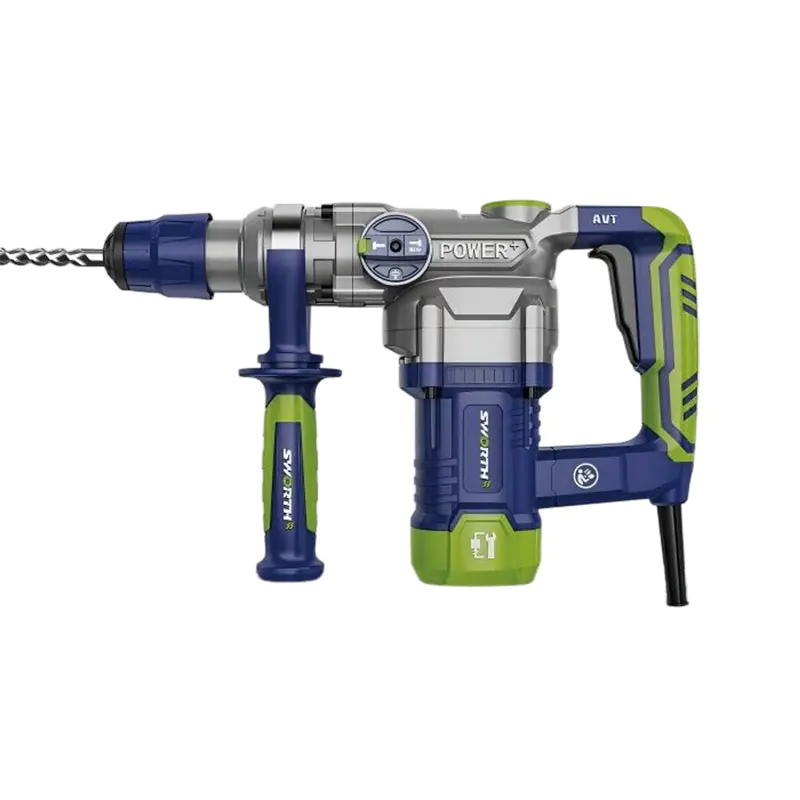


SW528 Small Hole Rebar Hammer
-
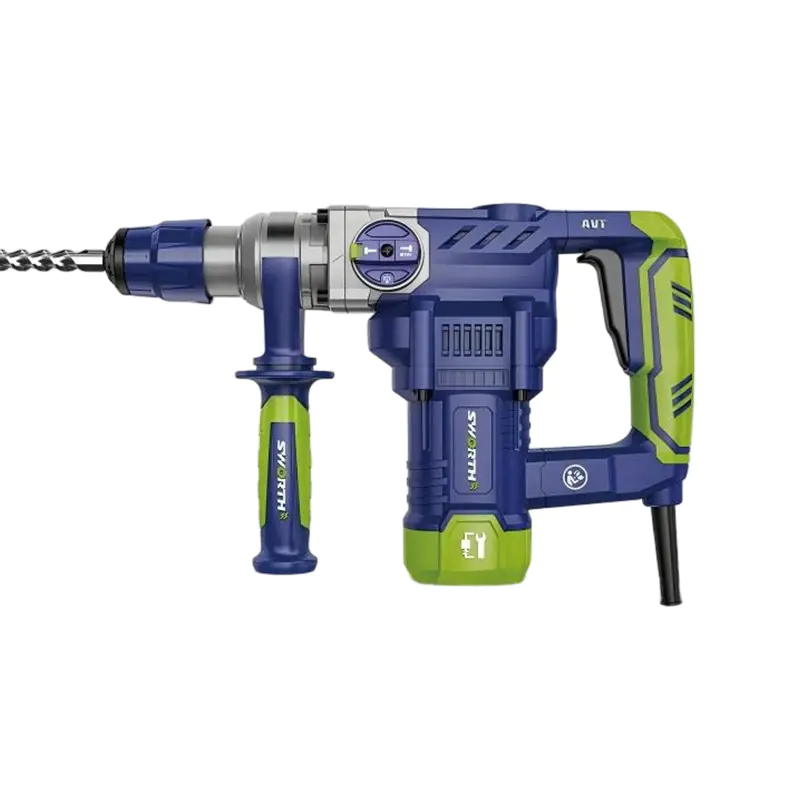
SW932 Groove Sandblasting Hammer
-
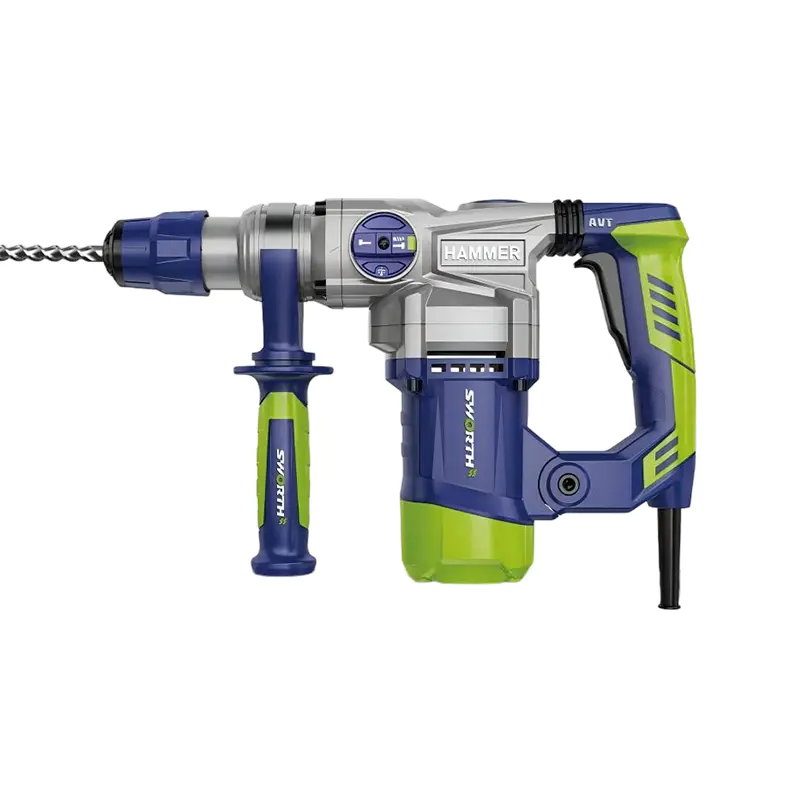
SW9362A Large Hole Rebar Hammer
-
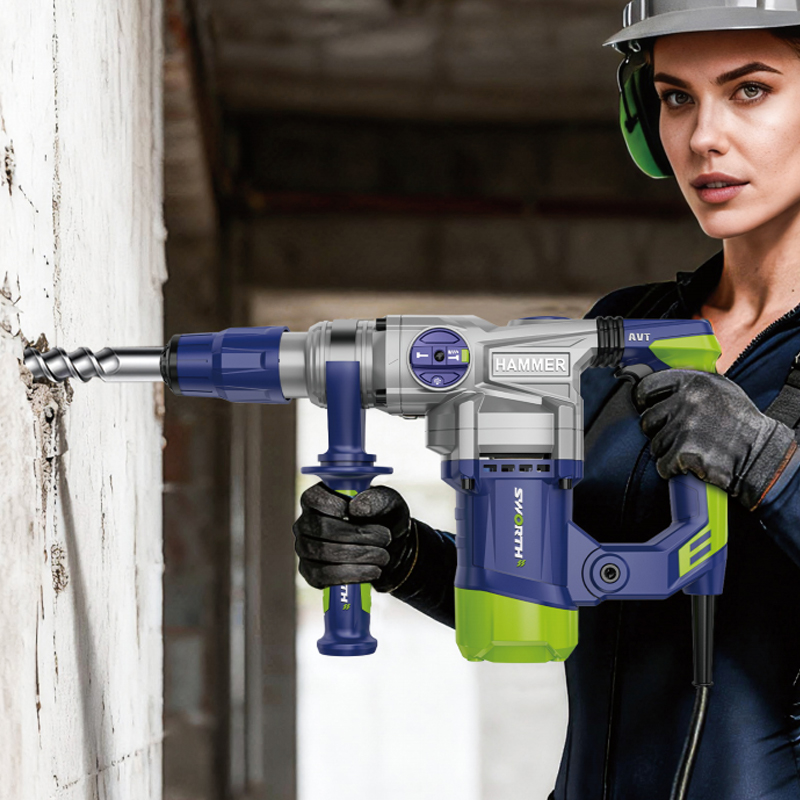
SW940 Enlarged Hole Rebar Hammer
-
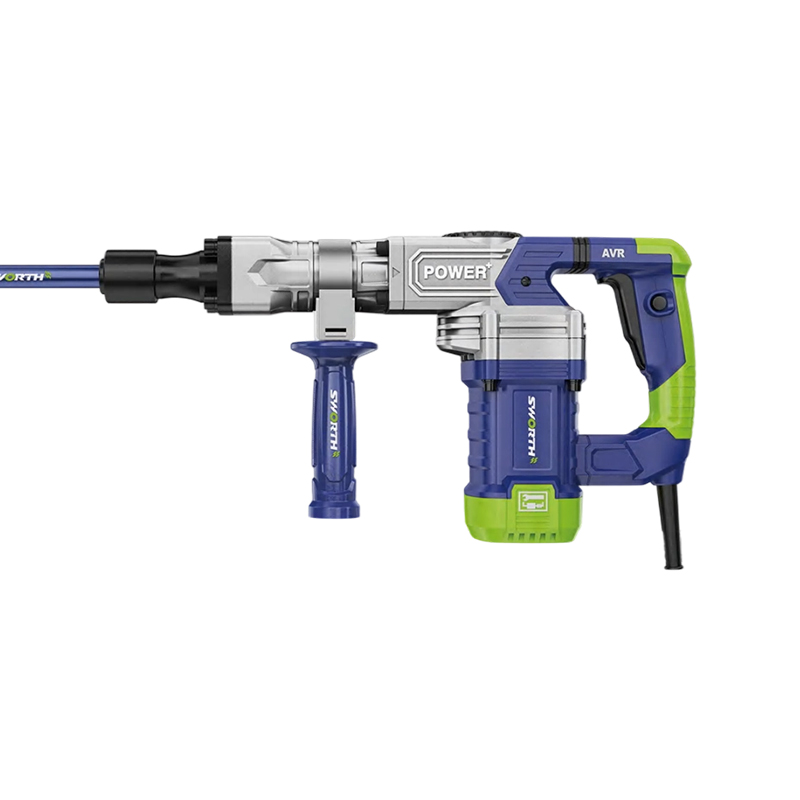
SW35S1 Powerful Demolition Hammer
-
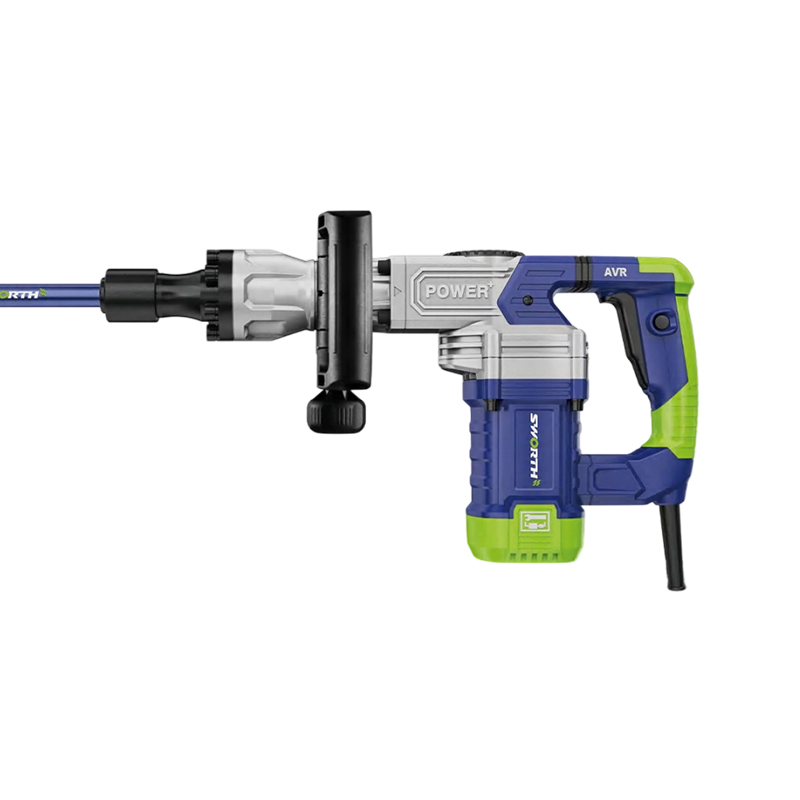
SW35S2 High-Efficiency Heat Dissipation Demolition Hammer
-
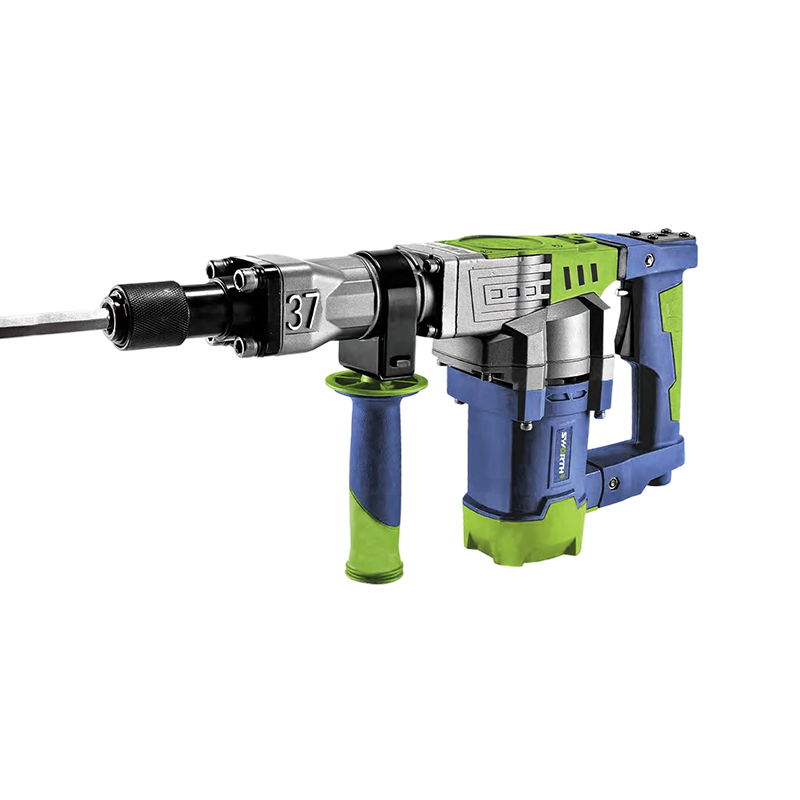
SW9371 High-Power Demolition Hammer
-
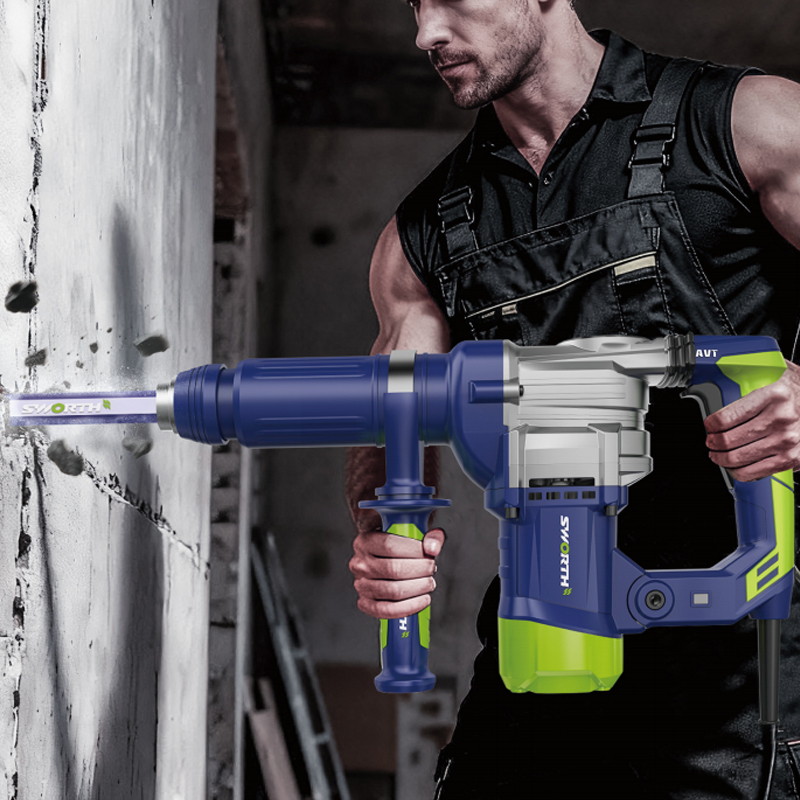
SW9373 Anti-Scalding Carbon Brush Holder Demolition Hammer
-
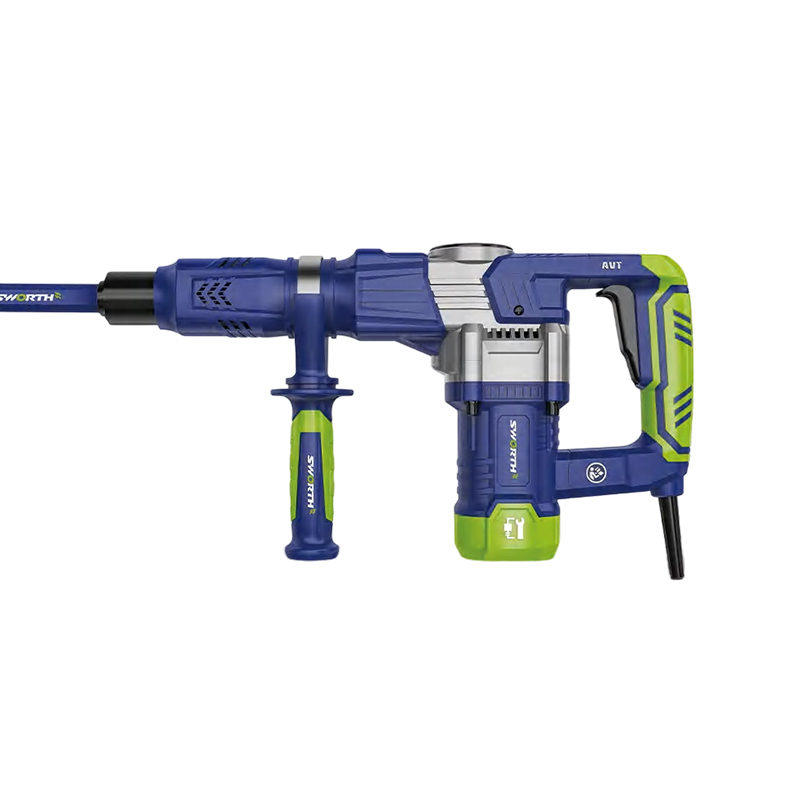
SW535 Powerful Anti-Scalding Demolition Hammer
-
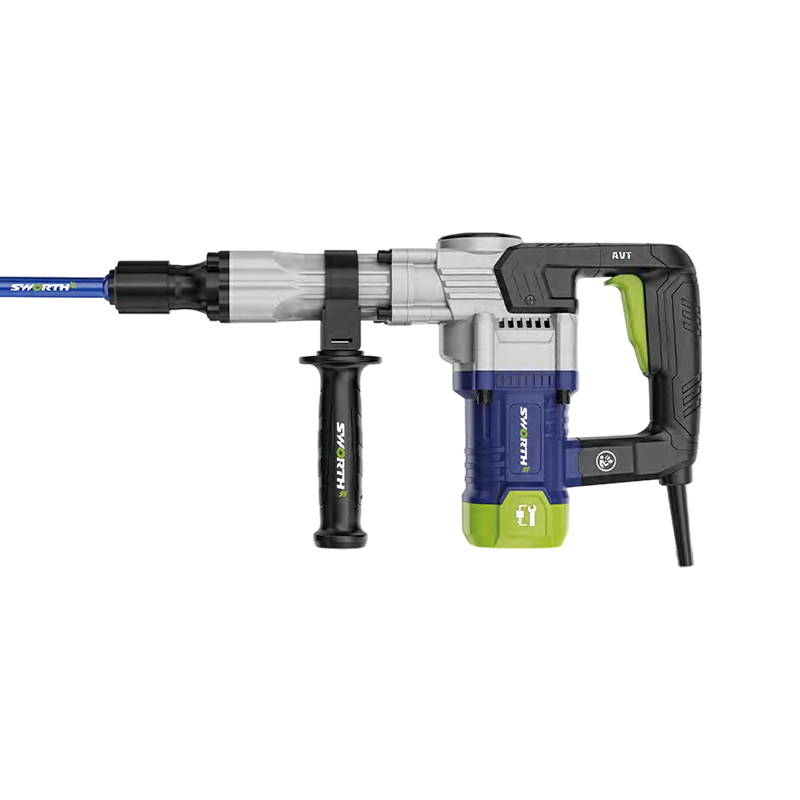
SW535-2 Durable Powerful Demolition Hammer
-
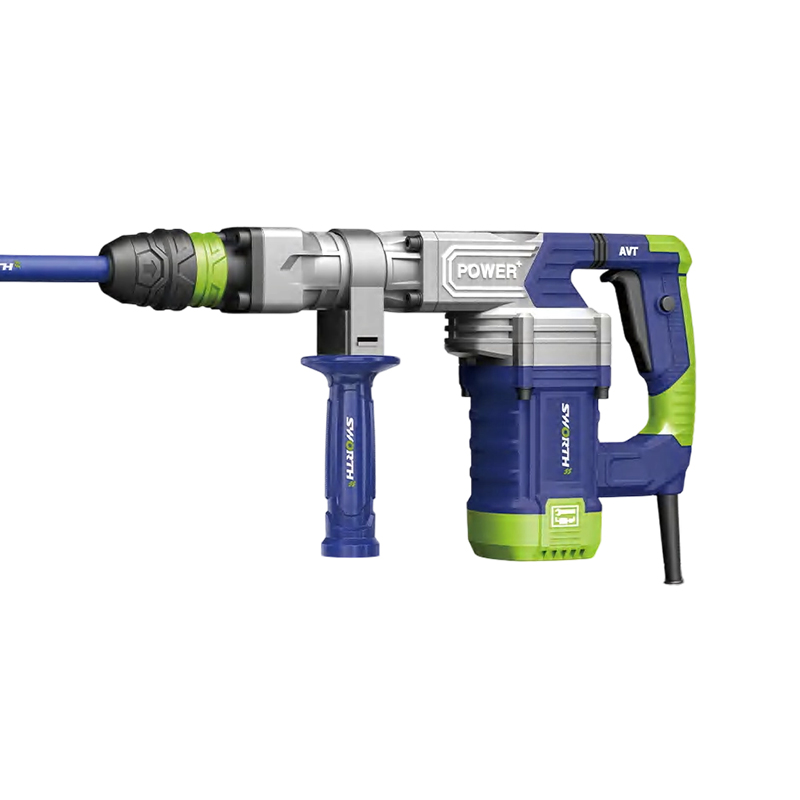
SW35S3 Five-Pipe Drill Bit Demolition Hammer
-

SW11E Five-Pipe Clamping Demolition Hammer
 +86-18314829275
 sale@sworthtools.com
 No. 101, Yugui Road, chengxi Industrial Zone, Yongkang City, Zhejiang Province, China
Copyright© Yongkang Siwei Technology Co., Ltd. All Rights Reserved

Hammer Tools & Cordless Garden Tools Manufacturer
