 English
 русский
 Español
High-Speed Rotary Hammer: The Tool That Drills Concrete Like It Is Wood
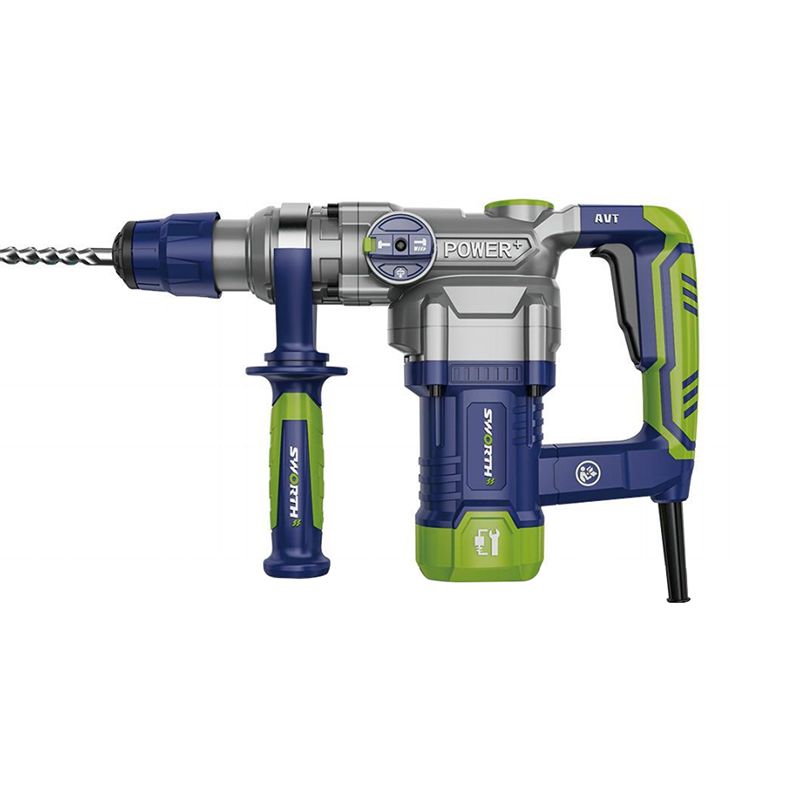
A standard drill spins a bit. A rotary hammer spins and strikes. The piston drives the bit forward while it rotates, fracturing concrete and clearing the dust. A high-speed rotary hammer does this at a rate that turns a day of drilling into an hour. The tool punches holes for anchors, rebar, conduit, and chemical fasteners at speeds a standard drill cannot match. For electricians, plumbers, and concrete crews, the rotary hammer is the difference between making the hole and fighting the material.
The Piston Behind the Impact
The impact mechanism is a piston driven by a motor through a gearbox. The piston compresses air in a chamber. The compressed air drives a striker forward. The striker hits the bit. The bit hits the concrete. A high-speed rotary hammer cycles this thousands of times per minute, each blow fracturing a small amount of material.
The motor drives the piston and the rotation together. A brushless motor spins the assembly with less heat and more efficiency than a brushed motor. A high-speed rotary hammer with a brushless motor runs longer and hits harder for the same battery or power input.
The impact energy is measured in joules. A smaller rotary hammer delivers two to three joules per blow. A larger one delivers eight to ten. A high-speed rotary hammer with higher impact energy drills faster in hard aggregate and reinforced concrete. The blow rate and the rotation speed combine to determine the drilling speed.
The Bit and the Chuck
The bit is the business end. SDS-plus and SDS-max are the standard shank types. SDS-plus covers smaller diameters up to 26 millimeters. SDS-max covers larger diameters and heavier work. A high-speed rotary hammer with the right chuck for the shank type holds the bit securely and transfers the impact energy without losing it in the connection.
The bit itself is tungsten carbide tipped. The carbide cuts the concrete. The flutes clear the dust. A dull bit slows the work and overheats the tool. A high-speed rotary hammer with a quality bit cuts clean and fast.
The chuck design allows the bit to slide back and forth slightly. That sliding is what transmits the impact. A high-speed rotary hammer with a properly designed chuck lets the bit move without binding.
Dust Collection and Vibration
Drilling concrete makes dust. Breathing silica dust is a health hazard. A high-speed rotary hammer with a dust collection attachment captures the dust at the source. The attachment fits a vacuum and keeps the air clean.
Vibration is the operator's enemy. Hours of drilling without vibration damping leads to hand-arm vibration syndrome. A high-speed rotary hammer with a vibration-damped handle and a soft grip reduces the strain. The tool still hits hard. The operator's hands just do not absorb all of it.
Here is what a high-speed rotary hammer needs to deliver:
- Piston-driven impact mechanism with high blow rate
- Brushless motor for continuous operation
- SDS-plus or SDS-max chuck for secure bit retention
- Impact energy matched to the hole diameter and material
- Vibration damping for operator comfort
- Dust collection attachment compatibility
Drilling Anchors and Conduit
Electricians drill holes for anchors and conduit in concrete walls and floors. The holes are small, six to sixteen millimeters. A high-speed rotary hammer with an SDS-plus shank handles this range. The speed matters because the electrician has a hundred holes to drill in a day.
Plumbers drill larger holes for pipe pass-throughs. A high-speed rotary hammer with SDS-max and a large bit cuts through reinforced concrete without stalling. The impact energy has to be high enough to fracture the aggregate, not just the cement.
Concrete crews drill for rebar dowels and chemical anchors. The holes are deep and the material is hard. A high-speed rotary hammer with the right bit and enough impact energy drills the hole to the specified depth without burning out the motor.
What Fails on a Cheap Rotary Hammer
The motor burns out from continuous use. A high-speed rotary hammer with a properly rated motor handles the duty cycle. The chuck loosens and the bit wobbles. A quality chuck holds the bit straight. The impact mechanism loses power because the piston seal wore out. A well-sealed piston maintains the air pressure that drives the striker.
A high-speed rotary hammer is a production tool. It drills concrete all day, every day. The piston drives the striker. The bit fractures the material. Choose a tool with the impact energy for the job, a brushless motor, and a chuck that holds the bit. The holes will come out clean and fast. That is the point.
Recommended Products
-
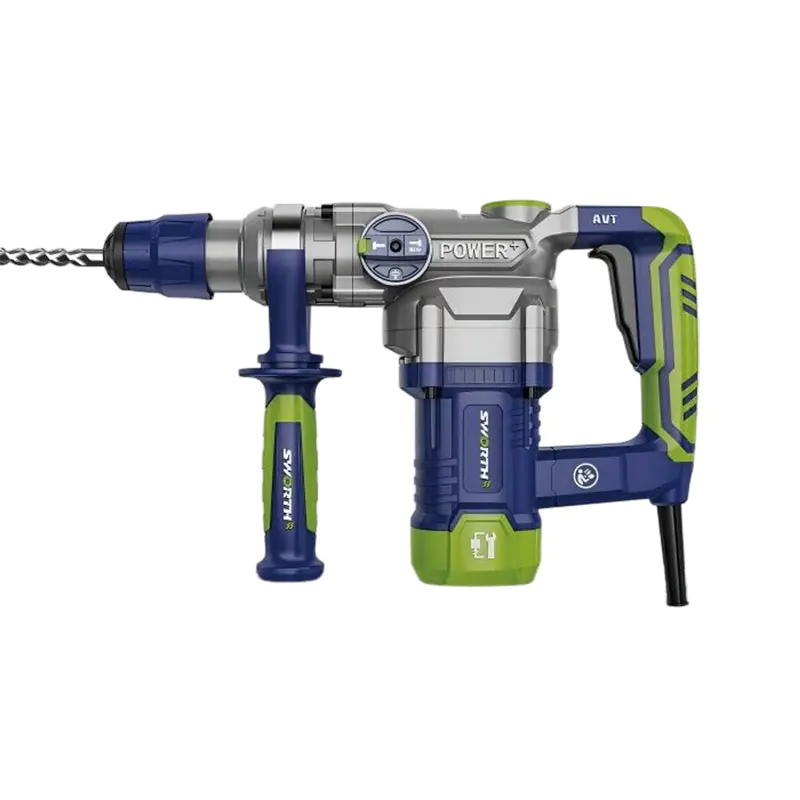


SW528 Small Hole Rebar Hammer
-
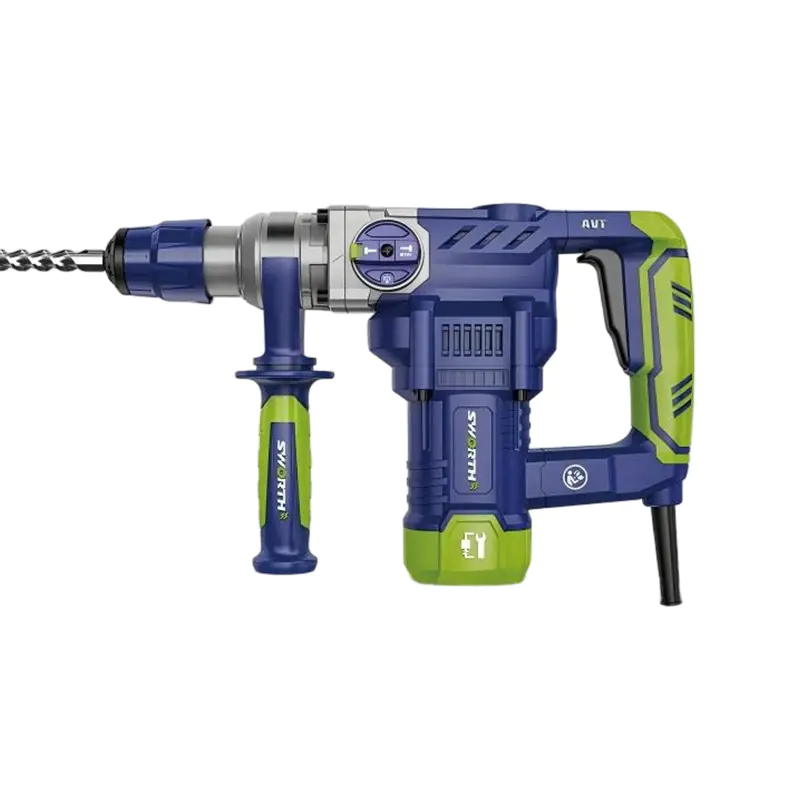
SW932 Groove Sandblasting Hammer
-
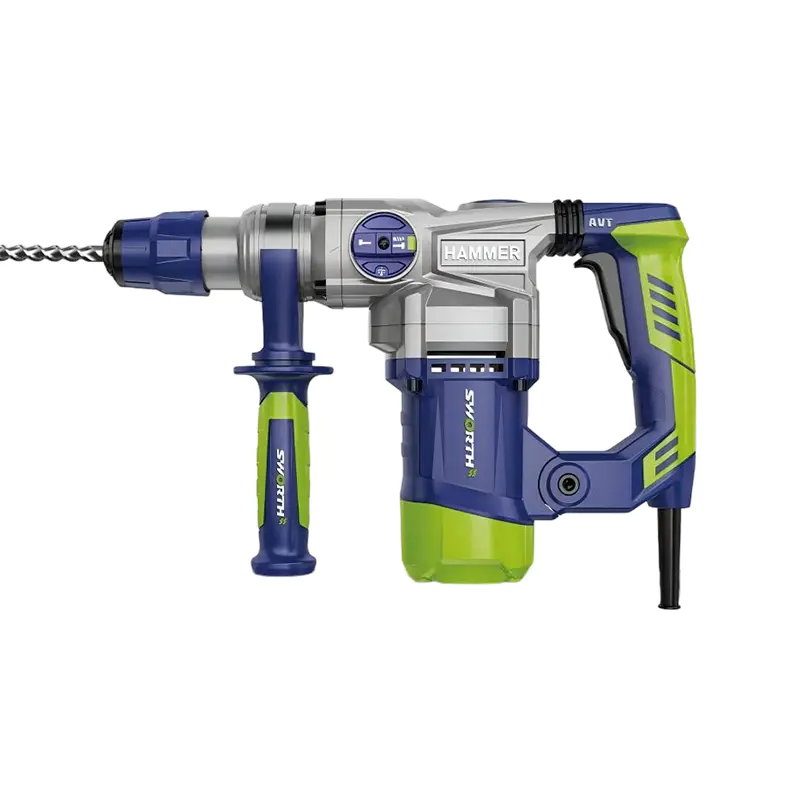
SW9362A Large Hole Rebar Hammer
-
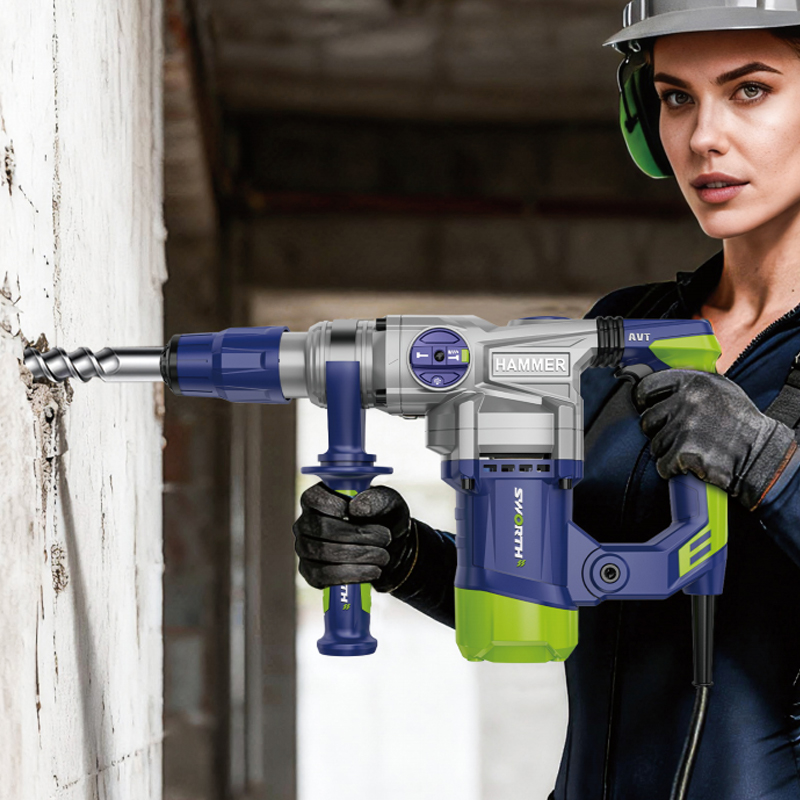
SW940 Enlarged Hole Rebar Hammer
-
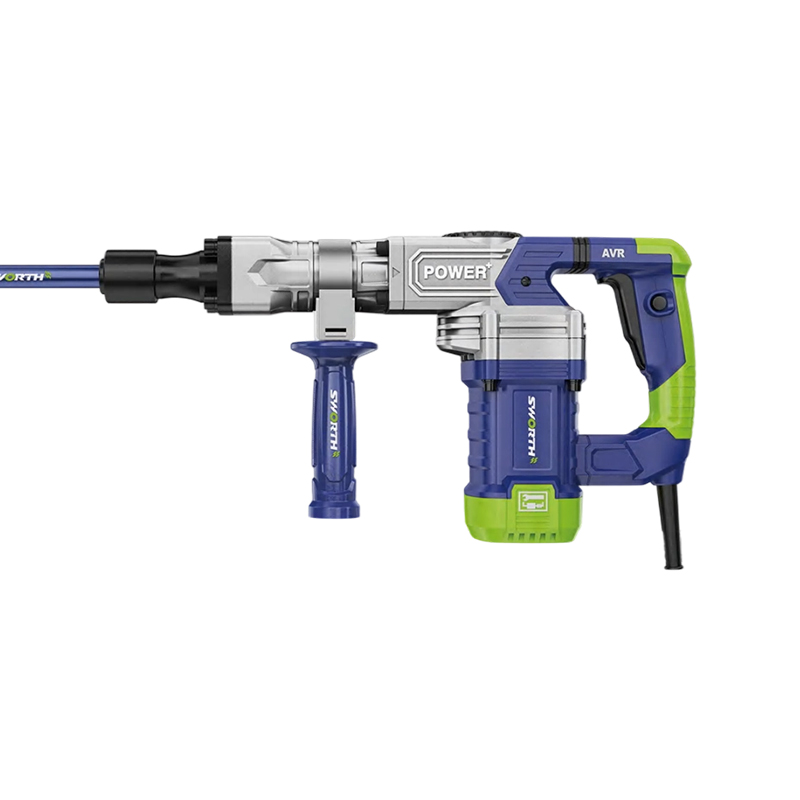
SW35S1 Powerful Demolition Hammer
-
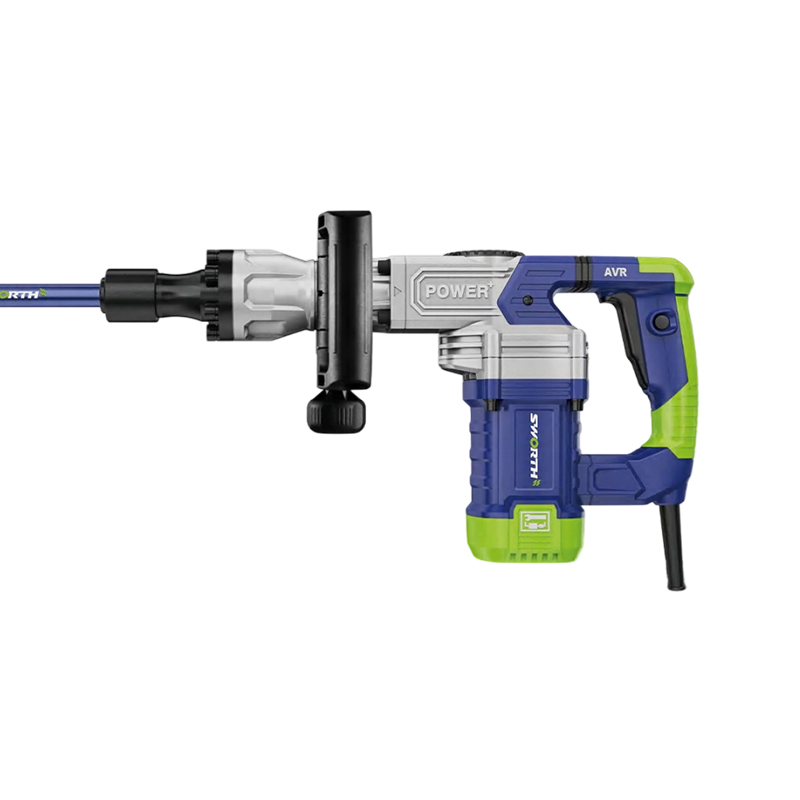
SW35S2 High-Efficiency Heat Dissipation Demolition Hammer
-
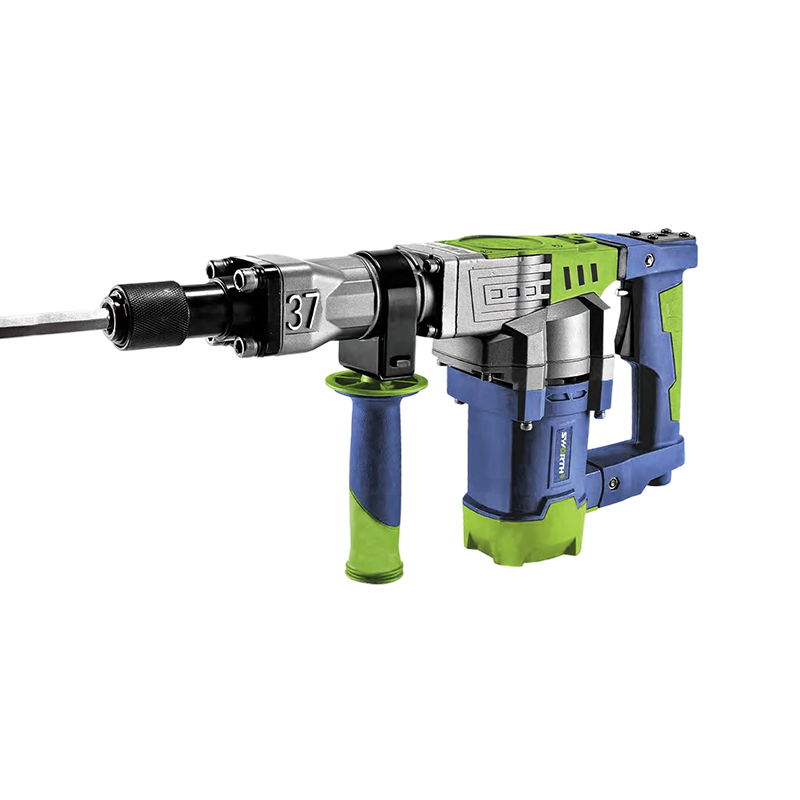
SW9371 High-Power Demolition Hammer
-
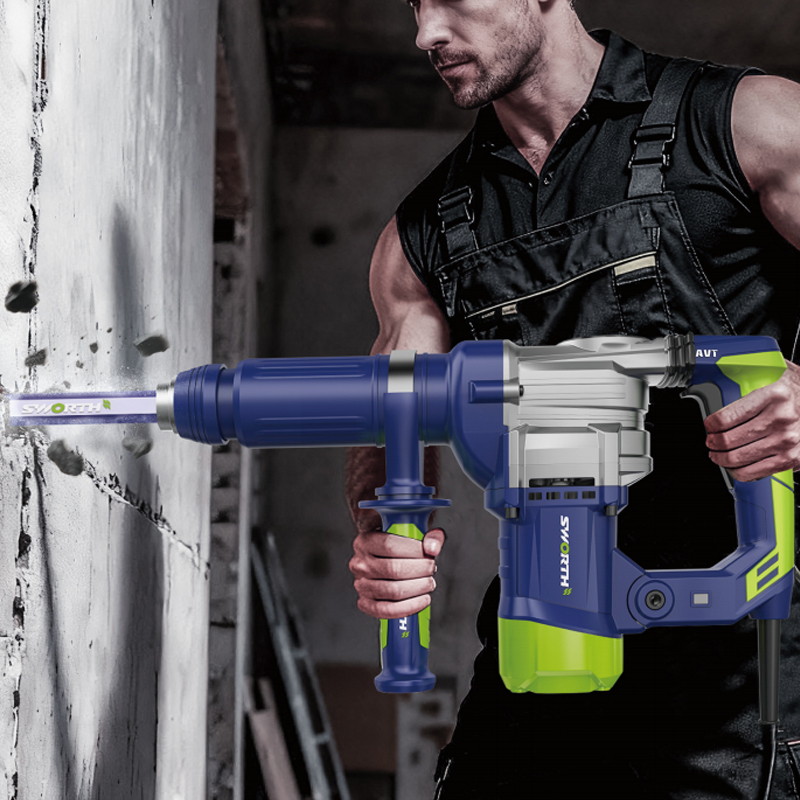
SW9373 Anti-Scalding Carbon Brush Holder Demolition Hammer
-
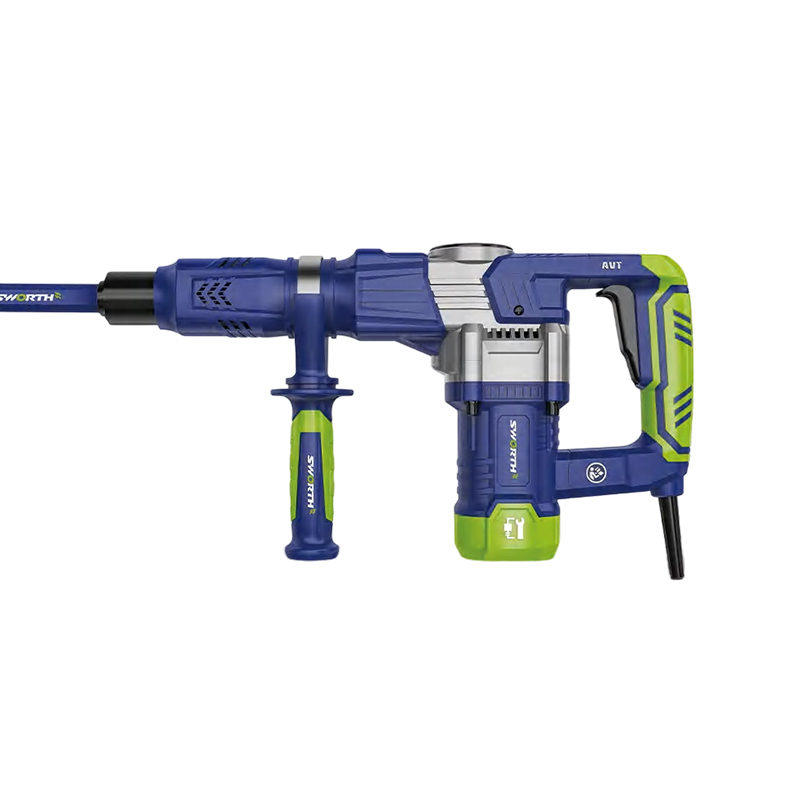
SW535 Powerful Anti-Scalding Demolition Hammer
-
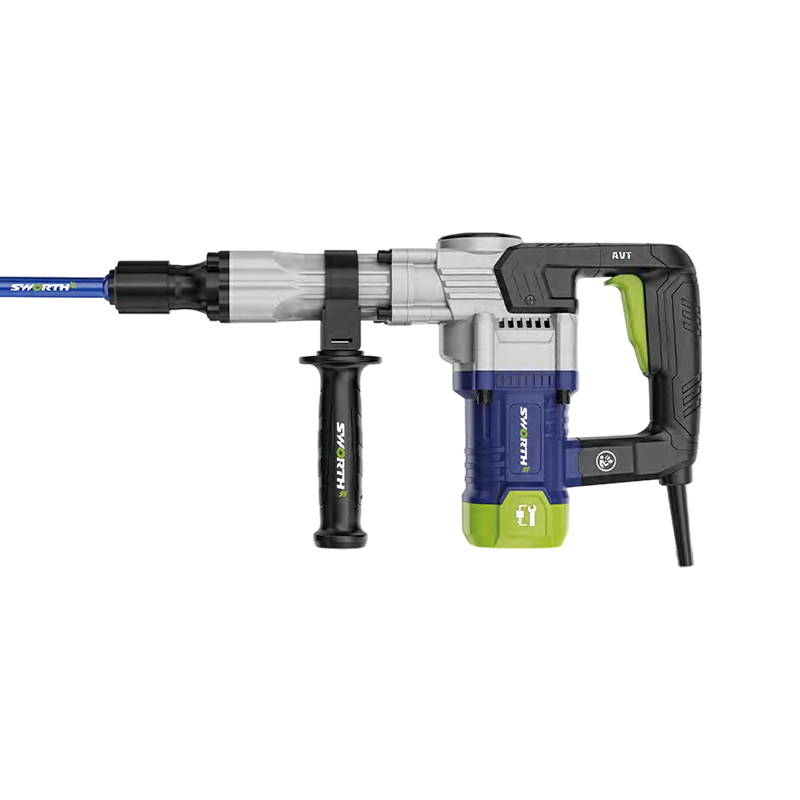
SW535-2 Durable Powerful Demolition Hammer
-
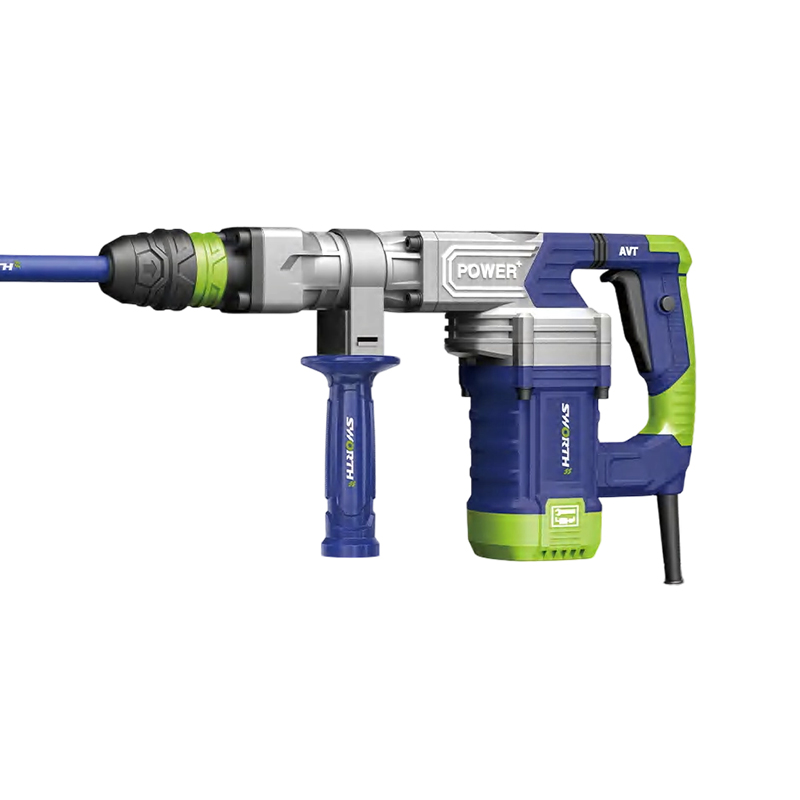
SW35S3 Five-Pipe Drill Bit Demolition Hammer
-

SW11E Five-Pipe Clamping Demolition Hammer
 +86-18314829275
 sale@sworthtools.com
 No. 101, Yugui Road, chengxi Industrial Zone, Yongkang City, Zhejiang Province, China
Copyright© Yongkang Siwei Technology Co., Ltd. All Rights Reserved

Hammer Tools & Cordless Garden Tools Manufacturer
