 English
 русский
 Español

SW945 6-Speed Constant Power Rotary Hammer: Professional Power, Precision, and Durability
Modern construction, renovation, and maintenance work often require one tool to perform several demanding tasks. A rotary hammer may be used for drilling reinforced concrete in the morning, opening conduit channels in masonry after lunch, and removing tiles or surface material before the end of the day. These applications do not require exactly the same operating behavior. Heavy drilling needs strong impact energy and stable power, while chiseling and surface removal require control, positioning, and manageable vibration.
The SW945 6-Speed Constant Power Rotary Hammer is designed around this practical challenge. Instead of offering only one fixed operating level, it provides six selectable power and speed settings, allowing professional users to adjust the tool to the material, accessory, and task. Its impact frequency ranges from 1,900 to 3,800 blows per minute, while its 1,550-watt motor and 16-joule impact energy provide the force required for demanding masonry and concrete work.
This combination makes the SW945 more than a basic drilling machine. It is a versatile professional platform for drilling, chiseling, scraping, tile removal, conduit preparation, and heavy demolition. Its 30-millimeter cylinder, MAX-grade adapter sleeve, vibration-reduction design, safety clutch, dust-sealed head, and indicator lights further support long-term jobsite use.
Manufactured by Yongkang Siwei Technology Co., Ltd., the SW945 reflects the company’s specialization in demolition hammers and chisel-cutting tools. The manufacturer combines product development, production, quality control, and sales capabilities to create tools intended for harsh working conditions. Its experience in heavy-duty mechanical tools is complemented by growing expertise in brushless motors, electronic control systems, and intelligent battery platforms for cordless garden equipment.
For contractors, distributors, rental companies, and professional users seeking a flexible corded rotary hammer, the SW945 offers a strong balance of power, control, durability, and practical ergonomics.

SW945 6-Speed Constant Power Rotary Hammer
1. A Rotary Hammer Designed for Changing Job Conditions
Construction materials vary significantly in hardness, density, structure, and sensitivity to vibration. A tool that performs well on soft block may behave differently when used on reinforced concrete. Similarly, full-force impact may be suitable for foundation drilling but excessive for delicate chiseling or controlled tile removal.
The SW945 addresses these differences through six-speed constant-power control. The operator can select an appropriate impact frequency between 1,900 and 3,800 beats per minute. Lower settings support controlled work, while higher settings provide faster material removal in harder applications. The constant-power design is intended to maintain useful performance across changing loads rather than allowing the tool to become unpredictable when pressure increases.
This adaptability is a major advantage over single-speed rotary hammers. A single operating level may force users to compromise. It can be too aggressive for precise masonry work, yet not optimized for rapid demolition. With six settings, the SW945 gives the user greater influence over the relationship between impact force, drilling control, accessory wear, and working speed.
The result is a tool that can move between different assignments without requiring an immediate change to another machine. A professional crew may use it for conduit grooves, tile removal, brick drilling, stone preparation, and reinforced concrete work. Carrying fewer specialized tools can simplify transport, reduce equipment storage requirements, and improve productivity when working in locations where access is limited.
Six-Speed Control for More Precise Operation
The six-speed system is particularly useful when the material or accessory requires a measured approach. For example, a lower impact frequency can help an operator begin work on a brittle masonry surface with less risk of uncontrolled chipping. Once the correct working behavior is established, the operator can increase the setting if more removal speed is needed.
For flat chisel applications, adjustable control can make it easier to manage the amount of material removed with each pass. In tile renovation, excessive impact may damage the substrate beneath the tile. A more controlled setting allows the user to work progressively, especially around edges, corners, and areas where preservation of the underlying surface is important.
On dense concrete or reinforced foundations, higher settings can support fast drilling and aggressive chiseling. The availability of several settings means that the machine can be adapted to the task instead of requiring the task to be adapted to a fixed tool behavior.
2. Power for Concrete, Masonry, and Heavy-Duty Applications
At the center of the SW945 is a 1,550-watt motor paired with a rated impact energy of 16 joules. This power level is intended for demanding professional applications rather than occasional light-duty household use. The machine is built to handle hard materials, large holes, and repeated chiseling under jobsite conditions.
The maximum drilling capacity is listed as 45 millimeters. This capacity gives the tool a broad working range for construction openings, anchor preparation, service penetrations, and other masonry-related tasks. Actual performance depends on the material, bit type, drilling technique, operating setting, and jobsite conditions, but the specification indicates that the SW945 is designed for substantial drilling work.
Its no-load speed ranges from 210 to 430 revolutions per minute. The relatively controlled rotary speed works together with the impact mechanism to provide a balanced approach to heavy masonry drilling. Rotary hammers are not judged only by free-running speed; their practical value comes from how effectively rotation and impact cooperate under load. The SW945 is configured to deliver strong impact performance while maintaining a useful drilling action.
30-Millimeter Cylinder and Heavy-Duty Motor Structure
The 30-millimeter cylinder is a central structural feature of the machine. A larger cylinder can support the generation of substantial pneumatic impact force, helping the rotary hammer deliver the energy required for concrete and stone applications. The product information also identifies a larger and thicker motor design, reinforcing the tool’s heavy-duty positioning.
This construction is important for users who routinely work in demanding environments. Drilling in reinforced concrete, removing hard floor coverings, or preparing masonry openings places repeated mechanical stress on the motor, cylinder, transmission, chuck or adapter system, and housing. A tool intended for professional use must be designed as a complete system rather than relying on motor power alone.
The SW945 combines the motor, cylinder, impact mechanism, adapter sleeve, cooling and protection features, and user controls into a platform intended for continuous practical use. The emphasis is not simply on a high power number. It is on delivering usable power while supporting service life, operator control, and protection from common jobsite hazards.
Constant Power Under Changing Load
When a rotary hammer enters harder material, the load on the motor and impact system changes. A weak or poorly controlled machine may slow excessively, lose working efficiency, or require the user to apply unnecessary pressure. Excessive pressure can increase fatigue and accelerate wear on both the tool and the accessory.
The SW945’s constant-power and constant-speed approach is intended to provide a more stable operating response. This helps the user maintain a consistent technique as the bit moves through different sections of the material. Stable operation is valuable not only for speed but also for hole quality, accessory life, and operator confidence.
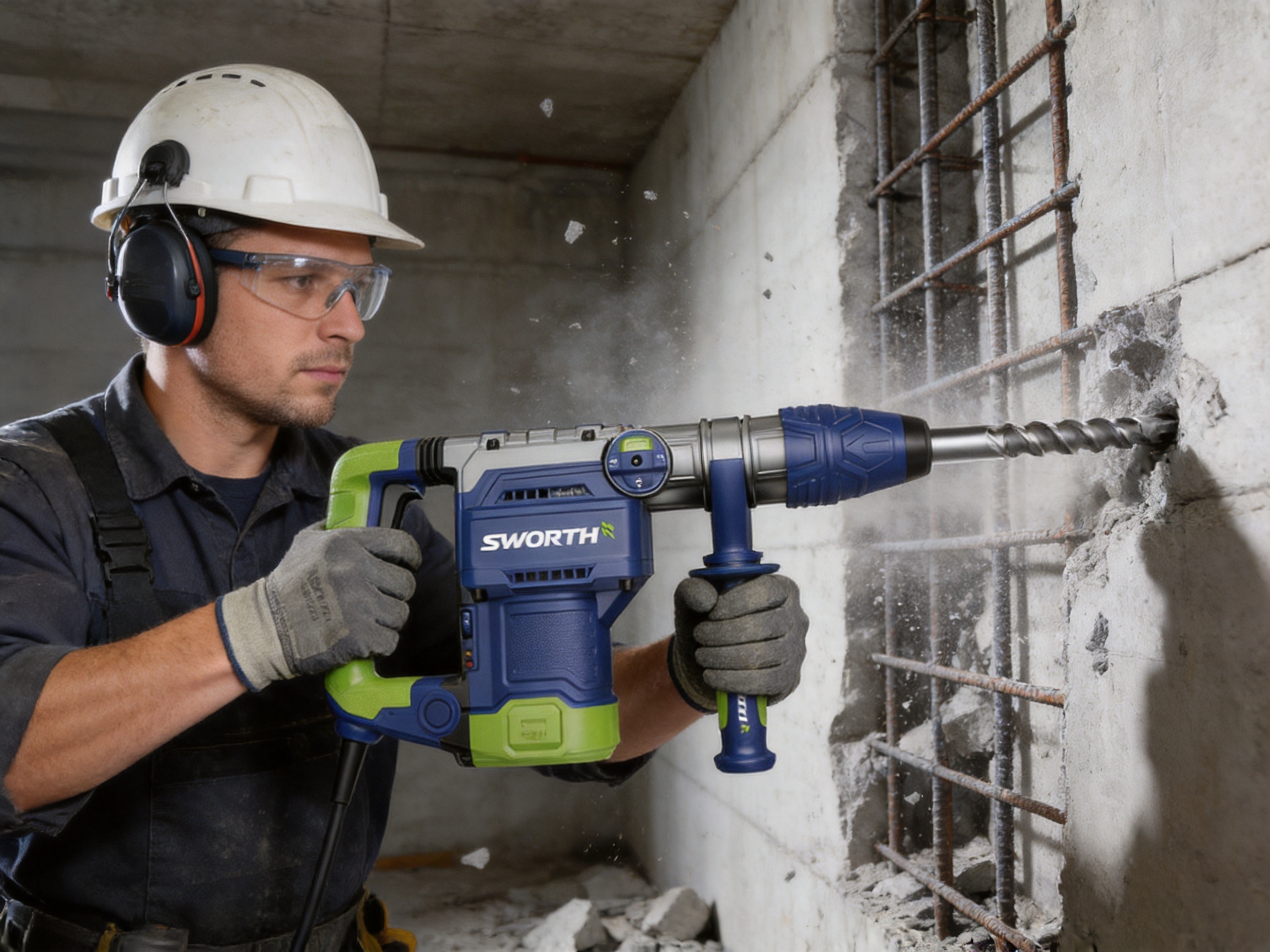
3. Multi-Angle Chiseling for Better Access and Control
Rotary hammers are often used for more than drilling. Chiseling work may involve removing tile adhesive, opening channels, breaking surface material, scraping coatings, or shaping masonry. In these applications, the position of the chisel can significantly affect comfort, productivity, and the quality of the finished result.
The SW945 features a multi-angle toggle switch that allows the flat chisel to be positioned and locked in different directions. This function is useful when the operator needs the tool to maintain a fixed chisel orientation during a series of passes. Instead of repeatedly repositioning the accessory by hand, the user can select a more suitable angle before beginning the task.
For tile removal, a flat chisel can be set to a position that supports a shallow approach beneath the tile. For surface scraping, the operator may choose an angle that keeps the chisel edge in contact with the work surface. For conduit grooves, a selected direction can help maintain a more consistent channel as the tool progresses through soft block or masonry.
Advantages in Renovation and Remodeling
Renovation work often takes place in confined rooms, occupied buildings, or partially finished spaces. A tool may need to move between vertical walls, floors, ceilings, corners, and narrow passages. The multi-angle function makes the SW945 more adaptable to these changing positions.
Fixed-angle chiseling can also reduce unnecessary wrist movement. If the chisel rotates or shifts during use, the operator may need to compensate continuously. A locking mechanism helps keep the accessory in the chosen orientation, allowing the user to focus on feed direction and material removal.
The function does not replace proper technique. Operators should still select the correct chisel, wear suitable protective equipment, avoid forcing the machine, and inspect the work area before starting. However, the ability to position the chisel is a practical feature that distinguishes a professional rotary hammer from a basic impact drill or fixed-position demolition tool.
4. Adapter Sleeve Strength and Accessory Reliability
The connection between the machine and its accessory is exposed to repeated impact, vibration, dust, and high mechanical loading. A worn or undersized adapter sleeve can reduce energy transfer, create instability, and shorten the service life of both the tool and accessory.
The SW945 uses a MAX-grade adapter sleeve described as larger, thicker, stronger, and more durable. This heavier adapter construction is designed to withstand the repeated stress associated with high-impact drilling and chiseling. By supporting a more robust connection, the sleeve helps the machine transfer its impact energy efficiently to the bit or chisel.
For professional crews, accessory stability matters in several ways. A stable connection can improve control when drilling larger holes, reduce unwanted movement during chiseling, and support more consistent performance as the tool operates under load. It also contributes to the overall durability of the machine, since the adapter area is one of the most heavily stressed parts of a rotary hammer.
Users should always install compatible accessories correctly and inspect them regularly. Even a heavy-duty sleeve cannot compensate for damaged, incorrectly fitted, or unsuitable bits. Proper accessory selection remains essential for safe and efficient work.
5. Vibration Reduction and Ergonomic Handling
Powerful impact tools can generate substantial vibration. If vibration is poorly managed, the operator may experience faster fatigue, reduced control, and discomfort during extended work. Fatigue can also affect accuracy and increase the likelihood of mistakes, particularly when working overhead or in awkward positions.
The SW945 incorporates vibration reduction features, a soft rubber grip, an anti-slip handle surface, and an oversized trigger. These elements are intended to make the tool more comfortable and controllable during extended operation.
The rubber-coated grip provides a secure contact surface even when the operator is wearing work gloves. A secure grip helps reduce the need to squeeze the handle excessively. Reduced gripping effort can make the tool easier to guide and may help limit hand fatigue during repetitive drilling and chiseling.
The oversized trigger is practical for users who work with gloves or who need to maintain control while changing hand position. Its design allows the operator to press and hold the switch comfortably while keeping a stable grip on the machine.
Balancing Power with User Comfort
Ergonomics is especially important for a 1,550-watt rotary hammer because the machine is designed for demanding work. Power without control can make a tool difficult to use efficiently. The SW945’s design attempts to balance heavy-duty performance with features that support handling.
Vibration reduction does not mean that the operator will feel no impact. Users should follow safe work practices, take appropriate breaks, avoid excessive downward pressure, and use the correct personal protective equipment. Nevertheless, reducing transmitted vibration and improving grip quality can make a meaningful difference in day-to-day productivity.
The shape and control layout are also relevant when moving between tasks. A professional may alternate between drilling and chiseling several times during one project. Controls that are easy to identify and operate can reduce interruptions and allow the user to adjust the machine more efficiently.
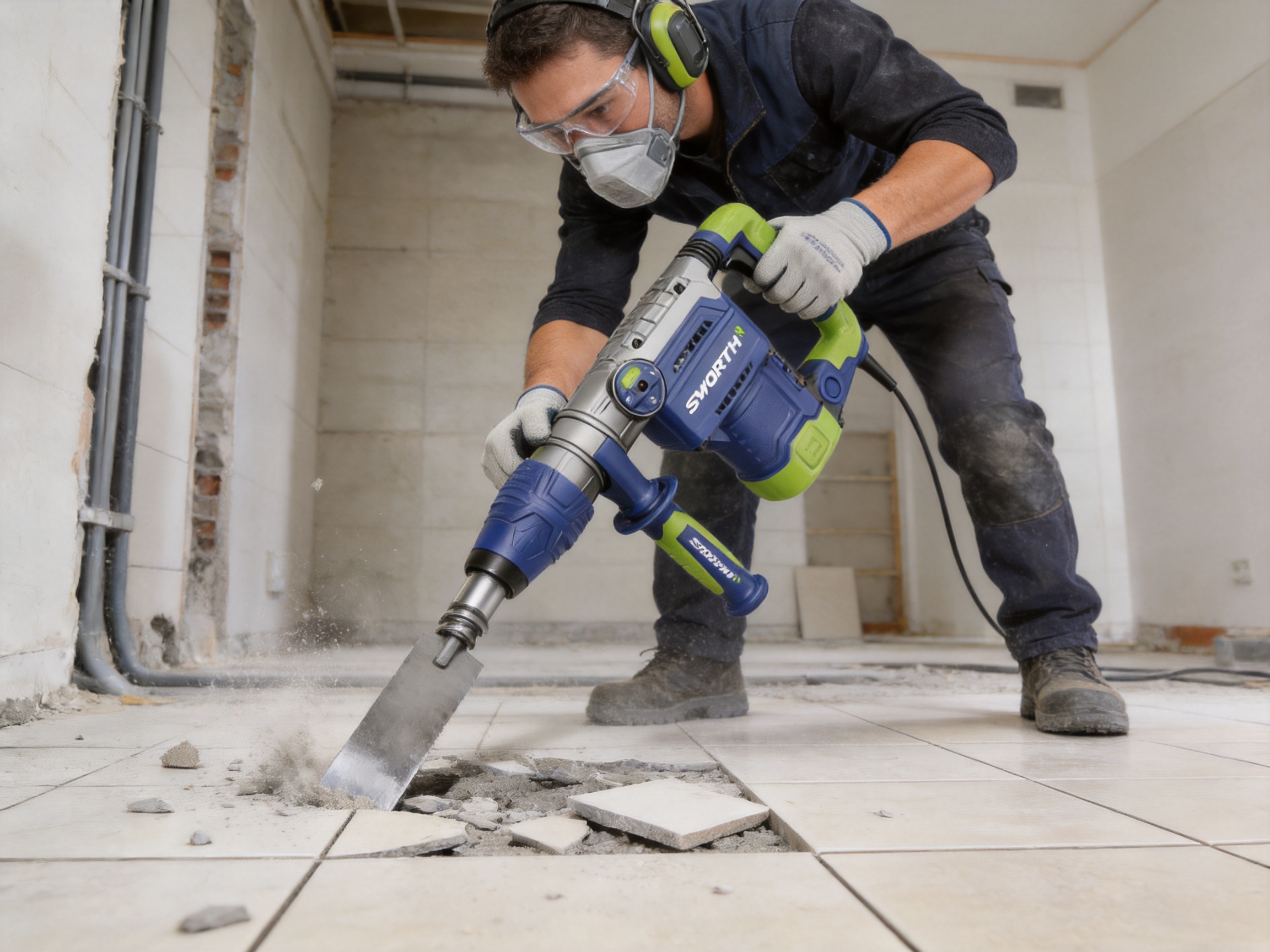
6. Safety Features for Professional Jobsite Use
High-power rotary hammers must be designed with safety in mind. Drilling into hard material can cause sudden resistance, accessory binding, or unexpected torque. If the bit becomes trapped, the tool can rotate forcefully in the operator’s hands.
The SW945 includes a safety clutch intended to help prevent wrist sprains. When the accessory encounters sudden resistance, the clutch is designed to reduce the transmission of excessive reactive torque to the operator. This feature is particularly valuable during large-hole drilling and work in dense or reinforced concrete.
A safety clutch does not remove the need for proper handling. The operator should maintain a firm two-handed grip, stand in a balanced position, use compatible accessories, and avoid drilling beyond the machine’s intended capacity. However, the clutch provides an additional protective layer against sudden binding events.
The machine also includes a dust-sealed head. Masonry work generates fine particles that can enter mechanical assemblies and accelerate wear. A sealed head helps reduce the amount of dust reaching rotating and impact-related components, supporting more reliable operation over time.
Carbon brush and power status indicator lights provide additional operating information. A carbon brush indicator can alert the user when brush service may be required, helping prevent unexpected downtime. A power indicator confirms that the tool is receiving electrical power, which can assist with basic operating checks.
Dust Management and Service Awareness
Dust protection is important in concrete, brick, stone, and tile applications. Fine abrasive particles can affect gears, bearings, switches, and impact components. The dust-sealed head is therefore more than a convenience feature; it supports the machine’s durability strategy.
Users should still clean the tool after use, keep ventilation openings clear, inspect the power cable, and follow the maintenance instructions supplied with the product. Dust protection works best when combined with responsible housekeeping and appropriate extraction or containment practices.
The indicator lights also support preventive maintenance. A professional user can schedule brush inspection or replacement before a major project rather than waiting for a sudden loss of performance. This approach can reduce interruptions and improve equipment availability for contractors and rental operators.
7. Applications Across Construction and Maintenance
The SW945 is designed for a wide range of professional applications. Its combination of drilling capacity, impact power, adjustable control, and multi-angle chiseling makes it suitable for both preparation and removal work.
Precision Chiseling for Conduit Grooves
Electrical and plumbing installations often require channels to be opened in block walls or masonry. The operator needs enough impact power to remove material efficiently but also sufficient control to avoid creating an unnecessarily large or deep groove.
With six selectable impact levels, the SW945 can be adjusted for controlled chiseling in softer block and similar materials. The multi-angle chisel-positioning function can help maintain a consistent working direction. After the groove is created, the surface can be prepared for conduit, pipe, or other service components.
Tile Removal and Surface Scraping
Renovation projects frequently involve the removal of ceramic tile, mortar, adhesive, old coatings, or damaged surface material. A flat chisel is commonly used for these tasks, but the operator must manage the angle carefully to avoid unnecessary damage to the substrate.
The SW945 allows the flat chisel to be locked in a selected direction. This supports fixed-angle work across floors and walls. Lower or intermediate speed settings may be appropriate for controlled removal, while harder adhesive or thick material may require a higher setting.
Heavy Drilling in Reinforced Concrete
Reinforced concrete presents a demanding combination of density and embedded material. Drilling may be required for anchors, supports, service routes, structural attachments, or installation work. The 1,550-watt motor, 16-joule impact energy, 30-millimeter cylinder, and maximum stated drilling capacity of 45 millimeters position the SW945 for substantial concrete applications.
Operators should select an appropriate bit and follow the bit manufacturer’s instructions when encountering reinforcement. The safety clutch is especially relevant in large-hole drilling, where binding forces may be significant.
Work in Brick, Stone, and Concrete
Contractors often move between materials on the same project. A wall may contain brick, block, stone, and concrete sections, each requiring a different balance of speed and impact. The SW945’s six-speed control allows users to make adjustments without changing machines.
This material flexibility can be valuable for maintenance teams, installation contractors, renovation specialists, and general construction crews. It can also simplify equipment planning for small teams that must carry a compact selection of tools between sites.
8. Product Specifications at a Glance
| Specification | SW945 Data |
|---|---|
| Product type | 6-speed constant-power rotary hammer |
| Rated voltage | 220–240 V~, 50/60 Hz |
| Power input | 1,550 W |
| Impact frequency | 1,900–3,800 beats per minute |
| No-load speed | 210–430 revolutions per minute |
| Impact energy | 16 J |
| Maximum drilling capacity | 45 mm |
| Cylinder diameter | 30 mm |
| Control system | Six-speed constant-power and constant-speed adjustment |
| Chisel positioning | Multi-angle flat chisel positioning |
| Protection features | Dust-sealed head and safety clutch |
| User information | Carbon brush indicator and power indicator lights |
The specification set shows that the SW945 is positioned as a high-capacity corded tool for professional masonry and demolition applications. Its electrical rating is intended for markets using 220–240-volt supply systems. Users should confirm local electrical requirements, plug configuration, extension-cord suitability, and workplace regulations before operation.
9. Advantages Compared with Conventional Single-Speed Hammers
Many basic rotary hammers are built around a single operating speed or a limited control system. Such tools may perform adequately in one type of material, but their behavior can be less adaptable when the job changes. A single-speed tool can also make it more difficult to balance speed, control, and surface protection.
The SW945 provides six impact settings, offering a wider range of operating choices. This is one of its principal advantages over simpler competitors. Users can choose a gentler setting for controlled chiseling or increase the impact frequency for demanding drilling and demolition. The ability to adjust operation may reduce the need to use separate machines for different material conditions.
Another advantage is the combination of high impact energy and adjustable power. Some tools offer adjustability but lack the capacity for heavy concrete work. Others provide strong impact but little control. The SW945 is designed to bring both characteristics together in one platform.
The multi-angle flat chisel function also provides an advantage over hammers that do not offer practical accessory orientation control. Fixed-angle work can be more comfortable and efficient, particularly during tile removal, scraping, and channel preparation.
Durability-focused details further distinguish the machine. The 30-millimeter cylinder, heavy-duty motor, MAX-grade adapter sleeve, dust-sealed head, safety clutch, and indicator lights address common concerns associated with professional use. These features demonstrate an emphasis on the full working life of the tool rather than only its initial power output.
Ergonomic elements are equally important. Vibration reduction, a soft rubber grip, an anti-slip surface, and an oversized trigger support practical control. When compared with less refined tools, these details may contribute to lower fatigue and more consistent performance over a full workday.
10. Manufacturing Strengths and Engineering Approach
Yongkang Siwei Technology Co., Ltd. is a professional tool manufacturer integrating research and development, production, and sales. This integrated structure allows the company to manage product design and manufacturing as connected activities rather than treating them as separate stages.
The company emphasizes professional performance, quality-first production, advanced processes, and high-quality materials. Its product focus includes demolition hammers and chisel-cutting tools, areas in which mechanical durability, impact transmission, dust protection, and user control are essential.
Manufacturing a rotary hammer for harsh conditions requires attention to many details. The motor must generate useful power without creating unacceptable thermal or mechanical stress. The impact mechanism must transfer energy repeatedly. The adapter sleeve must tolerate shock loading. The housing must protect internal assemblies while remaining manageable for the operator. Switches, indicators, seals, brushes, and grips must function reliably in dusty working environments.
The SW945’s feature set reflects this systems-based approach. The heavy-duty motor and 30-millimeter cylinder address power generation. The MAX-grade adapter sleeve addresses impact transfer and connection durability. The dust-sealed head addresses contamination. The safety clutch addresses torque reaction. Vibration reduction and rubberized ergonomics address the human interface. Indicator lights address service awareness.
Experience in Demolition and Chisel Tools
The company specializes in durable hammers, chisels, and demolition tools for engineering construction. This specialization is relevant because professional demolition equipment must cope with repeated impact, harsh dust, variable material density, and long operating cycles.
Experience with these products can support practical design decisions. For example, a tool intended for engineering work must be easy to control while still providing high impact energy. It must allow technicians to inspect wear-related components and must include protection measures that reduce avoidable failures. It must also provide a user experience suitable for contractors who depend on equipment availability.
The company’s stated commitment to durable hammer heads, shock-absorbing grips, and professional construction reflects an understanding that tool quality is determined by many interacting components. The SW945 is positioned within this broader manufacturing capability.
Developing Expertise in Electronic Control
Since 2024, the company has also dedicated resources to green new energy technologies. It has developed expertise in high-efficiency brushless motors, electronic control systems, and intelligent battery platforms for cordless garden tools.
Although the SW945 is a corded rotary hammer, this development is relevant to the company’s wider engineering capabilities. Electronic control experience can strengthen understanding of motor behavior, power management, thermal performance, user controls, and system reliability. These skills are useful across different product categories, including corded construction tools and cordless outdoor equipment.
The company’s cordless range includes lithium-ion lawn mowers, string trimmers, lawn tractors, hedge trimmers, electric pruning shears, and high-speed chainsaws. Its work across construction and garden equipment demonstrates an ability to serve different professional markets while maintaining a focus on power, endurance, ergonomics, and operational efficiency.
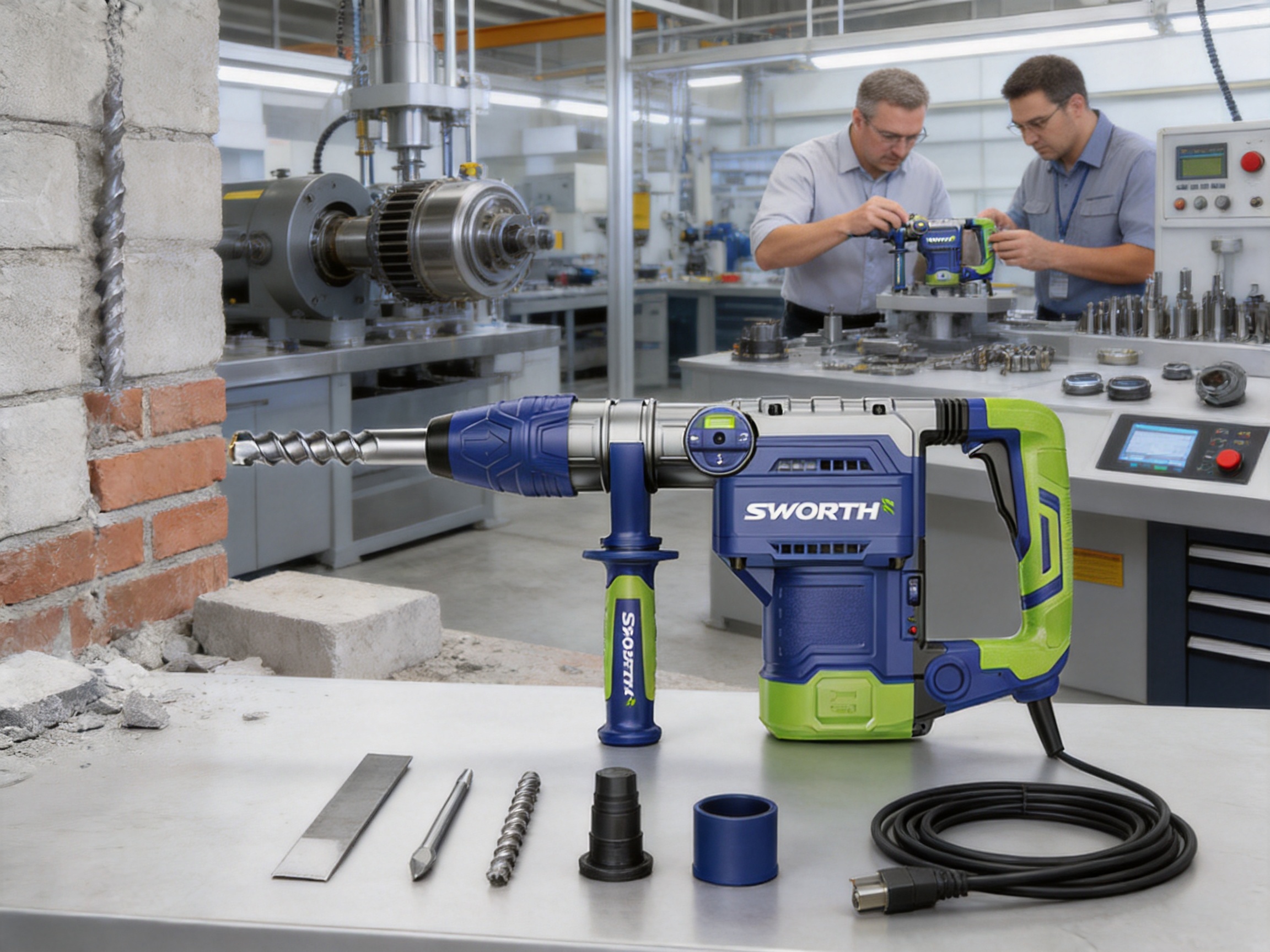
11. Quality Considerations for Distributors and Professional Buyers
For distributors and project buyers, a professional tool must offer more than attractive specifications. It should be supported by a manufacturer with a clear product focus, consistent production capability, and an understanding of end-user requirements.
The SW945 is suitable for businesses that serve construction, renovation, masonry, demolition, maintenance, and installation customers. Its broad application range can simplify inventory planning. Instead of stocking several low-capacity tools for separate tasks, a distributor may offer a single high-performance platform that covers drilling and chiseling requirements across multiple materials.
The six-speed function is also a useful sales point for professional users. It communicates that the product is designed for varied jobsite conditions rather than one narrow application. The maximum drilling capacity, 16-joule impact rating, and 1,550-watt input provide clear indicators of its heavy-duty positioning.
Durability features can support long-term value. The dust-sealed head, heavy adapter sleeve, safety clutch, and service indicators are relevant to contractors who measure equipment value by uptime, maintenance predictability, and total operating cost. A tool that lasts longer and is easier to monitor may be more economical than a lower-priced product that requires frequent replacement.
Support for OEM and Private-Label Cooperation
An integrated manufacturer may be able to support business customers through product customization, technical communication, packaging coordination, and supply planning. Specific cooperation terms depend on project requirements, but the combination of research and development, production, and sales provides a foundation for professional sourcing relationships.
For importers and wholesalers, consistent product information is important. Technical specifications, operating instructions, safety documentation, packaging details, and replacement-part information should be confirmed before purchase. Buyers should also establish requirements for inspection, sample approval, production schedules, and after-sales support.
The manufacturer’s location in Yongkang, Zhejiang Province places it within one of China’s major hardware and power-tool manufacturing regions. This industrial environment can provide access to established component supply chains, tooling resources, production expertise, and export-oriented logistics.
12. Practical Operating Guidance
Before using the SW945, the operator should read the product instructions and confirm that the electrical supply matches the rated voltage. The power cable, plug, housing, switch, adapter sleeve, and accessories should be inspected for damage. A damaged tool should not be used until it has been properly serviced.
The correct bit or chisel should be selected for the material and application. Drilling accessories should be suitable for rotary hammer operation, while flat chisels and pointed chisels should be compatible with the machine’s adapter system. Accessories with excessive wear can reduce productivity and increase vibration.
The operator should begin with an appropriate lower or intermediate setting when material behavior is uncertain. The setting can then be increased if more impact is required. Excessive downward force is usually unnecessary. The machine should be allowed to perform the impact work while the operator guides it with a stable two-handed grip.
During drilling, the tool should be kept aligned with the intended hole. For large holes, the operator should pay particular attention to binding risk and maintain a balanced stance. The safety clutch is an important protection feature, but correct technique remains essential.
For chiseling, the multi-angle positioning function should be set before operation. The chisel should be oriented to provide the desired cutting or scraping direction. When removing tile, users should work progressively and take care around corners, edges, and areas containing hidden pipes or cables.
After use, dust should be removed from the exterior and ventilation openings. The tool should be stored in a dry, secure place, with accessories inspected and maintained. Carbon brush indicator information should be monitored, and service should be arranged when required.
13. Maintenance and Service Life
Professional tool durability depends on both manufacturing quality and user maintenance. A well-designed rotary hammer can still suffer premature wear if it is operated with damaged accessories, exposed to excessive contamination, or stored improperly.
The SW945’s dust-sealed head helps reduce internal contamination, but it should not be treated as a substitute for cleaning. Dust should be removed from the housing after use, especially around switches, ventilation areas, and accessory connections. If the tool is used in very dusty environments, cleaning frequency should be increased.
Accessories should be checked for cracks, deformation, blunt cutting edges, or excessive wear. A damaged accessory can place additional stress on the impact mechanism and adapter sleeve. Lubrication and accessory installation should follow the manufacturer’s instructions.
The carbon brush indicator light provides useful information about brush condition. Carbon brushes are wear components, and timely replacement can help maintain motor performance. Continuing to operate a tool after a service warning may increase the risk of reduced performance or electrical problems.
Power cables should be kept away from sharp edges, hot surfaces, water, and moving equipment. Extension cords, when necessary, should be correctly rated for the tool’s power input and the length of the installation. Professional users should include cable inspection in routine jobsite checks.
14. Why the SW945 Is a Strong Professional Choice
The value of the SW945 comes from the way its features work together. A high-power motor alone does not guarantee practical performance. Adjustable impact control alone does not guarantee heavy-duty capability. A robust adapter alone does not address operator fatigue or safety.
The SW945 combines six-speed constant power, 1,550 watts of input, 16 joules of impact energy, a 30-millimeter cylinder, and a maximum stated drilling capacity of 45 millimeters. These specifications provide the foundation for concrete, stone, brick, block, and renovation work.
Its multi-angle flat chisel function expands the machine’s usefulness beyond drilling. The user can set a suitable direction for tile removal, surface scraping, and conduit groove preparation. This makes the machine more adaptable to real jobsite conditions.
Its safety clutch, vibration reduction, rubber grip, oversized trigger, dust-sealed head, and service indicators address the practical demands of professional use. These details can contribute to greater comfort, improved control, easier maintenance, and longer service life.
The manufacturer’s specialization in demolition hammers and chisel tools further supports the product’s positioning. The company’s integrated R&D, production, and sales structure, combined with its work in advanced electronic and battery technologies, demonstrates a broader commitment to engineering development and product reliability.
For crews that need one corded rotary hammer to handle changing materials and tasks, the SW945 offers a compelling combination of flexibility and capacity. It is suitable for professionals who expect strong performance but also require control, protection, and dependable construction.
15. Frequently Asked Questions
What type of tool is the SW945?
The SW945 is a 6-speed constant-power rotary hammer designed for drilling and chiseling in materials such as concrete, brick, stone, and block. It can also be used for tile removal, surface scraping, and conduit groove preparation when fitted with appropriate accessories.
How much power does the SW945 provide?
The tool has a rated power input of 1,550 watts and an impact energy rating of 16 joules. These specifications place it in a heavy-duty category suitable for demanding masonry and concrete work.
What is the impact frequency range?
The adjustable impact frequency ranges from 1,900 to 3,800 beats per minute. The six-speed control allows the user to select a setting according to the material, accessory, and desired working behavior.
What is the maximum drilling capacity?
The stated maximum drilling capacity is 45 millimeters. Actual results depend on the material, bit, drilling method, and operating conditions.
What is the purpose of the six-speed system?
The six-speed system allows the operator to adjust impact frequency and working intensity. Lower settings may be useful for controlled chiseling or delicate surfaces, while higher settings can support aggressive drilling and demolition in harder materials.
Can the chisel be positioned at different angles?
Yes. The SW945 includes a multi-angle toggle switch that allows the flat chisel to be positioned and locked in different directions. This is useful for fixed-angle tile removal, scraping, and channel preparation.
Does the rotary hammer include protection against sudden bit binding?
The machine includes a safety clutch designed to help prevent wrist sprains caused by sudden torque reactions. Users should still maintain a two-handed grip, use compatible accessories, and follow safe drilling procedures.
How does the tool reduce user fatigue?
The SW945 uses vibration-reduction features, a soft rubber grip, an anti-slip handle surface, and an oversized trigger. These features are intended to improve comfort and control during extended operation.
Why is the dust-sealed head important?
Masonry work creates fine dust that can enter mechanical components and increase wear. The dust-sealed head helps reduce contamination of the rotating and impact-related parts, supporting durability in dusty working conditions.
What do the indicator lights show?
The tool includes a carbon brush indicator light and a power indicator light. The power light provides operating status information, while the carbon brush light can alert the user when brush inspection or replacement may be needed.
Is the SW945 suitable for reinforced concrete?
The product is designed for heavy drilling in concrete, including reinforced concrete foundations. Users should select suitable accessories, operate within the tool’s capacity, and follow correct procedures when a bit encounters reinforcement.
Who manufactures the SW945?
The SW945 is manufactured by Yongkang Siwei Technology Co., Ltd., a professional tool manufacturer based in Yongkang City, Zhejiang Province, China. The company specializes in demolition hammers, chisels, and related professional tools.
What makes the manufacturer suitable for professional sourcing?
The manufacturer integrates research and development, production, and sales. It emphasizes advanced processes, high-quality materials, professional construction, and products designed for harsh working conditions. It also has developing expertise in brushless motors, electronic controls, and intelligent battery platforms.
What voltage is required?
The rated voltage is 220–240 volts at 50/60 hertz. Users should verify local electrical compatibility and use suitable plugs, cables, and extension equipment.
What should be checked before operation?
Before operation, inspect the cable, plug, housing, switch, adapter sleeve, and accessories. Confirm that the accessory is compatible and correctly installed. The work area should be checked for concealed cables, pipes, and other hazards.
16. Conclusion
The SW945 6-Speed Constant Power Rotary Hammer is designed for professional users who need a single machine capable of handling varied masonry and concrete tasks. Its six-speed control provides adaptability, while its 1,550-watt motor, 16-joule impact energy, 30-millimeter cylinder, and 45-millimeter maximum drilling capacity provide substantial working capability.
The tool’s advantages extend beyond power. Multi-angle flat chisel positioning improves versatility for renovation and scraping. A heavy MAX-grade adapter sleeve supports durability. Vibration reduction, soft rubber grip, anti-slip handling, and an oversized trigger improve operator comfort. A safety clutch, dust-sealed head, and indicator lights contribute to safer and more serviceable operation.
These features are supported by the manufacturing strengths of Yongkang Siwei Technology Co., Ltd., whose experience in demolition hammers and chisel tools informs the product’s professional design. The company’s integrated development and production capabilities, together with its growing expertise in electronic controls and cordless power systems, provide a foundation for continued tool innovation.
For contractors, construction crews, renovation specialists, maintenance teams, and professional distributors, the SW945 represents a practical combination of power, adjustability, durability, and control. It is built for changing job conditions and intended to help users carry less equipment while completing more work efficiently.
References
1. SW945 Product Technical Information, including rated voltage, power input, impact frequency, no-load speed, impact energy, and maximum drilling capacity.
2. SW945 Product Feature Summary, including six-speed constant-power operation, multi-angle chisel positioning, dust-sealed head, safety clutch, vibration reduction, and indicator lights.
3. Yongkang Siwei Technology Co., Ltd. Company Profile and Manufacturing Overview.
4. General Principles of Rotary Hammer Operation, Impact Energy, Accessory Selection, and Masonry Drilling Practice.
5. General Workplace Guidance for Power-Tool Safety, Vibration Awareness, Dust Control, Preventive Maintenance, and Electrical Inspection.
Product: SW945 6-Speed Constant Power Rotary Hammer
Recommended Products
-
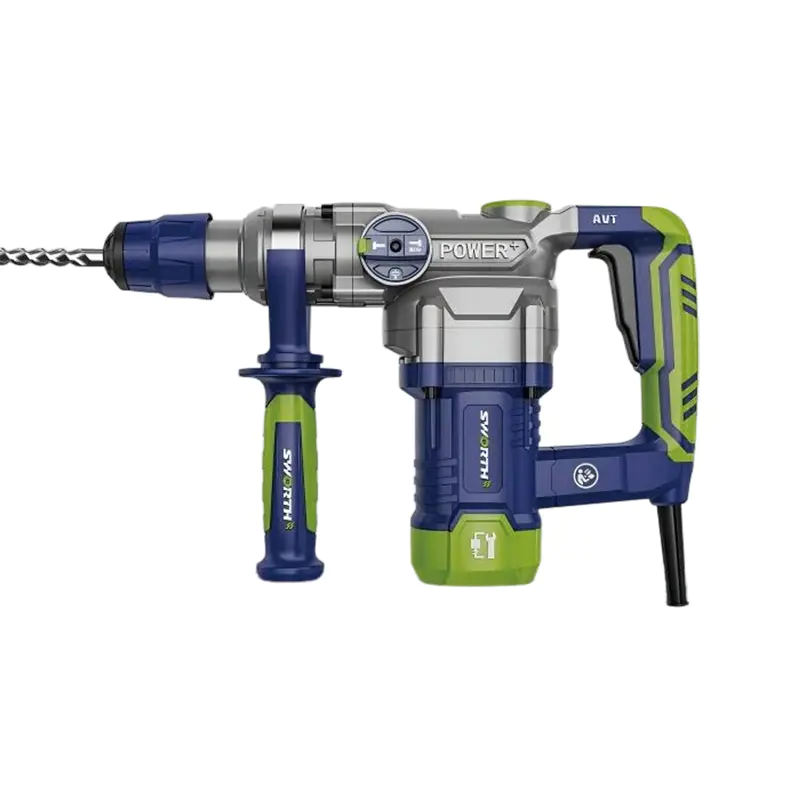


SW528 Small Hole Rebar Hammer
-
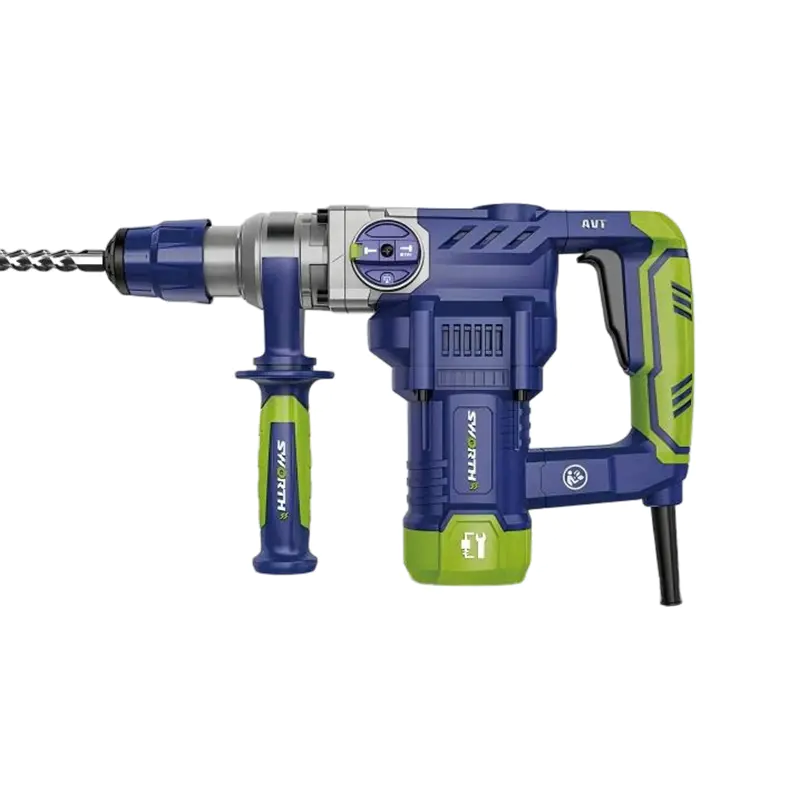
SW932 Groove Sandblasting Hammer
-
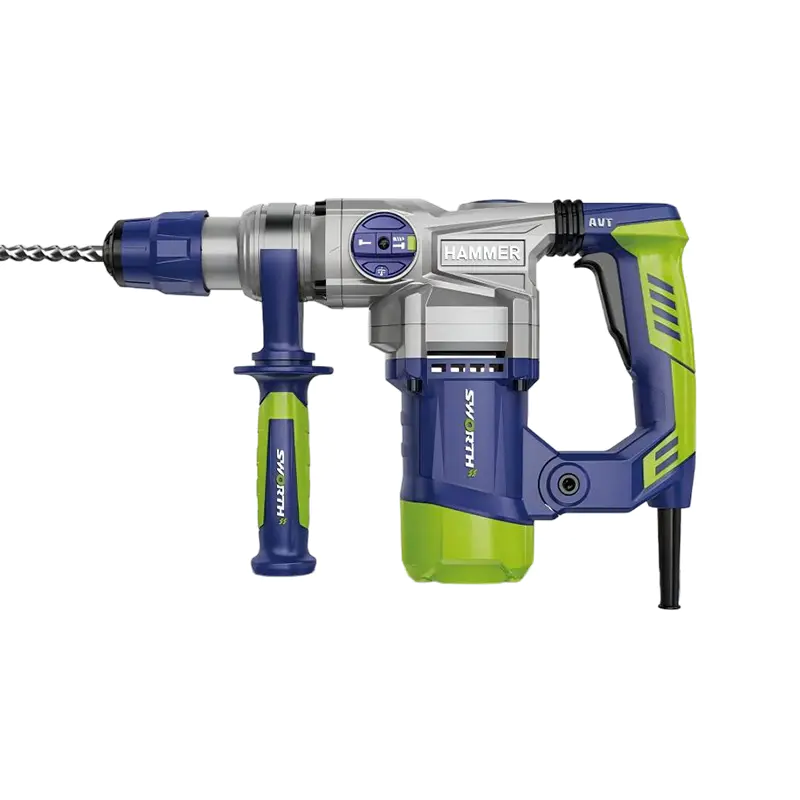
SW9362A Large Hole Rebar Hammer
-
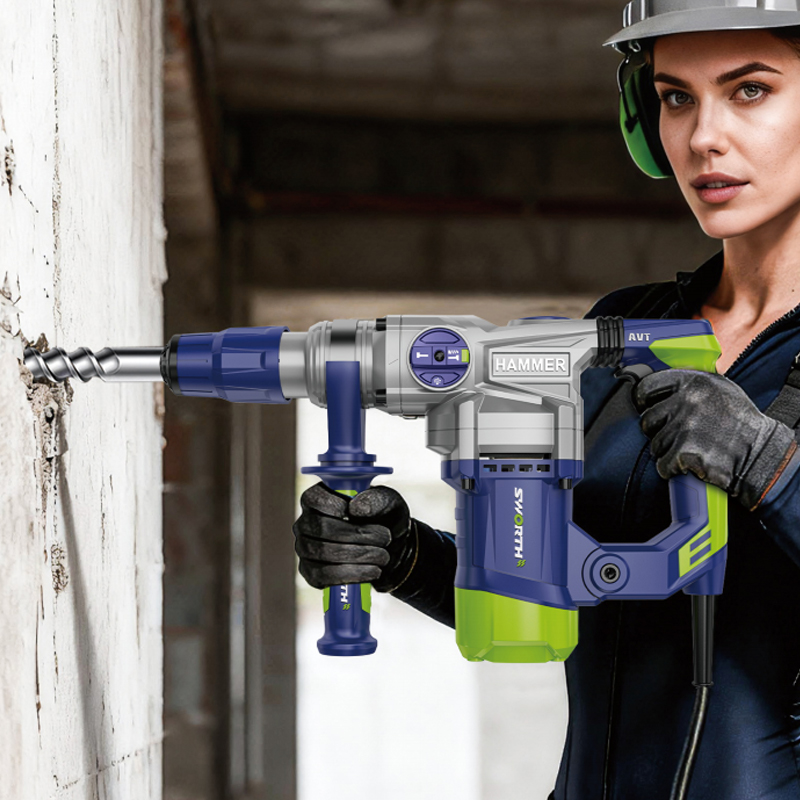
SW940 Enlarged Hole Rebar Hammer
-
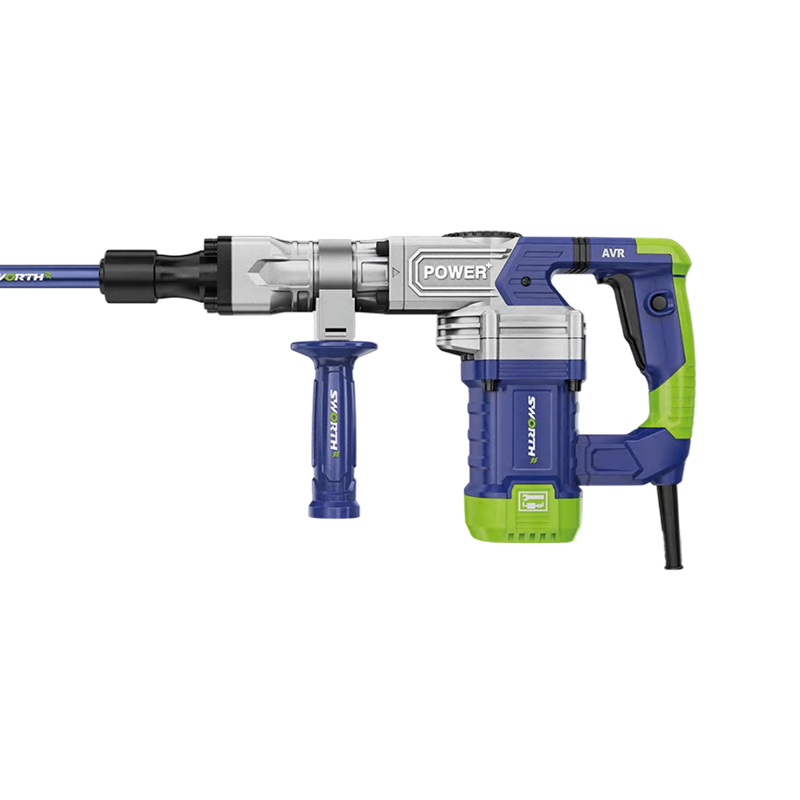
SW35S1 Powerful Demolition Hammer
-
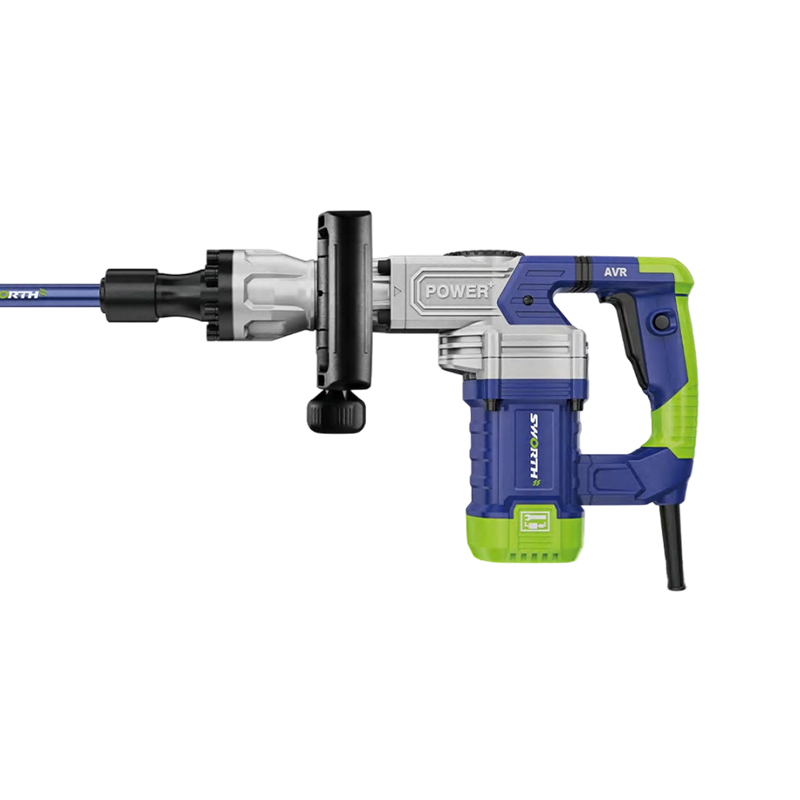
SW35S2 High-Efficiency Heat Dissipation Demolition Hammer
-
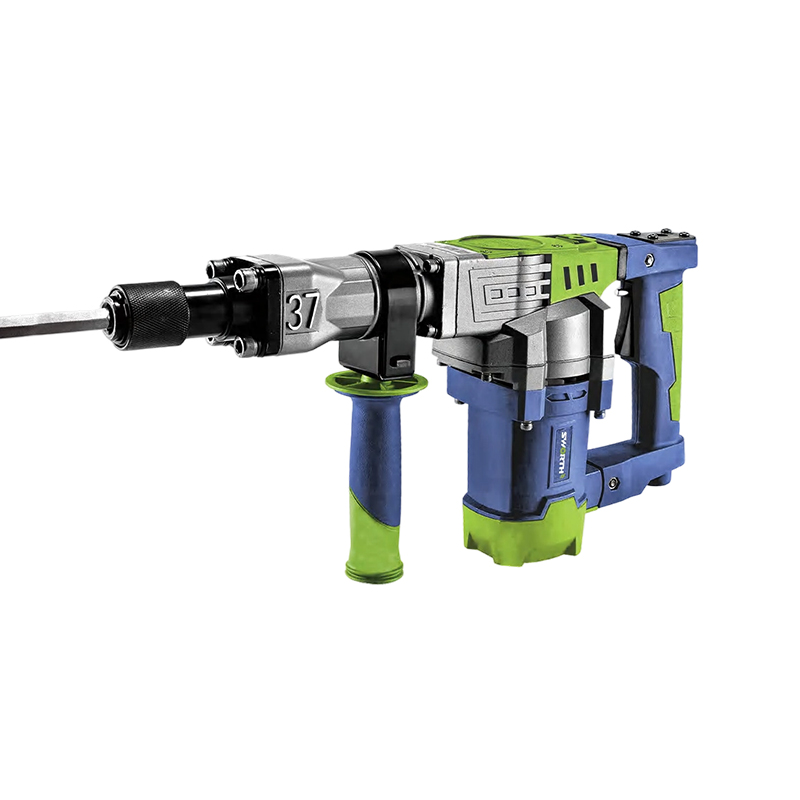
SW9371 High-Power Demolition Hammer
-
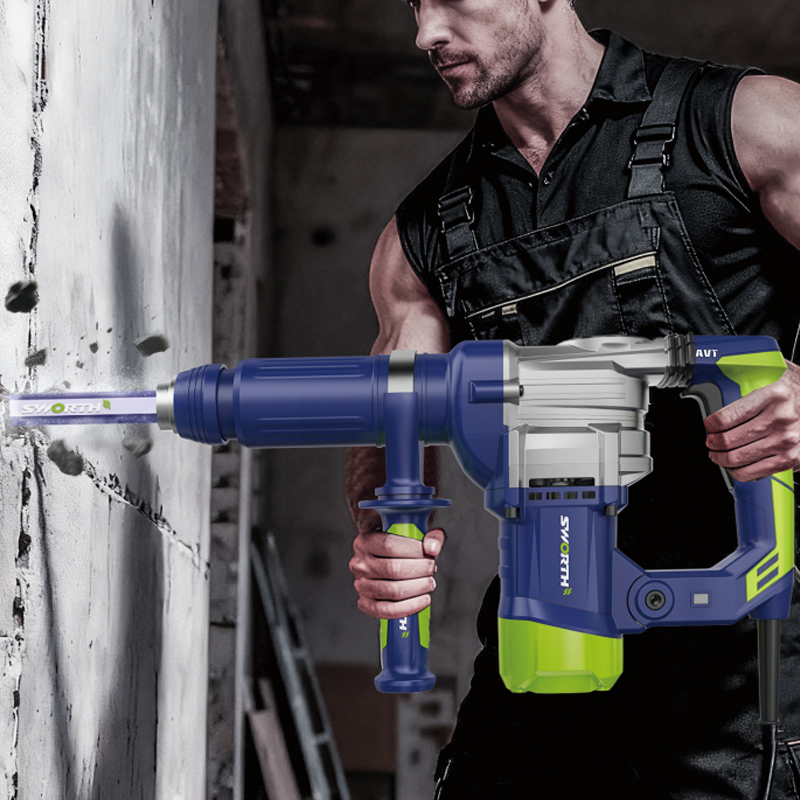
SW9373 Anti-Scalding Carbon Brush Holder Demolition Hammer
-
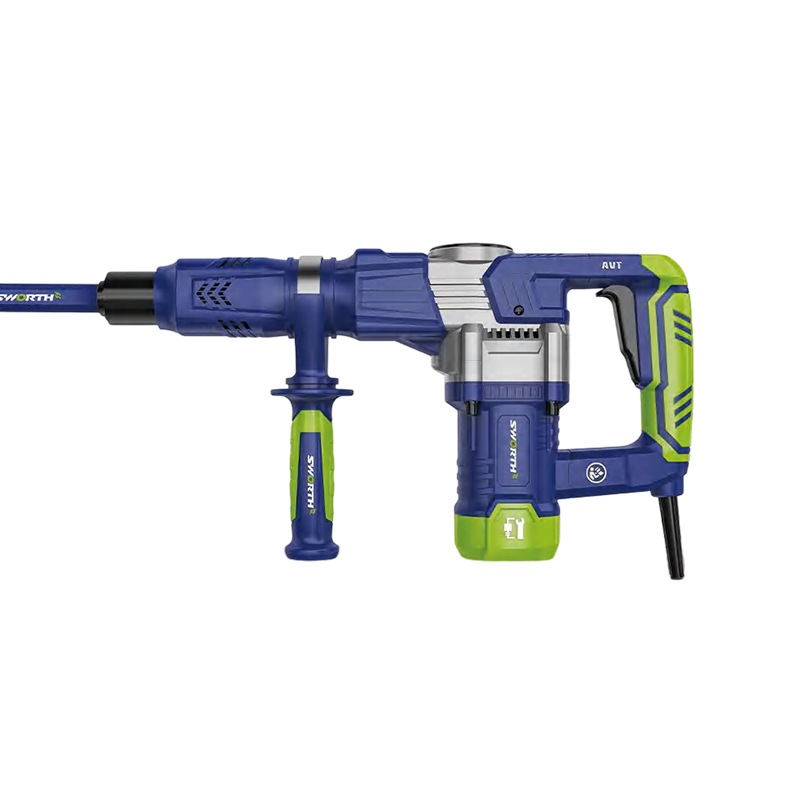
SW535 Powerful Anti-Scalding Demolition Hammer
-
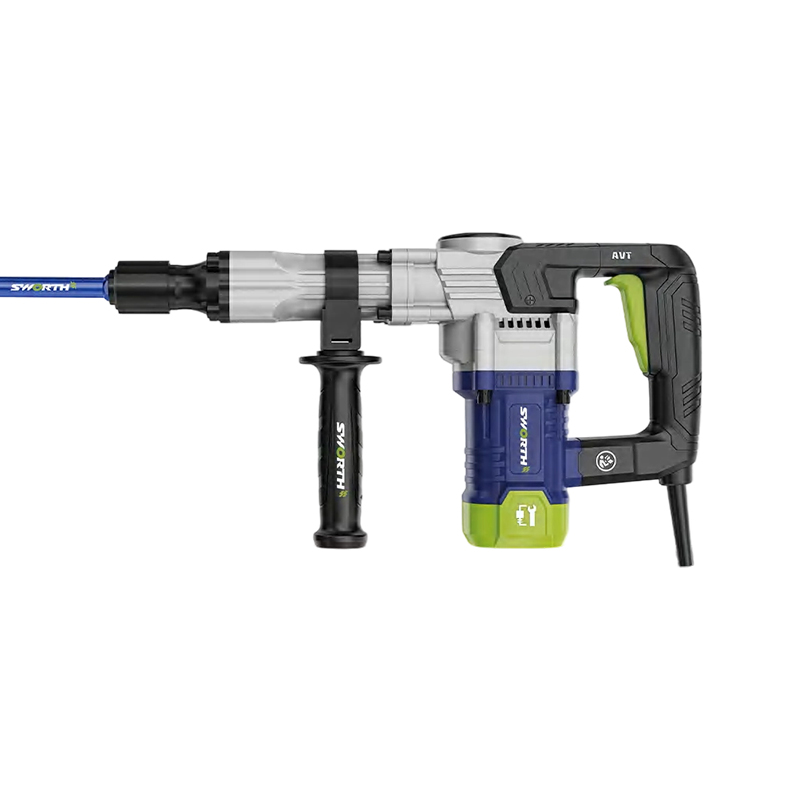
SW535-2 Durable Powerful Demolition Hammer
-
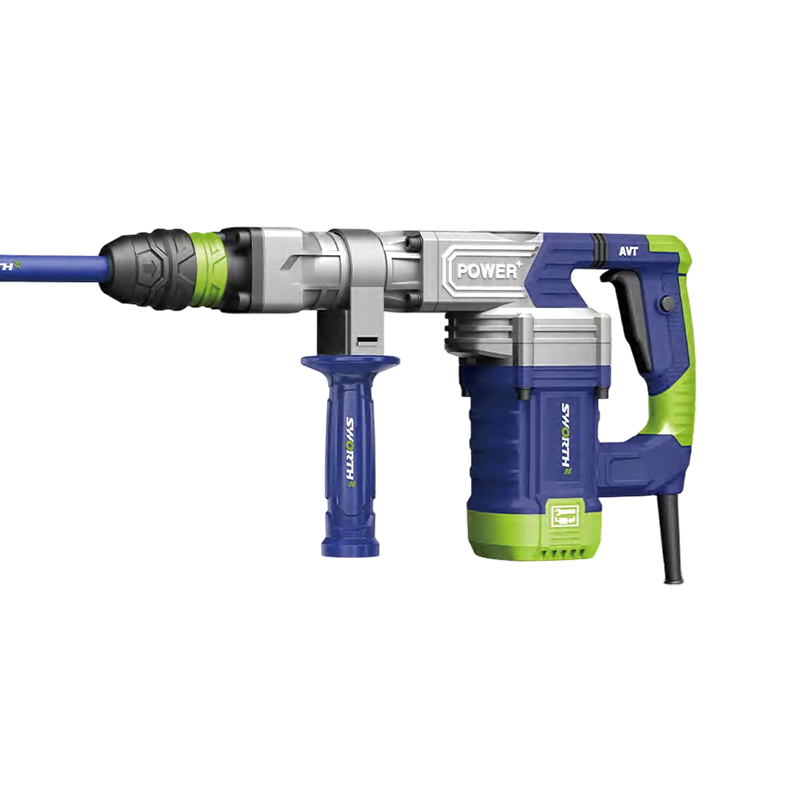
SW35S3 Five-Pipe Drill Bit Demolition Hammer
-

SW11E Five-Pipe Clamping Demolition Hammer
 +86-18314829275
 sale@sworthtools.com
 No. 101, Yugui Road, chengxi Industrial Zone, Yongkang City, Zhejiang Province, China
Copyright© Yongkang Siwei Technology Co., Ltd. All Rights Reserved

Hammer Tools & Cordless Garden Tools Manufacturer
