 English
 русский
 Español

High-Speed Rotary Hammer for Faster, Safer, and More Productive Concrete Drilling
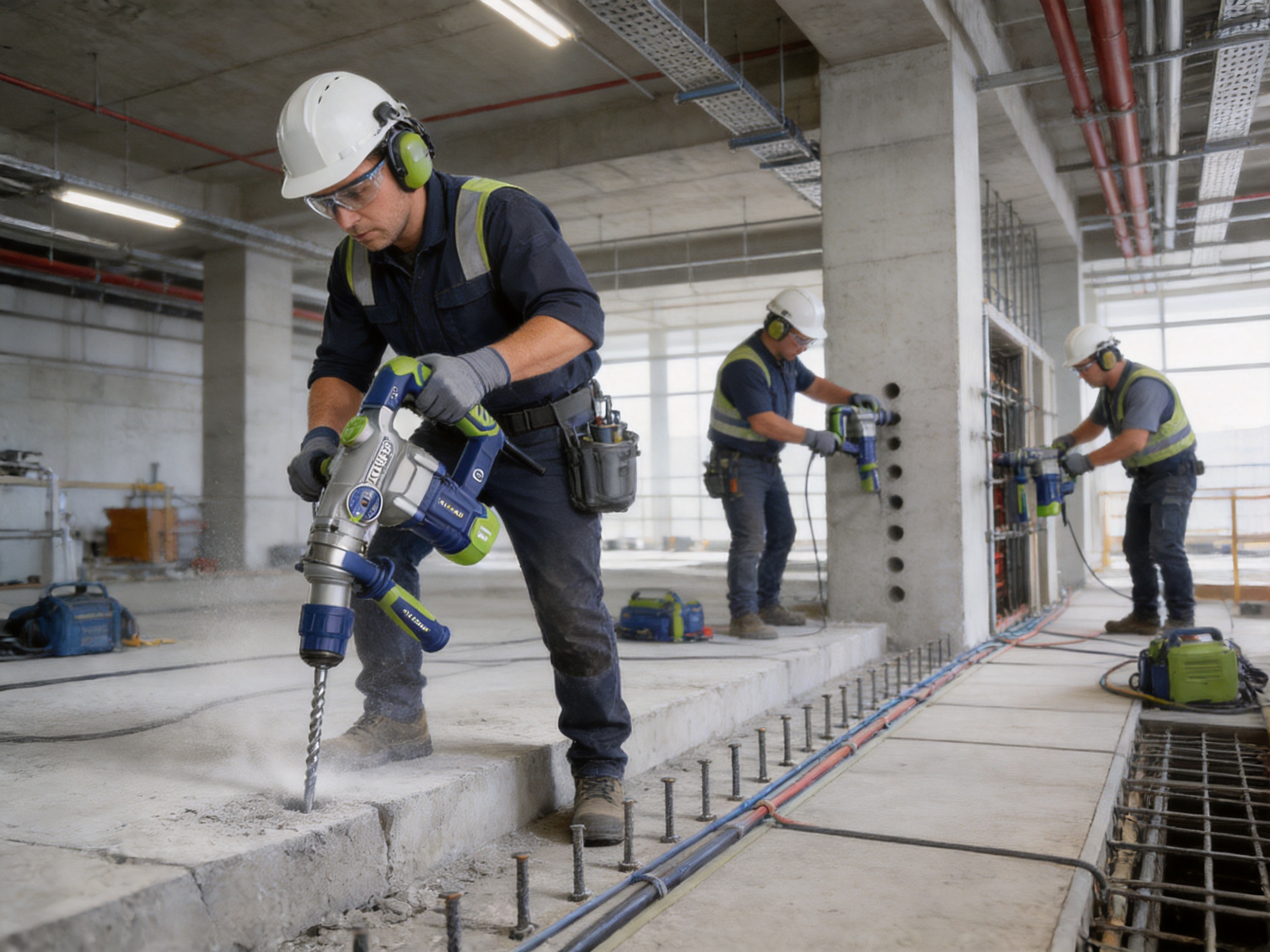
Concrete drilling is one of the most demanding tasks in construction, renovation, infrastructure installation, and industrial maintenance. The work requires more than a powerful motor. A professional rotary hammer must combine high impact energy, rapid impact frequency, controlled rotation, dependable heat management, operator protection, and durable construction. When any one of these elements is neglected, drilling slows down, tools wear prematurely, and workers face unnecessary fatigue or safety risks.
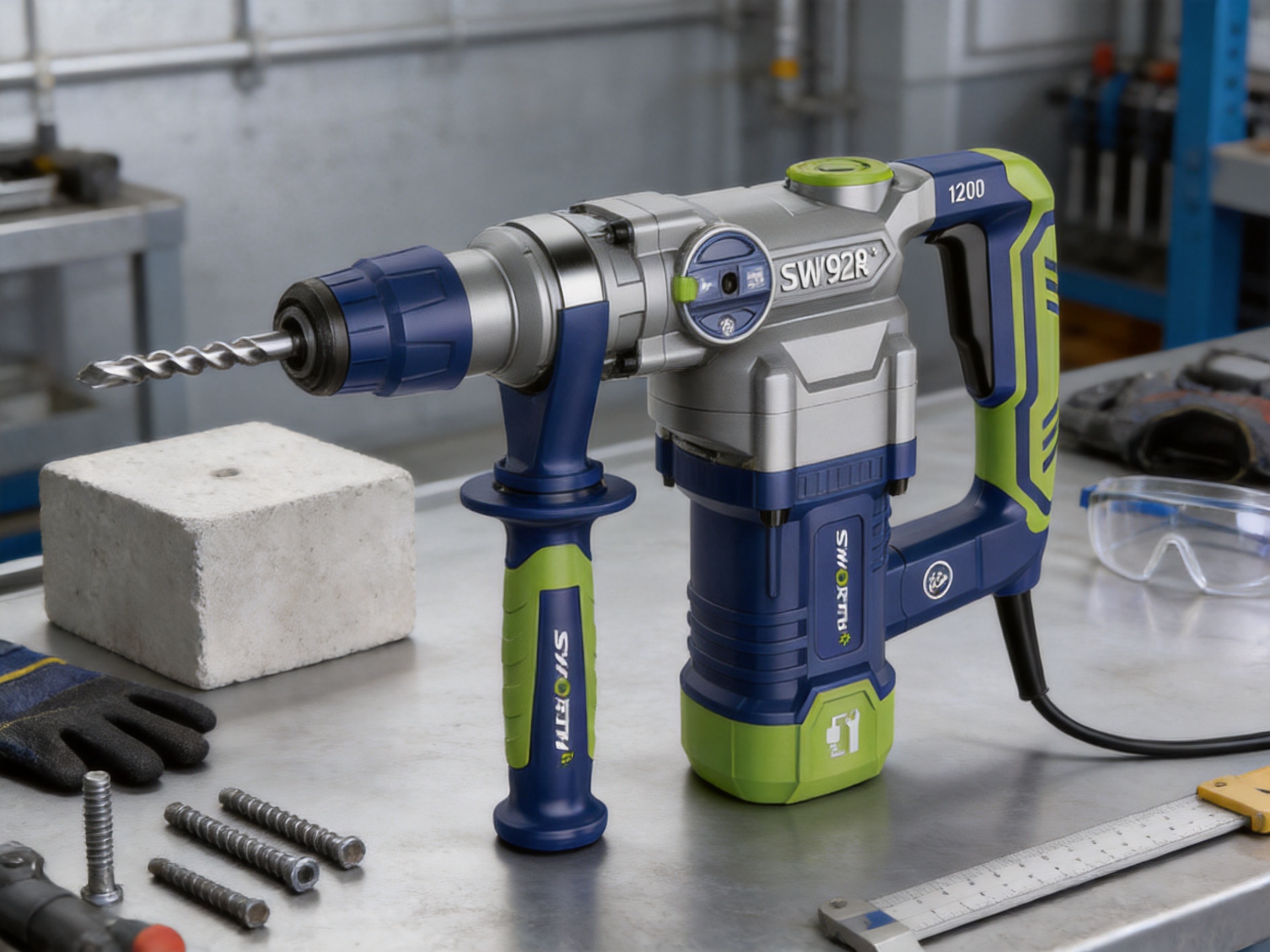
The SW928 High-Speed Rotary Hammer is designed to address these challenges with a 1,200-watt electric drive system, a 10-joule impact mechanism, and an impact rate of 5,100 blows per minute. Compared with a conventional rotary hammer operating at approximately 4,500 blows per minute, the SW928 delivers a 13% higher impact frequency. This higher rate helps professional users complete holes more quickly, particularly when drilling in hard concrete, reinforced structures, foundation slabs, and load-bearing walls.
More importantly, the machine is not based on speed alone. Its pressure-relief oil cap, dust-sealed iron head, safety clutch, soft rubber grip, and oversized trigger are intended to make high-output drilling more practical for long working sessions. The result is a tool developed around productivity, durability, and user control rather than a single headline specification.
A Professional Rotary Hammer for Demanding Concrete Work
Rotary hammers are used where ordinary impact drills are not sufficient. A standard impact drill may be suitable for light masonry work, but it often lacks the impact energy and mechanical durability needed for deep holes, large anchors, repeated drilling, or dense concrete. The SW928 is positioned for applications where drilling speed and machine endurance directly influence project costs.
Its 1,200-watt power input supplies the electrical energy required for continuous heavy-duty operation. The motor drives both the rotating tool holder and the impact assembly, allowing the operator to drill into concrete while the mechanism repeatedly delivers force to the bit. With a rated impact energy of 10 joules, the hammer is capable of transferring substantial force to the working accessory.
The 5,100 BPM impact rate is a major productivity feature. BPM means blows per minute, and it describes how often the impact mechanism strikes the bit. A higher impact frequency can help break and loosen concrete more rapidly, provided that the mechanism remains stable and the operator uses an appropriate bit. The SW928’s frequency is approximately 13% higher than the stated 4,500 BPM standard reference for regular hammers.
In practical terms, faster impact action can reduce the time required for each hole. This matters when a crew must install dozens or hundreds of anchors, route utilities through a slab, or prepare multiple fastening points in a reinforced wall. Even a small time saving per hole may become a significant labor saving across an entire project.
Core Specifications and Their Practical Meaning
| Specification | Value | Practical Benefit |
|---|---|---|
| Rated voltage | 220–240V~, 50/60Hz | Suitable for compatible electrical systems and common professional jobsite power supplies |
| Power input | 1,200W | Provides strong drive power for demanding concrete drilling |
| Impact rate | 5,100 BPM | Supports faster material breakdown than a 4,500 BPM standard reference |
| No-load speed | 1,100 r/min | Balances bit rotation with controlled drilling performance |
| Impact energy | 10J | Delivers substantial force for hard masonry and concrete applications |
| Stator dimensions | Ø65 × 57H | Indicates a substantial motor construction for power transmission |
| Rotor dimensions | Ø39 × 45H | Supports the electric drive system used to operate the hammer |
Specifications should always be considered as a complete system rather than isolated numbers. A high impact rate without sufficient motor power may cause overload. A powerful motor without effective lubrication may generate excessive wear. Strong impact energy without a safety clutch may increase kickback exposure. The SW928 combines its principal values with mechanical and ergonomic features intended to support reliable use.
The rated voltage of 220–240V at 50/60Hz makes the machine appropriate for regions and jobsite electrical systems using this voltage range. Users should confirm local electrical requirements, extension-cord suitability, grounding arrangements, and safe operating procedures before use.
High-Speed Impact Performance
The most visible advantage of the SW928 is its 5,100 BPM impact rate. The stated standard comparison of 4,500 BPM shows a difference of 600 blows per minute. Expressed as a percentage, 5,100 is approximately 13.3% higher than 4,500. This increase may help the tool break up hard material more efficiently, especially when the bit is correctly selected and the operator applies steady, controlled pressure.
Faster impact action is particularly valuable during anchor drilling. Construction teams frequently need to drill a large number of holes for mechanical anchors, support brackets, pipe clamps, cable trays, handrails, equipment bases, and structural fixtures. In these situations, drilling time can become a bottleneck. A hammer that removes material more quickly can help keep installation crews moving from one work point to the next.
The higher impact frequency can also help during pipe routing through thick foundation slabs. Slabs often contain dense aggregate and may require deep, accurately positioned holes. A high-speed rotary hammer can reduce the time spent at each drilling point, helping workers maintain a consistent installation schedule.
However, speed must be managed responsibly. The fastest possible drilling is not always achieved by pushing the tool with maximum force. Excessive pressure may slow the impact mechanism, increase heat, and place unnecessary stress on the bit. Professional results come from allowing the hammer to perform its work while maintaining alignment and removing dust from the hole when appropriate.
10-Joule Impact Energy for Hard Materials
Impact energy describes the force delivered by each blow of the hammer mechanism. The SW928 provides a rated impact energy of 10 joules, a level intended for serious concrete and masonry work rather than occasional light-duty drilling. This energy helps the bit fracture and displace hard material at the cutting face.
High impact energy is useful when working on load-bearing walls, reinforced concrete, thick slabs, and other structures where a low-powered tool may stall or require excessive operator effort. It can also support larger drilling tasks when matched with suitable accessories and an appropriate operating method.
The value of impact energy is closely connected to bit quality. A worn, damaged, incorrectly sized, or unsuitable bit can reduce drilling performance regardless of the hammer’s rated energy. Professional users should select accessories designed for the material and application, inspect them regularly, and replace them when cutting performance declines.
Ten joules also means that the tool must be treated as a powerful piece of equipment. The operator should use both hands, maintain stable footing, wear appropriate personal protective equipment, and keep bystanders away from the work area. Concrete dust, flying fragments, vibration, and unexpected bit movement all require attention.

SW928 High-Speed Rotary Hammer
Designed for Anchor Drilling
Anchor drilling is one of the clearest use cases for a high-speed rotary hammer. Anchors are used to secure structural supports, machinery, cable management systems, pipework, safety rails, and many other components to concrete or masonry. The quality and consistency of the drilled hole directly affect the final holding performance of the anchor.
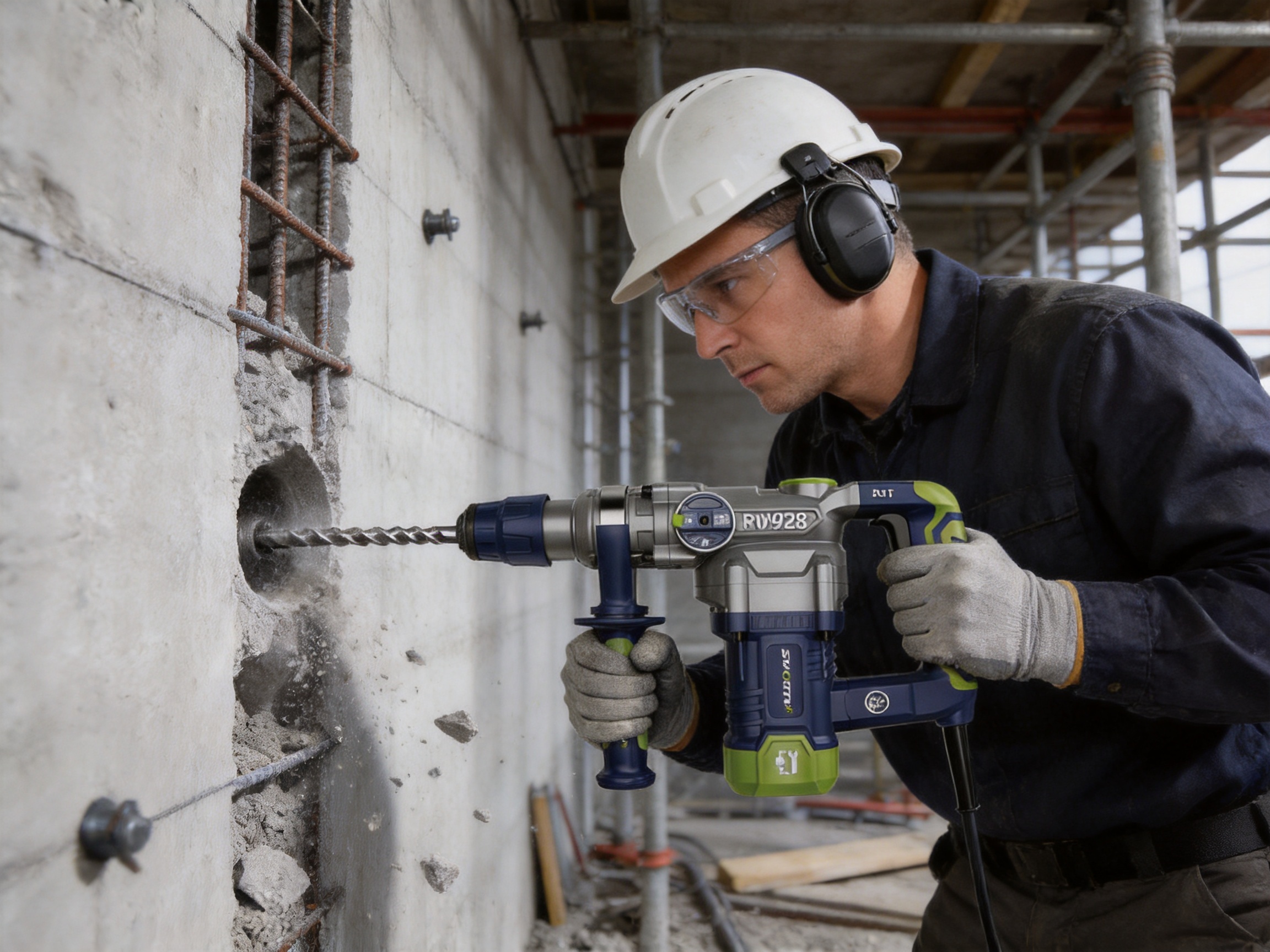
The SW928’s impact mechanism is suited to creating holes in concrete columns and load-bearing walls. Its high impact frequency can help maintain productive drilling progress, while the 10-joule impact energy provides force for hard material. The operator can use the tool to establish accurately positioned holes before installing compatible anchors according to the anchor manufacturer’s instructions.
Alignment is essential. A hole that is not perpendicular, is too shallow, or contains excessive dust may compromise anchor installation. The rotary hammer should be held firmly and guided steadily. The operator should avoid forcing the tool sideways, as lateral pressure can damage the bit, enlarge the hole, or place unnecessary stress on the tool holder.
For professional crews, faster anchor drilling can have a direct effect on installation output. When each work area contains many fastening points, a reduction in drilling time can improve labor utilization and reduce the amount of time that other trades must wait for the installation to progress.
Effective for Utility Routing Through Slabs
Modern buildings often require new electrical conduits, water lines, communication pathways, drainage components, and mechanical services. During renovation or infrastructure upgrades, these services may need to pass through thick concrete slabs or walls. The work can be difficult when access is limited, reinforcement is dense, or the drilling position is overhead or confined.
The SW928 is built for this type of demanding renovation and installation work. Its 1,200-watt motor and 10-joule impact system provide the power needed to maintain progress through heavy masonry. The 5,100 BPM impact rate can reduce the duration of individual drilling operations, helping workers complete utility routes with less interruption.
Users should inspect the proposed drilling location before beginning. Hidden electrical cables, pipes, tensioned structural elements, and reinforcement can create serious risks. The use of suitable detection equipment and approved construction procedures is essential. A powerful tool improves drilling capability, but it does not replace planning, structural assessment, or site safety controls.
When drilling overhead, the grip and trigger design become especially important. The soft rubber handle helps improve contact between the operator’s hand and the tool, while the oversized trigger is easier to press and control when wearing work gloves. These features can support better handling during extended or awkward-position tasks.
Performance in Rebar-Dense Structures
Reinforced concrete combines cement-based material with steel reinforcement. The reinforcement provides structural strength, but it also makes drilling more demanding. When a bit encounters dense aggregate or steel, the tool may experience increased resistance, vibration, and heat.
The SW928 is intended for heavy renovation work in rebar-dense structures, although operators must follow project-specific rules regarding reinforcement. In some structural applications, cutting reinforcement may be prohibited or require approval from a qualified engineer. The tool’s capability should therefore be used within the limits of the building design and the work permit.
In approved applications, the machine’s high impact rate can help maintain drilling productivity in hard sections of concrete. The iron head and dust-sealing design also support durability when the tool is exposed to the abrasive dust commonly produced by masonry work.
Users should avoid using excessive force when resistance suddenly increases. A sudden change in load may indicate that the bit has contacted steel, an embedded object, or an unsuitable material. The operator should stop, assess the condition, and select the correct procedure rather than forcing the tool through an unknown obstruction.
Pressure-Relief Oil Cap for Cleaner Operation
Lubrication is essential in a rotary hammer. The impact mechanism contains moving components that operate under repeated mechanical load. Proper lubrication reduces friction, helps manage heat, and supports longer service life. At the same time, pressure can build inside a heated gearbox or impact housing during operation.
The SW928 uses an oil cap with a breathing hole designed to release internal pressure and help prevent oil leakage. This detail is small, but it addresses a practical problem that can affect both tool cleanliness and maintenance. Excessive internal pressure may force lubricant past seals or joints, creating leakage and reducing the amount of lubricant available to the mechanism.
By allowing pressure to equalize, the breathing design helps protect the oil system during demanding use. A cleaner exterior can also improve handling and reduce the chance that lubricant will contaminate the operator’s gloves or surrounding surfaces.
Lubrication features should not be interpreted as maintenance-free operation. Users should follow the maintenance instructions supplied with the tool, inspect the oil cap and surrounding area, and use only recommended lubricants. If leakage, unusual odor, overheating, abnormal noise, or reduced impact performance appears, the hammer should be removed from service for inspection.
Dust-Sealed Iron Head for Durability
Concrete drilling produces fine, abrasive dust. If dust enters the tool holder, sleeve, or internal impact components, it can accelerate wear and reduce operating efficiency. Dust contamination may also cause accessories to fit poorly or make the mechanism more difficult to service.
The SW928 features an iron head with a dust cap intended to reduce the entry of dust into the sleeve. This construction helps protect internal working areas during masonry applications. By limiting contamination, the design can reduce internal wear and support more consistent long-term performance.
An iron head also provides a robust housing around the front section of the hammer. The front assembly receives repeated impact forces, contact with accessories, and occasional knocks on the jobsite. A durable housing helps the tool withstand the practical demands of construction work.
Dust sealing is most effective when combined with good operating habits. The accessory should be cleaned before insertion, the dust cap should be kept in usable condition, and the tool should not be stored in a heavily contaminated environment. After drilling, the operator should clean the exterior and inspect the front assembly for damage or unusual movement.
Safety Clutch and Kickback Protection
Kickback can occur when a bit suddenly binds in the material. The tool body may attempt to rotate in the opposite direction, creating a rapid movement that can strain the operator’s wrists, arms, and shoulders. The risk becomes more serious when drilling large holes, working in hard material, or operating in a restricted position.
The SW928 includes a safety clutch designed to interrupt or limit power transmission when the bit becomes trapped. This feature helps reduce sudden torque transfer and provides an additional layer of protection for the operator. It is especially valuable in demanding applications where the bit may encounter dense aggregate or unexpected resistance.
A safety clutch is not a substitute for correct technique. The user should maintain a firm two-handed grip, stand in a balanced position, avoid reaching beyond a stable working area, and keep the tool aligned with the hole. The operator should also use the correct bit size and avoid applying side pressure.
If the clutch activates frequently, the condition should be investigated. Repeated activation may indicate a damaged accessory, an unsuitable drilling method, excessive pressure, or a material condition that requires a different tool or procedure. Continuing to force the machine under these conditions may reduce productivity and increase wear.
Ergonomic Control for Gloved Hands
Construction workers often operate tools while wearing protective gloves. Gloves improve protection against abrasion, sharp edges, and heat, but they can also make small controls difficult to reach. The SW928 addresses this issue with a soft rubber anti-slip grip and an oversized trigger.
The rubber grip helps the operator maintain contact with the tool during vibration and high-load drilling. A secure grip can reduce unnecessary hand movement and help the user guide the bit more accurately. It may also improve comfort during long work periods compared with a hard, smooth handle.
The oversized trigger is designed to be easier to press and hold with gloved hands. This is useful when drilling a series of holes or performing overhead installation. A control that is easy to operate can reduce the temptation to remove gloves, helping workers maintain protective coverage.
Ergonomics also contributes to productivity. When the tool is comfortable to hold and easy to control, the operator may experience less fatigue over the course of a shift. Reduced fatigue can support more consistent drilling technique, better hole alignment, and fewer interruptions.
How the SW928 Compares with Conventional Rotary Hammers
Competition in the rotary hammer market includes basic masonry drills, standard rotary hammers, heavy demolition hammers, and premium professional models. Each category serves a different purpose. The SW928’s advantage is its balance of high-speed drilling, substantial impact energy, safety features, and practical durability.
Compared with a standard 4,500 BPM hammer, the SW928 provides a stated 5,100 BPM impact rate. This difference is intended to reduce drilling time. The benefit is most noticeable in repetitive work, where the number of holes multiplies the value of every improvement in cycle time.
Compared with a light-duty impact drill, the SW928 offers a much more specialized impact mechanism and a higher 10-joule impact rating. It is better suited to hard concrete, deep anchoring, and demanding renovation work. A light-duty drill may be easier to carry for small tasks, but it may not deliver the same productivity or endurance in heavy material.
Compared with a demolition hammer, the SW928 provides a rotating drilling function in addition to impact action. A demolition hammer is primarily designed for breaking and chiseling, while a rotary hammer is designed to create holes and may also support chiseling functions depending on the configuration. The SW928 is therefore a more appropriate choice when the project requires accurate drilling rather than only material removal.
Compared with some high-output tools that focus mainly on power, the SW928 gives attention to operator control and service protection. The safety clutch, soft grip, oversized trigger, pressure-relief oil cap, and dust-sealed iron head are features that address real jobsite concerns beyond raw motor output.
Productivity and Total Operating Value
Purchasing decisions for professional tools should consider more than the initial price. Total operating value includes drilling speed, labor efficiency, downtime, maintenance, accessory life, operator comfort, and the tool’s ability to remain productive under difficult conditions.
The SW928 is designed to reduce drilling time through its high impact frequency. When a crew is paid by the hour or working under a fixed project schedule, faster drilling can improve output without increasing the number of workers. The time saved on each hole may also reduce congestion when several trades are working in the same area.
Machine downtime is another important factor. A tool that overheats, leaks lubricant, or suffers rapid internal wear can interrupt a project and create replacement or repair costs. The pressure-relief oil cap and dust-sealed iron head are intended to support more reliable operation and reduce avoidable service problems.
Operator comfort also has an economic effect. An uncomfortable tool may lead to more frequent breaks, slower progress, or inconsistent drilling. The rubber grip and large trigger are practical features that help the user work with greater control, particularly when wearing gloves or working overhead.
These advantages are most valuable when the tool is used correctly. Regular cleaning, suitable accessories, proper lubrication, safe electrical practices, and scheduled inspection all contribute to the machine’s operating life.
Manufacturing Strengths of the Supplier
Yongkang Siwei Technology Co., Ltd. is a professional tool manufacturer integrating research and development, production, and sales. Its manufacturing approach is based on professional application requirements, durable materials, and process control for tools used in demanding working conditions.
The company emphasizes the principle of focusing on professionalism and placing quality first. For a product such as the SW928, this means that the design must respond to actual jobsite needs rather than rely only on attractive appearance or isolated performance figures. The front iron head, impact mechanism, grip, trigger, clutch, and lubrication system all contribute to the complete user experience.
Integration of research and development with production allows the manufacturer to connect product design with manufacturing feasibility. This can support more consistent control of component dimensions, assembly procedures, mechanical fit, and final performance. A rotary hammer depends on the correct relationship between its motor, rotor, stator, gears, impact components, housing, seals, and accessory interface. Small dimensional differences can affect vibration, noise, heat, and service life.
The company uses advanced processes and high-quality materials to produce tools intended to withstand harsh working conditions. This approach is relevant to construction equipment because the working environment may include concrete dust, repeated vibration, impact loading, temperature changes, transport between sites, and accidental contact with rough surfaces.
Its product development experience extends beyond corded construction tools. Since 2024, the team has also dedicated resources to green new energy technologies, including high-efficiency brushless motors, electronic controls, and intelligent battery platforms. This development experience demonstrates an expanding technical capability in motor design, power management, and control systems.
The company’s cordless garden tool range includes lithium-ion lawn mowers, string trimmers, lawn tractors, hedge trimmers, electric pruning shears, and high-speed chainsaws. Although these products serve different applications from a rotary hammer, the underlying engineering disciplines overlap in areas such as motor efficiency, thermal management, control reliability, housing design, and user ergonomics.
Research and Development for Application-Based Tools
Effective tool development begins with an understanding of the user’s working environment. Concrete drilling professionals need fast material removal, but they also need predictable control, protection from kickback, reduced dust entry, manageable vibration, and convenient operation with gloves. The SW928 reflects this application-based design approach.
The company’s integrated R&D process can support the development of components as a coordinated system. The motor must provide enough torque and speed for the impact assembly. The impact assembly must deliver energy without creating excessive instability. The housing must contain the mechanism and protect it from dust. The grip must transmit control without becoming uncomfortable. The clutch must respond to abnormal load conditions.
Product development also includes evaluating how tools are maintained and transported. Professional equipment may be moved between construction sites, stored in vehicles, and exposed to dust for long periods. Robust external construction and protective sealing can therefore be as important as internal performance.
The company’s experience in both construction tools and cordless garden equipment provides a broad base for future product development. Construction tools require high mechanical strength, while battery-powered garden tools require efficient energy use and electronic control. Knowledge from both areas can contribute to more efficient, durable, and user-focused equipment.
Quality-Oriented Production Considerations
A professional rotary hammer should be assembled with attention to the fit of rotating and reciprocating components. The rotor and stator must work together efficiently, while bearings, gears, seals, and impact components must be correctly installed. Proper assembly helps reduce abnormal noise, overheating, vibration, and premature wear.
Dimensional control is particularly important in the front iron head and sleeve area. The accessory must be held securely while still allowing the impact mechanism to transmit force. Excessive clearance may create instability, while insufficient clearance may interfere with movement or increase friction.
Lubrication quantity and distribution also matter. Too little lubricant can increase friction and temperature. Too much pressure without a suitable breathing path can encourage leakage. The oil cap with a pressure-release opening reflects attention to this balance.
Electrical inspection is equally important. A 1,200-watt tool operating on 220–240V requires suitable insulation, wiring, switching, and protection systems. Manufacturing quality should include checks for electrical integrity, trigger operation, motor behavior, and safe power transmission before the tool reaches the customer.
Final product evaluation should consider both performance and usability. The hammer must deliver its rated operating characteristics while remaining controllable in real working positions. Trigger response, grip security, clutch behavior, housing condition, and accessory retention all contribute to professional acceptance.
Recommended Operating Practices
Before using the SW928, inspect the tool, power cord, plug, accessory, front assembly, grip, trigger, and safety clutch area. Do not operate the machine if the cord is damaged, the housing is cracked, the accessory is loose, or the tool shows signs of oil leakage or abnormal wear.
Confirm that the electrical supply matches the rated requirement of 220–240V, 50/60Hz. Use an extension cord suitable for the tool’s power input and the length of the installation. Keep the cord away from the drilling path, sharp edges, water, hot surfaces, and moving equipment.
Select an accessory designed for rotary hammer operation and the intended concrete or masonry material. Make sure it is correctly installed and locked in place. A damaged or incorrectly fitted bit can reduce performance and increase the risk of binding.
Mark the drilling position and verify that no hidden electrical lines, pipes, or hazardous structural elements are present. When working on load-bearing components or reinforced structures, follow the instructions of the project engineer or responsible supervisor.
Hold the tool with both hands and maintain a balanced stance. Apply steady pressure in line with the hole. Do not use the power cord to carry or pull the machine, and do not touch the bit immediately after operation because it may be hot.
Wear safety glasses or a face shield, hearing protection, suitable gloves, protective footwear, and respiratory protection appropriate to the dust-control procedure. Use dust extraction or other approved dust-management methods where required.
After completing the work, switch off and disconnect the tool before cleaning, changing accessories, inspecting the front assembly, or performing maintenance. Store the hammer in a dry, protected location away from excessive dust and moisture.
Maintenance for Long-Term Performance
Routine maintenance helps preserve the performance advantages of a high-speed rotary hammer. The exterior should be cleaned after use, especially around ventilation openings, the front head, and the trigger area. Concrete dust should not be allowed to build up around moving or cooling components.
The accessory and tool holder should be inspected for wear. If the bit no longer cuts effectively, becomes visibly damaged, or produces unusual vibration, replace it. Continuing to use a worn accessory may increase the load on the impact mechanism and reduce drilling accuracy.
Check the dust cap and front sealing components for cracks, deformation, or excessive wear. A damaged seal may allow more dust to enter the sleeve. The oil cap should also be inspected for damage or blockage around its breathing hole. Do not obstruct the pressure-relief opening.
Listen for changes in operating sound. Grinding, rattling, excessive sparking, repeated clutch activation, unusual vibration, or a significant reduction in impact strength may indicate a service requirement. Early inspection can prevent a minor issue from developing into major downtime.
Lubrication should be performed according to the manufacturer’s instructions. Use the specified lubricant and do not mix incompatible oils. If the tool has been subjected to unusually heavy use, professional inspection may be appropriate even when the hammer appears to operate normally.
Applications Across Construction and Renovation
The SW928 can support a wide range of professional applications. In structural installation, it can be used for anchor holes in concrete columns, walls, beams, and slabs where approved. In mechanical and electrical work, it can assist with routes for pipes, conduits, brackets, and service supports.
Renovation contractors can use a high-speed rotary hammer when adapting older buildings for modern utilities. Thick masonry, hardened concrete, and restricted access often make these projects slower than new construction. A productive hammer can help reduce the time spent preparing each penetration.
Installation teams working on scaffolding may benefit from the oversized trigger and anti-slip grip. Overhead utility work requires careful positioning, and a secure grip can make it easier to maintain control while wearing gloves.
Maintenance departments may use the machine for equipment bases, protective barriers, service platforms, and replacement installations. When a facility must remain operational, reducing drilling time can help limit disruption to production or building occupants.
Small contractors can also benefit from a tool that serves several related tasks. Instead of maintaining separate low-powered equipment for masonry and heavy drilling, a professional rotary hammer can provide greater versatility for demanding projects, provided that the selected accessories and operating modes match the work.
Why Faster Drilling Matters to Professional Crews
Construction productivity is often determined by repeated basic operations. Drilling a single hole may take only a short time, but a project may require hundreds or thousands of holes. The total duration includes positioning, drilling, clearing dust, checking depth, installing the anchor, and moving to the next location.
The SW928 cannot eliminate all of these steps, but its higher impact frequency is intended to shorten the drilling portion of the cycle. Faster material removal gives the operator more time for quality checks, installation, and coordination with other tasks.
Reduced drilling time can also lower operator exposure to vibration and noise for each individual hole, although suitable protection remains necessary. The soft grip may further improve comfort, especially during repetitive work.
Project managers should evaluate performance under real conditions rather than relying only on laboratory figures. Material hardness, aggregate size, reinforcement, hole diameter, depth, bit condition, operator technique, and power supply all influence results. Even so, the combination of 5,100 BPM, 10 joules, and 1,200 watts provides a strong foundation for professional drilling productivity.
Quality, Reliability, and Business Partnership
Tool buyers often need more than a product specification sheet. They need a supplier that understands long-term cooperation, production consistency, product development, and application support. Yongkang Siwei Technology Co., Ltd. presents itself as a manufacturer and engineering partner rather than only a reseller.
Its integrated R&D, production, and sales structure can help connect customer feedback with product improvement. Feedback from professional users may reveal needs related to trigger size, grip texture, seal durability, impact performance, or maintenance access. A manufacturer with internal development capability is better positioned to evaluate and implement such improvements.
The company’s stated focus on durable tools for harsh working conditions is relevant to distributors, contractors, and project procurement teams. Professional customers need products that can be used repeatedly, maintained efficiently, and supported over the working life of the equipment.
The supplier also has experience serving both domestic and international markets. This broad market exposure can encourage attention to different electrical systems, operating environments, user expectations, and product configurations. Buyers should confirm the exact model, packaging, accessories, warranty terms, and regional compliance requirements for their market before placing an order.
Frequently Asked Questions
What type of tool is the SW928?
The SW928 is a corded high-speed rotary hammer designed for demanding concrete and masonry drilling. It is intended for professional applications such as anchor drilling, utility routing, renovation, and heavy construction work.
What is the impact rate of the SW928?
The impact rate is 5,100 blows per minute. This is approximately 13% higher than the 4,500 BPM standard reference stated for regular hammers.
How much impact energy does it provide?
The rated impact energy is 10 joules. This provides substantial force for hard concrete, masonry, foundation slabs, load-bearing walls, and other demanding materials when the correct accessory is used.
What is the motor power?
The rated power input is 1,200 watts. This power level supports the tool’s high-speed impact and rotary drilling functions during professional applications.
What electrical supply does the tool require?
The rated voltage is 220–240V at 50/60Hz. Users should verify that their local electrical supply, extension cord, plug, and protective equipment are compatible with these requirements.
How does the SW928 compare with a standard rotary hammer?
Its principal stated advantage is the 5,100 BPM impact rate compared with a 4,500 BPM standard reference. It also combines 10-joule impact energy with a 1,200-watt motor, a pressure-relief oil cap, a dust-sealed iron head, a safety clutch, and ergonomic controls.
Is the SW928 suitable for anchor drilling?
Yes. Anchor drilling in concrete columns, load-bearing walls, and other approved concrete structures is one of its intended applications. Hole diameter, depth, bit selection, and anchor installation must follow the relevant project and anchor manufacturer’s requirements.
Can it be used for pipe routing through concrete slabs?
Yes. The machine is designed for demanding drilling such as routing pipes through thick foundation slabs. Before drilling, operators must check for hidden services, reinforcement, and structural restrictions.
What is the purpose of the safety clutch?
The safety clutch is designed to help limit kickback when the bit binds. It can reduce sudden torque transfer to the operator’s wrists, but users must still maintain proper handling, alignment, and safety procedures.
How does the oil cap help prevent leakage?
The oil cap includes a breathing hole that helps release internal pressure. Pressure equalization can reduce the chance of lubricant being forced out of the housing during demanding operation.
Why is the iron head dust-sealed?
Concrete dust is abrasive and can accelerate wear inside the tool holder and impact assembly. The dust-sealed iron head is designed to reduce dust entry into the sleeve and support longer-lasting performance.
Is the trigger suitable for use with gloves?
The tool includes an oversized trigger intended to be easier to press and hold with gloved hands. Its soft rubber anti-slip grip is also designed to improve handling and comfort.
What should be done if the safety clutch activates repeatedly?
Stop operation and inspect the bit, drilling material, alignment, and applied pressure. Repeated clutch activation may indicate a damaged accessory, unsuitable operating conditions, or a problem requiring professional service.
Does the tool require regular maintenance?
Yes. Users should clean the tool, inspect the accessory and dust cap, check the oil cap, monitor operating sound and vibration, and follow the manufacturer’s lubrication and service instructions.
Who manufactures the SW928?
The SW928 is manufactured by Yongkang Siwei Technology Co., Ltd., a tool manufacturer integrating research and development, production, and sales in Yongkang, Zhejiang Province, China.
Does the manufacturer produce cordless tools?
Yes. The company also develops cordless garden tools and has experience with brushless motors, electronic control systems, and intelligent lithium-ion battery platforms.
Conclusion
The SW928 High-Speed Rotary Hammer is designed for professionals who need faster concrete drilling without giving up control, durability, or operator protection. Its 5,100 BPM impact rate provides an approximately 13% advantage over the stated 4,500 BPM standard reference, while its 10-joule impact energy and 1,200-watt power input support demanding applications in hard concrete and masonry.
Its value extends beyond impact performance. The pressure-relief oil cap helps manage internal pressure and reduce leakage risk. The dust-sealed iron head helps protect the sleeve from abrasive concrete dust. The safety clutch is designed to reduce kickback exposure, while the soft rubber grip and oversized trigger improve handling for gloved users and overhead work.
Behind the product is a manufacturer with integrated R&D, production, and sales capabilities, experience in professional construction tools, and growing expertise in brushless motors and electronic control systems for cordless equipment. This combination supports a product philosophy centered on practical engineering, durable materials, and professional working conditions.
For contractors, installers, renovation teams, distributors, and engineering procurement specialists, the SW928 offers a balanced solution for anchor drilling, slab penetration, utility installation, and heavy renovation. When used with suitable accessories, correct maintenance, and responsible safety procedures, it can help reduce drilling time, limit avoidable downtime, and keep demanding projects moving efficiently.
References
1. Product specification sheet for the SW928 High-Speed Rotary Hammer, including rated voltage, motor power, impact rate, no-load speed, and impact energy.
2. Manufacturer application information for concrete drilling, anchor installation, utility routing, overhead work, and renovation in reinforced structures.
3. General principles of rotary hammer operation, impact energy transfer, masonry accessory selection, and concrete drilling technique.
4. General workplace guidance concerning power-tool inspection, electrical safety, personal protective equipment, dust control, and kickback prevention.
5. Manufacturer information concerning integrated research and development, production, sales, brushless motor technology, electronic controls, and cordless garden tool development.
Product: SW928 High-Speed Rotary Hammer
Recommended Products
-
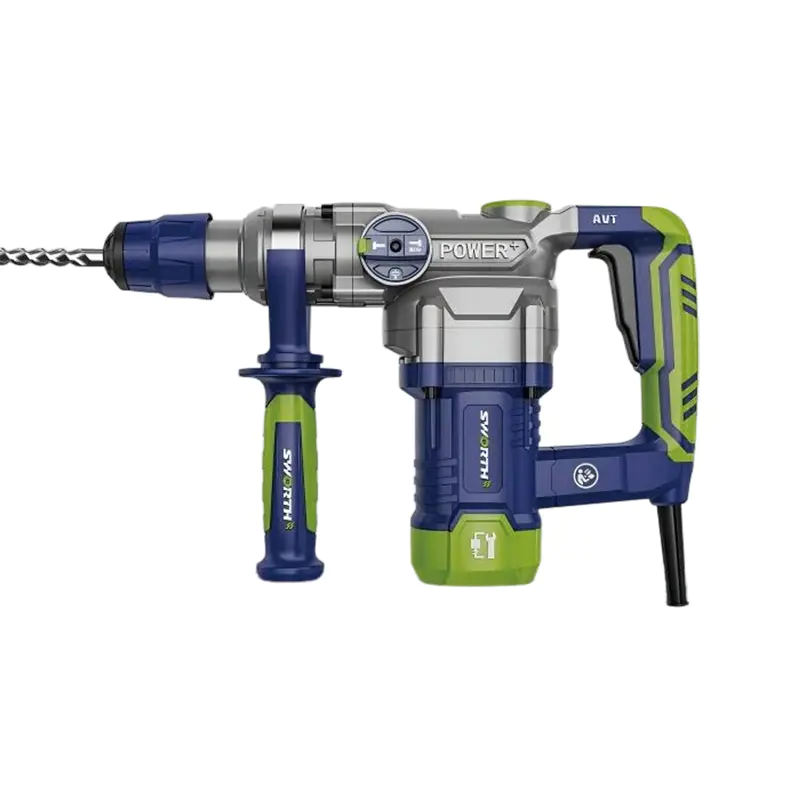


SW528 Small Hole Rebar Hammer
-
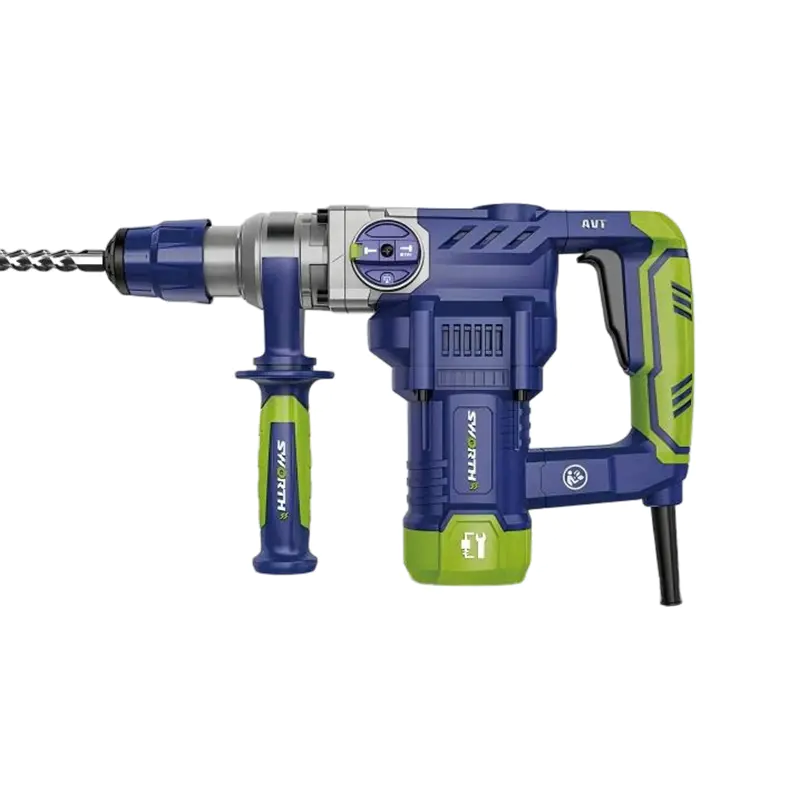
SW932 Groove Sandblasting Hammer
-
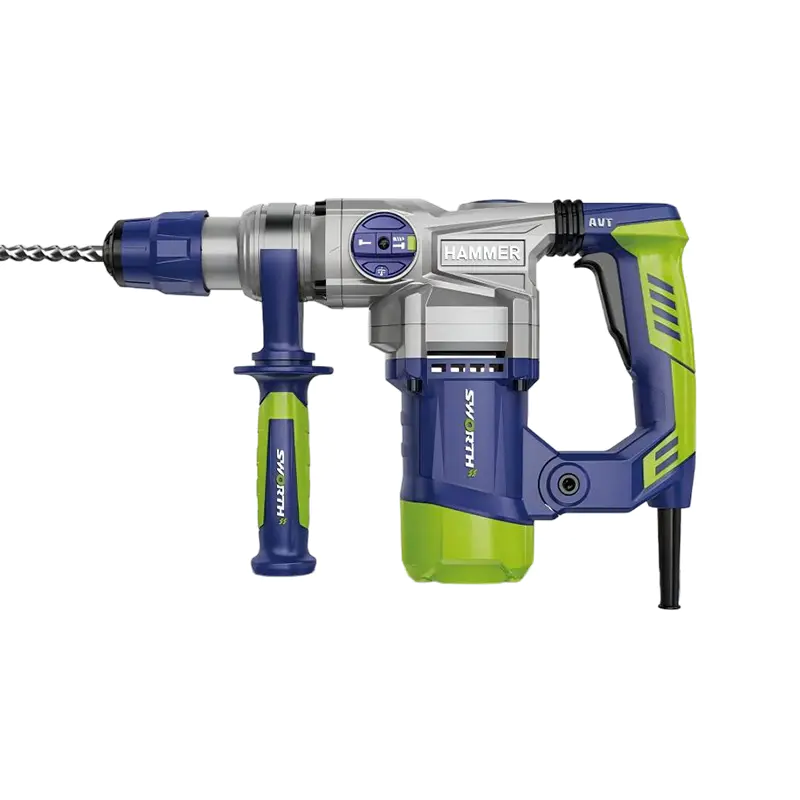
SW9362A Large Hole Rebar Hammer
-
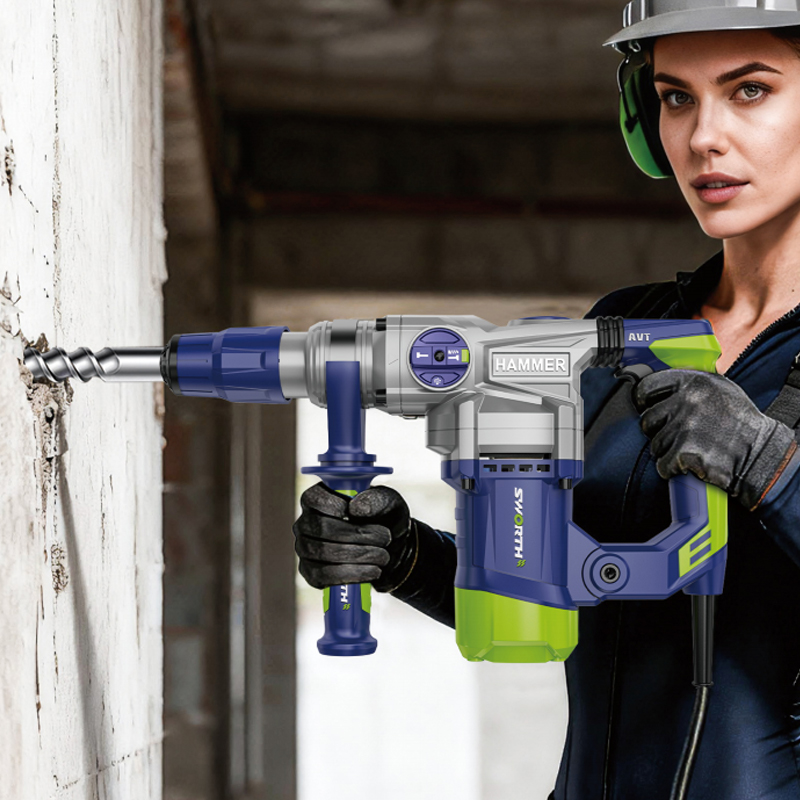
SW940 Enlarged Hole Rebar Hammer
-
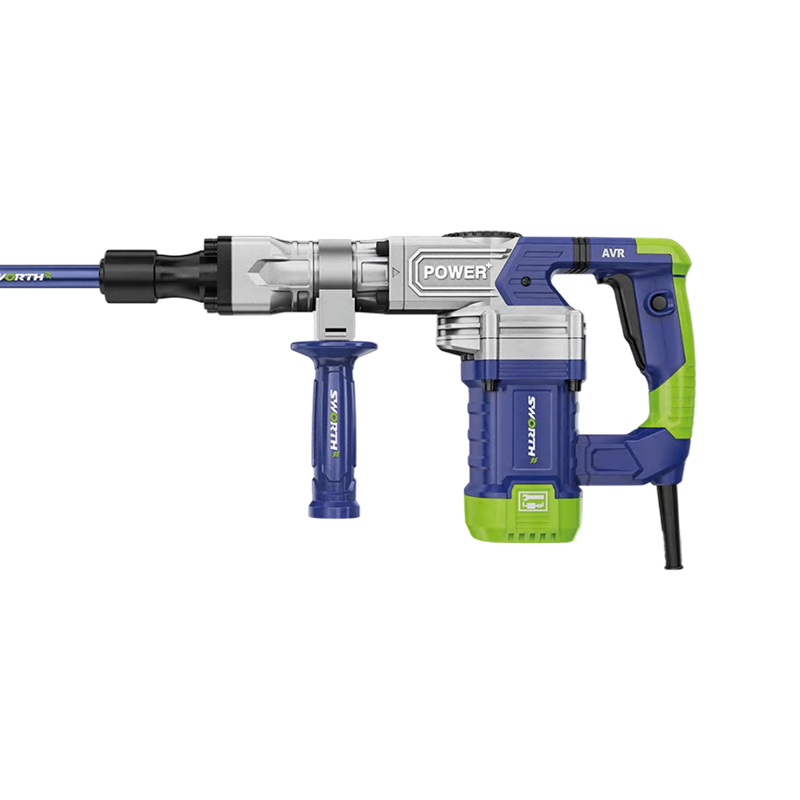
SW35S1 Powerful Demolition Hammer
-
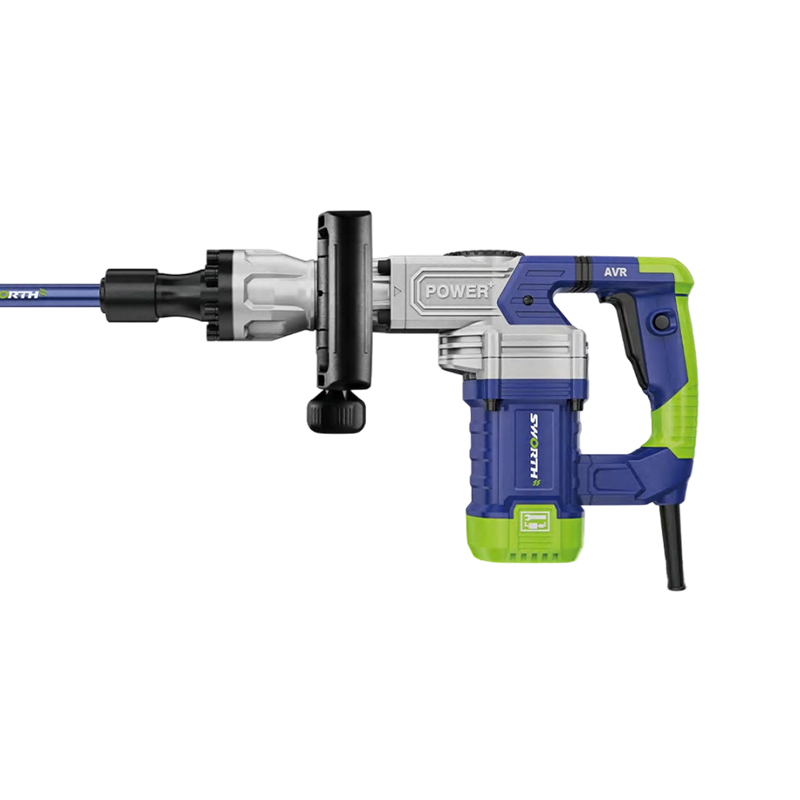
SW35S2 High-Efficiency Heat Dissipation Demolition Hammer
-
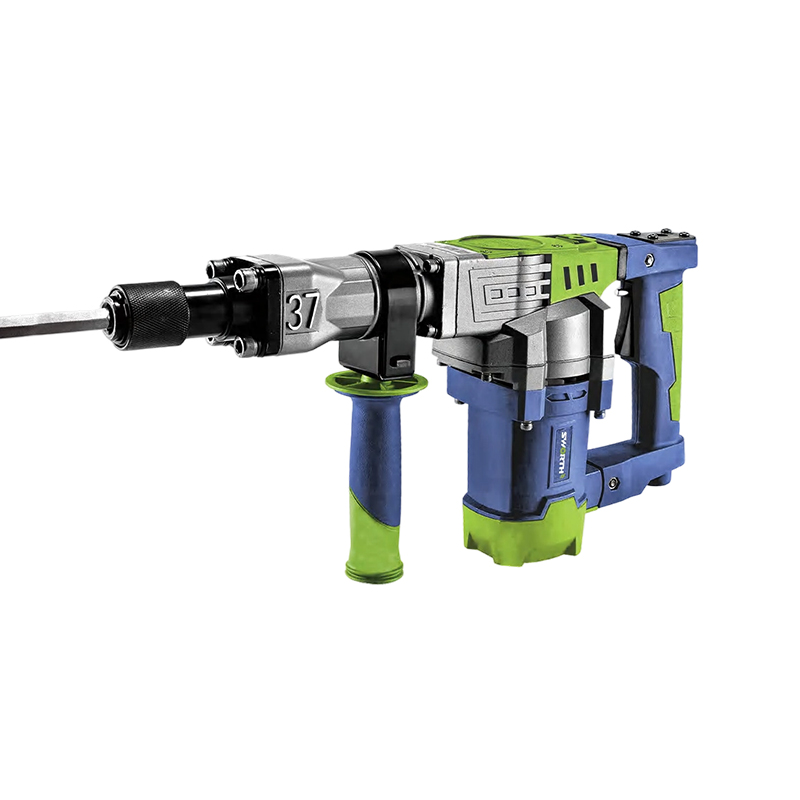
SW9371 High-Power Demolition Hammer
-
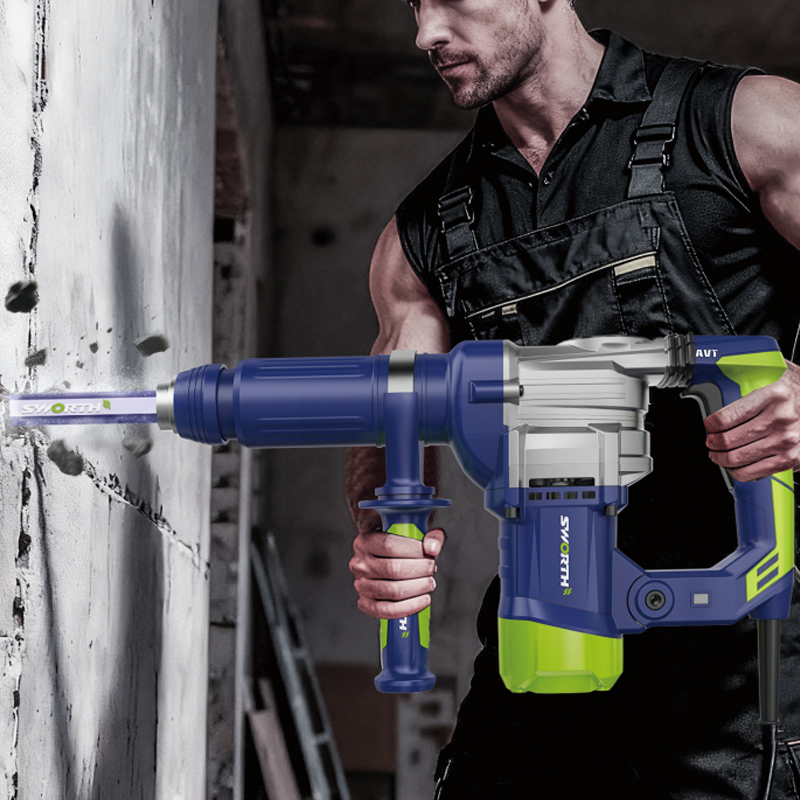
SW9373 Anti-Scalding Carbon Brush Holder Demolition Hammer
-
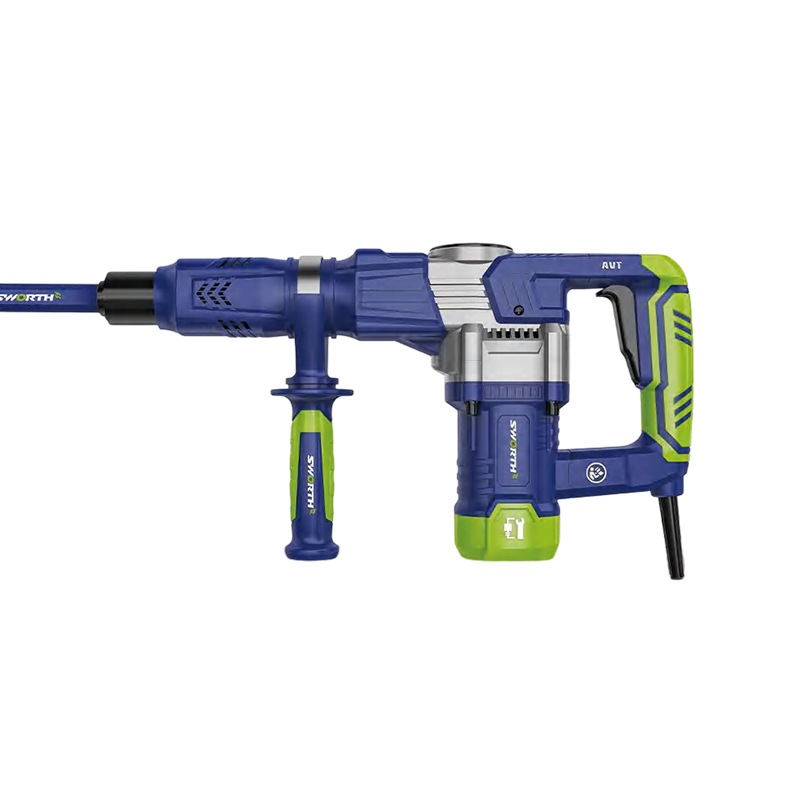
SW535 Powerful Anti-Scalding Demolition Hammer
-
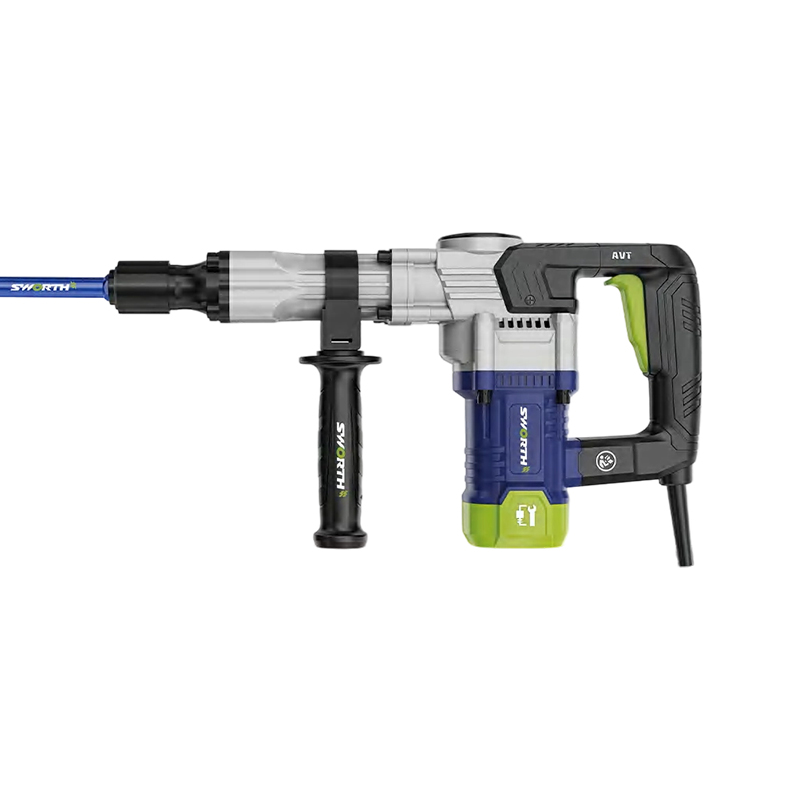
SW535-2 Durable Powerful Demolition Hammer
-
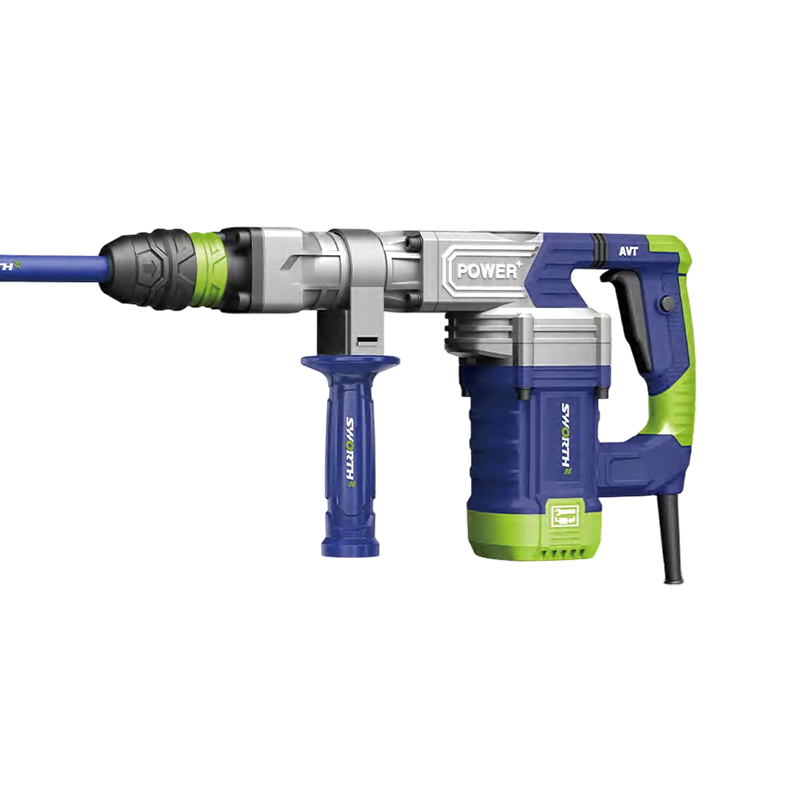
SW35S3 Five-Pipe Drill Bit Demolition Hammer
-

SW11E Five-Pipe Clamping Demolition Hammer
 +86-18314829275
 sale@sworthtools.com
 No. 101, Yugui Road, chengxi Industrial Zone, Yongkang City, Zhejiang Province, China
Copyright© Yongkang Siwei Technology Co., Ltd. All Rights Reserved

Hammer Tools & Cordless Garden Tools Manufacturer
