 English
 русский
 Español

SW9371 High-Power Demolition Hammer: Power, Durability, and Professional Demolition Performance
In demanding construction, renovation, and engineering environments, demolition work requires more than a powerful motor. A professional demolition hammer must deliver strong impact energy, maintain stable performance during extended operation, withstand frequent starts and stops, and provide reliable control when working on hard materials. The SW9371 High-Power Demolition Hammer is designed around these requirements, combining a 1,580W motor, a 37mm enlarged cylinder, 28J of impact energy, and a durable high-current switching system.
Built for intensive demolition tasks, the SW9371 is suitable for breaking concrete, removing brickwork, opening channels, dismantling masonry, and carrying out other heavy-duty chisel applications. Its design focuses on practical power rather than unnecessary complexity. The enlarged impact structure supports stronger blows, while the thickened motor is engineered to provide dependable output under demanding conditions.
For professional users, contractors, maintenance teams, and serious renovation workers, the value of a demolition hammer is measured by productivity, service life, operating stability, and ease of maintenance. The SW9371 addresses all four areas. It is developed by Yongkang Siwei Technology Co., Ltd., a professional tool manufacturer integrating research and development, production, and sales. The company’s experience in demolition hammers, chisel tools, electronic controls, and power equipment supports a manufacturing approach centered on practical engineering performance.
Designed for High-Intensity Demolition Work
Demolition applications place exceptional stress on power tools. Concrete, reinforced masonry, brick, stone, and old structural materials can require repeated impacts over long working periods. A tool that performs well during a short test may not remain effective after hours of vibration, heat, and mechanical loading. The SW9371 is designed specifically for this type of high-intensity environment.
At the center of the tool is a 37mm enlarged cylinder. The cylinder is an important part of the impact mechanism because it helps support the movement and compression necessary to generate force. By using an enlarged cylinder, the SW9371 is configured to produce a stronger and more substantial impact than a lighter general-purpose hammer. This design makes the tool particularly suitable for work where high material removal rates are more important than delicate surface treatment.
The enlarged cylinder works together with the 1,580W motor to create a balanced high-power system. A powerful motor alone does not guarantee effective demolition. If the impact structure is too small, motor energy may not be converted into useful striking force. Conversely, a large impact mechanism requires a motor capable of maintaining output under load. The SW9371 combines both elements so that the power system and impact system are matched for heavy-duty operation.
The tool produces a no-load impact rate of 4,900 beats per minute and an impact energy rating of 28J. This combination gives the operator a forceful and consistent striking action for breaking hard materials. The result is a demolition hammer intended for demanding work rather than occasional light-duty chiseling.
Typical applications include removing concrete sections, breaking brick walls, opening floor surfaces, preparing foundations, dismantling old masonry, removing tiles and hard coverings, and creating access points for plumbing or electrical work. With the correct chisel and appropriate operating technique, the machine can support both major demolition projects and repeated professional repair tasks.
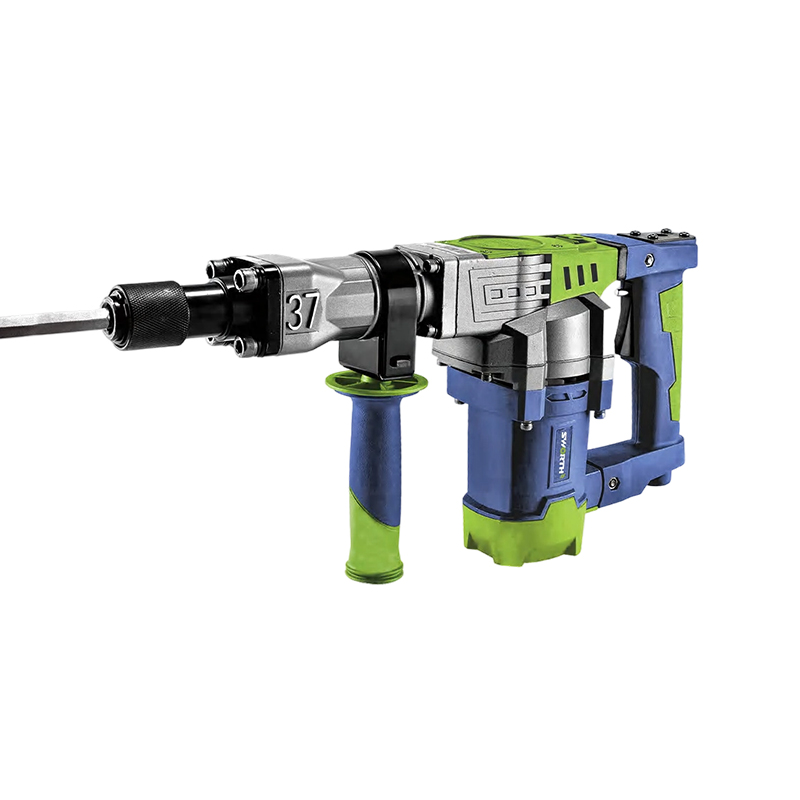
SW9371 High-Power Demolition Hammer
Key Technical Specifications
The specifications of a demolition hammer provide a useful overview of its operating capability. The following data describes the core electrical, mechanical, and impact characteristics of the SW9371.
| Specification | SW9371 Value | Practical Significance |
|---|---|---|
| Rated voltage | 220–240V, 50/60Hz | Suitable for compatible mains power systems and common professional work environments |
| Power input | 1,580W | Provides strong electrical input for heavy-duty demolition applications |
| No-load impact rate | 4,900 bpm | Supports fast and repeated striking action |
| Impact energy | 28J | Delivers strong blows for concrete, brick, and other hard materials |
| Stator diameter | Ø73 × 48H | Reflects the substantial motor construction used for stable power delivery |
| Rotor diameter | Ø44 × 48H | Supports efficient motor operation and durable internal performance |
| Cylinder design | 37mm enlarged cylinder | Designed to increase impact capability for intensive demolition |
| Switch system | High-current switch | Supports reliable starting, stopping, and repeated operation |
The rated voltage of 220–240V at 50/60Hz makes the SW9371 suitable for electrical systems that use this common voltage range. Users should always confirm that the local power supply, plug configuration, extension equipment, and site conditions are compatible before operation.
The 1,580W input rating places the tool in a high-power category for corded demolition hammers. This level of input provides the electrical capacity required to maintain forceful operation when the chisel is engaged with dense material. It also supports productive work in applications where a lower-powered machine might stall, slow down, or require more passes.
The 28J impact energy specification is especially important for users comparing demolition hammers. Impact energy indicates the force available in each blow, although actual results also depend on the material, chisel type, operator technique, and contact angle. A high impact energy rating allows the tool to attack hard surfaces more effectively and helps reduce the time needed to remove substantial material.
Advantages of the Enlarged 37mm Cylinder
The 37mm enlarged cylinder is one of the defining features of the SW9371. In a demolition hammer, the cylinder is part of the pneumatic impact system. It helps create the pressure and movement that drive the internal striker toward the tool bit. Increasing the cylinder size can provide a larger working volume and support a more powerful impact configuration.
For the user, the practical advantage is stronger performance against resistant materials. When working on thick concrete or hard brick, a tool with a more substantial impact system can break material more efficiently. It may also help the operator maintain a steady working rhythm instead of repeatedly repositioning the tool after weak or incomplete blows.
The enlarged cylinder is especially valuable in applications involving:
Concrete floor removal and foundation preparation.
Breaking structural brickwork and masonry walls.
Removing hardened mortar and old construction material.
Opening channels for pipes, cables, and drainage systems.
Dismantling damaged or unwanted concrete sections.
Preparing surfaces for rebuilding, repair, or reinforcement.
A larger impact structure must be supported by suitable manufacturing accuracy and durable materials. Poorly matched internal components could cause excessive vibration, energy loss, or premature wear. The SW9371’s specification combines the enlarged cylinder with a thickened 1,580W motor, indicating that the impact system has been developed as part of an integrated powertrain rather than as an isolated feature.
This integrated approach gives the machine a clear advantage over smaller demolition tools designed mainly for light renovation. Compact hammers can be useful where portability is the main concern, but they may be less suitable for prolonged work on thick or highly resistant materials. The SW9371 is positioned for users who prioritize impact strength and productivity.
1,580W Motor for Stable Power Output
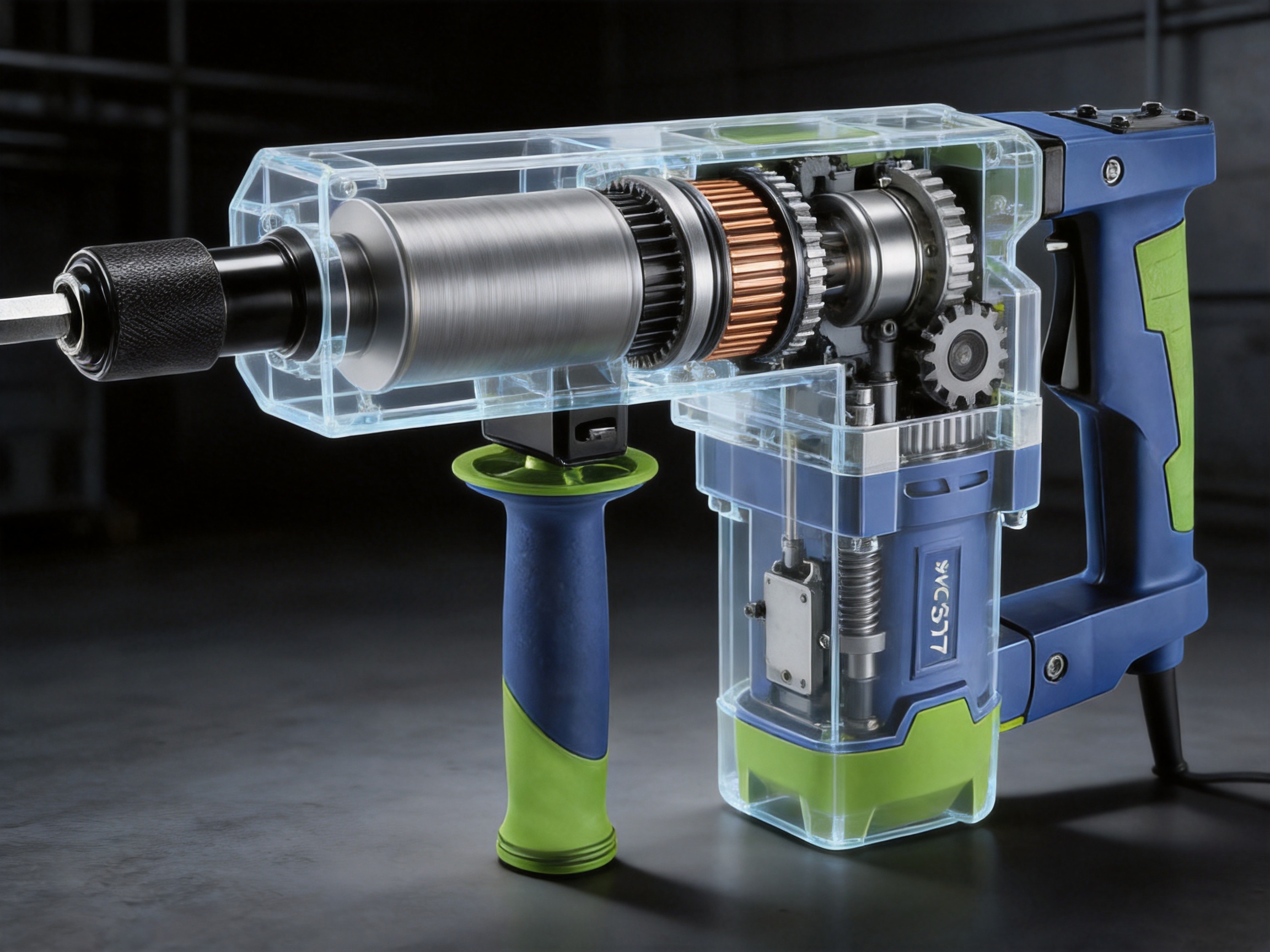
The motor is the primary source of energy in a corded demolition hammer. The SW9371 uses a 1,580W enlarged and thickened motor to support demanding work. This construction is intended to deliver strong output while maintaining stable operation during repeated impact cycles.
A thickened motor design can provide practical benefits in professional environments. Heavy demolition creates high mechanical resistance. When the chisel is pressed against hard material, the motor and impact system must continue working without excessive loss of power. A robust motor design helps the tool maintain its working rhythm and reduces the likelihood that the operator will need to wait for the machine to recover between difficult sections.
The stated stator diameter of Ø73 × 48H and rotor diameter of Ø44 × 48H reflect a substantial internal motor configuration. The stator and rotor work together to convert electrical energy into rotational movement, which is then transferred through the mechanical impact system. Correct dimensional matching, material selection, winding quality, insulation, and assembly precision all influence the motor’s final performance.
For a professional demolition tool, motor stability is important for several reasons. First, stable output supports predictable material removal. Second, it allows the operator to work at a consistent pace. Third, it can improve the overall working experience by reducing repeated stalls and interruptions. Finally, it contributes to the practical service value of the machine, especially when the tool is used frequently.
The SW9371’s motor is not presented merely as a high numerical power rating. It is combined with a larger cylinder, a high-current switch, and a sturdy structure. This combination demonstrates a product design philosophy that considers the complete operating system. The goal is to provide useful demolition power at the chisel, not simply electrical consumption at the input.
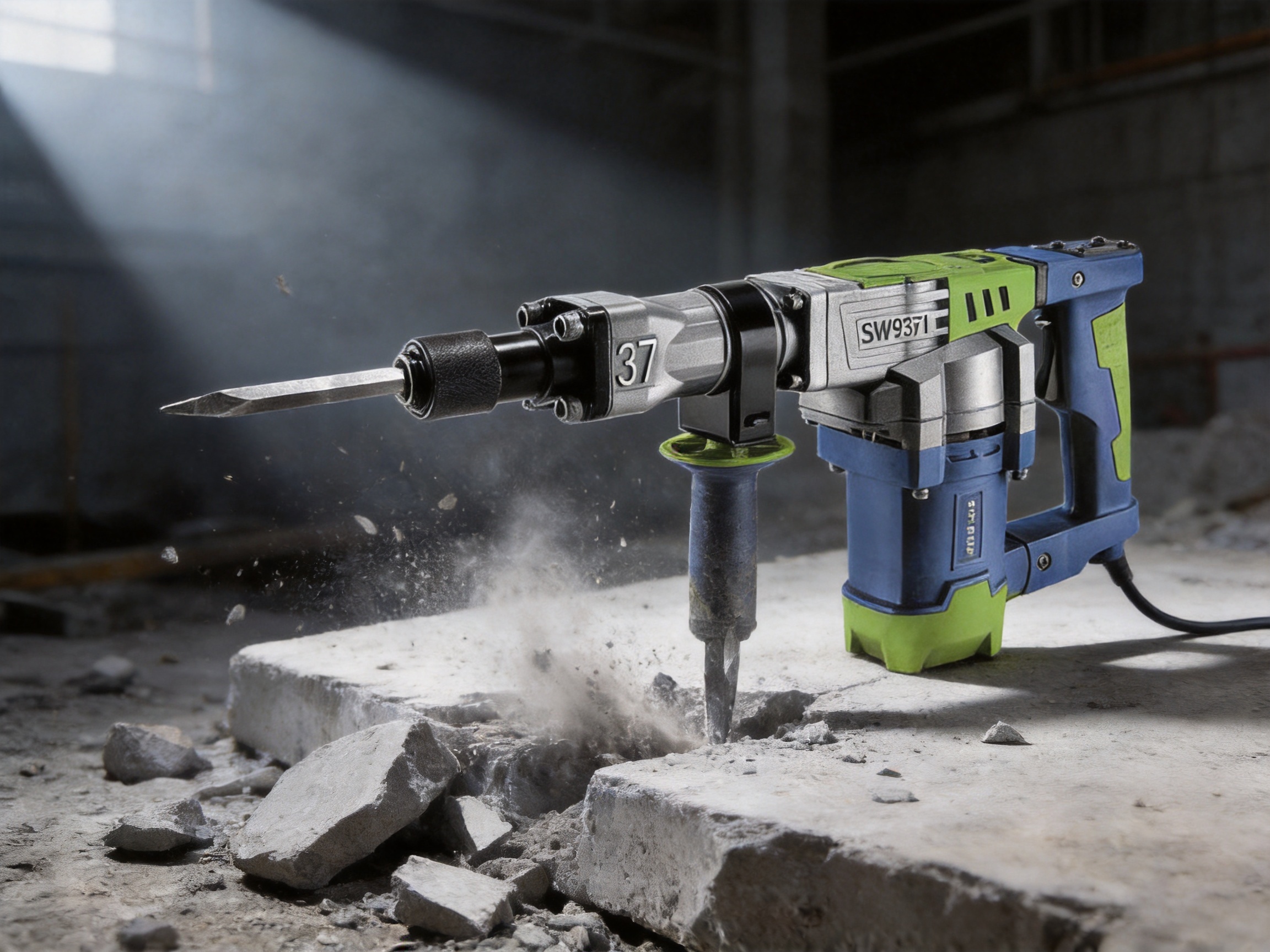
28J Impact Energy and 4,900 BPM Performance
Impact energy and impact rate are two of the most important performance indicators for a demolition hammer. The SW9371 delivers 28J of impact energy and a no-load rate of 4,900 beats per minute. Together, these specifications support fast and forceful material removal.
Impact energy describes the force delivered by each individual blow. A high impact energy value is useful when the tool must fracture dense or thick material. The chisel penetrates the surface, creates cracks, and transfers force into the workpiece. Repeated impacts gradually weaken and remove the material.
The no-load impact rate describes how frequently the tool strikes when it is not engaged with a workpiece. The actual rate under load may vary depending on material hardness, pressure, chisel condition, and operating circumstances. Even so, the 4,900 bpm specification indicates that the machine is designed for a rapid repeated impact cycle.
High impact energy and a suitable impact rate must be balanced. If the rate is high but each impact is weak, the tool may take too long to break hard material. If each impact is very strong but the cycle is too slow, productivity may also suffer. The SW9371 combines a forceful 28J impact rating with a fast 4,900 bpm no-load rate to provide an effective configuration for heavy demolition work.
In practical use, operators should allow the tool to perform the work rather than applying excessive downward pressure. Too much pressure can restrict the impact mechanism, increase vibration, and reduce efficiency. A controlled amount of force is generally more effective. The correct chisel should be kept sharp and properly installed, while worn accessories should be replaced promptly.
High-Current Switch for Demanding Operation
Demolition hammers are often subjected to repeated starts and stops. On construction sites, operators may need to move between work areas, adjust the position of the chisel, clear debris, or respond to changing conditions. Each starting cycle places an electrical demand on the switch and motor system.
The SW9371 is equipped with a high-current switch designed to support reliable operation under these demanding conditions. The switch is part of the control system and must handle the electrical current required by the 1,580W motor. A robust switch can contribute to reliable starting, consistent stopping, and improved durability during frequent use.
This feature is particularly important for contractors and rental operations, where tools may be used by different operators and may experience more frequent duty cycles than equipment used only occasionally. A weak or unsuitable switch can become a failure point. The high-current design of the SW9371 reflects attention to one of the components most directly involved in daily operation.
A durable switch also supports practical control. The operator can start the tool when the chisel is correctly positioned and stop it when the work area needs to be inspected or cleared. Safe operating habits remain essential, but a dependable switching system provides an important foundation for controlled work.
Sturdy Construction for Professional Use
Demolition equipment must withstand more than impact loads. It is exposed to dust, vibration, accidental contact, transportation, temperature changes, and prolonged operation. The SW9371 uses a sturdy construction intended to support reliable performance in challenging work environments.
Durability begins with the selection of suitable materials and continues through machining, assembly, inspection, and testing. Internal components must be accurately positioned so that the impact system can operate correctly. External housing parts must protect the motor and mechanism while allowing heat to dissipate. Fasteners and structural connections must remain secure under continuous vibration.
The product’s design emphasizes practicality. It does not rely on complicated functions that may be unnecessary for basic demolition work. Instead, it focuses on a powerful motor, a large impact cylinder, a high-current switch, and a robust mechanical structure. This can be an advantage for professional users who value straightforward operation, serviceability, and dependable output.
A sturdy structure also helps the tool maintain its performance over time. When a machine’s housing or internal mounting points flex excessively, energy can be lost and wear can increase. A solid structure allows the impact force to be directed more effectively toward the chisel and workpiece.
Nevertheless, durability depends on correct use and maintenance. The tool should not be used outside its intended application, exposed unnecessarily to water, or operated with damaged accessories. Ventilation openings should be kept clear, and the power cord should be inspected regularly. Proper care allows the design advantages of the machine to deliver their full value.
Advantages Compared with Lighter Demolition Tools
Different demolition tools serve different purposes. A compact rotary hammer may be more convenient for drilling and light chiseling, while a small demolition hammer may be suitable for occasional surface work. However, users facing thick concrete, hard masonry, or extended demolition sessions often require more substantial equipment.
The SW9371 has several advantages in this heavier-duty category. Its 1,580W motor provides more power capacity than many lighter tools. Its 37mm cylinder is designed for a stronger impact mechanism, while the 28J impact energy rating supports forceful blows. The high-current switch and sturdy construction further reinforce its professional orientation.
Compared with lower-powered models, the SW9371 can help reduce the number of passes required to remove resistant material. This may improve productivity and lower the physical effort required from the operator. The tool is also better suited to applications in which a lighter hammer might overheat, slow down, or struggle to maintain effective impact performance.
Compared with general-purpose rotary hammers, the SW9371 is more specifically oriented toward demolition. A rotary hammer is often selected when users need to drill holes as well as perform moderate chiseling. A demolition hammer, by contrast, is designed primarily to deliver repeated impact for breaking and removing material. Choosing the correct tool type can significantly influence job efficiency.
Compared with unnecessarily complicated machines, the SW9371 offers a direct operating concept. Its main value comes from mechanical power, structural strength, and dependable control. For users who need a dedicated demolition solution, this focus can make the machine easier to understand and integrate into daily work.
Applications Across Construction and Renovation
The SW9371 can support a broad range of professional applications when used with suitable accessories and safe working procedures. Its high impact energy makes it appropriate for demanding material removal tasks.
Concrete Demolition
Concrete demolition is one of the primary applications for a high-power demolition hammer. The SW9371 can be used for breaking concrete floors, removing nonessential slabs, opening foundation sections, and dismantling damaged areas. The operator should work progressively, allowing cracks to develop rather than forcing the chisel into an unbroken section with excessive pressure.
Brick and Masonry Removal
Brick walls, mortar joints, and masonry structures can be difficult to remove efficiently with light tools. The strong impact system of the SW9371 helps break hardened brickwork and remove attached material. Operators should assess the stability of the structure before beginning work and ensure that unsupported sections cannot fall unexpectedly.
Renovation and Remodeling
During renovation, demolition hammers are used to remove old flooring, concrete patches, thick tile beds, plaster, mortar, and other construction layers. The SW9371 is suited to projects where substantial material must be removed quickly before rebuilding or finishing begins.
Engineering and Maintenance Work
Professional maintenance teams may need to open channels, remove damaged concrete, expose embedded services, or prepare surfaces for repair. The SW9371 provides a practical high-power solution for these tasks, particularly where repeated impact is required over an extended period.
Surface Preparation
Before repair, reinforcement, or resurfacing, loose and damaged material must often be removed. A demolition hammer can expose a firm substrate and create a suitable surface for subsequent work. The tool should be operated carefully when approaching areas that must remain intact.
Manufacturing Strengths and Engineering Approach
The performance of a demolition hammer depends heavily on the quality of its manufacturing process. Yongkang Siwei Technology Co., Ltd. integrates research and development, production, and sales, allowing the company to connect product design with manufacturing feedback and customer requirements.
The company follows a quality-oriented approach built around professional focus, suitable materials, and advanced production processes. This approach is particularly important for demolition tools because their working conditions are severe. A tool may look strong externally, but its true reliability depends on the accuracy and durability of the internal impact system, motor assembly, switching components, insulation, bearings, and structural connections.
Product development begins with understanding the application. Demolition work requires high impact energy, stable power transfer, resistance to vibration, and practical control. These requirements are reflected in the SW9371’s enlarged cylinder, thickened motor, high-current switch, and robust construction. Instead of treating each feature separately, the product is developed as a coordinated working system.
Advanced manufacturing processes can help ensure consistent component dimensions and repeatable assembly quality. In an impact tool, small variations in alignment or fit may influence vibration, noise, energy transfer, and service life. Accurate machining and controlled assembly are therefore essential. Production inspection can identify problems before products reach professional users.
Material quality is another important factor. High-stress components must be produced from materials appropriate to their mechanical roles. Motor components require suitable electrical and thermal properties. Impact and transmission components require strength and wear resistance. Housing materials must balance durability, weight, insulation, and heat management.
The company’s manufacturing strengths also include experience in demolition hammers and chisel cutting tools. This specialization gives the development team a practical understanding of how professional users handle hard materials, how accessories interact with the impact mechanism, and which components are most exposed to wear.
In addition to corded demolition equipment, the company has developed expertise in brushless motors, electronic controls, intelligent battery platforms, and cordless garden tools since 2024. This experience demonstrates an expanding technical capability in motor systems and electronic control. Although the SW9371 is a corded demolition hammer, knowledge gained from broader power-tool development can contribute to a more complete understanding of efficiency, control, thermal management, and user-oriented design.
Quality Control and Reliability Considerations
For a professional demolition hammer, quality control should cover both individual components and complete-machine performance. Motor assemblies should be checked for electrical continuity, insulation, rotation, and abnormal noise. Switches should be evaluated for reliable activation and current-handling capability. Impact mechanisms should be inspected for correct movement, lubrication, alignment, and mechanical response.
Final assembly inspection is equally important. The tool must be checked for secure housing connections, properly routed wiring, correct fastener tightening, suitable accessory retention, and normal operation. Functional testing helps identify problems that cannot be detected through visual inspection alone.
Reliability is not created by one feature. It results from many controlled details working together. The SW9371’s professional positioning is supported by its substantial motor dimensions, high impact rating, enlarged cylinder, high-current switch, and durable overall structure. These specifications provide a strong foundation, while disciplined production and inspection help convert the design into consistent field performance.
For distributors and professional buyers, manufacturing integration offers additional value. A supplier that controls research, production, and sales can respond more directly to technical questions, product feedback, and customization requirements. It can also maintain closer communication between market needs and future product development.
Operational Efficiency and User Productivity
Productivity in demolition work depends on the amount of material removed per working hour, but it also depends on operator fatigue, interruptions, tool reliability, and the need for repeated repositioning. A powerful and stable demolition hammer can improve productivity in several ways.
First, the 28J impact energy allows each blow to contribute significantly to material fracture. Second, the 4,900 bpm no-load impact rate supports rapid repeated action. Third, the 1,580W motor is designed to provide the power needed for demanding work. Fourth, the high-current switch supports frequent operating cycles.
When the tool is correctly matched to the job, the operator can establish a more consistent work pattern. The chisel can be positioned, engaged, and moved through the material in controlled stages. This reduces unnecessary pauses and helps the user focus on the work area rather than compensating for insufficient power.
Productivity should not be confused with forcing the tool. Excessive pressure can reduce impact movement and place unnecessary stress on the motor and internal components. The most efficient method is generally to hold the hammer firmly, apply controlled pressure, keep the chisel properly aligned, and allow the impact mechanism to fracture the material.
Safety and Responsible Use
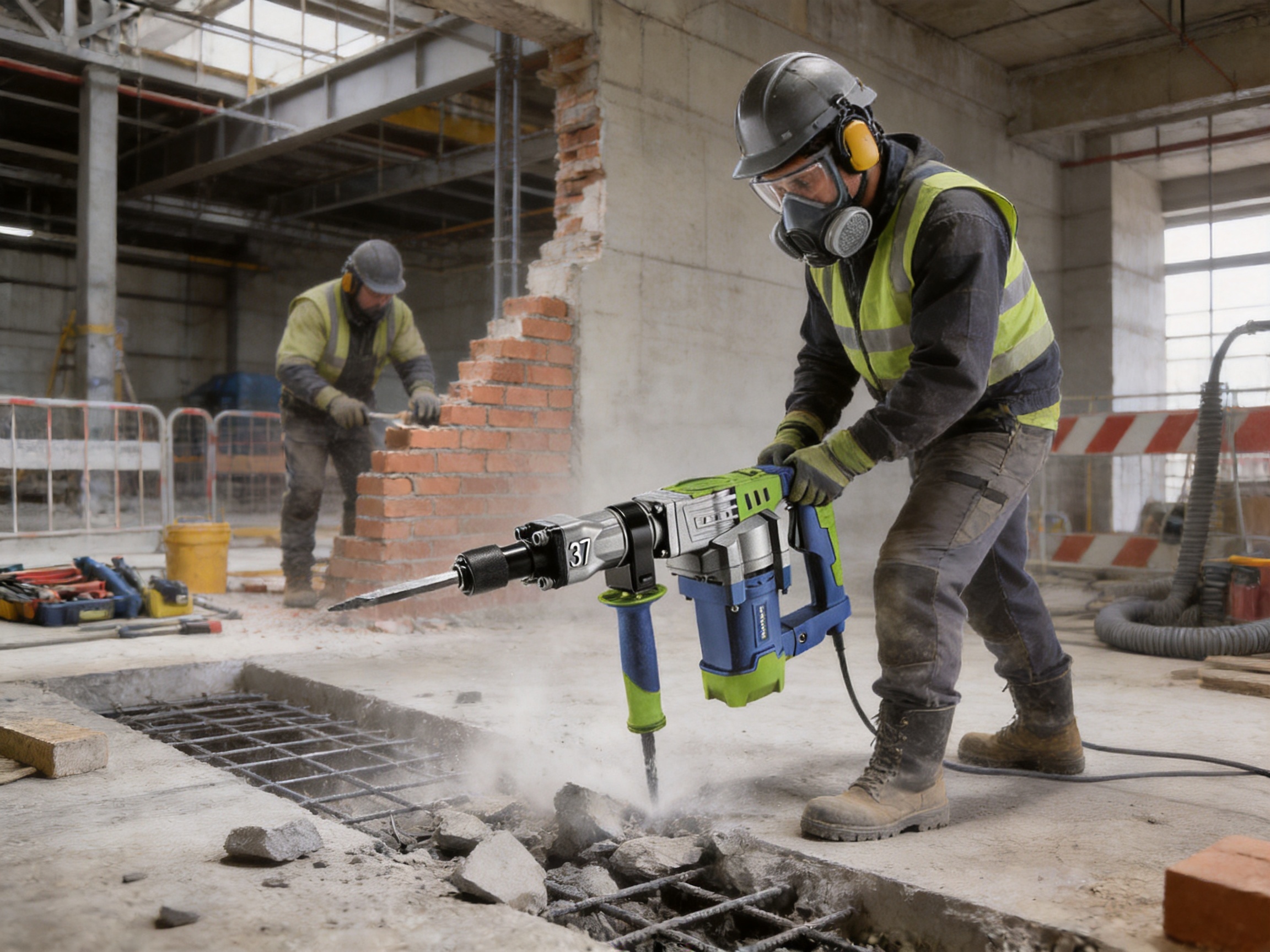
A high-power demolition hammer must be operated responsibly. Before use, the operator should read the applicable instructions, inspect the tool, check the power cord and plug, and confirm that the work area is free from avoidable hazards. Safety glasses, hearing protection, work gloves, protective footwear, and suitable work clothing should be used according to the conditions.
Dust control is important when breaking concrete, brick, or masonry. Fine particles may be harmful if inhaled and can also enter the tool’s ventilation system. Work areas should be ventilated, and appropriate respiratory protection should be used when necessary. Dust extraction or controlled wet methods may be appropriate depending on the material and site requirements.
Before chiseling into a wall or floor, operators should identify possible electrical cables, water pipes, gas lines, reinforcement, or other hidden services. Structural conditions must also be assessed. Demolition can change the stability of a building component, and professional evaluation may be required before removing load-bearing or connected sections.
The tool should be disconnected from the power supply before changing accessories, performing cleaning, or carrying out maintenance. Chisels should be inspected for cracks, deformation, excessive wear, or poor retention. Damaged accessories must not be used because they can reduce performance and create a safety risk.
During operation, maintain a stable stance and keep both hands in a controlled position. Do not point the chisel toward people, and keep bystanders away from flying fragments. Never use the hammer in wet conditions unless the equipment and site procedures are specifically suitable for that environment.
Maintenance Practices for Longer Service Life
Regular maintenance helps preserve the performance of a demolition hammer. After use, the machine should be cleaned to remove dust and debris from external surfaces and ventilation areas. The power cord should be examined for cuts, abrasion, loose connections, or other damage.
Impact accessories should be cleaned and inspected before installation. The shank should be suitable for the tool and properly lubricated when required by the operating instructions. A bent or excessively worn chisel can transfer force unevenly and increase vibration.
Operators should remain alert to changes in sound, vibration, heat, or impact behavior. An unusual noise may indicate bearing wear, loose components, insufficient lubrication, or another developing issue. Early inspection can prevent a minor problem from becoming a major failure.
The tool should be stored in a dry, clean location away from corrosive substances and extreme temperatures. It should be transported in a way that protects the housing, switch, cord, and accessory connection. Professional fleets should maintain records of inspection and service so that frequently used equipment receives timely attention.
Purchasing Considerations for Contractors and Distributors
When selecting a demolition hammer, buyers should evaluate the type of work, material hardness, expected operating hours, available power supply, accessory system, and service requirements. A tool intended for occasional light work may not be suitable for continuous concrete demolition. Conversely, a high-power machine should be selected only when its capacity matches the application.
The SW9371 is a strong option for buyers seeking a dedicated corded demolition hammer with high impact energy and a robust mechanical design. Its specifications are particularly relevant to contractors working on concrete, brick, masonry, and structural renovation projects.
Distributors may also value the product’s clear positioning. The enlarged cylinder, 1,580W motor, 28J impact energy, high-current switch, and 4,900 bpm impact rate provide straightforward points for explaining the product’s intended market. These features make it easier to distinguish the machine from light-duty rotary hammers and lower-powered demolition tools.
For overseas buyers, product sourcing should include communication about voltage, frequency, plug standards, packaging, spare parts, labeling, warranty policy, and technical documentation. A professional manufacturer with integrated research, production, and sales functions can provide more coordinated support throughout the purchasing process.
Why the SW9371 Is a Practical Professional Choice
The SW9371 is built around a clear purpose: delivering strong, stable, and durable impact performance for demanding demolition tasks. Its main advantages are closely connected rather than isolated.
The 37mm enlarged cylinder supports a powerful impact mechanism. The 1,580W thickened motor supplies the energy required for heavy work. The 28J impact rating provides forceful blows against hard materials. The 4,900 bpm no-load rate supports rapid repeated action. The high-current switch is designed for frequent operation, while the sturdy construction helps the tool withstand challenging working conditions.
These characteristics give the SW9371 an advantage over lighter tools when productivity and impact strength are the primary requirements. It is a machine for users who need more than occasional chiseling. It is designed for professionals who expect consistent performance during concrete, brick, masonry, renovation, and engineering work.
The product is also supported by the manufacturing capabilities of Yongkang Siwei Technology Co., Ltd. The company combines research and development, production, and sales, with experience in demolition hammers, chisels, motor systems, electronic controls, and cordless equipment. Its emphasis on professional quality, advanced processes, and reliable materials supports the long-term value of the product.
Frequently Asked Questions
What type of tool is the SW9371?
The SW9371 is a high-power corded demolition hammer designed for breaking and removing hard materials such as concrete, brick, masonry, and other construction surfaces.
What is the power input of the SW9371?
The tool has a rated power input of 1,580W. This high-power motor is designed to provide stable output for demanding demolition work.
What is the impact energy of the demolition hammer?
The SW9371 has an impact energy rating of 28J. This provides strong individual blows for breaking resistant materials.
What does the 37mm enlarged cylinder do?
The 37mm enlarged cylinder is part of the tool’s impact mechanism. It is designed to support a stronger impact structure and improve performance in high-intensity demolition applications.
What is the no-load impact rate?
The no-load impact rate is 4,900 beats per minute. The actual operating rate may vary depending on the material, chisel, contact pressure, and working conditions.
Is the SW9371 suitable for concrete?
Yes. The tool is designed for demanding demolition work and is suitable for breaking concrete when used with an appropriate chisel and correct operating procedures.
Can it be used for brick and masonry?
Yes. Its strong impact system can support the removal of brick, mortar, masonry, and similar hard construction materials.
Why is the high-current switch important?
The high-current switch is designed to handle the electrical demands of the powerful motor and support reliable operation during frequent starts and stops.
How does the SW9371 compare with a lighter rotary hammer?
The SW9371 is more specifically focused on heavy demolition. Its 1,580W motor, 28J impact energy, and enlarged cylinder provide greater demolition capability than many lighter tools intended for drilling and moderate chiseling.
What voltage does the machine use?
The rated voltage is 220–240V at 50/60Hz. Users should confirm local electrical compatibility before operation.
What maintenance does the tool require?
Recommended care includes cleaning dust from the tool, keeping ventilation openings clear, inspecting the power cord and switch, checking chisels for wear or damage, using suitable lubrication where required, and arranging professional service when unusual noise, heat, or vibration occurs.
Who manufactures the SW9371?
The SW9371 is manufactured by Yongkang Siwei Technology Co., Ltd., a professional tool manufacturer integrating research and development, production, and sales.
Does the manufacturer produce other tool categories?
The manufacturer specializes in demolition hammers and chisel tools and also develops cordless garden equipment, brushless motor systems, electronic controls, and intelligent battery platforms.
What safety equipment should be used?
Users should select appropriate eye protection, hearing protection, gloves, protective footwear, work clothing, and respiratory protection when dust is present. The exact requirements depend on the job site and material being demolished.
Conclusion
The SW9371 High-Power Demolition Hammer is engineered for users who require serious impact performance, stable electrical output, and a durable structure. Its 37mm enlarged cylinder and 1,580W thickened motor form the foundation of a powerful demolition system, while the 28J impact energy and 4,900 bpm no-load rate support efficient work against concrete, brick, and masonry.
The high-current switch, substantial motor dimensions, and sturdy construction further improve its suitability for professional environments where frequent starts, prolonged operation, and harsh working conditions are common. Compared with lighter or more general-purpose tools, the SW9371 offers a more focused solution for high-intensity demolition.
Behind the product is a manufacturer with integrated research, production, and sales capabilities, experience in demolition and chisel tools, and growing expertise in brushless motors and electronic control systems. This combination of product-specific engineering and broader manufacturing knowledge supports a practical tool designed for reliable field performance.
For contractors, construction professionals, renovation teams, engineering projects, and distributors seeking a high-power corded demolition solution, the SW9371 provides a strong balance of impact force, operating stability, structural durability, and professional manufacturing support.
References
1. Product technical specification sheet for the SW9371 High-Power Demolition Hammer.
2. Manufacturer product information concerning the 37mm enlarged cylinder and 1,580W motor design.
3. Manufacturer information concerning demolition hammers, chisel tools, brushless motors, electronic controls, and cordless equipment.
4. General principles of electric motor construction, stator and rotor assembly, and power-tool performance.
5. General occupational safety practices for concrete, masonry, and construction-site demolition work.
6. General maintenance principles for corded electric demolition tools and impact accessories.
Product: SW9371 High-Power Demolition Hammer

Recommended Products
-
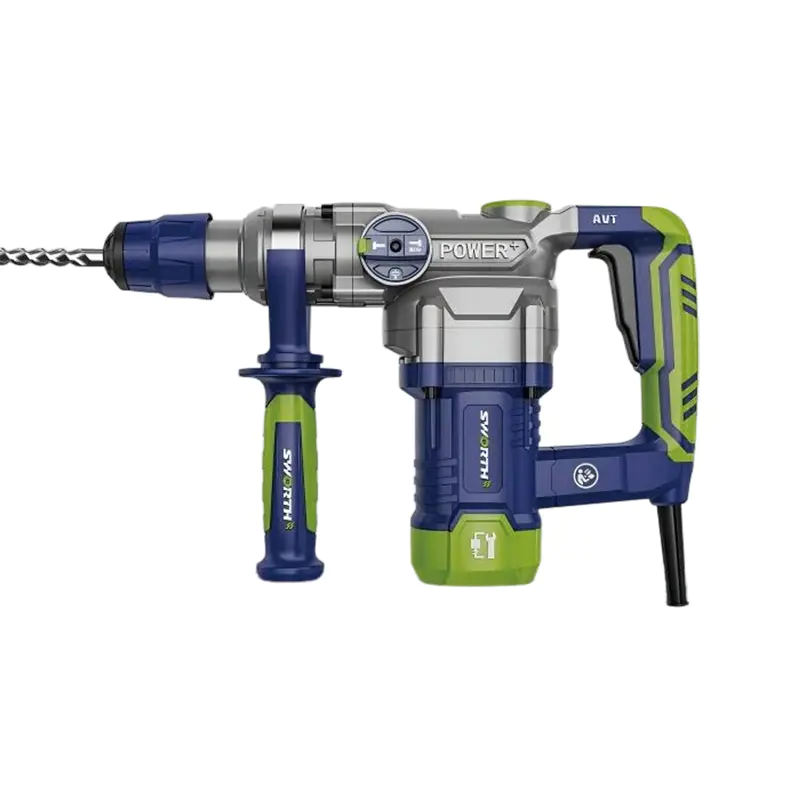


SW528 Small Hole Rebar Hammer
-
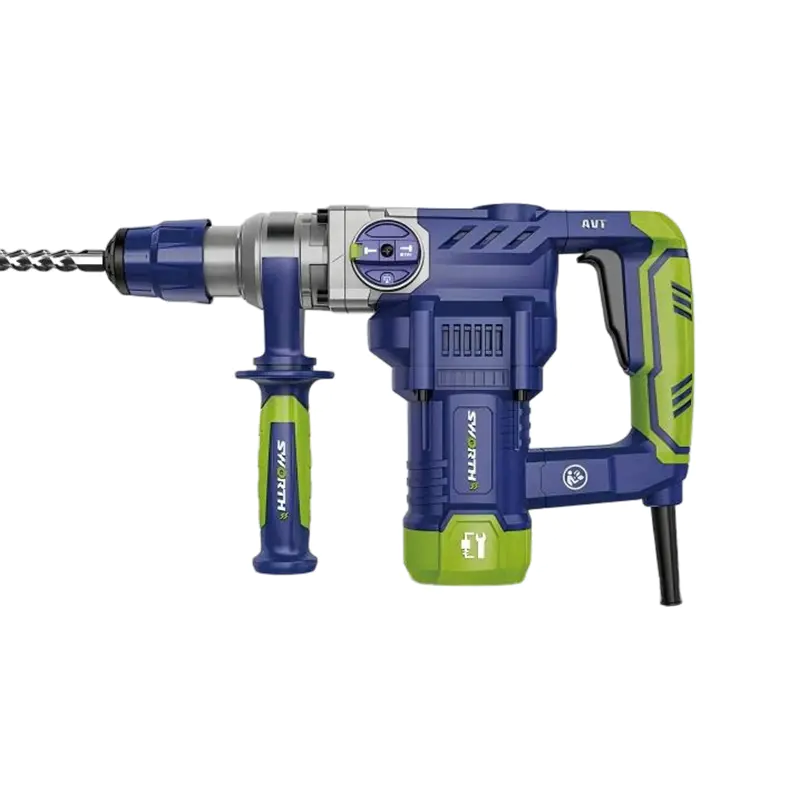
SW932 Groove Sandblasting Hammer
-
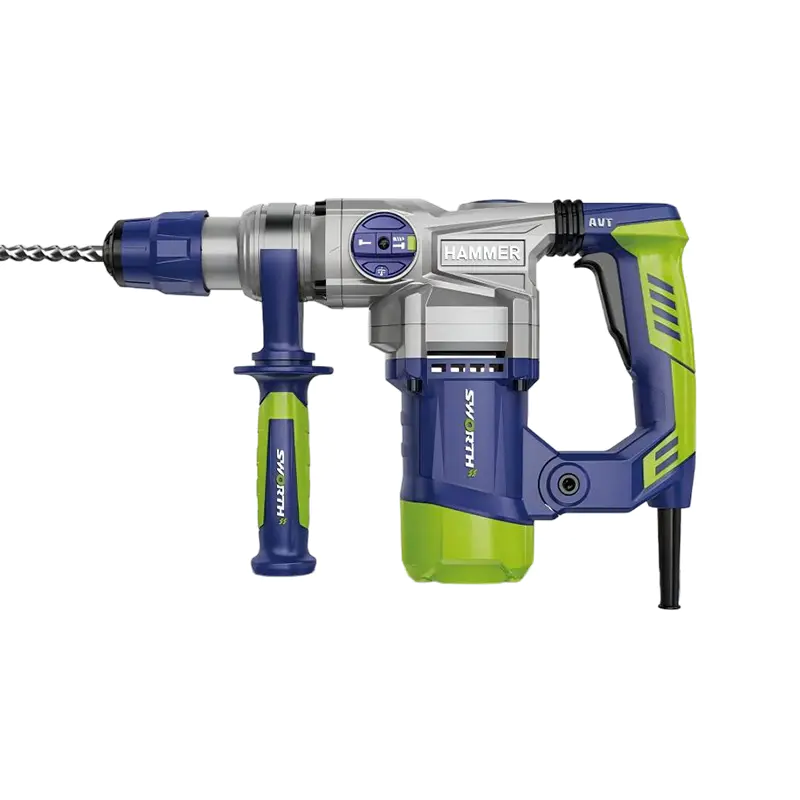
SW9362A Large Hole Rebar Hammer
-
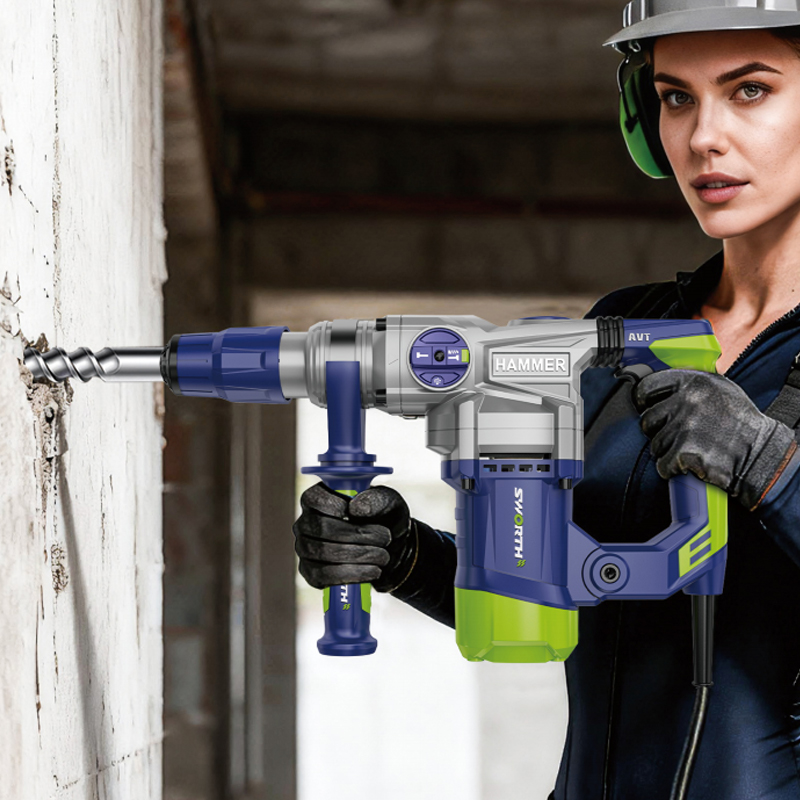
SW940 Enlarged Hole Rebar Hammer
-
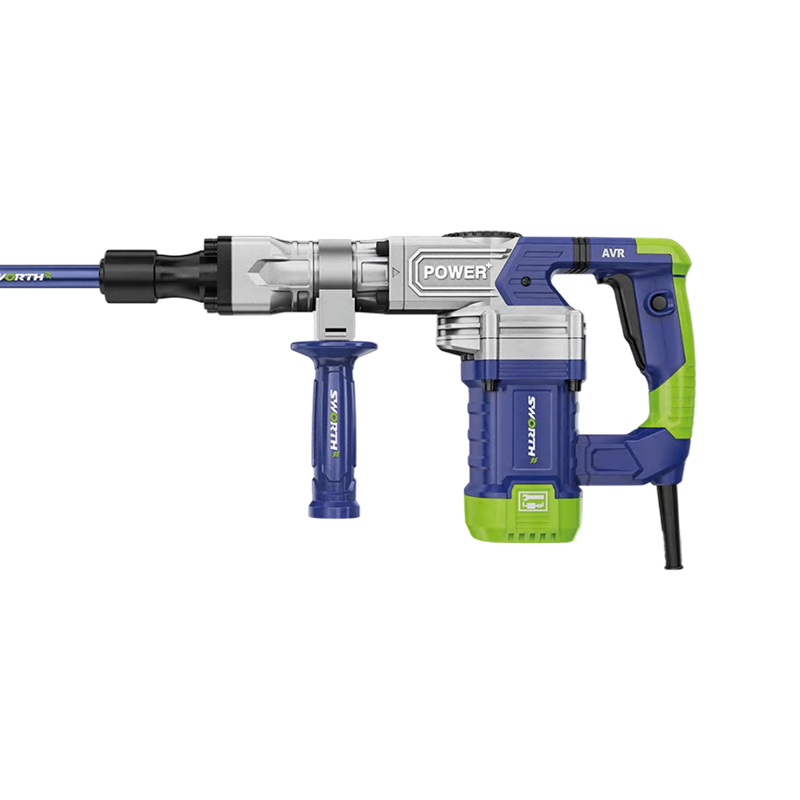
SW35S1 Powerful Demolition Hammer
-
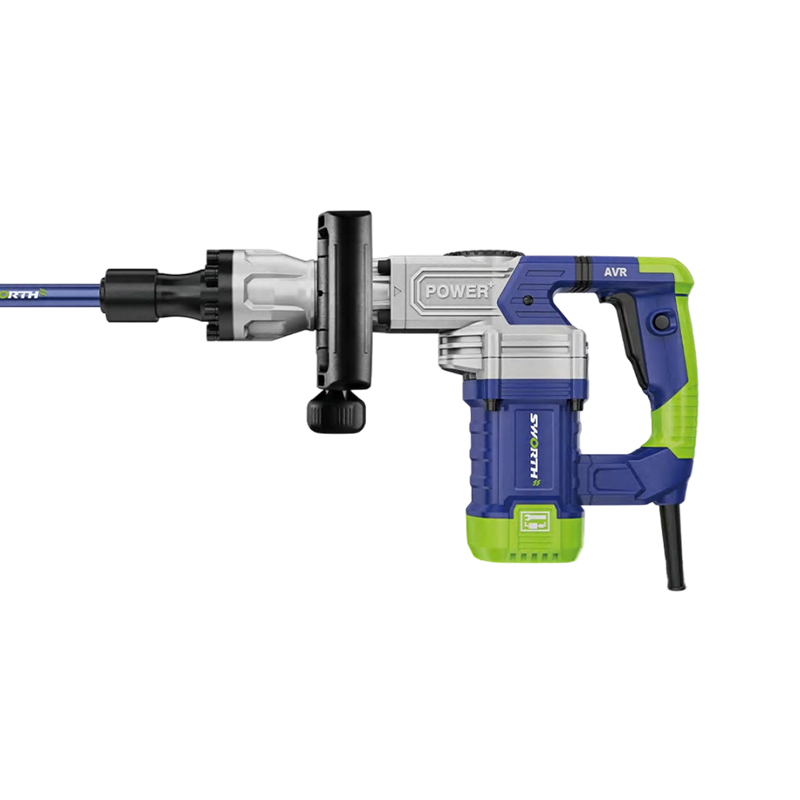
SW35S2 High-Efficiency Heat Dissipation Demolition Hammer
-
SW9371 High-Power Demolition Hammer
-
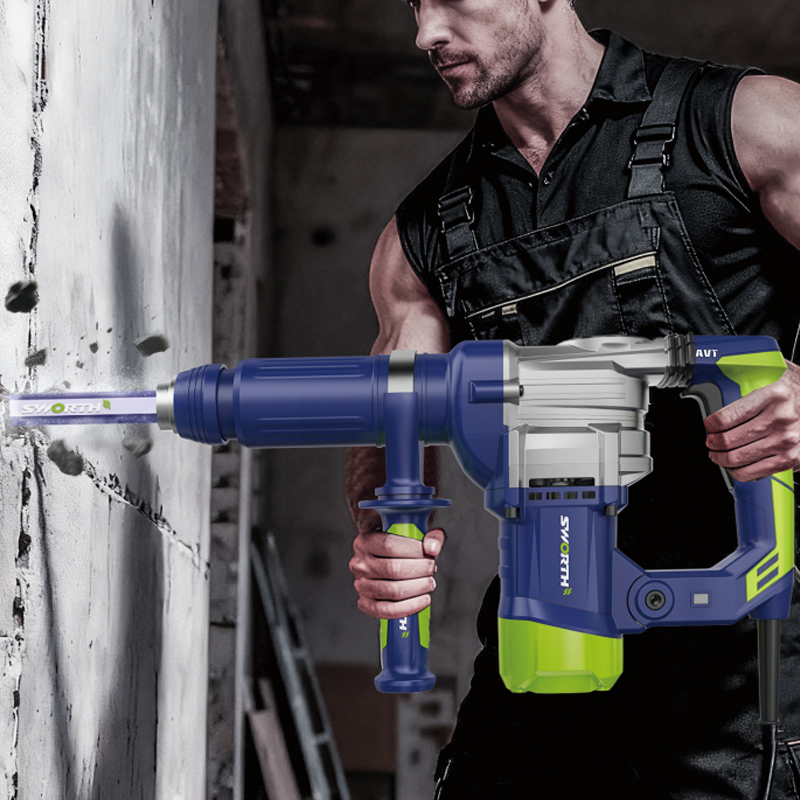
SW9373 Anti-Scalding Carbon Brush Holder Demolition Hammer
-
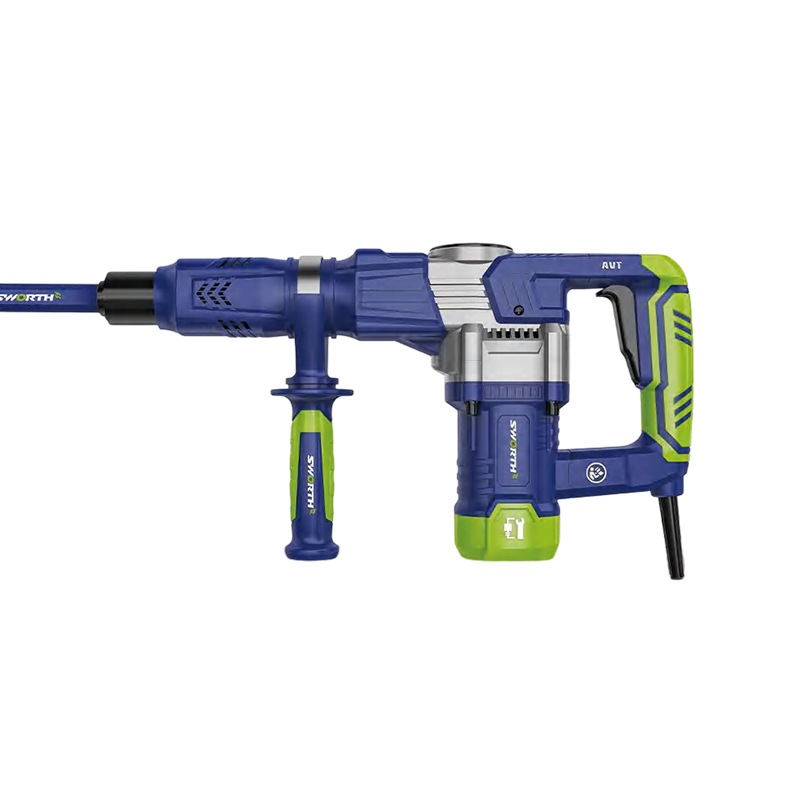
SW535 Powerful Anti-Scalding Demolition Hammer
-
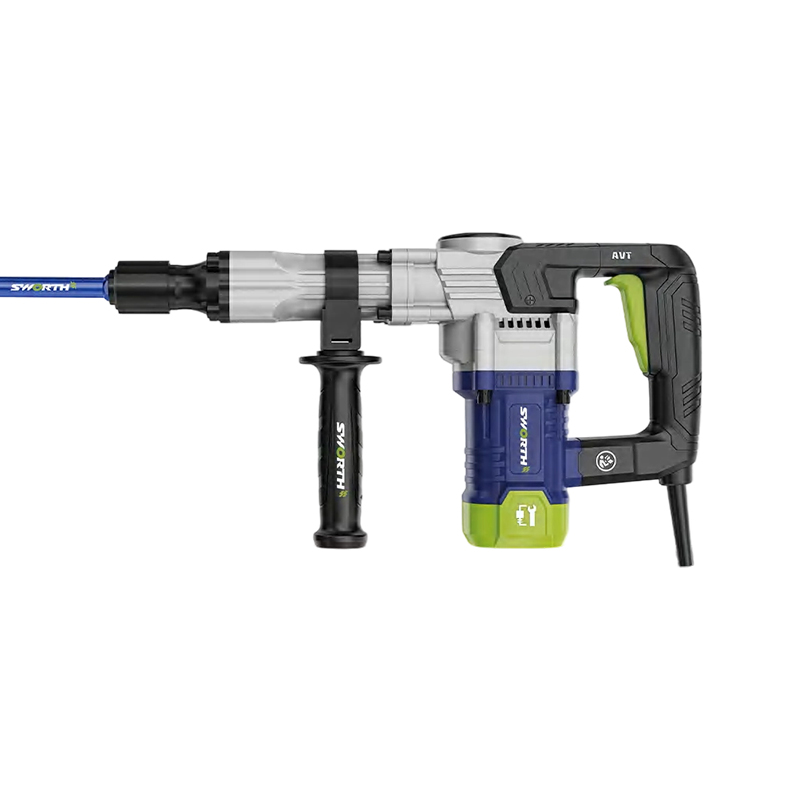
SW535-2 Durable Powerful Demolition Hammer
-
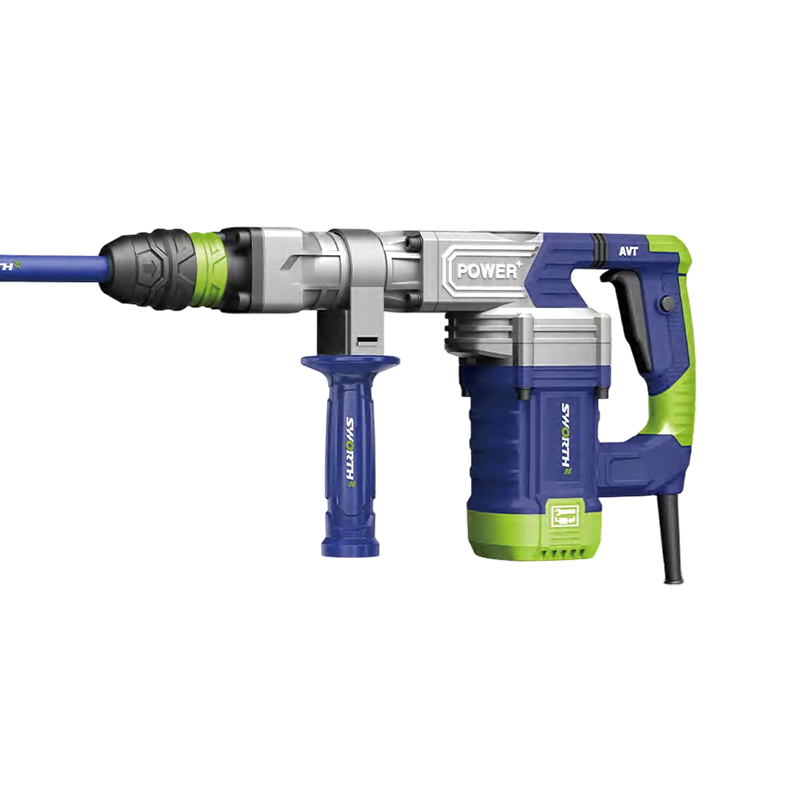
SW35S3 Five-Pipe Drill Bit Demolition Hammer
-

SW11E Five-Pipe Clamping Demolition Hammer
 +86-18314829275
 sale@sworthtools.com
 No. 101, Yugui Road, chengxi Industrial Zone, Yongkang City, Zhejiang Province, China
Copyright© Yongkang Siwei Technology Co., Ltd. All Rights Reserved

Hammer Tools & Cordless Garden Tools Manufacturer
