 English
 русский
 Español
Small Hole Rebar Hammer: The Striking Face That Fits Between the Bars
Rebar ties close together. A standard hammer head is too wide to swing between them. The face glances off the steel. The nail bends. The user angles the hammer sideways and hopes for a square hit. A small hole rebar hammer shrinks one striking face down to a diameter that drops into those gaps. It is a niche tool for a specific headache. A small hole rebar hammer factory that controls the neck geometry, the face hardness, and the balance builds a hammer that rod busters keep within reach.
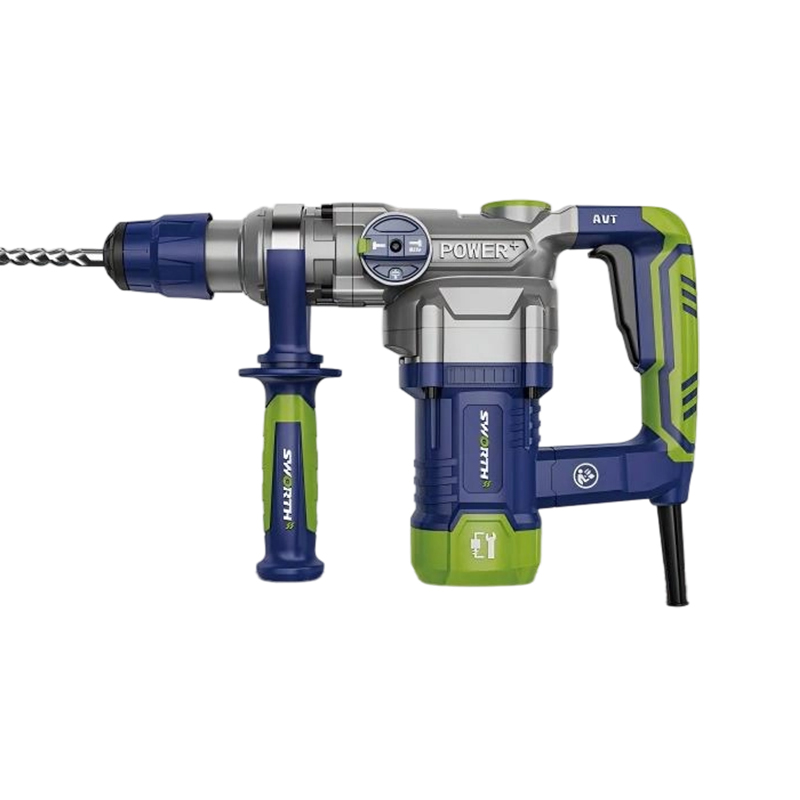
The Small Face and the Neck
The defining feature is a reduced-diameter striking face on one end. Where a framing hammer face spans 25 to 30 millimetres, the small face on a rebar hammer runs 15 to 20 millimetres. That small diameter clears the space between overlapping bars. The user drives a nail or drift pin without the surrounding rebar deflecting the blow.
The neck connecting that small face to the eye is the most stressed part of the tool. It must be long enough to reach past the rebar mat. A short neck forces the user's hand into the cage. A slim neck with a gradual taper reaches into tight corners without binding. The transition from neck to face needs a smooth radius. A sharp corner concentrates stress and eventually cracks. A small hole rebar hammer factory that forges the neck and face as one piece, with a clean radius at the transition, distributes impact force through the tool instead of concentrating it at a weak point.
The other end of the head is a standard flat face for general striking. Some versions carry a short claw or chisel edge. The dual-face design means the user flips the hammer depending on whether they need precision access or full-face driving. Weight runs lighter than a framing hammer—typically 12 to 16 ounces—because the tool is for controlled strikes in awkward positions.
Handle and Vibration
Rebar work is wet. Gloves get slick. A smooth wood or fibreglass handle turns slippery. A textured rubber overmold keeps the grip. Vibration travels straight up the arm when the user strikes at an odd angle, which is most of the time in a rebar cage.
Wood handles absorb vibration well but need maintenance. Hickory is the standard. Fibreglass handles resist weather and jobsite chemicals. Steel shank hammers with a rubber grip are the most durable option but transmit more shock. A small hole rebar hammer factory that offers a dampened grip—rubber overmold on fibreglass, or an internal dampening core in a steel shank—has thought about user fatigue.
Overstrike protection extends handle life. The area just below the head takes a beating when the user misjudges a swing in tight quarters. A rubber overstrike guard or a reinforced handle-to-head bond prevents the handle from snapping at the eye.
What Separates a Durable Hammer from a Disposable One
The small face takes concentrated impact on every strike. A face made from unhardened steel mushrooms. The flat surface deforms. Chips fly. A properly hardened face resists deformation. Induction hardening at the striking surface with a softer core underneath prevents chipping while keeping the body of the head tough. A small hole rebar hammer factory that hardens the face and can quote the Rockwell number has done the heat treatment correctly.
The neck-to-head transition is the failure point on cheap hammers. A poorly tapered neck with sharp corners cracks after repeated impact. The metal fatigues at the stress riser. A forged neck with smooth transitions and proper grain flow distributes load through the tool.
Handle separation is the other common death. Overstrike breaks wood handles at the eye. Epoxy-bonded heads with a mechanical wedge stay on longer. Fibreglass handles resist overstrike damage better. Steel shank designs eliminate the separation risk entirely.
Here is what a good small hole rebar hammer factory controls:
- Striking face diameter small enough to fit standard rebar spacing
- Forged neck with a gradual taper and radiused transition to the face
- Induction-hardened face with a softer core to resist chipping
- Grip material suited to wet conditions with overstrike protection
- Balanced head weight for controlled strikes in short arcs
The User Notices the Balance by Lunchtime
No one evaluates a rebar hammer on a test bench. They grab it, swing it between bars, and work until the pour is done. A head-heavy hammer tires the wrist after an hour. A neutral-balanced hammer with weight centred near the eye feels controllable in a short arc. The user does not fight the tool.
A small hole rebar hammer factory that machines the head from a single forging and tapers the neck correctly achieves this balance. One that welds a small face onto a standard head blank shifts weight forward. The tool feels clumsy. The user works harder. The difference shows up by midday when the wrist is sore and the hammer feels heavier than it is.
Check a sample by swinging it between two pieces of rebar tied at standard spacing. The head should pass through without binding. Grip the handle with wet gloves and simulate striking motions. The grip should hold without slipping. Inspect the neck-to-face transition under light. A smooth radius means proper forging. A sharp corner means a future crack. The hammer that passes these checks stays on the job. The one that fails ends up in the gang box with the other tools nobody reaches for.
Recommended Products
-
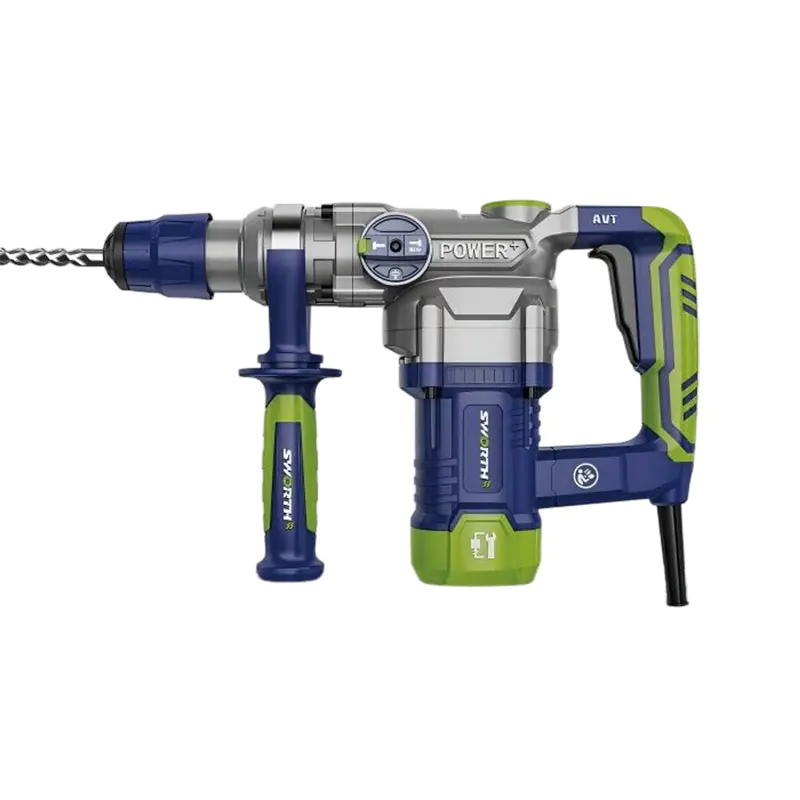


SW528 Small Hole Rebar Hammer
-
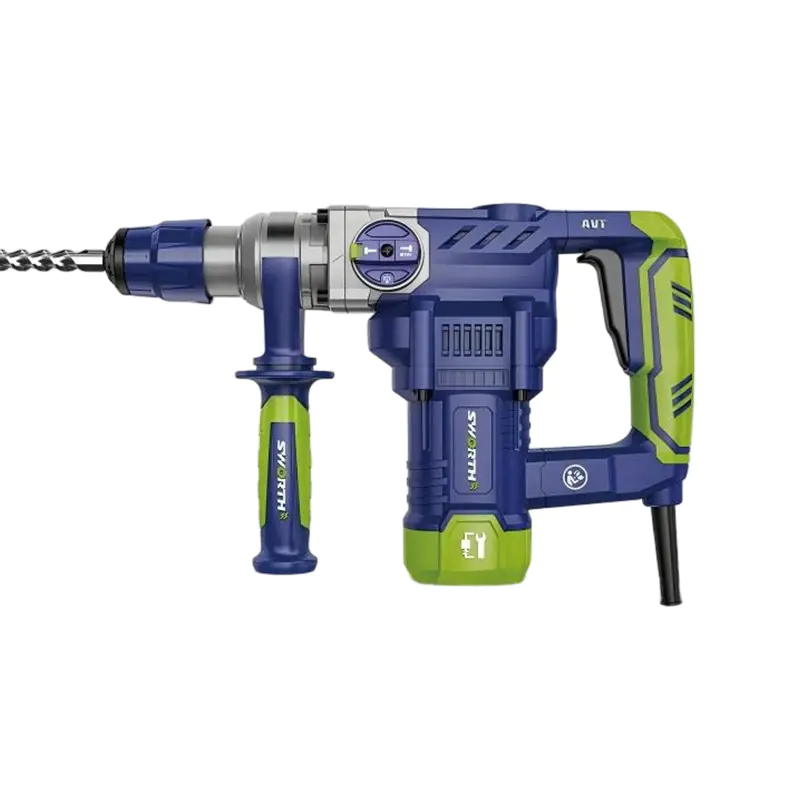
SW932 Groove Sandblasting Hammer
-
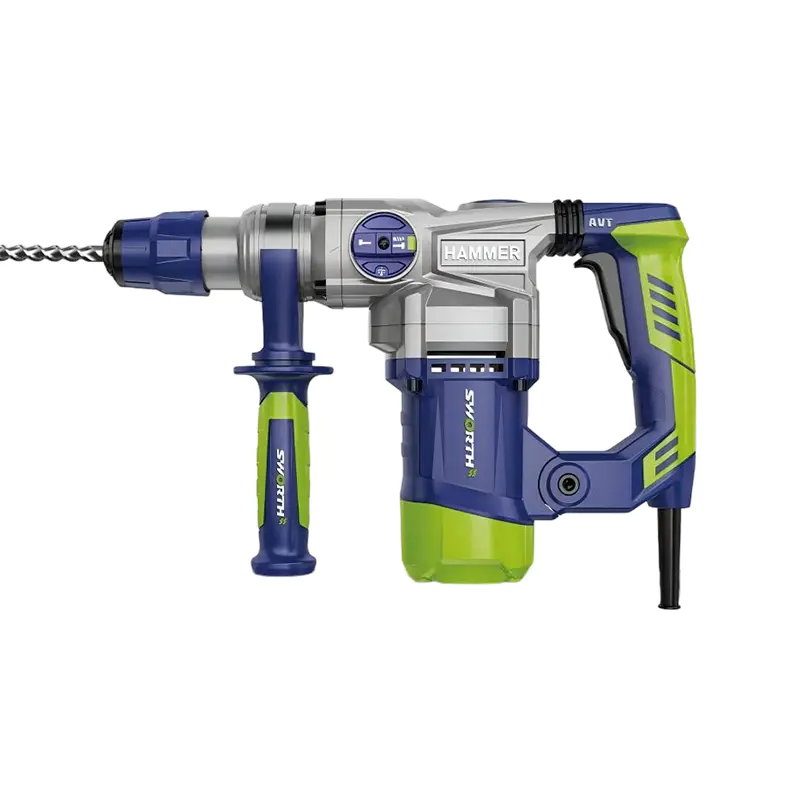
SW9362A Large Hole Rebar Hammer
-
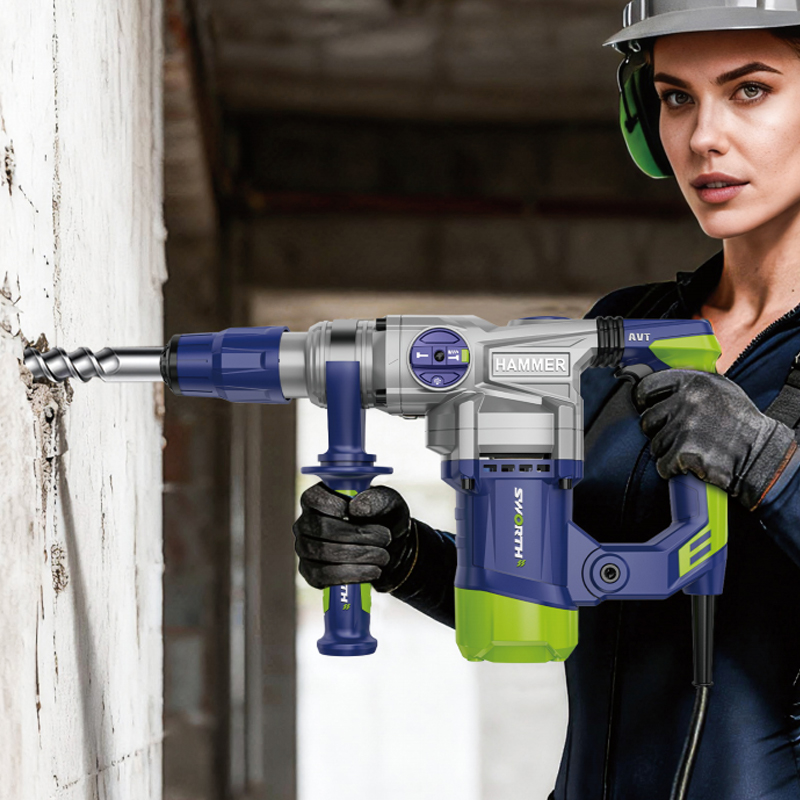
SW940 Enlarged Hole Rebar Hammer
-
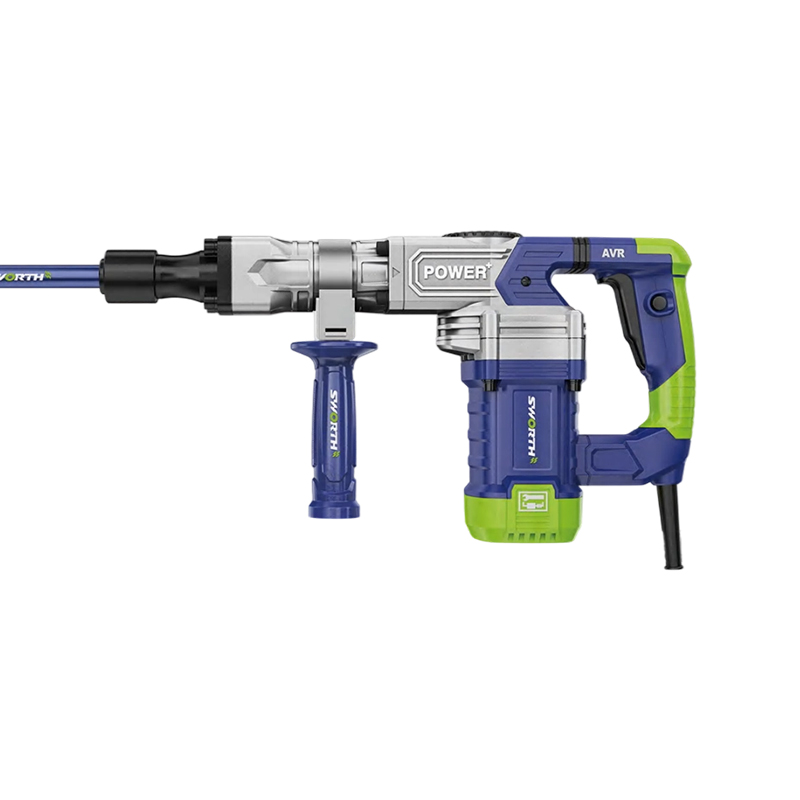
SW35S1 Powerful Demolition Hammer
-
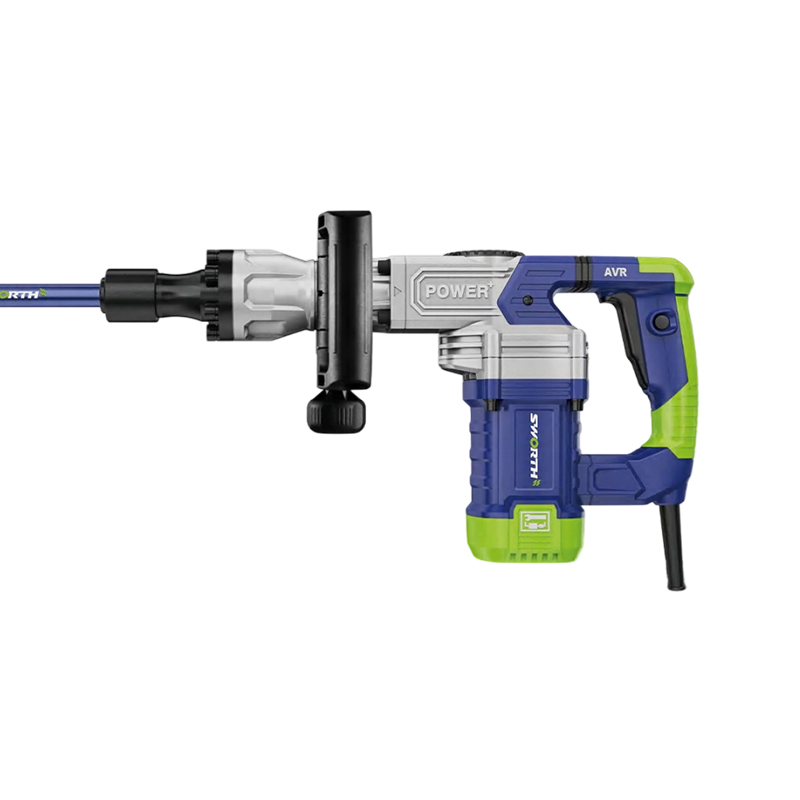
SW35S2 High-Efficiency Heat Dissipation Demolition Hammer
-
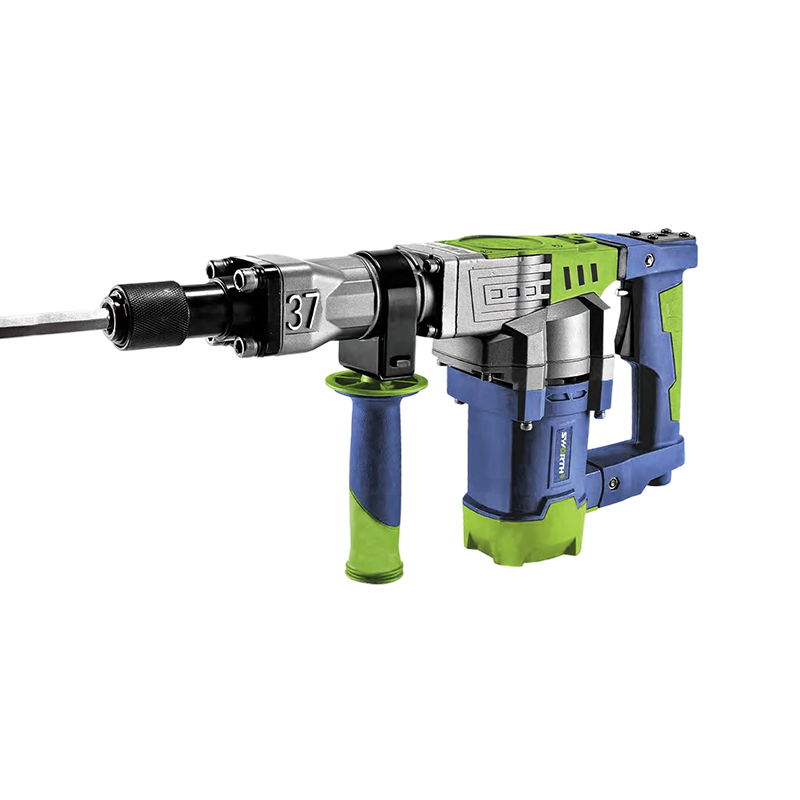
SW9371 High-Power Demolition Hammer
-
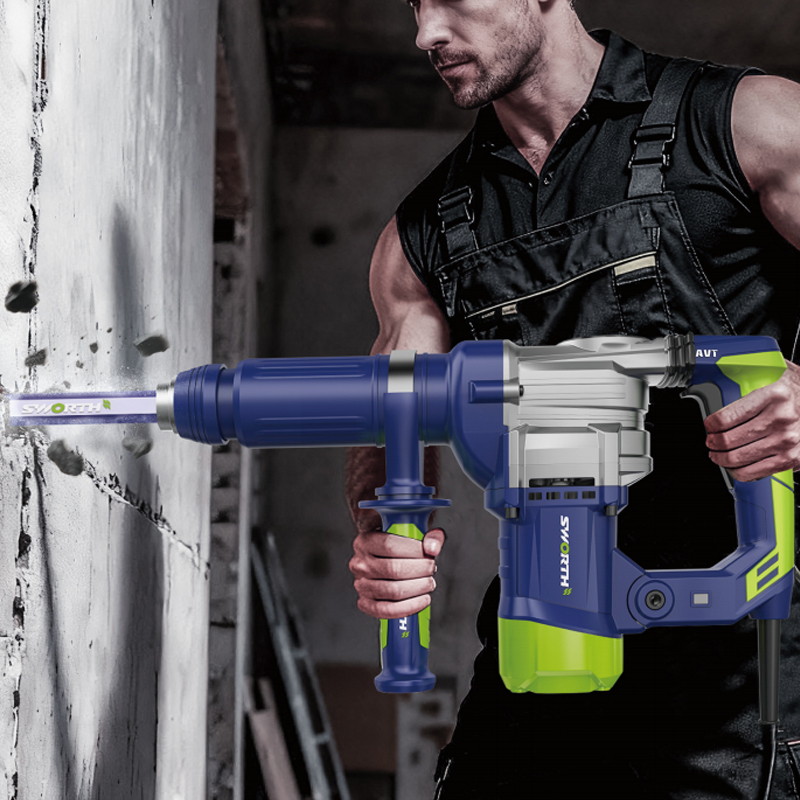
SW9373 Anti-Scalding Carbon Brush Holder Demolition Hammer
-
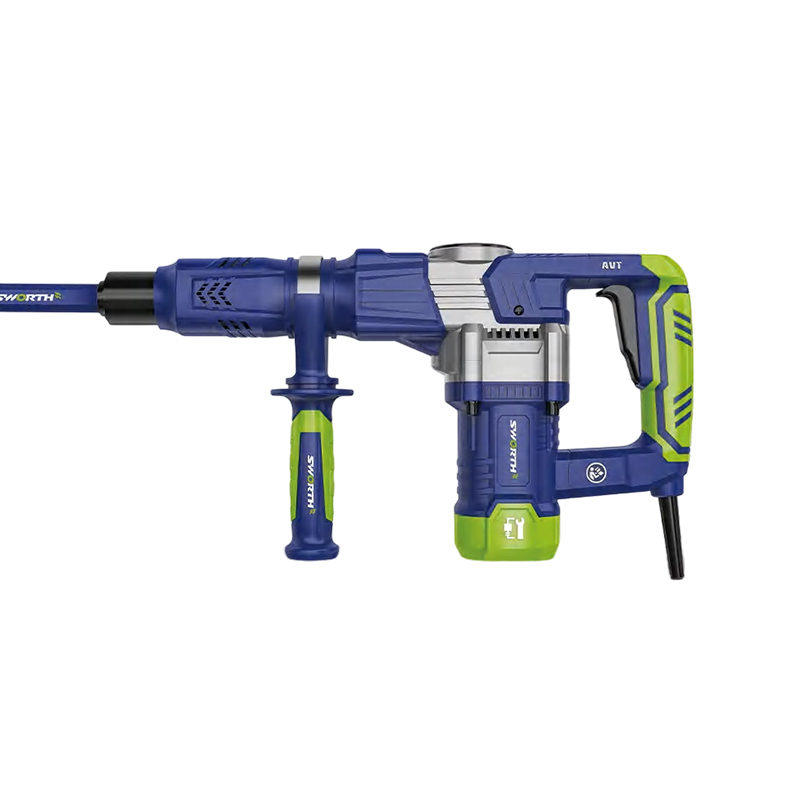
SW535 Powerful Anti-Scalding Demolition Hammer
-
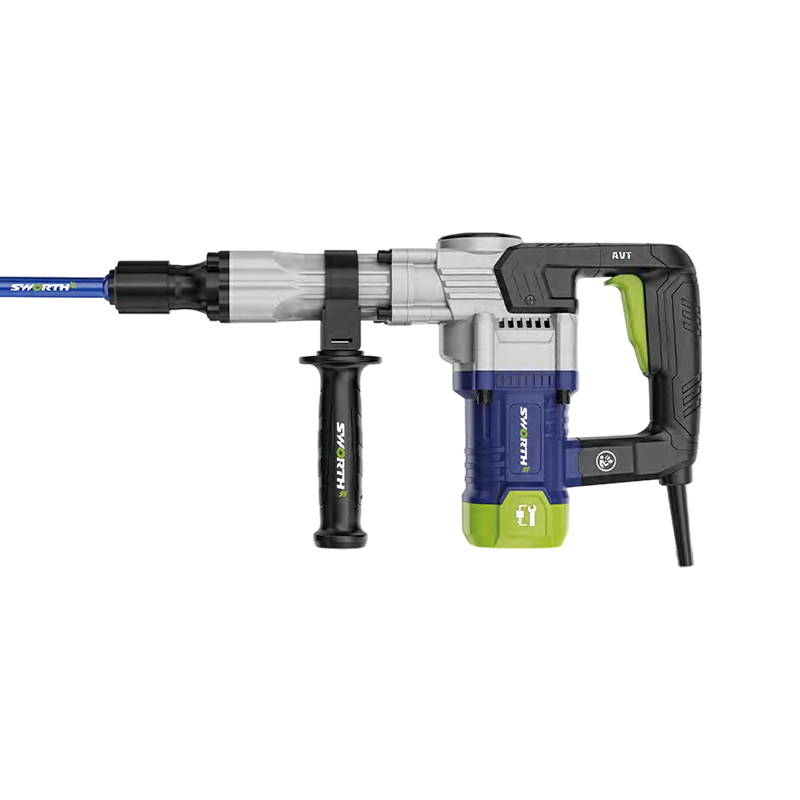
SW535-2 Durable Powerful Demolition Hammer
-
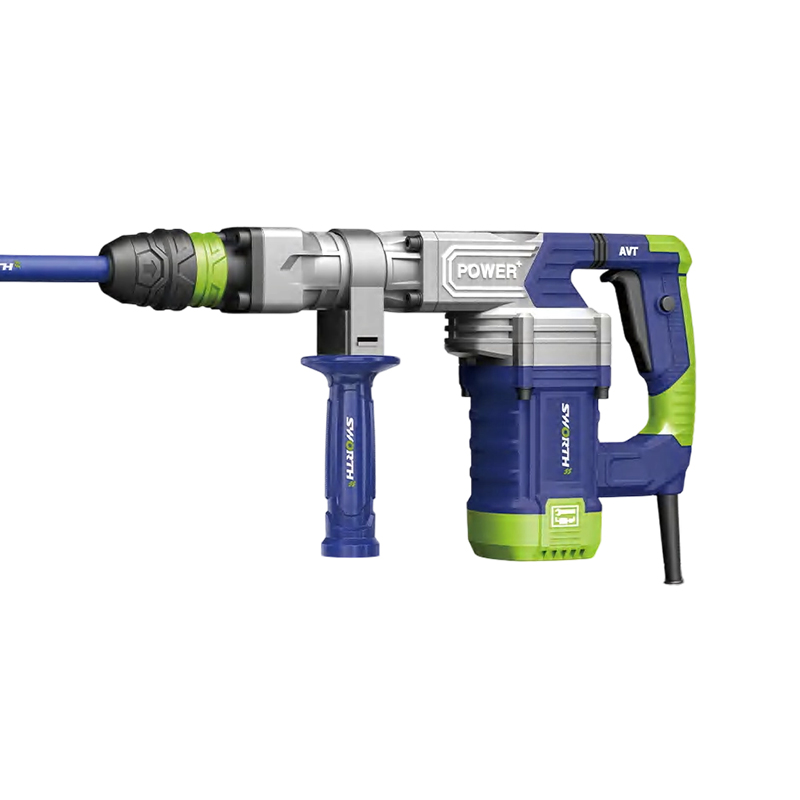
SW35S3 Five-Pipe Drill Bit Demolition Hammer
-

SW11E Five-Pipe Clamping Demolition Hammer
 +86-18314829275
 sale@sworthtools.com
 No. 101, Yugui Road, chengxi Industrial Zone, Yongkang City, Zhejiang Province, China
Copyright© Yongkang Siwei Technology Co., Ltd. All Rights Reserved

Hammer Tools & Cordless Garden Tools Manufacturer
