 English
 русский
 Español
Pinhole Reinforcement Hammer Factory: The Tool That Does One Job Well
Not every tool needs to do everything. A sledgehammer breaks things. A claw hammer pulls nails. A pinhole reinforcement hammer does one specific job. It makes small adjustments. It sets pins. It preps surfaces for reinforcement. It does not try to be a demolition tool. A pinhole reinforcement hammer factory builds a tool that does one job and does it well.
What a Pinhole Reinforcement Hammer Actually Is
It is not a sledgehammer
A sledgehammer is big. It hits hard. It breaks concrete. A pinhole reinforcement hammer is small. It hits with precision. It does not swing wild.
The head is shaped for control
The striking face is smaller than a regular hammer. It puts force exactly where you want it. The back of the head is often rounded or has a small peen. You use it for tapping things into place. Not for demolition.
Why It Exists
Reinforcement work needs precision, not power
When you are working with rebar or small structural ties, you do not need a 10-pound sledge. You need controlled taps. A pinhole reinforcement hammer delivers that. It sets pins without damaging surrounding material.
It fits tight spaces
The handle is shorter than a framing hammer. The head is narrower. You can get it into corners and between bars. A regular hammer is too bulky for the same job.
Where It Gets Used
Construction sites
Setting small anchor pins. Adjusting formwork. Tapping rebar ties into place. A pinhole reinforcement hammer is always within reach.
Planting and landscaping
Not just for concrete. The same tool works for driving small stakes into soil. Or adjusting support frames for young trees.
Factory assembly
Some manufacturing operations use them for seating pins and dowels. The controlled impact prevents damage to finished surfaces.
What a Good Pinhole Reinforcement Hammer Looks Like
The head is the right weight
Too heavy and you lose control. Too light and it does not deliver enough force. A good pinhole reinforcement hammer sits in that sweet spot. Around 1 to 1.5 pounds.
The handle is the right length
Short enough to control. Long enough to generate swing. The balance matters more than the length itself. A bad handle makes the tool feel heavy even when it is not.
The grip does not slip
Textured rubber or wood that fits your hand. A smooth handle is dangerous. Sweat or oil makes it worse.
Here are the features that matter in a pinhole reinforcement hammer:
- 1 to 1.5 pound head weight
- Controlled striking face
- Comfortable, non-slip grip
- Balanced feel in your hand
- Durable handle that absorbs shock
Why Cheaper Versions Fail
The head wobbles on the handle
Cheap hammers have poor wedges. The head loosens over time. You swing and the head shifts. Dangerous and useless.
The handle breaks
Plastic handles snap under repeated impact. Wood handles crack. Fiberglass handles are better but expensive. Cheap hammers use cheap materials.
The striking face chips
Soft steel deforms and chips. Pieces fly off. That is a safety hazard. Quality hammers use hardened steel for the striking face.
The grip wears out fast
The rubber grip peels off after a few months. Then you are holding bare metal or cracked wood. Uncomfortable and unsafe.
What to Look for in a Factory That Makes Them
They use the right steel
The head needs to be forged, not cast. Cast steel cracks. Forged steel lasts. A good factory starts with quality steel and heat treats it properly.
The wedging is solid
The head attaches to the handle with a steel wedge. Some have two wedges. The wedge keeps the head from flying off. That is the difference between a safe hammer and a dangerous one.
They finish the striking face properly
The striking face should be slightly crowned. That focuses the impact. Flat faces spread the force. Crowned faces direct it.
They balance the tool
A well-made hammer feels right in your hand. The weight distribution should make it easy to swing. A bad hammer feels awkward.
A pinhole reinforcement hammer is not a fancy tool. It does not have a battery or a digital display. It is a simple piece of steel and wood. But when you need to set a pin in a tight spot, nothing else works as well. The right factory builds that tool with attention to the details that matter. The steel, the handle, the balance, the finish. Buy a cheap one and it will let you down. Buy a good one and it lasts for years. That is the difference.
Recommended Products
-
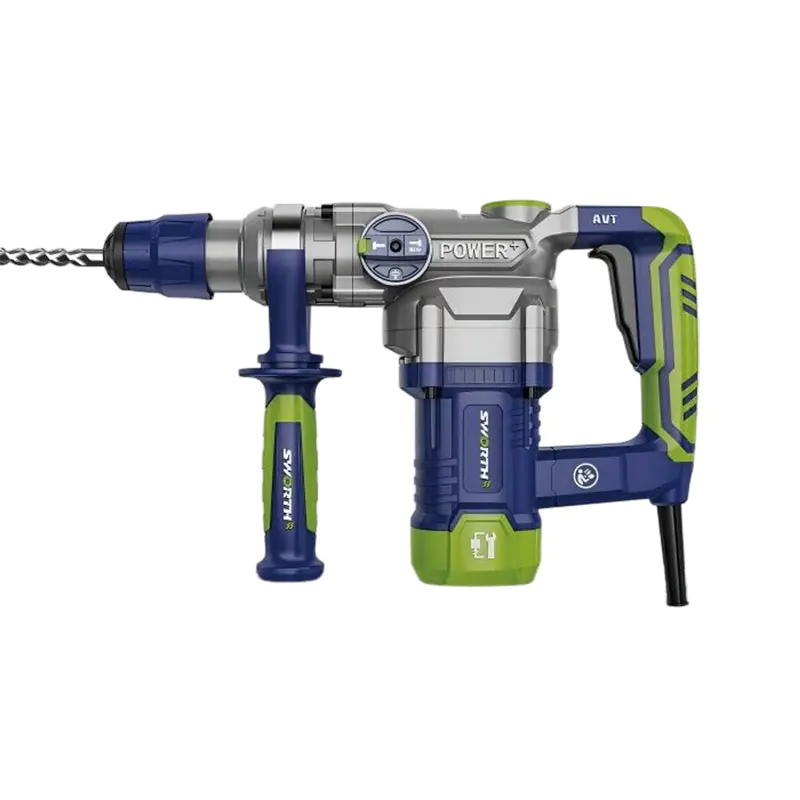


SW528 Small Hole Rebar Hammer
-
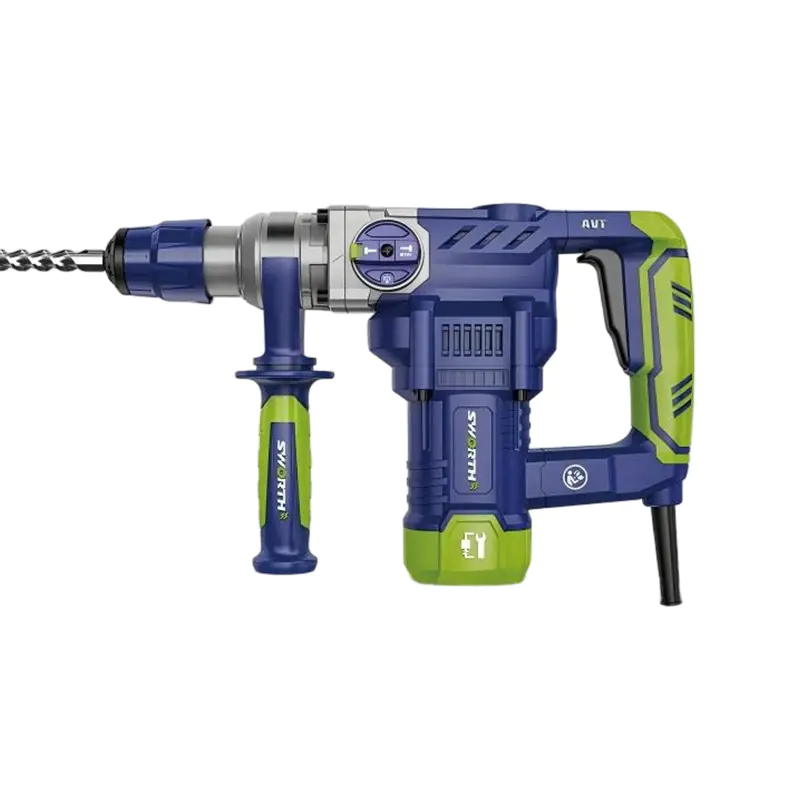
SW932 Groove Sandblasting Hammer
-
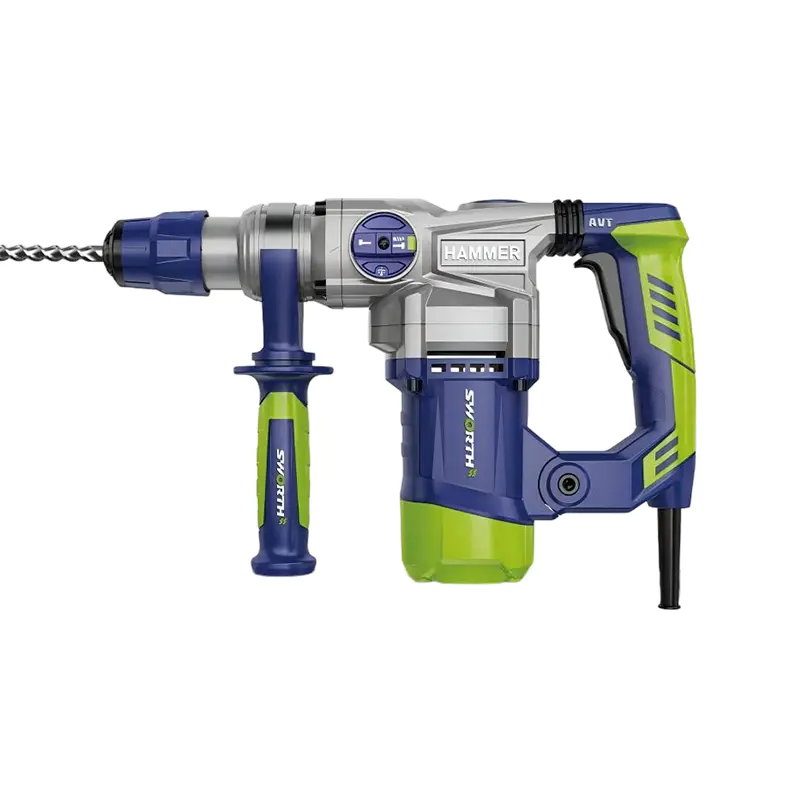
SW9362A Large Hole Rebar Hammer
-
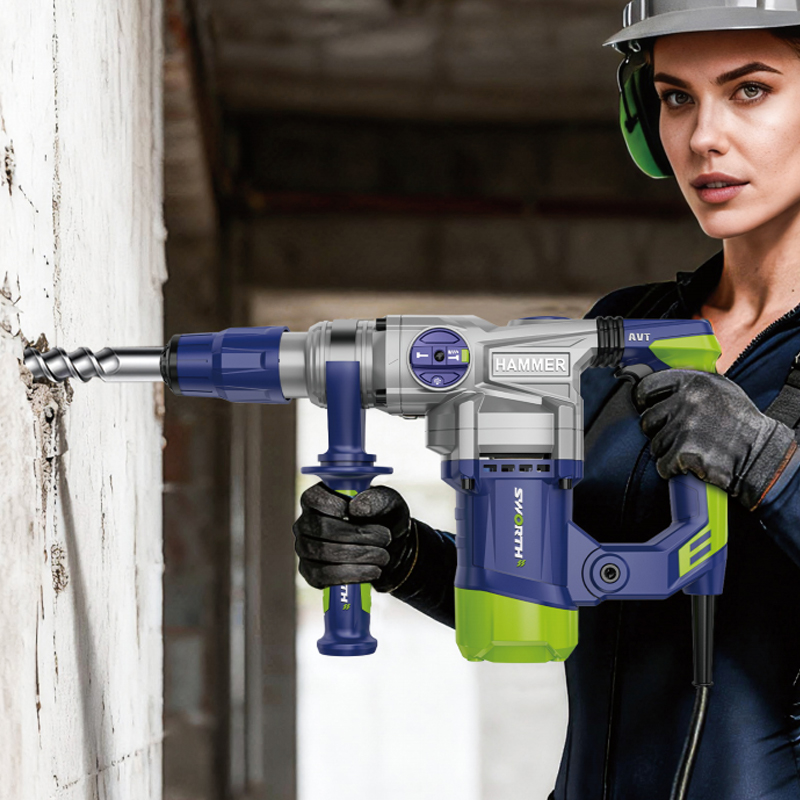
SW940 Enlarged Hole Rebar Hammer
-
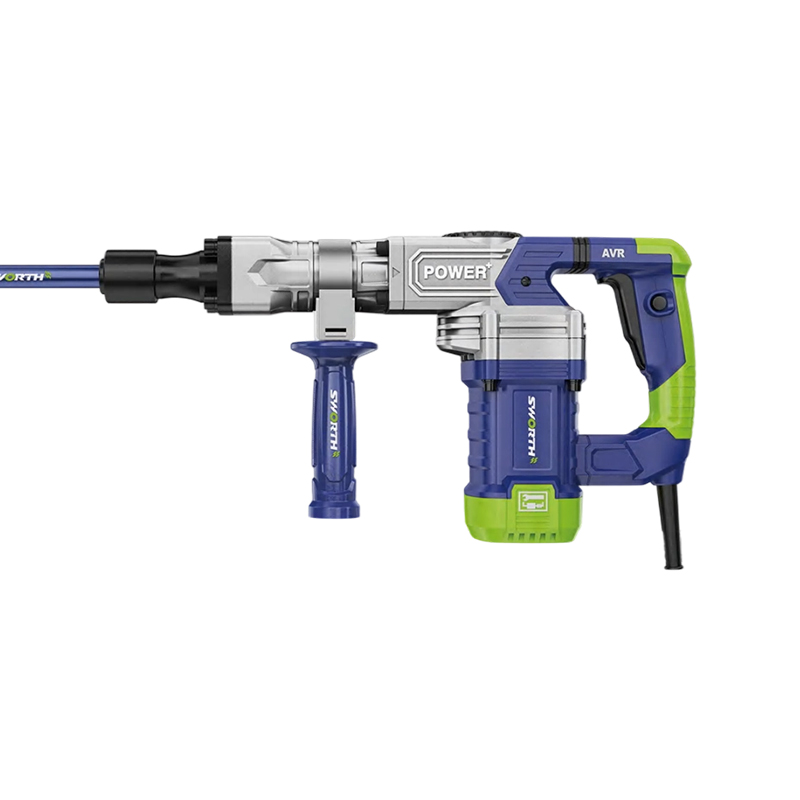
SW35S1 Powerful Demolition Hammer
-
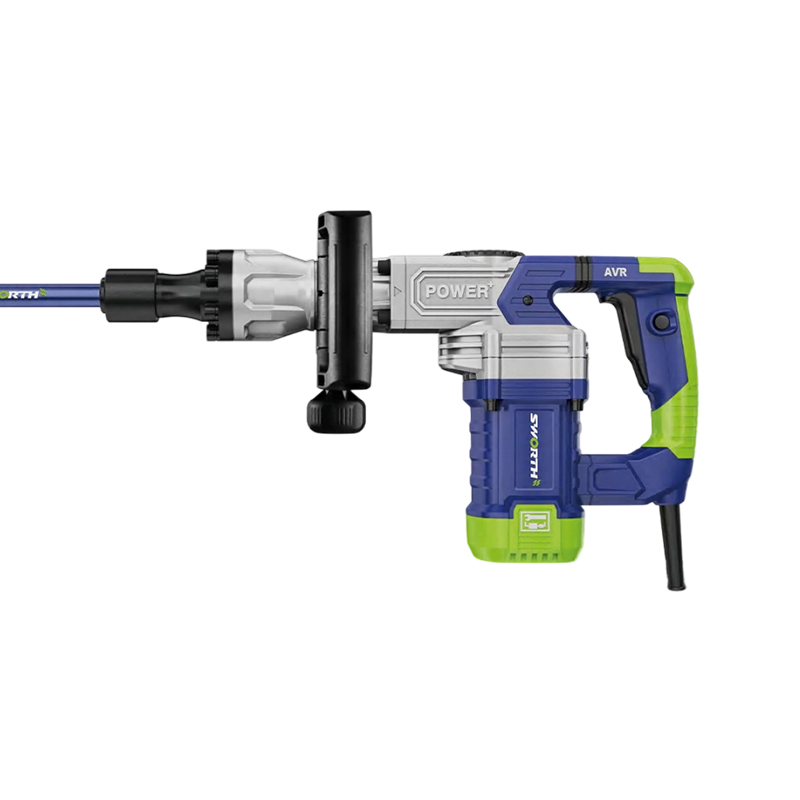
SW35S2 High-Efficiency Heat Dissipation Demolition Hammer
-
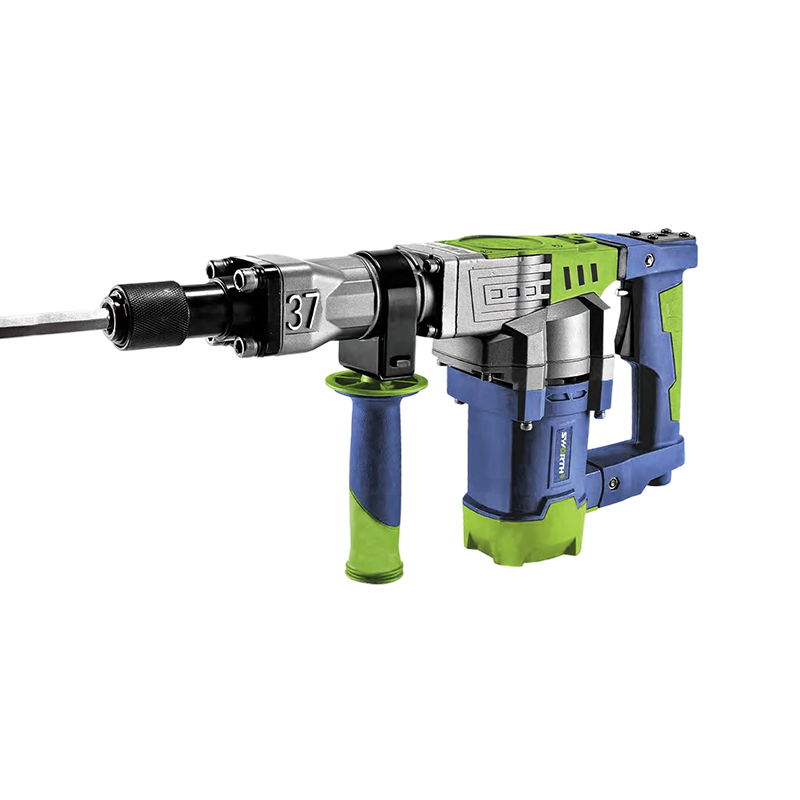
SW9371 High-Power Demolition Hammer
-
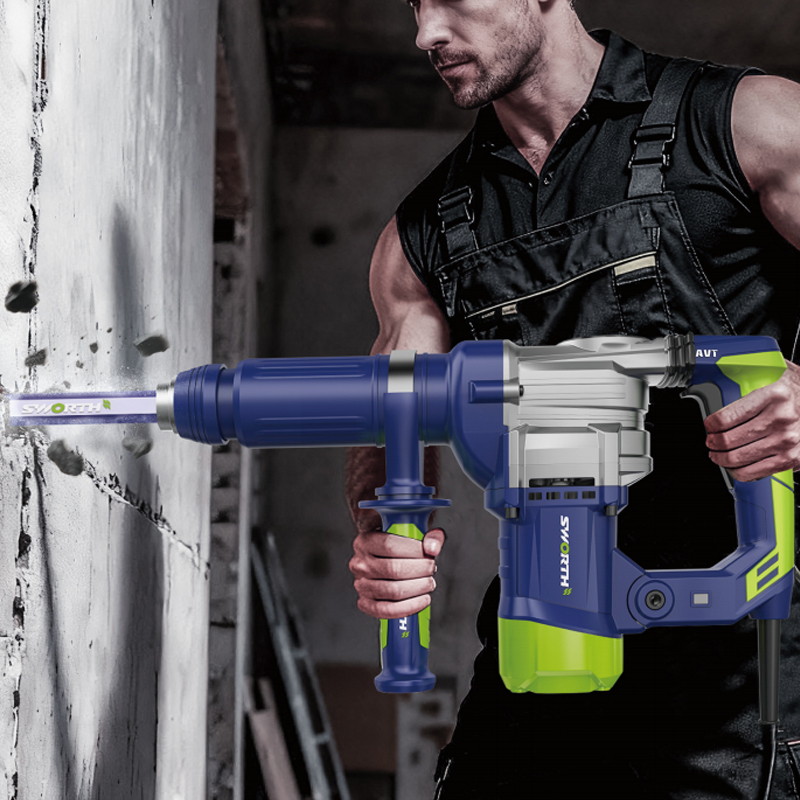
SW9373 Anti-Scalding Carbon Brush Holder Demolition Hammer
-
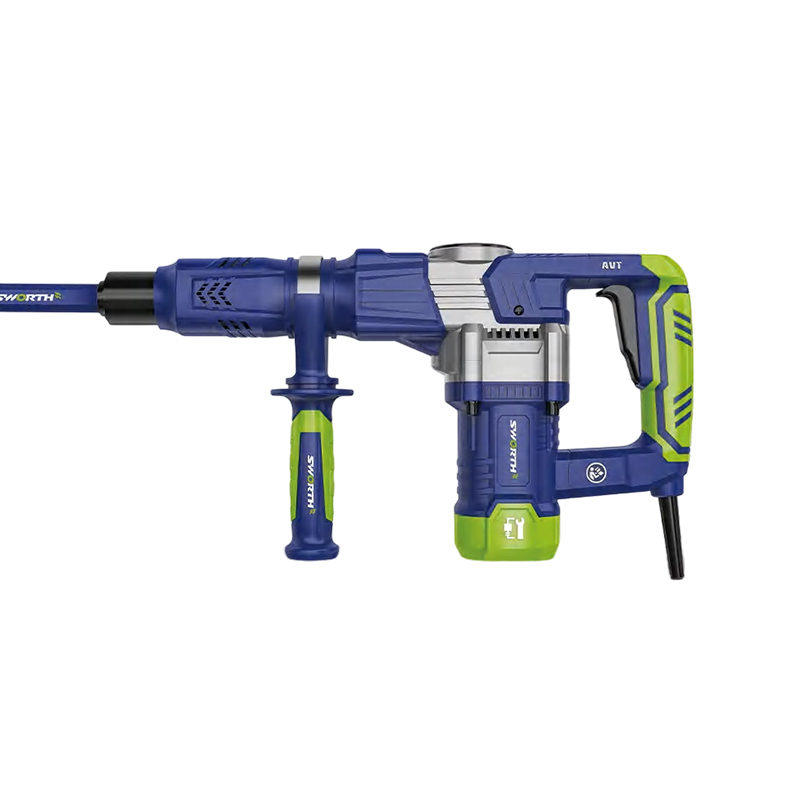
SW535 Powerful Anti-Scalding Demolition Hammer
-
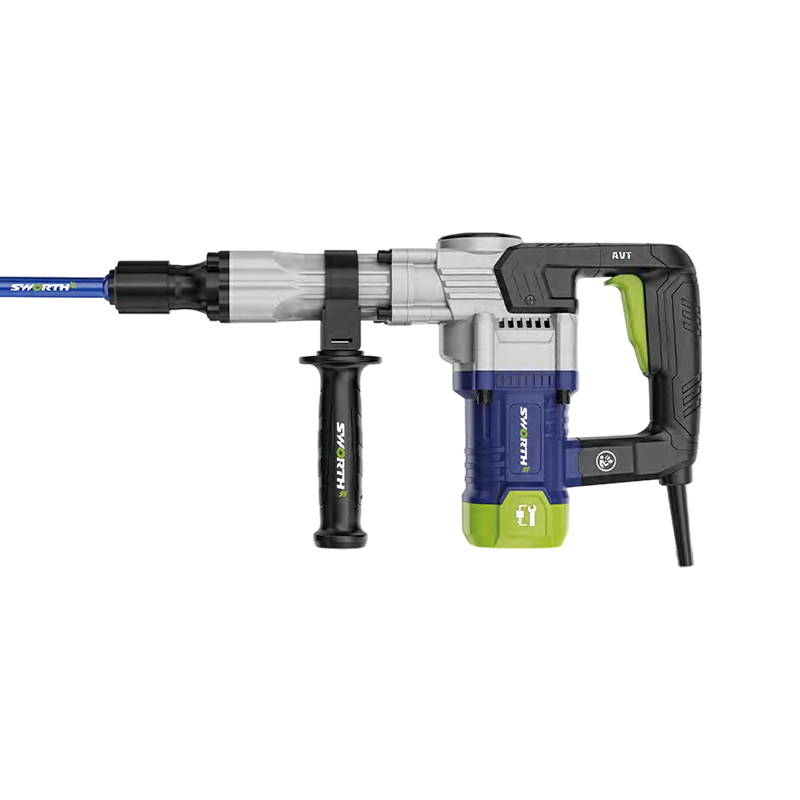
SW535-2 Durable Powerful Demolition Hammer
-
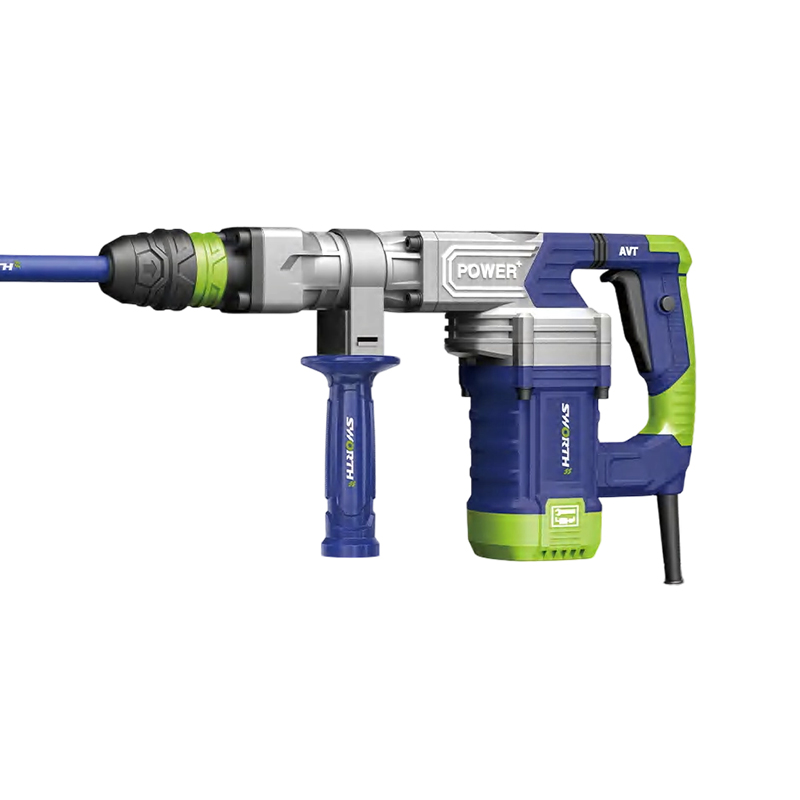
SW35S3 Five-Pipe Drill Bit Demolition Hammer
-

SW11E Five-Pipe Clamping Demolition Hammer
 +86-18314829275
 sale@sworthtools.com
 No. 101, Yugui Road, chengxi Industrial Zone, Yongkang City, Zhejiang Province, China
Copyright© Yongkang Siwei Technology Co., Ltd. All Rights Reserved

Hammer Tools & Cordless Garden Tools Manufacturer
