 English
 русский
 Español

Why a Straight-Through Airduct Angle Grinder Is Built for Cooler, More Controlled Work
Professional grinding and cutting work demands more than high input power. A tool must remain comfortable in the hand, transfer power efficiently, withstand repeated overload, and protect its internal components from the heat created by long operating cycles. The SW8610 Straight-Through Airduct Angle Grinder is designed around these practical requirements. With a 920W motor, a compact body, a 100 mm blade size, closely fitted gears, high-temperature copper wire, and a straight-through cooling pathway, it is positioned as a dependable solution for metalworking, fabrication, maintenance, construction, and masonry cutting.
Many angle grinders can deliver strong performance for short periods. The greater challenge is maintaining usable performance when the operator is grinding continuously, cutting dense materials, removing welds, or working in demanding workshop conditions. Heat buildup can make a tool uncomfortable to hold, increase wear on electrical insulation, reduce lubrication effectiveness, and shorten the service life of critical components. The SW8610 addresses this challenge directly through its airflow design and motor construction.
This article examines the tool’s engineering concept, operating advantages, applications, manufacturing strengths, user benefits, and maintenance requirements. It also explains how the product compares with common alternatives without relying on exaggerated claims. The focus is practical: cooler operation, controlled handling, efficient power transmission, overload resistance, and professional usability.

SW8610 Straight-Through Airduct Angle Grinder
Product Overview
The SW8610 is a corded straight-through airduct angle grinder intended for grinding, cutting, finishing, and material removal. It operates from a 220–240V~, 50/60Hz power supply and has a rated input power of 920W. Its listed blade size is 100 mm, giving the tool a compact working format suitable for controlled cutting and surface treatment.
The grinder combines a slim housing with a side switch and a straight-through internal airflow design. These features are not merely cosmetic. A narrow body can make it easier to position the tool accurately, while the airflow arrangement is intended to move heat away from the motor and internal working parts more rapidly. The result is a tool designed for users who need repeated operation without the housing becoming excessively hot during normal use.
At the center of the design is a motor using 200°C high-temperature copper wire and a 63H motor structure. High-temperature winding materials help the motor tolerate elevated operating temperatures, while the stated motor construction is intended to support strong overload capacity. The product also uses double tight-fit gears to promote smooth power transmission and reduce unnecessary movement within the gear train.
These features work together. Cooling alone does not create a durable grinder, and motor strength alone does not guarantee comfortable use. A practical power tool needs a balanced combination of thermal management, mechanical precision, electrical durability, ergonomic handling, and manufacturing consistency.
Key Technical Specifications
| Specification | SW8610 Details |
|---|---|
| Product type | Straight-through airduct angle grinder |
| Rated voltage | 220–240V~ |
| Frequency | 50/60Hz |
| Power input | 920W |
| Listed blade size | 100 mm |
| Stator diameter | Ø50 × 63H |
| Rotor diameter | Ø30 × 63H |
| Motor winding specification | 200°C high-temperature copper wire |
| Gear construction | Double tight-fit gears |
| Switch arrangement | Side switch |
| Housing design | Slim body with straight-through airflow |
The specifications show that this grinder is designed for a balance of power and compactness. A 920W input rating provides a useful power class for general metal grinding, cutting, weld cleanup, and similar work. The 100 mm format keeps the tool relatively easy to control in restricted areas, on edges, and around smaller workpieces.
Users should always match the selected disc or blade to the material, task, maximum rated speed, and mounting requirements of the grinder. The listed blade size should not be treated as permission to install an accessory that is incompatible with the spindle, guard, speed rating, or intended application.
Why Thermal Management Matters in an Angle Grinder
Grinding and cutting convert electrical energy into mechanical work. A portion of that energy is inevitably converted into heat. Heat is generated in the motor windings, bearings, gears, spindle, and accessory. It can also be created by excessive pressure, a dull disc, incorrect accessory selection, or repeated operation without sufficient cooling intervals.
When heat accumulates inside a compact power tool, several problems may occur. The housing can become uncomfortable to hold, insulation may be exposed to increased thermal stress, lubricants may lose effectiveness, and components can experience accelerated wear. Thermal stress is especially important in tools used for long grinding sessions because the operator may continue working even after the outer housing becomes noticeably hot.
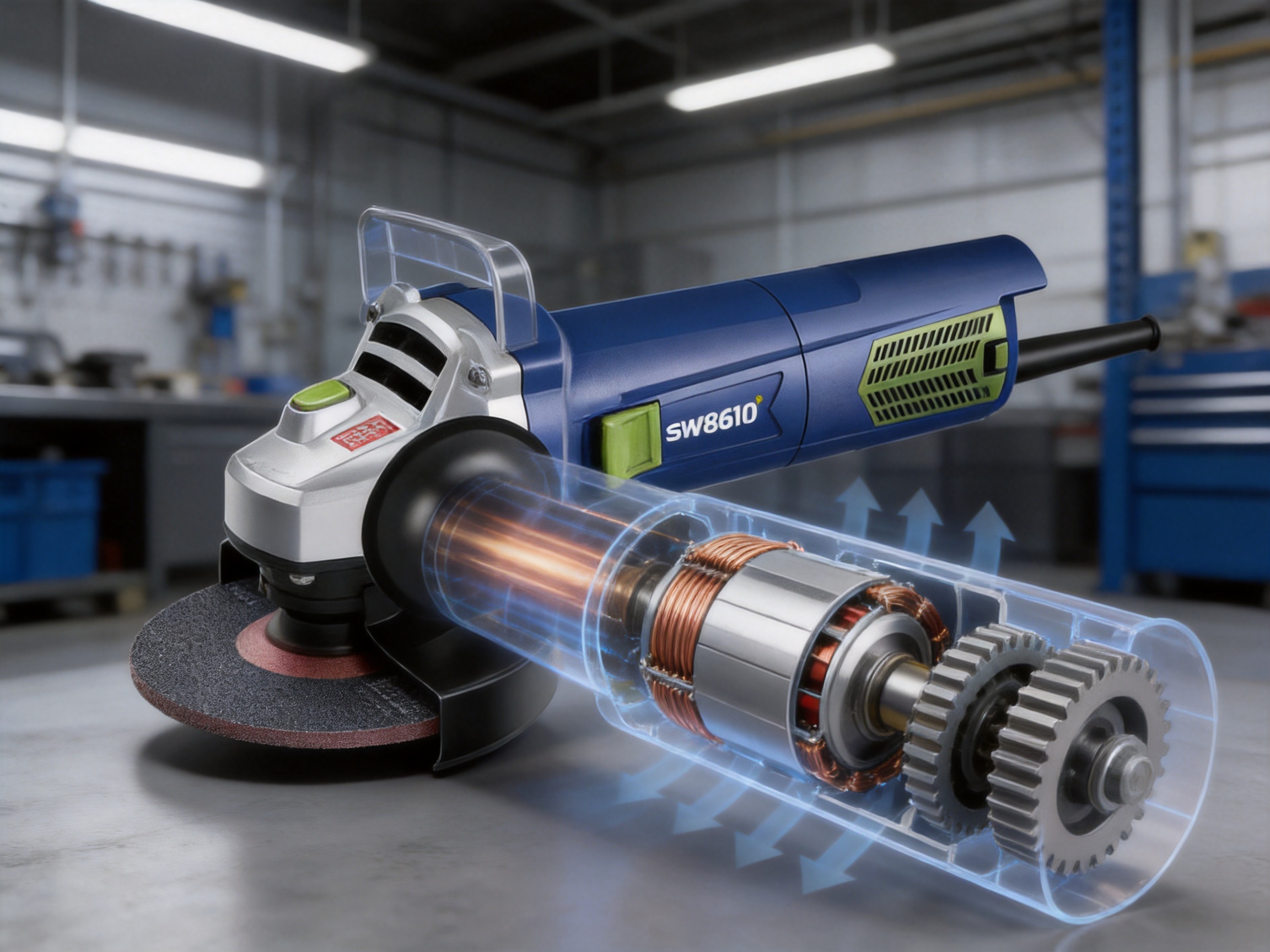
The SW8610’s straight-through airduct design is intended to improve the movement of air through the tool. Instead of relying only on general ventilation around the housing, the design creates a more direct path for airflow to help pull heat away from the motor area. Rapid heat dissipation can lower the temperature of the body during continuous use, making the tool more comfortable and helping reduce the thermal burden on internal components.
This does not mean that the grinder can be operated indefinitely without breaks. Every electric tool requires appropriate duty cycles, accessory selection, and ventilation. However, a purpose-designed airflow path gives the product an advantage over basic compact grinders whose ventilation may be less effective or whose housing may trap more heat around the user’s grip.
Cooler operation also has a practical productivity benefit. When the housing remains more comfortable, the operator is less likely to stop simply because the tool is unpleasant to hold. In a workshop, fabrication area, or construction environment, this can support a smoother work rhythm. The benefit is not only thermal protection; it is also improved usability over the course of a task.
Straight-Through Airduct Design
The straight-through airduct is one of the defining features of the SW8610. Its purpose is to guide airflow through the tool so that heat can be removed more efficiently from the motor and surrounding internal areas. The design reflects a simple engineering principle: air should be encouraged to move through the heat-producing section rather than circulate weakly around it.
For an angle grinder, airflow must be balanced carefully. The openings need to support cooling while limiting the entry of excessive dust and debris. Grinding produces fine particles, and masonry cutting can create particularly abrasive dust. Proper manufacturing, assembly, and user maintenance are therefore important complements to the airduct concept.
The cooling structure can be especially useful during continuous metal grinding, where the motor may be placed under a relatively consistent load. It may also help during repeated cutting cycles in which the operator makes multiple cuts and returns to the workpiece without long pauses. In both cases, the ability to move heat away from the motor area contributes to a more stable working experience.
Compared with a conventional grinder that has a thicker body and less direct ventilation, the SW8610 is designed to offer two simultaneous advantages: improved heat movement and a slimmer gripping profile. This combination can be valuable when the operator needs to maintain control while applying moderate pressure to a workpiece.
Cooling and Operator Comfort
Tool temperature directly affects the user’s experience. A hot housing can cause discomfort, encourage a looser grip, and increase fatigue. A less secure grip may reduce precision, particularly when the operator is following a marked cut line or blending a weld bead. By helping lower the body temperature, the straight-through airflow design supports a more comfortable grip during extended work.
Comfort should not be confused with permission to ignore safety procedures. Operators should still wear suitable gloves, eye protection, hearing protection, respiratory protection when required, and appropriate work clothing. The cooling system supports safe and productive handling, but it does not replace protective equipment or correct operating technique.
Motor Construction and Overload Capacity
The SW8610 uses 200°C high-temperature copper wire in a 63H motor design. The winding specification indicates that the motor is constructed with insulation and copper wire intended to tolerate elevated temperatures. This is important because the windings are among the most thermally sensitive parts of a motor.
Copper is widely used in electric motors because it offers efficient electrical conductivity and can support effective power transfer when properly wound and insulated. The quality of the winding process matters greatly. Consistent winding tension, secure positioning, suitable insulation, and reliable connections all contribute to motor stability. A motor’s performance depends not only on the nominal power rating but also on how accurately the stator and rotor are manufactured and assembled.
The stated 63H motor structure is presented as supporting strong overload capacity. In practical terms, overload resistance helps the grinder cope with demanding work when the accessory meets temporary resistance. It does not mean that the operator should force the wheel into the material or intentionally stall the tool. Excessive pressure can increase heat, reduce cutting efficiency, damage accessories, and place unnecessary stress on the motor.
A durable motor should respond well to normal working loads while maintaining stable operation. The SW8610’s motor specifications, high-temperature copper wire, and cooling pathway are intended to work as a system. The airflow helps manage heat, the winding materials help tolerate it, and the motor structure provides the electrical and mechanical foundation for repeated work.
Power for General Professional Tasks
With a 920W input rating, the SW8610 is suited to a broad range of light- to medium-duty professional tasks. It can support continuous metal grinding, surface finishing, pipe cutting, rebar cutting, sheet-metal cutting, rust removal, and weld cleanup when the correct accessories and operating techniques are used.
The grinder’s power class is also suitable for masonry cutting with compatible diamond blades. Masonry work can be demanding because the material creates substantial resistance and dust. Operators should use only accessories rated for the grinder and the intended material, maintain the correct guard arrangement, and avoid forcing the tool through the workpiece.
Power is most useful when it remains controllable. The slim body and compact 100 mm format help keep the tool manageable, allowing the operator to guide it across a surface or along a cut without unnecessary bulk. This is particularly helpful for fabrication work, repair tasks, and areas where access is limited.
Double Tight-Fit Gears and Power Transmission
The gear train transfers motor rotation to the spindle and accessory. Any unnecessary movement, poor engagement, or inconsistent fit in this area can create vibration, noise, heat, and reduced efficiency. The SW8610 uses double tight-fit gears to promote smooth power transmission.
A tight-fitting gear arrangement helps maintain more consistent contact between mating teeth. When the gears are manufactured accurately and assembled correctly, the transmission can operate with reduced backlash and more stable movement. This contributes to a smoother feel in the hand and helps the motor’s input power reach the accessory effectively.
Smooth transmission is important for both comfort and results. When a grinder vibrates excessively, the operator may experience faster fatigue and may find it harder to produce an even finish. On a weld or metal edge, controlled movement can make the difference between a clean result and an uneven surface.
The gear system also influences service life. Proper gear materials, accurate machining, suitable lubrication, and correct assembly are necessary to achieve reliable performance. The double tight-fit gear feature is therefore connected to the wider manufacturing process rather than being an isolated component choice.
Mechanical Stability During Grinding
Grinding generates changing loads. The accessory may encounter harder sections of a weld, uneven rust, an edge, or a change in material thickness. These variations place changing forces on the spindle and gears. A stable gear train helps the grinder respond more predictably to those changes.
Users can further support mechanical stability by applying moderate pressure and allowing the abrasive accessory to do the cutting or grinding. Heavy pressure is rarely the fastest method. It can increase friction, clog the accessory, generate heat, and reduce the useful life of both the disc and the grinder.
Slim Body and Handling Control
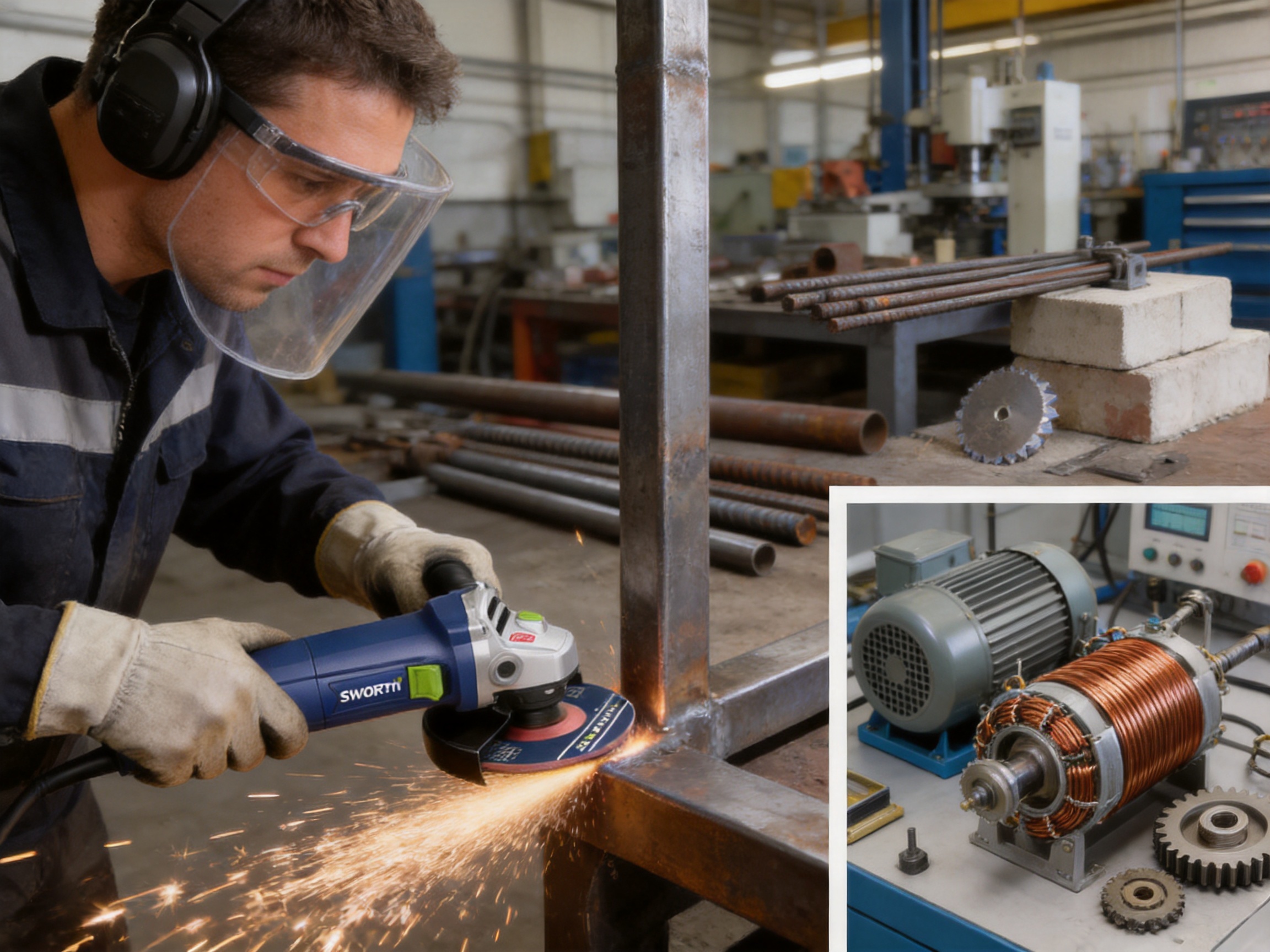
The SW8610 features a slim body intended to make the tool easier to hold and control. A narrow housing can be advantageous when the operator is working in confined spaces, reaching around a frame, or maintaining a precise angle on a small workpiece.
Grip comfort is particularly important during finishing operations. Removing a weld, smoothing a sharp edge, or cleaning corrosion may require several passes rather than one heavy pass. A tool that is easier to hold can reduce hand strain and support more consistent pressure throughout the work.
The compact format also supports visual control. When the housing is not excessively bulky, the operator may have a clearer view of the accessory and contact area. Better visibility helps the user follow a marked line, approach an edge carefully, and avoid removing more material than necessary.
A slim body does not eliminate the need for two-handed control when the application requires it. The operator should use the available handle positions and maintain a stable stance. The grinder must be held firmly but without excessive tension, and the workpiece should be secured before cutting or grinding.
Side Switch Convenience
The side switch provides convenient on-and-off operation. Its position is intended to make activation accessible while allowing the user to maintain a controlled grip on the housing. A practical switch arrangement can be especially useful when the tool is used repeatedly for a series of cuts or short grinding passes.
Switch operation should always be checked before connecting the grinder to the power supply. The switch should be in the off position before inserting a plug, changing an accessory, or carrying out inspection. After work is complete, the operator should disconnect the tool before cleaning, adjusting, or storing it.
The switch is one part of the product’s broader ergonomic design. The slim housing supports grip control, the side switch supports convenient operation, and the airflow design supports comfort during longer sessions. Together, these details make the grinder more practical for routine workshop use.
Applications Across Metalworking and Construction
Continuous Metal Grinding
The SW8610 is designed for continuous metal grinding and surface finishing. Typical tasks include reducing uneven welds, smoothing rough edges, preparing a surface for coating, and removing small imperfections from fabricated components.
For grinding, the operator should keep the abrasive disc at the angle recommended by the accessory manufacturer. The grinder should be moved steadily rather than held in one location for too long. A controlled sweeping motion helps distribute wear across the abrasive surface and reduces the risk of creating deep grooves.
The straight-through airduct is especially relevant to this application because continuous grinding can produce sustained motor heat. The tool’s high-temperature motor winding and cooling pathway are intended to support extended work while keeping the housing more comfortable under normal operating conditions.
Pipe, Rebar, and Sheet-Metal Cutting
The compact grinder can be used for cutting pipes, rebar, and sheet metal when fitted with the correct cutting accessory. These materials require different approaches. Pipe cutting may involve working around a curved surface, rebar can produce changing resistance as the disc passes through, and sheet metal requires careful control to prevent snagging or deformation.
The workpiece should be firmly supported, and the cut should be planned before the tool is started. The operator should avoid twisting the accessory in the cut. Binding can cause kickback, accessory damage, or loss of control. The grinder should be allowed to reach operating speed before contacting the material, and pressure should remain moderate.
Rust and Weld Removal
Fabrication shops often require tools that can prepare surfaces quickly. Rust removal, weld cleanup, and edge preparation are common applications for a compact angle grinder. These tasks may involve several workpieces in succession, making handling comfort and heat management important.
The SW8610’s smooth gear transmission can support controlled surface contact, while the slim housing helps the operator position the tool around brackets, frames, and other fabricated parts. The 920W motor provides useful capacity for removing material without requiring a larger and heavier grinder for every task.
Masonry Cutting
With a compatible diamond blade, the grinder can be used for masonry cutting. Masonry applications require additional attention to dust management, accessory selection, and operator protection. Concrete, brick, stone, and similar materials can generate fine airborne particles that are harmful if inhaled.
Users should follow the specific cutting method recommended for the material and accessory. The grinder should not be modified to bypass the guard or any protective feature. Where local regulations and site conditions require it, suitable dust extraction or wet-cutting procedures should be used. The tool’s cooling system is helpful for heat management, but it does not remove the need to control masonry dust.
Advantages Over Basic Competing Designs
The SW8610’s competitive value comes from the combination of several features rather than from one isolated specification. Basic grinders may offer similar nominal power while lacking the same focus on thermal airflow, slim handling, motor winding temperature tolerance, and gear fit.
One advantage is the straight-through airduct. Many compact tools depend on general ventilation, but a more direct airflow path is designed to move heat away from the motor area efficiently. This can improve comfort during repeated grinding and cutting cycles.
A second advantage is the balance between a 920W motor and a 100 mm format. A larger grinder may provide more capacity but can be heavier and less convenient for detail work. A smaller grinder may be easier to handle but may offer less reserve under load. The SW8610 occupies a practical middle position for users who want useful power in a relatively compact body.
A third advantage is the use of 200°C high-temperature copper wire with a 63H motor structure. This construction is intended to support resistance to thermal stress and overload conditions. When combined with appropriate airflow, it provides a stronger foundation for demanding routine work than a basic motor designed only for short intermittent use.
A fourth advantage is the double tight-fit gear design. Smooth transmission can contribute to more controlled handling, lower mechanical vibration, and improved transfer of power to the accessory. This feature is especially valuable for surface finishing, where excessive movement can affect the final result.
Finally, the slim body and side switch improve usability. Professional users often judge a tool by how it behaves after an hour of work, not only by its specifications on paper. Reduced hand strain, manageable size, accessible controls, and comfortable temperature can have a direct effect on productivity.
Manufacturing Processes and Quality Strengths
The reliability of an angle grinder depends heavily on manufacturing discipline. A good design must be translated into accurately produced parts, consistent assemblies, and controlled final inspection. The manufacturer behind the SW8610 integrates research and development, production, and sales, allowing product requirements and customer feedback to be connected across the development cycle.
Motor manufacturing begins with the preparation of the stator, rotor, copper wire, insulation materials, and related components. The stated stator diameter of Ø50 × 63H and rotor diameter of Ø30 × 63H identify the motor’s dimensional foundation. Consistency in these dimensions is important because the air gap, winding placement, rotor balance, and housing fit all influence performance.
The use of 200°C high-temperature copper wire requires careful winding and insulation processes. Wires must be positioned securely, connections must be reliable, and insulation must protect against electrical breakdown under heat and vibration. Proper winding density also helps achieve consistent motor characteristics between production units.
Gear manufacturing requires accurate tooth profiles, appropriate surface quality, and controlled fit. Double tight-fit gears are effective only when the mating components are produced within suitable tolerances and installed with correct alignment. Assembly workers or automated processes must ensure that the gear train, bearings, spindle, and housing are correctly positioned.
The housing must also support airflow. Vent openings, internal channels, motor placement, and protective structures need to work together. The manufacturer’s advanced process approach includes attention to product structure, material selection, and assembly details so that the straight-through airflow concept functions as intended in the finished tool.
Quality control can include visual inspection, dimensional checks, electrical safety testing, no-load operation checks, sound and vibration observation, switch testing, and sample endurance evaluation. These procedures help identify issues such as abnormal noise, poor gear engagement, winding irregularities, incorrect switch operation, or housing defects before products reach customers.
Manufacturing strength is also reflected in the company’s broader product experience. Its product range includes demolition hammers, chisels, cutting tools, and cordless garden equipment. Experience across professional tools and electronic battery platforms supports a practical understanding of motors, controls, mechanical structures, ergonomics, and harsh operating environments.
The company emphasizes professional use, quality-first production, advanced processes, and high-quality materials. That positioning is relevant to the SW8610 because an angle grinder used in engineering, fabrication, and construction must be designed for real working conditions rather than occasional decorative use.
Research and Development Capability
Product development involves more than copying a familiar tool shape. Engineers must consider heat paths, motor sizing, component fit, operator grip, accessory compatibility, and production feasibility. The SW8610’s combination of airflow, motor construction, gear fit, and slim housing indicates an integrated development approach.
The company also reports experience in brushless motor systems, electronic controls, and intelligent battery platforms for cordless garden tools. Although the SW8610 is a corded grinder, this technical background demonstrates knowledge of motor efficiency, thermal behavior, control systems, and long-term product reliability.
Research and development capability benefits customers by making it easier to refine products based on field feedback. Users can identify concerns such as housing temperature, switch access, balance, gear noise, and service needs. A manufacturer that manages design and production together can respond to these concerns more efficiently than a business that only resells generic products.
Recommended Operating Practices
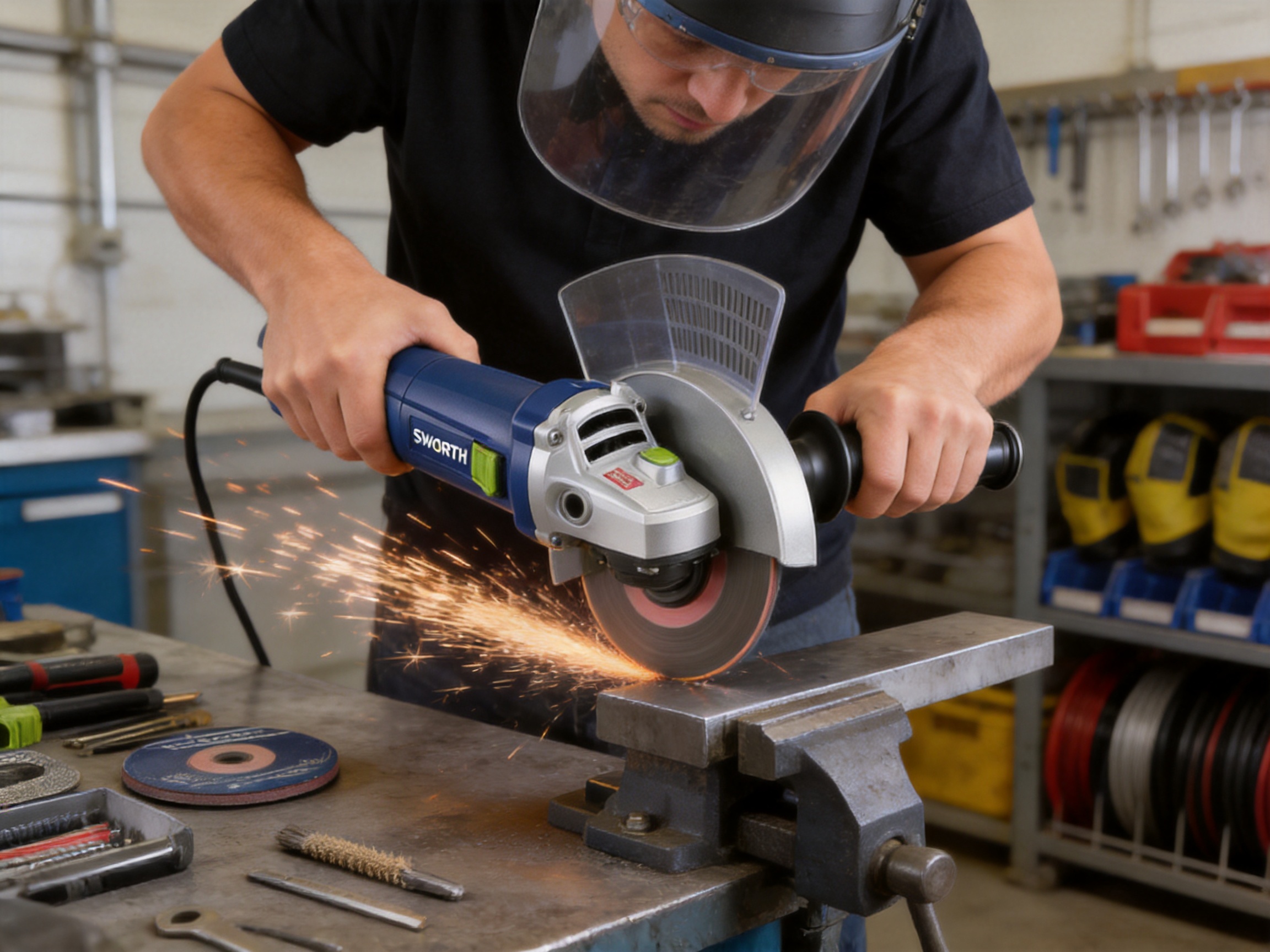
Before use, inspect the grinder, power cord, plug, guard, switch, spindle, and accessory. Do not use the tool if the cord is damaged, the switch does not operate correctly, or the housing shows cracks or loose parts. Confirm that the disc or blade is suitable for the material and rated for the tool’s operating speed.
Always disconnect the grinder from the power supply before changing accessories. Install the accessory according to the manufacturer’s instructions and make sure it is seated correctly. A poorly mounted disc can create vibration, runout, or breakage.
Secure the workpiece before grinding or cutting. Loose material can move unexpectedly, increasing the chance of binding or kickback. Stand to one side of the accessory’s rotation path where possible, and keep bystanders away from the work area.
Use steady, moderate pressure. Let the abrasive accessory remove material rather than forcing the motor. Excessive pressure reduces the benefit of the motor’s overload capacity because it creates unnecessary heat and may cause the accessory to bind.
Keep ventilation openings clear. Dust buildup can restrict airflow and reduce cooling performance. After dusty work, allow the tool to stop completely, disconnect it, and clean the exterior and accessible ventilation areas according to the manufacturer’s instructions.
Take appropriate breaks during long jobs. The straight-through airduct and high-temperature winding support heat management, but every motor has limits. If the housing becomes unusually hot, the smell of overheated insulation appears, the tool begins to lose power, or abnormal noise develops, stop operation and inspect the grinder.
Maintenance for Long-Term Performance
Regular maintenance helps preserve the benefits of the SW8610’s design. The power cord should be inspected for cuts, crushed sections, exposed conductors, or loose connections. The plug should remain clean and undamaged. Any electrical repair should be performed by qualified service personnel.
The accessory and guard should be checked before every use. Replace damaged, cracked, excessively worn, or improperly sized discs and blades. A worn accessory may require more pressure, which increases heat and reduces cutting efficiency.
Ventilation openings should be kept free of heavy dust. A soft brush or suitable low-pressure cleaning method may be used when appropriate, but users should avoid forcing debris deeper into the tool. The grinder should not be immersed in liquid, and cleaning should always be performed with the tool disconnected.
Unusual gear noise, excessive vibration, spindle play, burning odor, or intermittent operation may indicate a service issue. Continuing to operate the tool under these conditions can cause additional damage. Early inspection is generally more effective than waiting for a complete failure.
Store the grinder in a dry, clean location away from corrosive chemicals and excessive humidity. Protect the cord from sharp bends and avoid placing heavy objects on the housing. Proper storage reduces the risk of accidental damage between jobs.
Choosing Accessories Correctly
Accessory selection has a major effect on performance and safety. Grinding discs, cutting discs, flap discs, wire wheels, and diamond blades are designed for different materials and tasks. A disc intended for grinding should not automatically be used for cutting, and a cutting accessory should not be side-loaded during grinding.
The accessory diameter must match the grinder’s stated capacity. The mounting hole, thickness, maximum rotational speed, and material rating must also be compatible. For masonry, use a diamond blade specifically rated for the intended material and cutting method. For metal, select an accessory designed for steel, stainless steel, aluminum, or other relevant materials.
Correct accessories reduce the load placed on the motor and gears. They also make it easier to work with moderate pressure, which supports the cooling and overload-resistance advantages built into the grinder.
Q&A
What type of tool is the SW8610?
The SW8610 is a corded straight-through airduct angle grinder designed for grinding, cutting, surface finishing, rust removal, weld cleanup, and compatible masonry cutting.
What is the rated input power?
The grinder has a rated power input of 920W. This provides a practical power level for a wide range of metalworking, fabrication, maintenance, and construction tasks.
What voltage does it use?
The listed electrical specification is 220–240V~ at 50/60Hz. Users should confirm that the local power supply matches the tool’s rating before operation.
What is the listed blade size?
The listed blade size is 100 mm. Accessories must also match the grinder’s mounting dimensions, rotational speed, application, and safety requirements.
What is the purpose of the straight-through airduct?
The straight-through airduct is designed to move air through the tool more directly, helping dissipate heat rapidly and lower the body temperature during operation.
Can the grinder run continuously without breaks?
No electric grinder should be operated indefinitely without considering load, ambient temperature, accessory condition, and duty cycle. The airduct and high-temperature motor construction support extended use, but operators should take appropriate breaks and stop if abnormal heat, odor, noise, or vibration develops.
What materials can the grinder work on?
Typical applications include metal, pipes, rebar, sheet metal, welds, rusted surfaces, and masonry when the correct accessories are used. The accessory must always be rated for the intended material and task.
Does the grinder have a slim housing?
Yes. The slim body is designed to make the grinder easier to hold, position, and control, especially during surface finishing and work in restricted spaces.
What benefit do the double tight-fit gears provide?
They are designed to support smooth power transmission, stable mechanical operation, and controlled handling. Proper lubrication, alignment, and maintenance remain important for long-term gear performance.
Why is 200°C high-temperature copper wire used?
The high-temperature copper wire is intended to provide greater resistance to thermal stress in the motor windings. It works together with the airflow system and motor structure to support reliable operation under demanding loads.
Is the tool suitable for professional workshops?
Its 920W motor, cooling design, compact body, gear construction, and applications make it suitable for many professional workshop, fabrication, maintenance, and construction tasks, provided it is used with proper accessories and operating procedures.
What safety equipment should be worn?
Users should normally wear eye protection, hearing protection, suitable gloves, protective clothing, and appropriate respiratory protection where dust or fumes are present. Site conditions and local regulations may require additional equipment.
How should the grinder be maintained?
Inspect the cord, plug, switch, guard, spindle, and accessory regularly. Keep ventilation openings clear, replace damaged accessories, clean the exterior after dusty work, and have abnormal electrical or mechanical conditions checked by qualified personnel.
Conclusion
The SW8610 Straight-Through Airduct Angle Grinder is built around the needs of users who require controlled power, manageable handling, and improved thermal performance. Its 920W motor and 100 mm format provide a useful balance for metal grinding, cutting, weld removal, surface finishing, and compatible masonry work.
The product’s strongest distinction is the way its features support one another. The straight-through airduct is designed to dissipate heat quickly. The 200°C high-temperature copper wire and 63H motor structure support overload resistance. Double tight-fit gears promote smooth power transmission. The slim body improves grip and control, while the side switch supports convenient operation.
Compared with basic grinder designs that focus mainly on nominal power, this tool emphasizes the complete working experience. Cooler operation can improve comfort, stable gearing can support control, and careful manufacturing can improve consistency from one tool to the next.
The manufacturer’s integrated experience in research, production, professional demolition tools, cutting equipment, motor systems, and cordless technology provides a broader technical foundation for product development. Its focus on professional users, high-quality materials, advanced processes, and reliable performance is reflected in the grinder’s construction concept.
For best results, the grinder should be paired with suitable accessories, moderate operating pressure, proper dust control, regular inspection, and appropriate protective equipment. Used in this way, the SW8610 is a practical solution for users who value a cooler body, compact control, durable motor construction, and dependable power transmission during demanding everyday work.
References
1. Product specification sheet for the SW8610 Straight-Through Airduct Angle Grinder, including electrical ratings, motor dimensions, blade size, and feature descriptions.
2. General principles of electric motor thermal management, copper winding insulation, and overload protection in portable power tools.
3. General workshop guidance for abrasive wheel selection, angle grinder operation, accessory compatibility, and maintenance.
4. General occupational safety guidance for grinding, cutting, welding cleanup, metal fabrication, and masonry dust control.
5. Manufacturer-provided information concerning research and development, production capabilities, professional demolition tools, cutting tools, and cordless garden equipment.
Product: SW8610 Straight-Through Airduct Angle Grinder

Recommended Products
-
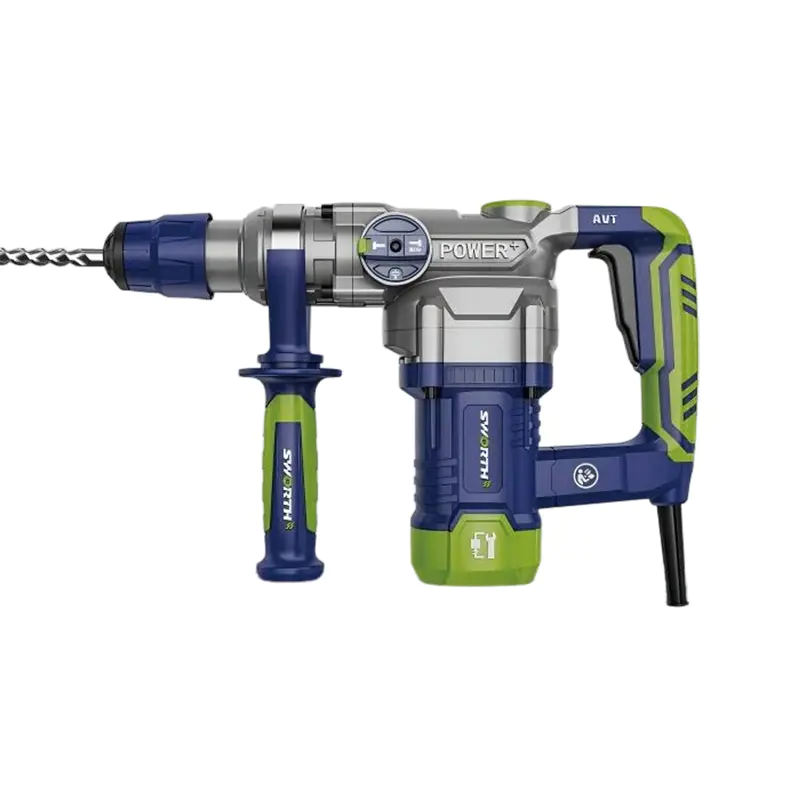


SW528 Small Hole Rebar Hammer
-
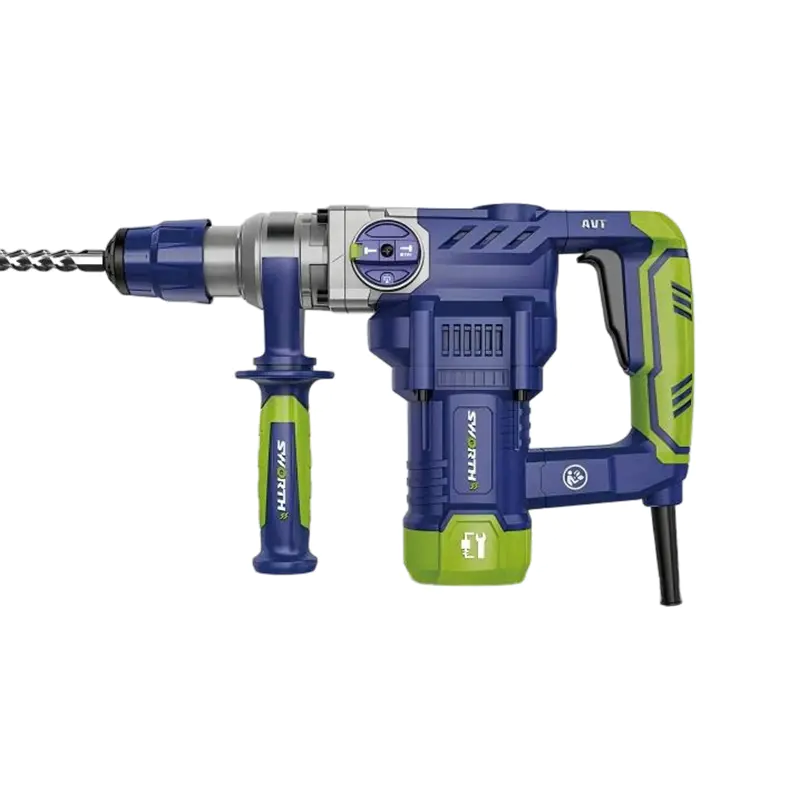
SW932 Groove Sandblasting Hammer
-
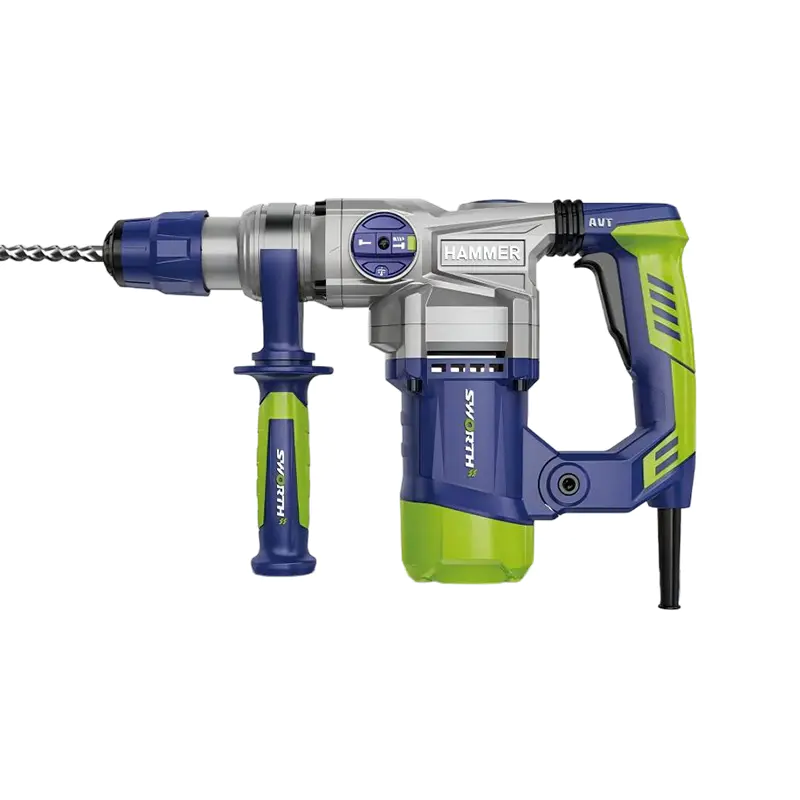
SW9362A Large Hole Rebar Hammer
-
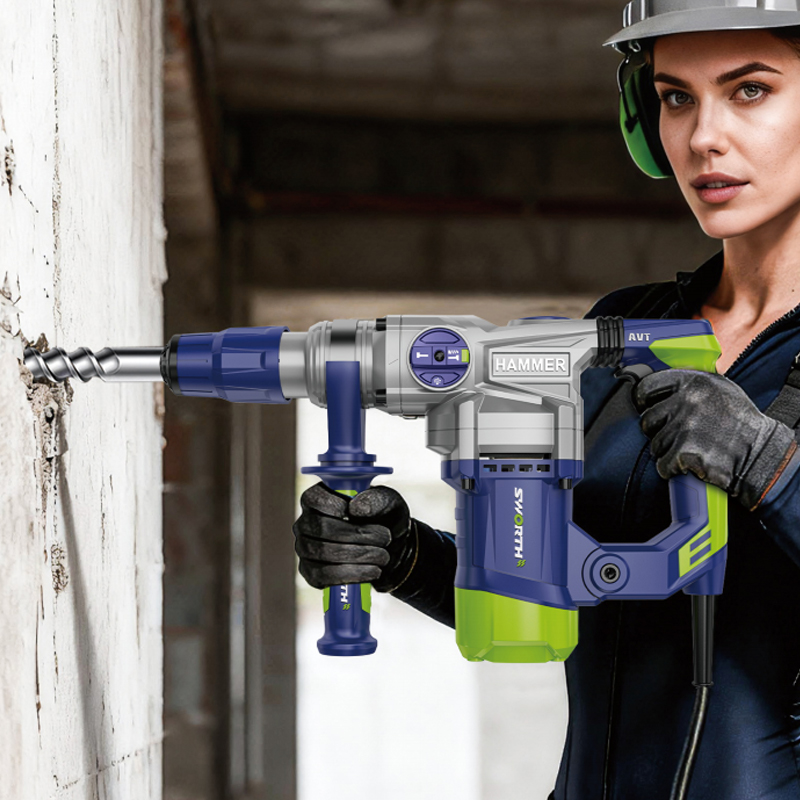
SW940 Enlarged Hole Rebar Hammer
-
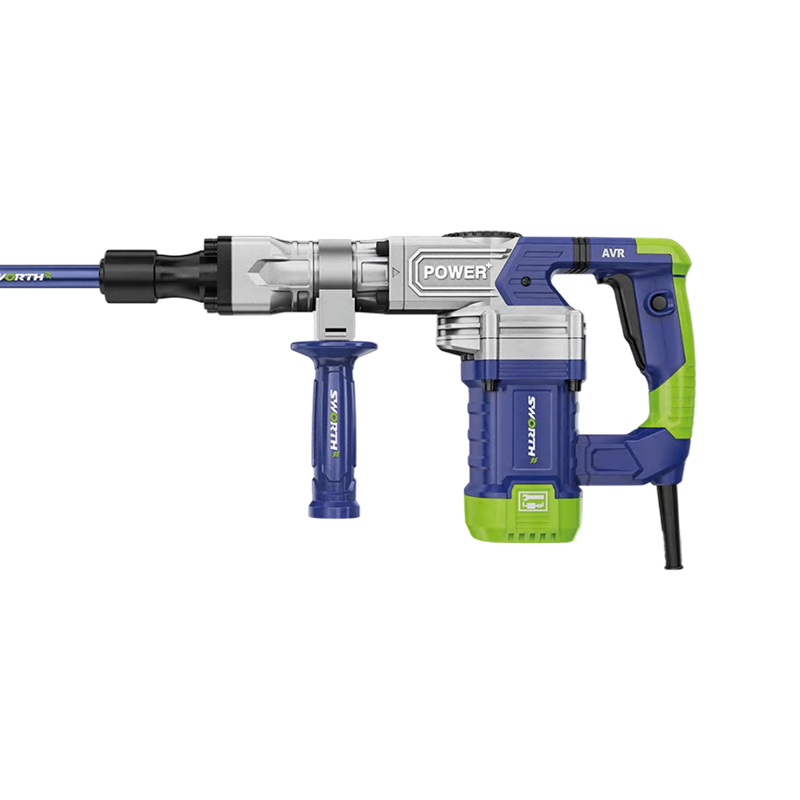
SW35S1 Powerful Demolition Hammer
-
SW35S2 High-Efficiency Heat Dissipation Demolition Hammer
-
SW9371 High-Power Demolition Hammer
-
SW9373 Anti-Scalding Carbon Brush Holder Demolition Hammer
-
SW535 Powerful Anti-Scalding Demolition Hammer
-
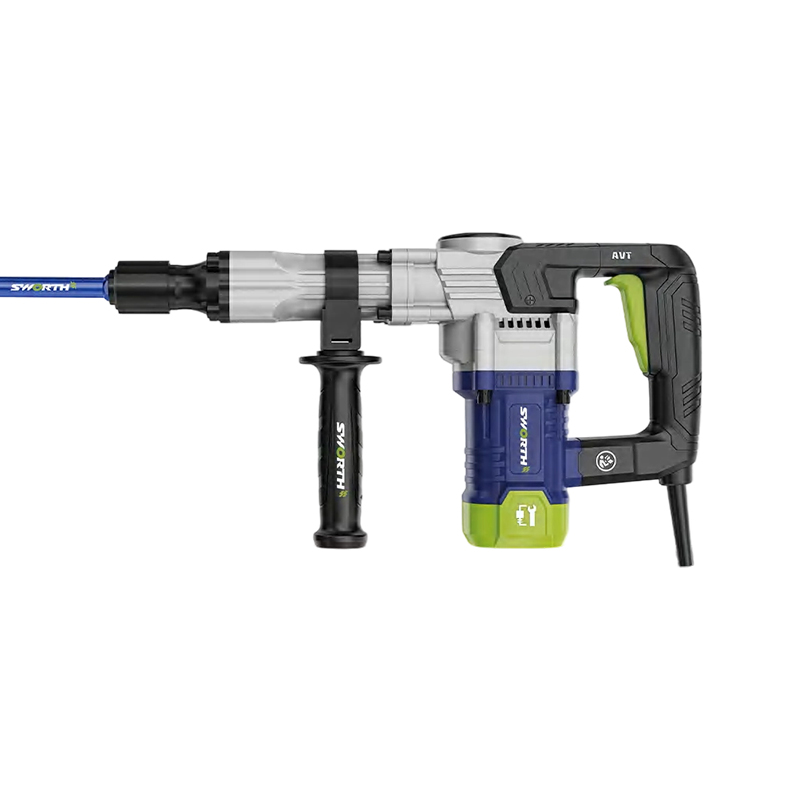
SW535-2 Durable Powerful Demolition Hammer
-
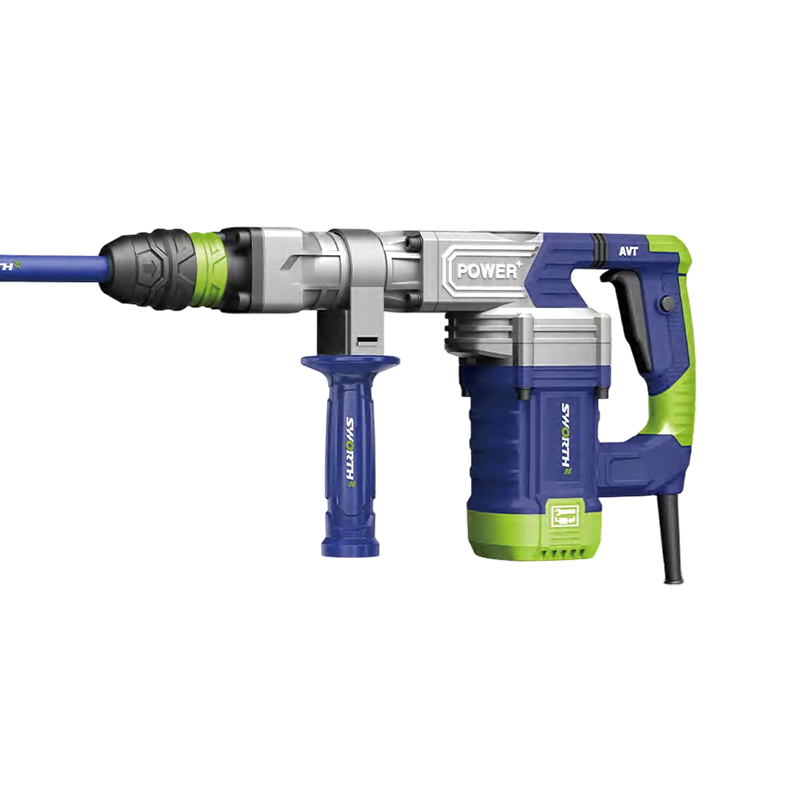
SW35S3 Five-Pipe Drill Bit Demolition Hammer
-

SW11E Five-Pipe Clamping Demolition Hammer
 +86-18314829275
 sale@sworthtools.com
 No. 101, Yugui Road, chengxi Industrial Zone, Yongkang City, Zhejiang Province, China
Copyright© Yongkang Siwei Technology Co., Ltd. All Rights Reserved

Hammer Tools & Cordless Garden Tools Manufacturer
