 English
 русский
 Español

SW945 6-Speed Constant Power Rotary Hammer: Adjustable Impact Performance for Professional Construction
Choosing the right rotary hammer is an important decision for contractors, construction crews, renovation specialists, electricians, plumbers, and industrial maintenance teams. A professional tool must do more than deliver high impact energy. It must provide controllable performance, dependable power, comfortable handling, protection against overload, and a service life suitable for demanding work environments.
The SW945 6-Speed Constant Power Rotary Hammer is designed around these requirements. With a 1,550-watt motor, 16 joules of impact energy, a maximum drilling capacity of 45 millimeters, and an adjustable impact frequency from 1,900 to 3,800 beats per minute, it is built to handle a broad range of drilling, chiseling, scraping, and demolition tasks. Its six-speed constant-power system allows users to select a suitable operating level instead of relying on a single fixed impact setting.
This adjustability gives the machine a practical advantage over basic rotary hammers that offer only one or two operating speeds. Operators can select a gentler setting for controlled chiseling in softer masonry or increase the impact rate for heavy drilling and concrete demolition. The result is a more adaptable tool that can follow changing site conditions without requiring crews to carry several specialized machines.
Manufactured by Yongkang Siwei Technology Co., Ltd., the SW945 reflects the company’s focus on professional tools, material durability, electronic control, and practical engineering. The manufacturer integrates research and development, production, and sales, allowing product design and manufacturing experience to be connected throughout the development process. This integrated approach supports consistent product improvement and helps the company respond to the requirements of professional users in construction and engineering.

SW945 6-Speed Constant Power Rotary Hammer
Product Overview
The SW945 is a heavy-duty electric rotary hammer intended for demanding masonry and concrete work. It combines a powerful motor, a 30-millimeter cylinder, a large and reinforced adapter sleeve, a safety clutch, vibration reduction, and a dust-sealed head. These features are intended to support both performance and durability when the tool is used in harsh working conditions.
A rotary hammer must convert electrical power into repeated mechanical impacts while maintaining stable rotation. This requires more than a high wattage rating. The transmission, cylinder, piston, impact mechanism, adapter sleeve, housing, cooling arrangement, and control system must work together. If one part is undersized or poorly protected, the tool may suffer from reduced impact performance, premature wear, overheating, or uncomfortable vibration.
The SW945 addresses these requirements through a combination of mechanical reinforcement and user-focused design. Its constant-power control system helps maintain performance across six selectable levels. The 30-millimeter cylinder and heavy-duty motor provide the core force required for drilling and chiseling. The MAX-grade adapter sleeve is designed to be larger, thicker, stronger, and more durable than a standard sleeve, helping it withstand repeated high-load operation.
The tool is also designed for versatility. It can be used for precision chiseling, flat chisel work, heavy drilling in reinforced concrete, tile removal, surface scraping, and work across brick, stone, and concrete. This range of applications makes it suitable for contractors who need one powerful machine that can perform several related tasks.
Key Technical Specifications
| Specification | Value |
|---|---|
| Rated voltage | 220–240 V~, 50/60 Hz |
| Power input | 1,550 W |
| Impact frequency | 1,900–3,800 beats per minute |
| No-load speed | 210–430 revolutions per minute |
| Impact energy | 16 J |
| Maximum drilling capacity | 45 mm |
| Cylinder size | 30 mm |
| Speed selection | Six-speed constant-power adjustment |
| Chisel positioning | Multi-angle toggle positioning |
| Safety features | Safety clutch, vibration reduction, dust-sealed head |
| Indicator functions | Carbon brush indicator and power indicator |
The specifications show that the SW945 is positioned as a serious professional rotary hammer rather than a light-duty household drill. The 16-joule impact rating is intended for substantial masonry work, while the 45-millimeter maximum drilling capacity provides useful capability for larger holes in suitable materials and with suitable accessories.
Actual performance can vary according to the bit type, material density, drilling technique, ambient temperature, power supply, and maintenance condition. For best results, users should select accessories that match the machine and follow safe operating procedures for the specific application.
Six-Speed Constant-Power Control
One of the central advantages of the SW945 is its six-speed constant-power system. The impact frequency can be adjusted from 1,900 to 3,800 beats per minute. This adjustment allows the operator to balance force, control, material response, and tool handling according to the task.
Lower impact settings are useful when the operator needs more control. For example, precision chiseling for conduit grooves in softer block walls benefits from a controlled impact level. Excessive impact can remove too much material, damage surrounding surfaces, or make it more difficult to maintain a straight groove. A lower setting helps the user work gradually and accurately.
Intermediate settings can be used for general chiseling, brickwork, tile removal, and surface scraping. These tasks often require a balance between productive material removal and careful control. A tool with only a maximum setting may be unnecessarily aggressive for such work, while a six-speed machine gives the operator more choices.
Higher settings are intended for demanding drilling and demolition applications. Reinforced concrete, dense stone, and hard masonry require substantial impact energy and stable mechanical performance. The upper speed range can help improve productivity when the material and accessory are suitable for more aggressive operation.
Constant-power control is also useful when working across different materials. A construction site may involve concrete foundations, brick partitions, stone surfaces, and tile finishes in the same day. Each material responds differently to impact. Adjustable control allows the operator to make practical changes without replacing the machine.
Advantages Over Single-Speed Rotary Hammers
A single-speed rotary hammer may perform adequately for one common application, but it gives the operator fewer options. If its impact setting is too aggressive, delicate work becomes more difficult. If it is too mild, heavy drilling and demolition may take longer. A six-speed design reduces this compromise.
The SW945 can be adjusted as the work changes. This helps crews reduce tool changes, transport fewer machines, and maintain a more consistent workflow. It can also support better accessory management because the operator can select a less aggressive setting when using a smaller or more delicate chisel.
Adjustable control does not replace good technique. Users should still avoid forcing the tool, use appropriate bits, allow the mechanism to work, and observe the limits of the accessory and material. However, the additional settings provide a wider operating range and improve the machine’s practical versatility.
Power for Concrete, Brick, and Stone
The SW945 uses a 1,550-watt motor and a 30-millimeter cylinder to generate substantial mechanical force. The cylinder is an important part of the impact mechanism because it supports the movement and compression required to drive the hammer assembly. A larger and stronger cylinder can contribute to the tool’s ability to handle demanding applications when supported by an appropriately designed motor and transmission.
The machine delivers up to 16 joules of impact energy. This level of impact is suitable for heavy drilling, concrete breaking, chiseling, and material removal when the correct accessory is installed. The combination of impact energy and adjustable frequency gives the user both force and control.
In reinforced concrete foundations, for example, the operator may need to drill large holes for anchors, structural supports, pipe routes, or other construction requirements. The 45-millimeter maximum drilling capacity provides a useful upper range for suitable applications. The correct drilling method, bit, and cooling practice remain important, particularly when working in dense or reinforced material.
For brick and stone, the operator may use a lower or medium setting to avoid unnecessary cracking around the work area. For demolition, higher settings can support the removal of old concrete, masonry sections, tile beds, and surface layers. This flexibility helps the same machine serve multiple trades.
Multi-Angle Flat Chisel Positioning
The toggle switch includes multi-angle positioning, allowing the flat chisel to be fixed in different directions. This feature is particularly useful when the operator needs the chisel edge to remain aligned with a wall, floor, tile surface, or other work face.
Without adjustable chisel positioning, the operator may have to rotate the entire machine repeatedly to find a suitable angle. This can create awkward wrist positions, reduce accuracy, and increase fatigue. The multi-angle function allows the user to set the chisel orientation before beginning the task.
Fixed-angle flat chisel work is useful for tile removal, surface scraping, mortar removal, and controlled material separation. When removing tiles, the chisel can be positioned to work under the tile layer rather than directly into the substrate. When scraping surfaces, the correct angle helps the tool remove material more consistently.
For conduit grooves in soft block walls, the operator can also use the chisel positioning system to maintain a practical direction along the intended channel. The result can be a more comfortable and controlled working posture, especially during longer periods of horizontal or vertical chiseling.
Heavy-Duty Adapter Sleeve and Transmission Protection
The adapter sleeve is exposed to repeated mechanical loading. Every drilling and chiseling cycle transfers force through the holder and accessory connection. If the sleeve is too thin, poorly supported, or made from unsuitable material, it may wear quickly under demanding use.
The SW945 uses a MAX-grade adapter sleeve described as larger, thicker, stronger, and more durable. This reinforced design is intended to support the high impact output of the machine and extend service life in professional applications.
A stronger adapter sleeve can also help maintain better accessory engagement. Stable engagement is important because looseness may reduce energy transfer, increase vibration, accelerate wear, and create safety concerns. The sleeve should still be inspected regularly for damage, excessive play, contamination, or abnormal wear.
The adapter area must be kept clean and properly lubricated according to the maintenance instructions supplied with the tool. Dust, broken accessory fragments, and insufficient lubrication can affect the holder and internal impact mechanism. The dust-sealed head provides additional protection by reducing the amount of dust entering the rotating area.
Dust-Sealed Head for Harsh Job Sites
Concrete, brick, stone, and tile work produces abrasive dust. Fine particles can enter moving parts, contaminate lubricant, damage surfaces, and accelerate wear. Rotary hammers are especially exposed because their front section operates close to the point where dust is created.
The SW945 uses a dust-sealed head to help reduce the entry of dust into the rotating assembly. This design feature supports longer component life and helps maintain more consistent operation over time. It is particularly valuable on demolition and renovation sites where dust levels may be high.
Dust sealing is one part of a complete protection strategy. Operators should still clean the tool after use, inspect the accessory holder, use suitable dust extraction where practical, and avoid placing the machine directly in loose debris. Regular cleaning helps preserve cooling openings, switches, handles, and moving interfaces.
A dust-protected tool can offer a meaningful advantage over a lightly protected model when both are used in similar conditions. However, no seal can eliminate the need for maintenance. Professional users should treat dust control as a combination of product design, worksite practice, personal protective equipment, and scheduled inspection.
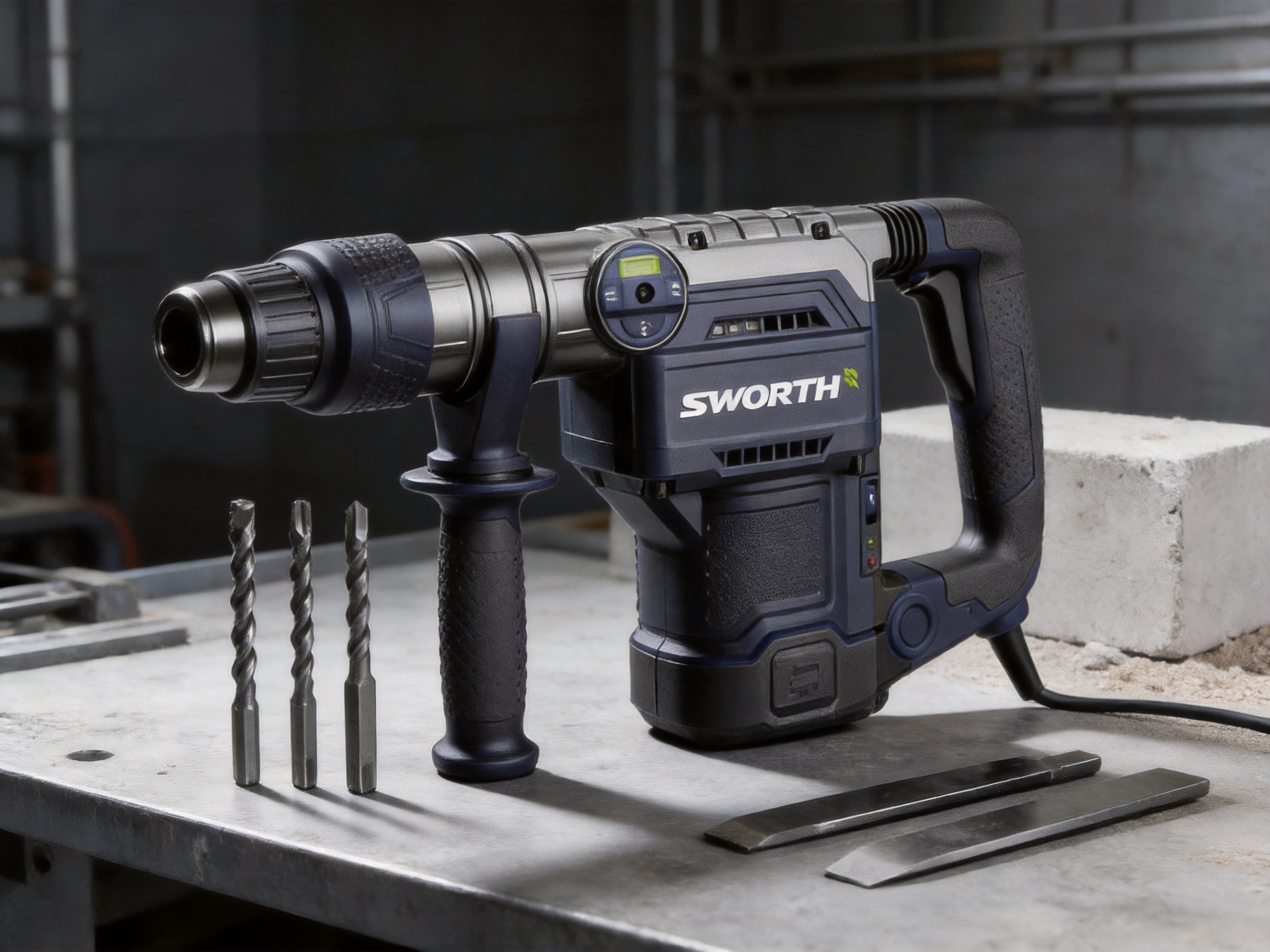
Vibration Reduction and Operator Comfort
Heavy impact tools can transmit significant vibration to the operator. Prolonged exposure may cause hand fatigue, reduce control, and make long tasks uncomfortable. The SW945 incorporates vibration reduction, a soft rubber grip, an anti-slip handle surface, and a large trigger to improve handling.
The rubber-coated grip helps the operator maintain contact with the tool while wearing work gloves. Its anti-slip texture is useful when the user is working in dusty conditions or when the handle becomes damp. A secure grip can help reduce unnecessary squeezing, which may otherwise increase hand and forearm fatigue.
The oversized trigger is designed to be easier to press and hold. This is useful during extended drilling and chiseling because the operator does not need to apply excessive finger pressure. The combination of trigger size, grip design, and vibration reduction supports more comfortable operation.
Comfort features also contribute to productivity. An uncomfortable machine may cause the operator to take more frequent breaks, change posture unnecessarily, or apply uneven pressure. A better-balanced and more comfortable tool can help the user maintain a stable working rhythm.
Vibration reduction does not mean that the tool can be used without safe work practices. Operators should follow exposure guidance, take appropriate breaks, keep both hands in secure positions when required, and avoid using the machine when fatigue has reduced control.
Safety Clutch for Better Protection
Rotary hammers can encounter sudden resistance when a bit binds in concrete, strikes dense aggregate, or contacts embedded reinforcement. A sudden bit stop can create a strong reaction through the tool body and handles. The SW945 includes a safety clutch designed to reduce this reaction and help protect the operator from wrist sprains.
The clutch is especially important during large-hole drilling, where the bit may be exposed to higher resistance. It can also be useful when drilling into materials with inconsistent density. By helping interrupt or limit the transfer of sudden torque, the clutch provides an additional layer of protection.
Users should never depend on the clutch as a substitute for correct operation. The machine must be held securely, the bit must be appropriate for the material, and the operator should remain prepared for changes in resistance. The tool should be switched off and inspected if unusual noise, repeated clutch activation, or abnormal vibration occurs.
Compared with a basic hammer that has no overload or reaction protection, a safety clutch can improve confidence during difficult work. It also supports more responsible machine design by considering the interaction between mechanical performance and operator safety.
Carbon Brush and Power Status Indicators
The SW945 includes a carbon brush indicator light and a power indicator light. These features help the operator understand the condition and status of the machine before and during use.
Carbon brushes are wear components in brushed electric motors. Their service life depends on operating conditions, load, dust, duty cycle, and maintenance. An indicator can provide an early reminder that brush inspection or replacement may be required. Timely service helps prevent poor electrical contact, reduced power, excessive sparking, or unnecessary damage to the motor commutator.
The power indicator confirms that the machine is receiving electrical power. This simple feature can assist with quick status checks and help distinguish between a power supply issue and a mechanical or operational issue.
Indicator lights are not a replacement for inspection. A professional maintenance program should include checking the power cord, plug, switch, housing, adapter sleeve, ventilation openings, and accessories. Still, visible indicators can make routine tool management easier for busy construction teams.
Typical Applications
Precision Chiseling
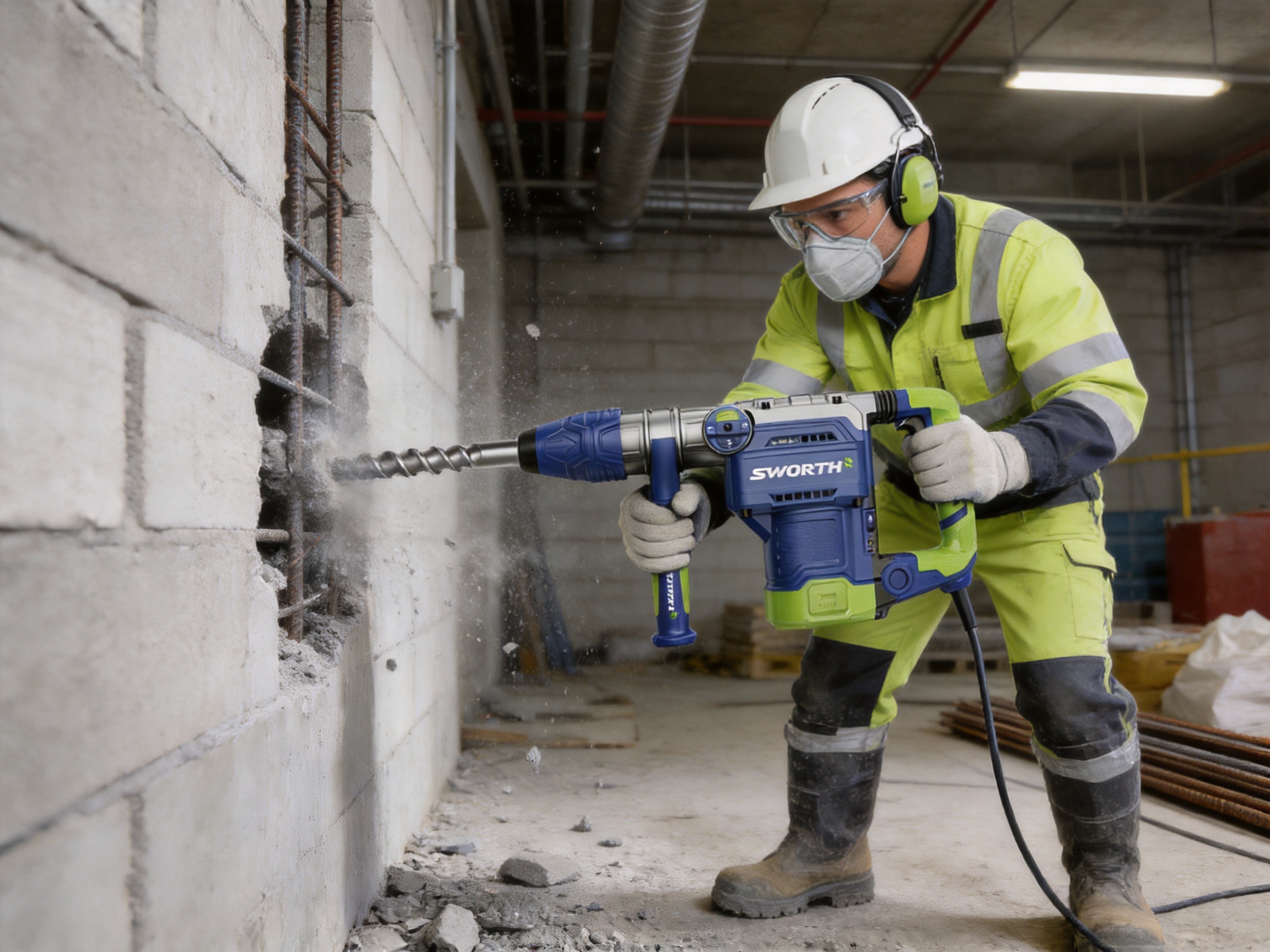
The SW945 can be used for controlled chiseling in soft block walls, including the creation of grooves for conduits and service routes. The operator can select a lower impact level and use an appropriate narrow chisel to remove material gradually. Careful layout and controlled pressure are essential for achieving a clean result.
Tile Removal and Surface Scraping
A flat chisel can be positioned at a suitable angle for tile removal and surface scraping. The multi-angle positioning function allows the user to set the chisel direction before starting. This can improve control when separating tile adhesive, mortar, plaster, or other surface materials.
Heavy Drilling in Reinforced Concrete
The 1,550-watt motor, 16-joule impact energy, and 45-millimeter maximum drilling capacity make the SW945 suitable for demanding drilling work in concrete when used with compatible accessories. Applications may include anchor holes, service penetrations, support installations, and structural construction tasks.
Brick and Stone Work
Brick and stone vary considerably in density and brittleness. The six-speed system allows the operator to begin with a controlled setting and increase the impact level when appropriate. This can help reduce unnecessary damage to surrounding areas while maintaining productivity.
Demolition and Material Removal
For heavier demolition, the machine can be used with suitable pointed or flat chisels. It may assist with breaking localized concrete sections, removing masonry, opening channels, and stripping surface layers. The safety clutch, dust-sealed head, reinforced sleeve, and vibration reduction are especially relevant in these conditions.
Manufacturing Strengths of Yongkang Siwei Technology Co., Ltd.
The product is supported by a manufacturer that integrates research and development, production, and sales. This structure can provide practical advantages because feedback from customers, engineering projects, and production teams can be connected to future product development.
The company emphasizes professional construction tools, including demolition hammers, chiseling tools, and related equipment. Its stated manufacturing philosophy focuses on professionalism and quality. This positioning is consistent with the SW945’s design, which combines high output with serviceability, operator protection, and durability-oriented components.
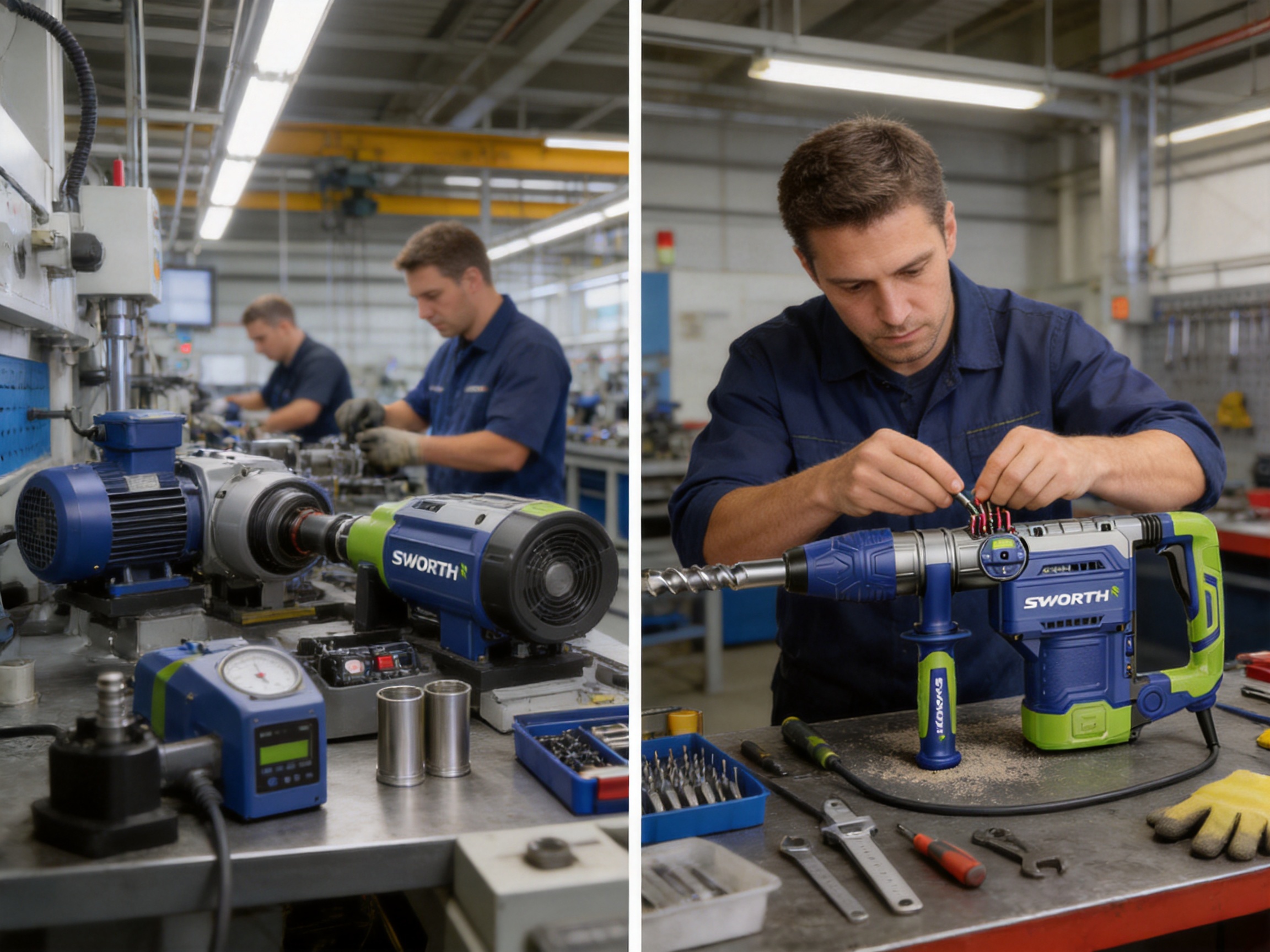
Manufacturing a high-impact rotary hammer requires control over multiple processes. These include material selection, component machining, motor assembly, transmission alignment, impact mechanism assembly, housing production, electrical inspection, and final performance testing. The quality of the finished tool depends on how these processes work together rather than on any single feature.
Research and Development Integration
In-house or closely coordinated research and development can help a manufacturer refine the relationship between motor power, impact energy, vibration, heat, and component life. For a rotary hammer, these variables must be balanced carefully. More impact force can improve productivity, but it also increases stress on the cylinder, piston, sleeve, housing, and operator.
The SW945’s six-speed constant-power system demonstrates an emphasis on control rather than simply maximum output. The multi-angle chisel function, status indicators, vibration reduction, and safety clutch further show that the design considers practical jobsite use.
Material and Component Quality
The company states that it uses high-quality materials and advanced processes to produce tools capable of withstanding harsh working conditions. In the SW945, this approach is reflected in the reinforced adapter sleeve, larger cylinder, heavy-duty motor, dust protection, and impact-resistant design priorities.
Material quality is important in high-load tools because components are repeatedly exposed to heat, pressure, vibration, and abrasive dust. Durable housing materials, properly treated metal parts, suitable insulation, and correctly selected bearings can all contribute to reliable operation.
Production Consistency
Professional buyers need more than a strong sample. They need consistent performance across production batches. Integrated production management can support repeatable assembly, inspection, and quality control. Consistency is especially important for distributors, contractors, and project purchasers who may order multiple tools for the same workforce.
Quality checks should address electrical safety, switch operation, no-load speed, impact behavior, abnormal noise, vibration, accessory engagement, and visual assembly condition. A structured inspection process helps identify defects before products reach the jobsite.
Experience in Construction Tools
The manufacturer specializes in demolition hammers and chisel cutting tools. This product experience is relevant to the SW945 because rotary hammer performance depends on understanding impact mechanisms, accessory interfaces, tool balance, and the real conditions of masonry work.
A company with experience in professional construction equipment is better positioned to design around practical problems such as dust ingress, hand fatigue, chisel orientation, overload reaction, and brush maintenance. These are not merely laboratory considerations; they directly affect the working life and usability of the machine.
Advanced Electronic and New-Energy Capabilities
Since 2024, the company has also developed expertise in green new-energy technologies, brushless motors, electronic controls, and intelligent battery platforms. Although the SW945 is a corded electric rotary hammer, this experience indicates that the manufacturer is expanding its capabilities in motor control and power-management systems.
Knowledge developed through brushless motor and electronic control projects can support broader engineering competence. Electronic control requires attention to current management, thermal behavior, motor efficiency, protection functions, and user interaction. These capabilities are increasingly important across both corded and cordless power tools.
The company’s cordless garden tool range includes lithium-ion lawn mowers, string trimmers, lawn tractors, hedge trimmers, electric pruning shears, and high-speed chainsaws. This broader product portfolio demonstrates experience with different categories of professional equipment and different operating environments.
For buyers, diversified engineering experience can be valuable when seeking a long-term manufacturing partner. It suggests that the supplier is not limited to one product type and may be able to support future product development, private-label programs, accessory systems, or transitions between corded and cordless platforms.
Why the SW945 Can Compete Effectively
The SW945 competes through a combination of performance, adjustability, protection, and practical usability. A competitor may offer high impact energy, but a machine that combines high output with six-speed control can be more adaptable across different tasks. Another product may have speed adjustment but lack a reinforced sleeve or safety clutch. The SW945 brings these elements together in one platform.
Its 45-millimeter drilling capacity gives it a useful range for professional construction. Its 16-joule impact energy supports demanding work, while the adjustable 1,900-to-3,800-BPM range helps users avoid operating at maximum force for every task.
The multi-angle chisel function is another competitive advantage. Contractors often perform work in difficult positions, and the ability to set the flat chisel direction can improve efficiency and comfort. The dust-sealed head and MAX-grade adapter sleeve further support durability in abrasive environments.
Operator protection also contributes to competitiveness. Vibration reduction, a soft anti-slip grip, a large trigger, and a safety clutch address common complaints associated with heavy rotary hammers. These features can help crews work more comfortably and reduce avoidable strain.
Finally, the manufacturer’s combined construction-tool experience and developing electronic-control capabilities provide a foundation for continued improvement. Buyers are not only evaluating one machine; they are often evaluating the reliability, technical support, product range, and development capacity of the supplier behind it.
Recommended Operating Practices
Before use, inspect the power cord, plug, housing, trigger, handle, adapter sleeve, and installed accessory. Confirm that the accessory is correctly fitted and suitable for the intended material. Check that the tool is disconnected from the power supply before changing accessories or carrying out maintenance.
Use the lowest practical speed for delicate chiseling and increase the setting only when the material and accessory require it. Do not force the tool by applying excessive body weight. The impact mechanism is designed to deliver the working force; excessive pressure may reduce efficiency and increase wear.
Keep the machine properly supported with both hands when required by the task. Maintain a stable stance and keep the power cord away from the drilling or chiseling area. Be aware of concealed pipes, cables, reinforcement, and other hazards before starting work.
Use appropriate eye, hearing, respiratory, hand, and foot protection. Concrete and masonry dust can be hazardous, and demolition work may create flying fragments. Dust extraction or wet-control methods should be used where appropriate and permitted by the work environment.
After operation, switch off and disconnect the machine. Remove dust from the exterior and ventilation openings, inspect the accessory holder, and store the tool in a dry, protected location. If the carbon brush indicator appears, arrange inspection or replacement by a qualified technician.
Maintenance Considerations
Regular maintenance helps preserve performance and extend service life. The operator should monitor unusual vibration, burning smells, reduced impact, unstable speed, excessive sparking, abnormal noise, or repeated clutch activation. These signs may indicate that the tool requires professional inspection.
The adapter sleeve should be kept clean and lubricated according to the manufacturer’s instructions. Accessories should be checked for cracks, deformation, blunt edges, or excessive wear. A damaged chisel or drill bit can reduce efficiency and create additional stress on the tool.
Ventilation openings must remain clear to support motor cooling. Dust buildup can restrict airflow and increase operating temperature. The power cord should be inspected for cuts, abrasion, exposed conductors, or loose connections. Damaged electrical components should be replaced rather than temporarily repaired.
Carbon brush replacement should be performed at the recommended interval or when indicated by the status light. Both brushes should normally be replaced together, and the service should be carried out by a qualified person using compatible parts.
Purchasing and Project Selection Guide
The SW945 is appropriate for buyers who need a powerful corded rotary hammer for frequent masonry, concrete, and demolition work. It is particularly suitable for professional contractors, engineering crews, renovation companies, utility installers, and building maintenance departments.
Before purchasing, assess the available power supply. The tool is rated for 220–240 volts at 50/60 hertz. Buyers should confirm that the local electrical system, extension equipment, plugs, and site conditions are compatible with this rating.
Consider the main work materials and hole sizes. If the work involves large holes in concrete, repeated chiseling, or heavy surface removal, the 16-joule impact rating and 45-millimeter drilling capacity may provide a useful performance margin. If the work consists mainly of small holes in soft masonry, a lighter machine may be more convenient.
Also consider transport and duty cycle. A heavy-duty tool is valuable when performance and durability are priorities, but crews should select equipment that matches the physical demands of the task. The SW945’s vibration reduction and ergonomic grip support comfort, but safe work planning and reasonable exposure periods remain necessary.
For distributors and professional procurement teams, the manufacturer’s wider tool portfolio may be an additional benefit. A supplier that offers demolition tools, rotary hammers, grinders, saws, and cordless garden equipment may simplify sourcing and support future product expansion.
Frequently Asked Questions
What type of tool is the SW945?
The SW945 is a corded electric rotary hammer designed for drilling, chiseling, scraping, tile removal, and demolition work in concrete, brick, stone, and other masonry materials.
What is the power input?
The rated power input is 1,550 watts, and the rated voltage is 220–240 volts at 50/60 hertz.
How much impact energy does it provide?
The SW945 is specified with 16 joules of impact energy. This supports demanding drilling and chiseling applications when the correct accessory and operating method are used.
What is the adjustable impact range?
The six-speed constant-power system provides an impact frequency from 1,900 to 3,800 beats per minute.
What is the maximum drilling capacity?
The stated maximum drilling capacity is 45 millimeters. Actual results depend on the material, bit, drilling method, and condition of the machine.
What is the purpose of the six-speed system?
The six-speed system allows users to select a more suitable impact level for different materials and tasks. Lower settings can support controlled chiseling, while higher settings can support heavy drilling and demolition.
Can the flat chisel be positioned at different angles?
Yes. The multi-angle toggle switch allows the flat chisel to be fixed in different positions, helping the operator maintain a suitable working direction.
How does the safety clutch help?
The safety clutch is designed to reduce sudden torque reaction when the accessory encounters resistance or binds. It helps reduce the risk of wrist sprains, but operators must still use proper technique and maintain a secure grip.
Does the tool include dust protection?
Yes. The head is dust-sealed to help reduce the entry of dust into the rotating area and limit internal wear. Regular cleaning and maintenance are still necessary.
What comfort features are included?
The machine includes vibration reduction, a soft rubber grip, an anti-slip handle surface, and an oversized trigger. These features are intended to improve control and reduce hand fatigue.
What do the indicator lights show?
The SW945 includes a power indicator light and a carbon brush indicator light. The power light confirms operating status, while the carbon brush indicator helps signal when brush inspection or service may be needed.
Who manufactures the SW945?
The SW945 is manufactured by Yongkang Siwei Technology Co., Ltd., a professional tool manufacturer integrating research and development, production, and sales.
Is the SW945 suitable for professional users?
Yes. Its power, impact energy, drilling capacity, reinforced components, control system, and protection features are intended for professional construction, renovation, engineering, and demolition applications.
What should be checked before operation?
Users should inspect the cord, plug, housing, switch, handle, adapter sleeve, accessory, and ventilation openings. They should also confirm that the accessory and operating setting are appropriate for the material.
Conclusion
The SW945 6-Speed Constant Power Rotary Hammer is designed for professional users who need substantial impact performance without sacrificing adjustability and control. Its 1,550-watt motor, 16-joule impact energy, 45-millimeter drilling capacity, and six-speed impact range give it the power required for difficult masonry and concrete work.
Its competitive value comes from the way these performance features are combined with practical protection and usability. The multi-angle flat chisel positioning system supports controlled surface work. The reinforced MAX-grade adapter sleeve is designed for repeated high-load operation. The dust-sealed head helps protect internal components, while vibration reduction, an anti-slip rubber grip, an oversized trigger, and a safety clutch improve operator support.
The product also benefits from the manufacturing capabilities of Yongkang Siwei Technology Co., Ltd. The company’s experience in professional demolition and chiseling tools, integrated research and production structure, emphasis on material quality, and developing expertise in electronic controls and new-energy systems provide a strong foundation for product development.
For contractors, distributors, and engineering purchasers seeking a versatile corded rotary hammer, the SW945 offers a practical combination of power, control, durability-oriented design, and jobsite functionality. Used with suitable accessories, proper maintenance, and responsible operating procedures, it can serve as a dependable machine for drilling, chiseling, scraping, tile removal, and demolition across a wide range of construction conditions.
References
1. Product technical specification sheet for the SW945 6-Speed Constant Power Rotary Hammer.
2. Product application and feature information supplied by the manufacturer.
3. General principles of rotary hammer operation, impact transmission, and masonry drilling practice.
4. General occupational guidance for power-tool safety, vibration exposure, dust control, and personal protective equipment.
5. General maintenance practices for corded electric motors, carbon brushes, accessory holders, and high-impact construction tools.
Product: SW945 6-Speed Constant Power Rotary Hammer
Recommended Products
-
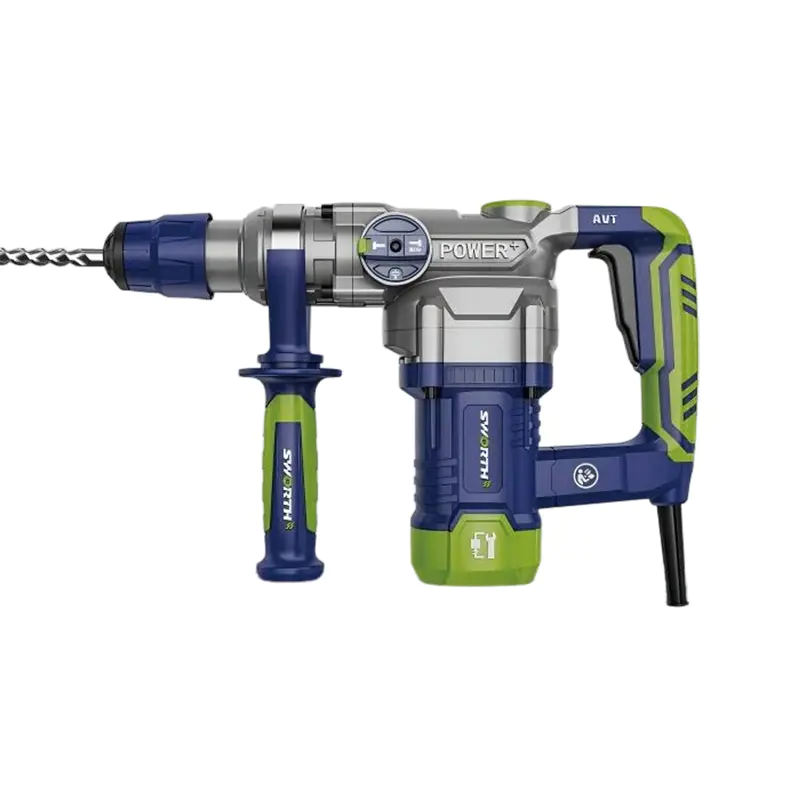


SW528 Small Hole Rebar Hammer
-
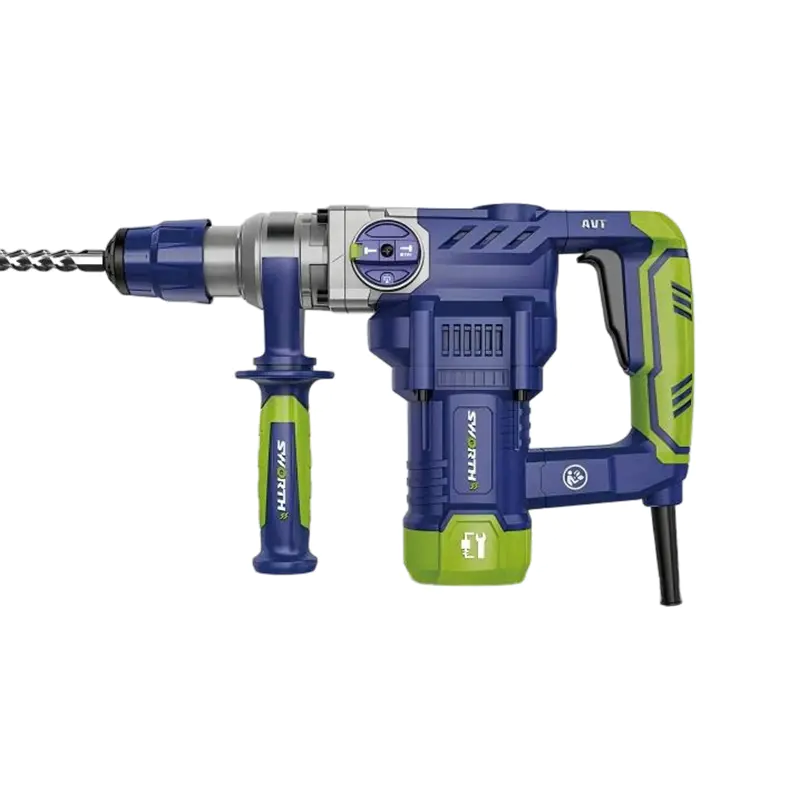
SW932 Groove Sandblasting Hammer
-
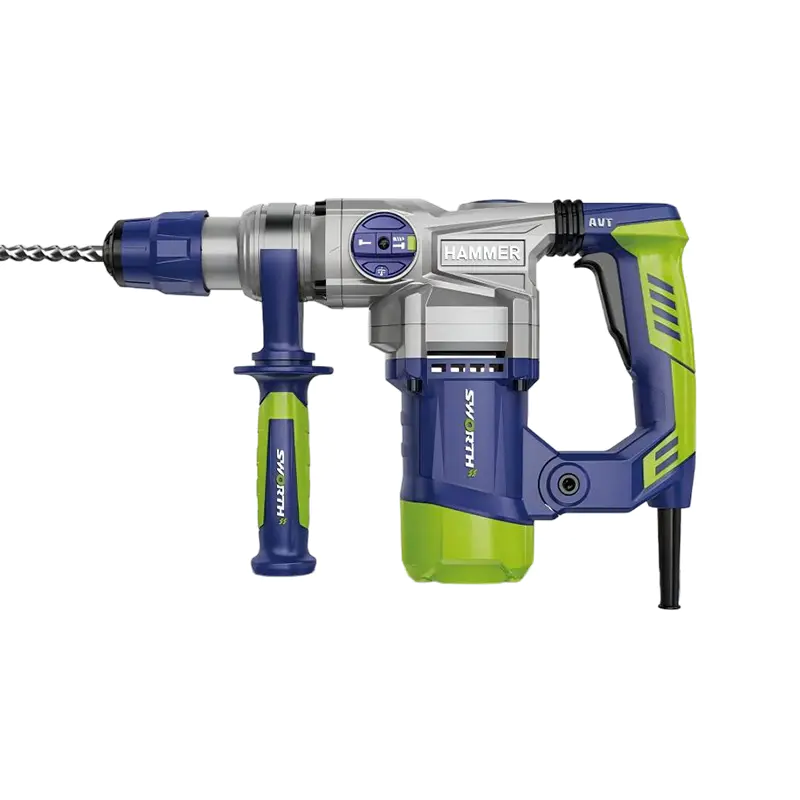
SW9362A Large Hole Rebar Hammer
-
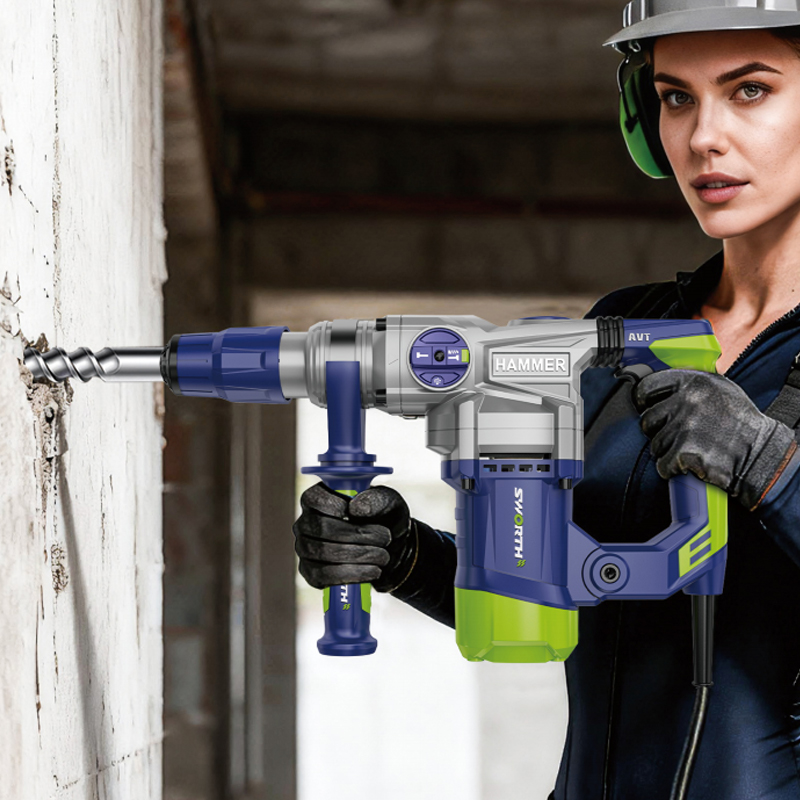
SW940 Enlarged Hole Rebar Hammer
-
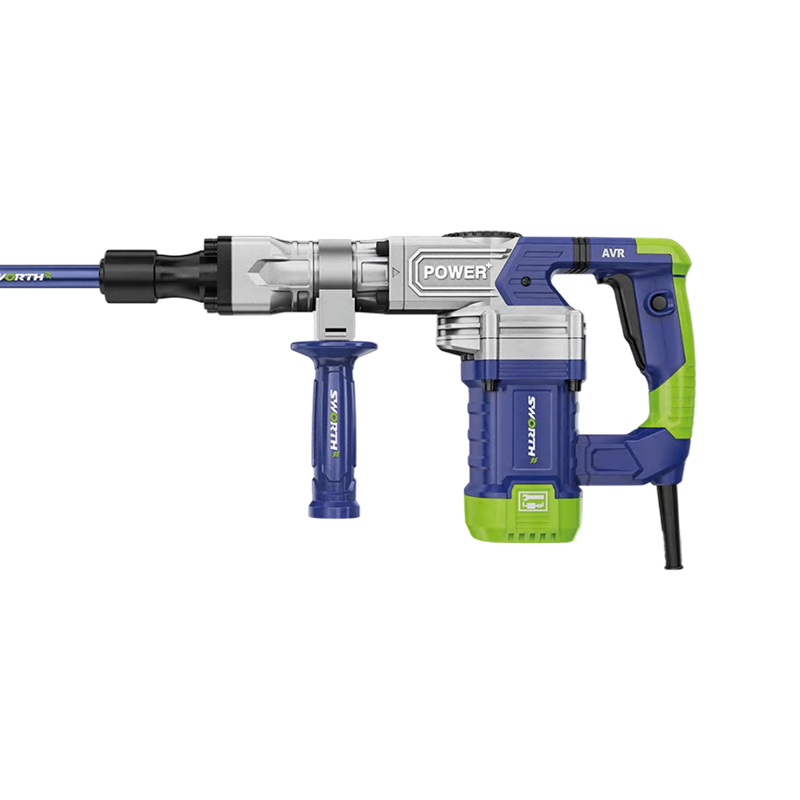
SW35S1 Powerful Demolition Hammer
-
SW35S2 High-Efficiency Heat Dissipation Demolition Hammer
-
SW9371 High-Power Demolition Hammer
-
SW9373 Anti-Scalding Carbon Brush Holder Demolition Hammer
-
SW535 Powerful Anti-Scalding Demolition Hammer
-
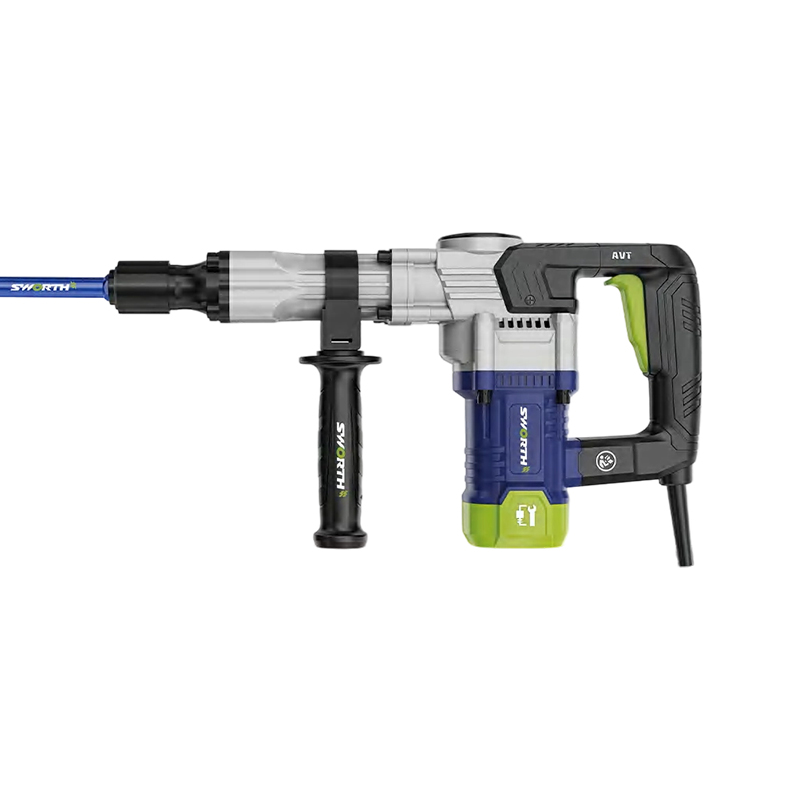
SW535-2 Durable Powerful Demolition Hammer
-
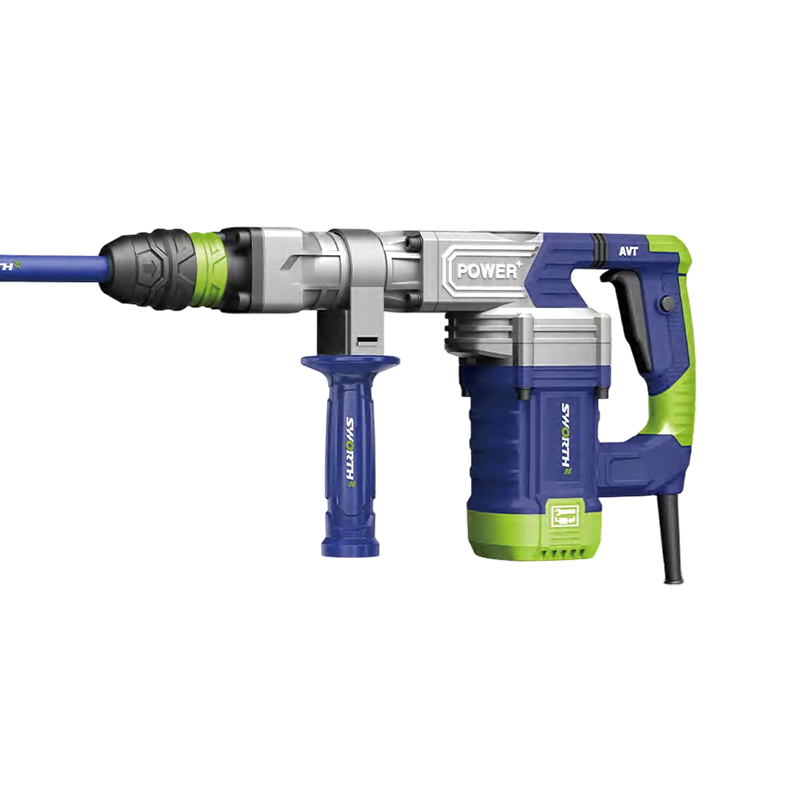
SW35S3 Five-Pipe Drill Bit Demolition Hammer
-

SW11E Five-Pipe Clamping Demolition Hammer
 +86-18314829275
 sale@sworthtools.com
 No. 101, Yugui Road, chengxi Industrial Zone, Yongkang City, Zhejiang Province, China
Copyright© Yongkang Siwei Technology Co., Ltd. All Rights Reserved

Hammer Tools & Cordless Garden Tools Manufacturer
