 English
 русский
 Español

1200W Groove Sandblasting Hammer: Professional Power, Safety, and Comfortable High-Frequency Operation
Groove cutting, sandblasting, channel opening, and demanding concrete preparation require more than a basic impact tool. Professional users need a machine that can deliver high impact energy, maintain stable performance under pressure, remain manageable during long working sessions, and protect both the operator and the internal mechanism when difficult materials are encountered. The SW932 Groove Sandblasting Hammer is designed around these requirements, combining a 1200W motor, 11J impact energy, a high impact rate, an intelligent safety clutch, a reinforced impact structure, and a relatively light 4.3KG body.
This combination gives the hammer a practical balance between force and control. Its motor is powerful enough for demanding construction work, while its compact housing and anti-slip soft-rubber handle help reduce fatigue during repeated operations. The tool is intended for professional users who need dependable performance when opening grooves, removing material, preparing surfaces, and carrying out other high-intensity hammering tasks.
Compared with ordinary hammers in the same general class, the SW932 places particular emphasis on impact efficiency, safety when reinforcement is encountered, pressure management inside the oil system, durability of the sleeve and cylinder, and comfortable handling. These details are important because productivity is not determined by motor wattage alone. A tool that is difficult to control, vulnerable to dust, prone to oil leakage, or uncomfortable during prolonged work can create higher operating costs even if its basic impact specification appears attractive.
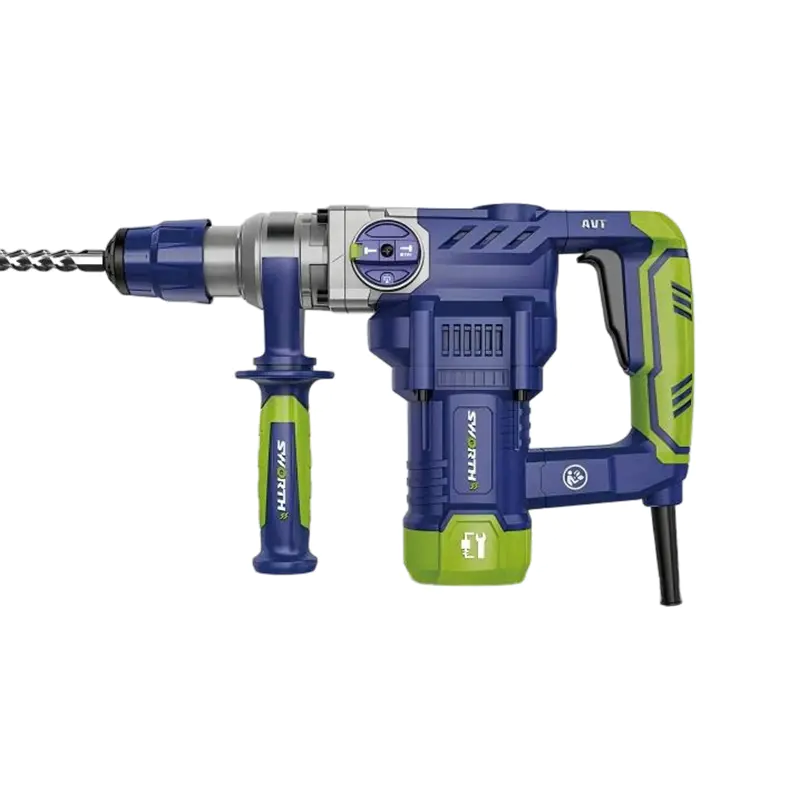
SW932 Groove Sandblasting Hammer
Designed for Demanding Groove and Sandblasting Work
The groove sandblasting hammer is intended for applications where a rotary hammer or demolition hammer must repeatedly break, remove, or open hard materials. Typical tasks may include creating channels for electrical wiring and plumbing, removing sections of concrete or masonry, preparing surfaces for installation, and carrying out controlled demolition work. These operations require repeated impacts rather than a single burst of power, so the internal mechanism must be able to transform motor rotation into consistent impact energy.
The SW932 is equipped with a rated input power of 1200W. This provides a strong electrical foundation for high-intensity work and helps the hammer maintain useful performance when the bit encounters dense concrete, masonry, or other resistant materials. The stated impact energy is 11J, a substantial level for a compact professional hammer. Impact energy determines how effectively each blow can fracture or loosen material, while the impact rate influences how rapidly the tool can continue working through a section.
The supplied product information lists a no-load impact speed of 4800bpm. Additional product notes state that the regular hammer speed is 4300BPM and that this model reaches 5100BPM in the described comparison. Because operating conditions and product configurations may affect the actual result, users should follow the rating on the specific unit and technical documentation supplied for their market. In practical terms, the design is intended to provide a faster and more forceful hammering action than a standard model in the same product family.
A high impact rate can improve productivity when removing material in layers or opening long grooves. However, speed must be supported by an appropriate impact structure. If the cylinder, sleeve, piston, or transmission components are not sufficiently robust, high-frequency operation can accelerate wear. For this reason, the SW932 combines its impact performance with an enlarged and thickened sleeve, a 30mm cylinder, an iron head, and a dust-resistant cap.
Key Technical Specifications
| Specification | Product Detail | Practical Significance |
|---|---|---|
| Product type | Groove sandblasting hammer | Suitable for groove opening, material removal, and high-intensity impact work |
| Rated voltage | 220–240V~, 50/60Hz | Designed for compatible mains power systems within the stated voltage range |
| Input power | 1200W | Provides a strong power reserve for demanding applications |
| Listed no-load impact speed | 4800bpm | Supports rapid repeated impacts during material removal |
| Product note regarding impact speed | Regular hammer: 4300BPM; described model: up to 5100BPM | Indicates an emphasis on increased impact frequency; verify the rating for the purchased configuration |
| Impact energy | 11J | Helps fracture and loosen hard construction materials |
| Approximate weight | 4.3KG | Balances substantial impact capability with improved portability |
| Stator diameter | Ø62 × 45H | Indicates the motor design dimensions used in the supplied configuration |
| Rotor diameter | Ø36 × 45H | Supports the motor's electromagnetic and mechanical design |
| Cylinder diameter | 30mm | Provides a robust foundation for the pneumatic impact mechanism |
Power That Supports Productivity
The 1200W motor is one of the central advantages of this hammer. In demanding construction environments, insufficient motor power can lead to slower progress, more frequent pauses, and greater dependence on operator pressure. A strong motor helps the tool maintain its operating cycle as the bit enters hard material. It also gives professional users greater flexibility when switching between groove opening, chipping, surface preparation, and controlled demolition tasks.
Motor power must be considered alongside the impact mechanism. Electrical input is converted into mechanical movement, and the quality of that conversion affects how much useful energy reaches the accessory. The SW932 uses a 30mm cylinder to support its impact system. The larger cylinder size is intended to contribute to stronger pneumatic action and a more forceful blow. This is particularly valuable when working on dense masonry or concrete where a low-energy impact can cause the bit to bounce rather than penetrate.
The 11J impact specification provides a clear indication that the tool is intended for more than light-duty drilling or occasional household repairs. Users can select suitable chisels and accessories according to the material and required groove profile. With correct technique, the hammer can help remove material efficiently while reducing the need for repeated manual strikes or slower tools.
Another benefit of a high impact rate is improved removal efficiency. When the tool delivers repeated blows at a rapid rate, the operator can work through a section more continuously. This is useful when creating channels for conduit, opening damaged masonry, removing tile bedding, or preparing a surface for subsequent construction. The operator should still avoid forcing the machine excessively. Allowing the impact mechanism to work at its designed rate generally offers better control and may reduce unnecessary stress on the bit and internal components.
Impact Performance Compared with Basic Models
Many entry-level hammers are designed primarily for occasional drilling and light chipping. Their lower impact energy and simpler safety systems may be adequate for minor repairs, but they can become inefficient in professional applications. The SW932 is differentiated by the combination of 1200W input power, 11J impact energy, high-frequency operation, and a reinforced internal structure.
The advantage is not simply that the tool is powerful. A professional hammer must also transfer power consistently, tolerate repeated loading, and remain usable when work continues for extended periods. The enlarged sleeve and strengthened head design are intended to support this type of duty. The resulting tool is positioned for users who value working speed and equipment resilience rather than only the lowest purchase price.
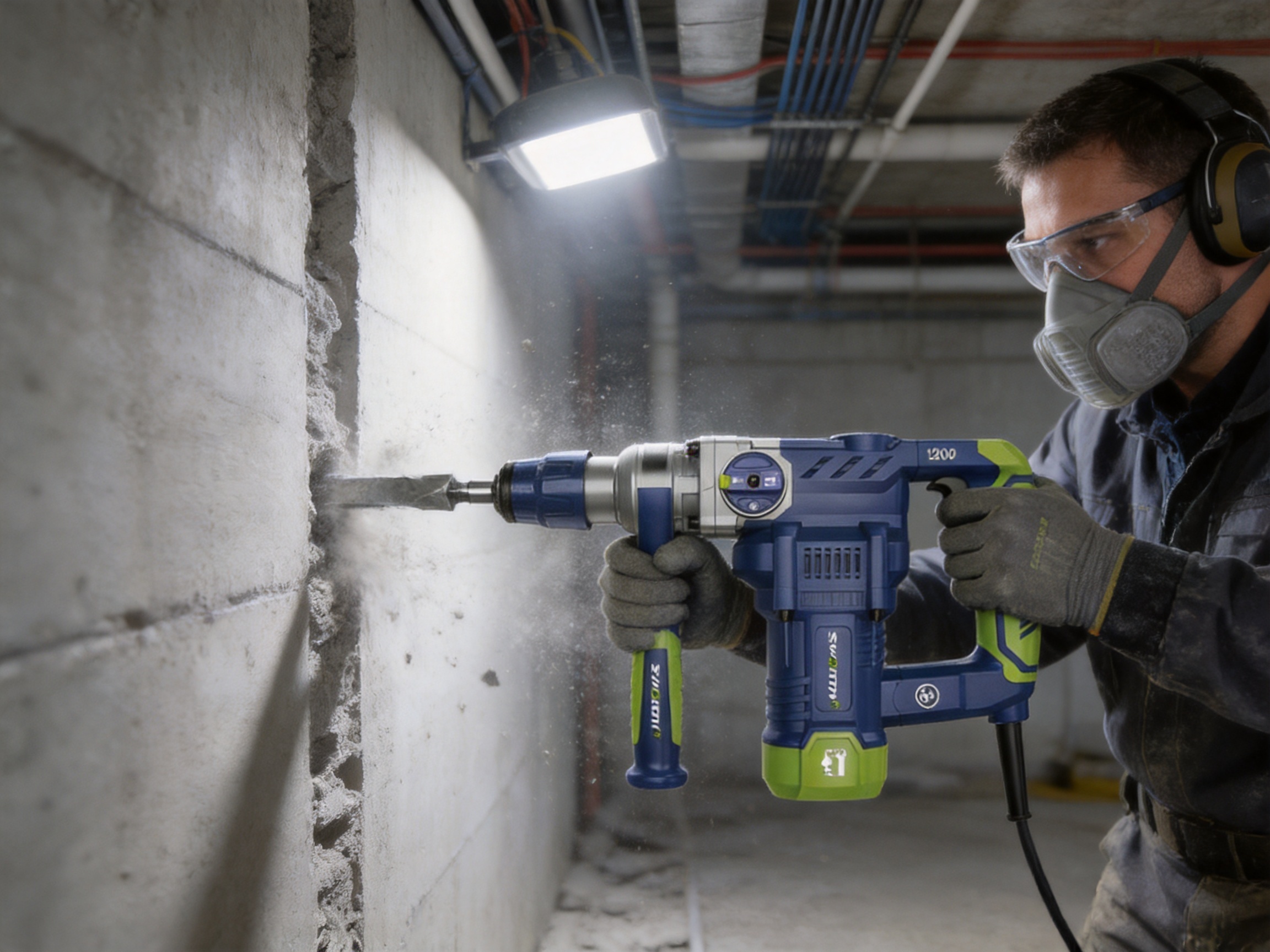
Intelligent Safety Clutch for Better Control
Reinforced concrete and masonry can contain steel bars, embedded fasteners, pipework, or other hidden resistance. When an accessory suddenly meets such an obstruction, the machine can react sharply. Without an effective protective system, the reaction may transfer to the operator's wrist and arms, interrupt the task, or place excessive stress on the transmission.
The SW932 uses an intelligent safety clutch designed to respond when the tool encounters excessive resistance or strikes reinforcement. The clutch automatically stops or interrupts the drive when the resistance reaches a dangerous level. This feature helps reduce sudden twisting forces and provides an important layer of protection during unpredictable construction work.
The safety clutch also benefits the tool itself. Abrupt resistance can overload gears, the impact transmission, and other drive components. By disconnecting or limiting the transmission under severe conditions, the clutch can help reduce mechanical shock and contribute to longer service life. It is not a substitute for correct operating technique, protective equipment, or material inspection, but it is a valuable safety and durability feature.
Compared with a basic hammer without a responsive clutch, a tool equipped with overload protection can be more suitable for professional renovation and construction environments. Operators may encounter varying material densities throughout the same wall or floor. A safety system that reacts automatically reduces dependence on the user's ability to predict every hidden obstruction.
Working Safely Around Reinforcement
Users should always hold the tool securely with both hands where the application requires it, maintain a stable stance, and keep the power cable away from the work area. Safety glasses, hearing protection, suitable gloves, protective footwear, and respiratory protection should be selected according to the material being removed. Dust extraction or suitable ventilation is also important when cutting or breaking concrete, masonry, or other dusty materials.
If the clutch activates, the operator should release the switch, allow the machine to stop, and investigate the obstruction. Continuing to force the hammer against a blocked accessory is not recommended. The bit should be withdrawn, the work area inspected, and a suitable method selected for dealing with the reinforcement or hidden object.
Compact 4.3KG Format for Extended Work
Heavy impact tools often deliver strong performance, but excessive weight can make them difficult to use on walls, ceilings, narrow channels, or elevated surfaces. The SW932 weighs approximately 4.3KG, giving it a practical balance between impact capability and portability. This is light enough to help reduce fatigue while still providing a substantial platform for an 11J impact system.
Weight affects more than comfort. A manageable tool is easier to position accurately, especially when the operator must follow a marked groove or maintain a consistent angle. Better positioning can help produce cleaner channels and reduce accidental damage around the work area. It also allows the user to change working positions more easily when handling a long wall, floor section, or multiple installation points.
For contractors and maintenance teams, a compact tool can simplify transportation between job sites. It occupies less space than a much larger demolition unit and can be selected for tasks that do not require the capacity of a heavy breaker. This makes the SW932 a practical middle ground between a light general-purpose hammer and a large demolition machine.
Long-duration work is influenced by vibration, grip position, tool balance, and the number of times the operator must lift or reposition the machine. The compact body and soft-rubber anti-slip handle are intended to improve handling comfort. The handle surface helps maintain grip in active working conditions, while the large switch is designed to be easier to press and hold during extended use.
Ergonomic Handle and Operator Comfort
Professional users may operate a hammer repeatedly throughout the day. A poorly designed grip can create pressure points and cause the hand to slide, particularly when dust, sweat, or protective gloves are present. The SW932 uses an anti-slip handle with soft rubber to provide a more secure and comfortable contact surface.
The soft-rubber material can help reduce discomfort caused by prolonged gripping. It also makes it easier for the operator to maintain control without squeezing the handle excessively. Reduced gripping force may help delay hand fatigue, especially during horizontal or overhead applications.
The large switch is another practical detail. A switch that is easy to access and press can simplify operation when the user is wearing gloves. It also reduces the need for awkward finger positioning. The control layout should always be used in accordance with the product instructions, and the operator should release the switch before repositioning, changing accessories, or carrying the tool.
Ergonomics are sometimes treated as a secondary consideration compared with wattage and impact energy. In professional work, however, comfort directly affects usable productivity. An operator who becomes tired may work more slowly, take more breaks, or have difficulty maintaining a precise path. By combining a manageable weight with a stable grip, the SW932 is designed to support sustained high-frequency operation without making the user feel burdened by the machine.
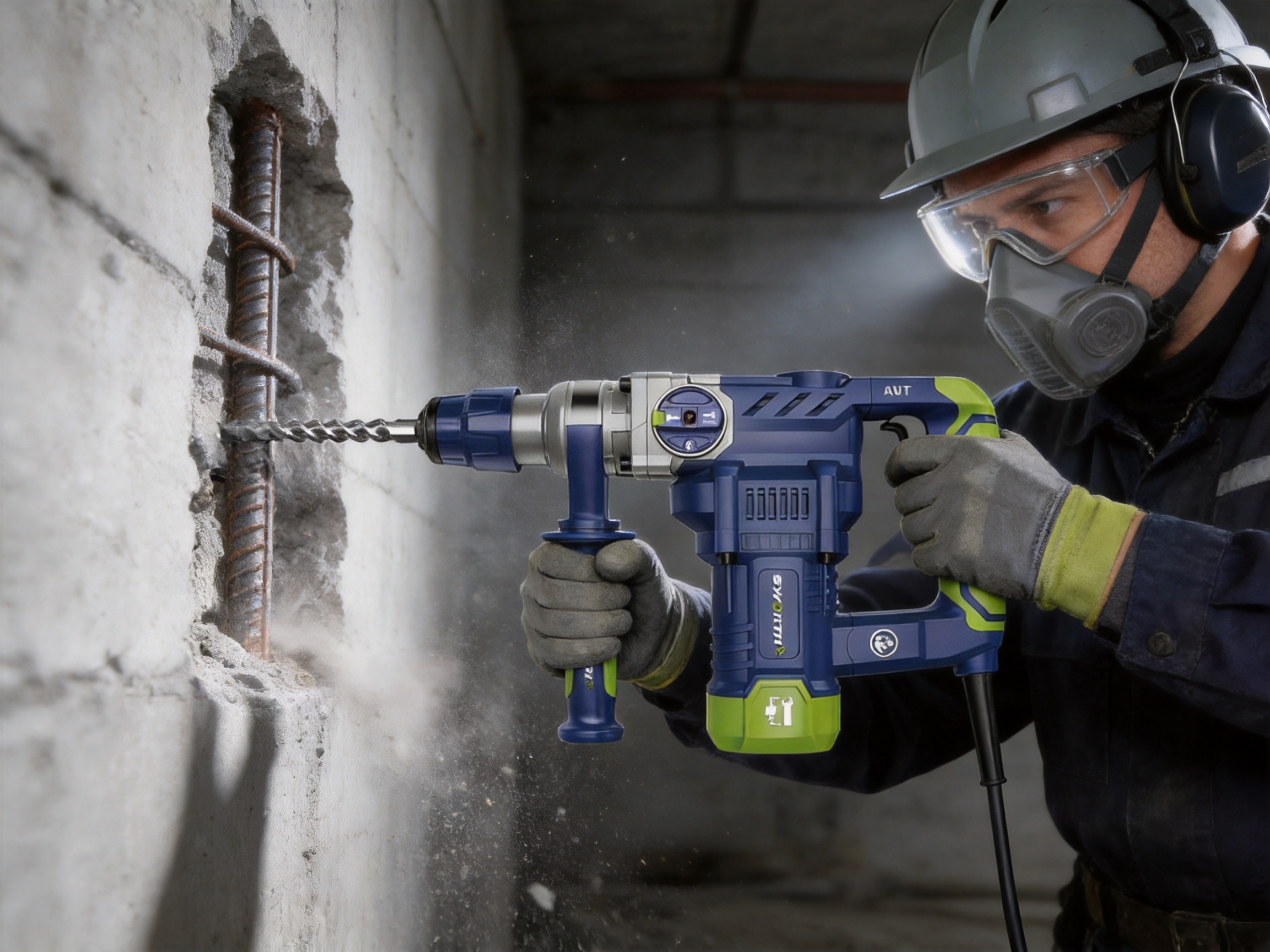
Reinforced Sleeve and 30mm Cylinder
The impact mechanism is exposed to repeated mechanical stress every time the hammer operates. The cylinder, sleeve, piston, and transmission components must work together with suitable alignment and lubrication. The SW932 includes a 30mm cylinder and an enlarged, thickened sleeve. These features are intended to provide a stronger working structure and improve resistance to wear.
A larger cylinder can support increased pneumatic displacement within the impact mechanism. In a properly matched design, this can contribute to stronger piston movement and a more substantial impact. It also provides a robust foundation for the tool's repeated hammering cycle. The actual performance depends on the complete engineering system, including the motor, crank mechanism, seals, lubrication, and accessory fit.
The enlarged and thickened sleeve is designed to be sturdier and more wear-resistant than a lighter construction. The sleeve guides the relevant moving components and must withstand repeated contact and vibration. A stronger sleeve can help maintain structural stability when the machine is used frequently on hard materials.
These internal design choices are important differentiators from low-cost tools that may use lighter components without sufficient consideration for sustained professional work. While all mechanical tools require maintenance and correct operation, robust components can provide a better foundation for service life and consistent performance.
Oil Pressure Management and Leakage Prevention
Lubrication is essential in an impact hammer. The moving components generate friction and heat, and the oil system helps reduce wear while supporting smooth mechanical operation. At the same time, pressure can build inside the housing as the tool operates. If pressure is not managed appropriately, it may contribute to oil leakage around seals or caps.
The SW932 includes an oil cap with a breathing hole. This opening is designed to release internal pressure and help prevent oil leakage. It is a small feature, but it reflects attention to the conditions that affect reliability during repeated operation. Controlling pressure can help maintain the intended lubrication environment and reduce the chance of oil escaping from vulnerable points.
Operators should keep the oil cap and surrounding area clean and should not block the breathing hole. The correct lubricant and maintenance interval should be determined from the supplied manual or service instructions. Adding unsuitable oil, overfilling the housing, or operating the tool with damaged seals can reduce performance and create additional maintenance problems.
Good lubrication management can also support the tool's impact efficiency. Excessive friction may consume energy and create heat, while insufficient lubrication can accelerate wear. The oil cap design, combined with appropriate manufacturing tolerances and assembly procedures, contributes to the reliability expected from a professional hammer.
Iron Head and Anti-Dust Protection
Construction environments are often filled with fine dust produced by concrete, brick, mortar, plaster, and other materials. Dust can enter through openings around the accessory or sleeve and may contaminate the internal mechanism. Abrasive particles can increase wear on moving parts and reduce the effectiveness of lubrication.
The SW932 uses an iron head with an anti-dust cap. The iron head provides a strong front structure for demanding impact applications, while the cap helps prevent dust from entering the sleeve. By limiting contamination at this important point, the design aims to reduce internal wear and help maintain smoother operation over time.
Dust protection is particularly relevant to groove cutting and sandblasting work because these applications can create large quantities of fine debris. The anti-dust cap does not eliminate the need for cleaning. Users should remove accumulated material from the front area, inspect the cap for damage, and replace worn components according to the service instructions.
Compared with a tool that leaves the sleeve more exposed, a protected front mechanism can offer an advantage in harsh working environments. It supports the broader durability strategy of the product, which includes the reinforced sleeve, thickened components, pressure-relieving oil cap, and safety clutch.
Manufacturing Strengths and Engineering Approach
The manufacturer, Yongkang Siwei Technology Co., Ltd., integrates research and development, production, and sales. Its stated manufacturing philosophy is based on professional focus and quality-first production. The company uses advanced processes and selected materials to develop tools intended to withstand demanding working conditions.
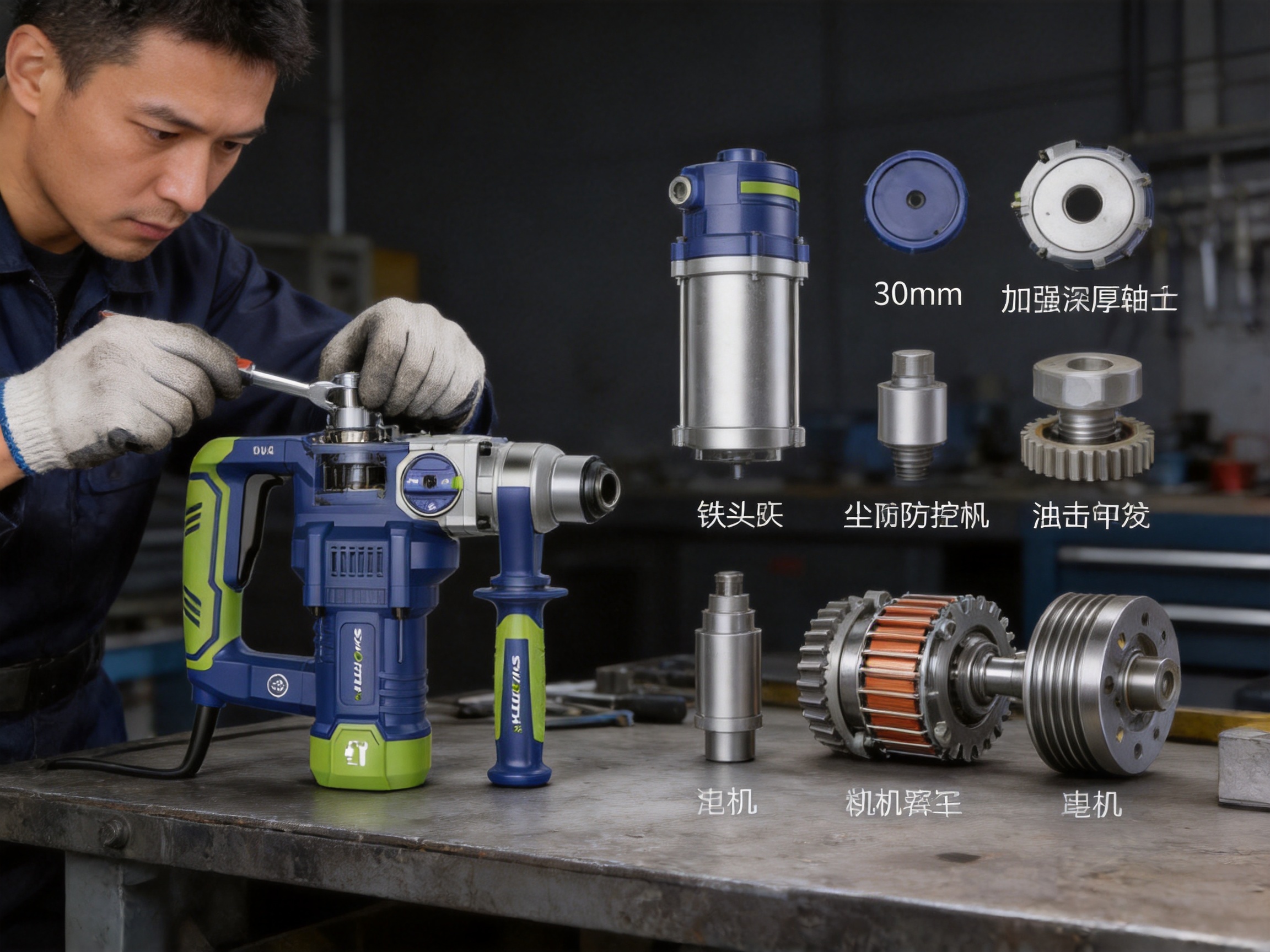
For a professional hammer, manufacturing quality involves more than assembling a motor into a housing. It includes the selection of magnetic materials and copper components for the motor, machining accuracy for the cylinder and sleeve, gear alignment, sealing quality, lubrication control, switch reliability, handle molding, and final functional inspection. Each of these elements can influence the user's experience and the tool's service life.
The supplied motor dimensions include a stator diameter of Ø62 × 45H and a rotor diameter of Ø36 × 45H. These measurements indicate a defined motor architecture rather than an unspecified power unit. Consistent production of stator and rotor components is important for maintaining the intended electromagnetic performance, balance, and heat behavior of the motor.
Quality control is also important in the impact assembly. The moving parts must be aligned so that the motor's rotation is efficiently converted into reciprocating impact. Excessive clearance may reduce energy transfer, while insufficient clearance can increase friction and heat. A professional manufacturing process therefore requires appropriate machining, assembly control, lubrication, and testing.
The company's specialization in demolition hammers and chisel cutting tools provides a focused product-development foundation. Experience with impact tools allows manufacturers to concentrate on the practical details that matter in construction: resistance to vibration, accessory retention, front-end durability, safe overload response, and comfortable operation.
Material and Component Selection
High-intensity tools require materials that can tolerate repeated shock. The iron head and thickened sleeve are examples of component choices intended to support durability in the front impact area. The handle uses soft rubber for improved grip, while the internal structure is designed around the demands of a 1200W motor and 11J impact system.
Material selection must be supported by proper processing. A strong material can still fail if it is poorly machined, improperly heat-treated, or assembled with insufficient control. For this reason, advanced manufacturing should be understood as a complete process involving design validation, component production, assembly, and quality inspection.
The manufacturer also reports experience in electronic controls and high-efficiency brushless motor systems for cordless garden tools since 2024. Although the SW932 is a corded hammer, this wider engineering experience demonstrates an interest in motor efficiency, electronic control, battery platforms, and practical power delivery. Such technical capabilities can support continued development across different categories of professional equipment.
Why the SW932 Can Be a Strong Alternative to Basic Competitors
When comparing hammers, buyers often focus on one number, such as input power or impact energy. A more useful comparison considers the whole operating system. The SW932 combines several features that are not always found together in a compact tool.
| Comparison Area | SW932 Design Advantage | Value for Professional Users |
|---|---|---|
| Power reserve | 1200W rated input | Supports demanding impact work and helps maintain productivity |
| Impact force | 11J impact energy | Improves material fracture and removal capability |
| Impact frequency | Listed 4800bpm, with product notes describing higher-speed operation | Supports rapid repeated blows during groove and chipping work |
| Overload response | Intelligent safety clutch | Helps limit sudden reaction and protect the transmission |
| Portability | Approximately 4.3KG | Makes the machine easier to move and use for extended periods |
| Front-end durability | Enlarged thickened sleeve and iron head | Provides a stronger structure for repeated impact loading |
| Dust resistance | Anti-dust cap | Helps limit abrasive contamination around the sleeve |
| Pressure management | Oil cap with breathing hole | Helps release pressure and reduce the possibility of oil leakage |
| Operator handling | Soft-rubber anti-slip grip and large switch | Improves comfort and control during frequent operation |
A basic competitor may offer a lower price, but a lower initial cost does not always mean lower total ownership cost. If a tool works slowly, overheats, causes excessive fatigue, or requires frequent replacement of wear components, the cost of downtime can exceed the initial savings. The SW932 is designed to address several of these concerns through its power, safety, durability, and ergonomic features.
The model is also more focused than a general household hammer. Its specifications and structure are directed toward professional users who need repeated impact performance. Contractors, renovation teams, installers, maintenance departments, and equipment distributors can evaluate it as a dedicated tool for demanding jobs rather than as a multipurpose light-duty device.
Applications in Construction and Renovation
One important application is groove opening for electrical and plumbing installations. The operator can use a suitable accessory to create channels in masonry or concrete for conduit, cable, pipe, and other building services. The 11J impact energy and high impact rate can help remove material efficiently, while the manageable body supports better control along a marked line.
The hammer can also support surface preparation. Old mortar, tile bedding, damaged concrete, and hardened deposits may need to be removed before repair or installation. Chiseling allows the operator to expose a sound surface, remove loose sections, or prepare an area for bonding and finishing.
Controlled demolition is another suitable application. The tool can assist with removing small sections of masonry, breaking localized concrete, opening access points, and dismantling non-structural materials. Users must verify the structure before beginning work and must follow all applicable construction and safety requirements. The safety clutch helps respond to unexpected resistance, but it does not replace professional assessment of structural risks.
Maintenance contractors may find the hammer useful when working in different locations. Its 4.3KG weight makes it easier to transport than a larger breaker, while its 1200W motor provides more capacity than a light chipping tool. This balance can be valuable for service teams that need one dependable machine for varied repair and installation tasks.
Recommended Operating Practices
Before use, inspect the power cable, plug, switch, housing, handle, front cap, and accessory-retention area. Do not operate the hammer if the cable is damaged, the housing is cracked, or a protective component is missing. Confirm that the voltage available at the worksite corresponds to the stated 220–240V~, 50/60Hz rating.
Select an accessory suited to the material and the intended task. A suitable chisel should be correctly installed and secured before the machine is connected to power. The accessory should be sharp enough and in good condition. A damaged or badly worn accessory may reduce productivity and increase vibration.
Mark the groove or removal area before starting. Position the tool securely, apply controlled pressure, and allow the impact mechanism to perform the work. Excessive downward force can reduce maneuverability and place unnecessary stress on the machine. If progress slows significantly, inspect the bit, material, and working angle rather than simply increasing pressure.
When the tool reaches reinforcement or an unusually hard obstruction, stop and investigate. The intelligent safety clutch is designed to assist with sudden resistance, but it should not be repeatedly triggered as a normal working method. Repeated clutch activation may indicate an unsuitable accessory, an incorrect application, or an obstruction that requires a different procedure.
After use, disconnect the power before changing accessories, cleaning the machine, or performing an inspection. Remove dust from the exterior and front-end area. Store the hammer in a dry, protected location away from excessive heat, moisture, and corrosive substances.
Maintenance and Service Considerations
Regular maintenance helps preserve the performance of any impact tool. The operator should follow the recommended inspection and lubrication schedule in the product manual. The oil cap, breathing hole, seals, sleeve, dust cap, switch, cable, and accessory holder should be checked at suitable intervals.
The breathing hole in the oil cap should remain clear. If oil appears around the cap or front housing, the machine should be stopped and inspected. Oil leakage may result from overfilling, a damaged seal, blocked pressure relief, or another service issue. Prompt attention can prevent a small problem from developing into a larger mechanical failure.
The anti-dust cap should be kept clean and replaced if it becomes torn, hardened, or otherwise unable to perform its protective function. Dust entering the sleeve can increase wear and contaminate the lubrication system. Cleaning the front of the tool after dusty operations is a simple measure that can contribute to longer service life.
Carbon brushes, switches, bearings, gears, and impact components are wear items or service components that may eventually require inspection. Repairs should be performed by qualified technicians using correct replacement parts. Unauthorized modifications may compromise the safety clutch, electrical insulation, mechanical alignment, or warranty coverage.
Maintenance should also include attention to ventilation openings. The motor requires adequate airflow for heat dissipation. Dust buildup around ventilation areas may restrict cooling and contribute to overheating. The hammer should never be operated with blocked vents or covered air passages.
Quality, Reliability, and Professional Supply Capability
Yongkang Siwei Technology Co., Ltd. presents itself as a professional tool manufacturer serving domestic and international markets. Its business model integrates research and development, production, and sales, allowing product design and manufacturing feedback to be connected more closely. This type of integration can help improve product consistency and support ongoing refinement.
The company states that it focuses on professional quality and uses advanced processes and high-quality materials. For distributors and project buyers, manufacturing capability is important because they need more than an attractive sample. They require consistent specifications, stable production, dependable packaging, technical communication, and responsive after-sales support.
A professional supplier should be able to explain product ratings, accessory compatibility, maintenance requirements, packaging details, inspection procedures, and available service parts. Buyers placing larger orders should confirm the applicable voltage, plug configuration, labeling, color, documentation, and test requirements before production. These details help ensure that the product is suitable for the intended market.
The manufacturer's experience with demolition hammers and chisel cutting tools is especially relevant to the SW932. A focused product range enables attention to impact-tool engineering rather than treating the hammer as an incidental product. Details such as the safety clutch, pressure-relief oil cap, anti-dust cap, reinforced sleeve, and ergonomic switch indicate that the product has been developed around real job-site requirements.
In addition to corded impact tools, the company reports development of cordless garden equipment, brushless motors, electronic control systems, and intelligent battery platforms. This broader technical capability reflects experience in power conversion, motor control, thermal considerations, and product ergonomics. It also suggests a manufacturing organization capable of supporting different tool technologies while maintaining a professional engineering orientation.
Procurement Guidance for Distributors and Contractors
When evaluating a groove sandblasting hammer for commercial purchase, the buyer should begin by identifying the main applications. If the tool will be used for occasional light repair, a smaller model may be sufficient. If the work involves repeated groove opening, chipping, concrete preparation, or localized demolition, the 1200W and 11J specifications of the SW932 provide a stronger performance platform.
The work environment should also be considered. Dusty construction areas make the anti-dust cap especially relevant. Projects involving reinforced concrete or uncertain material composition benefit from the additional protection of a safety clutch. Long work cycles make the 4.3KG weight, soft-rubber grip, and large switch more important than they might be for a short repair.
Distributors should evaluate not only the product specification but also supplier communication and production support. Important questions include whether the listed rating applies to the exact model configuration, what accessories are included, which spare parts are available, how packaging is arranged, and what inspection documentation can be supplied. Clear communication helps avoid confusion between no-load impact speed, standard production speed, and actual working performance.
Contractors should compare the expected productivity of the tool with the cost of labor and downtime. A durable, comfortable hammer can reduce interruptions and help maintain a consistent working rhythm. The value of the SW932 therefore extends beyond the motor label. Its advantage lies in the interaction of power, impact rate, safety, durability, dust protection, pressure management, and handling comfort.
Environmental and Workplace Considerations
The SW932 is a corded electric tool rated for 220–240V~, 50/60Hz. Corded operation provides continuous power without battery charging or battery replacement during a work shift. This can be useful for stationary construction areas and workshops where a suitable electrical supply is available.
At the same time, cord management is essential. The cable should be routed away from water, sharp edges, hot surfaces, moving equipment, and the path of the accessory. Extension cords, if permitted and necessary, should have an appropriate rating and length. Voltage drop can affect performance, while an undersized cable can create heat and safety risks.
Noise and dust are normal concerns with impact work. Hearing protection should be used, and the work area should be ventilated. Where possible, dust control methods should be applied to reduce airborne particles. The anti-dust cap protects the tool's internal mechanism, but it does not protect the operator from dust. Personal protective equipment remains necessary.
Efficient operation can also support responsible equipment use. Selecting the correct accessory, avoiding unnecessary pressure, maintaining lubrication, and keeping the cooling passages clean can help the tool work effectively without avoidable energy loss. Proper maintenance may extend service life and reduce the environmental impact associated with premature equipment replacement.
Frequently Asked Questions
What is the SW932 Groove Sandblasting Hammer designed for?
It is designed for high-intensity impact applications such as groove opening, sandblasting-style material removal, chiseling, concrete and masonry preparation, and localized demolition. The correct accessory should be selected for each material and task.
How powerful is the hammer?
The hammer has a rated input power of 1200W and a stated impact energy of 11J. These specifications position it as a professional-grade impact tool for demanding construction and renovation work.
What is the impact speed?
The supplied technical information lists a no-load impact speed of 4800bpm. Product notes also describe a regular hammer speed of 4300BPM and a higher-speed configuration reaching 5100BPM. Buyers should confirm the rating printed on the specific unit and its technical documentation.
How much does the tool weigh?
The approximate weight is 4.3KG. This provides a balance between substantial impact performance and manageable handling during extended work.
How does the safety clutch work?
The intelligent safety clutch is designed to respond when the accessory encounters excessive resistance, including hidden reinforcement. It automatically stops or interrupts the drive to help reduce sudden reaction forces and protect the transmission. The operator should still release the switch and inspect the obstruction.
Can it be used on reinforced concrete?
It can be used for suitable reinforced-concrete tasks, but the work must be assessed carefully. When the accessory contacts reinforcement, the safety clutch can provide additional protection. It is important to follow site safety procedures and use the correct method for cutting or removing steel.
What is the purpose of the 30mm cylinder?
The 30mm cylinder supports the pneumatic impact mechanism. Its size is intended to contribute to stronger impact movement and provide a robust foundation for repeated hammering.
Why does the tool have an enlarged and thickened sleeve?
The enlarged and thickened sleeve is designed to improve structural strength and resistance to wear in the front impact assembly. This is useful for frequent operation on hard materials.
What does the breathing hole in the oil cap do?
The breathing hole helps release internal pressure. This design is intended to reduce the possibility of oil leakage during operation. The hole should remain clean and unobstructed.
How does the anti-dust cap improve durability?
The anti-dust cap helps limit the entry of abrasive dust into the sleeve. Reduced contamination can help lower wear on internal components, especially during dusty groove cutting and masonry work.
Is the handle suitable for long periods of use?
The tool has an anti-slip handle with soft rubber and a large switch. These features are intended to improve grip security, pressing comfort, and operator control during extended or high-frequency work. Appropriate breaks and safe handling practices are still necessary.
What power supply does the hammer require?
The rated supply is 220–240V~, 50/60Hz. The electrical system at the worksite must be compatible with this rating, and the cable and any extension equipment must be suitable for the tool's power requirement.
Who can benefit most from this tool?
Professional contractors, renovation teams, installation workers, maintenance departments, engineering projects, and tool distributors can benefit from its combination of power, impact energy, safety protection, manageable weight, and reinforced construction.
What should be checked before purchasing in bulk?
Bulk buyers should confirm the exact voltage, plug, included accessories, packaging, labeling, impact-speed rating, documentation, spare-parts support, inspection requirements, and delivery terms. The supplier should also clarify any market-specific configuration.
Conclusion
The SW932 Groove Sandblasting Hammer is engineered for users who need a compact but powerful solution for demanding impact work. Its 1200W motor and 11J impact energy provide the force required for groove opening, chiseling, material removal, and localized demolition. The high impact rate supports efficient progress, while the 30mm cylinder and reinforced sleeve are intended to maintain a strong and durable impact structure.
Its main advantage over simpler competing hammers is the combination of performance and protection. The intelligent safety clutch helps respond to sudden resistance and reinforcement, the oil-cap breathing hole helps manage pressure, and the iron head with anti-dust cap helps protect the front-end mechanism. These features address common causes of discomfort, downtime, and premature wear in harsh construction environments.
The approximately 4.3KG weight, soft-rubber anti-slip handle, and large switch make the machine easier to control during long, high-frequency tasks. This ergonomic focus complements the power of the motor and helps the tool remain practical in real working conditions.
Supported by a manufacturer specializing in demolition hammers, chisel cutting tools, motor systems, and professional equipment production, the product reflects a focused approach to construction-tool engineering. For contractors, distributors, and engineering users seeking a reliable corded hammer with strong impact capability, safety features, and professional manufacturing support, the SW932 offers a well-balanced choice.
References
1. Product technical information supplied for the SW932 Groove Sandblasting Hammer, including electrical rating, impact energy, weight, motor dimensions, cylinder design, and protective features.
2. Manufacturer information concerning the development, production, and sales capabilities of Yongkang Siwei Technology Co., Ltd.
3. General occupational safety principles for electric impact tools, including personal protective equipment, electrical safety, dust control, and safe operation around reinforcement.
4. General engineering principles for pneumatic impact mechanisms, lubrication systems, overload protection, dust resistance, and mechanical wear management.
5. General construction-tool maintenance practices covering accessory inspection, cable inspection, lubrication, ventilation cleaning, pressure management, and professional servicing.
Product: SW932 Groove Sandblasting Hammer

Recommended Products
-
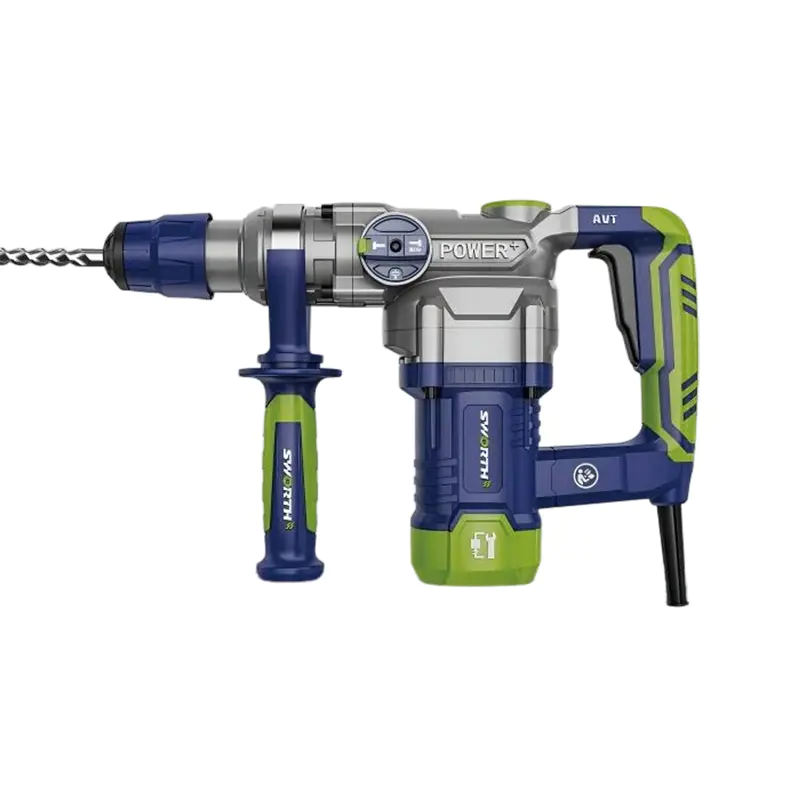


SW528 Small Hole Rebar Hammer
-
SW932 Groove Sandblasting Hammer
-
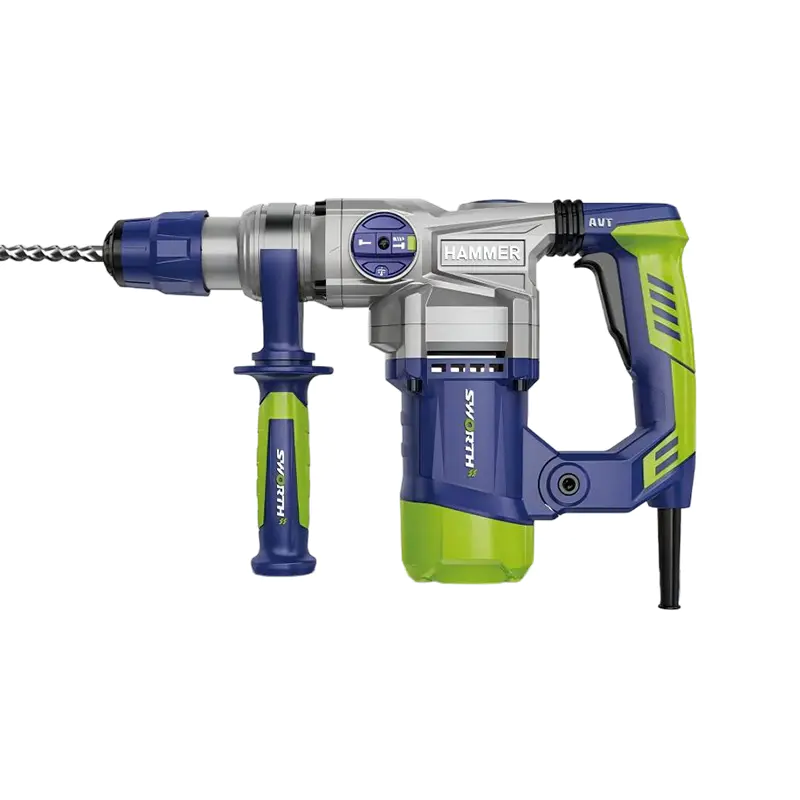
SW9362A Large Hole Rebar Hammer
-
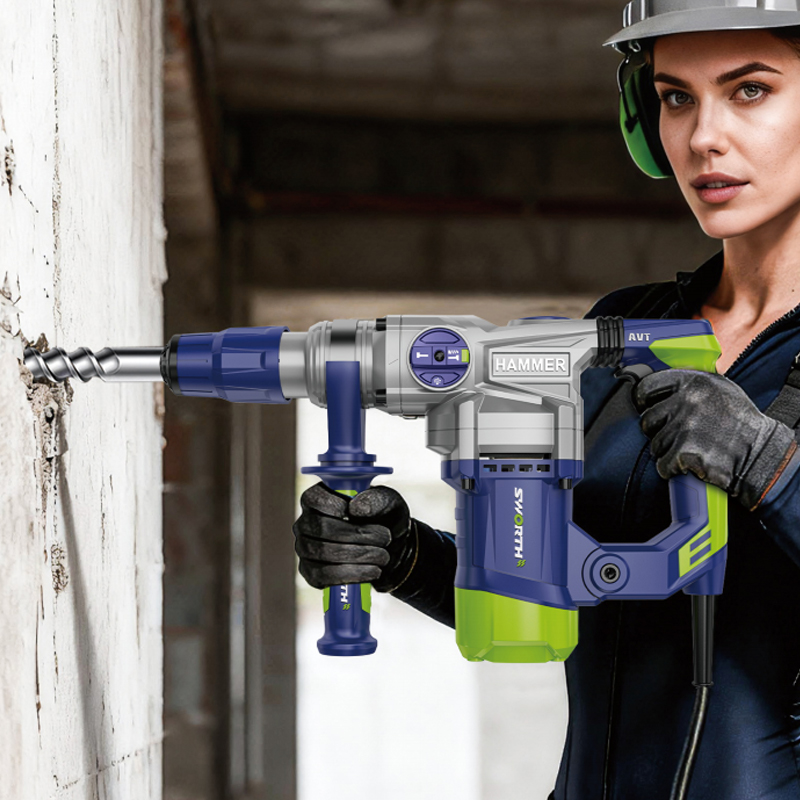
SW940 Enlarged Hole Rebar Hammer
-
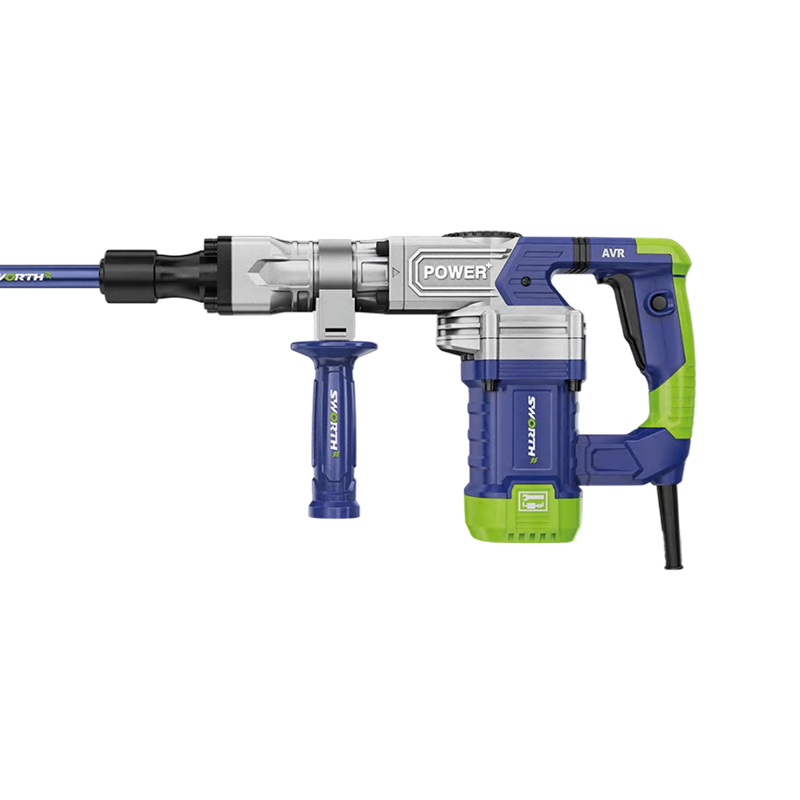
SW35S1 Powerful Demolition Hammer
-
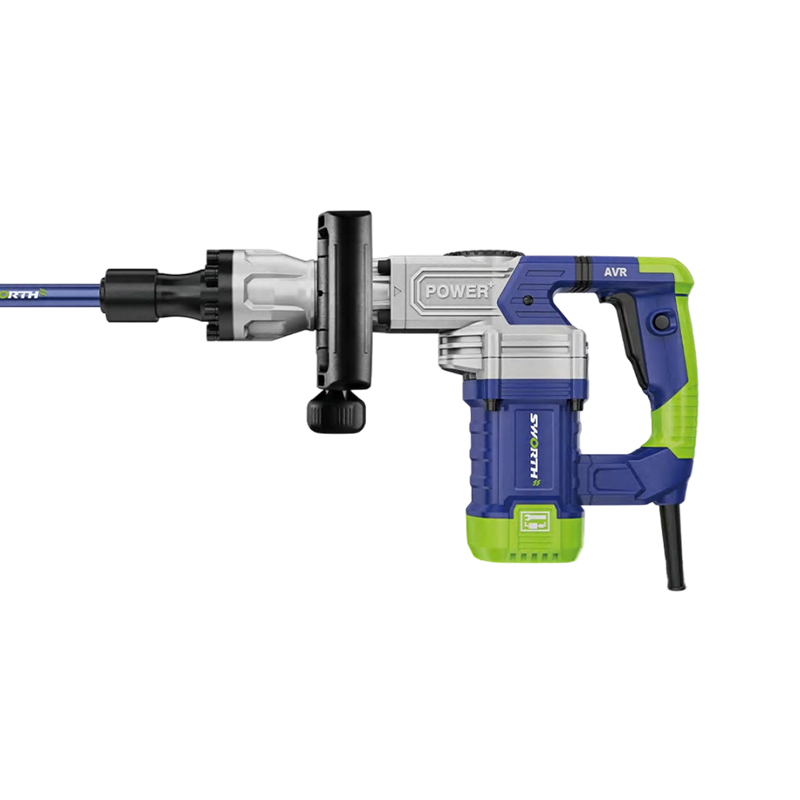
SW35S2 High-Efficiency Heat Dissipation Demolition Hammer
-
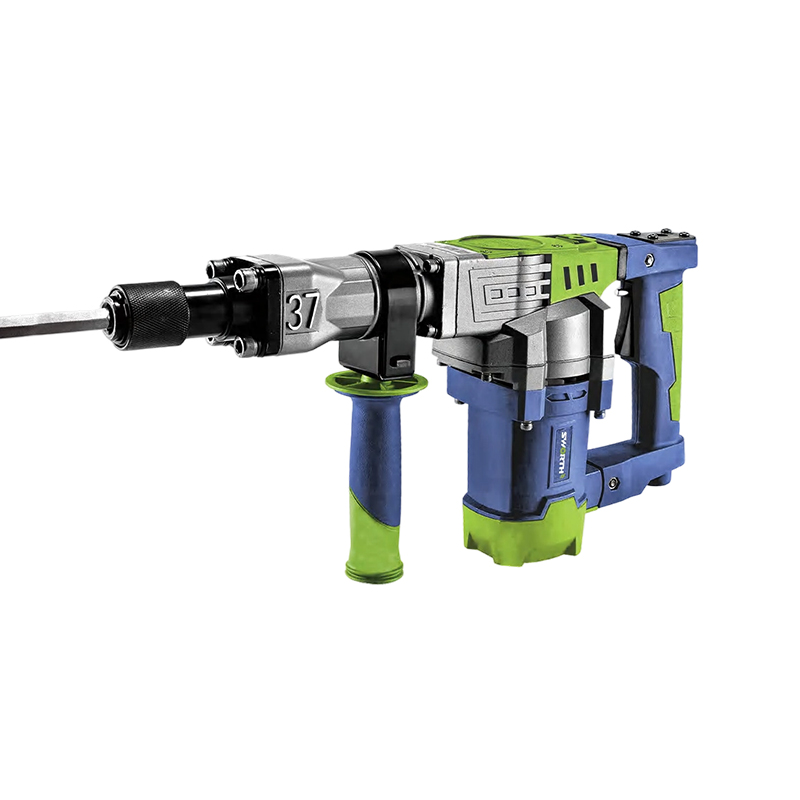
SW9371 High-Power Demolition Hammer
-
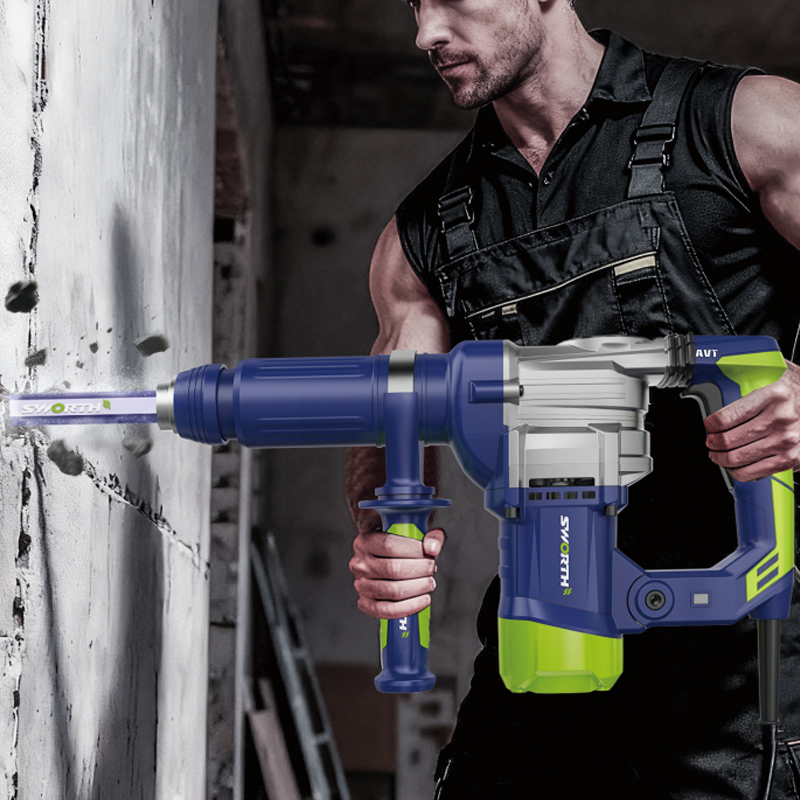
SW9373 Anti-Scalding Carbon Brush Holder Demolition Hammer
-
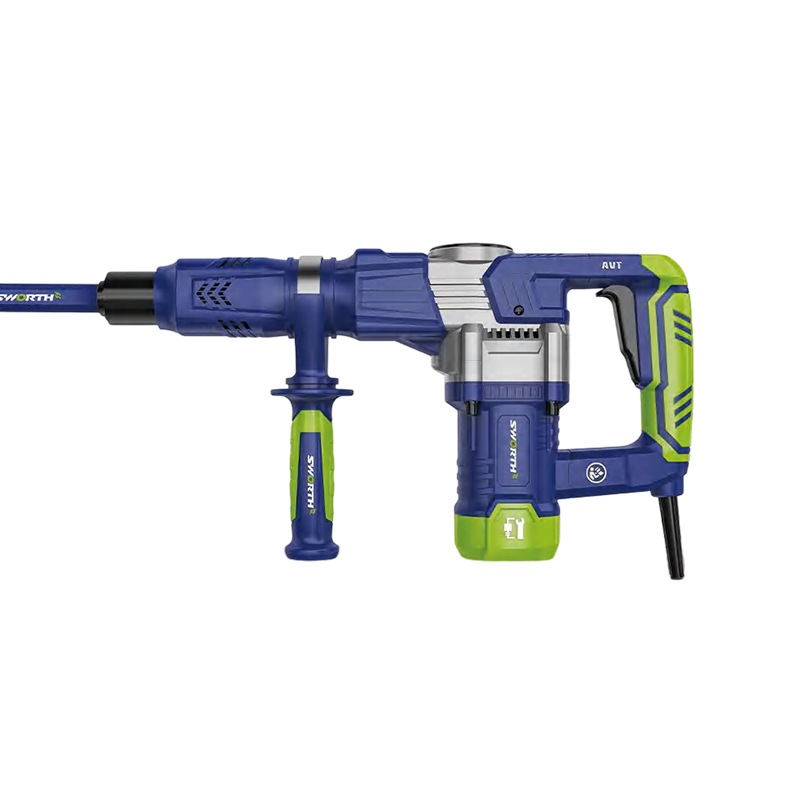
SW535 Powerful Anti-Scalding Demolition Hammer
-
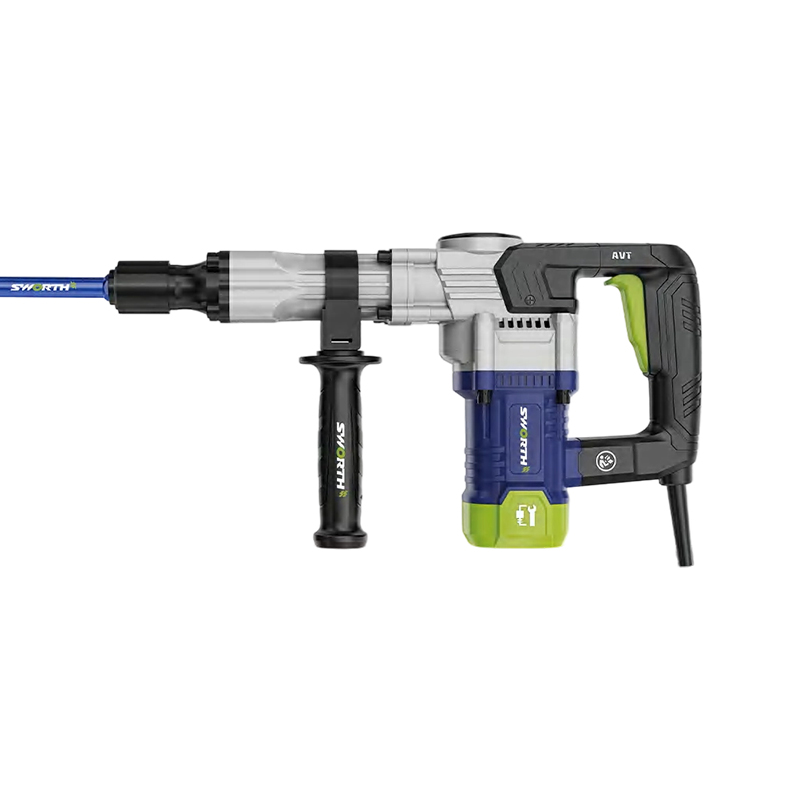
SW535-2 Durable Powerful Demolition Hammer
-
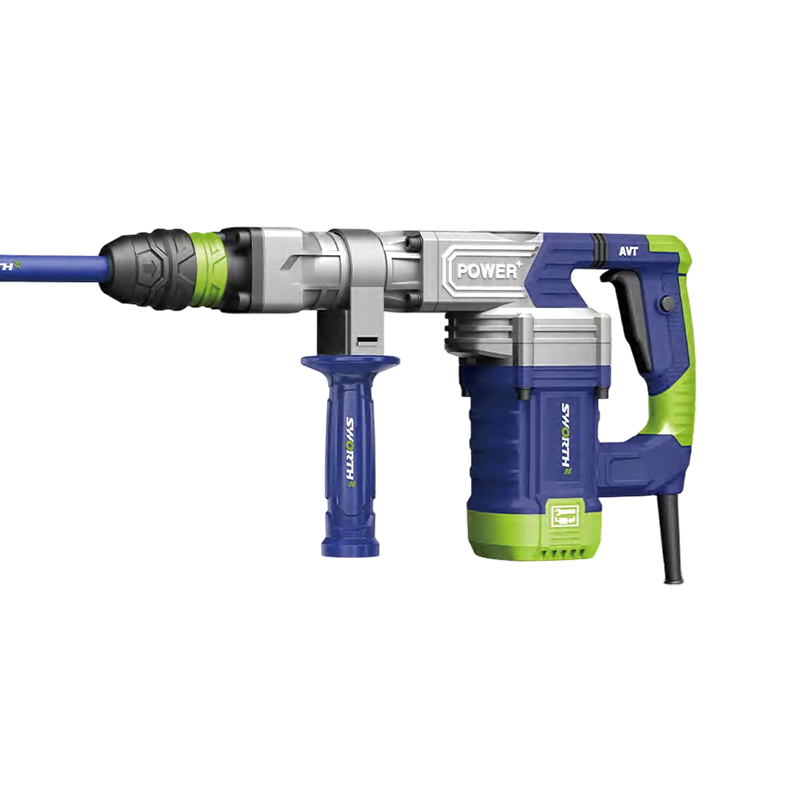
SW35S3 Five-Pipe Drill Bit Demolition Hammer
-

SW11E Five-Pipe Clamping Demolition Hammer
 +86-18314829275
 sale@sworthtools.com
 No. 101, Yugui Road, chengxi Industrial Zone, Yongkang City, Zhejiang Province, China
Copyright© Yongkang Siwei Technology Co., Ltd. All Rights Reserved

Hammer Tools & Cordless Garden Tools Manufacturer
