 English
 русский
 Español

SW9362A Large-Hole Rebar Hammer: High-Power Performance for Demolition, Chiseling, and Concrete Work
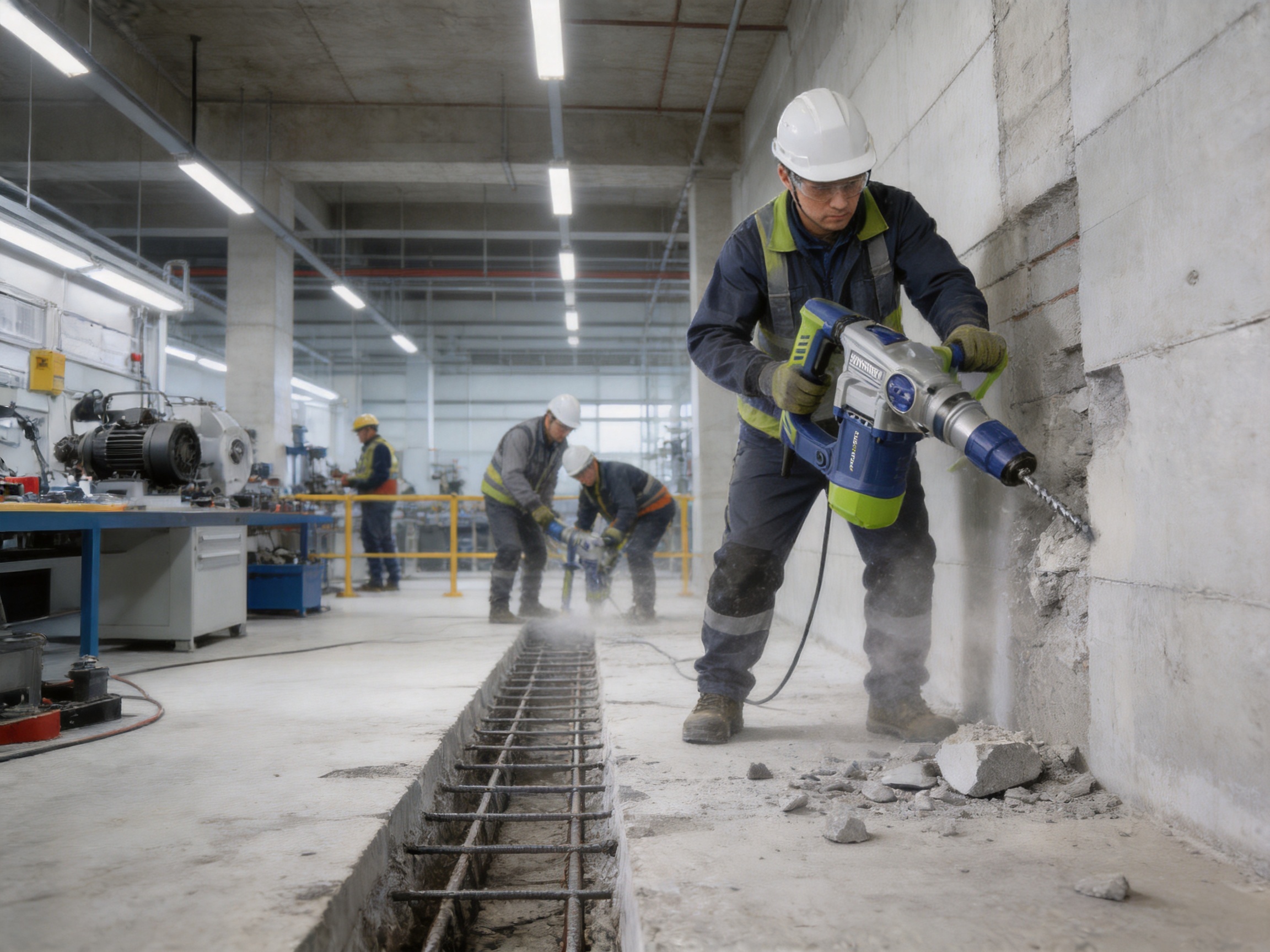
Large-hole rebar installation, concrete removal, structural renovation, and intensive chiseling all demand a tool that can deliver more than ordinary drilling performance. Professionals need strong impact energy, dependable construction, practical control, and reduced operator fatigue throughout long working sessions. The SW9362A Large-Hole Rebar Hammer is designed for these demanding applications, combining a 1500W motor, 13J impact energy, a high impact rate, directional chiseling, vibration reduction, and a switchable electric hammer and electric pick configuration in one professional machine.
Instead of limiting the operator to a single operating mode, this large-hole rebar hammer is engineered to support both hammering and picking functions. That versatility makes it suitable for removing concrete binders, opening or enlarging holes, breaking compacted construction material, correcting masonry surfaces, and carrying out high-intensity excavation work. The result is a practical tool platform for construction contractors, renovation teams, installation specialists, and professional technicians who require consistent performance under harsh working conditions.
Behind the product is Yongkang Siwei Technology Co., Ltd., a professional manufacturer integrating research and development, production, and sales. The company specializes in demolition hammers and chisel-cutting tools while also developing brushless motor systems, electronic controls, and battery platforms for cordless garden equipment. Its experience in motor design, mechanical transmission, structural reinforcement, and operator-focused ergonomics supports the development of powerful corded tools such as the SW9362A.
Designed for Large-Hole Rebar and Intensive Concrete Work
Installing large-hole rebar often requires the removal of hardened concrete, binder material, or surrounding obstructions before reinforcement can be positioned correctly. A conventional drill may rotate effectively but still lack the impact strength needed to break dense material. A light hammer may provide impact action but fail to maintain working speed when the application becomes more demanding. The SW9362A addresses this gap by combining high electrical input, strong impact energy, and a mechanical design intended for repeated impact loading.
The tool uses a 1500W motor to generate substantial working power. This power reserve helps the machine maintain effective hammering performance when the bit encounters dense concrete or reinforced construction material. For professional users, power is not only about maximum force. It also affects productivity, because a capable motor can remove material more quickly and reduce the number of passes required to achieve the desired result.
With 13J of impact energy, the SW9362A is positioned for serious chiseling and demolition tasks rather than occasional light-duty work. Impact energy represents the force transferred through the tool mechanism and into the accessory. In practical use, higher impact energy helps the operator fracture concrete, loosen bonded material, and create progress in hard surfaces without relying entirely on downward body pressure.
The product information specifies a no-load impact speed of 4800 beats per minute. Product performance notes also emphasize an impact rate of approximately 4900 beats per minute compared with conventional electric hammers commonly rated around 4300 beats per minute. Depending on measurement conditions and operating configuration, the exact working rate may vary, but the central advantage is clear: the SW9362A is engineered for a fast and energetic impact cycle intended to improve material removal efficiency.
This combination of power and impact frequency makes the tool suitable for applications such as:
• Removing concrete around reinforcement locations.
• Chiseling channels, recesses, and openings in masonry.
• Breaking concrete binders and hardened construction residue.
• Demolishing sections of concrete during renovation work.
• Removing tile bedding, mortar, and stubborn surface material.
• Correcting concrete edges and preparing surfaces for installation.
• Carrying out high-intensity excavation in compacted construction areas.
• Performing directional chiseling in complex or restricted locations.
Two Operating Functions in One Professional Tool
A key feature of the SW9362A is its one-button switching system between electric hammer and electric pick functions. This design allows the user to adapt the tool to changing work requirements without carrying separate machines for every stage of a project. The electric hammer function is useful when impact action must be controlled for drilling-related or rebar preparation work, while the electric pick function supports direct chiseling, breaking, and material removal.
Using one machine for multiple applications can simplify job-site logistics. Fewer tools are needed in the work area, transport becomes easier, and operators can change from one task to another with less interruption. This is especially useful for contractors who move between demolition, installation, and surface preparation within the same project.
The one-button arrangement also supports fast operational changes. On a busy construction site, a complicated adjustment procedure can reduce productivity or encourage improper tool handling. A clear switching system enables the operator to select the appropriate function quickly and return to work with minimal delay.
The dual-purpose configuration does not mean that the tool is designed for casual use. Its motor, cylinder, sleeve, impact mechanism, and housing are all specified for professional workloads. The two functions are supported by a robust mechanical platform intended to handle repeated impacts and demanding material conditions.
Powertrain and Mechanical Engineering
The internal motor structure includes a stator measuring approximately 73 millimeters by 42 millimeters and a rotor measuring approximately 44 millimeters by 42 millimeters. These dimensions reflect a substantial electromagnetic assembly designed to produce strong output within the tool body. A larger motor architecture can provide a useful power reserve, particularly when the machine is operated against dense material for extended periods.
The product also uses a 30-millimeter cylinder. A larger cylinder can support greater air compression and impact transfer within the hammer mechanism. In practical terms, the cylinder contributes to the ability to generate forceful impacts while maintaining an efficient working cycle. The enlarged and thickened motor and cylinder arrangement is intended to improve performance in applications where ordinary compact mechanisms may struggle.
The sleeve has also been enlarged and thickened. The sleeve is an important wear area because it supports the accessory and is exposed to repeated vibration, dust, and impact loads. A more substantial sleeve can improve mechanical durability, maintain better accessory support, and reduce the risk of premature wear during demanding operation.
The iron front head includes a dust cap designed to reduce the entry of dust into the sleeve. Construction environments are often filled with fine particles created by concrete, masonry, and mortar. If dust enters the accessory holder and internal working area, it can accelerate abrasion, interfere with movement, and increase maintenance requirements. The dust cap helps protect the sleeve area and contributes to longer service life.
The oil cap incorporates a breather hole to help release internal pressure and reduce the possibility of oil leakage. This is a small but important manufacturing detail. Lubricant containment and pressure management influence both cleanliness and reliability. By providing a path for pressure equalization, the design helps the lubrication system work more consistently during repeated heating and impact cycles.
Impact Performance Compared with Conventional Electric Hammers
Many conventional electric hammers are built for general-purpose use and may be rated at approximately 4300 beats per minute. The SW9362A is specified with a 4800 BPM no-load speed, while product performance information highlights an impact rate close to 4900 BPM. The higher impact frequency is intended to help the tool break and remove material at a faster pace.
Impact frequency should not be considered separately from impact energy. A very fast impact rate without sufficient force may produce limited results in dense concrete, while high energy at a slow rate may reduce surface productivity. The SW9362A combines a strong 13J impact rating with a high-frequency impact cycle, creating a balanced platform for intensive chiseling and demolition work.
Compared with lighter hammers, the tool offers more force for difficult material. Compared with single-function demolition tools, it provides greater operating flexibility. Compared with basic units that use thin or lightly protected components, its thickened sleeve, reinforced cylinder design, safety clutch, and dust-control features support more demanding professional use.
Actual productivity will depend on the material, bit type, working angle, operator technique, and site conditions. Nevertheless, the tool’s design is clearly oriented toward reducing the time required for concrete removal and rebar preparation. For contractors, faster material removal can improve project scheduling, reduce labor hours, and increase the number of tasks completed with the same equipment investment.
| Specification | SW9362A Performance | Practical Significance |
| Rated voltage | 220–240V~, 50/60Hz | Suitable for compatible professional electrical systems and job-site power supplies |
| Power input | 1500W | Provides a substantial power reserve for hard concrete and intensive chiseling |
| No-load impact speed | 4800 BPM | Supports rapid impact cycling for efficient material removal |
| Impact energy | 13J | Delivers strong force for breaking, chiseling, and concrete preparation |
| Stator dimensions | Approximately Ø73 × 42H | Indicates a substantial motor structure designed for powerful output |
| Rotor dimensions | Approximately Ø44 × 42H | Supports the electromagnetic system that drives the impact mechanism |
| Cylinder | Approximately 30mm | Supports greater impact generation and power transmission |
| Operating functions | Electric hammer and electric pick | Allows one tool to handle multiple construction and demolition tasks |
Dual-Spring Vibration Reduction for Longer Work Sessions
High-impact tools naturally generate vibration. If vibration is transmitted directly to the operator’s hands and arms, extended work can cause numbness, discomfort, reduced control, and fatigue. These problems can affect productivity as well as safety. The SW9362A uses a dual-spring shock absorption system in the machine body to reduce the vibration transmitted during operation.
The dual-spring structure works together with a rubber-coated, non-slip handle. The springs help absorb and isolate a portion of the mechanical vibration, while the rubber coating improves grip comfort and reduces slipping. This combination is particularly valuable when the operator must maintain the tool in one position for a prolonged period or work on a hard surface that produces strong reactive vibration.
The ergonomic design also includes a large switch that is comfortable to press and hold. A large switch is easier to operate while wearing work gloves and reduces the need for precise finger placement. It can also make starting and stopping the tool more intuitive in dusty, noisy, or physically demanding working environments.
Vibration reduction cannot eliminate all movement from a high-impact tool, and operators should still follow safe working procedures. However, reducing unnecessary transmission to the hands can improve comfort, support more stable control, and help the user maintain productive performance over a longer shift.
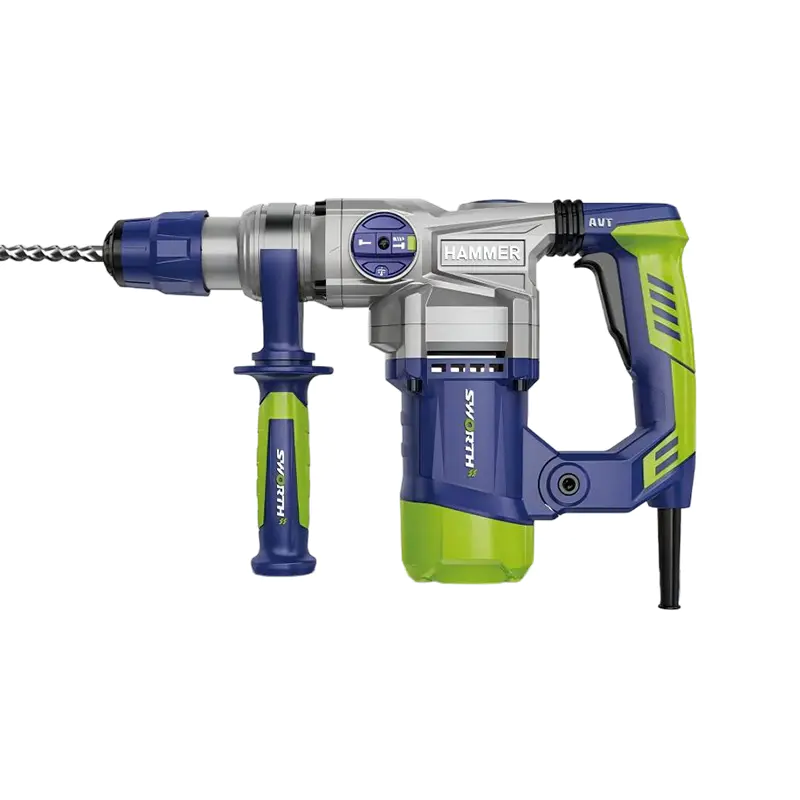
SW9362A Large Hole Rebar Hammer
Safety Clutch and Operator Protection
Concrete and rebar work can produce sudden resistance. A bit may become trapped, strike a harder section of material, or encounter reinforcement at an unexpected angle. In these situations, torque reaction can be transmitted through the tool and may place stress on the operator’s wrist and arms. The SW9362A includes a safety clutch designed to help reduce the effects of sudden locking or overload conditions.
The safety clutch is an important protective feature because it helps separate the motor’s drive from the accessory when abnormal resistance occurs. This can reduce the risk of sudden tool rotation and help protect the operator from wrist injury. It also supports mechanical protection by limiting the load transferred to gears, shafts, and other drive components.
Safety features are most effective when combined with proper operating practice. The operator should use suitable accessories, keep both hands on the tool where required, maintain a stable stance, avoid excessive side pressure, and disconnect the tool before changing accessories or carrying out maintenance. Personal protective equipment such as eye protection, hearing protection, gloves, work boots, and respiratory protection should also be selected according to the task.
The combination of a safety clutch, anti-slip grip, vibration-reduction system, and large switch demonstrates that the SW9362A has been designed with the complete user experience in mind. Performance is important, but a professional machine must also help users work with control and confidence.
Multi-Angle Chiseling for Complex Locations
Construction work rarely takes place on perfectly accessible surfaces. Operators may need to remove material from corners, vertical walls, sloped areas, narrow recesses, or locations where a straight working position is not possible. The SW9362A uses a dial knob with multi-angle positioning for directional chiseling.
This feature allows the user to adjust the accessory orientation so that the chisel is positioned more effectively for the task. Instead of forcing the entire tool body into an uncomfortable angle, the operator can select a suitable bit position and work more directly against the material.
Directional chiseling improves flexibility in applications such as opening channels, removing concrete from around rebar, correcting masonry edges, breaking material close to walls, and working in confined construction areas. It can also reduce awkward wrist positions and help the operator apply force along a more efficient line.
Multi-angle positioning is especially useful for professional technicians who perform several different operations in the same project. Rather than treating the machine as a basic straight-line hammer, the SW9362A provides a wider range of practical working positions.
Durability Features for Demanding Job Sites
Professional demolition tools are exposed to impact, dust, heat, accidental contact, and continuous mechanical stress. Durability therefore depends on more than motor wattage. It requires coordinated attention to the motor, impact mechanism, sleeve, housing, lubrication system, handle, and accessory interface.
The SW9362A’s enlarged and thickened sleeve is designed to withstand repeated accessory movement and impact loading. The 30-millimeter cylinder supports strong impact generation, while the thickened front structure provides additional mechanical strength. The dust cap helps protect the sleeve area from abrasive particles, and the oil-cap breather hole supports more stable lubrication behavior.
These details show an engineering approach that prioritizes service life rather than short-term output alone. A tool that delivers high power but wears quickly may increase downtime and maintenance expenses. By reinforcing high-load areas and protecting vulnerable components, the SW9362A is intended to offer more consistent performance over the working life of the product.
Durability is also influenced by the manufacturing process. Proper material selection, dimensional accuracy, winding quality, rotor balancing, assembly control, lubrication, and final testing all contribute to the finished machine. The product’s mechanical features must work together precisely; otherwise, excess vibration, heat, noise, or wear may occur.
Manufacturing Strengths and Quality-Oriented Production
Yongkang Siwei Technology Co., Ltd. integrates research and development, production, and sales. This integrated structure allows the company to coordinate product design with manufacturing requirements and market feedback. Rather than developing a tool in isolation from the production line, an integrated manufacturer can evaluate component availability, assembly efficiency, quality consistency, and service requirements during the design stage.
The company follows a manufacturing philosophy centered on professional focus and quality first. Its product development work emphasizes advanced processes and high-quality materials intended to help tools withstand harsh working conditions. For a demolition hammer, that means paying attention to the entire chain of performance: electrical input, electromagnetic conversion, impact transmission, accessory support, vibration management, lubrication, cooling, and operator control.
Motor production requires careful control of stator and rotor dimensions, copper winding quality, insulation, lamination alignment, bearing installation, and rotor balance. Small deviations in these areas can increase vibration, heat, or energy loss. A professional manufacturing process therefore includes inspection and assembly controls designed to maintain repeatable motor performance from one production batch to the next.
The impact mechanism requires similarly precise work. The cylinder, piston, striker, sleeve, seals, and related components must operate in coordination. Surface finish, hardness, clearance, lubrication, and alignment all influence impact efficiency and service life. The SW9362A’s enlarged cylinder and thickened sleeve are valuable design features, but their benefits depend on accurate manufacturing and proper assembly.
Housing and handle production also influence tool reliability. The body must protect internal components while remaining practical to hold and operate. The dual-spring vibration system requires consistent spring characteristics and correct positioning. The rubber-coated handle must be securely bonded or molded and provide a dependable grip during repeated movement.
Quality control should extend beyond individual components. Completed tools can be evaluated for electrical safety, switch function, no-load operation, vibration behavior, sound, impact response, lubrication condition, and overall assembly integrity. Integrated production gives the manufacturer greater ability to track problems, improve processes, and maintain consistent product standards.
The company’s broader experience also includes high-efficiency brushless motors, electronic controls, and intelligent battery platforms for cordless garden tools. Although the SW9362A is a corded electric hammer, knowledge developed in these areas reflects a wider technical capability in motor efficiency, power management, control systems, and product ergonomics.
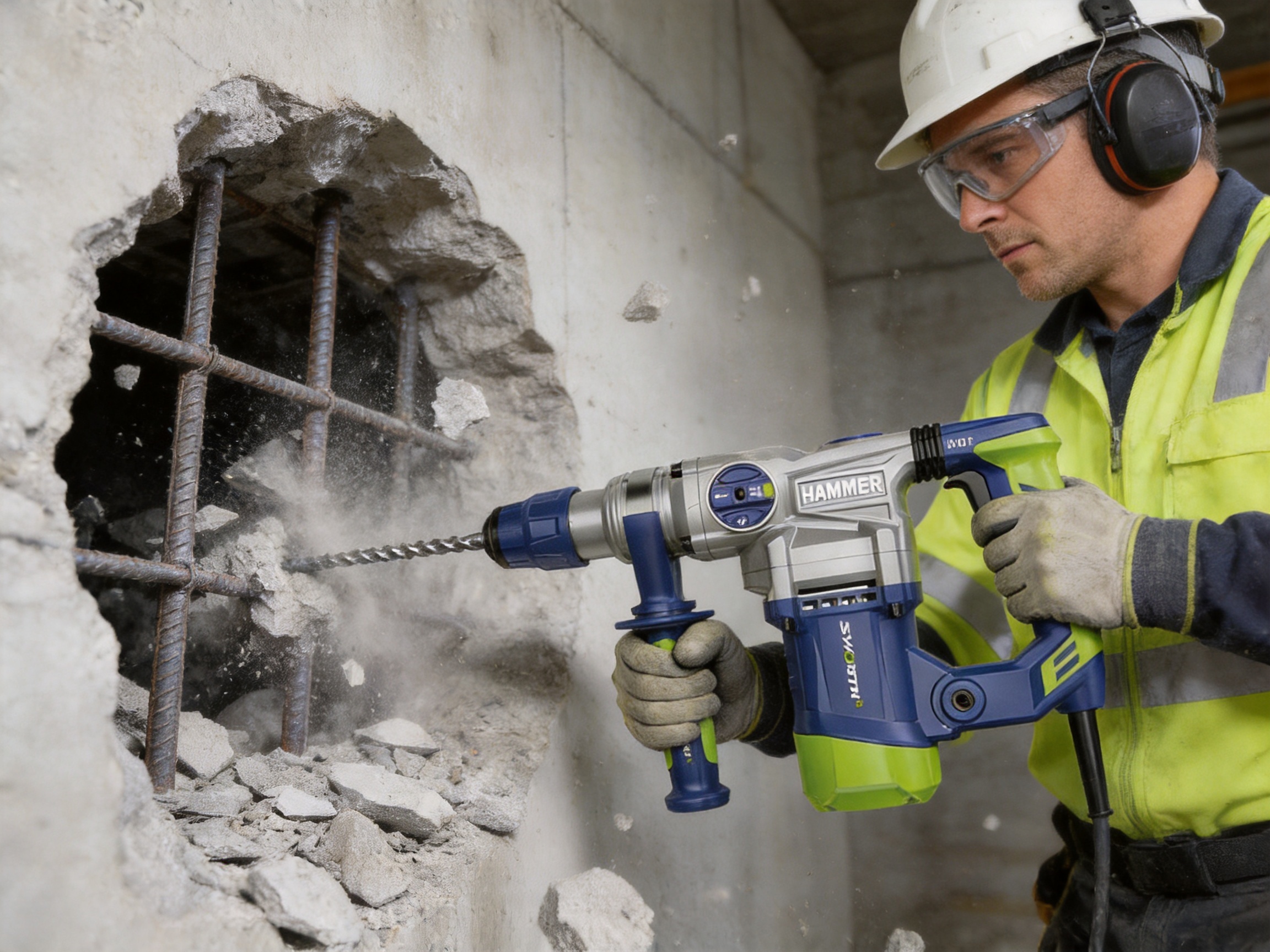
Professional Applications Across Construction and Renovation
The SW9362A is primarily designed for intensive construction and demolition work, but its combination of power and flexibility supports many specific applications.
Large-Hole Rebar Preparation
When a large-hole reinforcement location must be prepared, hardened concrete and binder material may need to be removed quickly. The machine’s 13J impact energy and rapid impact rate help break obstructing material, while directional chiseling supports access to challenging positions. The electric hammer and electric pick functions allow the operator to change from controlled hammering to direct material removal as the job progresses.
Concrete Demolition
Small sections of concrete may need to be removed during renovation, repair, utility installation, or structural modification. The SW9362A provides enough impact power for demanding localized demolition without requiring a much larger machine. Its compact handheld format allows the operator to work in areas where larger demolition equipment cannot reach.
Masonry and Mortar Removal
Renovation work often involves removing mortar, tile bedding, plaster, or masonry fragments. The adjustable chisel angle can make it easier to approach walls, corners, and floor surfaces. Operators can select an appropriate accessory and use the hammer or pick function according to the material and required finish.
Channel and Recess Formation
Electrical, plumbing, and structural work may require channels or recesses in concrete and masonry. Directional chiseling can help the operator follow a planned line, while the powerful impact mechanism removes material efficiently. Final finishing may still require a smaller tool or manual preparation, but the SW9362A can perform the primary material-removal stage quickly.
Surface Preparation
Before repairs, coatings, or new construction materials are applied, weak concrete, old adhesive, and bonded residue may need to be removed. A strong hammer with suitable chiseling accessories can improve surface preparation and reduce manual labor. The dust cap and robust sleeve are helpful in environments where abrasive particles are continuously generated.
Why the SW9362A Is a Stronger Choice Than Basic Alternatives
Choosing a professional hammer requires more than comparing a single power rating. A basic alternative may offer a lower price but lack the combination of impact energy, operating functions, vibration management, safety protection, and durability features required for intensive work.
One major advantage of the SW9362A is its 1500W power input. This gives the machine a stronger foundation for demanding applications than lightweight models designed mainly for occasional household use. The 13J impact rating further separates it from lower-energy tools that may require more time and physical effort to remove hard material.
The high impact cycle is another advantage. The specified 4800 BPM no-load rate, together with the product’s approximately 4900 BPM performance positioning, is intended to provide faster material removal than conventional 4300 BPM electric hammers. The benefit is especially relevant when the same type of concrete or binder must be removed across many locations.
The switchable electric hammer and electric pick functions provide more flexibility than a single-purpose unit. Contractors can use one machine for different stages of the project, reducing equipment changes and transport requirements. The multi-angle chisel positioning adds another layer of versatility for complex work areas.
Operator comfort is also a competitive advantage. The dual-spring vibration reduction system, rubber-coated handle, large switch, and safety clutch address common concerns associated with high-impact tools. These features do not replace safe working practices, but they can make extended operation more manageable and controlled.
Finally, the reinforced sleeve, enlarged cylinder, dust cap, and pressure-relief oil cap demonstrate attention to long-term use. Competitors may provide similar headline specifications, but a professional buyer should also examine how the tool manages wear, dust, vibration, lubrication, and overload conditions.
Operational Guidance for Efficient Results
To obtain the best performance, users should select accessories that match the material and task. Point chisels are useful for concentrated breaking, flat chisels are suited to surface removal and splitting, and specialized accessories may be selected for channeling or concrete preparation. A damaged, unsuitable, or excessively worn accessory can reduce productivity and increase vibration.
The operator should allow the impact mechanism to perform the work rather than applying excessive body weight. Excessive pressure may reduce impact efficiency, increase heat, and cause unnecessary wear. A stable stance, two-handed control, and steady forward guidance generally produce better results than forcing the tool aggressively into the material.
Before operation, inspect the power cable, plug, switch, housing, handle, accessory holder, and dust cap. Do not use the machine if a component is cracked, loose, or damaged. The tool should be disconnected from the power supply before accessories are changed or maintenance is performed.
During work, avoid directing the tool toward people, fragile surfaces, or hidden utility lines. Concrete removal can release sharp fragments and dust, so eye protection, hearing protection, gloves, and suitable work clothing are essential. Where airborne dust is present, appropriate respiratory protection and dust-control procedures should be used.
After use, clean the exterior and accessory area according to the maintenance instructions. Keep ventilation openings clear and store the machine in a dry, protected location. Routine inspection helps identify wear before it becomes a serious failure.
Maintenance and Service Considerations
High-impact tools require regular attention because their working conditions are more severe than those of ordinary handheld power tools. Maintenance intervals should follow the manufacturer’s recommendations and should be adjusted when the tool is used in extremely dusty or demanding environments.
The accessory holder and sleeve area should be kept reasonably clean so that dust and debris do not interfere with accessory movement. The dust cap should be checked for damage, because a damaged protective element may allow abrasive particles to enter the mechanism. The oil cap and surrounding area should also be inspected for signs of leakage or contamination.
Users should monitor unusual noise, excessive vibration, reduced impact force, burning odor, intermittent switching, or overheating. These symptoms may indicate worn components, inadequate lubrication, electrical problems, or internal damage. Continuing to operate a tool under abnormal conditions can increase repair costs and create safety risks.
Because the SW9362A contains a powerful motor and high-impact mechanism, internal repairs should be handled by qualified service personnel. Correct replacement parts, proper lubrication, accurate reassembly, and electrical testing are important for restoring the machine safely.
Manufacturer Capability and Product Development
Yongkang Siwei Technology Co., Ltd. has developed a product portfolio focused on professional tools and efficient power systems. Its demolition hammers and chisel-cutting tools are intended for engineering construction, where durability and consistent output are essential. The company’s design approach emphasizes practical details such as strong hammer heads, shock-absorbing grips, reinforced components, and reliable operating controls.
The company also develops cordless garden tools, including battery lawn mowers, string trimmers, lawn tractors, hedge trimmers, electric pruning shears, and high-speed chainsaws. Since 2024, its team has focused on green new-energy technologies, brushless motor systems, electronic control solutions, and intelligent battery platforms. This wider experience strengthens the company’s understanding of modern motor efficiency, thermal management, electronic protection, and user-centered product design.
For international buyers, an integrated manufacturer can provide advantages in product customization, technical communication, production coordination, and quality follow-up. Construction tool customers may require different plugs, voltage configurations, accessory systems, packaging standards, labeling, and documentation. A manufacturer with its own research, production, and sales capabilities is better positioned to coordinate these requirements.
The company’s location in Yongkang, Zhejiang Province, places it within a major Chinese hardware and power-tool manufacturing region. Access to industrial suppliers, component expertise, tooling resources, and experienced production labor can support efficient product development and manufacturing. More importantly, the company’s stated specialization in professional demolition and chisel tools aligns closely with the intended application of the SW9362A.
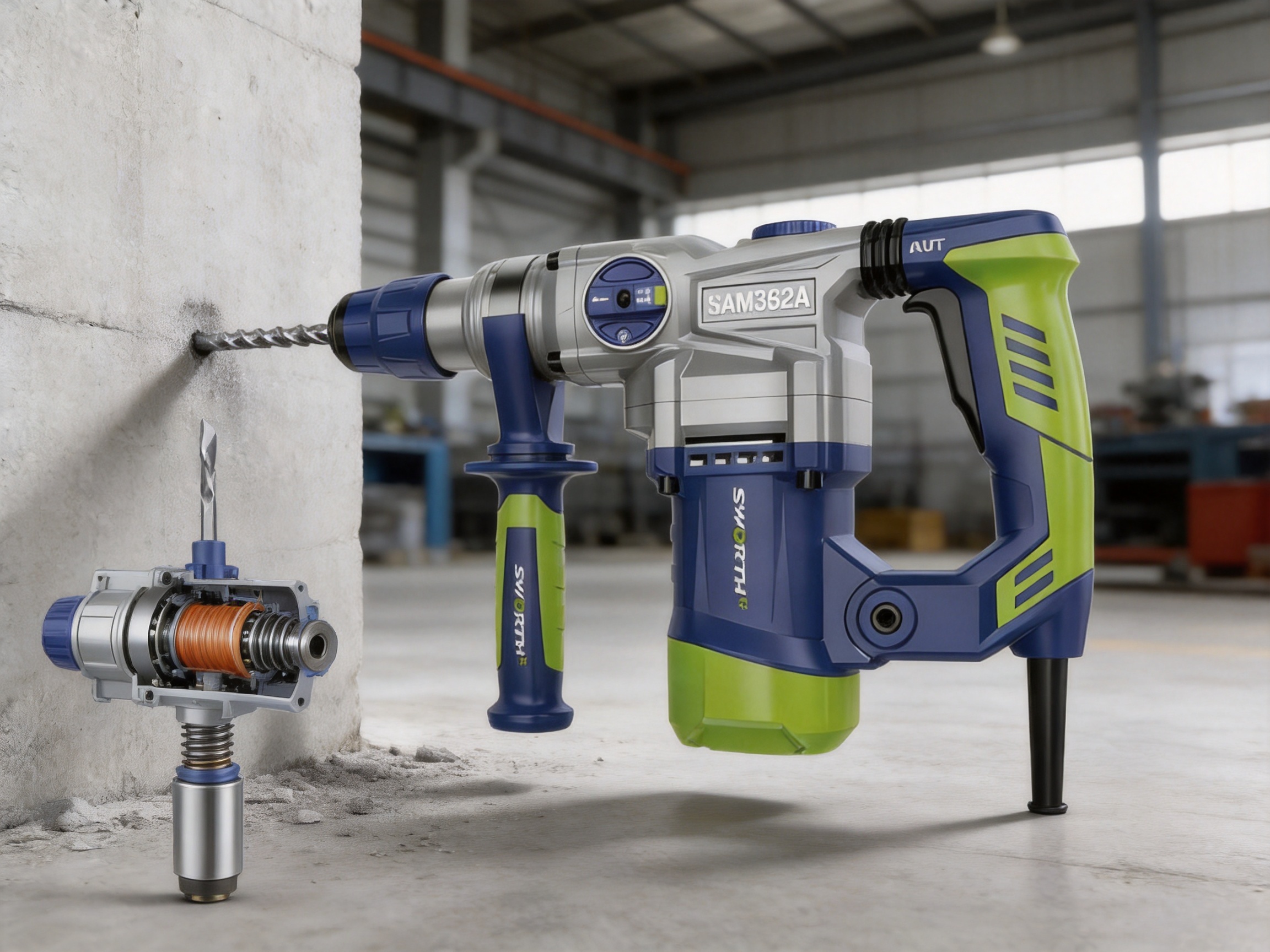
Frequently Asked Questions
What is the SW9362A Large-Hole Rebar Hammer used for?
The SW9362A is designed for large-hole rebar preparation, concrete removal, intensive chiseling, localized demolition, masonry work, mortar removal, channel formation, and construction excavation. It is intended for professional users who need strong impact performance and versatile operation.
How powerful is the SW9362A?
The machine has a rated power input of 1500W and an impact energy rating of 13J. These specifications provide the force needed for demanding concrete and masonry applications.
What is the impact speed of the tool?
The listed no-load impact speed is 4800 beats per minute. Product performance information also positions the tool at approximately 4900 beats per minute in comparison with conventional 4300 BPM electric hammers. Actual operating speed may vary according to load, accessory, material, and electrical conditions.
Can the tool function as both an electric hammer and an electric pick?
Yes. The SW9362A includes a one-button switching system that allows the operator to change between electric hammer and electric pick functions. This makes the tool suitable for both controlled hammering work and direct chiseling or demolition.
Does the machine have vibration reduction?
Yes. The machine body uses a dual-spring shock absorption system, and the handle has a rubber-coated, non-slip surface. These features are designed to reduce transmitted vibration and improve comfort during extended operation.
Is the SW9362A suitable for long working sessions?
The tool is designed for professional workloads and includes vibration reduction, a comfortable handle, a large switch, and a strong mechanical structure. However, operators should still take appropriate breaks, use correct technique, and follow all safety and maintenance instructions.
What protection is provided against sudden bit locking?
The SW9362A includes a safety clutch designed to reduce sudden torque reaction when the accessory encounters unexpected resistance or becomes locked. This feature helps protect the operator’s wrist and reduces stress on the drive mechanism.
Can the chisel angle be adjusted?
Yes. A dial knob provides multi-angle positioning for directional chiseling. This helps the operator work more effectively in corners, vertical surfaces, recesses, and other complex construction locations.
How does the dust cap help the tool?
The iron front head includes a dust cap that helps limit dust entry into the sleeve. Reducing abrasive contamination can help lower wear and support more reliable accessory movement in dusty construction environments.
What is the purpose of the oil-cap breather hole?
The breather hole helps release internal pressure and reduces the possibility of oil leakage. This supports more stable lubrication behavior during operation.
What voltage is required?
The rated voltage is 220–240V~, with a frequency of 50/60Hz. Users should confirm that the local electrical supply matches the tool rating before operation.
Who manufactures the SW9362A?
The product is manufactured by Yongkang Siwei Technology Co., Ltd., a professional tool manufacturer integrating research and development, production, and sales.
What makes the manufacturer suitable for professional tool supply?
The manufacturer specializes in demolition hammers and chisel-cutting tools and emphasizes advanced manufacturing processes, high-quality materials, and professional performance. It also develops brushless motors, electronic controls, intelligent battery platforms, and cordless garden equipment, providing broader experience in power-tool engineering.
What should be checked before using the hammer?
Inspect the power cord, plug, switch, housing, handle, accessory holder, dust cap, and chisel. Confirm that the accessory is correctly installed and that no parts are cracked, loose, or excessively worn. Always wear suitable protective equipment.
Can the SW9362A replace every other demolition tool?
No single handheld tool is suitable for every demolition requirement. The SW9362A is a powerful and versatile option for localized concrete, masonry, and rebar-related work, but larger structural demolition may require specialized heavy equipment, while delicate finishing may require a smaller tool.
Conclusion
The SW9362A Large-Hole Rebar Hammer is a professional electric tool designed to combine force, speed, flexibility, and operator control. Its 1500W motor, 13J impact energy, high impact rate, enlarged 30-millimeter cylinder, and reinforced sleeve provide the mechanical foundation for demanding concrete and masonry work. The one-button change between electric hammer and electric pick functions allows one machine to handle several stages of construction and demolition.
Its competitive advantages extend beyond headline power. The dual-spring vibration reduction system helps improve comfort, the rubber-coated handle supports a secure grip, the safety clutch reduces sudden torque reaction, and the multi-angle dial improves access to complex locations. The dust cap and oil-cap breather hole address practical durability and maintenance concerns that are often overlooked in basic tool designs.
Manufacturing strength is equally important. Yongkang Siwei Technology Co., Ltd. combines product development, production, and sales while focusing on professional hammers, chisels, demolition tools, brushless motors, electronic controls, and battery systems. This integrated capability supports the production of equipment intended to withstand harsh working conditions and meet the expectations of professional users.
For contractors, installation specialists, renovation teams, and engineering technicians seeking a powerful corded solution for large-hole rebar preparation and intensive chiseling, the SW9362A offers a balanced combination of output, durability, adaptability, and user-oriented design.
References
1. Product specification sheet for the SW9362A Large-Hole Rebar Hammer, including rated voltage, power input, impact speed, impact energy, motor dimensions, and operating functions.
2. Manufacturer product information covering the SW9362A electric hammer and electric pick configuration, vibration reduction system, safety clutch, directional chiseling, dust protection, and reinforced mechanical components.
3. General principles of electric hammer design, including motor power conversion, impact mechanism operation, accessory transmission, lubrication, and vibration control.
4. Professional power-tool safety practices for concrete demolition, masonry chiseling, electrical equipment operation, personal protective equipment, and job-site dust management.
5. Manufacturer background information concerning demolition hammers, chisel-cutting tools, brushless motors, electronic controls, intelligent battery platforms, and cordless garden equipment.
Product: SW9362A Large Hole Rebar Hammer

Recommended Products
-
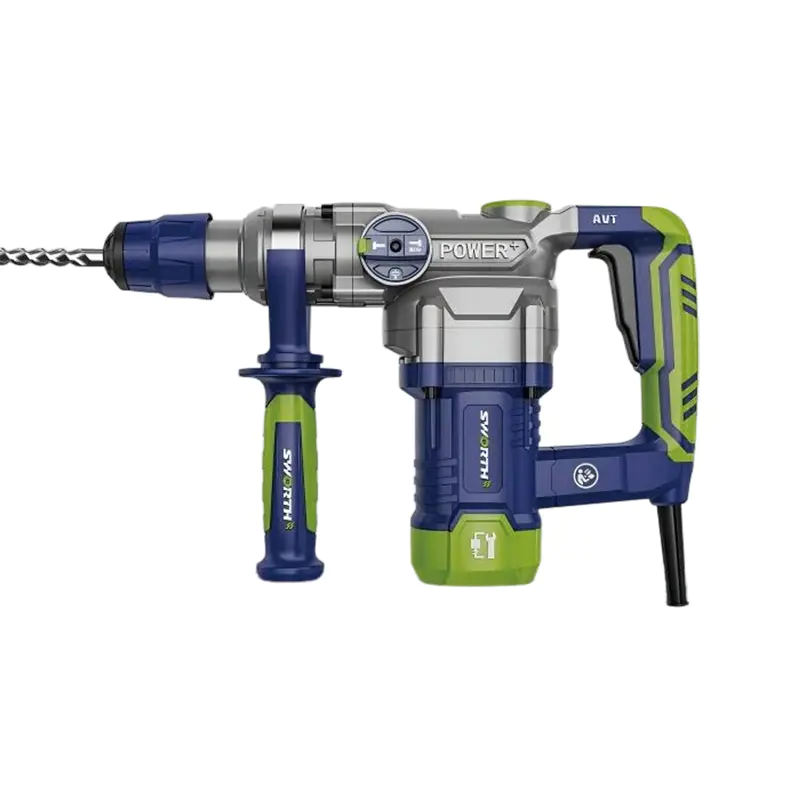


SW528 Small Hole Rebar Hammer
-
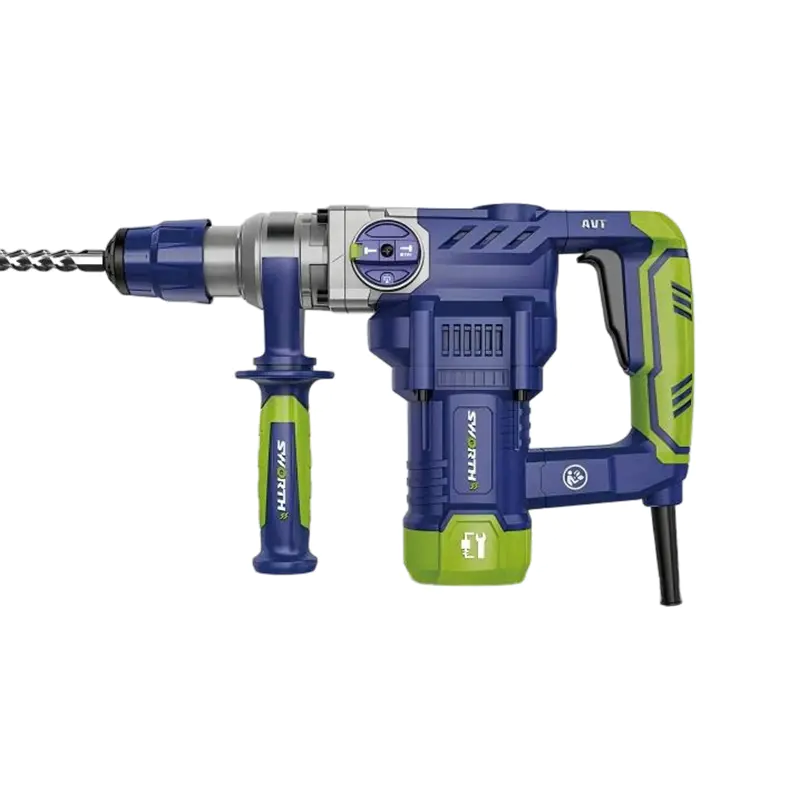
SW932 Groove Sandblasting Hammer
-
SW9362A Large Hole Rebar Hammer
-
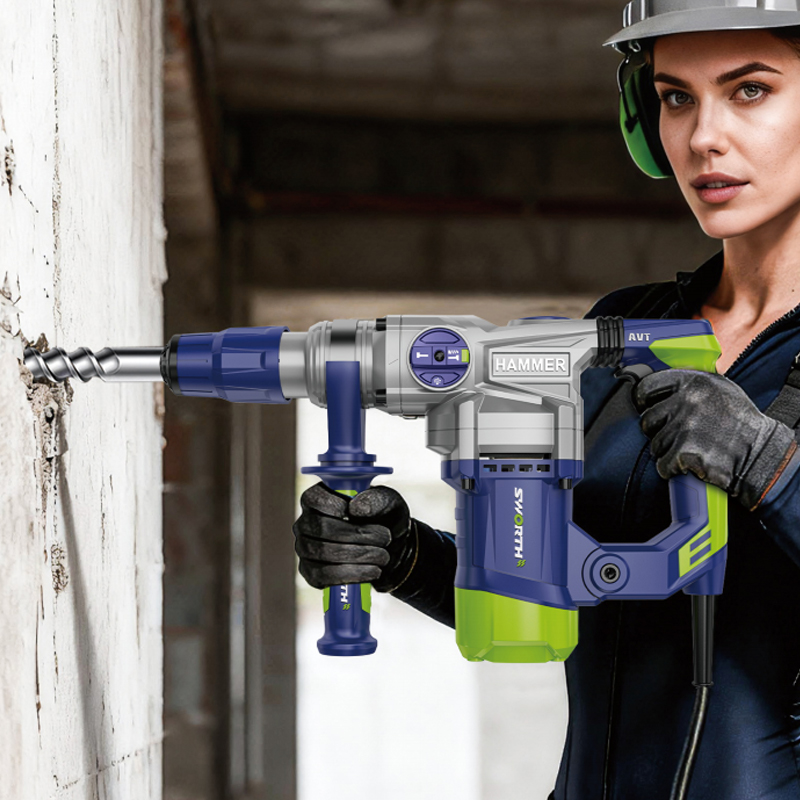
SW940 Enlarged Hole Rebar Hammer
-
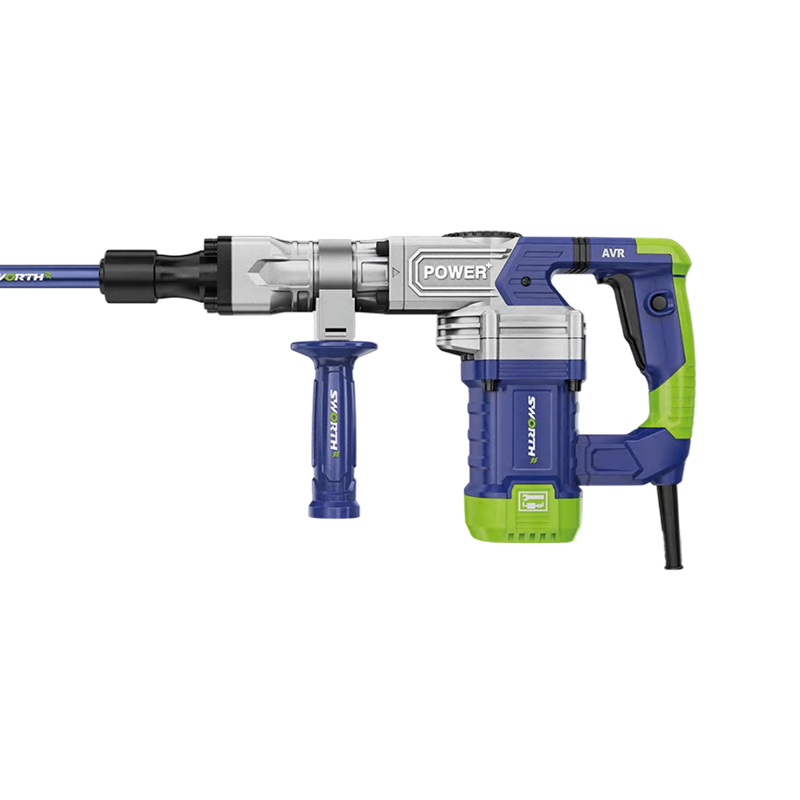
SW35S1 Powerful Demolition Hammer
-
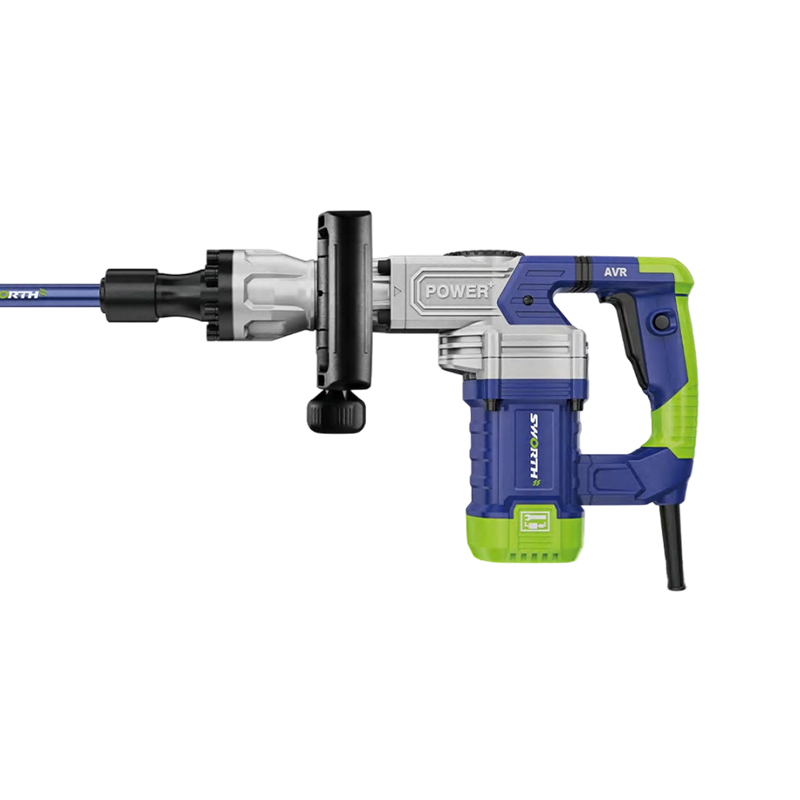
SW35S2 High-Efficiency Heat Dissipation Demolition Hammer
-
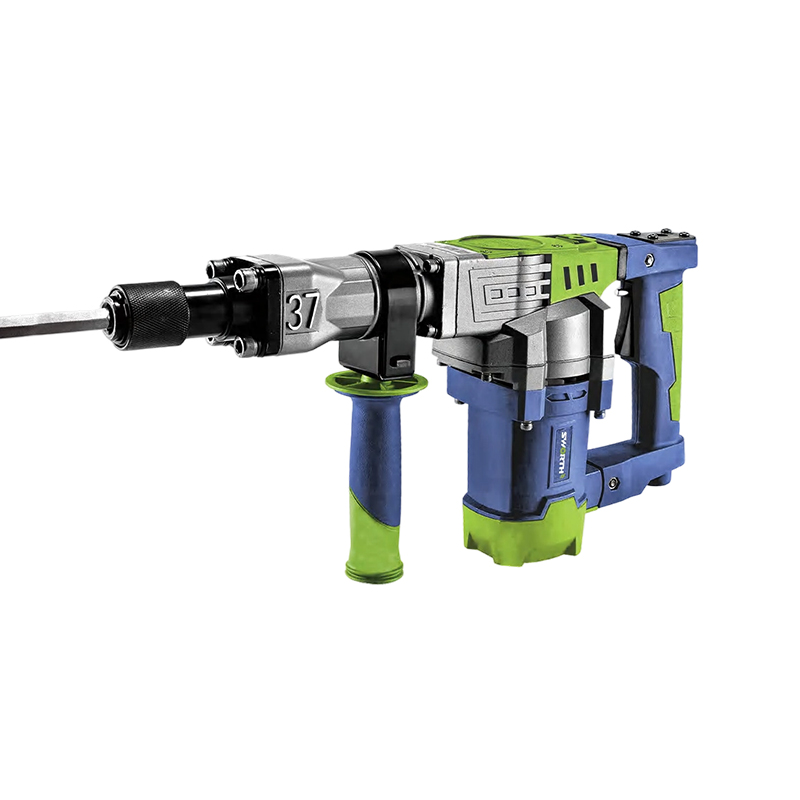
SW9371 High-Power Demolition Hammer
-
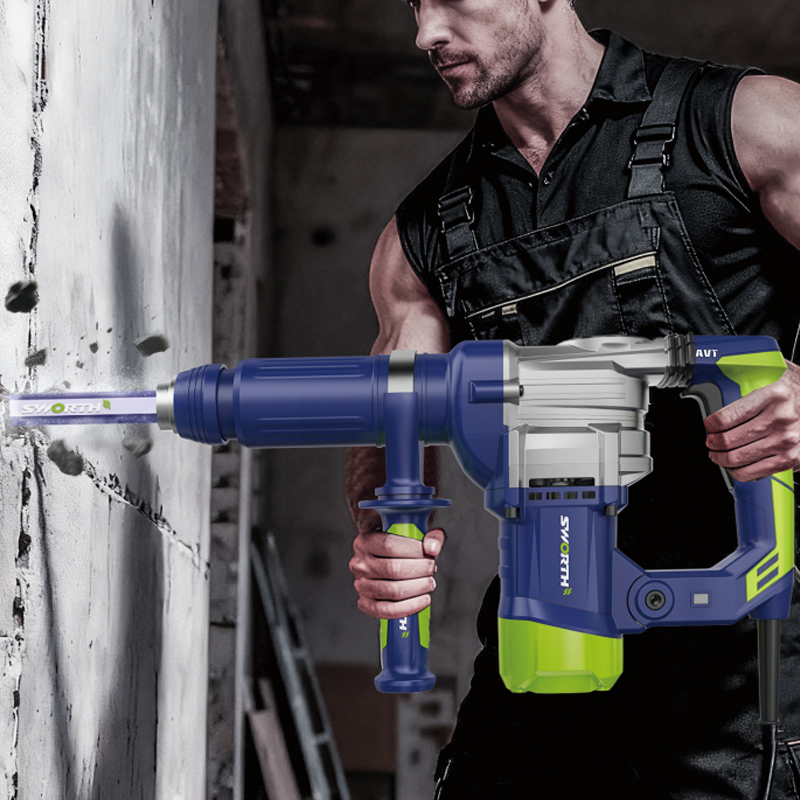
SW9373 Anti-Scalding Carbon Brush Holder Demolition Hammer
-
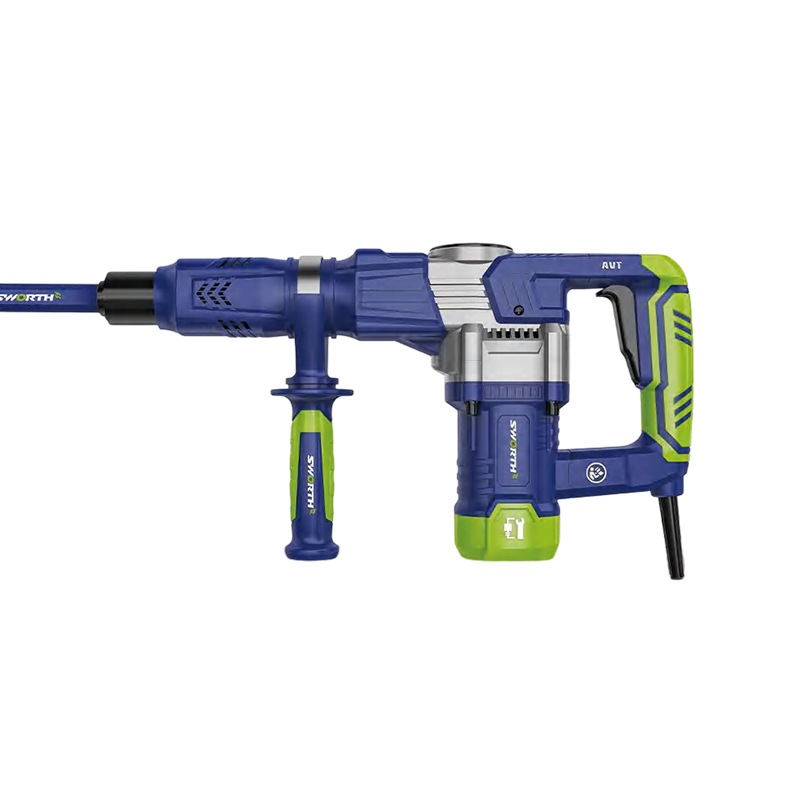
SW535 Powerful Anti-Scalding Demolition Hammer
-
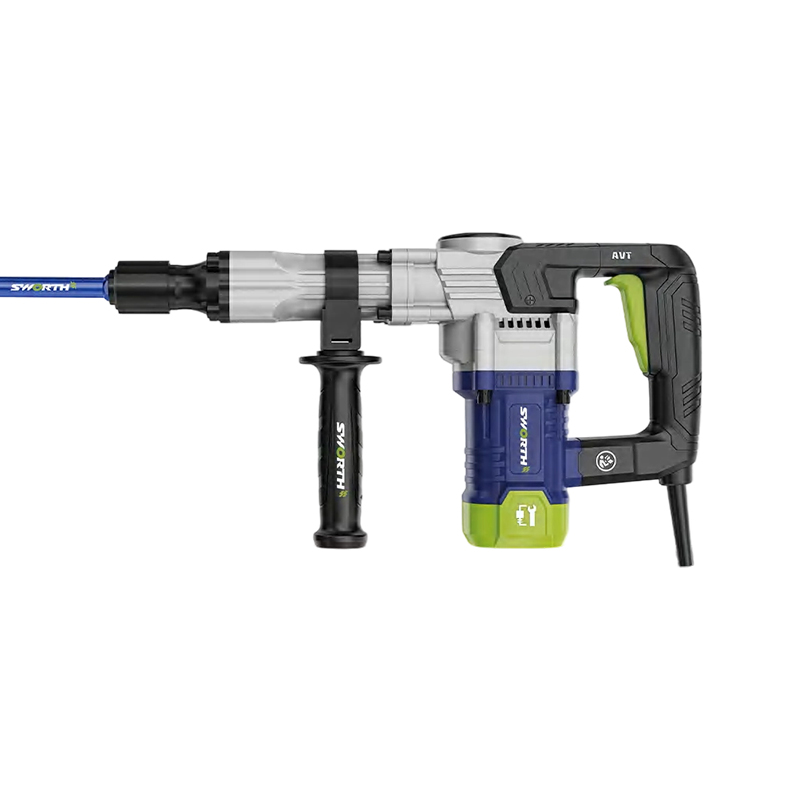
SW535-2 Durable Powerful Demolition Hammer
-
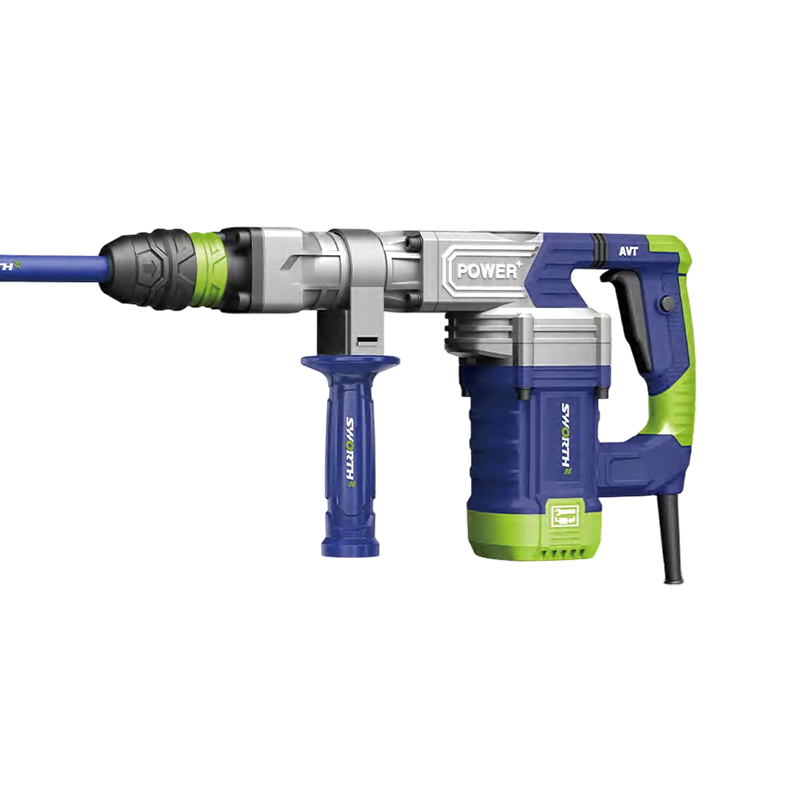
SW35S3 Five-Pipe Drill Bit Demolition Hammer
-

SW11E Five-Pipe Clamping Demolition Hammer
 +86-18314829275
 sale@sworthtools.com
 No. 101, Yugui Road, chengxi Industrial Zone, Yongkang City, Zhejiang Province, China
Copyright© Yongkang Siwei Technology Co., Ltd. All Rights Reserved

Hammer Tools & Cordless Garden Tools Manufacturer
