 English
 русский
 Español

SW9362A Large-Hole Rebar Hammer: High-Power Electric Hammer and Pick for Professional Construction
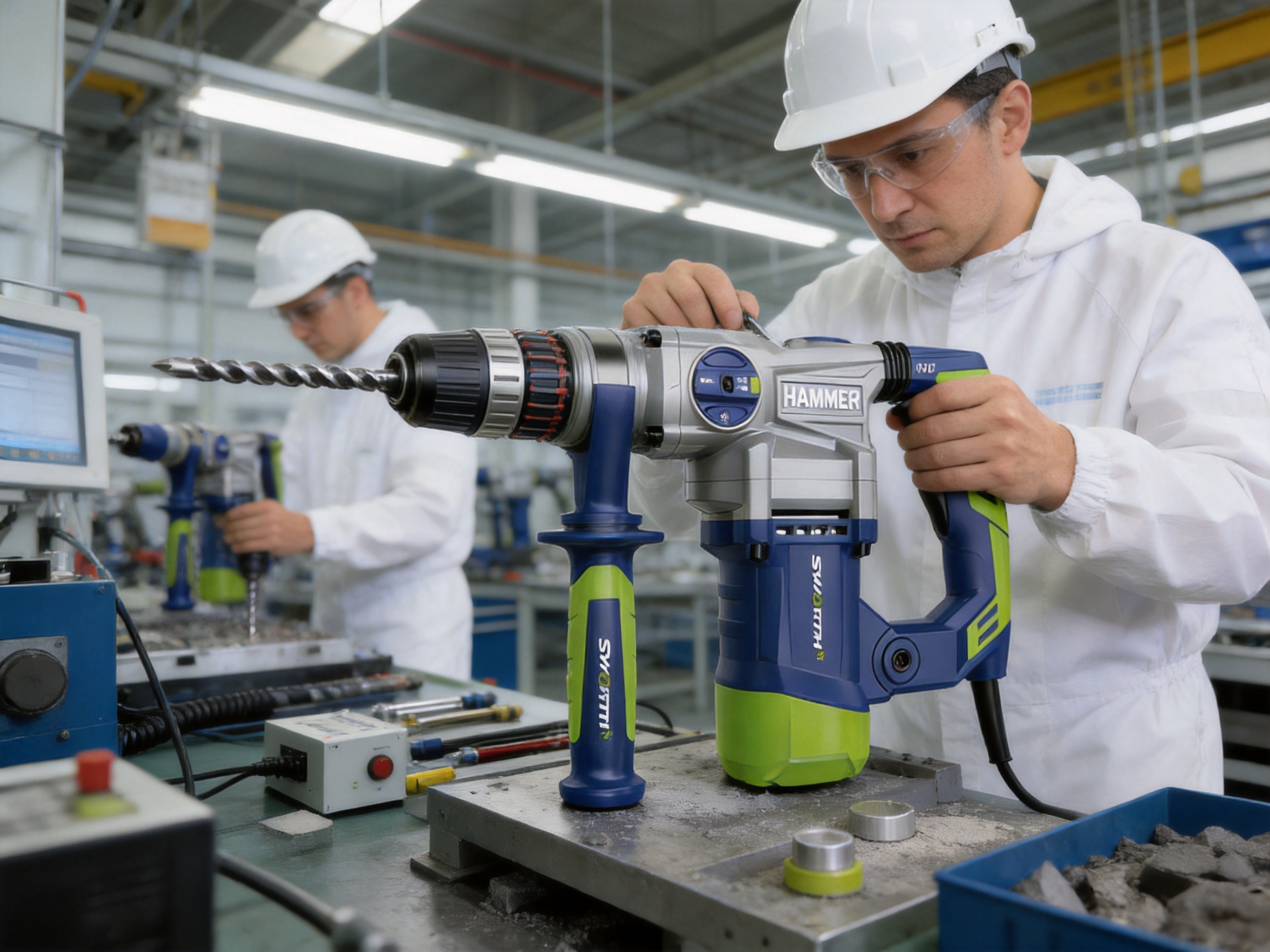
Large-hole rebar installation, concrete removal, directional chiseling, and high-intensity excavation demand more than a standard hammer drill. Professional technicians need a machine that can deliver powerful impact energy, maintain reliable performance under demanding conditions, reduce operator fatigue, and adapt to different working positions. The SW9362A Large-Hole Rebar Hammer is designed for these requirements. It combines a 1500W motor, 13J impact energy, a rapid impact rate, dual operating functions, multi-angle positioning, vibration reduction, and reinforced internal components in one heavy-duty electric tool.
As a professional electric hammer and electric pick, the SW9362A is intended for demanding construction environments where ordinary tools may lack the power, durability, or flexibility required. Its one-button changeover system allows the operator to switch between electric hammer and electric pick functions. This makes the tool suitable for both drilling-related rebar installation work and chiseling or demolition tasks. Instead of relying on separate machines for every stage of a project, technicians can use one robust platform to complete a wider range of operations.
The product is manufactured by Yongkang Siwei Technology Co., Ltd., a tool manufacturer integrating product research and development, production, and sales. The company focuses on professional hammers, chisels, demolition tools, and cutting equipment, while also developing brushless motor systems, electronic controls, battery platforms, and cordless garden equipment. This combination of mechanical tool experience and newer electrical control expertise supports a manufacturing approach centered on dependable power, practical ergonomics, and application-specific engineering.
Designed for Large-Hole Rebar and Heavy Concrete Work
Large-hole rebar installation often requires the removal of concrete binder around a reinforcement point. If the material is difficult to break or the hole needs to be prepared quickly, a low-powered tool can slow the work and increase physical strain. The SW9362A addresses this problem with a high-power 1500W motor and a 13J impact system. These specifications provide the force needed for demanding chiseling and material removal operations.
The tool is not limited to one narrow application. Its design supports construction work involving concrete binder removal, directional chiseling, high-intensity excavation, and general demolition. Professional users can employ it in renovation, structural repair, installation preparation, masonry work, and other situations where hard materials must be fractured or removed efficiently.
The large-hole rebar function is particularly useful when a reinforcement installation requires the operator to clear or enlarge a concrete opening. The machine’s powerful impact mechanism helps break down hardened material while the operator guides the tool through the work area. The result is a more efficient workflow than using a light hammer drill for a task that requires repeated heavy impacts.
In practical terms, the SW9362A is built for jobs where productivity, force, and controlled handling must work together. Power alone is not enough for a professional tool. A machine that delivers strong impacts but creates excessive vibration, has a weak sleeve, or is difficult to position can still reduce overall productivity. The SW9362A therefore combines impact performance with a dual-spring shock absorption system, a rubber-coated handle, a safety clutch, a reinforced sleeve, and a multi-angle positioning dial.
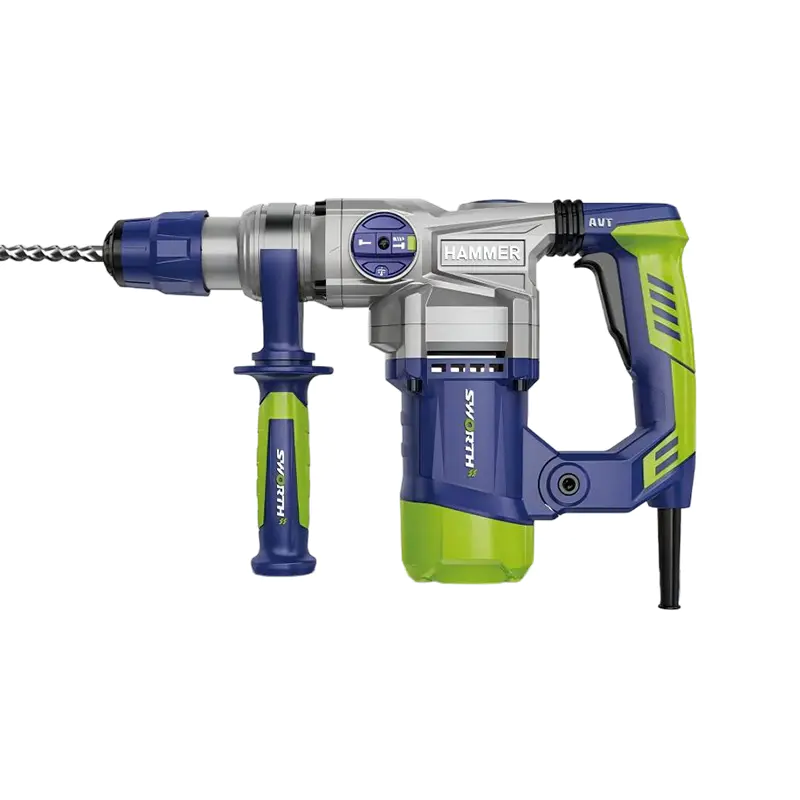
SW9362A Large Hole Rebar Hammer
Two Operating Functions in One Electric Tool
One of the most important advantages of the SW9362A is its ability to switch between electric hammer and electric pick functions. The one-button changeover system is designed to simplify operation and allow the tool to respond to different construction scenarios. When the work requires hammering or drilling-related action, the operator can use the electric hammer function. When the work requires breaking, removing, or chiseling concrete, the electric pick function provides a more suitable operating mode.
This dual-function design can help reduce the number of tools required on a jobsite. A contractor working on reinforcement installation may need to prepare openings, remove concrete binder, adjust an existing structure, and perform directional chiseling. Carrying a separate machine for each operation increases equipment costs, storage requirements, and time spent changing tools. A combined platform can simplify transportation and make it easier for technicians to respond to changing site conditions.
The dual-mode arrangement also benefits maintenance planning. Instead of managing two unrelated machines with separate service schedules, a workshop can standardize part of its inspection and care procedures around one tool platform. This does not eliminate the need for proper servicing, but it can make fleet management more organized for contractors that regularly perform concrete and rebar work.
Switching functions should always be carried out according to the operating instructions and with the machine safely positioned. The operator should disconnect the power supply before carrying out adjustments, bit changes, cleaning, or inspection. With correct use, the one-button function change can improve convenience without adding unnecessary complexity to the daily workflow.
Power and Impact Performance
The SW9362A has a rated input voltage of 220–240V at 50/60Hz and a power input of 1500W. This electrical configuration is suitable for compatible mains power environments and provides the motor with substantial input capacity for high-load construction work. The motor is supported by a 30mm cylinder design, which the product information identifies as a feature contributing to greater power.
The stated impact energy is 13J. Impact energy is an important indicator for demolition and chiseling applications because it reflects the force transferred to the material during each impact cycle. A higher impact-energy rating can help the tool fracture hard concrete and masonry more effectively, provided that the bit, material, operating method, and maintenance condition are appropriate.
The product information lists a no-load impact speed of 4800 beats per minute. Additional product notes compare the tool with standard electric hammers rated at approximately 4300 beats per minute and describe the SW9362A as reaching approximately 4900 beats per minute in a performance comparison. Because the formal specification lists 4800 BPM while the feature description mentions 4900 BPM, buyers should treat the official specification for purchasing and technical documentation purposes and confirm the exact rated figure with the supplier when preparing a project specification.
Regardless of the small difference between the figures, the intended design direction is clear: the SW9362A emphasizes rapid impact frequency and strong working efficiency. A high impact rate can be useful when removing concrete binder or performing repeated chiseling operations because the tool can deliver frequent blows while the operator guides the bit through the material.
The motor dimensions listed for the product are a stator diameter of Ø73 × 42H and a rotor diameter of Ø44 × 42H. These details are relevant to professional buyers and distributors who evaluate the internal power system, replacement parts, and production consistency. The enlarged and thickened motor structure is intended to support the strong output required for construction work.
| Specification | Product Information |
| Product model | SW9362A |
| Product type | Large-hole rebar electric hammer and electric pick |
| Rated voltage | 220–240V~, 50/60Hz |
| Power input | 1500W |
| No-load impact speed | 4800 BPM listed specification |
| Impact energy | 13J |
| Stator diameter | Ø73 × 42H |
| Rotor diameter | Ø44 × 42H |
| Operating functions | Electric hammer and electric pick |
| Handle system | Rubber-coated non-slip handle with dual-spring shock absorption |
| Positioning system | Multi-angle dial positioning for directional chiseling |
Advantages Over Basic Construction Hammers
Many basic electric hammers are designed for occasional drilling or light masonry work. They may be suitable for small holes, limited installation tasks, or short-duration use, but they are not necessarily optimized for repeated concrete removal. The SW9362A is positioned differently. Its 1500W input, 13J impact energy, reinforced sleeve, 30mm cylinder, and thickened motor components indicate a platform intended for more demanding professional applications.
One advantage is the balance between high output and functional versatility. A basic tool may perform one primary task, while the SW9362A can operate as both an electric hammer and an electric pick. This gives the technician more flexibility when working through multiple stages of a construction or repair project.
A second advantage is the attention given to operator comfort. Heavy-duty tools naturally generate significant vibration, and repeated exposure can lead to hand fatigue, reduced control, and discomfort. The SW9362A uses a dual-spring shock absorption system, a rubber-coated non-slip handle, and a large switch designed to be comfortable to press and hold. These features do not remove all vibration from a high-impact machine, but they are intended to reduce the amount transferred to the operator and improve handling over extended work periods.
A third advantage is directional control. Construction sites rarely provide perfect working positions. Technicians may need to chisel vertically, horizontally, overhead, or at an angle around reinforcement and structural obstacles. The dial knob with multi-angle positioning allows the bit orientation to be adjusted for directional chiseling. This can make the tool easier to align with the required work direction and reduce awkward wrist positioning.
A fourth advantage is protection of key internal components. The iron head and dust cap are designed to help prevent dust from entering the sleeve. Concrete dust is abrasive and can accelerate wear when it reaches moving components. Reducing dust entry can support longer service life and more stable operation, especially when the tool is used in dusty demolition environments.
A fifth advantage is safety-oriented mechanical design. The safety clutch is intended to help prevent wrist injury if the bit encounters resistance, binds, or reacts unexpectedly. Operators must still use correct body positioning, personal protective equipment, and safe working procedures, but a clutch adds an additional layer of protection between the rotating or impacting mechanism and the user.
Reinforced Sleeve and Internal Construction
The sleeve is a critical part of an electric hammer because it transfers energy to the bit and experiences repeated mechanical stress. A sleeve that is undersized or poorly protected may wear quickly under heavy use. The SW9362A uses an enlarged and thickened sleeve described as sturdier, more wear-resistant, and capable of supporting powerful operation.
A reinforced sleeve can provide several practical benefits. It may help maintain the connection between the tool and bit, support more consistent impact transmission, and resist deformation under repeated high-load use. For contractors, these characteristics matter because unplanned sleeve wear can result in downtime, repair costs, and reduced jobsite productivity.
The iron head and dust cap provide additional protection at the front of the tool. Concrete removal creates fine particles that can enter gaps around the bit and work their way toward the sleeve. The dust cap is designed to limit this entry. It should not be considered a substitute for cleaning and inspection, but it can reduce the amount of abrasive material reaching sensitive areas.
Proper bit selection remains essential. A suitable chisel, drill accessory, or rebar-related bit should be matched to the intended operation and inspected regularly for damage or excessive wear. Even a powerful hammer cannot perform efficiently when the bit is unsuitable, blunt, cracked, or incorrectly installed. Professional maintenance routines should include checking the sleeve, bit-retaining area, dust cap, power cable, switch, and housing.
Vibration Reduction and Operator Ergonomics
High-impact tools are productive because they deliver substantial mechanical force, but that force also creates vibration. Operator comfort therefore becomes an important part of tool performance. If the user becomes fatigued quickly, work speed may decline and the risk of losing control may increase. The SW9362A addresses this issue with a dual-spring shock absorption system positioned in the machine body.
The dual-spring arrangement is intended to absorb part of the vibration generated by the impact mechanism before it reaches the operator’s hands. The rubber-coated handle contributes a more secure grip and helps reduce slipping when the tool is used in dusty or demanding environments. The large switch is designed for convenient pressing and holding, which can be useful during extended chiseling sessions.
Ergonomics also involve balance and control. A heavy tool must be held securely, but excessive grip force can increase fatigue. A non-slip surface helps the operator maintain control without constantly tightening the hands. The multi-angle positioning system can further improve posture by allowing the bit direction to be adjusted instead of forcing the user to twist the wrists or shoulders to match a fixed orientation.
These features are particularly relevant for technicians who work on walls, floors, foundations, columns, and other structures where the working angle changes frequently. Better alignment can make the force path more direct and help the operator guide the tool more effectively.
Users should still follow safe operating practices. Appropriate eye protection, hearing protection, gloves, protective footwear, and dust-control measures should be used. The work area should be checked for hidden electrical cables, water lines, gas lines, and structural hazards before chiseling or drilling. Vibration-reduction features improve comfort, but they do not replace breaks, correct posture, or a comprehensive safety program.
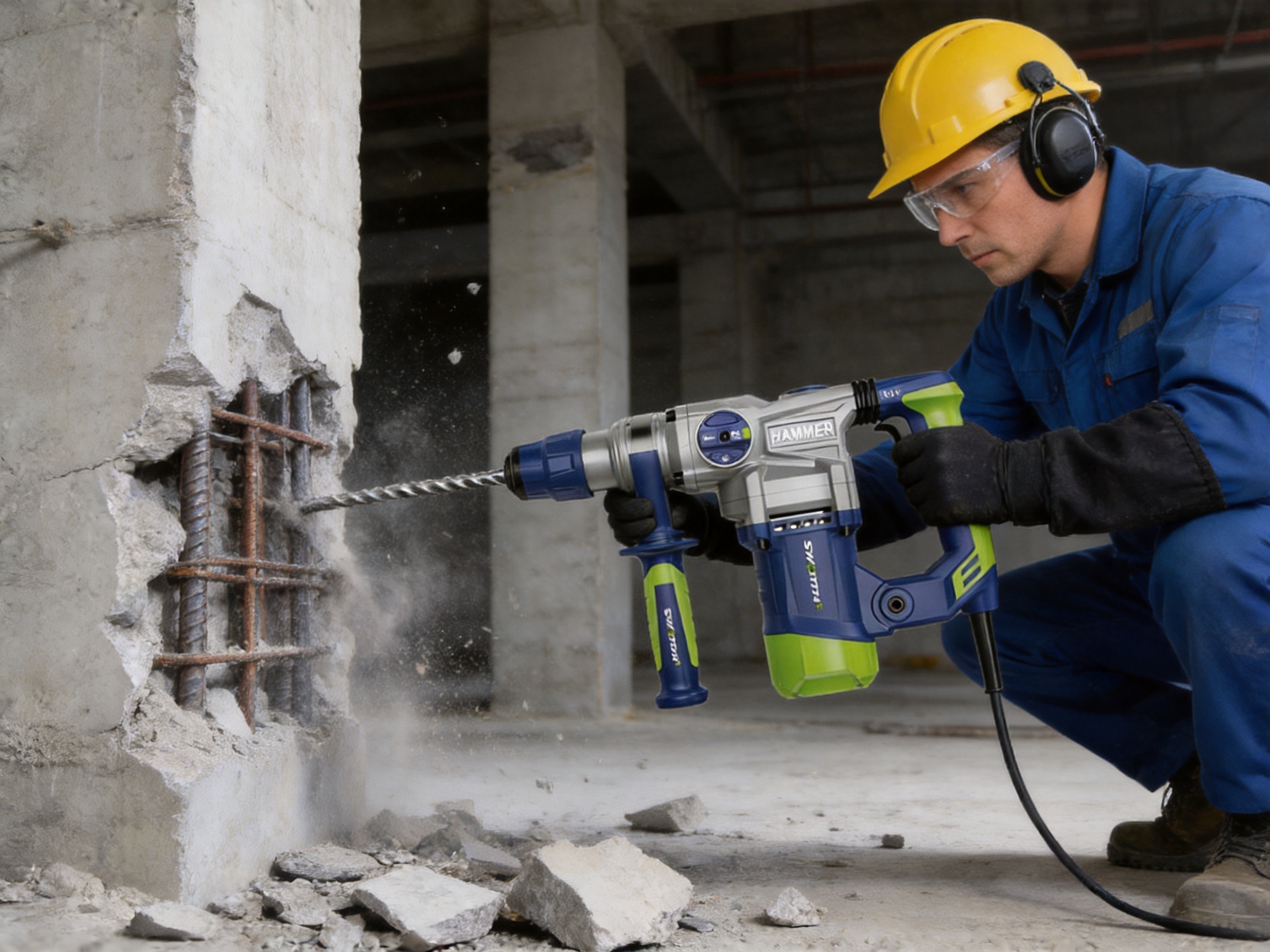
Multi-Angle Positioning for Directional Chiseling
The dial knob is one of the SW9362A’s practical design features. It provides multi-angle positioning for directional chiseling, allowing the operator to adjust the working orientation of the bit. This is useful when the access angle changes or when the bit must follow a specific direction through concrete.
Directional control can improve efficiency in several ways. First, it helps the operator align the tool with the intended fracture line. Second, it can reduce the need to rotate the entire machine or adopt an uncomfortable stance. Third, it makes the tool more adaptable to confined spaces and complex structural locations. These benefits are valuable during renovation, repair, installation preparation, and demolition work.
In large-hole rebar installation, the operator may need to remove material around an existing reinforcement point without unnecessarily damaging surrounding concrete. Adjustable bit positioning can provide better control over the chiseling direction. The technician can select a more suitable angle and work progressively rather than forcing the tool into one fixed orientation.
The positioning mechanism should be adjusted only when the tool is in a safe condition and according to the operating instructions. The bit must be properly secured before work begins. Operators should never attempt to force a locked or damaged adjustment mechanism, since doing so may damage the tool or create an unsafe operating condition.
Oil Cap, Pressure Management, and Dust Protection
The oil cap includes a breather hole designed to release pressure and help prevent oil leakage. Pressure management is important in high-load tools because heat and movement can affect lubricant behavior inside the housing. A breather opening can help control internal pressure while reducing the likelihood of unwanted oil seepage during operation.
Lubrication supports the life of impact components, gears, bearings, and other moving parts. The correct lubricant and service interval should be determined from the manufacturer’s instructions. Overfilling, using an unsuitable lubricant, or neglecting maintenance can create problems even when the tool is mechanically robust.
Dust protection is equally important. Concrete and masonry dust can be highly abrasive. The iron head and dust cap are designed to help limit dust entry into the sleeve, reducing wear in the bit-retention and impact-transfer area. Operators should still clean the exterior after use and inspect the front assembly for accumulated dust or debris.
For professional users, these details can make a significant difference in total ownership cost. A tool that protects lubrication and limits abrasive contamination may require fewer unexpected repairs when it is maintained correctly. The objective is not only strong initial performance but also dependable service over repeated jobs.
Safety Clutch and Controlled High-Power Operation
The SW9362A includes a safety clutch intended to help protect the operator’s wrist. A bit can encounter a hard obstruction, become trapped, or react suddenly when the material changes. Without a protective mechanism, the resulting force may be transferred to the operator. A clutch can help interrupt or limit that reaction, reducing the risk of sudden wrist movement.
The clutch is an important advantage over simple high-power tools that focus only on output. Professional performance requires controlled output. The user must be able to apply the tool to hard material while maintaining a predictable grip and stable position.
Nevertheless, a safety clutch is not a guarantee against injury. Operators should avoid forcing the machine, maintain a stable stance, keep both hands in the intended grip positions, and stop immediately if abnormal noise, excessive vibration, smoke, overheating, or unusual movement occurs. The work area should be cleared of bystanders, and the machine should be disconnected before inspection or accessory replacement.
When used correctly, the combination of strong impact energy, a clutch, shock absorption, and a non-slip handle gives the SW9362A a more complete safety and usability profile than a basic impact machine with no attention to control features.
Manufacturing Strengths and Engineering Capability
Yongkang Siwei Technology Co., Ltd. integrates research and development, manufacturing, and sales. This structure allows the company to coordinate product design with production requirements and customer feedback. Rather than treating the tool as an isolated assembly of parts, the company’s stated manufacturing approach emphasizes the relationship between materials, internal mechanisms, ergonomic design, and real construction use.
The company follows a “Focus on Professionalism, Quality First” concept. Its products use advanced processes and high-quality materials intended to withstand harsh working conditions. For a heavy-duty electric hammer, this philosophy is reflected in the reinforced motor, thickened sleeve, protective iron head, dust cap, pressure-relief oil cap, shock absorption system, and safety clutch.
Manufacturing quality begins with the design stage. The motor dimensions, cylinder structure, rotor and stator configuration, impact mechanism, sleeve, housing, handle, switch, and protection components must work together. If one part is not matched to the others, strong input power may create excessive heat, vibration, or premature wear. Integrated engineering helps ensure that the power system and mechanical structure are developed as a coordinated product.
Production consistency is also essential. Professional distributors and contractors require tools with predictable performance from unit to unit. Consistent assembly, inspection, lubrication, electrical testing, and functional testing help reduce variation and improve customer confidence. The company’s integration of development and production supports this type of product control.
The company also reports experience in developing high-efficiency brushless motors, electronic control systems, and intelligent battery platforms for cordless garden tools. Although the SW9362A is a corded electric hammer, this broader electrical engineering capability demonstrates experience with motor efficiency, control architecture, power management, and product reliability. Such knowledge can support ongoing development across both corded construction equipment and cordless outdoor power equipment.
Production Process Considerations
A professional electric hammer must be manufactured through a sequence of controlled processes. The motor components require accurate dimensional control so that the rotor and stator operate efficiently. The cylinder and impact assembly require appropriate alignment because repeated impacts can magnify small assembly errors. The sleeve and front housing need sufficient strength and precise fitting to maintain reliable bit engagement.
Material selection is another important factor. Components exposed to impact, heat, friction, and dust must be made from materials suitable for their working conditions. Reinforced metal parts can help resist deformation, while correctly selected insulation and electrical components support safe operation. Rubber compounds used in the handle must provide grip and durability without becoming excessively hard or slippery in normal use.
Assembly quality affects every major function. The oil system must be sealed appropriately while allowing pressure management through the breather hole. The dust cap must be fitted correctly to reduce contamination. The switch and electrical connections must be secure. The safety clutch must operate as designed. The spring shock absorption system must be assembled with the correct components and positioning.
Testing should include electrical safety checks, no-load operation, impact performance, switch function, vibration observation, and inspection for abnormal noise or oil leakage. Where applicable, production teams may also verify dimensions, fastening torque, insulation condition, and accessory retention. Such controls help ensure that the finished machine is suitable for professional users.
For importers and project buyers, manufacturing capability is as important as the product specification. A tool may have an attractive rating on paper, but dependable delivery requires stable production, quality control, packaging management, documentation, and responsive technical support. An integrated manufacturer is better positioned to coordinate these requirements.
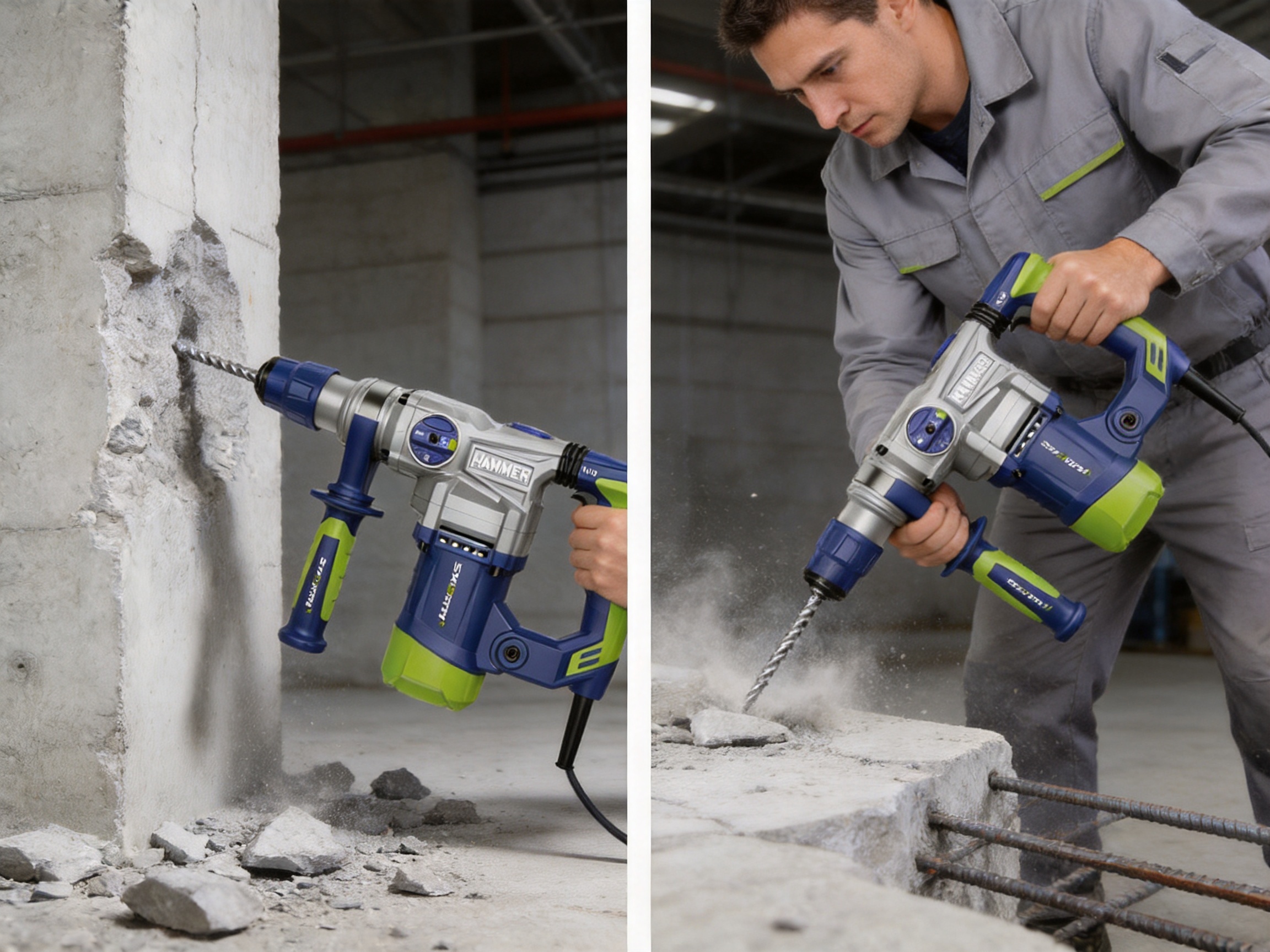
Applications Across Construction and Renovation
The primary application of the SW9362A is large-hole rebar installation and related concrete removal. However, its high impact energy and dual operating functions make it suitable for a broader group of applications.
In structural repair, technicians may need to remove damaged concrete, expose reinforcement, prepare an opening, or clear hardened material before installation. The machine’s high-power motor and chisel positioning system can support these operations.
In renovation, the tool can help remove sections of masonry, break concrete surfaces, and perform controlled chiseling around installation points. Its electric pick function is useful when the job involves repeated removal rather than simple drilling.
In general demolition, the 13J impact rating provides the force required for many concrete and masonry tasks. The operator can use suitable chisels for breaking, scaling, channeling, or material removal. The correct accessory should always be selected for the specific material and task.
In installation preparation, the tool can assist with openings for reinforcement, anchors, pipes, brackets, and other construction components. Its directional positioning feature may be especially useful where the opening must be approached from a restricted angle.
In maintenance and repair work, portability and multi-function capability can be valuable. A technician may arrive at a site expecting one type of task but discover that concrete must also be removed or adjusted. A combined electric hammer and pick reduces the need to return for another machine.
Why Professional Buyers May Choose This Model
Professional buyers generally evaluate more than purchase price. They consider output, durability, operator comfort, serviceability, availability, and total cost of ownership. The SW9362A is designed to address these factors as a complete package.
Its 1500W input and 13J impact energy provide a strong performance foundation. The dual-function system expands the range of work that can be completed with the same tool. The shock absorption system, rubber handle, and directional adjustment improve daily usability. The safety clutch and dust protection address common risks associated with heavy concrete work. The reinforced sleeve, enlarged cylinder, and thickened motor components support long-term professional use.
For contractors, the ability to complete more tasks with one platform can improve equipment utilization. For distributors, a product with clear professional positioning can serve construction, renovation, rebar installation, and demolition customers. For engineering teams, the specification set provides a basis for evaluating whether the machine suits the intended workload.
The tool should be selected according to the project’s voltage environment, material hardness, working duration, accessory requirements, and operator training. It is not a substitute for specialized machinery in every application, but it offers a practical combination of high impact performance and functional flexibility for many professional tasks.
Recommended Operating and Maintenance Practices
Before operating the SW9362A, inspect the power cable, plug, housing, handle, switch, dust cap, sleeve, and bit-retention area. Do not use the machine if any component is cracked, loose, damaged, or excessively worn. Confirm that the power supply matches the rated 220–240V, 50/60Hz specification.
Install only suitable and properly fitted accessories. The bit should be clean, straight, and free of cracks. A damaged bit can reduce efficiency and create an additional safety risk. Make sure the bit is securely retained before connecting the power supply.
During operation, hold the machine with both hands where applicable and maintain a stable stance. Do not apply excessive side pressure. Allow the impact mechanism to work through the material while guiding the tool steadily. Excessive force can increase vibration, heat, accessory wear, and mechanical stress.
Use the correct operating function for the task. Switch between electric hammer and electric pick functions only as instructed. Adjust the multi-angle positioning dial before beginning the operation, not while the machine is actively impacting. If the tool begins to overheat or produces an unusual smell, sound, or vibration, stop work and inspect it after disconnecting the power supply.
After use, clean dust from the exterior and front assembly. Inspect the dust cap, sleeve, handle, and cable. Follow the recommended lubrication schedule and use only the specified lubricant. Keep the tool in a dry location protected from moisture, corrosive substances, and extreme contamination.
Regular care helps preserve the performance advantages of the machine. High power is most valuable when the impact system, motor, sleeve, clutch, and controls remain in good condition.
Frequently Asked Questions
What is the SW9362A Large-Hole Rebar Hammer designed for?
The SW9362A is designed for large-hole rebar installation, concrete binder removal, high-intensity excavation, directional chiseling, renovation, and demolition work. It combines electric hammer and electric pick functions in one machine.
What is the rated power input?
The rated power input is 1500W. This high-power motor is intended to provide strong performance for demanding concrete and masonry applications.
What is the impact energy?
The listed impact energy is 13J. This level is intended for heavy-duty chiseling, concrete removal, and related construction tasks.
What is the impact speed?
The formal product specification lists a no-load impact speed of 4800 BPM. The product feature notes also describe a comparison figure of approximately 4900 BPM. Buyers requiring a contractual technical value should confirm the applicable figure with the supplier.
Can the tool be used as both a hammer and a pick?
Yes. The tool includes a one-button changeover system for electric hammer and electric pick functions. This allows one machine to support drilling-related hammering and concrete chiseling or removal tasks.
How does the tool reduce operator fatigue?
The SW9362A uses a dual-spring shock absorption system, a rubber-coated non-slip handle, and a large switch designed for comfortable pressing and holding. Its multi-angle positioning system can also help the operator work in a more suitable posture.
Does the tool include safety protection?
It includes a safety clutch intended to help protect the operator’s wrist if the bit encounters resistance or becomes locked. Users must still follow correct operating procedures and wear appropriate personal protective equipment.
What is the purpose of the breather hole in the oil cap?
The breather hole is designed to release internal pressure and help prevent oil leakage. Correct lubrication and maintenance should still be performed according to the operating instructions.
How does the dust cap help protect the tool?
The iron head and dust cap help limit dust entering the sleeve. This can reduce abrasive contamination and support longer service life for the front impact and bit-retention components.
Is the tool suitable for professional contractors?
Yes. Its power, impact energy, dual operating functions, reinforced sleeve, shock absorption, safety clutch, and directional positioning are intended for professional construction, repair, renovation, and demolition use.
What power supply does the machine require?
The rated supply is 220–240V at 50/60Hz. Users should confirm that the local electrical system is compatible before operation.
What should be checked before use?
Inspect the cable, plug, housing, switch, handle, sleeve, dust cap, and bit. Confirm that the accessory is appropriate, properly installed, and free from damage. The work area should also be checked for hidden utilities and structural hazards.
Conclusion
The SW9362A Large-Hole Rebar Hammer is a powerful and adaptable electric tool for professional concrete and reinforcement work. Its 1500W motor, 13J impact energy, rapid impact performance, 30mm cylinder, reinforced sleeve, and thickened motor components provide the foundation for demanding applications. The one-button changeover between electric hammer and electric pick functions increases versatility, while the multi-angle positioning dial makes directional chiseling more convenient.
Its advantages extend beyond power. The dual-spring shock absorption system, rubber-coated handle, large switch, safety clutch, dust cap, and pressure-relief oil cap address the practical challenges of extended construction use. These features help create a more controlled and comfortable tool for technicians working in difficult environments.
The manufacturer’s integrated approach to research and development, production, and sales supports a product philosophy focused on professional performance, suitable materials, controlled manufacturing, and reliable construction. Experience with demolition tools, chisel systems, high-efficiency motors, electronic controls, and battery platforms provides a broad technical foundation for continued product development.
For contractors, distributors, and engineering professionals seeking a high-output tool that can handle both hammering and picking operations, the SW9362A offers a practical combination of force, flexibility, durability-oriented construction, and operator-focused design. With proper accessory selection, safe operation, routine inspection, and scheduled maintenance, it can serve as a dependable part of a professional construction tool fleet.
References
1. Product specification sheet for the SW9362A Large-Hole Rebar Hammer, including rated voltage, power input, impact speed, impact energy, motor dimensions, and operating functions.
2. Manufacturer product information concerning the electric hammer and electric pick changeover system, dual-spring shock absorption, safety clutch, reinforced sleeve, dust cap, and multi-angle positioning.
3. General professional practice guidelines for electric hammer, demolition hammer, concrete chiseling, and masonry tool operation.
4. General maintenance principles for impact tools, including lubrication, dust control, accessory inspection, electrical safety, and mechanical component checks.
5. Manufacturer company information concerning research and development, production integration, professional demolition tools, brushless motors, electronic controls, and cordless garden equipment.
Product: SW9362A Large Hole Rebar Hammer

Recommended Products
-
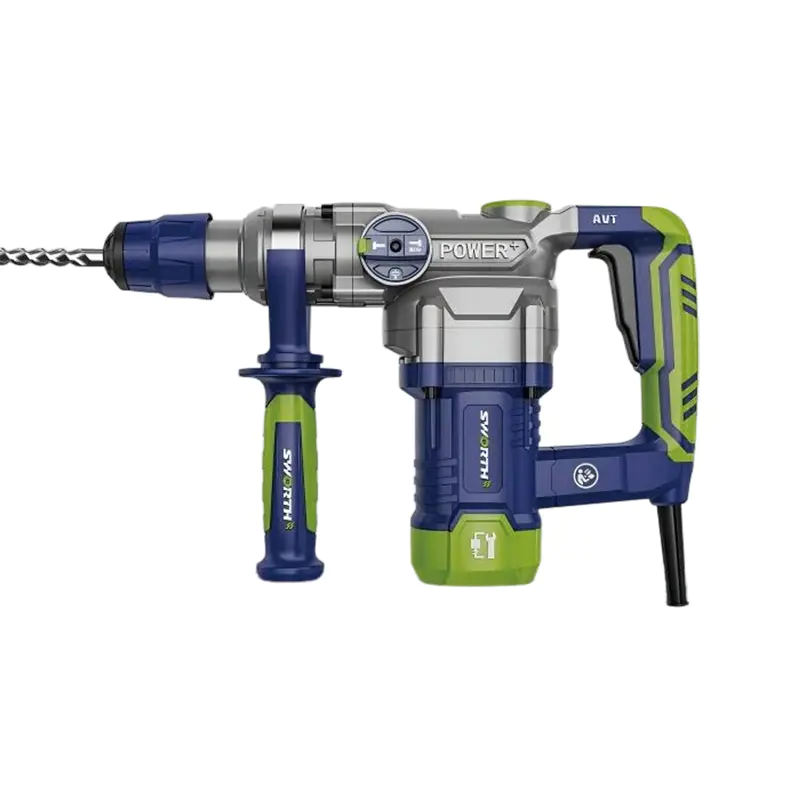


SW528 Small Hole Rebar Hammer
-
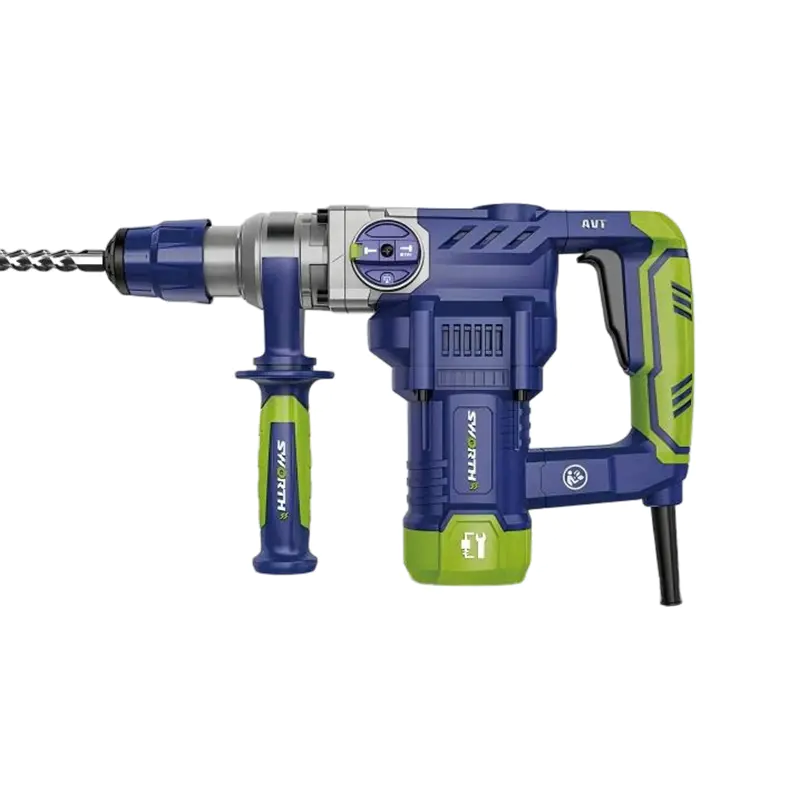
SW932 Groove Sandblasting Hammer
-
SW9362A Large Hole Rebar Hammer
-
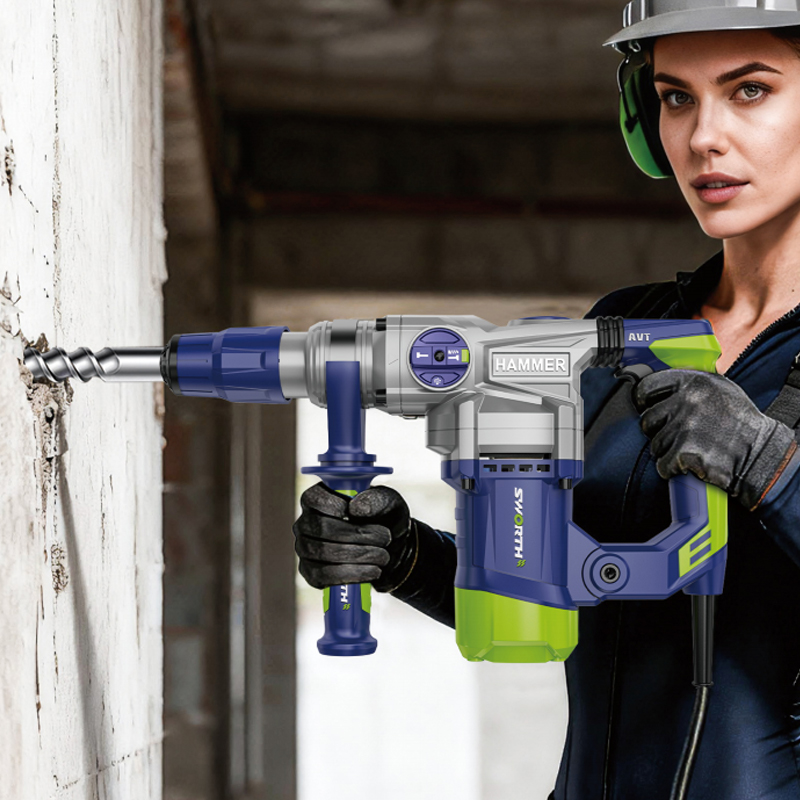
SW940 Enlarged Hole Rebar Hammer
-
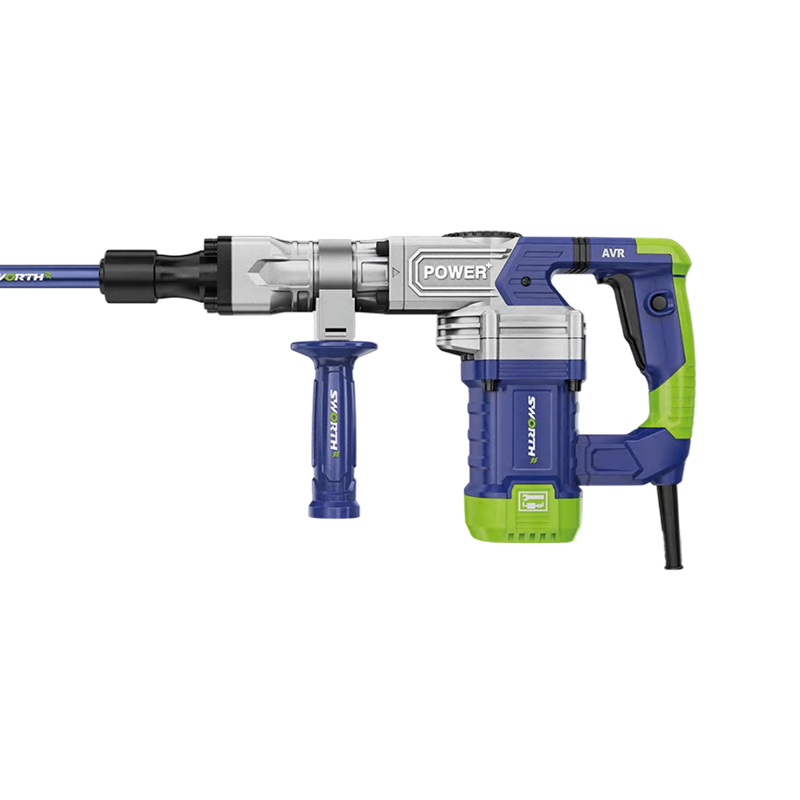
SW35S1 Powerful Demolition Hammer
-
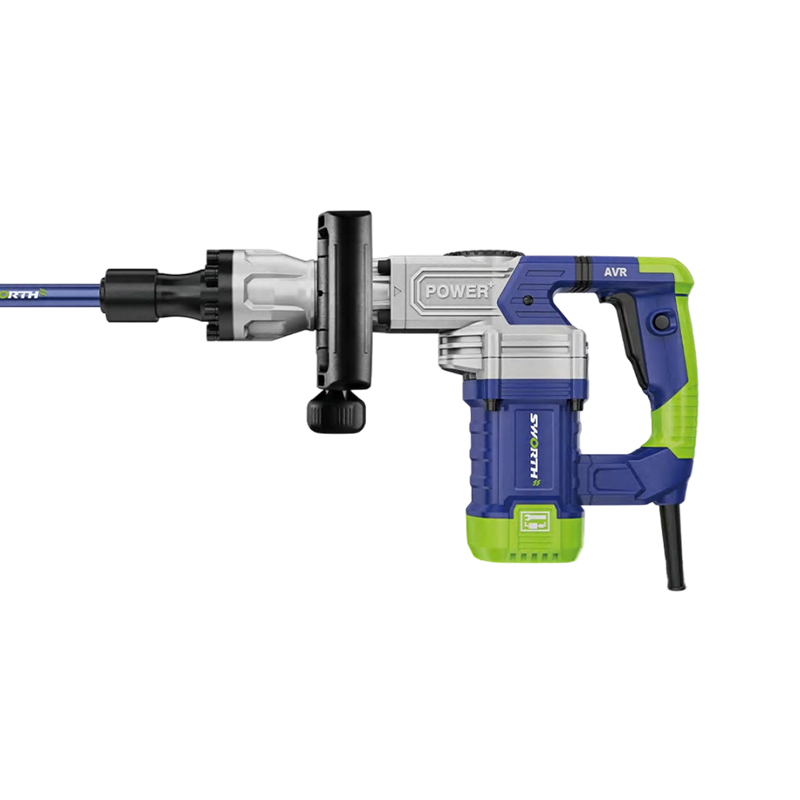
SW35S2 High-Efficiency Heat Dissipation Demolition Hammer
-
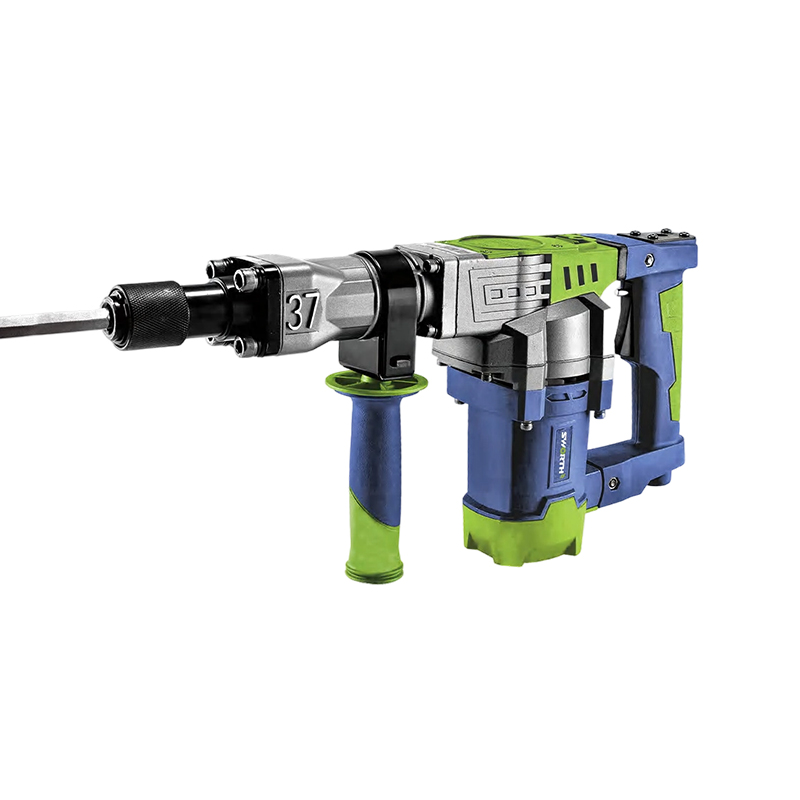
SW9371 High-Power Demolition Hammer
-
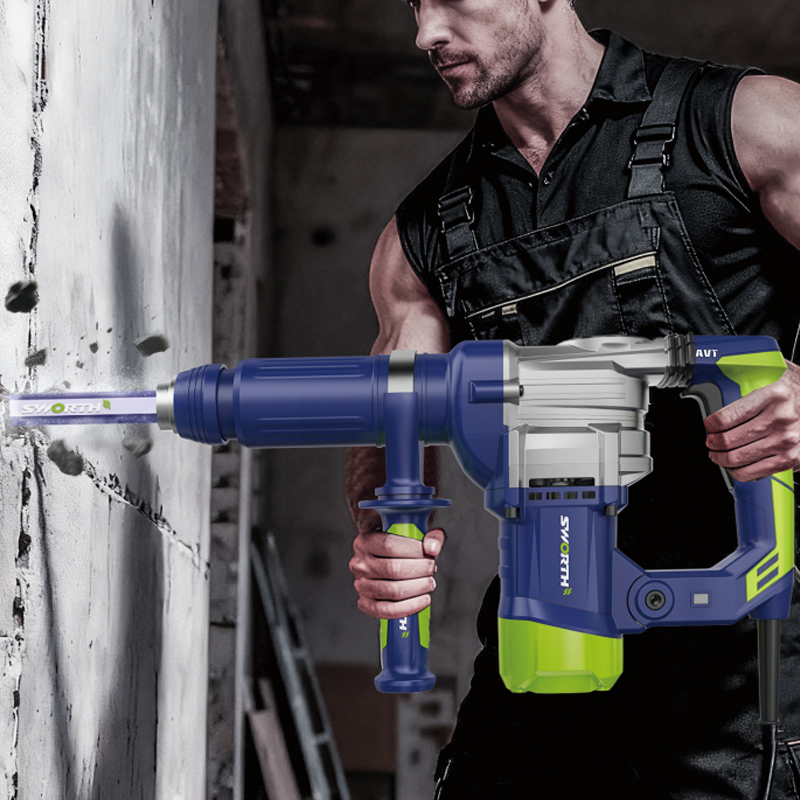
SW9373 Anti-Scalding Carbon Brush Holder Demolition Hammer
-
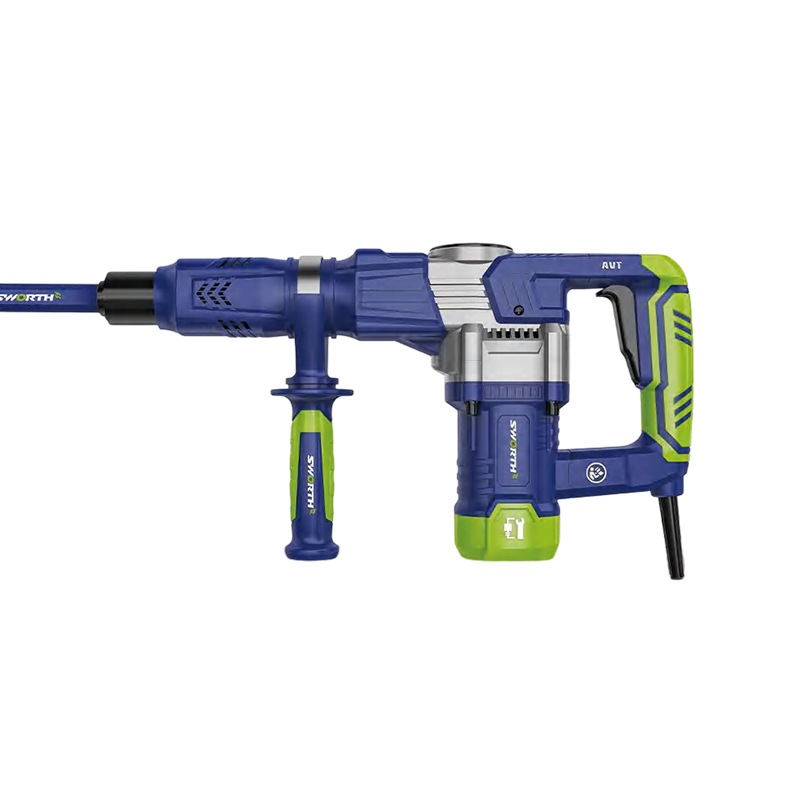
SW535 Powerful Anti-Scalding Demolition Hammer
-
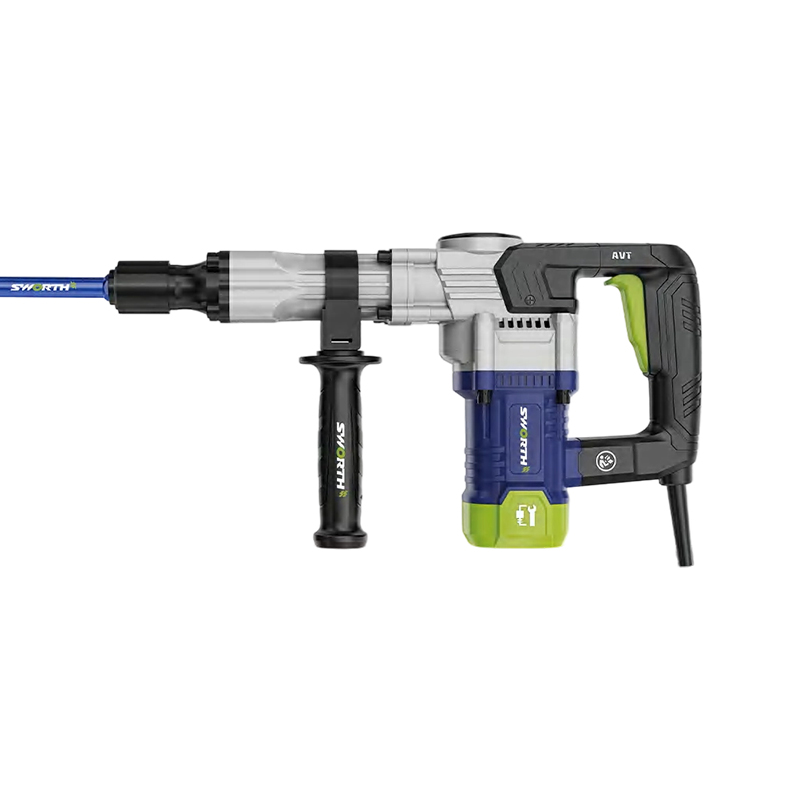
SW535-2 Durable Powerful Demolition Hammer
-
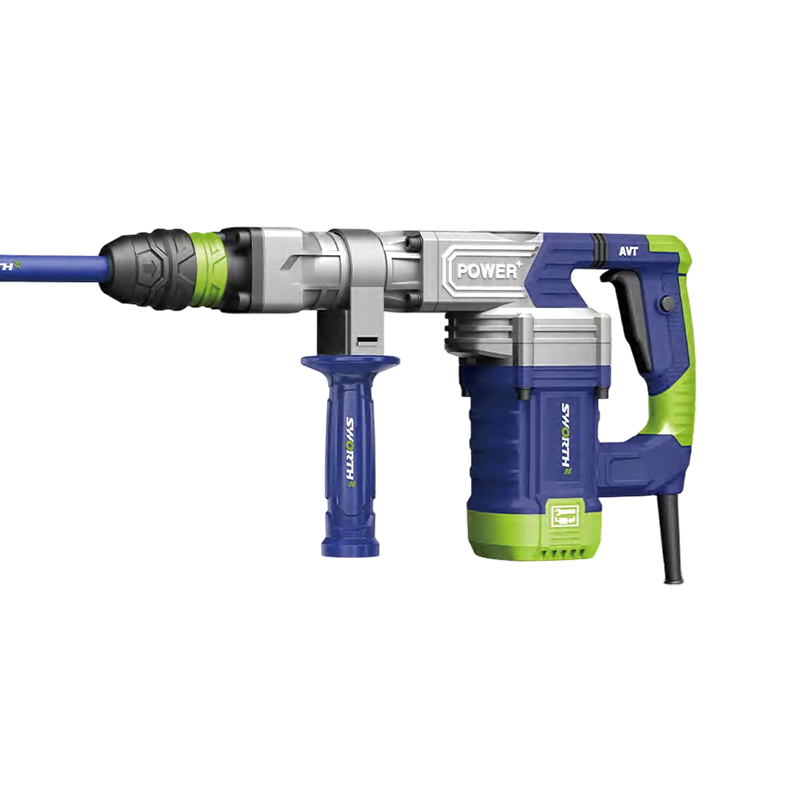
SW35S3 Five-Pipe Drill Bit Demolition Hammer
-

SW11E Five-Pipe Clamping Demolition Hammer
 +86-18314829275
 sale@sworthtools.com
 No. 101, Yugui Road, chengxi Industrial Zone, Yongkang City, Zhejiang Province, China
Copyright© Yongkang Siwei Technology Co., Ltd. All Rights Reserved

Hammer Tools & Cordless Garden Tools Manufacturer
