 English
 русский
 Español

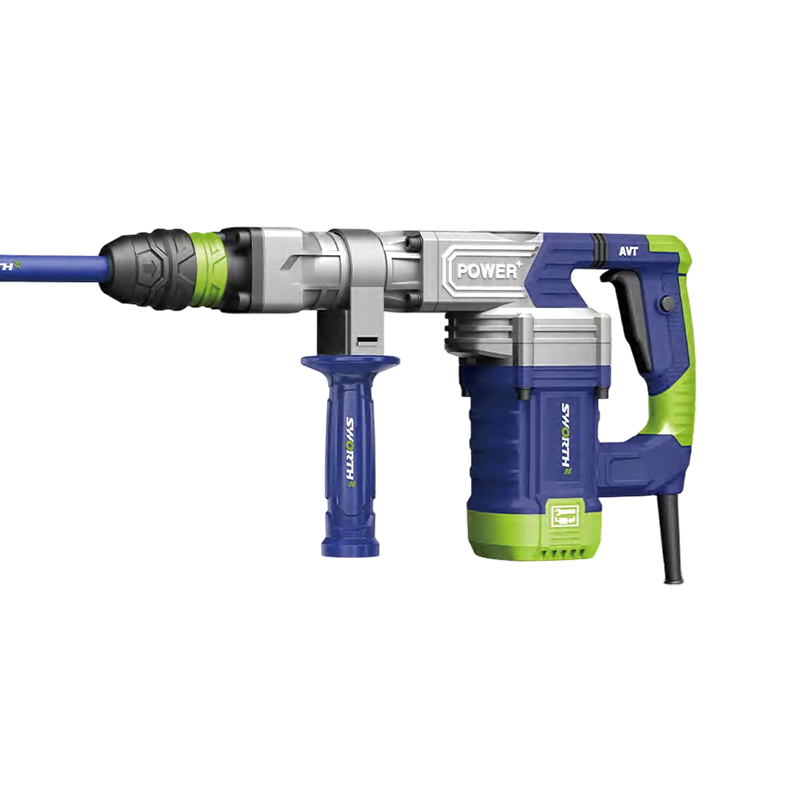
SW9129 Long Iron Head Large Demolition Hammer: High-Impact Power, Reduced Vibration, and Professional Durability

Professional demolition work demands more than a powerful motor. Contractors, renovation teams, infrastructure crews, and maintenance specialists need a demolition hammer that can deliver consistent impact energy, remain stable under severe operating conditions, and help reduce fatigue during long working periods. The SW9129 Long Iron Head Large Demolition Hammer is designed around these practical requirements. With a 1900W motor, 65J impact energy, a long forged iron head, dual anti-vibration handles, and reinforced internal components, it is built for demanding breaking applications involving concrete, brick, stone, masonry, and other high-strength materials.
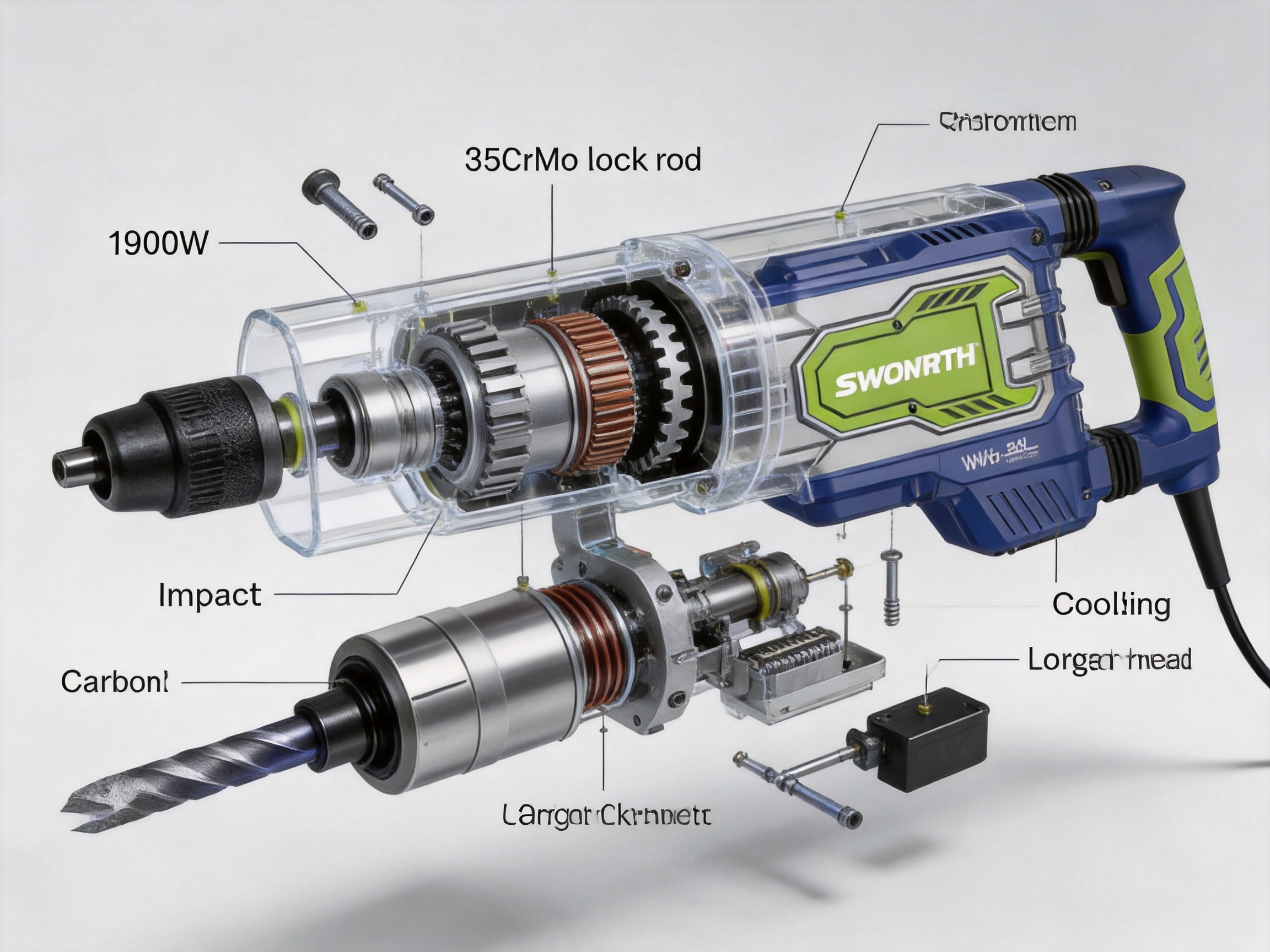
The product combines high output with a construction-focused design. Its 2000 beats-per-minute impact rate provides an effective balance between impact frequency and striking force, while the six-tooth rotating gear system increases torque transmission and helps the hammer maintain working power under load. A rubber-coated handle improves grip, and the upper and lower shock-absorbing handle arrangement helps reduce the vibration transferred to the operator.
Unlike many basic demolition hammers that emphasize motor wattage without adequately addressing durability or operator comfort, the SW9129 is engineered as a complete professional system. The forged iron head, 35CrMo carburized lock rod, enlarged carbon brushes, reinforced cylinder, upgraded gear structure, and improved heat dissipation system work together to support reliable service in harsh construction environments.
This article examines the product’s specifications, operating advantages, structural design, manufacturing strengths, application range, maintenance requirements, and competitive value. It also explains why the product is suitable for professional users seeking a durable electric pick for heavy demolition, construction renovation, and high-impact material removal.
1. Product Overview
The SW9129 is a large electric demolition hammer intended for intensive breaking and chiseling work. It is powered by a 1900W motor and operates on a rated voltage of 220–240V at 50/60Hz. Its rated no-load impact speed is 2000 beats per minute, while the impact energy reaches 65 joules. This combination gives the machine the strength necessary to break dense concrete and masonry while maintaining a practical working rhythm.
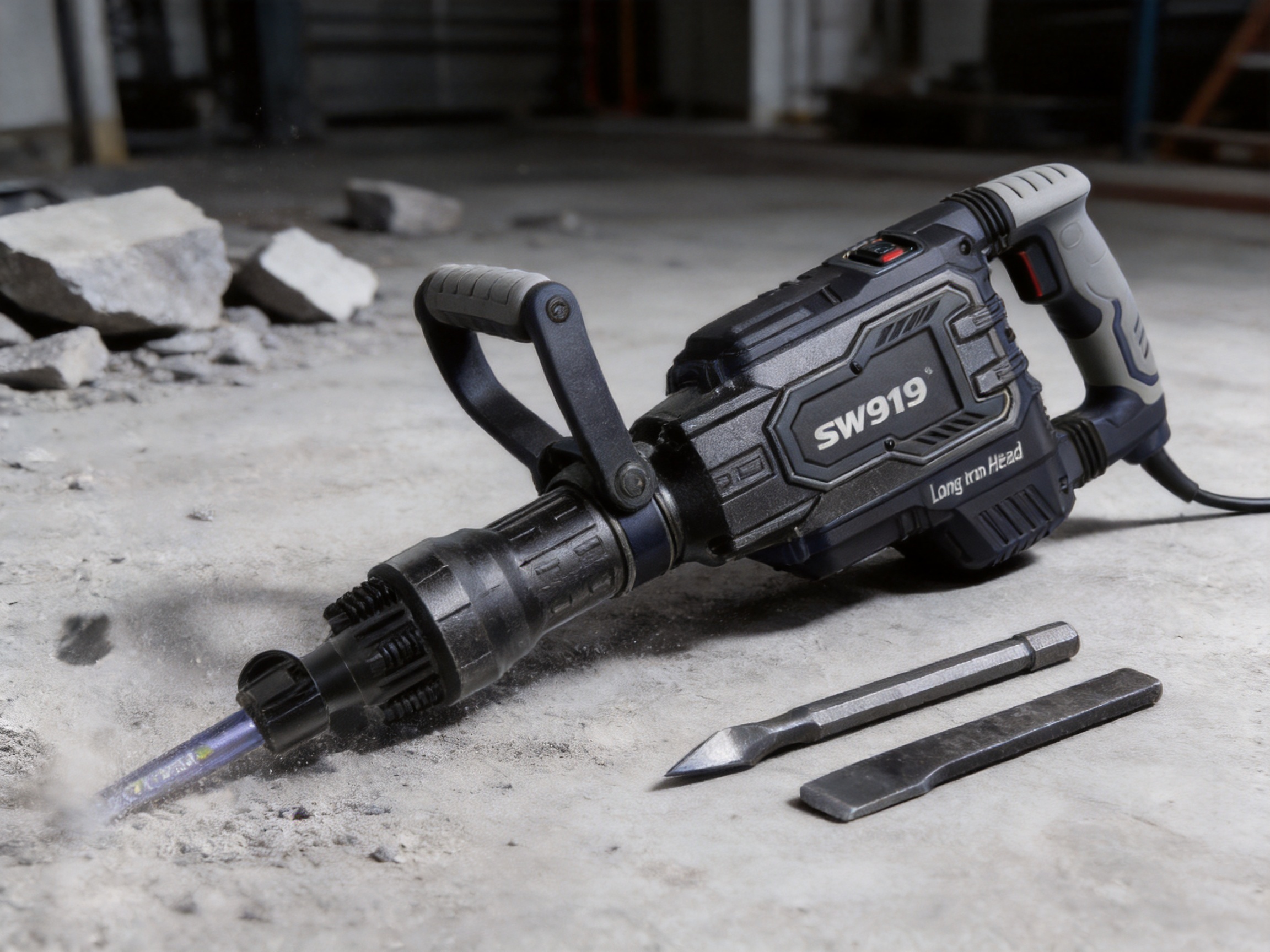
The long iron head is one of the product’s defining features. By extending and reinforcing the front section of the tool, the design improves the alignment between the hammer body, lock mechanism, and working chisel. The integrated forged iron head is intended to provide stable support under repeated impact and to reduce the risk of cracking that can occur in poorly reinforced front housings.
The hammer is also designed around operator control. A demolition tool with high impact energy can generate considerable rebound and vibration if its internal balance, handle structure, and front assembly are not properly matched. The SW9129 addresses this issue with a double anti-vibration handle arrangement positioned at the top and bottom of the body. Combined with soft rubber covering and a large switch, the handle system is designed to make operation more controlled and less tiring.
Its primary use is heavy-duty demolition. Typical tasks include breaking concrete slabs, removing brick walls, opening channels in masonry, dismantling foundations, removing old floors, breaking road repair sections, and clearing hardened construction material. With the correct chisel or pointed tool, it can also be used for localized material removal and penetration work.
| Item | Specification |
|---|---|
| Product model | SW9129 |
| Product type | Large electric demolition hammer |
| Rated voltage | 220–240V, 50/60Hz |
| Power input | 1900W |
| No-load impact speed | 2000 bpm |
| Impact energy | 65J |
| Stator diameter | Ø94 × 45H |
| Rotor diameter | Ø53 × 45H |
| Front structure | Long integral forged iron head |
| Handle design | Upper and lower anti-vibration handles with soft rubber grip |
2. Strong Impact Performance for Difficult Materials
The most important function of a demolition hammer is the ability to transfer energy efficiently from the motor to the working tool. The SW9129 is equipped with a 1900W high-power motor designed to provide substantial mechanical output for demanding work. Its 65J impact energy places it in a heavy-duty category suitable for materials that are difficult to break with lighter tools.
Concrete and reinforced masonry absorb considerable energy before they fracture. A small hammer may produce repeated impacts but make slow progress, particularly when the material is thick, old, or highly compacted. A high-energy demolition hammer can create deeper penetration with each stroke, helping the operator remove more material in less time. The SW9129 is designed to provide this high-energy action while keeping the impact rate at 2000 beats per minute.
The impact rate is important because productivity depends on both the energy of each blow and the number of blows delivered over time. An extremely high impact frequency without sufficient force may produce surface wear but fail to penetrate deeply. Conversely, very high energy with an unsuitable impact rhythm can make control difficult. The SW9129’s combination of 65J impact energy and 2000 bpm is intended to support effective breaking rather than simply maximizing one performance figure.
The six-tooth rotating gear contributes to torque and power transmission. A gear system with adequate tooth engagement can distribute mechanical stress more effectively than a weak or poorly matched transmission arrangement. The stated six-tooth structure is designed to increase torque and support stable power delivery when the chisel encounters dense material. This is especially useful when the operator applies the tool to concrete corners, thick slabs, compact brickwork, and hard aggregate.
Strong impact performance also helps reduce the time that workers spend holding the machine against a single section of material. Faster progress can improve jobsite productivity and reduce exposure to vibration, dust, noise, and awkward working positions. The tool should still be used with appropriate control, protective equipment, and work planning, but its high-energy design provides a practical advantage in heavy demolition applications.
3. Long Iron Head Design and Breaking Stability
The long iron head is more than a visual feature. The front section of a demolition hammer must withstand repeated impact, vibration, heat, and mechanical stress. It also needs to maintain accurate support for the lock rod and chisel. If the head becomes distorted, cracked, or loose, energy transfer may decline and safety risks may increase.
The SW9129 uses an integral forged iron head. Forging forms the metal under controlled pressure, producing a dense structure with improved continuity compared with some lower-cost cast or assembled alternatives. The resulting front housing is designed to resist cracking during repeated high-energy operation. Its long configuration helps extend the supporting structure around the working mechanism and provides a stable platform for breaking.
A stable front assembly helps concentrate impact energy at the chisel tip. When the tool remains properly aligned, less energy is lost through unwanted movement, excessive rebound, or lateral displacement. This can make the hammer feel more predictable and help the operator maintain contact with the material.
The long head can also improve access in certain demolition situations. When removing material from a deep channel, a narrow opening, or a recessed structural section, the extended front arrangement may provide more working reach than a compact body design. It can be useful for breaking from a standing position where the user needs additional clearance between the main motor housing and the work surface.
The head structure is especially valuable in professional environments where the tool may be used repeatedly across multiple projects. A demolition hammer is often exposed to accidental contact with hard surfaces, uneven positioning, and continuous shock. A reinforced forged head helps the product withstand these conditions and supports a longer service life when the machine is used correctly.

SW9129 Long Iron Head Large Demolition Hammer
4. Dual Anti-Vibration Handle System
High-impact demolition work can cause substantial vibration to travel from the chisel through the front housing and into the operator’s hands and arms. Prolonged exposure may lead to discomfort, reduced control, and fatigue. The SW9129 addresses this issue with a dual anti-vibration handle system located at the top and bottom of the machine.
The upper and lower handle arrangement gives the operator two points of control. This helps distribute holding pressure and makes it easier to stabilize the tool during vertical, horizontal, or angled work. Instead of relying on a single rigid grip, the operator can use the two handles to guide the hammer and manage its reaction force.
The handles are covered with soft rubber that provides a non-slip surface. Demolition sites commonly contain dust, moisture, loose particles, and uneven footing. A textured rubber grip can help the operator retain control when gloves are worn or when the working environment is demanding. It also improves comfort by reducing the harsh feel of a hard plastic or bare metal handle.
The anti-vibration structure is designed to absorb part of the vibration and impact transmitted through the body. It cannot eliminate all movement, because the machine must produce powerful mechanical impacts to break material. However, reducing unnecessary vibration can support better control and help limit fatigue during extended operation.
Reduced fatigue has direct productivity benefits. When operators become tired, they may need more frequent breaks, apply inconsistent pressure, or find it difficult to keep the chisel positioned accurately. A more comfortable handle system can help maintain a stable working rhythm and improve the quality of material removal.
The large switch is another practical feature. A demolition hammer may be operated while wearing protective gloves, so the control should be easy to locate and press. The enlarged switch is designed to make activation more convenient and to reduce the effort required to hold the machine in operation. Users should always follow the applicable safety procedures and disconnect power before changing accessories, cleaning the tool, or carrying out maintenance.
5. Reinforced Internal Components
Heavy-duty performance depends on internal parts as much as on motor power. The SW9129 incorporates several component upgrades intended to improve durability under repeated impact.
5.1 Six-Tooth Rotating Gear
The six-tooth rotating gear is designed to increase torque and improve power transmission. The gear is exposed to repeated mechanical load, especially when the chisel meets dense concrete or the operator applies pressure to a difficult section. Proper tooth engagement helps transfer motor output to the impact mechanism while supporting smooth rotation.
A durable gear system can also help reduce premature wear. When gears are correctly designed, manufactured, lubricated, and aligned, the contact force is distributed across the tooth surfaces. This supports stable operation and helps reduce the likelihood of irregular noise, slipping, or sudden loss of power.
5.2 35CrMo Carburized Lock Rod
The lock rod holds and supports the working accessory, making it a critical safety and performance component. The SW9129 uses a 35CrMo lock rod treated through a carburizing process. This alloy is associated with strength and toughness, while carburizing increases surface hardness and wear resistance.
The combination of a hard outer surface and a tougher internal structure is valuable in impact tools. The surface must withstand friction, repeated contact, and mechanical wear, while the core needs enough toughness to resist sudden fracture. According to the product information, the working life of the lock rod is increased by approximately 30 percent through this process.
A stronger lock rod helps keep the chisel securely supported during high-impact operation. It also contributes to consistent energy transfer and reduces the risk of rapid deformation in the accessory retention area.
5.3 Enlarged Carbon Brushes
The motor uses an enlarged 7 × 17 × 24 carbon brush arrangement. Carbon brushes are wear components in brushed motors, and their condition affects electrical contact and motor performance. Larger brushes can provide more contact material and may support longer service intervals when properly designed and maintained.
The brush holder structure is designed to support reliable brush positioning. Stable contact helps maintain current transfer to the rotating component and can contribute to consistent motor operation. As with all brushed tools, users should inspect brushes periodically, particularly when the machine is used frequently or in dusty environments.
5.4 Reinforced Cylinder
The cylinder is manufactured from 20CrMnTi material. This alloy is commonly selected for components requiring strength, wear resistance, and the ability to withstand repeated mechanical stress. In a demolition hammer, the cylinder works as part of the impact mechanism and is exposed to continuous reciprocating forces.
The product information indicates that the cylinder’s working life is doubled compared with a previous or less reinforced configuration. A durable cylinder supports the reliability of the impact assembly and helps the hammer maintain performance over repeated work cycles.
6. Motor, Heat Dissipation, and Operational Efficiency
The 1900W motor is the primary power source of the SW9129. A powerful motor must not only generate output but also withstand heat produced during sustained operation. Demolition work places continuous demand on electrical and mechanical components, especially when the tool is used against thick concrete or hard masonry.
The product incorporates an optimized power and heat dissipation system. Effective heat management helps move heat away from the motor, gear assembly, and other loaded components. Maintaining a more controlled internal temperature can reduce thermal stress and support more consistent performance during demanding tasks.
Heat dissipation is particularly important in professional settings where the tool may be used repeatedly throughout the day. Overheating can accelerate insulation aging, reduce lubricant effectiveness, and increase wear in mechanical parts. A well-designed airflow and cooling arrangement helps protect the tool when the operator follows suitable duty cycles and avoids blocking ventilation openings.
Efficient power delivery also improves breaking speed. When the motor, gear train, impact mechanism, and chisel support are properly matched, more of the input power can be converted into useful impact energy. This reduces wasted movement and helps the operator make progress through difficult material.
Users should remember that high motor power does not remove the need for correct technique. The chisel should be kept properly aligned, excessive sideways pressure should be avoided, and the machine should be allowed to work at its intended impact rate. Correct operating habits help preserve the motor and transmission while improving material removal efficiency.
7. Manufacturing Strengths and Quality-Focused Production
The product is manufactured by Yongkang Siwei Technology Co., Ltd., a professional tool manufacturer integrating research and development, production, and sales. This integrated structure supports coordination between product design, component selection, manufacturing processes, quality control, and market feedback.
A demolition hammer must be engineered as a complete system. Motor power, gear dimensions, impact mechanism, head strength, handle design, electrical control, lubrication, and accessory retention all influence the final result. A manufacturer with in-house technical development and production coordination can evaluate these elements together rather than treating them as unrelated parts.
The company follows a stated approach centered on professional focus and quality first. Its manufacturing philosophy emphasizes materials and processes capable of handling harsh working conditions. This is especially relevant for demolition tools, which must withstand repeated impact, dust, high load, and uneven worksite conditions.
The integral forged iron head demonstrates the importance of process selection. Forging can produce a dense, robust component suitable for the front section of a high-impact tool. The 35CrMo lock rod uses carburizing treatment to improve surface performance. The 20CrMnTi cylinder is selected for a demanding mechanical function. These examples show that durability is addressed through material and process engineering rather than by motor power alone.
Manufacturing quality also depends on dimensional control. The rotor and stator must be correctly matched, the gear assembly must be aligned, and the lock mechanism must be fitted accurately. Small deviations can affect vibration, noise, temperature, and service life. Consistent production standards help maintain product performance from one unit to the next.
Research and development capability provides another advantage. The company develops demolition hammers and chisel cutting tools for professional users, while also maintaining experience with electronic controls, brushless motors, and battery platforms for garden equipment. This broader technical background indicates an ability to work across motor systems, control systems, mechanical structures, and user-oriented product design.
Although the SW9129 is a corded brushed demolition hammer, experience in motor and electronic technology can support improvements in efficiency, safety, thermal management, and future product development. The company’s product portfolio includes both construction tools and cordless garden tools, allowing it to apply knowledge from different tool categories to manufacturing and engineering processes.
8. Advantages Compared with Basic Competitor Models
Professional buyers often compare demolition hammers by looking beyond headline wattage. Two tools may list similar power input but differ significantly in impact energy, head construction, vibration control, internal materials, and serviceability. The SW9129 offers several advantages over basic or lightly constructed competitor models.
8.1 Higher Heavy-Duty Capability
With 65J impact energy, the SW9129 is designed for serious demolition rather than occasional light chiseling. Basic models may be appropriate for small repairs or limited renovation tasks, but they can struggle when used continuously on thick concrete, foundations, hard brickwork, or compacted masonry. The SW9129 is better suited to high-demand applications where deep, forceful impact is required.
8.2 Reinforced Front Housing
The integral forged iron head provides a more robust front structure than many entry-level housings. Competitor products with weaker castings or assembled front sections may be more vulnerable to cracking, deformation, or loosening under repeated impact. A reinforced head supports stability and protects the working mechanism.
8.3 Improved Operator Comfort
Some basic demolition hammers focus on the motor and provide only a rigid handle. The SW9129 uses upper and lower anti-vibration handles with soft rubber coverings. This design helps improve control and reduce the physical burden associated with extended operation.
8.4 Durable Mechanical Materials
The 35CrMo carburized lock rod and 20CrMnTi cylinder demonstrate attention to component durability. A low-cost tool may use less specialized materials or omit surface treatment in high-wear areas. While every tool requires maintenance and eventual replacement of consumable parts, reinforced components can provide better resistance to demanding service.
8.5 Torque-Oriented Transmission
The six-tooth rotating gear is intended to provide higher torque and stronger power transmission. This is particularly important when the chisel encounters resistance. A transmission designed for high torque can help the motor transfer power effectively and maintain working output.
8.6 Service-Oriented Construction
The enlarged carbon brushes and brush holder structure make the motor’s wear components a practical part of the product design. Brushes are consumable items, and their inspection and replacement are normal aspects of maintaining a brushed power tool. A design that accommodates these components can support longer ownership and easier servicing.
8.7 Balanced Product Positioning
The SW9129 is positioned between raw power and usable ergonomics. A tool that is extremely powerful but difficult to control may reduce productivity. A tool that is comfortable but lacks impact energy may not complete heavy demolition efficiently. The SW9129 combines high impact output, a reinforced structure, and vibration-conscious handling to create a more balanced professional solution.
9. Applications in Construction and Renovation
The SW9129 can be used in a wide range of professional demolition environments. Its high impact energy makes it suitable for breaking and removing high-strength materials, while the long head provides stability and reach in difficult positions.
9.1 Concrete Breaking
The hammer can be used to break concrete slabs, steps, beams that are approved for removal, floor sections, and non-structural concrete features. Operators should confirm the structural status of any material before demolition. In renovation projects, the machine may be used to remove hardened flooring, concrete bases, and old poured surfaces.
9.2 Brick and Masonry Removal
Old brick walls, mortar beds, masonry partitions, and blockwork can be difficult to remove manually. The SW9129’s high-energy impact action helps fracture these materials and speed up dismantling. A pointed chisel may be used for initial penetration, followed by a flat chisel for controlled removal and separation.
9.3 Road and Infrastructure Maintenance
Repair crews may need to remove damaged sections of concrete, break compacted construction material, or open localized areas for maintenance work. The machine’s electric operation is practical where a suitable power supply is available and where a compact handheld tool is preferred over larger equipment.
9.4 Plumbing and Electrical Renovation
During building renovation, demolition hammers are often used to open channels for pipes, cables, drainage lines, and conduits. The operator can use a suitable chisel to create controlled openings in brickwork or concrete. Careful marking and staged removal are important to avoid damaging surrounding structures or concealed services.
9.5 Foundation and Surface Preparation
The machine may assist with removing old adhesive, breaking raised concrete sections, preparing surfaces for repair, and clearing hardened material before reconstruction. Its high impact output can help reduce manual labor in preparation work.
9.6 Industrial Maintenance
Factories, warehouses, and utility facilities may require occasional removal of damaged masonry, concrete bases, old platforms, or heavy surface buildup. A professional electric pick can provide the force needed for these tasks without requiring large demolition equipment for every small or medium-sized job.
10. Correct Operating Practices
Safe and efficient operation begins with selecting the correct chisel. Pointed chisels are generally useful for penetration and initial cracking, while flat chisels can assist with splitting, surface removal, and channel formation. The accessory must be compatible with the lock mechanism and installed securely before operation.
The operator should stand with stable footing and hold both handles firmly. The machine should be kept aligned with the working surface whenever possible. Excessive sideways force can place unnecessary stress on the chisel, lock rod, head, and transmission. The hammer should provide the impact energy; the operator’s role is to guide and position it rather than force it laterally.
Before starting work, inspect the power cable, plug, housing, handles, ventilation openings, lock mechanism, and chisel. Do not use the machine if the cable is damaged, the handle is loose, or the working accessory is cracked or deformed. The tool should be disconnected from the power source before inspection, accessory changes, or cleaning.
Demolition produces dust, flying fragments, and high noise levels. Appropriate personal protective equipment should include safety glasses or a face shield, hearing protection, work gloves, protective footwear, and suitable respiratory protection where dust is present. Work areas should be isolated from bystanders, and nearby surfaces should be protected from flying debris.
When working on walls, floors, or structural areas, users must check for concealed electrical cables, pipes, reinforcement, and other hazards. A demolition plan should be prepared before material is removed. In particular, structural concrete and load-bearing masonry should only be altered under appropriate professional supervision.
11. Maintenance and Service Life
Regular maintenance helps preserve the performance of a high-impact tool. After use, remove dust and debris from the housing, handle area, accessory holder, and ventilation openings. Compressed air may be used carefully where appropriate, but users should avoid forcing contaminants deeper into the motor or damaging seals and electrical components.
The chisel should be inspected for excessive wear, cracks, deformation, or a damaged shank. A worn chisel may reduce breaking efficiency and place additional load on the impact mechanism. Replacing the accessory at the correct time helps maintain energy transfer and control.
Carbon brushes should be checked according to the service schedule or when the machine shows symptoms such as intermittent operation, reduced power, excessive sparking, or unusual motor noise. Brushes should be replaced as a matched set using suitable components. The brush holder should also be inspected for contamination or damage.
Lubrication is important for gears and impact components. The correct lubricant and service interval should be followed according to the manufacturer’s instructions. Over-lubrication can create heat and resistance, while insufficient lubrication can increase wear and noise.
The power cable should be protected from sharp edges, heat, oil, water, and heavy traffic. It should not be pulled to move the machine or wrapped tightly around the body while hot. At the end of a work session, the tool should be stored in a dry location away from corrosive materials and excessive temperature changes.
Proper maintenance extends service life and helps the machine retain its competitive advantages. A durable product still requires responsible use, correct storage, and timely replacement of wear parts. The combination of robust construction and good maintenance can make the SW9129 a valuable long-term tool for professional users.
12. Why Professional Buyers Should Consider the SW9129
Professional purchasing decisions are based on productivity, reliability, operating comfort, maintenance requirements, and total ownership value. The SW9129 addresses each of these areas.
Its 1900W motor and 65J impact energy support demanding demolition work and can reduce the time needed to break high-strength materials. The 2000 bpm impact rate provides a practical working rhythm for continuous chiseling. The long forged iron head helps stabilize the front assembly and protect the impact mechanism.
The dual anti-vibration handle system is important for contractors whose employees may use the tool for extended periods. Better grip and improved vibration management can help maintain control and reduce unnecessary fatigue. The large switch is convenient when working with gloves, while the rubber-covered handles provide a secure contact surface.
The internal components are selected with durability in mind. The 35CrMo carburized lock rod, enlarged carbon brushes, six-tooth rotating gear, and 20CrMnTi cylinder are designed to address high-wear and high-load areas. These details distinguish a professional demolition tool from a simple high-wattage machine.
The manufacturer’s integrated approach to research, production, and sales also benefits buyers seeking consistent supply and technical cooperation. Professional distributors, construction companies, and project purchasers often need more than individual tools. They may require stable product specifications, dependable manufacturing capacity, technical communication, and support for long-term procurement. A manufacturer focused on professional tools can better understand these requirements.
The product is also suitable for international markets that use 220–240V, 50/60Hz electrical systems. Buyers should always confirm local electrical requirements, plug configuration, safety regulations, and certification requirements before purchasing or importing equipment.
13. Purchasing and Project Selection Guide
Before selecting a demolition hammer, buyers should evaluate the material to be removed, the thickness and density of the material, the expected daily working time, the available power supply, and the working environment. The SW9129 is designed for heavy-duty use, so it is most appropriate where high impact energy is required.
For occasional light tile removal or small surface repairs, a smaller hammer may be easier to handle. For thick concrete, dense brickwork, foundations, and continuous demolition, the SW9129’s high-energy configuration offers greater capability. Selecting a tool that matches the workload helps avoid both underperformance and unnecessary equipment expense.
Weight and handling should also be considered. A large demolition hammer delivers significant power and requires stable operation. Users should be trained to hold the tool correctly and take suitable rest periods. The anti-vibration handle system improves comfort, but it does not change the fundamental need for safe work practices.
Buyers should also consider accessory availability. Different chisels support different tasks, and a project may require pointed, flat, scaling, or specialized channeling accessories. Reliable accessory supply helps maintain productivity and allows the machine to be used across different applications.
For fleet purchasers, maintenance planning is important. Establishing inspection intervals, brush replacement procedures, lubrication schedules, and spare-part availability can reduce downtime. A tool with reinforced internal components can provide strong value, but only when supported by systematic maintenance.
14. Frequently Asked Questions
Q1: What type of work is the SW9129 designed for?
The SW9129 is designed for heavy-duty demolition and chiseling work. Typical applications include breaking concrete, removing brick and masonry, opening channels, dismantling old floors, removing hardened construction material, and performing infrastructure maintenance.
Q2: How powerful is the demolition hammer?
The product has a 1900W rated power input and delivers 65J of impact energy. Its no-load impact speed is 2000 beats per minute. This combination is intended for high-strength materials and demanding professional applications.
Q3: What is the benefit of the long iron head?
The long integral forged iron head supports the front mechanism, improves breaking stability, and helps concentrate impact force at the chisel. Forged construction is also intended to reduce the risk of cracking under repeated high-impact operation.
Q4: Does the hammer have vibration reduction?
Yes. The product uses upper and lower anti-vibration handles with soft rubber coverings. The design helps absorb part of the vibration and impact transmitted to the operator while improving grip and control.
Q5: What materials can it break?
The SW9129 is intended for concrete, brick, masonry, stone, and other high-strength construction materials. The actual performance depends on material density, thickness, reinforcement, chisel condition, operating technique, and worksite conditions.
Q6: What is the function of the six-tooth rotating gear?
The six-tooth rotating gear is designed to increase torque and support stronger power transmission. It helps the machine maintain useful output when the working accessory encounters substantial resistance.
Q7: Why is the lock rod made from 35CrMo?
35CrMo is selected for its strength and toughness. The lock rod also receives carburizing treatment, which improves surface hardness and wear resistance. This is important because the component is exposed to repeated impact, friction, and accessory movement.
Q8: What is the purpose of the 20CrMnTi cylinder?
The cylinder forms part of the impact mechanism and must withstand repeated reciprocating forces. The use of 20CrMnTi is intended to improve strength and wear resistance. The product information indicates that the cylinder’s working life is doubled compared with the previous design or reference configuration.
Q9: Does the machine use brushes?
Yes. It uses enlarged 7 × 17 × 24 carbon brushes and a brush holder structure. Carbon brushes are wear components and should be inspected and replaced when necessary according to service requirements.
Q10: Can the tool be used continuously?
The SW9129 is designed for professional and demanding work, but continuous operation should follow the recommended duty cycle and maintenance guidance. Operators should monitor heat, sound, vibration, and performance, and allow the machine to cool when necessary.
Q11: What safety equipment should be used?
Users should wear eye or face protection, hearing protection, work gloves, protective footwear, and suitable respiratory protection when dust is present. The work area should be checked for concealed cables, pipes, structural hazards, and loose debris.
Q12: Is the SW9129 suitable for international use?
The rated electrical specification is 220–240V at 50/60Hz. Buyers should confirm compatibility with their local power system, plug standard, certification requirements, and workplace regulations before use.
Q13: How can the service life of the tool be extended?
Use the correct chisel, keep it aligned, avoid excessive sideways pressure, clean the ventilation openings, inspect the cable and handles, replace worn carbon brushes, maintain proper lubrication, and store the machine in a dry environment. Timely maintenance is essential for preserving performance.
Q14: What makes this model different from a basic demolition hammer?
The SW9129 combines high impact energy with a forged long iron head, dual anti-vibration handles, a torque-oriented six-tooth gear, a carburized 35CrMo lock rod, enlarged carbon brushes, and a reinforced 20CrMnTi cylinder. These features address power, stability, comfort, and durability together.
15. Final Assessment
The SW9129 Long Iron Head Large Demolition Hammer is designed for professionals who need dependable high-impact performance rather than a basic electric breaker. Its 1900W motor and 65J impact energy provide the force required for concrete, brick, masonry, and other demanding materials. The 2000 bpm impact rate supports efficient material removal, while the six-tooth rotating gear helps improve torque and power transmission.
The product’s strongest advantages are found in the details of its construction. The integral forged iron head improves front-end strength and breaking stability. The dual anti-vibration handles and soft rubber grip support operator comfort and control. The 35CrMo carburized lock rod is designed for improved wear resistance, while the reinforced 20CrMnTi cylinder supports the durability of the impact mechanism. Enlarged carbon brushes and an improved heat dissipation system further contribute to practical serviceability and performance.
Compared with lighter or less reinforced competitor models, the SW9129 offers a more complete professional configuration. It is not based on motor wattage alone; it combines power, impact energy, mechanical reinforcement, vibration management, and manufacturing process control. This makes it suitable for contractors, renovation specialists, infrastructure crews, industrial maintenance teams, and professional distributors seeking a durable demolition solution.
Manufactured by Yongkang Siwei Technology Co., Ltd., the product reflects an engineering approach centered on professional tools, material quality, and practical performance. The company’s integrated research, production, and sales capabilities support product development and manufacturing coordination, while its experience with demolition equipment, motors, electronic controls, and cordless tool platforms provides a broad technical foundation.
For users who require a powerful electric pick for demanding demolition work, the SW9129 offers a strong combination of impact capability, structural durability, operator comfort, and long-term value. With correct operation, suitable accessories, and regular maintenance, it can serve as a dependable tool for high-strength material removal across construction, renovation, infrastructure, and industrial applications.
References
1. Product specification sheet for the SW9129 Long Iron Head Large Demolition Hammer.
2. Manufacturer-provided technical information concerning motor power, impact energy, gear construction, handle design, and reinforced components.
3. General principles of electric motor operation, gear transmission, impact mechanisms, and power tool maintenance.
4. General occupational safety practices for concrete demolition, masonry removal, dust control, vibration exposure, and hearing protection.
5. General materials engineering references concerning forged iron components, carburized alloy steel, carbon brushes, and wear-resistant mechanical parts.
6. General maintenance guidance for corded electric demolition hammers and high-impact construction tools.
Product: SW9129 Long Iron Head Large Demolition Hammer

Recommended Products
-


SW528 Small Hole Rebar Hammer
-
SW932 Groove Sandblasting Hammer
-
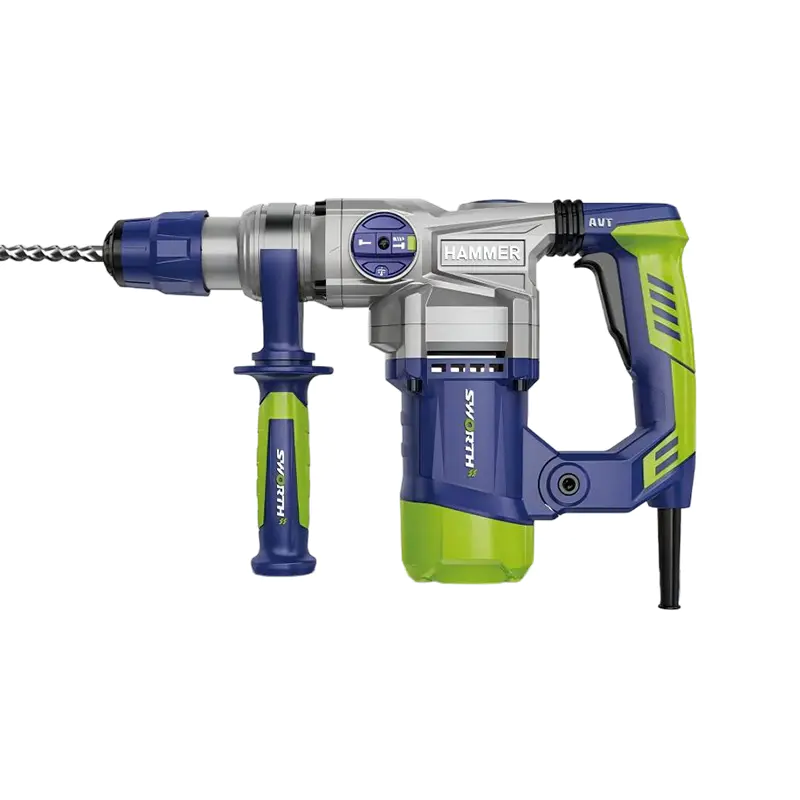
SW9362A Large Hole Rebar Hammer
-
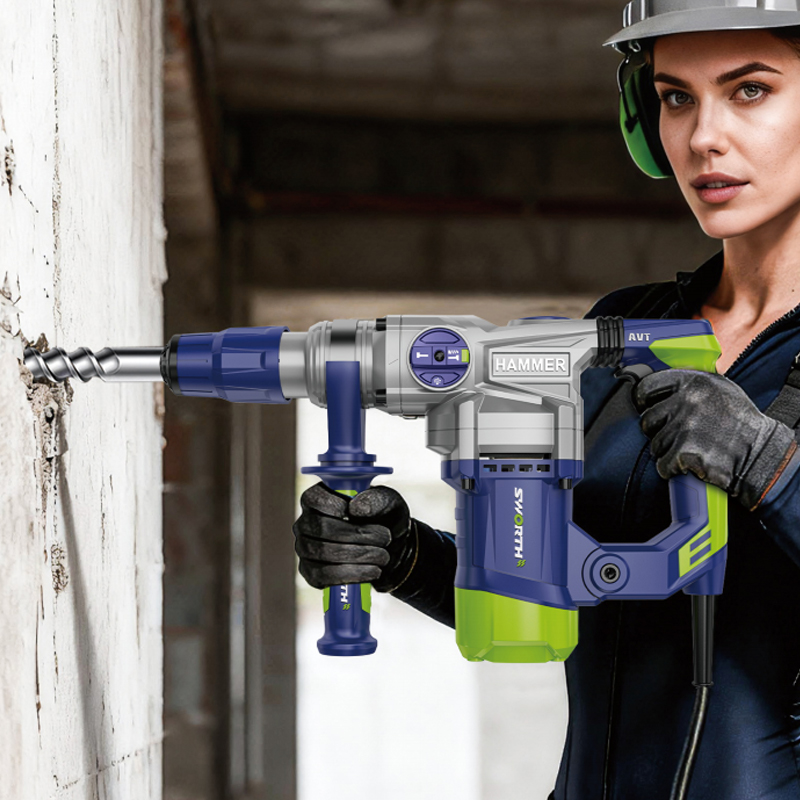
SW940 Enlarged Hole Rebar Hammer
-
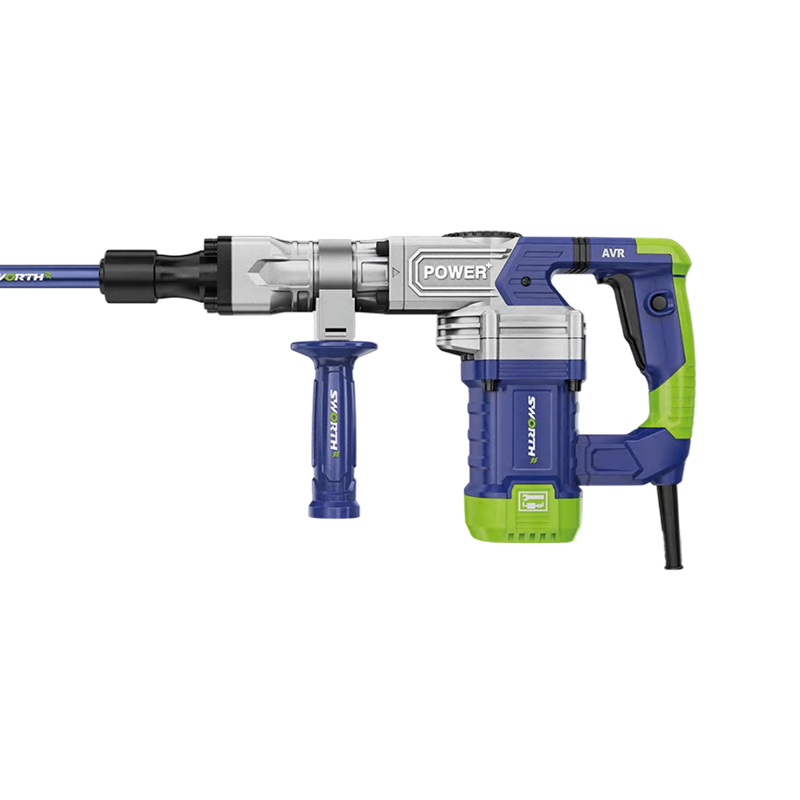
SW35S1 Powerful Demolition Hammer
-
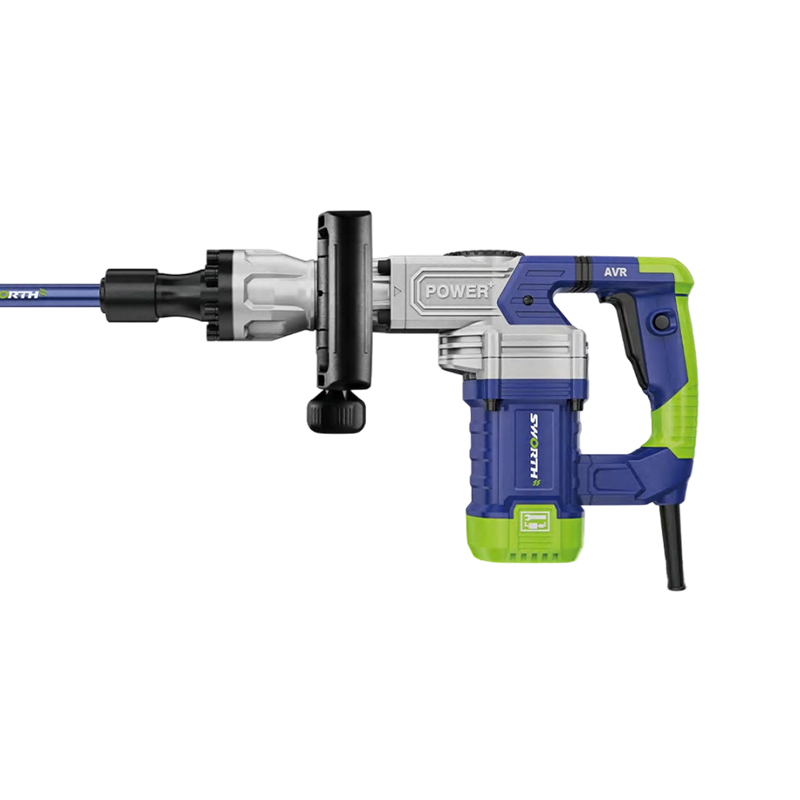
SW35S2 High-Efficiency Heat Dissipation Demolition Hammer
-
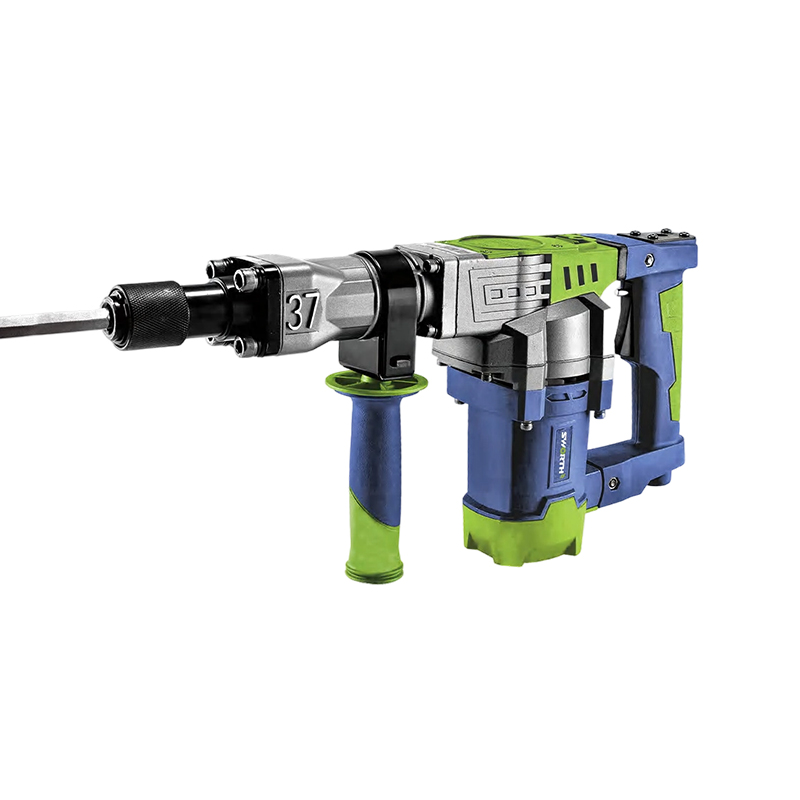
SW9371 High-Power Demolition Hammer
-
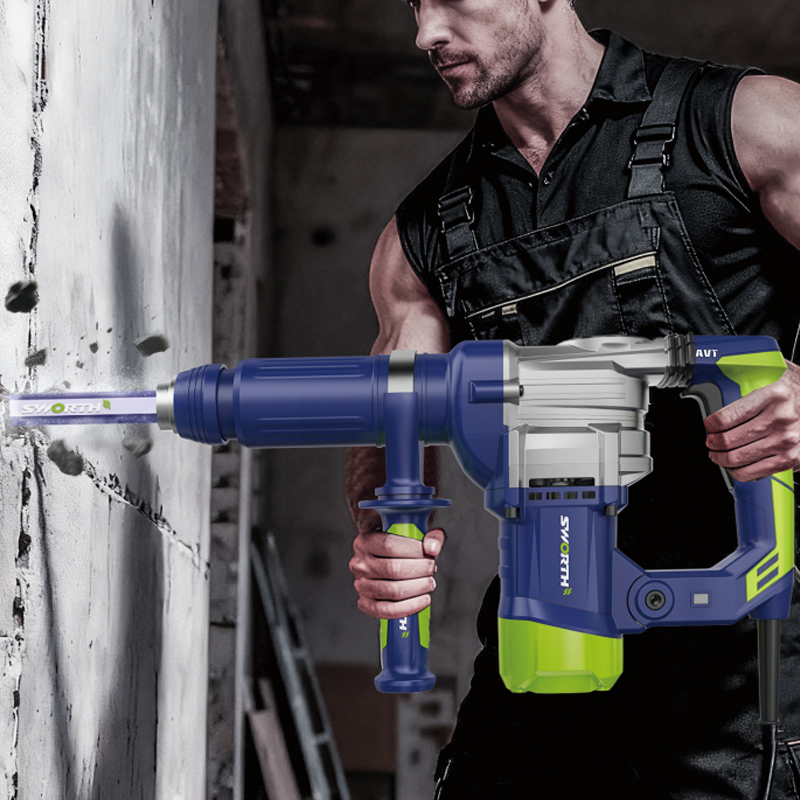
SW9373 Anti-Scalding Carbon Brush Holder Demolition Hammer
-
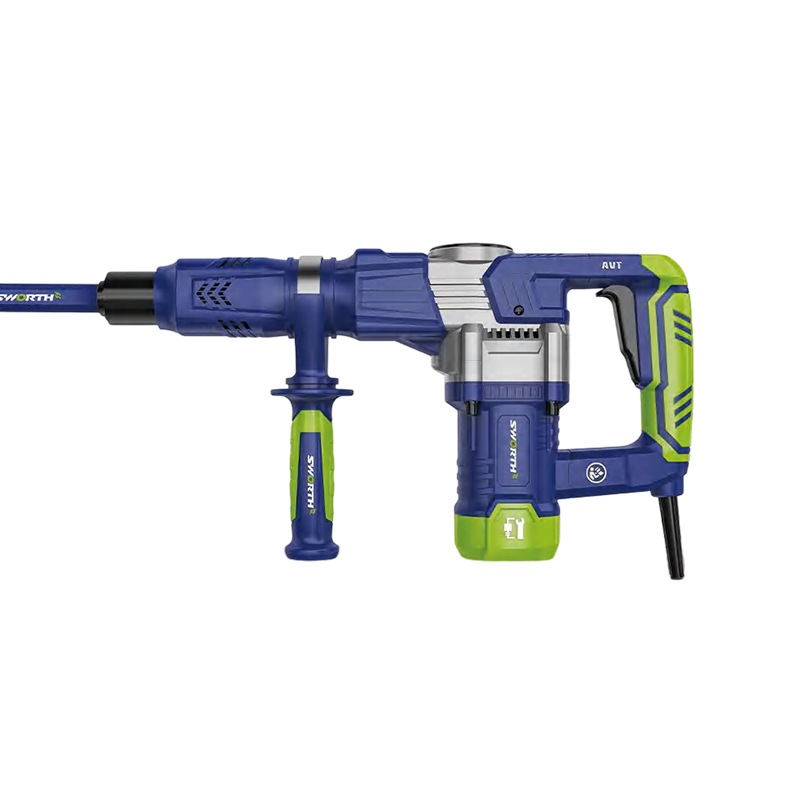
SW535 Powerful Anti-Scalding Demolition Hammer
-
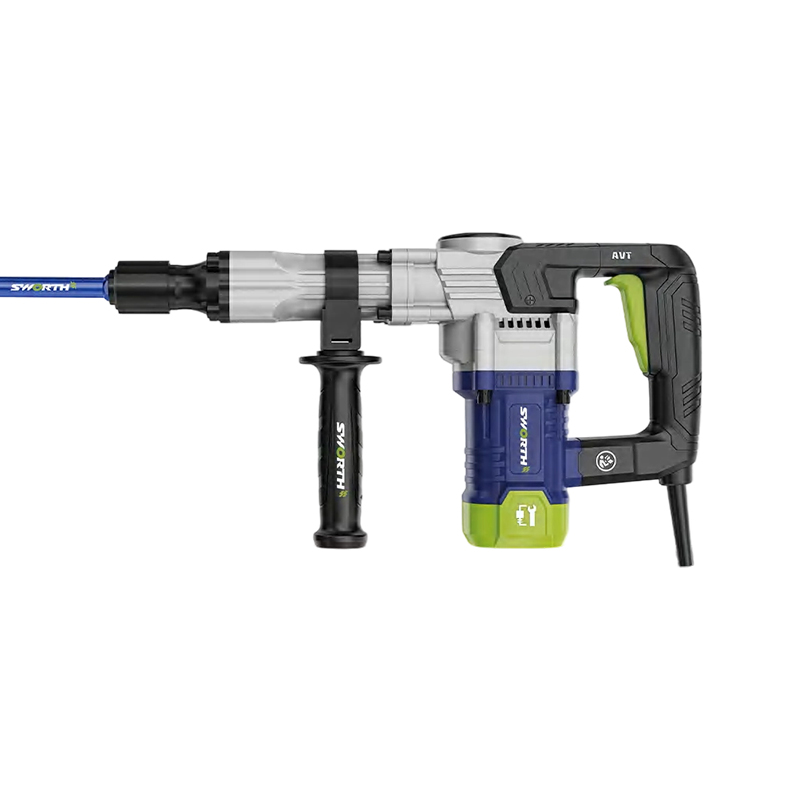
SW535-2 Durable Powerful Demolition Hammer
-
SW35S3 Five-Pipe Drill Bit Demolition Hammer
-

SW11E Five-Pipe Clamping Demolition Hammer
 +86-18314829275
 sale@sworthtools.com
 No. 101, Yugui Road, chengxi Industrial Zone, Yongkang City, Zhejiang Province, China
Copyright© Yongkang Siwei Technology Co., Ltd. All Rights Reserved

Hammer Tools & Cordless Garden Tools Manufacturer
