 English
 русский
 Español

SW52351 57×55 mm 2500W Circular Saw: Heavy-Duty Cutting Power, Cleaner Visibility, and Professional Reliability
The SW52351 57×55 mm 2500W Circular Saw is designed for demanding cutting work in construction, renovation, flooring, decking, demolition, and selected stone-cutting applications. It combines a high-output electric motor, a 235 mm saw blade platform, reinforced internal components, and a side-exhaust head shell that helps move chips away from the cutting line. The result is a powerful corded circular saw intended for professional users who need consistent performance during heavy ripping, crosscutting, and job-site work.
Many circular saws are built around a basic motor and a conventional front exhaust arrangement. That design may be sufficient for occasional work, but it can create practical problems when cutting dense wood, engineered boards, flooring materials, or construction components for long periods. Chips can accumulate around the blade, the cutting line may become difficult to see, and heat can build up in the motor under demanding loads. The SW52351 addresses these concerns through a combination of motor size, current-carrying components, enlarged carbon brushes, ergonomic handles, and controlled chip discharge.
Its stated product title identifies a 57×55 mm rotor and 2500W power class, while the technical information lists a 2600W power input. These figures indicate a high-output machine designed for serious corded operation rather than light household use. The saw uses a 235 mm blade and is supplied for 220–240V, 50/60Hz electrical systems. With the appropriate blade, it can be used for wood and may also be configured for stone or ground-material cutting, subject to blade selection, operating procedures, dust control, and the manufacturer’s safety instructions.
A Circular Saw Built for High-Demand Work
A circular saw is only as useful as its ability to maintain speed and control when the blade enters a difficult material. Light-duty models can perform well during short cuts in softwood, but they may struggle with thick stock, hardwood, repeated crosscuts, or construction materials. Professional users often need a machine that can work continuously across a full shift while maintaining predictable cutting behavior.
The SW52351 is positioned for this type of environment. Its large rotor is designed to generate strong torque, helping the blade continue working when resistance increases. Torque is especially important during heavy ripping, where the blade remains engaged with the workpiece for a relatively long distance. It also matters during crosscutting of thick boards, cutting dense flooring materials, and performing demolition work where the material may not be uniform.
The machine’s 235 mm blade size provides a substantial cutting platform for construction applications. Blade diameter alone does not determine performance, because cutting capacity also depends on blade design, tooth configuration, material density, cutting angle, and the saw’s mechanical structure. However, a 235 mm blade is generally associated with heavier work than compact saws intended for small panels or occasional repairs.
Rather than focusing only on maximum power, the design places attention on the complete motor system. The rotor, stator, brush holder, carbon brushes, cooling arrangement, and external housing all contribute to how effectively electrical energy becomes usable cutting power. This integrated approach gives the SW52351 a practical advantage over products that advertise a high wattage but use smaller internal components or less durable current-transfer parts.
Core Technical Specifications
The following table summarizes the principal information supplied for the SW52351 circular saw.
| Specification | Details |
|---|---|
| Product model | SW52351 |
| Product type | Heavy-duty corded circular saw |
| Rated voltage | 220–240V~, 50/60Hz |
| Power class stated in product title | 2500W |
| Listed power input | 2600W |
| Saw blade size | 235 mm |
| Stator dimensions | Ø95 × 55H |
| Rotor dimensions | Ø57 × 55 mm |
| Carbon brush size | 7 × 18 mm |
| Brush holder material | Solid copper |
| Handle configuration | Front and rear handles with soft rubber grips |
| Exhaust design | Side-exhaust head shell |
The power figures should be interpreted according to the technical documentation, local electrical requirements, and the rating method used for the product. Buyers should confirm the final nameplate information, blade compatibility, cutting capacity, packaging contents, and applicable certification before placing a commercial order. The data above describes the supplied product information and does not replace the operating manual.
Side-Exhaust Head Shell for a Clearer Cutting Line
One of the most distinctive features of the SW52351 is its side-exhaust head shell. Instead of allowing air and wood chips to discharge directly toward the operator or spread unpredictably around the cutting area, the housing directs exhaust airflow sideways. This design is intended to reduce the amount of debris that crosses the operator’s field of view.
Visibility is a major factor in cutting accuracy. When sawdust accumulates along the cut line, the operator may need to stop frequently, brush away debris, or adjust body position to see the blade path. During long cuts, these interruptions reduce productivity. In demolition or framing work, where the workpiece may be awkwardly positioned, poor visibility can also make it harder to maintain a straight line.
The side-exhaust arrangement helps keep the cutting path more visible while reducing the tendency of chips to scatter directly over the work surface. It does not eliminate dust, and it should not be treated as a replacement for suitable eye protection, respiratory protection, extraction equipment, or site ventilation. Instead, it is a mechanical design feature that supports a cleaner and more controlled work area.
This feature can be particularly useful during flooring and decking installation. When working close to finished surfaces, uncontrolled debris can mark the material or create additional cleaning work. A more directional exhaust path helps the operator manage the debris stream and maintain awareness of the cut. In repetitive production work, even small improvements in visibility and cleanup can produce meaningful time savings.
Compared with conventional saw housings that exhaust forward or disperse chips around the blade guard, the side-exhaust design gives the SW52351 a clear practical distinction. The advantage is not merely cosmetic. It connects air movement, operator visibility, work-surface cleanliness, and cutting consistency in a single housing feature.

SW52351 57*55mm 2500W Circular Saw
Oversized Rotor for Stronger Torque
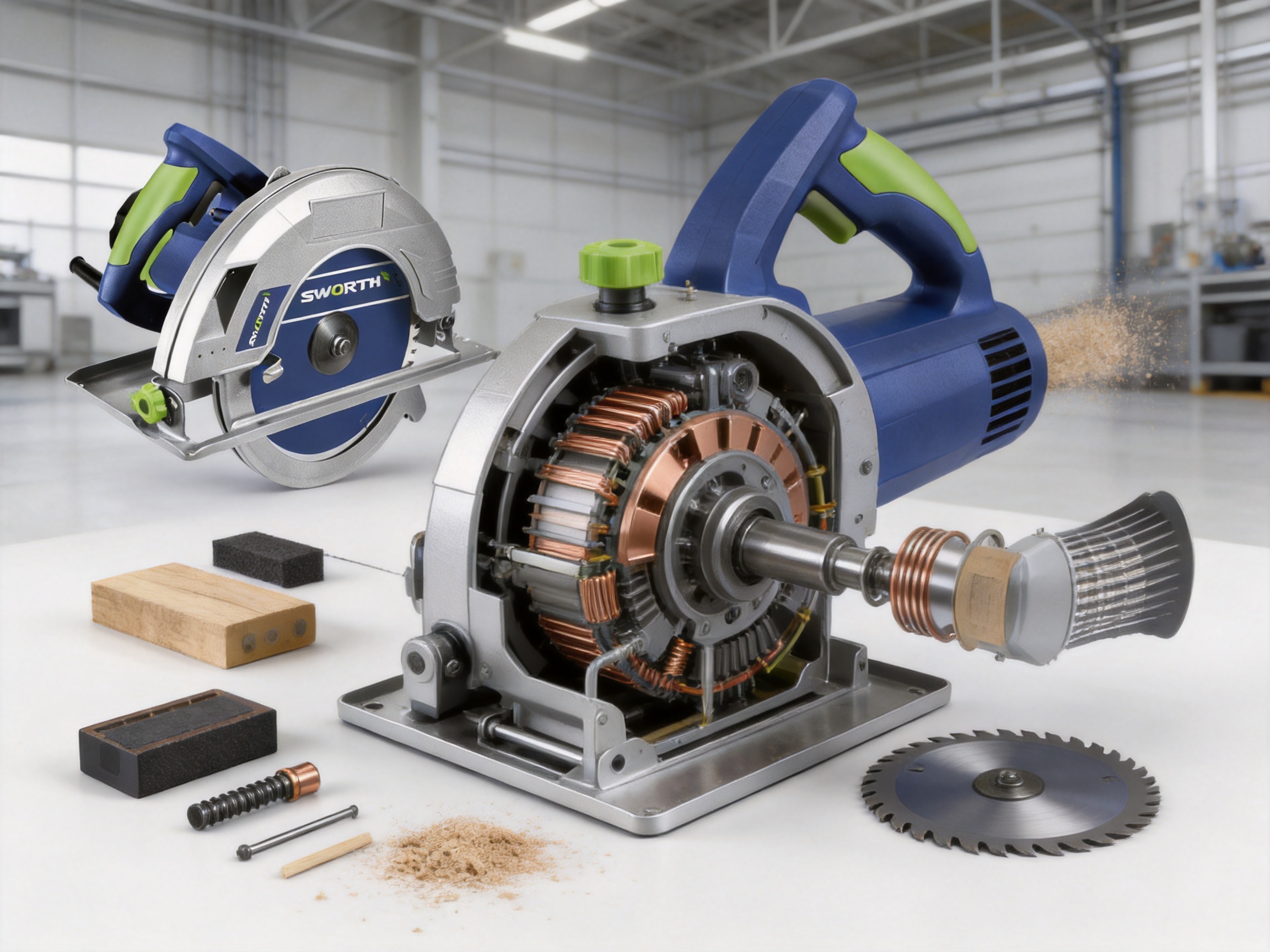
The SW52351 uses a rotor measuring approximately 57×55 mm, described as larger and taller than the rotors used in regular motor designs. A larger rotor can support stronger torque production when paired with an appropriate stator, winding configuration, commutator system, and cooling structure. In a circular saw, this matters because the motor must resist slowing when the blade encounters dense or thick material.
During a heavy rip cut, the blade can experience continuous resistance along the entire length of the workpiece. If the motor lacks torque, the blade may slow down, cutting speed may fall, and the operator may apply excessive feed pressure. Excessive pressure can increase heat, worsen cut quality, and place additional stress on the blade and internal components. A motor with stronger torque characteristics gives the operator greater freedom to maintain a steady feed rate.
The rotor dimension should not be viewed in isolation. A large rotor is most effective when the rest of the motor is engineered to support it. The supplied information lists a stator measuring Ø95×55H, indicating a substantial electromagnetic assembly. The relationship between stator and rotor affects the motor’s ability to produce usable power, manage current, and maintain performance during load changes.
For professional buyers, the benefit of this configuration is its suitability for demanding applications. Heavy framing, thick timber, flooring boards, decking materials, and demolition cutting can all create conditions in which motor torque becomes more important than no-load speed. A saw that maintains useful blade movement under load can be more productive than one that has a high advertised speed but loses power quickly in real material.
The rotor and stator arrangement also supports the product’s positioning as a heavy-duty machine. This does not mean that the saw should be forced through material or operated beyond its intended duty cycle. Proper blade selection, correct feed pressure, periodic inspection, and appropriate cooling intervals remain necessary. The advantage is that the motor is designed with a stronger internal foundation for demanding work.
Power Designed for Wood and Suitable Blades for Mineral Materials
The product information identifies the saw as a 2500W model and states that it can cut stone and ground materials with the correct blade. The technical listing records a 2600W power input. This places the machine in a high-power corded category, providing the electrical reserve needed for difficult cutting tasks when used with compatible accessories.
For wood applications, the saw can be used for heavy ripping and crosscutting in construction framing, flooring, decking, and general renovation. The correct blade should be selected according to the material. A blade for fast framing cuts may use a different tooth pattern from a blade intended for clean crosscuts or finished flooring. The blade must also match the saw’s diameter, arbor requirements, maximum permitted speed, and application.
Cutting stone, concrete, or other ground materials requires additional care. Such work should only be performed with a blade specifically approved for the material and compatible with the saw. Abrasive or diamond cutting can generate fine dust, sparks, heat, and significant vibration. Operators must follow the blade manufacturer’s instructions, use suitable protective equipment, control dust, and verify that the saw is appropriate for the selected cutting method.
The high power rating is an advantage because mineral materials can impose greater resistance than ordinary wood. Nevertheless, power alone cannot make an unsuitable blade safe or effective. A high-output saw must be treated as a professional tool, and the application must be evaluated before work begins. Buyers supplying the machine to contractors should provide clear guidance on approved blades and operating procedures.
Compared with lower-powered circular saws, the SW52351 offers more capacity for tasks that would otherwise require multiple passes, slower feed rates, or a different machine. This can simplify equipment selection for job sites where materials vary. It is especially useful for contractors who need one robust corded saw for framing, flooring, decking, and selected demolition tasks.
Solid Copper Brush Holder for Reliable Current Transfer
The brush holder is a small component, but it plays an important role in a brushed electric motor. It supports the carbon brush and helps maintain electrical contact with the commutator. The SW52351 uses a solid copper brush holder, selected for stronger current-carrying capability than weaker or less conductive alternatives.
High-power motors require effective current transfer. When the current path is undersized, poorly secured, or made from a material with less favorable conductivity, electrical losses can increase. These losses may appear as heat, reduced efficiency, unstable contact, or accelerated wear. A solid copper holder provides a robust conductive foundation for the brush assembly and supports the motor’s ability to handle demanding electrical loads.
The copper holder also reflects attention to component quality rather than reliance on headline wattage alone. A circular saw can only deliver its rated performance if current reaches the motor windings consistently. The brush holder, brush spring, carbon brush, commutator, wiring, switch, and protective housing must all work together. Strengthening one of these areas contributes to a more dependable overall electrical system.
For distributors and professional users, this feature may help distinguish the SW52351 from entry-level products that use simpler internal parts. While no component eliminates the need for maintenance, a robust current-transfer design can support longer service life when the tool is operated within its specifications.
Enlarged 7×18 mm Carbon Brushes
The product uses enlarged carbon brushes measuring 7×18 mm. Carbon brushes are consumable motor components. They transfer current to the rotating armature while maintaining contact with the commutator. Their size, material, spring pressure, ventilation, and fit influence both motor performance and service intervals.
Larger brushes can provide a greater contact area and may offer longer working life than smaller brushes under comparable conditions. This is valuable in a high-power saw because repeated heavy cutting can place considerable demand on the brush system. Enlarged brushes can help support stable electrical contact and reduce the frequency of replacement during normal use.
Brush life still depends on many factors. Cutting load, operating duration, dust exposure, commutator condition, power quality, brush material, and maintenance practices all affect wear. Users should inspect the brushes according to the service schedule and replace them when they reach the recommended limit. Continued operation with excessively worn brushes can damage the commutator or reduce motor reliability.
The combination of enlarged carbon brushes and a solid copper brush holder is more meaningful than either feature considered separately. The holder provides a durable current path, while the brush provides the moving electrical contact. Together, they support the high-power motor’s ability to operate under demanding conditions. This type of component-level design is one of the ways the SW52351 differs from basic circular saws that may use smaller, less robust assemblies.
Front and Rear Soft-Grip Handles
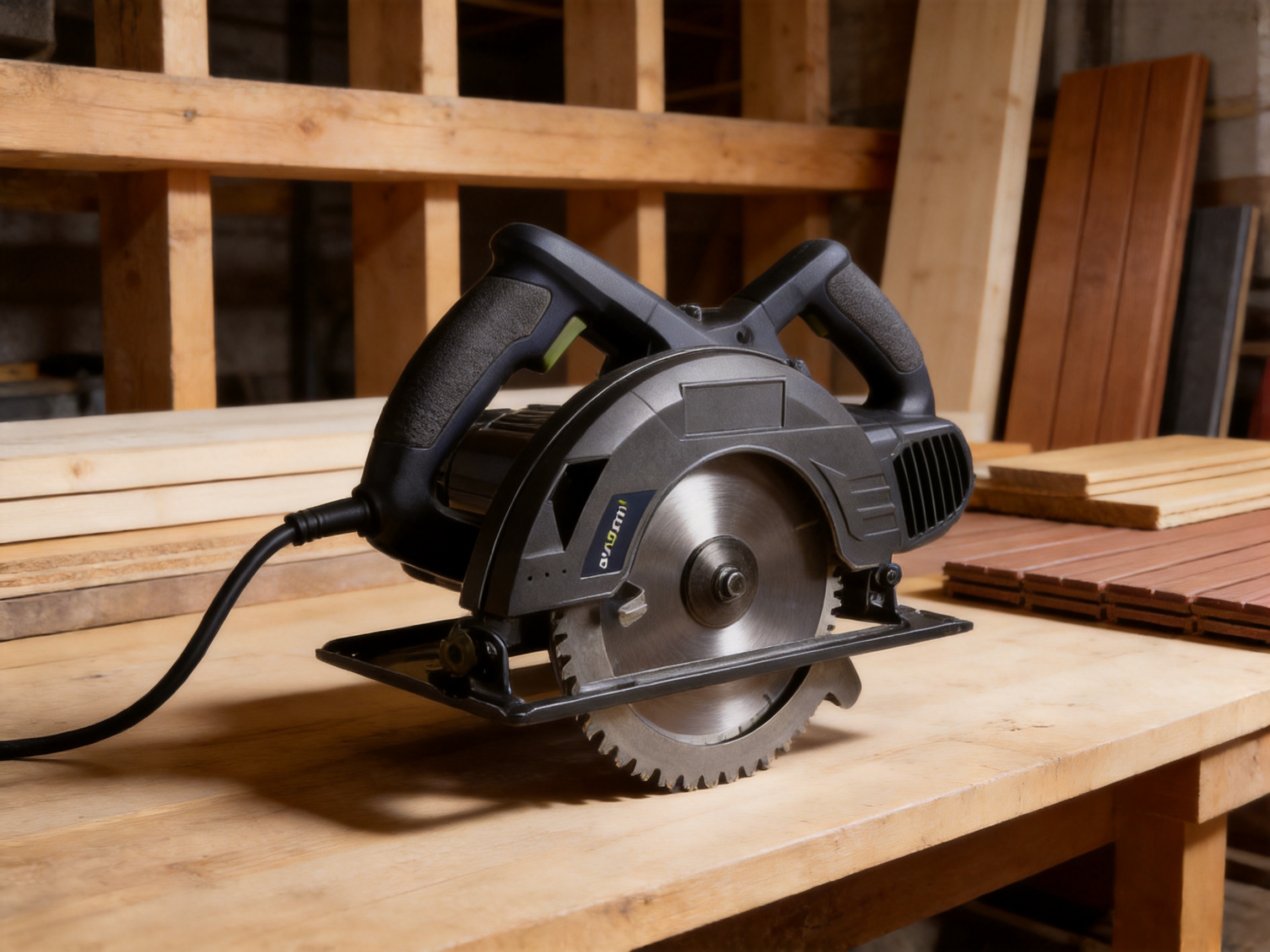
High-power circular saws require controlled handling. The operator must guide the tool along the intended cutting line while resisting vibration, torque reaction, and the movement created as the blade enters and leaves the workpiece. The SW52351 uses both front and rear handles fitted with soft rubber grips to support a stable two-handed operating position.
The rear handle provides the main control point, while the front handle allows the operator to guide the saw and maintain balance. Two-handed control is especially important during deep cuts, long rips, awkward positions, and work with dense materials. Soft rubber surfaces can improve comfort and reduce the harsh feel transferred to the hands during extended operation.
Grip comfort is not simply a matter of convenience. When an operator becomes fatigued, control may become less consistent and feed pressure may vary. A comfortable, secure grip can help the user maintain a more stable posture and smoother movement. It may also reduce the tendency to over-grip the tool, which can contribute to hand and forearm fatigue.
The handles should always be used together as intended, and the operator should maintain a safe stance with the workpiece properly supported. The saw should never be carried by the switch or allowed to rest on a spinning blade. The grip design supports control, but it does not replace safe work practices or protective equipment.
Applications Across Construction and Renovation
Heavy Framing Work
Construction framing frequently involves long rip cuts, repeated crosscuts, thick boards, and structural timber. A saw used in this environment must be capable of maintaining performance through repeated cycles. The SW52351’s high-power motor, large rotor, and 235 mm blade platform make it suitable for demanding framing operations when paired with an appropriate wood-cutting blade.
The side-exhaust head shell is useful in framing because operators often need to follow a layout mark across a long piece of material. Keeping chips directed away from the line can reduce interruptions and improve visual control. For contractors working at a production pace, this can help maintain consistent output.
Flooring and Decking
Flooring and decking installation requires a balance between cutting speed, line visibility, and surface care. Materials may include solid wood, composite boards, engineered products, or other dense panels. The operator may perform many repetitive cuts, making motor durability and grip comfort important.
The SW52351’s side-directed exhaust helps manage loose chips around the cut. Its front and rear handles support controlled movement, while the high-power motor provides capacity for dense materials. Blade selection remains essential because a rough framing blade and a fine-finish blade produce different results.
Demolition Cutting
Demolition work often involves unpredictable materials and debris buildup. The workpiece may contain old wood, layered boards, or construction elements that place variable resistance on the blade. The side-exhaust design is particularly relevant in this setting because debris can quickly obstruct the cutting area.
Demolition cutting should be approached carefully. Hidden nails, screws, metal, wiring, plumbing, and structural hazards may be present. Operators must inspect the work area, select a blade appropriate for the material, and use protective equipment. The SW52351 provides power for heavy cutting, but it should not be used to cut unknown materials without evaluating the risks.
Stone and Ground Materials
With an appropriate blade and a suitable operating method, the saw may be used for selected stone or ground-material cutting. These applications require more stringent dust control and attention to blade compatibility than ordinary woodcutting. Operators should verify whether dry cutting or wet cutting is permitted, whether the tool is intended for that method, and how the manufacturer specifies protection from dust and moisture.
Users should never fit a blade simply because its diameter appears correct. The blade’s arbor, maximum speed, cutting method, material rating, and mounting direction must all be compatible. The work area should be controlled to protect bystanders from dust and fragments, and the saw should be inspected before and after use.
Advantages Over Conventional and Lower-Powered Competitors
The SW52351 competes not only through power but through the way its components address common problems in professional cutting. A lower-powered circular saw may be easier to transport or may suit occasional light work, but it can require slower feed rates when cutting dense materials. The SW52351 offers greater reserve for heavy applications, helping users complete demanding cuts with fewer compromises.
Another advantage is the oversized rotor. Many standard saws use compact motors designed to reduce weight and production cost. Those machines can be practical for light work, but their smaller motor architecture may provide less torque when the blade is heavily loaded. The SW52351’s 57×55 mm rotor is specifically highlighted as larger and taller than regular motor designs, giving it a stronger foundation for high-load work.
The side-exhaust head shell is another differentiating feature. Conventional exhaust arrangements may distribute chips toward the operator or across the cutting line. By directing airflow sideways, the SW52351 is designed to improve visibility and reduce scattered debris. This can be a practical advantage in repetitive work, clean installation environments, and demolition conditions.
The solid copper brush holder and enlarged carbon brushes provide a further distinction from basic models. These parts support current transfer and serviceability within the brushed motor system. While some competitors may advertise similar power figures, their actual durability can depend heavily on the quality of internal components. Reinforcing the brush system helps the product compete on engineering substance rather than specifications alone.
Finally, the soft-grip front and rear handles improve the operating experience. A powerful saw must remain controllable, especially when the blade meets dense material. The handle arrangement supports two-handed guidance and reduces the strain associated with long cutting sessions. Together, these features create a more balanced professional package.
| Design Area | SW52351 Approach | Practical User Benefit |
|---|---|---|
| Motor output | 2500W power class with listed 2600W input | Greater reserve for heavy cutting tasks |
| Rotor | 57×55 mm oversized rotor | Stronger torque potential under load |
| Blade platform | 235 mm saw blade | Suitable for substantial construction applications |
| Exhaust | Side-exhaust head shell | Improved cut-line visibility and more directional chip discharge |
| Brush holder | Solid copper construction | Strong current-carrying capability |
| Carbon brushes | Enlarged 7×18 mm brushes | Potentially longer service intervals and stable contact |
| Handles | Front and rear soft rubber grips | Better two-handed control and operating comfort |
Manufacturing Strengths and Engineering Approach
The SW52351 is produced by Yongkang Siwei Technology Co., Ltd., a professional tool manufacturer integrating research and development, production, and sales. The company’s stated approach emphasizes professional focus, quality first, advanced processes, and high-quality materials. This positioning is relevant to the circular saw because reliable performance depends on manufacturing discipline across the complete product, not on one isolated feature.
Tool manufacturing begins with design validation. A circular saw must balance motor output, housing strength, blade alignment, handle position, heat management, electrical insulation, switch operation, and assembly tolerances. A design that increases motor power without reinforcing the housing or current path may create new reliability problems. An integrated manufacturer can coordinate these systems during development and production.
The company’s experience in demolition hammers, chisels, and cutting tools contributes useful knowledge of harsh working conditions. Demolition tools are exposed to impact, vibration, dust, and heavy operator demand. Although a circular saw has a different operating mechanism, the same manufacturing priorities apply: robust materials, secure assembly, accurate component fitting, durable surface finishes, and attention to user control.
The company also describes its use of advanced processes and high-quality materials. For a product such as the SW52351, this can include controlled motor assembly, accurate rotor and stator positioning, reliable brush-holder installation, housing alignment, handle fitting, and electrical inspection. Production quality is especially important in a high-power tool because small assembly errors can become more significant under load.
Quality control should cover incoming materials, component dimensions, winding and insulation conditions, brush-holder security, switch function, no-load operation, vibration, abnormal noise, and final appearance. A professional manufacturer can establish inspection points throughout the production process rather than relying only on a final visual check. This helps identify defects earlier and supports more consistent batch performance.
Manufacturing capability also affects customization and supply reliability. Professional distributors may require specific voltage configurations, packaging standards, labels, manuals, spare parts, or private-label arrangements. A company with in-house development and production experience is better positioned to coordinate these requirements while maintaining the tool’s core performance.
Research and Development Capability
Research and development is central to the company’s stated business model. The manufacturer integrates R&D with production and sales, allowing information from professional users and engineering projects to influence future product development. This connection can help identify practical issues that are not always visible during basic laboratory testing, such as debris management, grip comfort, service access, and performance during repeated job-site use.
The SW52351 illustrates a product-development approach based on real operating problems. The side-exhaust head shell is not simply a decorative modification; it responds to the issue of chips obscuring the cutting line. The oversized rotor responds to the need for torque. The copper brush holder and enlarged carbon brushes respond to current transfer and service-life demands. These features suggest that development attention has been directed toward job-site performance rather than only exterior styling.
The company also reports experience in brushless motors, electronic controls, and intelligent battery platforms for green new-energy garden tools. That expertise is relevant even though the SW52351 is a corded brushed circular saw. Motor design, thermal management, control systems, material selection, and product reliability all require an understanding of electromechanical engineering. Experience across corded and cordless platforms can broaden a manufacturer’s ability to develop efficient and durable power tools.
Its cordless garden-tool range includes lawn mowers, string trimmers, lawn tractors, hedge trimmers, electric pruning shears, and high-speed chainsaws. This wider product portfolio indicates familiarity with different motor loads, user environments, power systems, and ergonomic requirements. It also demonstrates that the company serves both construction-tool and garden-tool markets, giving it a broad view of professional equipment needs.
Materials and Component-Level Reliability
Reliable manufacturing begins with appropriate material selection. The motor housing must resist heat and mechanical stress. The rotor and stator must be manufactured with accurate dimensions and suitable electrical materials. The brush holder must withstand current and repeated brush movement. Handles must provide a secure connection to the housing while remaining comfortable in use.
The SW52351’s stated use of a solid copper brush holder is a clear example of component-level material selection. Copper is valued for its electrical conductivity and suitability for current-transfer applications. The benefit depends on proper forming, mounting, insulation, and contact design, but the material choice provides a strong foundation for the brush system.
Enlarged carbon brushes also reflect a focus on serviceable wear components. Brushes naturally wear over time, so a professional tool should make it possible to inspect and replace them according to maintenance requirements. Buyers should confirm the availability of replacement brushes and other service parts when evaluating a long-term equipment supplier.
Housing design is equally important. The head shell must guide airflow, protect internal parts, support the blade assembly, and help prevent debris from reaching sensitive areas. The side-exhaust structure requires appropriate internal passages and a stable external form. When properly manufactured, the housing can contribute to both debris management and the protection of the motor system.
Operational Efficiency on the Job Site
Productivity is measured by more than cutting speed. It also includes setup time, interruptions, cleanup, operator fatigue, maintenance, and the ability to use the same tool across multiple applications. The SW52351 is designed to support these elements through its high-power motor and side-exhaust system.
A clear cutting line can reduce the number of pauses required to remove chips. Directional exhaust can help keep the immediate work surface more manageable. Strong torque can support a steadier feed rate, reducing the need to force the saw through resistant material. Comfortable handles can make repetitive cutting less tiring. These small operational advantages can accumulate over a full day.
For contractors, equipment versatility can also reduce transportation requirements. A 235 mm circular saw with substantial power can cover many framing, flooring, decking, and demolition tasks. It will not replace every specialized machine, but it can serve as a dependable primary saw for work sites where corded power is available.
Corded operation offers a continuous power supply without battery charging or battery replacement. This is useful for workshops, production areas, construction sites with reliable mains power, and long cutting sessions. Users must select an appropriate extension lead when required, protect the cable from damage, and ensure that the electrical supply is suitable for the tool’s power demand.
Recommended Purchasing Considerations
Commercial buyers should evaluate the SW52351 according to the intended application. For framing contractors, the key considerations may include motor endurance, blade availability, cut-line visibility, and service support. For flooring installers, clean handling, grip comfort, and the ability to fit appropriate finish blades may be more important. For demolition users, housing robustness, debris management, and safety procedures should receive particular attention.
Buyers should confirm the exact supplied configuration before purchase. Important details include the plug type, cable length, blade inclusion, arbor specification, blade guard arrangement, cutting-depth adjustment, bevel range, packaging, manuals, warranty terms, and replacement-part availability. These details may vary by market, order, or production batch and should be documented in the sales agreement.
Importers and distributors should also review electrical compliance requirements for the destination country. The stated voltage is 220–240V at 50/60Hz, but local certification, labeling, plug standards, electromagnetic compatibility, and safety documentation may apply. A manufacturer’s ability to provide consistent technical documents and export support is an important part of supplier evaluation.
For larger orders, buyers may request sample testing, inspection reports, production photographs, packaging confirmation, and a defined quality standard. Testing should include cutting representative materials with approved blades, examining chip discharge, checking handle comfort, monitoring motor temperature, and confirming that the product matches the agreed specification. Practical field testing is particularly valuable for professional tools because performance depends on real load conditions.
Safe and Responsible Use
A high-power circular saw must be operated by trained users. Before starting work, inspect the blade, guard, power cable, plug, handles, switch, and housing. Do not use the tool if any safety component is damaged, loose, or malfunctioning. The blade should be correctly mounted, sharp enough for the material, and rated for the saw’s operating speed.
Always secure the workpiece. Unstable material can shift during cutting, pinch the blade, or cause kickback. Keep both hands on the designated handles and position the body away from the blade path. Never place a hand beneath the material or behind the saw while the blade is moving. Allow the blade to stop fully before setting the tool down.
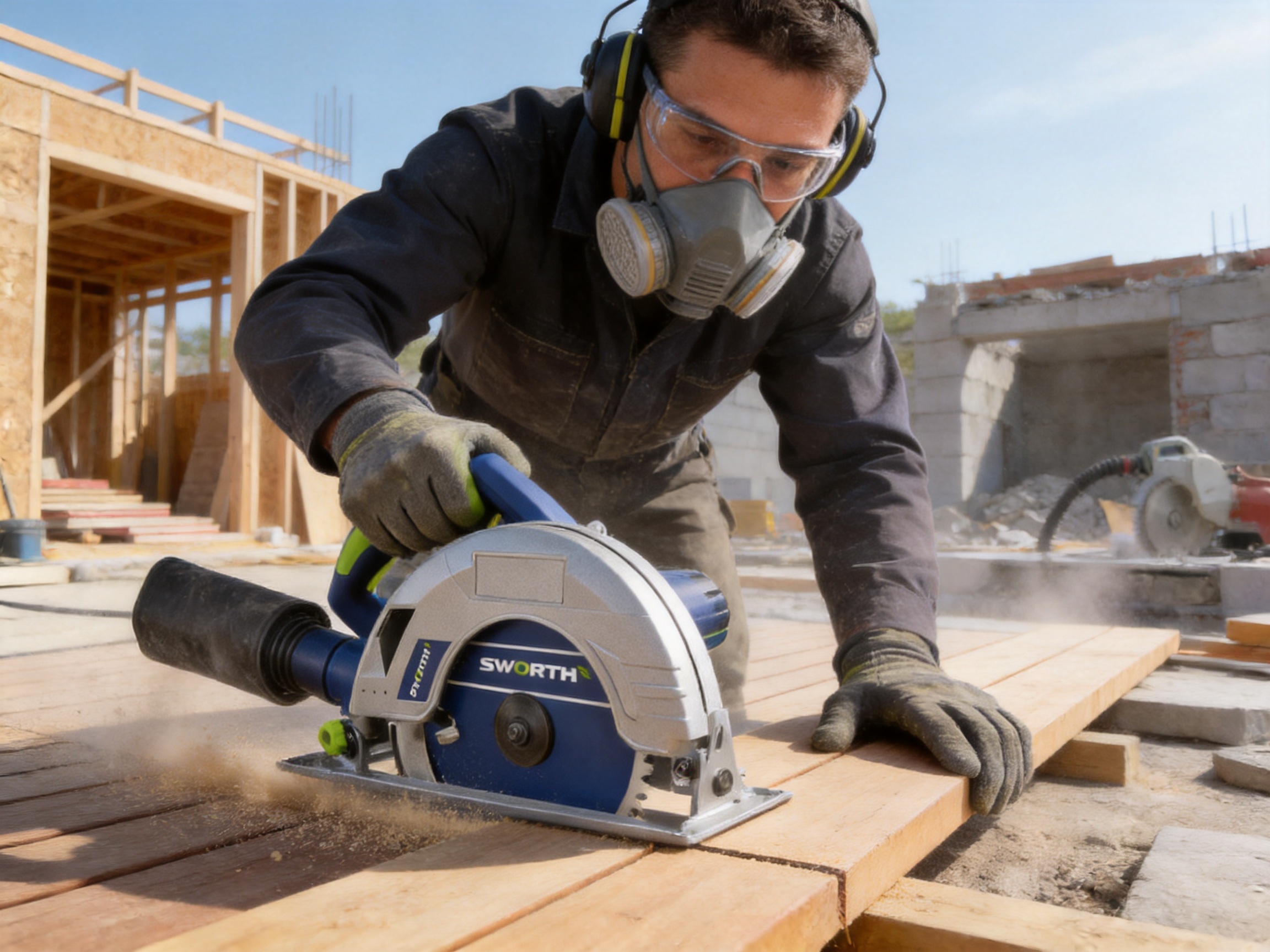
Eye protection is essential because chips and fragments can be ejected even when the exhaust is directed sideways. Hearing protection may be appropriate during extended use. Respiratory protection and dust extraction should be used when cutting materials that generate hazardous or irritating dust. Work areas should be ventilated, and bystanders should remain outside the cutting zone.
When cutting stone, concrete, or other mineral materials, follow the blade manufacturer’s instructions and use the specified dust-control method. Do not assume that a wood blade, general-purpose blade, or unapproved abrasive accessory is suitable. Inspect the material for embedded metal or other hidden hazards before cutting.
After use, disconnect the saw from the power supply before inspection or maintenance. Remove accumulated dust from the exterior without directing compressed air into sensitive components unless the service procedure permits it. Check brush wear, inspect the cable, and store the tool in a dry, protected location.
Maintenance and Serviceability
Preventive maintenance helps preserve the performance of a high-output circular saw. The blade should be kept clean, correctly sharpened, and replaced when damaged or excessively worn. A dull blade increases feed resistance and places additional load on the motor. It can also produce rougher cuts and more heat.
The exhaust area should be kept clear so that airflow remains effective. Debris accumulation can reduce the benefit of the side-exhaust design and may contribute to overheating. Users should inspect the housing for cracks, verify that fasteners remain tight, and ensure that the blade guard moves correctly.
Carbon brushes are wear parts and should be monitored. If the saw shows unusual sparking, intermittent operation, reduced power, or abnormal noise, it should be removed from service and inspected by a qualified technician. Continuing to operate a motor with damaged brushes or a worn commutator can lead to more extensive repairs.
Professional users should maintain a simple service record. Recording operating hours, brush replacements, blade changes, and observed faults can help identify patterns. Distributors can use this information to plan spare-parts inventories and advise customers on realistic maintenance intervals.
Why Professional Buyers May Choose the SW52351
The strongest reason to choose the SW52351 is its combination of high power and practical usability. It is not presented as a lightweight hobby saw. It is designed around a 235 mm blade, a large 57×55 mm rotor, a substantial stator, a copper brush holder, enlarged carbon brushes, and two-handed soft-grip control. These features are aligned with the demands of professional cutting.
Its side-exhaust head shell gives the product a recognizable advantage in daily use. The operator can benefit from a cleaner view of the cut without relying entirely on manual cleanup. This is particularly valuable during long cuts, repetitive production tasks, and demolition work where chips quickly build up.
The motor architecture provides another reason for consideration. A strong rotor and high power input can support demanding cuts in materials that would challenge smaller saws. The product is therefore suitable for customers who prioritize cutting reserve, durability-oriented components, and broad application coverage.
The company behind the product adds value through integrated R&D, manufacturing, and sales capabilities. Its experience in demolition tools and cordless garden equipment demonstrates a broader technical base, while its stated focus on advanced processes and quality materials supports the product’s professional positioning.
For distributors seeking a heavy-duty corded saw, the SW52351 offers a useful combination of performance features and supplier support potential. It can be positioned for construction framing, flooring, decking, renovation, demolition, and carefully controlled mineral-material cutting. As with any professional tool, final suitability should be verified through technical documentation, sample testing, and local compliance review.
Q&A
What type of tool is the SW52351?
The SW52351 is a heavy-duty corded circular saw designed for construction, renovation, framing, flooring, decking, demolition, and selected stone or ground-material cutting applications with suitable blades.
What blade size does it use?
The listed saw blade size is 235 mm. Users must confirm the correct arbor, maximum permitted speed, blade type, and mounting requirements before installing an accessory.
What is the power rating?
The product title identifies it as a 2500W circular saw, while the technical information lists a 2600W power input. Buyers should confirm the final nameplate and documentation for the specific order and market.
What voltage does the saw require?
The supplied specification lists 220–240V at 50/60Hz. Users should connect the saw only to a compatible electrical supply and follow local electrical safety requirements.
What is the purpose of the side-exhaust head shell?
It directs exhaust airflow sideways to help prevent wood chips from scattering directly across the cutting line or toward the operator. This can improve visibility and help keep the immediate work surface cleaner, although it does not eliminate dust.
How does the oversized rotor help performance?
The rotor measures approximately 57×55 mm and is described as larger and taller than regular motor rotors. This motor configuration is intended to provide stronger torque and better cutting reserve when the blade encounters dense or thick material.
Why is the brush holder made from solid copper?
The solid copper brush holder is designed to provide strong current-carrying capability within the brushed motor system. It supports reliable electrical contact between the carbon brush assembly and the motor circuit.
What is the benefit of the 7×18 mm carbon brushes?
The enlarged carbon brushes provide a substantial contact area and are intended to support longer service life under demanding operating conditions. They remain consumable parts and should be inspected and replaced according to service requirements.
Can the saw cut stone or concrete?
The product information states that it can cut stone and ground materials with appropriate blades. This application requires a blade specifically approved for the material, suitable dust control, proper protective equipment, and compliance with the tool and blade manufacturers’ instructions.
Is the saw suitable for framing?
Yes. Heavy ripping and crosscutting in construction framing are listed applications. A suitable wood-cutting blade and properly supported workpiece are required for safe and effective operation.
Is it suitable for flooring and decking?
Yes. Flooring and decking installation are listed applications. Operators should choose a blade suited to the material and finish requirements, maintain a stable cutting position, and protect finished surfaces from debris.
What makes it different from a lower-powered circular saw?
Its main distinctions are the high power class, 235 mm blade platform, oversized 57×55 mm rotor, side-exhaust housing, solid copper brush holder, enlarged carbon brushes, and front and rear soft-grip handles. These features are intended to support heavier cutting and more comfortable professional use.
Who manufactures the product?
The product is manufactured by Yongkang Siwei Technology Co., Ltd., a tool manufacturer that integrates research and development, production, and sales. The company specializes in construction tools, demolition tools, cutting tools, and cordless garden equipment.
What should distributors confirm before ordering?
Distributors should confirm the final voltage and plug configuration, nameplate power, blade specifications, packaging contents, manuals, certifications, warranty terms, spare parts, production lead time, and inspection requirements for the destination market.
Does the side exhaust replace dust extraction?
No. It helps direct chips sideways but does not eliminate airborne dust. Eye protection, respiratory protection, ventilation, and suitable extraction or dust-control systems may still be required.
What maintenance does the saw require?
Users should inspect the blade, guard, cable, switch, handles, housing, exhaust area, and carbon brushes. The tool should be disconnected before maintenance, and damaged or worn parts should be replaced by qualified personnel.
Conclusion
The SW52351 57×55 mm 2500W Circular Saw is engineered for users who need more than occasional cutting capability. Its 235 mm blade platform and high-power motor support demanding construction and renovation work, while the oversized rotor is designed to provide stronger torque under load. The solid copper brush holder and enlarged 7×18 mm carbon brushes reinforce the motor’s current-transfer and service-oriented design.
The side-exhaust head shell is the product’s most visible functional distinction. By directing airflow sideways, it helps reduce scattered chips and keeps the cutting line easier to follow. Combined with front and rear soft rubber handles, this feature supports improved control, visibility, and comfort during extended work.
Behind the product is a manufacturer with integrated R&D, production, and sales capabilities, experience in demolition and cutting tools, and additional expertise in brushless motors and cordless garden-tool systems. Its stated use of advanced manufacturing processes and high-quality materials supports a professional supply proposition for distributors, contractors, and engineering users.
When operated with the correct blade, electrical supply, protective equipment, and maintenance practices, the SW52351 can serve as a powerful and versatile corded circular saw for framing, flooring, decking, demolition, and selected mineral-material applications.
References
1. SW52351 Product Specification Sheet, supplied technical information for the 235 mm circular saw.
2. SW52351 Product Overview and Core Features, supplied product description.
3. General Circular Saw Operating and Maintenance Principles, professional power-tool safety guidance.
4. Abrasive and Diamond Blade Selection Principles for Wood, Stone, and Concrete Cutting.
5. Electric Motor Brush and Commutator Maintenance Practices for High-Power Hand Tools.
6. Manufacturer Information for Yongkang Siwei Technology Co., Ltd., supplied company profile and manufacturing overview.
Product: SW52351 57*55mm 2500W Circular Saw

Recommended Products
-


SW528 Small Hole Rebar Hammer
-
SW932 Groove Sandblasting Hammer
-
SW9362A Large Hole Rebar Hammer
-
SW940 Enlarged Hole Rebar Hammer
-
SW35S1 Powerful Demolition Hammer
-
SW35S2 High-Efficiency Heat Dissipation Demolition Hammer
-
SW9371 High-Power Demolition Hammer
-
SW9373 Anti-Scalding Carbon Brush Holder Demolition Hammer
-
SW535 Powerful Anti-Scalding Demolition Hammer
-
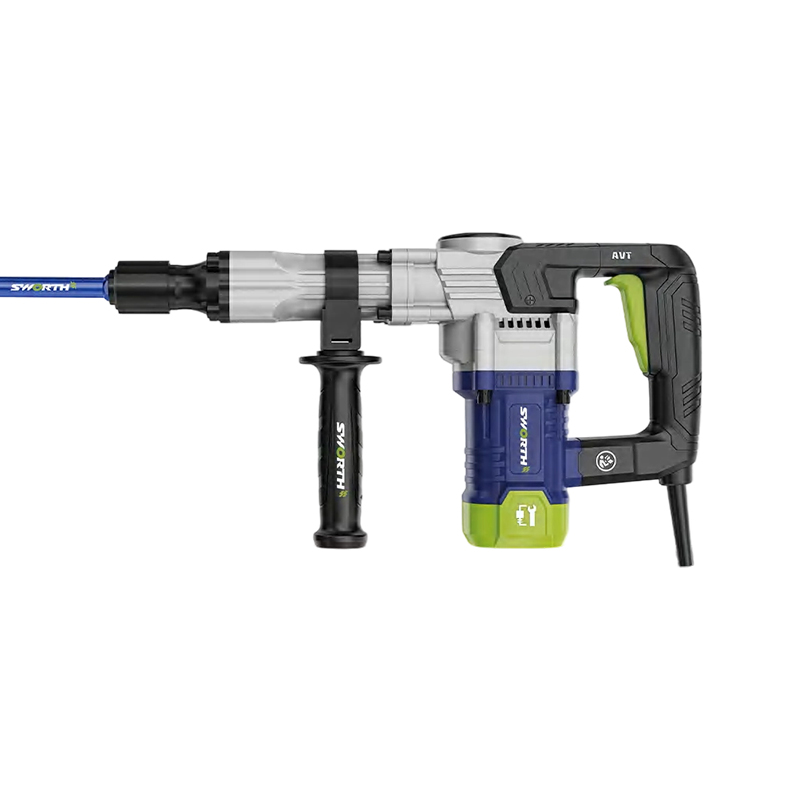
SW535-2 Durable Powerful Demolition Hammer
-
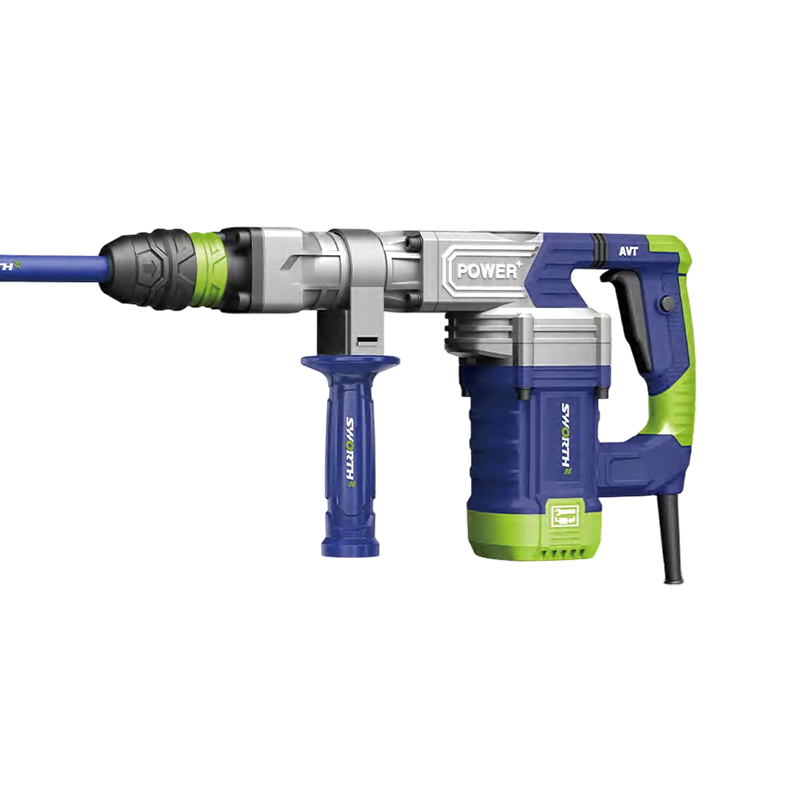
SW35S3 Five-Pipe Drill Bit Demolition Hammer
-

SW11E Five-Pipe Clamping Demolition Hammer
 +86-18314829275
 sale@sworthtools.com
 No. 101, Yugui Road, chengxi Industrial Zone, Yongkang City, Zhejiang Province, China
Copyright© Yongkang Siwei Technology Co., Ltd. All Rights Reserved

Hammer Tools & Cordless Garden Tools Manufacturer
