 English
 русский
 Español

2800W Aluminum Circular Saw: Power, Durability, and Precision for Demanding Cutting Work
A dependable circular saw is more than a motor, a blade, and a handle. For professional contractors, renovation teams, workshops, and serious do-it-yourself users, the right saw must combine high output, structural durability, controlled cutting, operating comfort, and dependable performance under demanding conditions. The SW5305 Aluminum Circular Saw is designed around these priorities, offering a powerful 2800W motor, a 255 mm saw blade, reinforced aluminum head construction, adjustable cutting depth, and ergonomic rubber-coated handles.
Its design is intended for high-intensity cutting operations involving wood, stone, and a range of building materials. While many conventional circular saws are optimized mainly for wood, this model is engineered with a larger motor configuration and reinforced components to provide a broader working range. The result is a heavy-duty cutting tool suitable for jobs that require substantial power and stable operation over extended periods.
The saw also reflects the manufacturing experience of Yongkang Siwei Technology Co., Ltd., a professional tool manufacturer involved in research and development, production, and sales. The company emphasizes high-quality materials, practical engineering, durable components, and product designs intended for harsh working conditions. Its wider product portfolio includes demolition hammers, chisels, garden tools, cordless equipment, and electronic control systems for modern battery-powered products.
This article examines the construction, performance, applications, user benefits, and manufacturing strengths behind the aluminum circular saw. It also explains how its motor, housing, brush system, handle design, and cutting adjustment features can provide advantages over less powerful or less robust competitors.
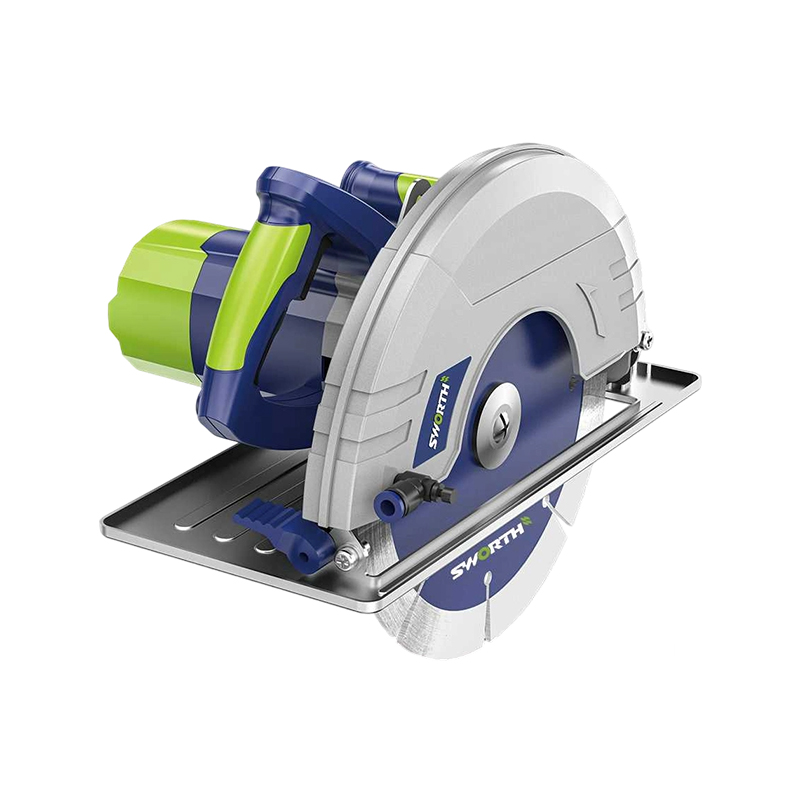
SW5305 Aluminum Circular Saw
Product Overview
The SW5305 Aluminum Circular Saw is a corded electric cutting tool rated for 220–240V at 50/60Hz. Its 2800W power input places it in a high-output category, giving users substantial cutting capacity for intensive work. The tool uses a 255 mm saw blade, providing a useful balance between cutting depth, working stability, and maneuverability.
The aluminum head shell is one of the most visible design features. Instead of relying exclusively on a lightweight plastic exterior, the saw uses a robust aluminum construction around the head area to improve protection for internal components. Aluminum is valued in power-tool construction because it can offer structural strength, dimensional stability, and effective heat dissipation while remaining lighter than many steel alternatives.
The tool has soft rubber on both the front and rear handles. This detail is important for a circular saw that may be used for long cutting sessions. A firm but comfortable grip can reduce hand fatigue, improve control, and help the operator maintain a consistent cutting path. The rubber surface also provides a non-slip contact area, which is particularly useful when the user is wearing work gloves or operating in a dusty environment.
Cutting depth can be adjusted to accommodate different materials and construction requirements. This allows the operator to select a suitable depth rather than using the maximum blade exposure for every task. Proper depth adjustment can improve control, reduce unnecessary resistance, and support cleaner, more efficient cutting.
| Product model | SW5305 |
| Product type | Aluminum circular saw |
| Rated voltage | 220–240V, 50/60Hz |
| Power input | 2800W |
| Saw blade size | 255 mm |
| Stator dimensions | 95 mm diameter × 66 mm height |
| Rotor dimensions | 57 mm diameter × 60 mm height |
| Handle configuration | Front and rear soft rubber-coated handles |
| Primary applications | Wood, stone, and building materials |
High-Output 2800W Motor
The central performance advantage of the saw is its 2800W motor. Power input is a major factor in the ability of a circular saw to maintain blade movement when the blade encounters dense, thick, or resistant materials. A motor with insufficient reserve may slow significantly under load, resulting in slower production, rougher cuts, greater heat generation, and increased stress on internal parts.
The 2800W configuration is designed to provide strong cutting performance across demanding applications. It gives the saw the capacity to handle high-intensity work involving timber, stone, flooring materials, construction boards, and other building products, provided that the correct blade is selected for the material. The motor’s output is especially valuable when the workpiece is thick or when the operator needs to maintain a steady feed rate.
Compared with lower-powered circular saws, a high-output model can reduce the need to force the tool through the material. Excessive pushing is undesirable because it can reduce precision and increase the load on the motor, blade, and gearbox. A strong motor allows the user to guide the saw with more consistent pressure and let the blade perform the cutting action effectively.
The motor design is supported by a larger rotor than commonly found in regular motor configurations. The specified rotor measures 57 mm in diameter and 60 mm in height. A larger rotor can contribute to improved torque characteristics and stronger working performance, particularly when the tool is subjected to resistance during cutting. The larger and taller rotor is one of the engineering choices that distinguishes this saw from basic light-duty models.
Motor performance depends on more than nominal wattage. The relationship between the rotor, stator, copper conductors, brushes, brush holders, cooling paths, and mechanical structure determines how effectively electrical input is converted into usable cutting power. The design of this saw addresses several of these areas together rather than treating the wattage figure as the only performance feature.
Performance Under Load
During demanding cutting, the blade can encounter knots in wood, dense grain, masonry resistance, or uneven material surfaces. These conditions create variable loads. A motor with adequate reserve is better positioned to recover from temporary resistance and continue operating without severe loss of speed.
The large motor configuration is therefore useful for professional users who need repeatable productivity. It can support construction work in which the saw is used repeatedly throughout the day, rather than only for occasional small cuts. However, users should always match the blade to the material, avoid forcing the tool, and follow appropriate operating and maintenance procedures.
Reinforced Aluminum Head Shell
The head shell protects the internal motor and mechanical elements from impact, vibration, dust, and the general stresses associated with construction work. The SW5305 uses a newly designed aluminum head shell intended to provide a durable protective structure.
Aluminum offers several practical advantages in this application. It is rigid enough to help maintain structural integrity around the motor, while its relatively low density helps avoid the excessive weight associated with some heavy steel housings. It can also assist with heat transfer away from internal components. Effective heat management is important because repeated high-load operation can raise the temperature of motor windings, brushes, bearings, and other parts.
A reinforced housing can also help preserve alignment. A circular saw depends on a stable relationship between the motor shaft, blade, guard, base, and adjustment mechanisms. If the housing flexes excessively or suffers damage, cutting accuracy and operating safety may be affected. A solid head structure helps support the overall mechanical platform.
Compared with lower-cost tools that use thinner or less durable housings, the aluminum construction can provide a more professional feel and improved resistance to demanding work environments. It is particularly relevant for contractors who transport tools between job sites, place them on rough surfaces, and use them in conditions where accidental impacts are possible.
Side-Exhaust Head Design
The head shell also incorporates a side-exhaust design. According to the product specifications, the exhaust direction is intended to help prevent wood chips from scattering directly toward the operator during cutting. This design can improve the working environment by directing discharged air and debris away from the primary operating area.
Dust and chips are unavoidable in many cutting applications, but their direction can influence visibility, comfort, and cleanup. If debris is blown toward the user, it may obstruct the cut line or collect around the operator’s face and clothing. A side-exhaust arrangement can help keep the cutting zone more manageable, although users should still wear suitable eye, respiratory, and hearing protection.
The side-exhaust feature also reflects a practical approach to airflow management. A power tool needs to exchange air for cooling, but the airflow should be directed in a way that does not unnecessarily interfere with the cutting process. The design combines ventilation with a more controlled debris-discharge path.
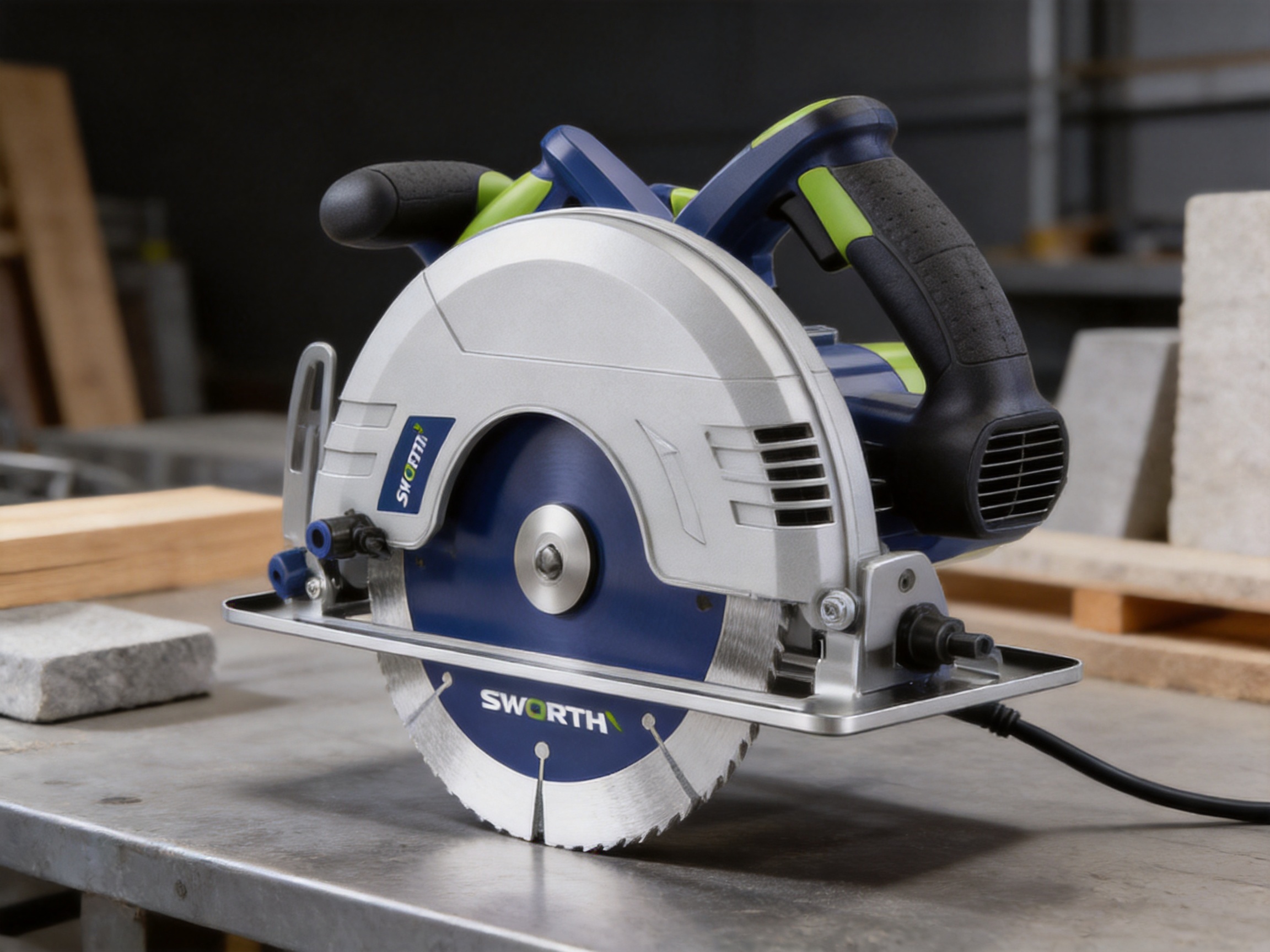
255 mm Blade Capacity
The 255 mm blade size gives the saw a substantial cutting platform for construction and workshop applications. A larger blade can reach deeper into a workpiece than the smaller blades typically used on compact household saws. This makes the tool suitable for thicker timber, boards, panels, and other materials that may exceed the capacity of light-duty models.
Blade size also influences the overall stability of the cutting process. When combined with a powerful motor and a rigid housing, a 255 mm blade can support efficient material removal over longer cuts. The operator can work across larger surfaces without repeatedly repositioning the tool as often as would be necessary with a smaller saw.
Blade selection remains essential. A blade intended for wood should be used for wood, while an appropriate masonry or specialty blade should be selected for stone and other mineral-based materials. Tooth geometry, blade thickness, abrasive characteristics, and rated speed all affect cutting quality and safety. The saw’s high power should not be treated as a substitute for using the correct accessory.
Adjustable Cutting Depth
The ability to adjust cutting depth is important for both precision and efficiency. Different materials and applications require different blade exposures. A shallow cut may be appropriate for thin boards or controlled scoring, while thicker workpieces may require greater depth.
Correct adjustment can reduce unnecessary blade contact below the workpiece. This may lower resistance, improve control, and reduce the chance of damaging surfaces, supports, or hidden materials. It also allows users to adapt the tool to multiple construction tasks without needing a separate saw for every thickness.
For professional users, adjustable depth contributes to productivity because one tool can serve a broader range of applications. For less experienced users, it offers a way to configure the saw more deliberately instead of relying on a fixed maximum setting.
Ergonomic Front and Rear Handles
Cutting accuracy depends strongly on how the operator holds and guides the saw. The SW5305 uses soft rubber-coated material on both the front and rear handles. This dual-handle configuration supports two-handed control, which is particularly important when operating a high-power tool with a large blade.
The rear handle provides the primary grip and trigger-control position, while the front handle allows the other hand to guide the tool and maintain alignment. A balanced two-handed grip can help the operator keep the base plate flat against the material and guide the saw along the intended line.
Rubber coating improves comfort compared with hard, untextured plastic. It can absorb some vibration, reduce pressure points, and provide better grip in dusty or humid working conditions. Over long periods, these details may influence productivity because user fatigue can lead to slower work, less consistent cuts, and more frequent rest periods.
The handles are also designed to support stable operation during high-intensity cutting. A powerful motor can create more reaction force than a small compact saw, so grip security and body positioning are essential. The front and rear soft-grip arrangement helps the operator maintain control while allowing the tool’s power to be used effectively.
Comfort as a Productivity Feature
Ergonomics should not be considered merely a comfort benefit. A tool that is easier to hold can support better cutting consistency and reduce the likelihood of hurried or unstable operation. Professional users may complete hundreds of cuts in a working week, making handle design a meaningful part of total operating performance.
Reduced hand fatigue can also help users maintain attention to the cut line and material position. This is particularly valuable when working with large panels, structural timber, flooring boards, and construction components that require long, straight cuts.
Enhanced Copper Brush System
The saw uses a solid copper brush holder designed for stronger current-carrying capacity. In a brushed motor, the brush holder is part of the electrical connection between the stationary supply and the rotating commutator. Its construction affects current transfer, heat generation, reliability, and service life.
Copper is known for its high electrical conductivity. A robust copper brush holder can help support efficient current transmission when the motor is operating under load. This is important in a high-power saw because increased electrical demand places greater emphasis on the quality of conductive components.
The carbon brushes are enlarged to 7 × 18 mm. Larger brushes can provide a more substantial contact area and may support better current transfer and wear distribution when properly matched to the commutator and motor design. Brush dimensions alone do not determine service life, but they are part of a broader effort to make the motor suitable for demanding operation.
Brushed motor systems offer practical advantages in many heavy-duty corded tools. They can deliver strong power and are familiar to service technicians. Carbon brushes are also replaceable wear components, allowing maintenance in situations where the rest of the motor remains in good condition. Users should inspect brushes according to the manufacturer’s maintenance recommendations and replace them when worn.
Serviceability and Long-Term Value
A professional tool should be evaluated not only by its initial cutting performance but also by its maintainability. Replaceable carbon brushes, accessible wear components, and a robust housing can contribute to a longer useful service period when the saw is maintained correctly.
Regular maintenance should include cleaning ventilation passages, checking the power cord and plug, inspecting the blade, verifying guard movement, examining the base and depth-adjustment mechanism, and checking the brushes when appropriate. Dust should not be allowed to accumulate excessively around cooling openings or electrical components.
These practices help protect the investment and support consistent performance. A powerful tool can deliver excellent results, but its service life depends on correct use, suitable accessories, proper storage, and timely maintenance.
Advantages Compared with Conventional Competitors
The circular saw market includes compact consumer models, medium-duty contractor saws, and large professional machines. The SW5305 is positioned toward users who need greater power and broader material capability than a basic household model can provide.
More Power for Intensive Cutting
Many entry-level circular saws use lower-rated motors intended for occasional wood cutting. Such tools may be practical for thin boards and small renovation projects, but they can struggle when faced with thick timber, dense materials, or repeated cuts. The 2800W motor of the SW5305 provides a stronger performance platform for users who regularly work under load.
Broader Material Capability
The product description identifies wood, stone, and building materials as target applications. This broader capability gives contractors more flexibility than a saw designed exclusively for light woodworking. The correct blade must always be selected, but the motor and structural design are intended to support more demanding material categories.
More Robust Housing
The aluminum head shell offers a structural advantage over simple lightweight housings. It helps protect internal components and contributes to durability in demanding job-site conditions. This can be particularly useful for users who need a tool that remains dependable during transport and frequent use.
Improved Grip and Control
Front and rear soft rubber handles provide a more secure and comfortable grip than basic hard-plastic handles. This can be an important advantage when making long cuts, controlling a large blade, or working for extended periods.
Motor Components Designed for High Demand
The larger rotor, solid copper brush holder, and enlarged carbon brushes show that the motor has been developed as a complete high-output system. Rather than relying only on a high wattage label, the design addresses several components involved in current transfer, torque production, and operating durability.
Flexible Cutting Depth
Depth adjustment allows the saw to adapt to different materials and job requirements. This is a practical advantage over fixed or limited-adjustment tools, especially for contractors working across multiple construction stages.
Manufacturing Strengths and Engineering Approach
The product is manufactured by Yongkang Siwei Technology Co., Ltd., a company that integrates research and development, production, and sales. This integrated structure can support closer coordination between product design, component selection, manufacturing processes, quality inspection, and customer feedback.
The company follows a stated philosophy centered on professional focus and quality-first production. Its manufacturing approach emphasizes advanced processes and high-quality materials intended to withstand harsh working conditions. For a circular saw, this philosophy is reflected in the choice of an aluminum head shell, a high-capacity motor, reinforced conductive components, soft-grip handles, and a side-exhaust structure.
Research and Development Integration
Product development begins with identifying the actual needs of professional users. A heavy-duty circular saw must address more than cutting power. It must also provide housing protection, effective airflow, ergonomic control, adjustable settings, and components capable of handling electrical and mechanical stress.
An integrated research and development process allows these factors to be considered together. Motor dimensions can be coordinated with housing geometry. Airflow can be considered during head-shell design. Handle placement can be evaluated alongside weight distribution and cutting direction. Such coordination is important because isolated improvements may not deliver their full benefit if the rest of the tool is not designed to support them.
Material Selection
Material selection is a central part of tool reliability. Aluminum is used for the head shell because it combines durability with relatively manageable weight. Copper is used in the brush holder for its current-carrying properties. Rubberized handle surfaces are selected for grip and comfort. Larger carbon brushes are used to support the high-power brushed motor configuration.
These choices demonstrate a practical balance between performance, durability, user comfort, and manufacturability. A professional tool must be strong enough for demanding work without becoming unnecessarily difficult to handle or maintain.
Production Consistency
Consistent production is essential when manufacturing power tools. The motor, rotor, stator, brush system, housing, blade support, handles, and adjustment parts must be assembled accurately. Variations in alignment, fastening, electrical connections, or component fit can affect vibration, noise, cutting accuracy, and service life.
A manufacturer with experience in demolition hammers, chisels, and other demanding tools develops familiarity with high-load mechanical systems. That background can be valuable when producing circular saws because both product categories require attention to motor durability, impact resistance, heat management, and operator control.
Quality-focused manufacturing should include inspection of electrical assemblies, mechanical fit, housing integrity, handle attachment, blade alignment, guard movement, and general operational performance. Specific inspection procedures and certification details should be confirmed directly with the supplier for each purchasing project.
Experience Across Professional Tool Categories
The company specializes in demolition hammers and chisel cutting tools, which are exposed to severe vibration and impact. This experience contributes to an understanding of professional users who prioritize durability, power, and dependable operation over decorative features.
In addition to corded tools, the company has developed capabilities in brushless motors, electronic controls, intelligent battery platforms, and cordless garden equipment. Its cordless product range includes lithium-ion lawn mowers, string trimmers, lawn tractors, hedge trimmers, electric pruning shears, and high-speed chainsaws.
This combination of mechanical tool manufacturing and newer electronic development provides a broader technical foundation. It indicates an organization working across traditional brushed motor products and modern brushless, battery-powered systems. Buyers seeking a long-term manufacturing partner may benefit from this breadth of product and engineering experience.

Applications in Construction and Workshop Environments
The saw is suitable for a variety of professional and semi-professional applications. In woodworking and construction, it can be used for cutting structural timber, boards, panels, flooring components, framing materials, and other wood products compatible with the selected blade.
Its high power and large blade platform are also useful for renovation work involving thick or dense materials. Contractors may use it for repeated straight cuts where a compact saw would require more time or struggle to maintain performance.
For stone and other building materials, the operator must use a blade specifically designed for the material and follow all safety instructions. Dust control is especially important when cutting masonry or mineral-based products. Suitable respiratory protection, eye protection, hearing protection, and appropriate worksite ventilation should be used.
Professional Construction
On construction sites, productivity depends on reducing interruptions. A high-output saw can help users complete repeated cutting operations with fewer passes and less need to change tools. Its adjustable depth and broad material capability allow it to support different phases of a project.
The aluminum housing is also relevant to site work. Tools are frequently moved between floors, vehicles, storage areas, and outdoor work zones. A durable housing can help the saw withstand the ordinary handling associated with professional construction, although no power tool should be treated as impact-proof.
Renovation and Remodeling
Renovation work often involves unpredictable materials and varying thicknesses. One task may involve cutting old timber, while another may require trimming boards, panels, or compatible construction products. The SW5305 provides the power and adjustment flexibility needed for varied work, provided that the blade and operating method are matched to each application.
Workshop Production
In a workshop, the saw can serve users who need repeatable cutting performance and a tool capable of handling larger workpieces. The two-handed grip and adjustable depth can support controlled cutting when preparing construction components, wood products, or building materials.
Safe and Efficient Operation
High power increases productivity, but it also increases the importance of safe operation. Users should read the operating instructions, inspect the saw before each use, and verify that all guards and adjustment mechanisms work correctly.
The blade should be sharp, correctly installed, properly rated, and suitable for the material. A damaged, bent, incorrectly sized, or unsuitable blade can increase vibration and kickback risk. The workpiece should be supported securely so that it does not shift or close against the blade during cutting.
The operator should hold both handles firmly, stand in a balanced position, keep hands away from the blade path, and allow the blade to reach operating speed before beginning the cut. The saw should be guided steadily without excessive force. If the motor begins to slow significantly, the user should reduce feed pressure and check the material, blade, and cutting setup.
Personal protective equipment should include safety glasses or a face shield, hearing protection, suitable work gloves where appropriate, and respiratory protection when dust is produced. Loose clothing, jewelry, and unsecured hair should be kept away from moving parts. The work area should be well lit, clean, and free from trip hazards.
Before changing blades, cleaning the tool, adjusting depth, or performing maintenance, the power supply must be disconnected. Corded tools should be used with suitable electrical protection and an undamaged power cable. The tool should be stored in a dry location and protected from unauthorized use.
Maintenance Recommendations
Routine maintenance helps preserve the saw’s performance. After use, dust and chips should be removed from the housing, base, guard area, and ventilation openings. Compressed air may be used carefully according to workshop safety procedures, but users should avoid driving debris deeper into electrical components.
The blade should be inspected for dullness, cracks, missing teeth, warping, or resin buildup. A dull blade can increase motor load and reduce cut quality. The base should be checked for damage or distortion, while the depth-adjustment mechanism should move smoothly and remain secure during operation.
The power cord, plug, switch, and handle attachments should be checked regularly. Any sign of electrical damage, unusual sparking, burning odor, excessive vibration, or abnormal noise should be treated seriously. The saw should be removed from service until it has been inspected by a qualified technician.
Carbon brushes are wear components. Their condition should be checked according to the recommended maintenance schedule or whenever performance changes. Replacing brushes in pairs and using compatible replacement parts helps preserve motor balance and electrical contact.
Proper storage also matters. The saw should not be left exposed to rain, condensation, corrosive chemicals, or excessive dust. The blade can be removed or protected during transport to reduce the risk of damage and accidental contact.
Purchasing Considerations for Distributors and Professional Buyers
Distributors evaluating a circular saw should consider more than the product’s power rating. They should examine the target market, expected use, replacement-part availability, packaging, technical documentation, warranty arrangements, and supplier communication.
The SW5305 can appeal to customers who want a heavy-duty corded saw with a large blade and robust construction. It may be appropriate for tool retailers, construction-equipment distributors, engineering suppliers, renovation-tool wholesalers, and project procurement teams.
Its aluminum head shell and high-output motor provide clear selling points. The larger rotor, copper brush holder, enlarged carbon brushes, rubber-coated handles, side-exhaust design, and adjustable cutting depth provide additional technical features that can help distinguish it from basic alternatives.
For large-volume purchasing, buyers should confirm packaging specifications, order quantities, delivery schedules, spare-part support, electrical requirements, labeling, and documentation. They should also verify the exact blade compatibility and any market-specific compliance requirements before placing an order.
A manufacturer capable of supporting multiple tool categories may offer advantages to distributors seeking product-line expansion. In this case, the supplier’s portfolio includes demolition tools, corded cutting equipment, cordless garden products, brushless motor systems, and electronic control platforms. This breadth can create opportunities for coordinated sourcing rather than relying on unrelated suppliers for every category.
Q&A
What is the rated power of the circular saw?
The saw has a rated power input of 2800W. This high-output motor is designed for demanding cutting operations involving wood, stone, and various building materials when the correct blade is used.
What voltage does the saw use?
The rated voltage is 220–240V at 50/60Hz. Users should confirm that the local electrical supply and job-site connection are compatible before operation.
What size blade does it use?
The saw is equipped for a 255 mm saw blade. The blade must be correctly rated and suitable for both the tool and the material being cut.
Can it cut stone?
The product is designed to handle stone and building materials when fitted with an appropriate blade. Stone cutting can produce significant dust and debris, so proper respiratory, eye, hearing, and site protection is essential.
What makes the aluminum head shell useful?
The aluminum head shell provides a robust protective structure for internal components. It can improve durability, support structural stability, and assist with heat transfer compared with less substantial housing designs.
Does the saw have adjustable cutting depth?
Yes. The cutting depth can be adjusted to suit different material thicknesses and construction requirements. Users should make adjustments with the power disconnected and verify that the setting is secure before cutting.
Are the handles designed for extended use?
The front and rear handles are both coated with soft rubber. This design provides a more comfortable, non-slip grip and can help reduce fatigue during longer cutting sessions.
What is special about the motor rotor?
The rotor measures 57 mm in diameter and 60 mm in height, making it larger and taller than the rotor used in many regular motor configurations. This supports the tool’s high-power design and helps provide strong performance under load.
Why is the copper brush holder important?
The solid copper brush holder is designed for stronger current-carrying capacity. In a brushed motor, reliable current transfer is important for maintaining efficient operation, especially during high-load cutting.
Are the carbon brushes replaceable?
Carbon brushes are serviceable wear components in brushed motors. Their condition should be checked periodically, and replacement should be performed with compatible parts by a qualified person when necessary.
What type of users may benefit most from this saw?
Professional contractors, renovation teams, workshops, construction-material suppliers, and experienced users who need a powerful corded circular saw may benefit most from its specifications and construction.
Is it suitable for occasional household use?
It can be used by experienced household users for appropriate projects, but its 2800W output and 255 mm blade make it more substantial than a basic compact saw. Users should be familiar with circular-saw safety procedures and select the tool according to the actual project requirements.
How should the saw be maintained?
Users should clean dust from ventilation openings, inspect the blade, check the power cord and guard, examine the base and depth adjustment, and monitor the carbon brushes. The tool should be disconnected from power before cleaning, adjustment, blade replacement, or service.
What should distributors confirm before ordering?
Distributors should confirm electrical specifications, packaging, order quantities, delivery terms, replacement-part support, technical documentation, warranty conditions, labeling, and applicable market requirements. Blade compatibility and accessory availability should also be verified.
Conclusion
The SW5305 Aluminum Circular Saw is designed for users who need more than a lightweight occasional-use cutting tool. Its 2800W motor, large 57 × 60 mm rotor, 255 mm blade capacity, aluminum head shell, copper brush holder, enlarged carbon brushes, adjustable cutting depth, and dual rubber-coated handles create a strong combination for demanding construction and workshop work.
Its main advantage over lower-powered competitors is the ability to support intensive cutting across a broader range of materials. The reinforced aluminum construction provides a durable protective platform, while the side-exhaust design helps manage airflow and chip direction. The handle design supports stable two-handed control, and the motor components are selected to suit high electrical and mechanical demand.
The manufacturing background behind the tool adds further value. Yongkang Siwei Technology Co., Ltd. combines product development, production, and sales, with experience in demolition tools, cutting products, cordless garden equipment, brushless motors, and electronic control systems. This broad technical foundation supports a product-development approach focused on practical performance, high-quality materials, and operation in demanding conditions.
For professional users and distributors seeking a high-output corded circular saw, this model offers a practical balance of power, durability, control, and versatility. As with every powerful cutting tool, the best results depend on using the correct blade, following safe operating procedures, maintaining the equipment, and matching the saw to the material and application.
References
1. Product specification sheet for the SW5305 Aluminum Circular Saw, including electrical rating, motor dimensions, blade size, housing design, and handle construction.
2. Manufacturer-provided product description for high-intensity cutting applications involving wood, stone, and building materials.
3. Manufacturer company information concerning research and development, production capabilities, professional demolition tools, cordless garden equipment, brushless motors, and electronic control systems.
4. General power-tool safety principles covering blade selection, workpiece support, personal protective equipment, electrical safety, and maintenance procedures.
5. General circular-saw maintenance practices concerning blade inspection, ventilation cleaning, carbon-brush servicing, housing inspection, and safe storage.
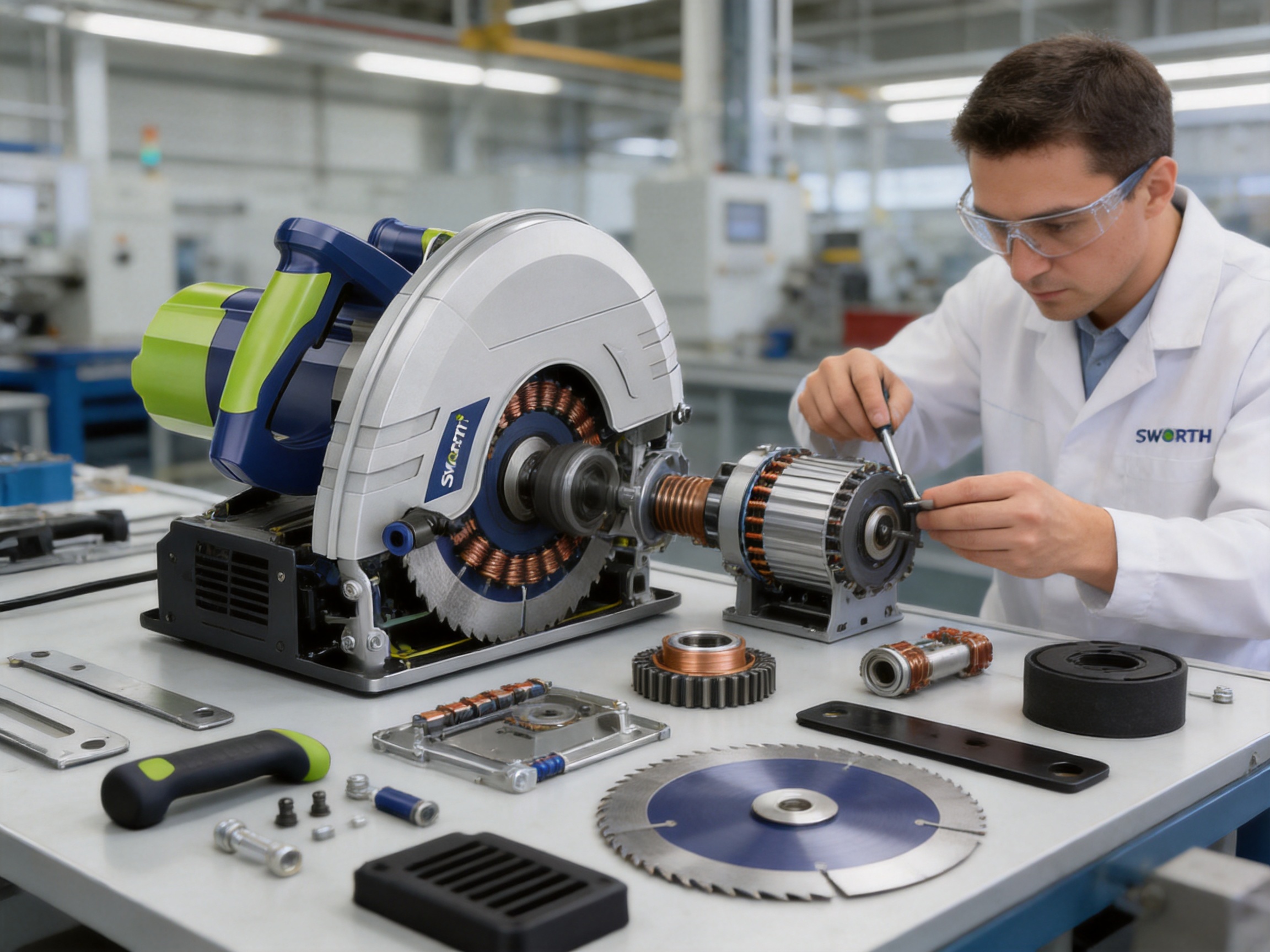
Product: SW5305 Aluminum Circular Saw

Recommended Products
-
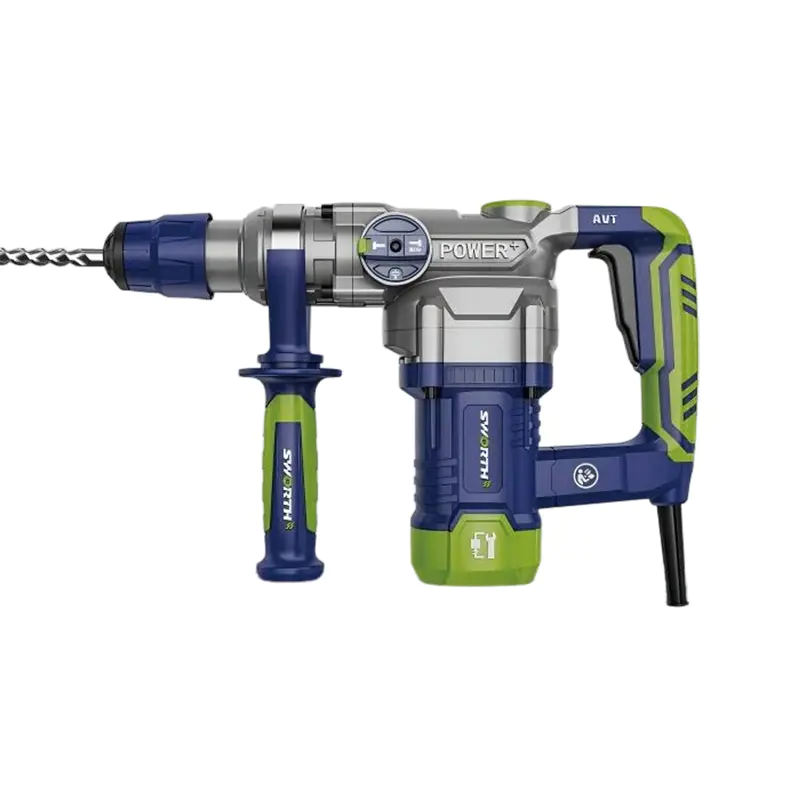


SW528 Small Hole Rebar Hammer
-
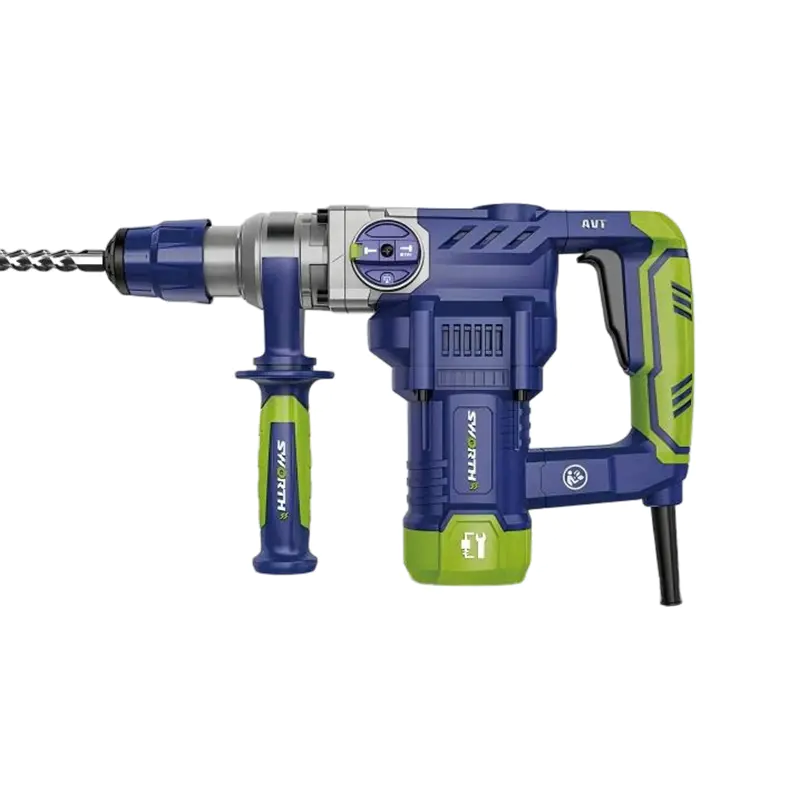
SW932 Groove Sandblasting Hammer
-
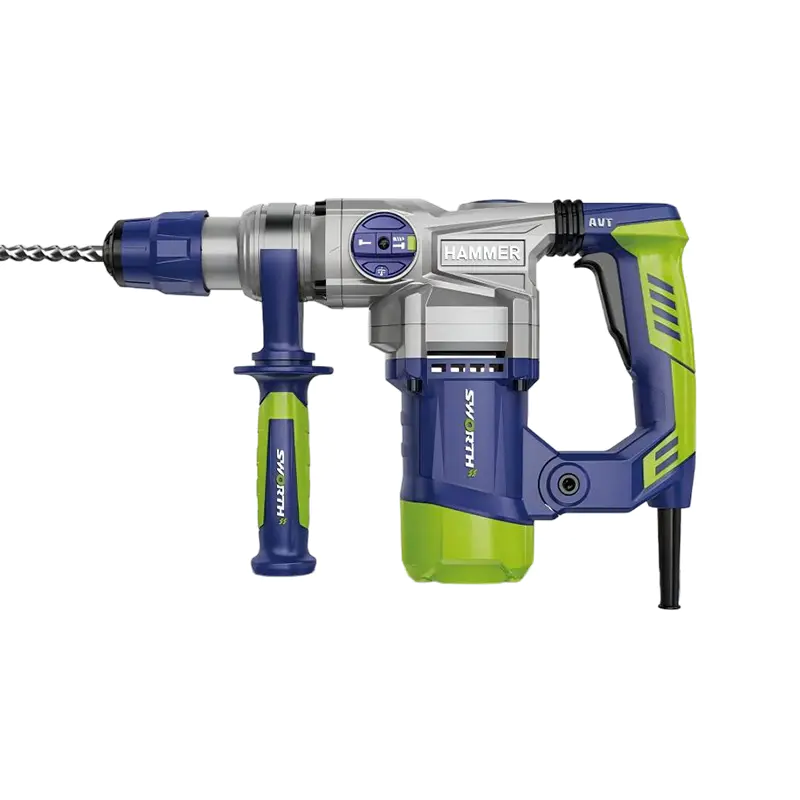
SW9362A Large Hole Rebar Hammer
-
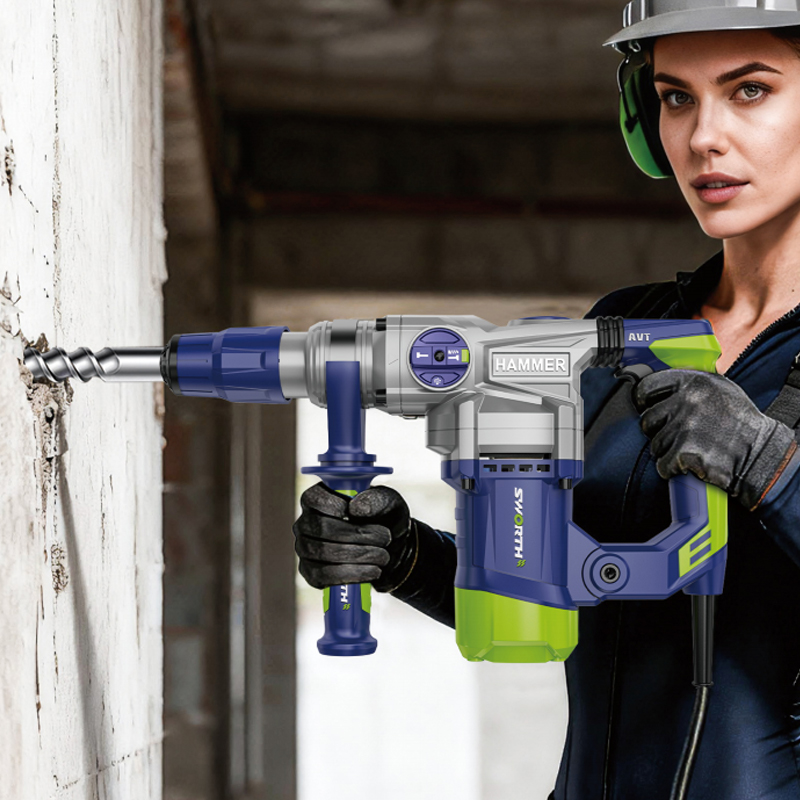
SW940 Enlarged Hole Rebar Hammer
-
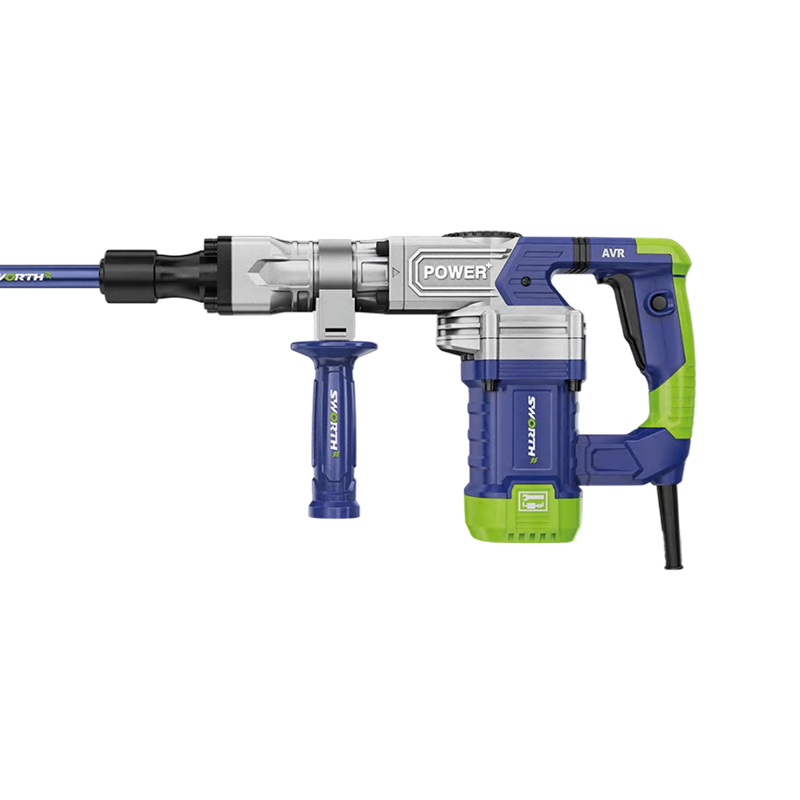
SW35S1 Powerful Demolition Hammer
-
SW35S2 High-Efficiency Heat Dissipation Demolition Hammer
-
SW9371 High-Power Demolition Hammer
-
SW9373 Anti-Scalding Carbon Brush Holder Demolition Hammer
-
SW535 Powerful Anti-Scalding Demolition Hammer
-
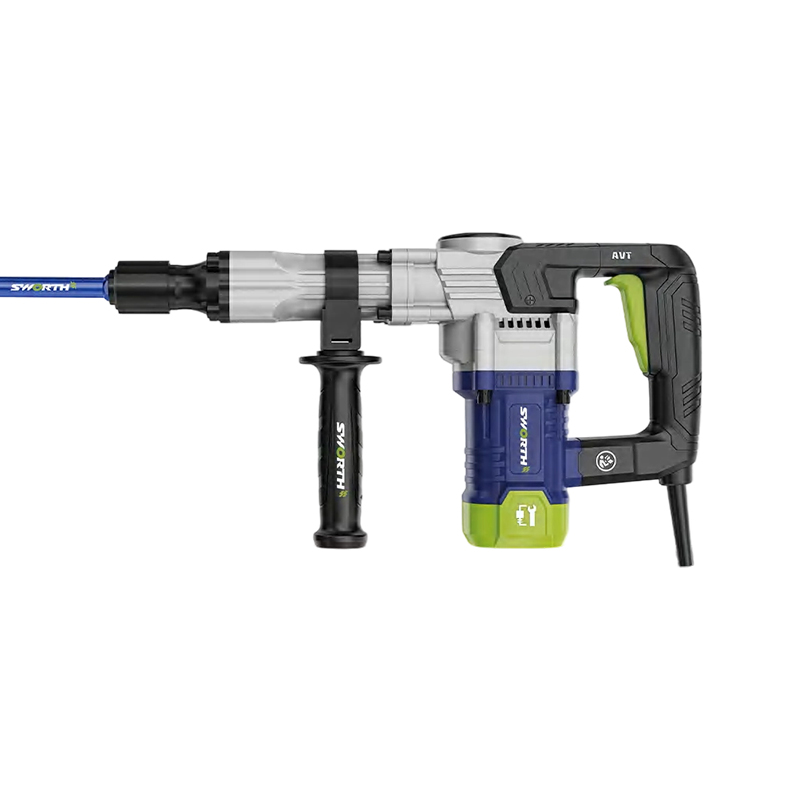
SW535-2 Durable Powerful Demolition Hammer
-
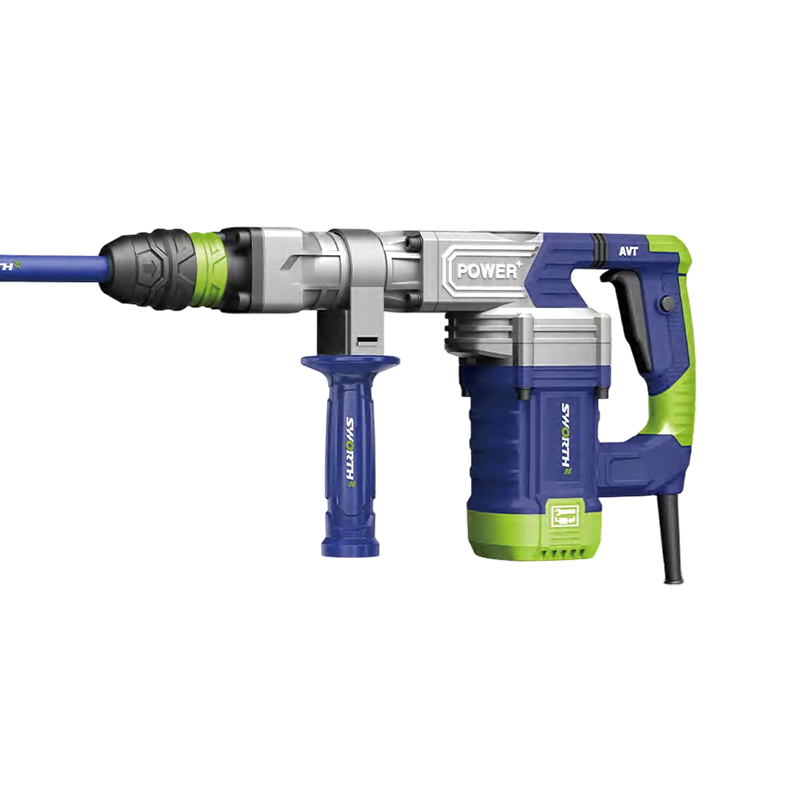
SW35S3 Five-Pipe Drill Bit Demolition Hammer
-

SW11E Five-Pipe Clamping Demolition Hammer
 +86-18314829275
 sale@sworthtools.com
 No. 101, Yugui Road, chengxi Industrial Zone, Yongkang City, Zhejiang Province, China
Copyright© Yongkang Siwei Technology Co., Ltd. All Rights Reserved

Hammer Tools & Cordless Garden Tools Manufacturer
