 English
 русский
 Español

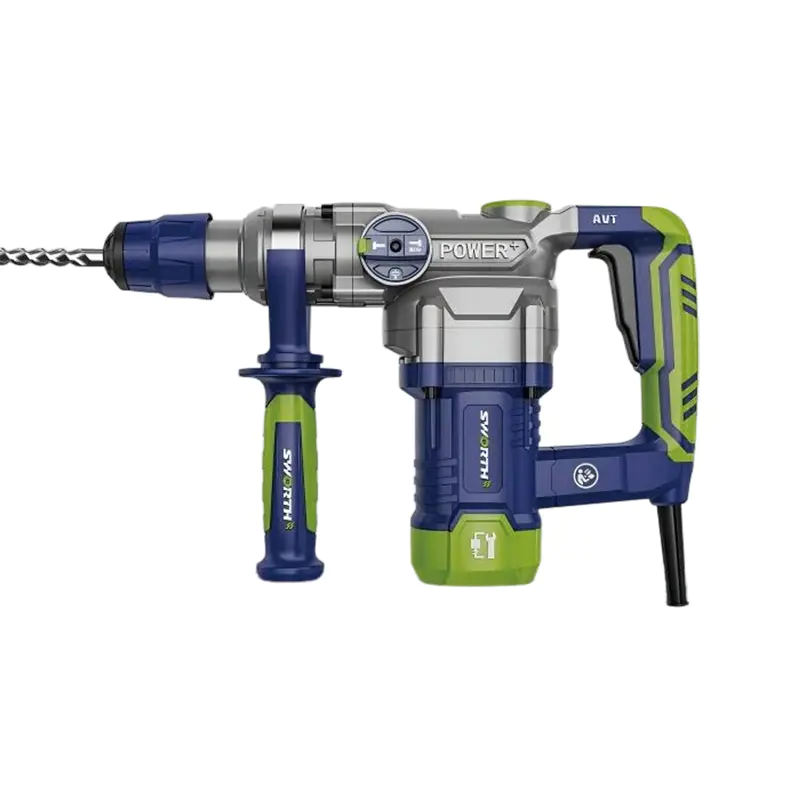
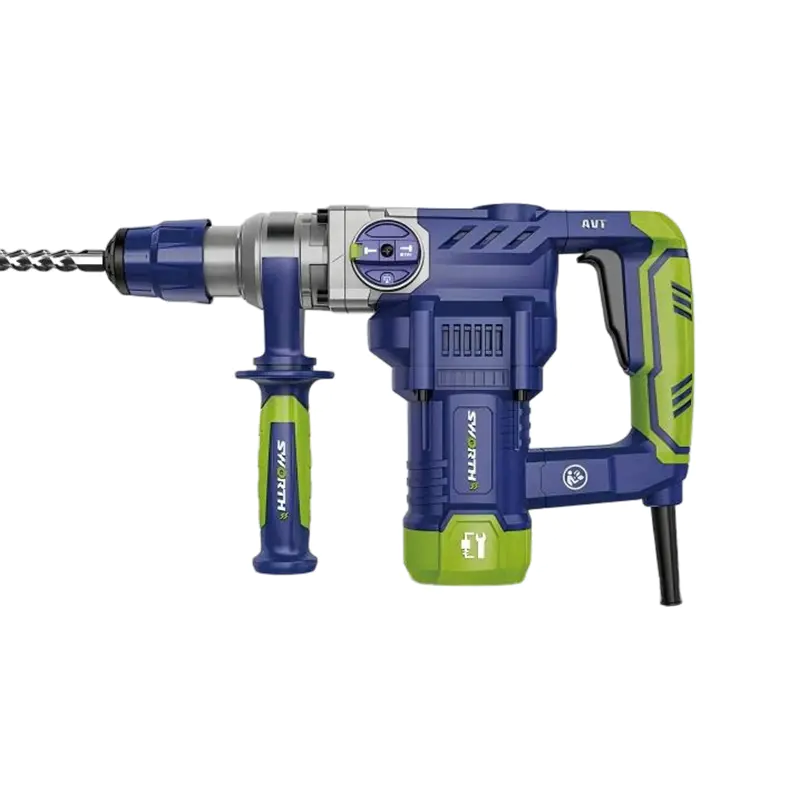
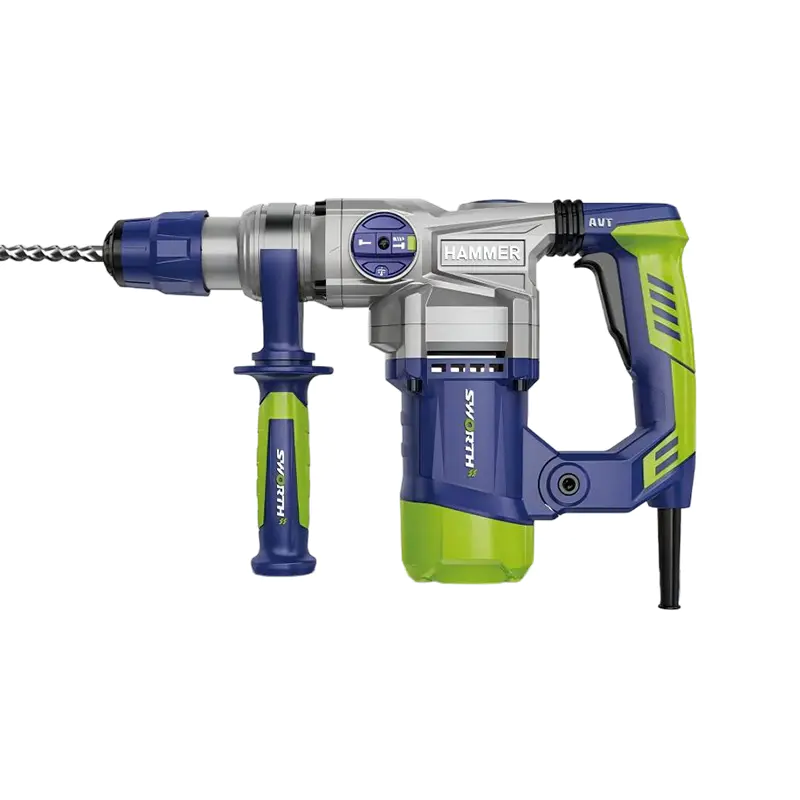
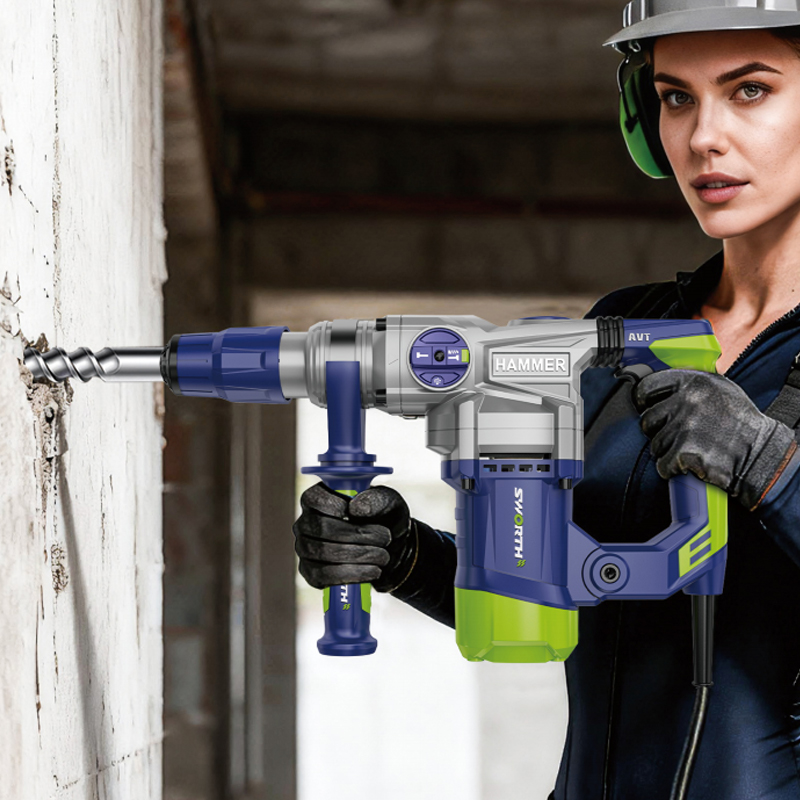
SW35S1 Powerful Demolition Hammer: High-Impact Performance for Demanding Construction Work
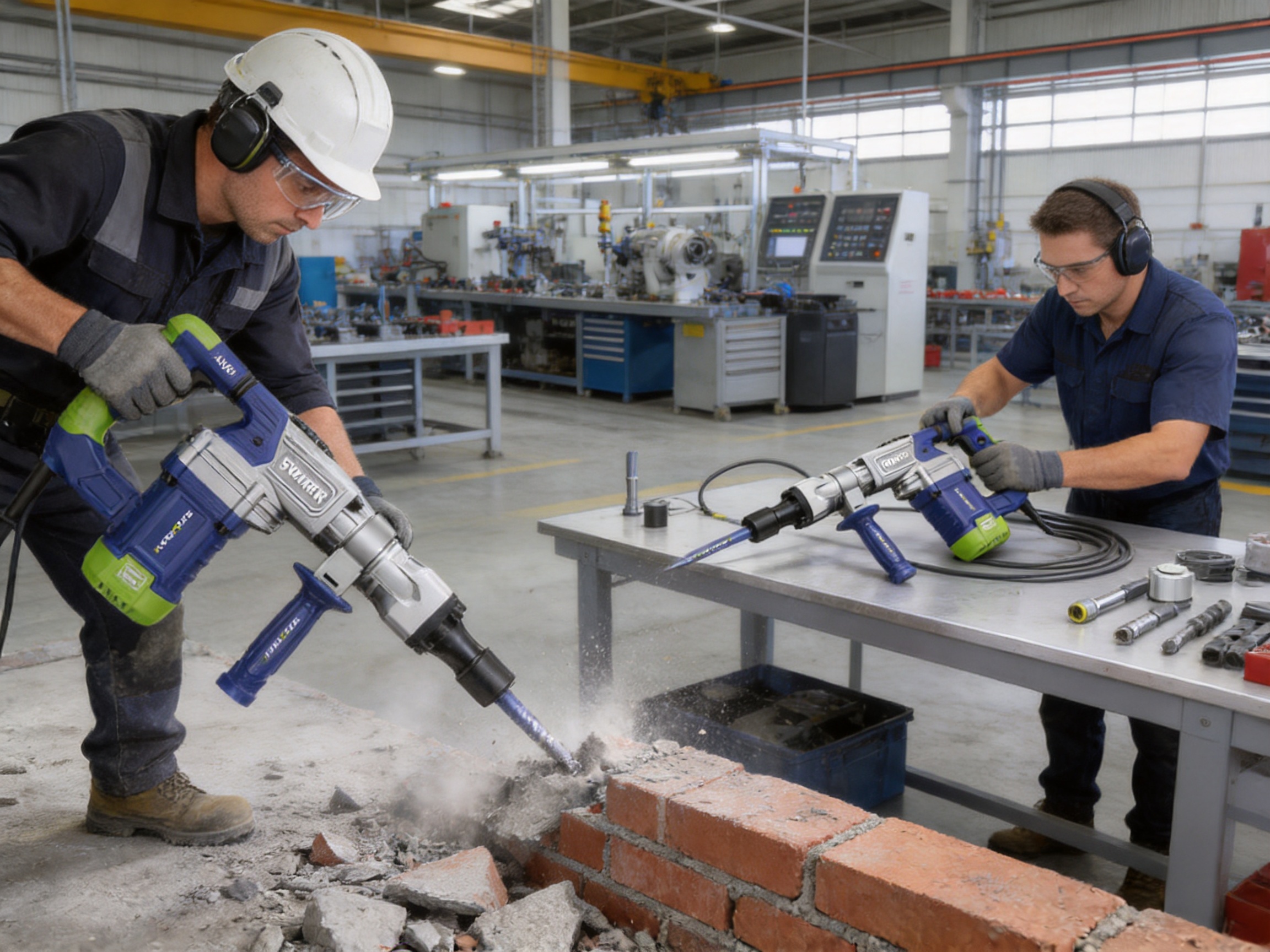
Demolition work demands more than a powerful motor. Professional users need a machine that can deliver strong impact energy, maintain stable output, withstand harsh working conditions, and remain comfortable enough for extended use. The SW35S1 Powerful Demolition Hammer is designed to meet these requirements with a 1200W electric motor, a 25J impact rating, a high no-load impact rate of 4800 bpm, and a reinforced mechanical structure intended for demanding concrete and brickwork applications.
As a heavy-duty electric demolition hammer, the SW35S1 is built for users who require reliable breaking performance without the complexity of fuel-powered equipment or the limitations of lighter consumer-grade tools. Its combination of high input power, optimized internal components, heat-dissipation features, and an anti-slip soft-rubber handle makes it suitable for engineering construction, renovation, infrastructure maintenance, masonry removal, and other high-intensity applications.
The product is manufactured by Yongkang Siwei Technology Co., Ltd., a professional tool manufacturer integrating research and development, production, and sales. The company focuses on professional tools and emphasizes durable materials, practical engineering, and reliable performance under difficult working conditions. Its experience in demolition hammers and chisel cutting tools supports the development of products intended for professional users rather than occasional household tasks.
Built for Serious Demolition Applications
Demolition hammers are used to break, remove, and reshape hard materials. Concrete slabs, brick walls, masonry foundations, stone surfaces, old mortar, floor coverings, and other construction materials can place extreme loads on both the tool and the operator. A machine that lacks sufficient impact power may force the user to apply excessive pressure, reduce productivity, or operate for longer periods. A machine with weak heat management may also suffer from overheating, performance loss, or premature component wear.
The SW35S1 addresses these challenges through a high-power 1200W motor and a rated impact energy of 25J. This configuration is intended to produce powerful bursts of energy that assist the bit in penetrating and breaking hard materials. Instead of depending only on operator force, the hammer mechanism transfers repeated impacts into the workpiece, helping users remove material more efficiently.
Its 4800 bpm no-load impact rate provides a rapid sequence of blows. The combination of impact frequency and impact energy is important. A high impact rate supports fast material removal, while a strong individual impact helps fracture dense or resistant sections. The SW35S1 is designed to balance these two characteristics for practical demolition work.
In comparison with many light-duty rotary tools or compact consumer hammers, a dedicated demolition hammer offers a more suitable operating profile for continuous breaking tasks. The SW35S1 is not positioned as a general-purpose drilling tool. Its purpose is focused: deliver strong impact performance for demolition and chiseling. This specialization allows its power system, cylinder design, housing structure, and grip arrangement to be developed around the requirements of heavy impact work.
Core Specifications at a Glance
| Product model | SW35S1 |
| Product type | Electric demolition hammer |
| Rated voltage | 220–240V~, 50/60Hz |
| Power input | 1200W |
| No-load impact rate | 4800 bpm |
| Impact energy | 25J |
| Cylinder specification | 35mm |
| Stator diameter | 72 × 45H |
| Rotor diameter | 41.2 × 45H |
| Primary applications | Concrete, brickwork, masonry, renovation, and engineering demolition |
These specifications show that the SW35S1 is designed around a high-output electrical and mechanical platform. The 1200W input rating provides the motor with substantial operating power, while the 25J impact rating indicates a tool intended for demanding breaking tasks. The 35mm cylinder is another important design element because the cylinder dimensions influence the air compression and piston movement responsible for generating impact force.
For distributors, contractors, and professional tool users, the specification combination is particularly relevant. A product should not be judged by motor wattage alone. The motor, piston, connecting rod, cylinder, impact mechanism, brush holder, housing, handle, and heat-dissipation system must work together. The SW35S1 is designed as an integrated system rather than a motor placed inside a basic housing.
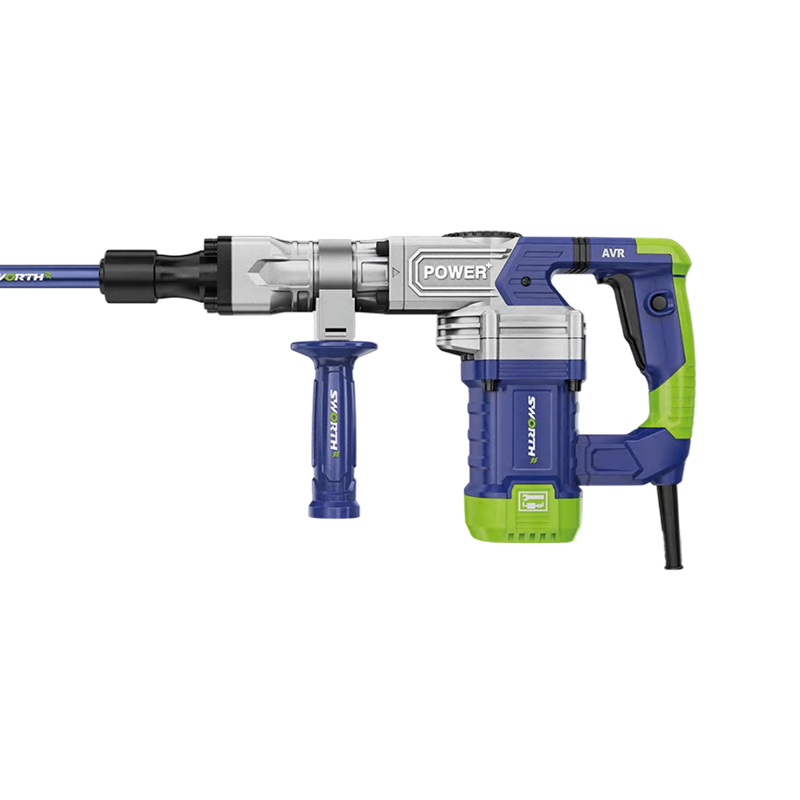
SW35S1 Powerful Demolition Hammer
1200W Motor for Stable Power Delivery
The electric motor is the foundation of a demolition hammer’s performance. The SW35S1 uses a 1200W high-power motor to support strong and stable operation. In practical terms, this power reserve helps the tool maintain effective output when the working bit encounters hard concrete, dense brick, or resistant masonry.
During demolition, the load placed on the mechanism can change constantly. A bit may pass through a weaker section of material and then strike a dense section moments later. The motor and transmission system must respond to these changing conditions without excessive loss of performance. The SW35S1’s power system is intended to provide consistent operation across these variations.
A stable power supply is also important for productivity. If a tool repeatedly loses force under load, the operator may need to reposition the bit, apply additional body weight, or spend more time on each section. Stronger output can help reduce unnecessary effort and make the working process smoother. It may also help professional crews complete more demolition work during a scheduled shift.
The product is designed for a 220–240V electrical supply at 50/60Hz, making it suitable for many commercial and industrial power networks in international markets using this voltage range. Users should always confirm that the local electrical supply, extension cable, socket, and protective equipment are appropriate for the tool before operation.
25J Impact Energy for Concrete and Brickwork
Impact energy is one of the most important specifications for a demolition hammer. The SW35S1 delivers a rated impact energy of 25J, giving it the force required for serious chiseling and breaking applications. Each impact transfers energy through the tool and into the attached chisel, helping to create cracks and fractures in hard materials.
Concrete and brickwork can differ significantly in density, structure, and reinforcement. A lower-powered machine may perform adequately on thin tiles or light masonry but struggle with thick concrete, old foundations, or heavily bonded brickwork. The SW35S1 is designed for a broader range of demanding tasks, including the removal of concrete sections, the opening of masonry surfaces, and the breaking of construction materials during renovation or structural work.
High impact energy does not eliminate the need for correct technique. Operators should select an appropriate chisel, position the tool correctly, allow the impact mechanism to work, and avoid forcing the machine sideways. However, a stronger impact platform gives the operator a better starting point and can reduce the amount of manual pressure required.
Compared with lighter demolition tools, the 25J rating gives the SW35S1 a clear advantage in high-intensity applications. It is designed to be a working tool for demanding environments rather than a small accessory for occasional repair work. For contractors who regularly process hard building materials, this level of impact performance can support faster progress and a more consistent workflow.
4800 bpm Impact Rate for Efficient Material Removal
The SW35S1 has a no-load impact rate of 4800 blows per minute. A rapid impact sequence helps the attached chisel continuously attack the material, particularly when removing surface layers, breaking brittle sections, or enlarging an initial fracture.
The impact rate should be considered together with the 25J impact energy. A fast rate with low impact energy may be useful for light chipping but may not be sufficient for heavy concrete. Conversely, very high impact energy with a slow impact rate may reduce the speed of material removal in some applications. The SW35S1 combines substantial impact force with a rapid cycle to support productive demolition.
In practical use, operators can begin by creating a crack or separation line and then guide the chisel along the desired removal path. For bulk material removal, the tool’s repeated impacts can help break larger sections into manageable pieces. This approach may be useful in renovation work, floor preparation, wall opening, concrete repair, and similar activities.
The impact rate also contributes to the tool’s working feel. A consistent sequence of impacts allows the operator to maintain a steady movement instead of waiting between individual blows. Stable operation is especially valuable when removing long sections of material or working through surfaces with varying hardness.
35mm Cylinder for Greater Mechanical Output
The SW35S1 uses a 35mm cylinder, a feature identified as contributing to greater power. The cylinder forms part of the pneumatic impact mechanism. As the piston moves, air pressure is generated and transferred to the striking system. The dimensions and internal arrangement of this mechanism influence the amount of energy produced during each cycle.
A larger or appropriately sized cylinder can support stronger air compression and help the hammer generate more substantial impact force. However, size alone does not determine performance. The cylinder must be matched with the piston, connecting rod, crank mechanism, motor output, lubrication system, and housing structure. The SW35S1 is designed with these components as part of a coordinated mechanical platform.
The use of a 35mm cylinder reflects the product’s emphasis on heavy-duty performance. It is not merely intended to create vibration at the tool tip. Its purpose is to produce useful impact energy that can be transmitted into hard construction materials. This design is especially relevant for users who need to perform repeated breaking work instead of short, light chiseling tasks.
Carbon Piston and Connecting Rod Design
The internal piston and connecting rod are essential to the reliability and operating stability of a demolition hammer. In the SW35S1, the carbon piston and connecting rod are designed to provide more stable operation, lower vibration, and greater power according to the product specifications.
The piston moves repeatedly under high mechanical stress. It must withstand rapid reciprocating movement, friction, heat, and repeated impact cycles. The connecting rod transfers motion from the rotating drive system to the piston. If these components are poorly matched or insufficiently supported, the tool may experience excessive vibration, unstable output, or accelerated wear.
A stable piston and connecting rod arrangement helps the impact system operate with better consistency. It can also contribute to a more controlled transfer of energy. For the operator, reduced unnecessary vibration may make the tool easier to guide and may improve comfort during longer periods of work.
The design objective is not simply to maximize force. The mechanism must deliver force repeatedly while maintaining acceptable durability. The SW35S1’s internal configuration is intended to balance power, stability, and service life, which are all important in professional demolition environments.
Optimized Heat Dissipation for Extended Operation
Heat is a major concern in high-power electric tools. A demolition hammer’s motor, brushes, bearings, transmission components, and impact mechanism can all generate heat during operation. If heat accumulates excessively, it may affect performance, shorten component life, and interrupt work.
The SW35S1 combines an efficient power system with optimized heat-dissipation channels. This design helps move heat away from key internal components and supports more stable operation during prolonged use. Effective heat management is especially valuable for construction crews that need to operate the tool repeatedly throughout the day.
The improved brush holder structure also contributes to heat dissipation. Brushes are wear components that transfer electrical current to the rotating armature. Their contact with the commutator naturally produces friction and heat. A well-designed brush holder can help maintain proper contact and provide a more effective path for heat to disperse.
Heat dissipation does not mean that the tool can be used without rest or maintenance. Users should follow appropriate operating intervals, keep ventilation openings clear, avoid covering the housing, and allow the machine to cool when necessary. Nevertheless, a tool with an intentional cooling structure has an advantage over a basic design that provides little consideration for thermal management.
For professional users, this feature can improve workflow reliability. Fewer heat-related interruptions may help crews maintain a more predictable schedule. It can also protect the investment in the equipment by reducing the stress placed on electrical and mechanical components during demanding tasks.
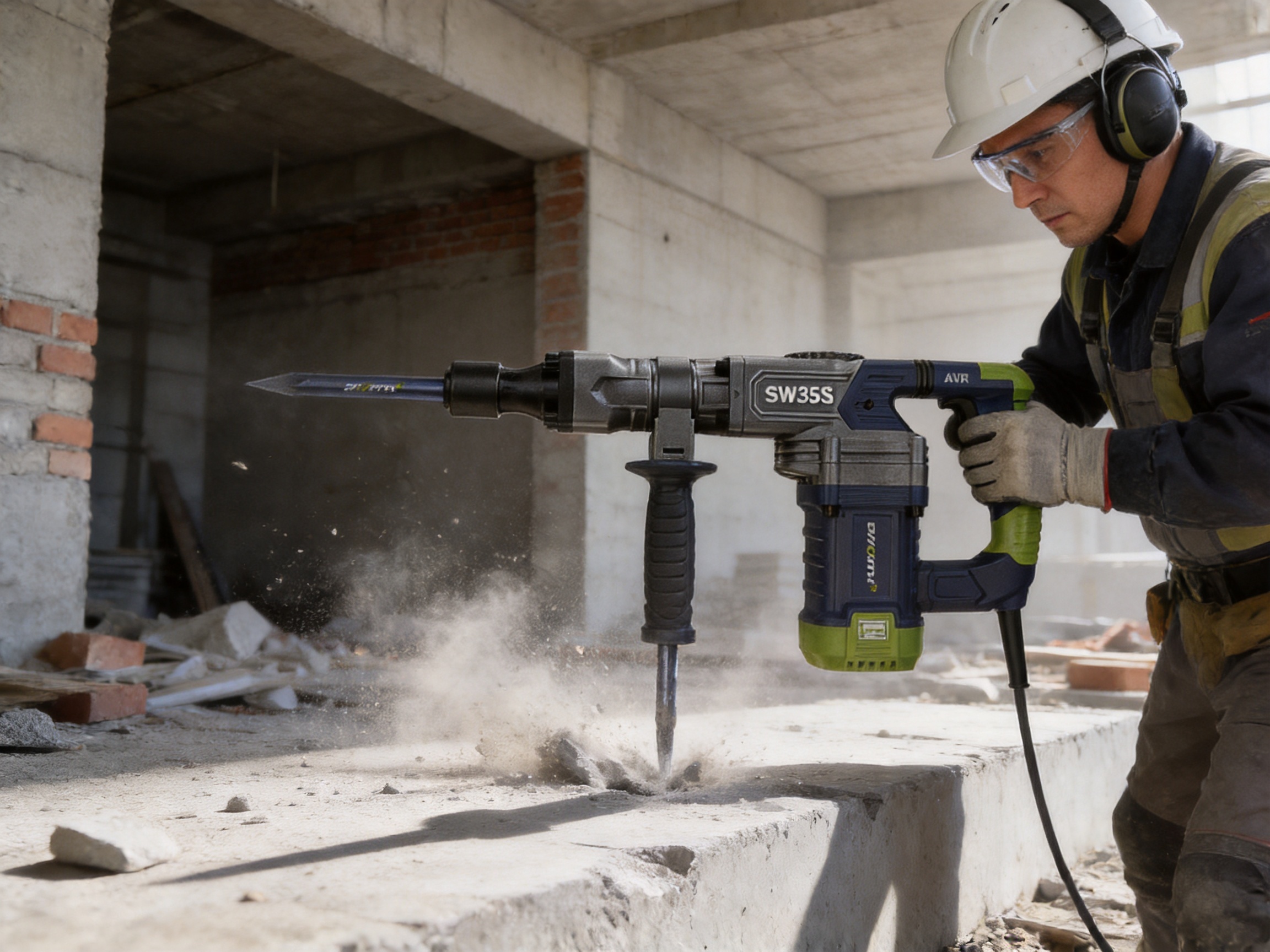
Oil Cap with Breathing Hole
Lubrication is essential for the moving parts inside a demolition hammer. The impact mechanism and transmission system operate under repeated load, and suitable lubrication helps reduce friction and wear. The SW35S1 includes an oil cap with a breathing hole designed to release pressure and help prevent oil leakage.
Pressure can build inside a lubricated mechanical housing as internal temperature changes during operation. Without an appropriate pressure-release design, oil may be forced toward seals or other vulnerable areas. The breathing hole provides a controlled method for pressure release, supporting cleaner and more stable operation.
Preventing oil leakage has several practical benefits. It can reduce contamination of the work area, help preserve lubrication inside the mechanism, and reduce the possibility that insufficient lubrication will increase friction. It also supports easier inspection and maintenance for users who need to keep tools in service.
Operators should still check the oil system according to the recommended maintenance procedure. The oil cap should remain properly secured, and users should not introduce unsuitable lubricants or excessive quantities. Correct maintenance is particularly important for a high-impact machine because the internal components operate under significant mechanical stress.
Anti-Slip Soft-Rubber Handle
A demolition hammer transfers powerful repeated impacts to the workpiece, and the operator must maintain firm control throughout the process. The SW35S1 uses an anti-slip handle with a soft-rubber surface to improve grip and comfort.
The handle material is designed to help prevent the hands from sliding during operation. This is useful when the user is working in a dusty environment, wearing work gloves, or changing position while guiding the chisel. A secure grip can also help the operator maintain the correct angle and reduce unnecessary movement.
The soft-rubber surface provides a more comfortable contact point than a hard, untreated plastic handle. It can help reduce the unpleasant feel of vibration and pressure in the hand. While no handle can eliminate the effects of a heavy impact mechanism, a well-designed grip can make the tool easier to manage during extended tasks.
The product also features a large switch that is comfortable to press and hold. A clearly accessible switch allows the operator to start and stop the tool without awkward hand movement. This can be valuable when working in restricted spaces or when wearing protective gloves.
Users should maintain both hands on the tool when the application requires it and should avoid operating the machine from unstable positions. Good grip design supports control, but safe operation also depends on proper stance, suitable personal protective equipment, and awareness of the surrounding work area.
Designed for Professional Construction and Renovation
The SW35S1 is suitable for a wide range of professional demolition tasks. Its powerful impact system can support the removal of concrete, brickwork, masonry, and other hard construction materials. Typical applications may include breaking concrete sections, removing old floor bases, opening channels in masonry, dismantling brick partitions, preparing surfaces for repair, and clearing unwanted construction material.
In renovation projects, the tool can help contractors remove old structures before installing new materials. It may be used to strip damaged concrete, break up masonry around openings, remove bonded material, or expose sections that require repair. The high impact output is useful when the material is too hard or thick for a light hammer.
In engineering construction, the product can serve as a practical tool for intensive chiseling and demolition. It is suited to users who value direct electric power, a robust structure, and a focused design. Because it is an electric machine, it can be used where suitable mains power is available without the refueling requirements associated with fuel-powered equipment.
The SW35S1 may also be useful for specialist contractors, equipment rental businesses, building maintenance teams, and distributors seeking a high-output demolition hammer for professional customers. Its specifications give buyers a clear basis for evaluating whether the product matches their intended working conditions.
Advantages Over Lighter and Less Specialized Tools
The main advantage of the SW35S1 over lighter tools is its dedicated high-impact design. Many compact tools are designed to perform several functions, such as drilling, light chiseling, and occasional surface removal. That versatility can be convenient, but it may come at the expense of maximum demolition performance.
A dedicated demolition hammer concentrates its design priorities on impact energy, mechanical durability, heat control, and operator handling. The SW35S1’s 1200W motor and 25J impact rating place it in a more powerful category than basic household hammers. Its 35mm cylinder and reinforced internal components further support its suitability for high-intensity applications.
The product also offers practical advantages over poorly cooled heavy-duty tools. The optimized heat-dissipation channels and improved brush holder structure are intended to reduce thermal stress and help maintain stable performance. This is important because a machine may have impressive peak power but still perform poorly if it overheats quickly.
Another advantage is the attention given to operating comfort. The anti-slip soft-rubber handle, large switch, and vibration-conscious internal design help make the tool more manageable. Comfort is not merely a convenience. When users can maintain a secure grip and stable posture, they may be able to work more accurately and reduce unnecessary fatigue.
The oil cap breathing-hole design is another practical detail that distinguishes a considered engineering solution from a basic housing. Pressure control inside the lubricated mechanism helps support cleaner operation and reduces the risk of oil being forced out during temperature changes.
Manufacturing Strengths of Yongkang Siwei Technology Co., Ltd.
Yongkang Siwei Technology Co., Ltd. integrates research and development, production, and sales. This integrated structure can help a manufacturer connect product design with real manufacturing requirements and customer feedback. It also supports closer coordination between engineering, component selection, production processes, quality control, and market service.
The company follows a professional-oriented approach summarized by its focus on professionalism and quality. Its products are developed with attention to harsh working conditions, durable materials, and practical construction. For demolition tools, this approach is essential because the products must withstand repeated shock, vibration, dust, heat, and demanding handling.
The manufacturing process begins with product engineering. Engineers must determine the required motor output, cylinder dimensions, piston movement, impact mechanism, lubrication arrangement, housing shape, handle design, and cooling paths. These elements cannot be considered independently. The final tool must provide sufficient power while maintaining structural stability and operator control.
Material selection is also important. Internal components such as pistons, connecting rods, gears, crank parts, and bearings must be chosen for their ability to withstand repeated loads. Exterior components must protect the internal mechanism while providing an ergonomic working surface. The company’s focus on high-quality materials supports the goal of creating tools that remain dependable under difficult conditions.
Production accuracy affects performance as well. Components in a reciprocating impact mechanism require suitable dimensional control and alignment. Poor alignment can create unnecessary friction, vibration, and wear. Careful assembly helps ensure that the motor, transmission, cylinder, piston, and striking mechanism work together as intended.
Quality inspection is another important part of the manufacturing process. A professional tool manufacturer needs to evaluate electrical performance, mechanical operation, switch function, housing integrity, lubrication, impact behavior, and thermal performance. Consistent inspection helps reduce variation between production units and gives distributors greater confidence in the products they supply.
The company’s experience with demolition hammers and chisel cutting tools provides a focused product foundation. Rather than treating demolition equipment as a minor category, it develops tools around the needs of professional engineering construction. This specialization supports the creation of products such as the SW35S1, where impact performance and durability are central design objectives.
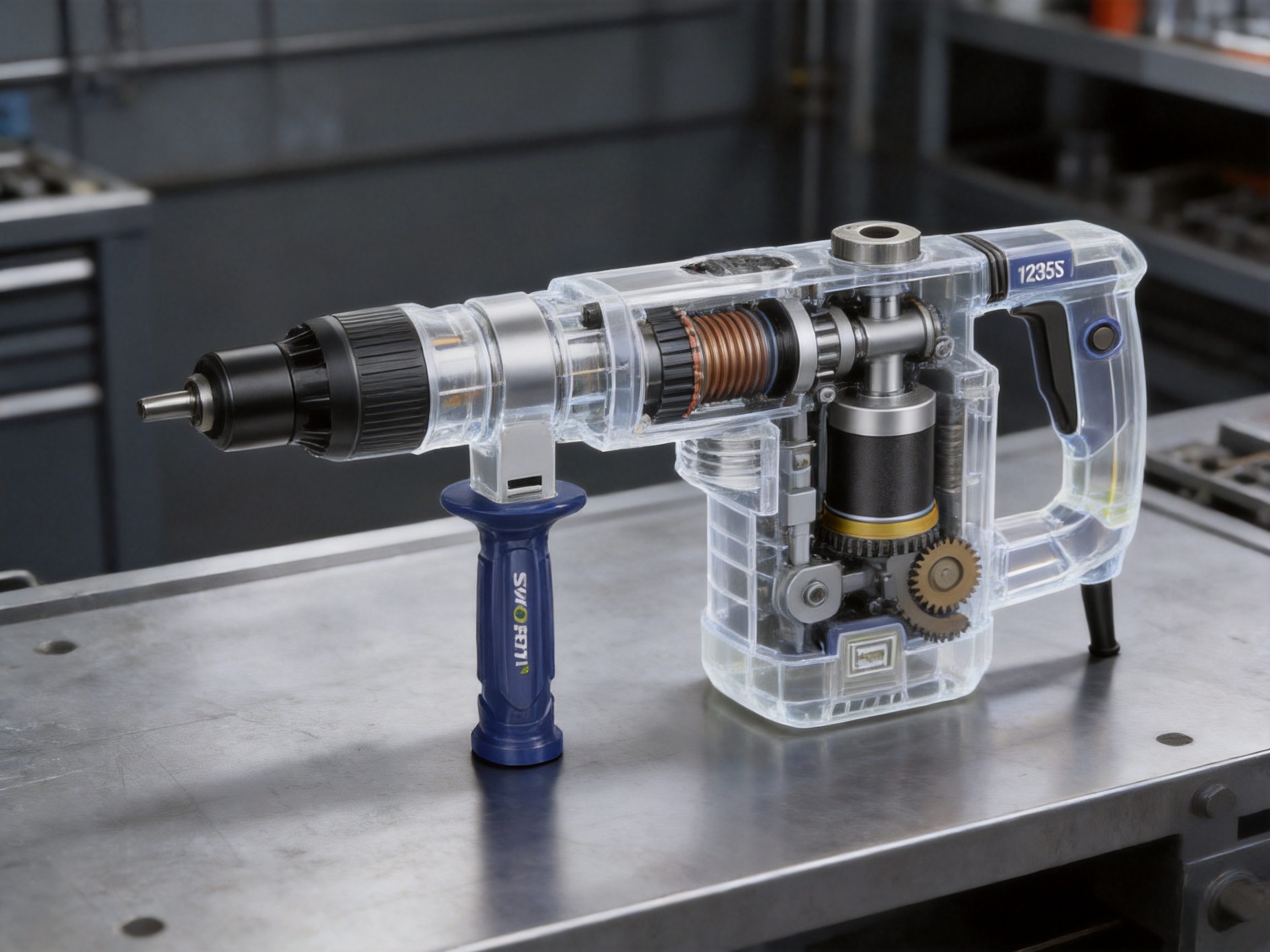
Research and Development for Modern Power Tools
Modern power-tool development requires more than increasing motor wattage. Product designers must understand energy transfer, heat management, vibration, ergonomics, electrical safety, component durability, and manufacturing consistency. The SW35S1 reflects this broader engineering approach through its combination of high input power, impact energy, cylinder design, carbon piston and connecting rod, cooling channels, and handle structure.
Yongkang Siwei Technology Co., Ltd. has also developed expertise in high-efficiency brushless motors and electronic control systems since 2024. Although the SW35S1 is an electric demolition hammer with the specifications described above, this broader technical development demonstrates the company’s continuing interest in motor efficiency, electronic control, and power-platform innovation.
The company’s work in intelligent battery platforms and cordless garden tools also indicates experience with modern power-system development. Its product range includes lithium-ion lawn mowers, string trimmers, lawn tractors, hedge trimmers, electric pruning shears, and high-speed chainsaws. These categories require knowledge of motor control, battery performance, thermal management, user ergonomics, and long-term reliability.
This cross-category experience can strengthen a manufacturer’s overall engineering capabilities. Knowledge developed in electronic control, motor efficiency, and battery systems can complement traditional expertise in mechanical impact tools. It also positions the company to respond to changing market demands, including the growth of cordless equipment and more efficient electric power systems.
Practical Operating Guidance
Before using the SW35S1, operators should inspect the tool, power cable, plug, handle, housing, switch, and chisel. Any damaged component should be repaired or replaced before work begins. The work area should be cleared of unnecessary objects, and the operator should identify hidden electrical cables, water pipes, gas lines, or structural hazards before breaking into a surface.
Suitable personal protective equipment should include eye protection, hearing protection, work gloves, safety footwear, and respiratory protection where dust may be generated. Demolition can produce flying fragments and fine particles, so users should also consider barriers, dust extraction, ventilation, and protection for nearby workers.
The chisel should be correctly installed and suitable for the material being removed. The operator should hold the tool firmly, maintain a stable stance, and allow the impact mechanism to do the work. Excessive downward force may not improve performance and can increase fatigue. Side loading should be avoided because the tool is designed to transmit impacts along its working axis.
For thick concrete or large sections, it may be more efficient to create a controlled pattern of holes, cracks, or channels rather than attempting to force the tool through the entire section at once. The correct method depends on the material, thickness, reinforcement, working position, and project requirements.
After use, the machine should be switched off, disconnected from the power supply, cleaned, and stored in a dry location. Ventilation openings should remain free from dust accumulation. Regular maintenance helps preserve the tool’s cooling performance and extends the useful life of wear components.
Maintenance and Service Considerations
Maintenance is essential for any high-impact tool. The operator should check the power cable and plug for cuts, crushing, exposed conductors, or other signs of damage. The switch should operate smoothly, and the handle should remain securely attached. Unusual noise, excessive vibration, smoke, burning odor, or a significant reduction in impact force should be treated as signs that inspection is required.
The lubrication system should be maintained according to the manufacturer’s instructions. The oil cap and breathing hole should remain clean and correctly installed. Users should not block the breathing hole, overfill the housing, or use unapproved lubricants. Proper lubrication supports the piston, connecting rod, gears, bearings, and impact mechanism.
Carbon brushes are wear components and may eventually require replacement. The improved brush holder structure supports heat dissipation, but it does not make brushes permanent. Inspection and replacement should be carried out by qualified personnel or according to approved service procedures.
Chisels should also be inspected. A damaged, heavily worn, bent, or incorrectly fitted chisel can reduce performance and create a safety risk. Keeping the working accessory in suitable condition allows the tool to transfer its impact energy more effectively into the material.
For professional users, maintenance records can be helpful. Recording operating hours, inspections, lubrication, brush replacement, and repairs can support better equipment management. It can also help rental companies and contractors identify patterns before a minor issue becomes a serious failure.
Why the SW35S1 Is a Strong Choice for Distributors
Distributors need products that are easy to explain, clearly specified, and relevant to customer applications. The SW35S1 offers a straightforward value proposition: high motor power, strong impact energy, rapid impact rate, reinforced mechanical features, and practical handling design.
The product is suitable for customers who need more than a light hammer but do not want the complexity of a fuel-powered demolition system. Its 220–240V electrical specification makes it appropriate for markets using this voltage range, while its focused demolition design gives sales teams a clear application message.
The product’s feature structure also supports professional marketing. The 1200W motor communicates power, the 25J rating communicates impact capability, the 4800 bpm figure communicates working speed, and the 35mm cylinder communicates the heavy-duty nature of the mechanism. Supporting features such as the oil-cap breathing hole, anti-slip handle, soft rubber, improved brush holder, and heat-dissipation channels show that the product has been developed beyond headline specifications.
Yongkang Siwei Technology Co., Ltd. provides additional value through its integrated manufacturing capability and broader power-tool experience. Its product categories include rotary hammers, demolition hammers, angle grinders, circular saws, marble cutters, cordless chain saws, and pruning shears. This range enables distributors to work with a supplier that understands both construction tools and garden power equipment.
For professional buyers, supplier capability can be as important as individual product specifications. Consistent production, technical communication, product development, and after-sales cooperation all affect the long-term success of a tool program. The company’s focus on research, production, and sales integration supports these requirements.
Frequently Asked Questions
What type of tool is the SW35S1?
The SW35S1 is a high-power electric demolition hammer designed primarily for chiseling and breaking hard construction materials. It is intended for applications involving concrete, brickwork, masonry, renovation, and engineering construction.
How powerful is the motor?
The product has a rated power input of 1200W. This high-power motor is designed to provide strong and stable output during demanding demolition work.
What is the impact energy?
The SW35S1 has a rated impact energy of 25J. This level of impact performance is intended to help the user break and remove hard materials such as concrete and brickwork.
What is the no-load impact rate?
The no-load impact rate is 4800 blows per minute. The rapid impact cycle supports continuous chiseling and material removal when combined with the tool’s 25J impact energy.
What does the 35mm cylinder do?
The 35mm cylinder forms part of the pneumatic impact mechanism. Its design supports stronger air compression and contributes to the product’s high-impact output when working with hard construction materials.
Is the SW35S1 suitable for long working periods?
The tool is designed for demanding operation and includes optimized heat-dissipation channels and an improved brush holder structure to support stable performance. However, users should follow suitable operating intervals, maintain ventilation openings, and allow the tool to cool when necessary.
Does the handle help reduce slipping?
Yes. The SW35S1 uses an anti-slip handle with a soft-rubber surface. This design helps the operator maintain a secure grip and improves comfort during operation.
What is the purpose of the oil-cap breathing hole?
The breathing hole is designed to release internal pressure and help prevent oil leakage. It supports more stable lubrication management inside the tool’s mechanical housing.
Can the tool be used on concrete?
Yes. The SW35S1 is designed for high-intensity demolition tasks such as breaking concrete, brickwork, and other masonry materials. Users should select a suitable chisel and follow safe operating procedures for the specific workpiece.
What voltage does the product use?
The rated voltage is 220–240V~, 50/60Hz. The local electrical supply should always be confirmed before use, and the tool should be connected to a suitable protected power circuit.
Is this a drilling machine?
The SW35S1 is presented as a demolition hammer and is designed primarily for impact chiseling and breaking. Users should not assume that it is suitable for drilling unless the specific product configuration and accessory system expressly support that function.
What maintenance does the tool require?
Maintenance may include checking the cable and plug, cleaning ventilation openings, inspecting the handle and switch, maintaining the lubrication system, checking the oil cap, inspecting the chisel, and replacing worn carbon brushes when required. Service work should be performed according to the manufacturer’s instructions.
Who manufactures the SW35S1?
The SW35S1 is manufactured by Yongkang Siwei Technology Co., Ltd., a professional tool manufacturer integrating research and development, production, and sales in Yongkang, Zhejiang, China.
Conclusion
The SW35S1 Powerful Demolition Hammer is designed for users who require dependable impact performance in demanding construction and renovation environments. Its 1200W motor, 25J impact energy, 4800 bpm no-load impact rate, and 35mm cylinder provide a strong foundation for breaking concrete, brickwork, and masonry.
Its advantages extend beyond headline power. The carbon piston and connecting rod support stable mechanical operation, the anti-slip soft-rubber handle improves control, the large switch supports comfortable operation, the oil-cap breathing hole helps manage internal pressure, and the optimized cooling structure supports more stable performance during extended work.
The product also benefits from the manufacturing capabilities of Yongkang Siwei Technology Co., Ltd. The company combines research and development, production, and sales while focusing on professional tools, durable materials, quality processes, and real working conditions. Its experience in demolition hammers and chisel cutting tools provides a relevant technical foundation for the SW35S1, while its development of brushless motors, electronic controls, intelligent battery platforms, and cordless garden equipment demonstrates broader power-tool expertise.
For contractors, engineering teams, maintenance professionals, distributors, and equipment suppliers, the SW35S1 offers a focused solution for high-intensity demolition. It combines strong impact output with practical structural details intended to support productivity, durability, and operator control.
References
1. Product specification sheet for the SW35S1 Powerful Demolition Hammer.
2. Internal product information covering motor power, impact energy, cylinder design, piston construction, handle structure, oil-cap ventilation, and brush-holder heat dissipation.
3. General principles of electric power-tool design, including motor loading, impact mechanisms, thermal management, lubrication, and operator ergonomics.
4. General construction-tool safety practices for demolition, chiseling, concrete breaking, dust control, electrical safety, and personal protective equipment.
5. Company information for Yongkang Siwei Technology Co., Ltd., including research and development, manufacturing capabilities, product categories, and professional-tool specialization.
Product: SW35S1 Powerful Demolition Hammer

Recommended Products
-


SW528 Small Hole Rebar Hammer
-
SW932 Groove Sandblasting Hammer
-
SW9362A Large Hole Rebar Hammer
-
SW940 Enlarged Hole Rebar Hammer
-
SW35S1 Powerful Demolition Hammer
-
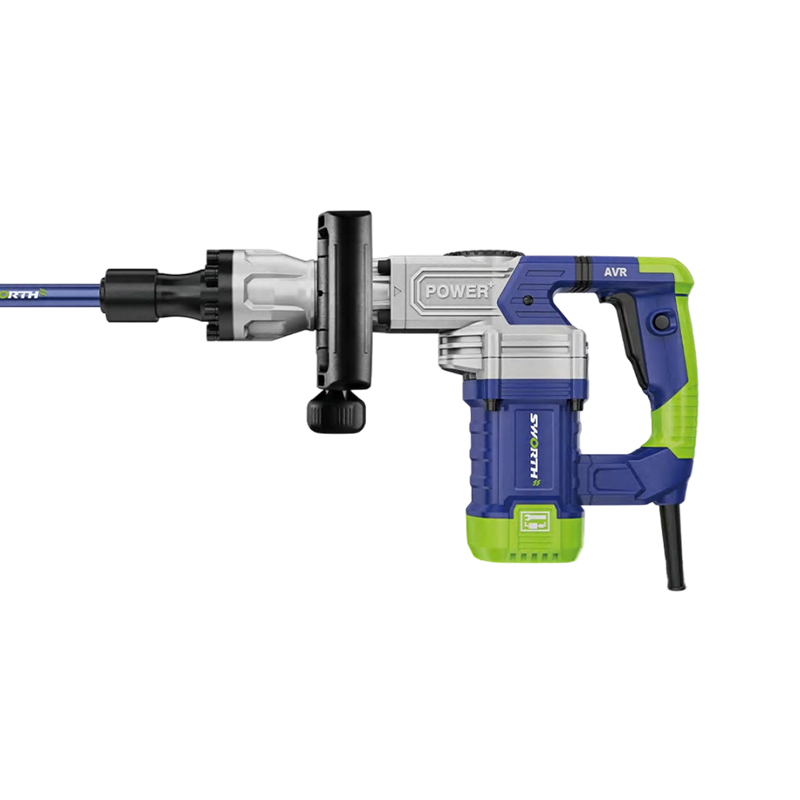
SW35S2 High-Efficiency Heat Dissipation Demolition Hammer
-
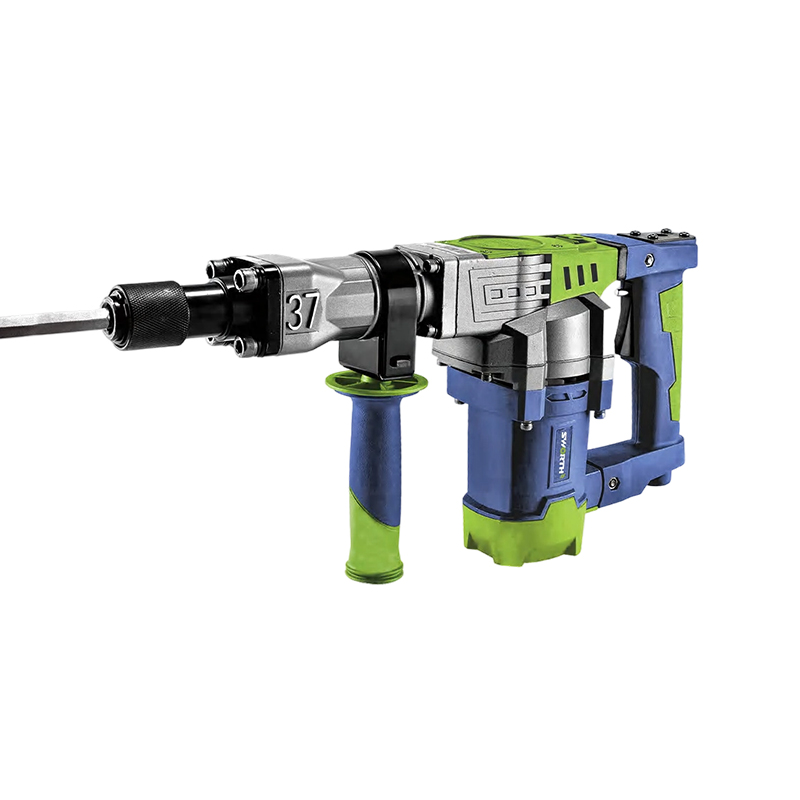
SW9371 High-Power Demolition Hammer
-
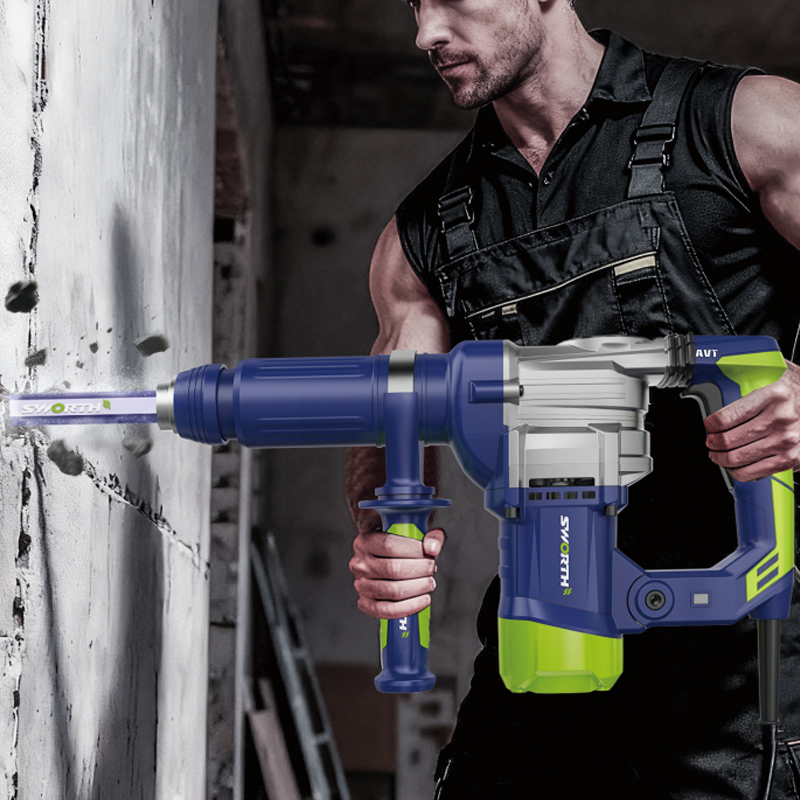
SW9373 Anti-Scalding Carbon Brush Holder Demolition Hammer
-
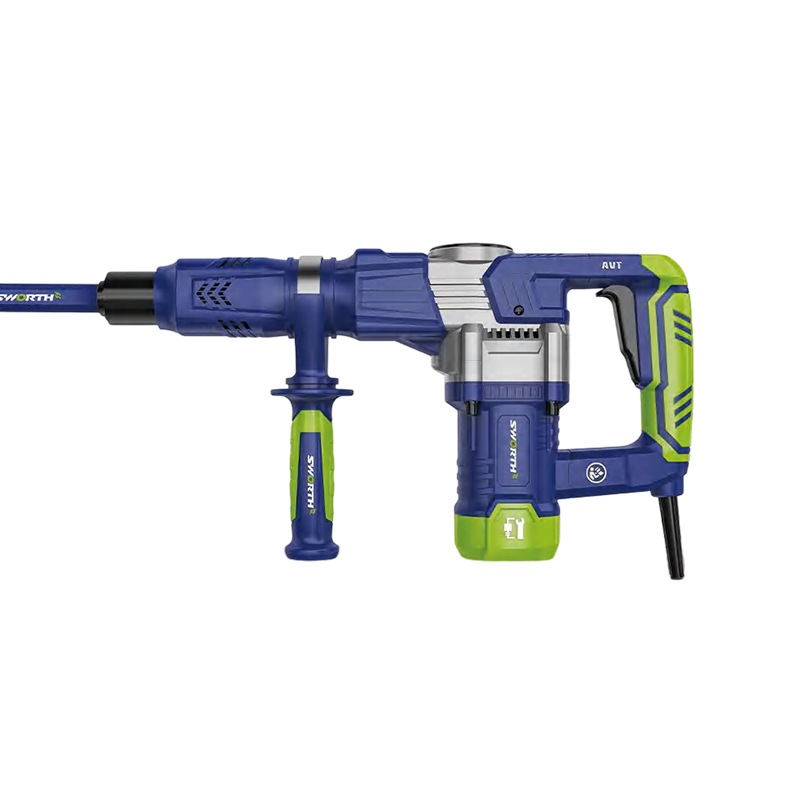
SW535 Powerful Anti-Scalding Demolition Hammer
-
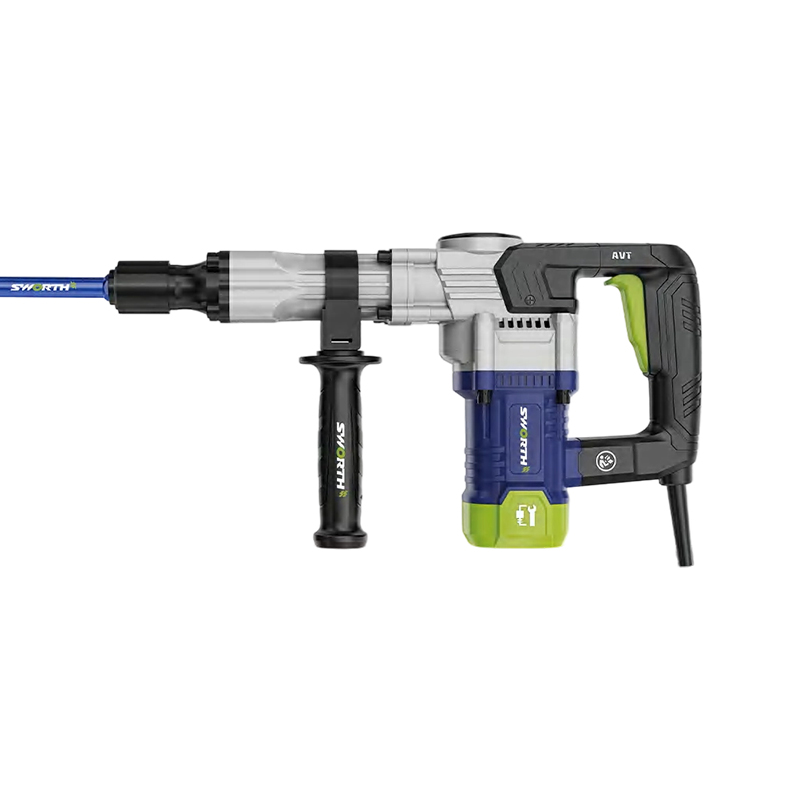
SW535-2 Durable Powerful Demolition Hammer
-
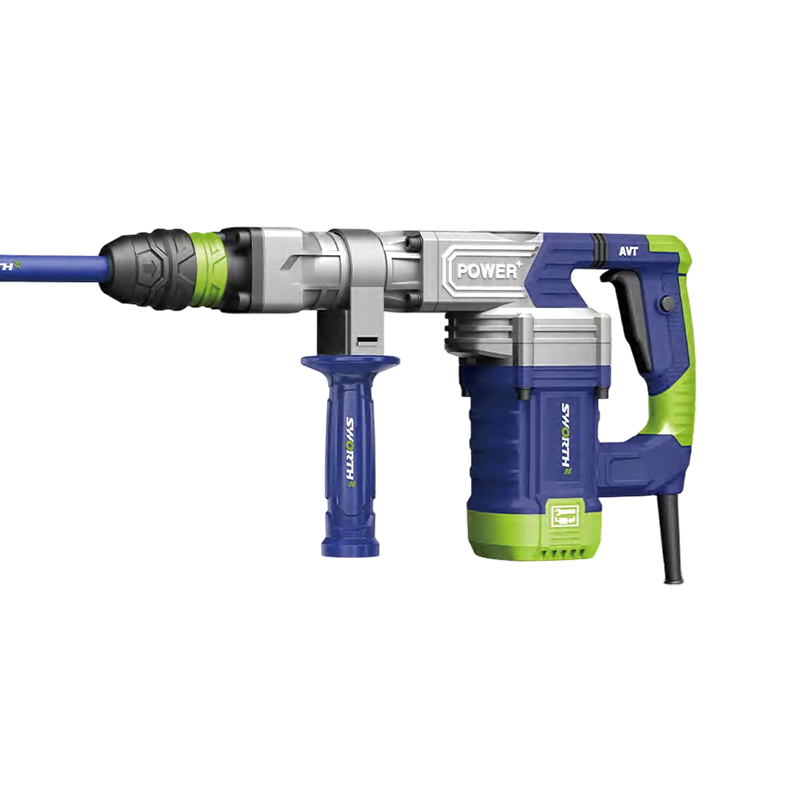
SW35S3 Five-Pipe Drill Bit Demolition Hammer
-

SW11E Five-Pipe Clamping Demolition Hammer
 +86-18314829275
 sale@sworthtools.com
 No. 101, Yugui Road, chengxi Industrial Zone, Yongkang City, Zhejiang Province, China
Copyright© Yongkang Siwei Technology Co., Ltd. All Rights Reserved

Hammer Tools & Cordless Garden Tools Manufacturer
