 English
 русский
 Español

High-Power Demolition Hammer for Intensive Concrete and Brick Work
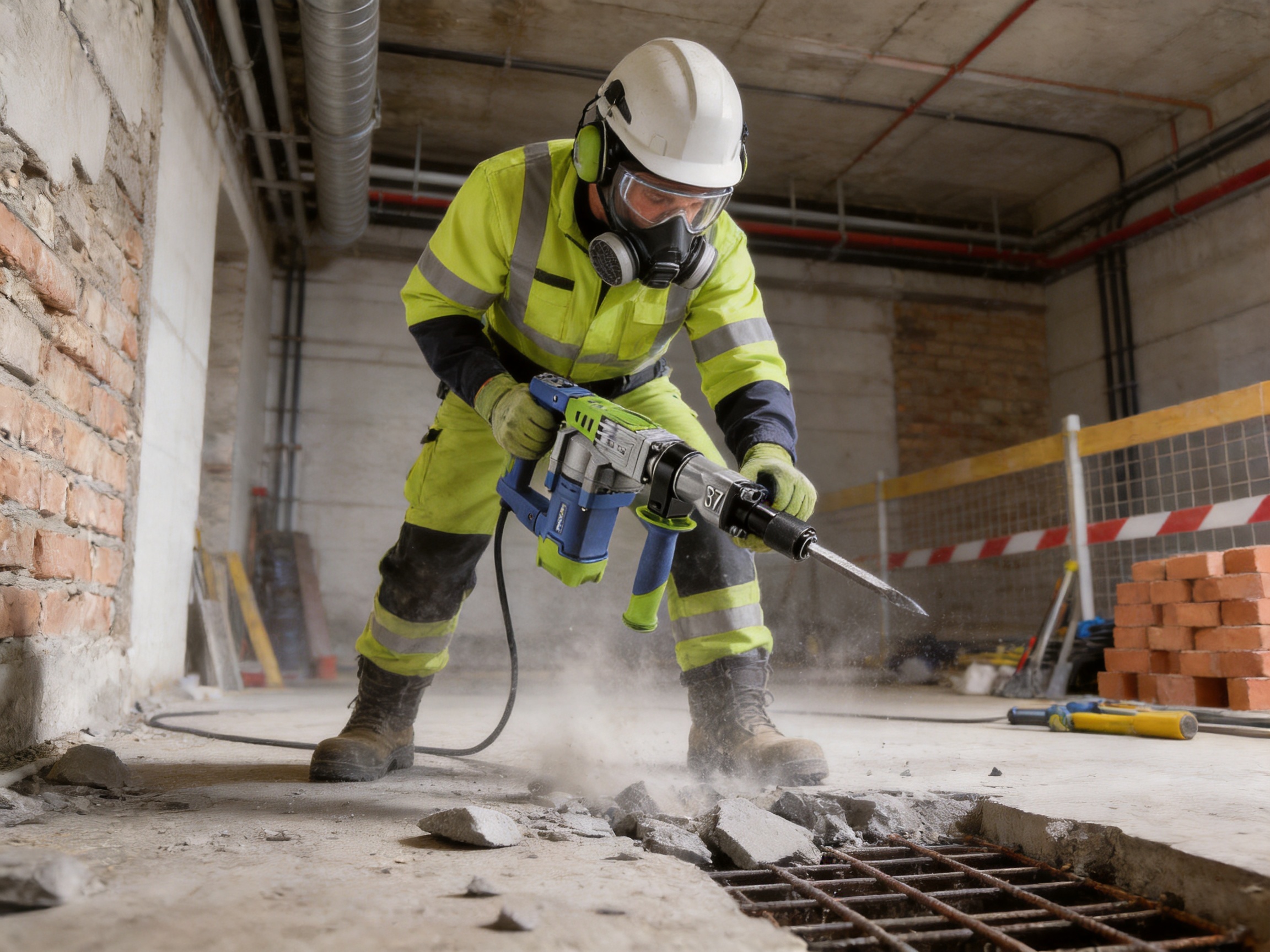
Demolition work demands more than a powerful motor. Professional users need a machine that can deliver strong impact energy, maintain stable performance under severe loads, withstand repeated starting and stopping, and remain practical throughout long working sessions. The SW9371 High-Power Demolition Hammer is designed around these requirements. With a 1,580W motor, a 37mm enlarged cylinder, a rated impact speed of 4,900 blows per minute, and an impact energy of 28 joules, it is engineered for demanding demolition applications involving concrete, brick, masonry, and other hard materials.
This demolition hammer combines a large power system with a reinforced mechanical structure. Its enlarged cylinder is intended to support stronger impact generation, while the thicker motor design provides a stable source of output during intensive operation. A high-current switch further supports frequent starts and stops, making the tool suitable for construction, renovation, infrastructure maintenance, installation preparation, and other professional tasks where reliable demolition performance is essential.
The machine is produced by Yongkang Siwei Technology Co., Ltd., a professional tool manufacturer integrating research and development, production, and sales. The company focuses on professional tools, durable materials, practical engineering design, and manufacturing processes intended to support demanding working environments. Its experience in demolition hammers and chiseling tools provides a product foundation centered on impact performance, mechanical durability, and operator-oriented practicality.
1. The Role of a Demolition Hammer in Professional Work
A demolition hammer is built for breaking, removing, and loosening hard materials. Unlike a general-purpose rotary hammer, which is commonly selected for drilling and occasional chiseling, a dedicated demolition hammer places greater emphasis on impact force and continuous material removal. It is particularly useful where the main task is to fracture concrete, break brickwork, remove masonry, open channels, strip old surfaces, or prepare an area for new construction.
Professional demolition work often involves materials with different densities and levels of reinforcement. Concrete may contain aggregate and embedded structures that resist ordinary tools. Brick and masonry can also produce uneven resistance as the chisel encounters mortar joints, dense sections, or hidden reinforcement. A high-impact tool must therefore be capable of producing force consistently rather than only delivering a strong initial blow.
The SW9371 is designed for this type of work. Its 28-joule impact rating provides substantial energy for each blow, while the 4,900 blows-per-minute specification supports rapid repeated impacts. These two characteristics work together: impact energy helps fracture hard material, and impact frequency helps continue the breaking process efficiently once the chisel has entered the workpiece.
Demolition hammers also need a mechanical system that can withstand vibration, heat, shock, and repeated load changes. A product may have a high rated wattage but still be unsuitable for professional use if its internal components, switch, housing, cooling arrangement, or transmission system cannot sustain the workload. For this reason, the SW9371 emphasizes not only motor input but also an enlarged cylinder, a thickened motor construction, a high-current switch, and a sturdy overall structure.
2. Product Overview and Key Specifications
The following specifications summarize the primary performance characteristics of the SW9371 High-Power Demolition Hammer.
| Specification | Value |
|---|---|
| Product category | Demolition hammer |
| Rated voltage | 220–240V, 50/60Hz |
| Power input | 1,580W |
| No-load impact speed | 4,900 blows per minute |
| Impact energy | 28J |
| Cylinder specification | 37mm enlarged cylinder |
| Stator specification | Ø73 × 48H |
| Rotor specification | Ø44 × 48H |
| Primary applications | Concrete, brick, masonry, renovation, and heavy demolition |
The electrical specification is designed for regions using a 220–240V supply and either 50Hz or 60Hz frequency. The 1,580W input rating indicates a substantial mains-powered drive system. Compared with lighter demolition tools, this power level gives the machine a stronger foundation for sustained impact work, especially when the operator is working against dense concrete or thick masonry.
The 37mm cylinder is one of the product’s defining mechanical features. An enlarged cylinder can support a larger working volume within the impact mechanism, helping the tool generate a powerful piston action. The cylinder is not an isolated component; its performance depends on the relationship between the piston, air compression, impact bolt, lubrication, bearings, and housing. The stated enlarged-cylinder design shows that the product has been developed around the goal of increasing demolition capability at the mechanical impact stage.
The listed stator and rotor dimensions also indicate a substantial motor platform. The Ø73 × 48H stator and Ø44 × 48H rotor are specified as part of the product’s power system. These dimensions are important because a motor designed for heavy output must balance electromagnetic performance, heat management, structural stability, and manufacturing precision.
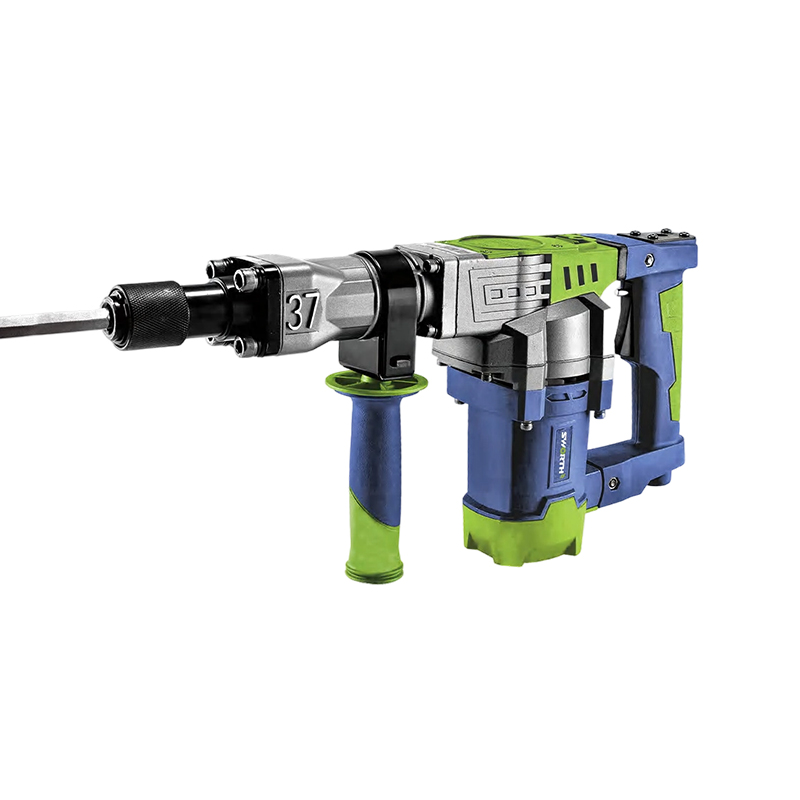
SW9371 High-Power Demolition Hammer
3. Enlarged Cylinder for Stronger Impact Performance
The cylinder is central to the operation of a demolition hammer. During operation, the motor drives a crank and piston assembly, which produces repeated movement within the cylinder. The resulting compressed air transfers energy to the impact bolt, which then drives the chisel. This indirect impact system allows the tool to deliver repeated blows while keeping the motor itself separated from direct contact with the work surface.
The SW9371 uses a 37mm enlarged cylinder specifically intended for demolition work. The larger cylinder supports a greater working area for the piston and air-impact system. In practical terms, this design is intended to produce a forceful impact action capable of breaking resistant materials more effectively than a compact mechanism designed primarily for light chiseling.
A larger cylinder can also contribute to a more purposeful demolition profile. Demolition is not always about precision. In many applications, the operator must remove large sections of hard material, and the tool must continue delivering force as the chisel progresses. A dedicated enlarged-cylinder design is therefore more appropriate for heavy removal than a small mechanism optimized for occasional drilling or light-duty chiseling.
For contractors, the benefit is a machine better matched to high-intensity work. It can be used to break concrete floors, remove masonry partitions, clear old foundations, open channels for pipes and cables, and remove damaged sections before repair. The operator still needs to select the correct chisel and technique, but the impact mechanism provides the necessary foundation for productive material removal.
The cylinder also needs to be manufactured with consistent dimensional accuracy. The piston, seals, air chamber, and impact components must work together with controlled clearances. Excessive clearance can reduce compression efficiency and increase wear, while insufficient clearance can increase friction and heat. This is why reliable manufacturing processes are as important as the nominal cylinder diameter.
Impact Energy and Material Removal
The SW9371 is rated at 28 joules of impact energy. This figure represents the energy delivered through the impact mechanism and is one of the most useful indicators when comparing demolition hammers for heavy-duty work. Higher impact energy generally allows the tool to fracture harder material more effectively, although actual performance also depends on chisel geometry, material composition, operator pressure, working angle, and tool condition.
With 4,900 blows per minute, the machine delivers repeated impacts at a high rate. The combination of impact energy and impact frequency supports efficient removal. High energy helps create cracks and fractures, while repeated blows extend those fractures through the material. This makes the tool suitable for demanding work where productivity matters and where a lightweight hammer would require excessive time or effort.
Users should understand that impact energy does not eliminate the need for correct operating technique. Excessive downward pressure may restrict the movement of the impact system and reduce efficiency. The chisel should be kept sharp and correctly positioned, and the operator should allow the tool to perform the work rather than forcing it aggressively into the material.
4. The 1,580W Motor and Stable Output
The motor is the source of mechanical power for the entire demolition system. A 1,580W motor provides a substantial input level for a corded demolition hammer. This power reserve is valuable when the machine is subjected to hard, continuous work because the motor must drive the crank, piston, and impact assembly against strong resistance.
The product uses an enlarged and thickened motor design. This construction is intended to provide stronger output and improve stability during demanding work. A motor with a larger active structure can be designed to manage the electromagnetic and mechanical stresses associated with high output. The use of specified stator and rotor dimensions further reflects an engineering approach focused on a robust power unit rather than a minimally sized motor.
Stable motor output is important in demolition because the load changes continuously. When the chisel encounters a softer section, the motor experiences one level of resistance. When it meets dense aggregate, reinforced concrete, or a hard masonry section, resistance increases. The motor and transmission must respond to these changes without excessive speed loss, overheating, or unstable operation.
A powerful motor can also improve productivity by reducing the time required to remove a given amount of material. This does not mean that every task should be performed at maximum force. For delicate areas, controlled chiseling may be preferable. However, when the work involves thick concrete or stubborn brickwork, the additional power helps the operator maintain progress.
Motor Dimensions and Manufacturing Accuracy
The stator and rotor dimensions listed for the SW9371 are Ø73 × 48H and Ø44 × 48H respectively. These specifications provide useful information about the size and configuration of the motor’s active components. The relationship between stator and rotor affects magnetic performance, torque generation, current demand, and thermal behavior.
Manufacturing accuracy is essential in this area. The rotor must maintain proper balance at operating speed, and the shaft must align correctly with bearings and the crank mechanism. The stator windings must be positioned consistently, and insulation must be applied appropriately. Small dimensional or assembly errors can create vibration, noise, heat, or premature wear.
A professional manufacturer therefore needs more than a high-wattage design. It needs controlled component sourcing, repeatable assembly, inspection procedures, and attention to the interfaces between electrical and mechanical systems. The company’s integrated research, production, and sales structure supports this type of product development because design feedback, manufacturing experience, and customer requirements can be considered together.
5. High-Current Switch for Repeated Operation
Demolition work commonly involves frequent starts and stops. An operator may begin work, reposition the tool, change the chisel angle, clear debris, inspect the surface, and then restart the machine. These repeated electrical cycles place additional stress on the switch and motor circuit.
The SW9371 is equipped with a high-current switch designed for sturdy and durable operation. The switch is an important component because it manages the connection between the power supply and the motor. A switch that is not suitable for the tool’s current demand may heat excessively, wear rapidly, or become unreliable under repeated use.
By incorporating a high-current switch, the design addresses one of the practical realities of demolition work. The feature is not simply an electrical specification; it supports everyday usability. Professional users need confidence that the tool can be started and stopped repeatedly during a workday without the switch becoming a weak point in the system.
The switch should still be operated correctly. Users should avoid pulling the power cord to disconnect the machine, should keep the switch area clean and dry, and should disconnect the tool from the power supply before servicing or changing internal components. A durable switch improves reliability, but safe work practices remain necessary.
6. Advantages in Comparison with Lighter or Less Specialized Tools
The SW9371 is positioned as a high-power demolition hammer rather than a light hammer drill or compact chisel tool. Its advantages become most apparent when it is compared with equipment designed for less intensive applications.
Higher Demolition Capacity
The combination of 1,580W input, a 37mm cylinder, and 28J impact energy provides a strong platform for heavy material removal. Smaller tools may be easier to carry, but they can require more time when breaking thick concrete, dense brick, or large sections of masonry. For contractors whose main task is demolition rather than occasional drilling, a dedicated high-power tool can provide better productivity.
More Appropriate for Continuous Heavy Work
A compact multipurpose tool may be convenient for short tasks, but it is not always designed for repeated high-load operation. The SW9371’s enlarged motor, sturdy structure, and high-current switch are intended to support demanding use. This makes it a more suitable choice for construction crews, renovation professionals, maintenance workers, and demolition specialists who use impact equipment regularly.
Purpose-Built Mechanical Design
The enlarged cylinder indicates that the product has been engineered around impact performance. Many general-purpose tools must balance drilling, hammer drilling, and chiseling functions. A dedicated demolition hammer can focus more directly on the energy transfer required to break material. This specialization can offer a clearer performance advantage when the application is heavy chiseling and demolition.
Stable Power from a Corded Platform
Because the SW9371 uses a 220–240V mains supply, it does not depend on battery capacity during operation. This is valuable for long demolition sessions in locations where a suitable electrical supply is available. A corded tool can continue working without battery replacement or charging intervals, although the operator must manage the cable carefully and use appropriate electrical protection.
Professional Value
Product value should be evaluated according to the work being performed. A low-cost, light-duty tool may be economical for occasional household use. However, in professional applications, productivity, durability, and reduced downtime can be more important than the initial purchase price alone. A stronger demolition hammer may help complete work faster and reduce the need to overwork a smaller tool.
These advantages should not be interpreted as a claim that one tool is suitable for every job. The SW9371 is optimized for demanding demolition. It may be unnecessary for light drilling, delicate tile removal, or applications where a compact cordless machine is more convenient. Its value is greatest when strong, repeated impact is the primary requirement.
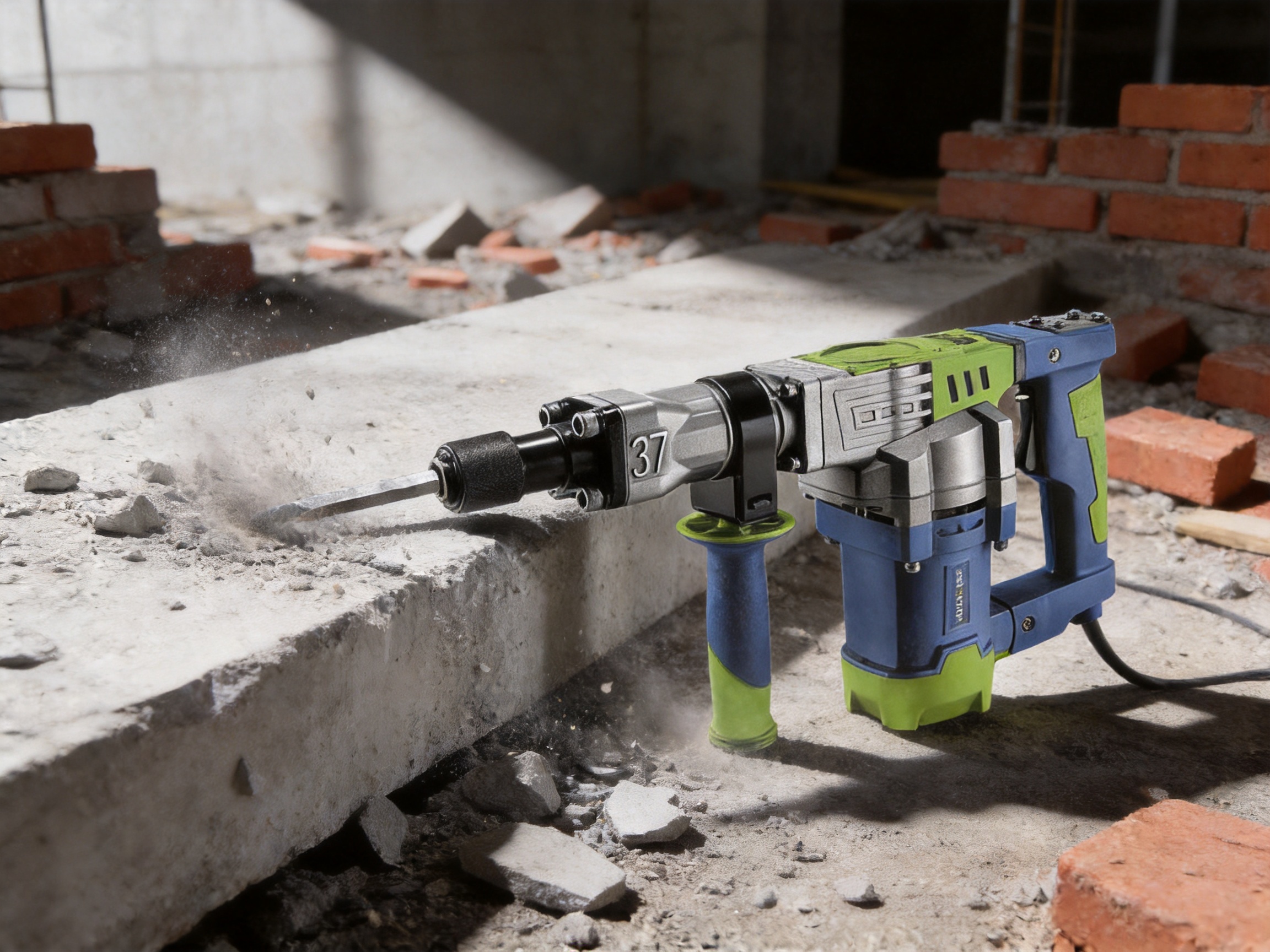
7. Applications Across Construction and Renovation
The SW9371 can support a broad range of professional applications involving hard materials. Its performance characteristics make it suitable for tasks where a chisel must break or remove material rather than create a clean drilled hole.
Concrete Floor and Slab Removal
Concrete floors may need to be opened for plumbing, drainage, electrical conduit, foundation repair, or renovation. A high-impact demolition hammer can break the surface into manageable sections. The operator can work progressively, using a pointed chisel to initiate fractures and a flat or wide chisel to remove loosened pieces.
Brick and Masonry Demolition
During remodeling, brick partitions, block walls, mortar joints, and masonry sections may need to be removed. The tool’s impact power is appropriate for breaking dense brick and loosening bonded masonry. The operator should assess the structure first and use controlled technique to avoid damaging adjacent areas that are intended to remain.
Concrete Chasing
Construction and installation projects often require narrow channels for cables, pipes, or other services. A suitable chisel can be used to create or enlarge channels in concrete and masonry. Although the SW9371 provides the power needed for this work, precision remains dependent on the chosen accessory and the operator’s control.
Renovation and Refurbishment
Old finishes, damaged concrete, adhesive beds, plaster, and tile backing can be difficult to remove by hand. A demolition hammer helps accelerate preparation work before new floors, walls, fixtures, or structural repairs are installed. Its high-impact output is especially helpful when renovation material has bonded firmly to the substrate.
Infrastructure Maintenance
Maintenance crews may use demolition hammers for repair preparation, damaged concrete removal, road-edge work, drainage access, utility maintenance, and localized structural intervention. In these environments, equipment must be robust because the work may occur outdoors, on uneven surfaces, and under time pressure.
Industrial Installation Preparation
Industrial projects may require the removal of old bases, concrete supports, anchors, or masonry enclosures. A powerful demolition hammer can help prepare a work area before new machinery, pipelines, supports, or electrical systems are installed. Proper site planning is essential because demolition can create dust, vibration, and debris.
8. Ergonomics, Handling, and Operator Technique
Power is only one part of practical demolition performance. The operator must be able to control the tool, maintain a stable working position, and guide the chisel accurately. A high-power machine transfers substantial energy into the material, so appropriate handling is essential for safety and productivity.
The tool should be held with both hands whenever the operating situation requires it. The operator should stand in a balanced position with secure footing and keep the power cable behind the working path. The chisel should be aligned with the target material rather than forced sideways, since lateral loading can increase wear on the accessory and internal impact components.
Correct pressure is also important. The operator should apply enough pressure to keep the chisel engaged without preventing the mechanism from cycling freely. Excessive pressure may reduce impact efficiency and increase vibration. Insufficient pressure may allow the tool to bounce, making the work slower and less controlled.
Breaks are advisable during prolonged operation. Even a powerful and durable tool can transfer vibration to the operator’s hands, arms, and shoulders. Work planning should include rotation of tasks, rest intervals, protective equipment, and appropriate controls for dust and noise. These measures improve both safety and long-term productivity.
Before beginning work, the operator should inspect the chisel, power cord, switch, housing, and ventilation openings. Damaged accessories should be replaced. The machine should not be used in wet conditions unless the complete electrical system and work environment are specifically suitable for such use.
9. Manufacturing Strengths and Engineering Approach
Yongkang Siwei Technology Co., Ltd. integrates research and development, production, and sales. This integrated structure enables the company to connect product design with manufacturing knowledge and customer requirements. For professional power tools, such coordination is valuable because performance depends on the interaction of many parts rather than on a single headline specification.
The company follows a development philosophy focused on professional application, quality, practical performance, and resistance to harsh working conditions. Its demolition tool experience includes hammers, chisels, and related impact equipment. This specialization provides an understanding of the mechanical loads, wear patterns, and operator expectations associated with construction and demolition work.
Material Selection
Demolition hammers require materials that can tolerate repeated shock and vibration. The housing must protect internal components, while the cylinder, piston, crank, bearings, and impact parts must withstand cyclic loads. Electrical components must tolerate current demand and temperature changes. Material selection is therefore part of the complete performance strategy.
High-quality materials alone do not guarantee reliability. They must be matched with suitable heat treatment, machining, surface finishing, lubrication, and assembly procedures. A manufacturer with experience in professional tools can use product feedback to identify areas where material upgrades or structural changes provide meaningful durability improvements.
Precision Machining and Assembly
The enlarged cylinder and impact mechanism require consistent machining. Internal surfaces must be produced with suitable dimensional control so that pistons and seals operate efficiently. Shafts, bearings, gears, and crank components must be aligned to reduce unnecessary vibration and friction.
Assembly quality is equally important. Electrical and mechanical systems must be installed according to repeatable procedures. Fasteners need appropriate tightening, bearings must be seated correctly, and wiring must be routed to avoid damage from vibration or heat. These details influence the service life of the finished machine.
Inspection and Quality Control
Quality control should cover incoming components, in-process assemblies, and finished tools. Electrical inspection can help identify insulation or connection problems. Mechanical inspection can verify dimensions, movement, alignment, and fastening. Functional testing can evaluate no-load operation, switch response, abnormal noise, vibration, and general output behavior.
For a high-power demolition hammer, testing is especially important because defects that are minor in a low-load tool can become serious under repeated impact. A systematic inspection process helps reduce variation between units and supports consistent product performance for distributors and professional users.
Application-Oriented Product Development
The company’s product development approach is based on practical tool use. The SW9371’s enlarged cylinder, thickened motor, high-current switch, and sturdy construction are features directly related to job-site demands. Rather than focusing only on appearance, the design emphasizes the elements that influence demolition output and operational reliability.
10. Company Capabilities Beyond Demolition Tools
In addition to demolition hammers and chiseling tools, Yongkang Siwei Technology Co., Ltd. has developed expertise in green new-energy products since 2024. The company works with brushless motors, electronic control systems, and intelligent battery platforms for cordless garden tools.
Its cordless garden tool range includes lithium-ion lawn mowers, string trimmers, lawn tractors, hedge trimmers, electric pruning shears, and high-speed chainsaws. Although these products serve a different market from the corded SW9371, the underlying engineering capabilities are relevant. Motor design, electronic control, thermal management, battery performance, and ergonomic development all require systematic research and manufacturing discipline.
The company’s experience across both professional construction tools and green garden equipment reflects a broader engineering capability. It can work with high-load mechanical systems in demolition tools and with efficient motor and control systems in cordless equipment. This product diversity encourages attention to energy efficiency, reliability, user comfort, and application-specific performance.
For buyers and distributors, a manufacturer with multiple technical product lines may offer advantages in product development, sourcing, quality management, and long-term cooperation. The most important factor remains the quality and suitability of the individual product, but broader engineering experience can strengthen the manufacturer’s ability to respond to changing market needs.
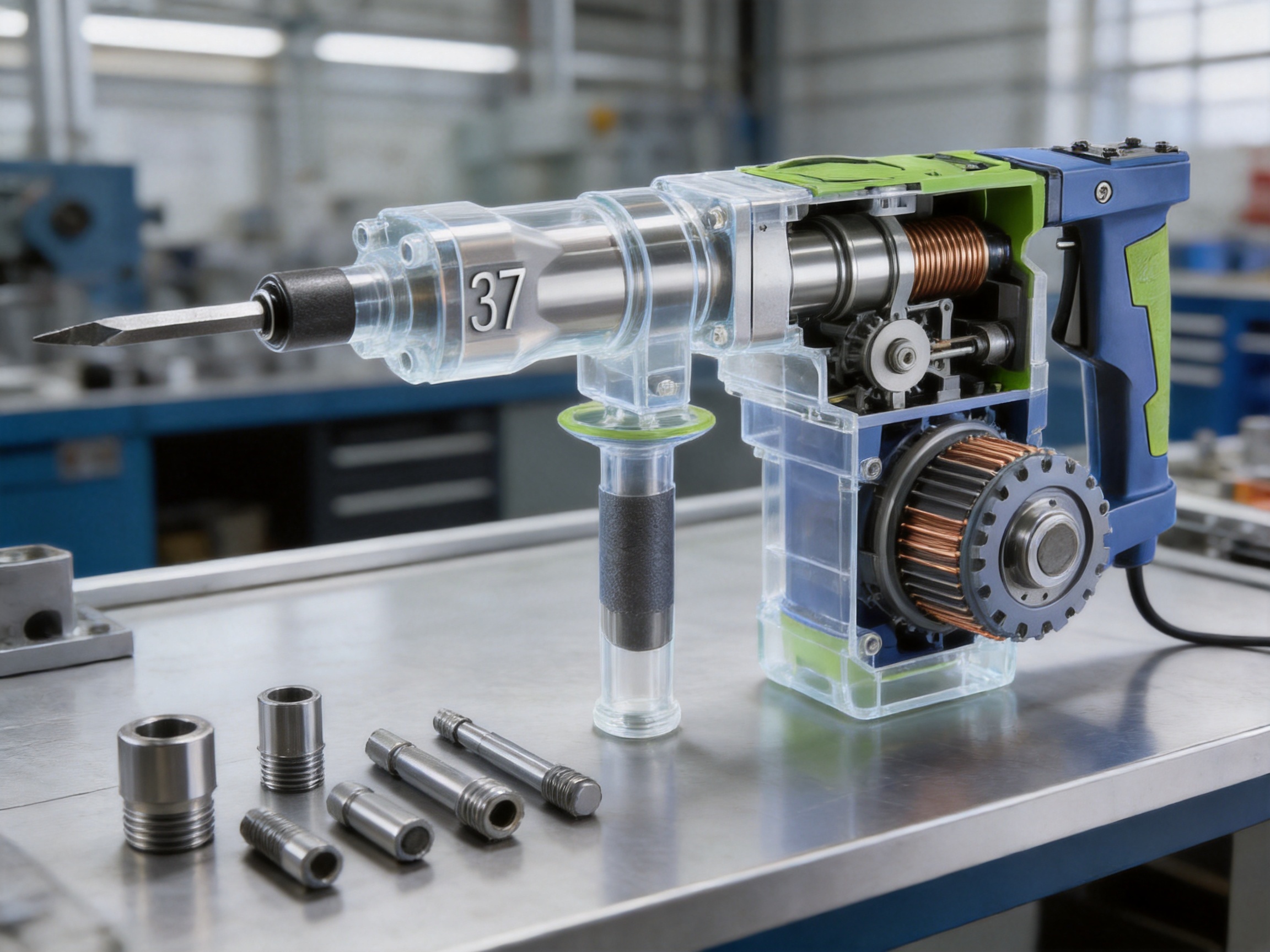
11. Maintenance Recommendations
Regular maintenance helps preserve the performance of any demolition hammer. Before each use, inspect the tool for visible damage, loose components, unusual wear, or contamination. Check that the chisel is secure and that the power cable and plug are in good condition.
Ventilation openings should be kept clear of dust and debris. A blocked ventilation path can increase motor temperature and reduce operating life. The housing should be cleaned with an appropriate dry or slightly damp cloth, and the tool should be stored in a clean, dry location away from excessive humidity and corrosive substances.
The impact mechanism requires appropriate lubrication according to the manufacturer’s maintenance instructions. Users should not apply random lubricants or excessive quantities, since the wrong lubricant can affect seals, temperature behavior, or internal friction. Scheduled inspection by qualified service personnel is recommended for tools used frequently or under severe conditions.
Carbon brushes, bearings, switches, seals, and impact components are wear parts in many corded power tools. Their service life depends on operating hours, load, dust exposure, maintenance, and working technique. If the tool develops unusual noise, excessive sparking, burning odor, abnormal vibration, reduced impact, or intermittent operation, it should be removed from service and inspected.
12. Safety Considerations
Demolition creates hazards that include flying fragments, dust, high noise, vibration, hidden electrical cables, concealed pipes, unstable structures, and falling debris. Operators should inspect the work area before starting and identify hazards that may be exposed by breaking the material.
Suitable personal protective equipment may include safety glasses or a face shield, hearing protection, protective gloves, safety footwear, and respiratory protection appropriate for the dust produced. The exact equipment should be selected according to the material and site risk assessment.
Electrical safety is essential because the SW9371 is a mains-powered tool. The supply voltage must match the product rating. The power cord should be protected from sharp edges, hot surfaces, water, vehicles, and the chisel path. The operator should use suitable residual-current protection where required by local regulations and site procedures.
The machine should be disconnected from the power supply before changing accessories, cleaning, inspecting, or carrying out maintenance. The tool should never be carried by its power cord. Workpieces and surrounding structures should be supported where necessary, and bystanders should remain outside the danger zone.
When working on concrete or masonry, operators should be aware that dust can contain hazardous substances depending on the material and its age. Dust control, ventilation, extraction, and appropriate respiratory protection should be used in accordance with local occupational safety requirements.
13. Selecting the Right Chisel and Working Method
The performance of a demolition hammer depends partly on the accessory. A pointed chisel is useful for initiating cracks and concentrating force in a small area. A flat chisel can split material and remove sections after the initial fracture has been created. A wider chisel may help with surface stripping or controlled removal of loose material.
Accessories must be compatible with the machine and in suitable condition. A damaged, bent, excessively worn, or incorrectly fitted chisel can reduce efficiency and increase risk. The chisel should be installed securely, and the retaining system should be checked before operation.
For thick concrete, a progressive method is usually more effective than attempting to force the entire mass at once. The operator can begin by creating a line of weakness, then remove material in manageable sections. In brickwork, working along mortar joints may reduce resistance, while in slabs, dividing the surface into smaller areas can make debris easier to handle.
Working speed should be adapted to the material. The highest impact rate is not always the fastest overall method if the operator loses control or creates excessive debris. A controlled approach protects the tool, improves accuracy, and helps limit unnecessary vibration.
14. Purchasing Considerations for Contractors and Distributors
Contractors should consider the type and volume of work before selecting a demolition hammer. If the main requirement is breaking concrete, brick, or masonry for extended periods, the SW9371’s high-power configuration is appropriate for evaluation. If the work is mainly drilling with occasional light chiseling, a rotary hammer may be a better fit.
Power supply should also be considered. The SW9371 is rated for 220–240V, 50/60Hz operation. Buyers should confirm that the local electrical system, extension equipment, plugs, and site protection are compatible. Extension cords must be sized appropriately for the tool’s input power and length of run.
Distributors should evaluate more than the product specification sheet. They may also consider packaging, spare parts availability, service support, documentation, production consistency, and the manufacturer’s ability to support repeat orders. A manufacturer that integrates design and production can offer useful cooperation when product adjustments or private-label requirements are needed.
Professional users should compare tools according to impact energy, motor input, durability features, accessory compatibility, ergonomics, maintenance requirements, and expected workload. The lowest purchase price is not always the lowest operating cost. Downtime, premature replacement, reduced productivity, and service interruptions can have a significant effect on project profitability.
15. Frequently Asked Questions
Q1: What type of tool is the SW9371?
The SW9371 is a corded high-power demolition hammer designed primarily for heavy chiseling and material removal. It is intended for concrete, brick, masonry, renovation, construction, and related demolition tasks.
Q2: What is the input power of the machine?
The rated power input is 1,580W. This provides a strong electrical power base for driving the impact mechanism during demanding demolition work.
Q3: What impact energy does it deliver?
The stated impact energy is 28 joules. This level is intended for intensive demolition applications where substantial force is needed to fracture hard materials.
Q4: How fast does the tool impact?
The no-load impact speed is listed as 4,900 blows per minute. Actual performance under load can vary according to material resistance, accessory condition, operating technique, and tool condition.
Q5: Why is the 37mm cylinder important?
The 37mm enlarged cylinder is designed to support a powerful impact mechanism. It provides a larger working platform for the piston and air-impact system, helping the tool produce strong repeated blows for demolition work.
Q6: Is this tool suitable for drilling?
The SW9371 is primarily a demolition hammer, not a general-purpose drill. It is best suited to chiseling, breaking, and removing material. Users who require regular drilling should select a tool specifically designed for drilling or rotary hammer operation.
Q7: What materials can it demolish?
It is designed for hard materials such as concrete, brick, and masonry. The result depends on material composition, thickness, reinforcement, chisel selection, and operator technique.
Q8: Is it battery powered?
No. The product is a corded electric tool rated for 220–240V and 50/60Hz. It can operate continuously when connected to a suitable power supply, subject to safe operating procedures and proper electrical protection.
Q9: What is the purpose of the high-current switch?
The high-current switch is designed to manage the electrical demand of the powerful motor and support frequent starts and stops. It contributes to practical durability during repeated professional operation.
Q10: Who is the product intended for?
The product is intended for professional contractors, renovation teams, construction workers, infrastructure maintenance crews, industrial installers, and other users who require strong repeated impact for demolition work.
Q11: How can operators improve service life?
Operators should use compatible chisels, avoid excessive side loading, keep ventilation openings clear, maintain proper lubrication, inspect the power cord and switch, clean the tool after use, and arrange qualified service when unusual vibration, noise, heat, or reduced impact occurs.
Q12: What makes the manufacturer suitable for professional tool cooperation?
The manufacturer integrates research and development, production, and sales, and has experience with demolition hammers, chisels, and related tools. It also develops brushless motor, electronic control, and intelligent battery technologies for cordless garden equipment, demonstrating broader product engineering capability.
16. Conclusion
The SW9371 High-Power Demolition Hammer is designed for users who need substantial and dependable impact performance. Its 1,580W motor, 37mm enlarged cylinder, 28J impact energy, and 4,900 blows-per-minute rating create a strong configuration for concrete, brick, masonry, renovation, and construction demolition.
The product’s advantages are supported by more than headline power. The thickened motor design provides a stable source of output, the enlarged cylinder is developed for stronger impact generation, and the high-current switch addresses the repeated starting and stopping common on professional job sites. Together with a sturdy construction approach, these features position the tool as a practical alternative to lighter equipment when intensive demolition is the main requirement.
Its performance is also connected to the capabilities of its manufacturer. Yongkang Siwei Technology Co., Ltd. combines research and development, production, and sales, with experience in professional hammers, chisels, and demolition tools. Its attention to material selection, precision assembly, inspection, motor development, and application-oriented design supports the needs of professional users and distributors.
For the best results, the tool should be paired with suitable chisels, correct operating technique, regular maintenance, and comprehensive job-site safety procedures. Used in the right application, the SW9371 can provide the force, stability, and durability required for demanding demolition work.
References
1. Manufacturer Product Specification Sheet, SW9371 High-Power Demolition Hammer.
2. Manufacturer Technical Information, Demolition Hammer Cylinder, Motor, and Switch Design.
3. General Principles of Electric Motor Design and Industrial Power Tool Manufacturing.
4. Occupational Safety Guidance for Concrete, Masonry, and Demolition Operations.
5. General Maintenance Practices for Corded Electric Hammers and Impact Tools.
6. Engineering Principles of Reciprocating Piston Impact Mechanisms.
7. Professional Tool Quality Control and Production Inspection Practices.
Product: SW9371 High-Power Demolition Hammer

Recommended Products
-
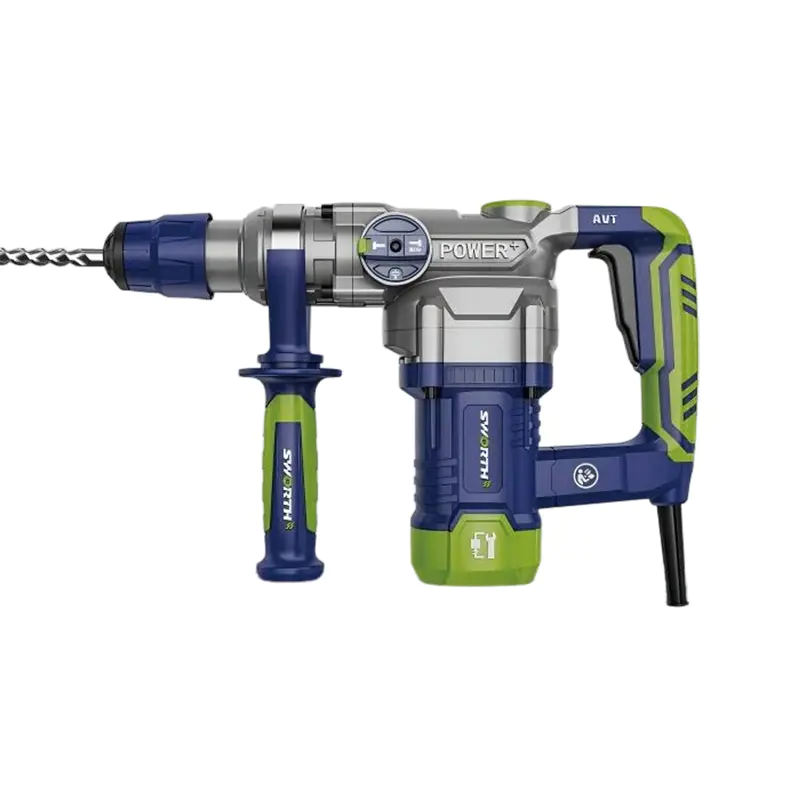


SW528 Small Hole Rebar Hammer
-
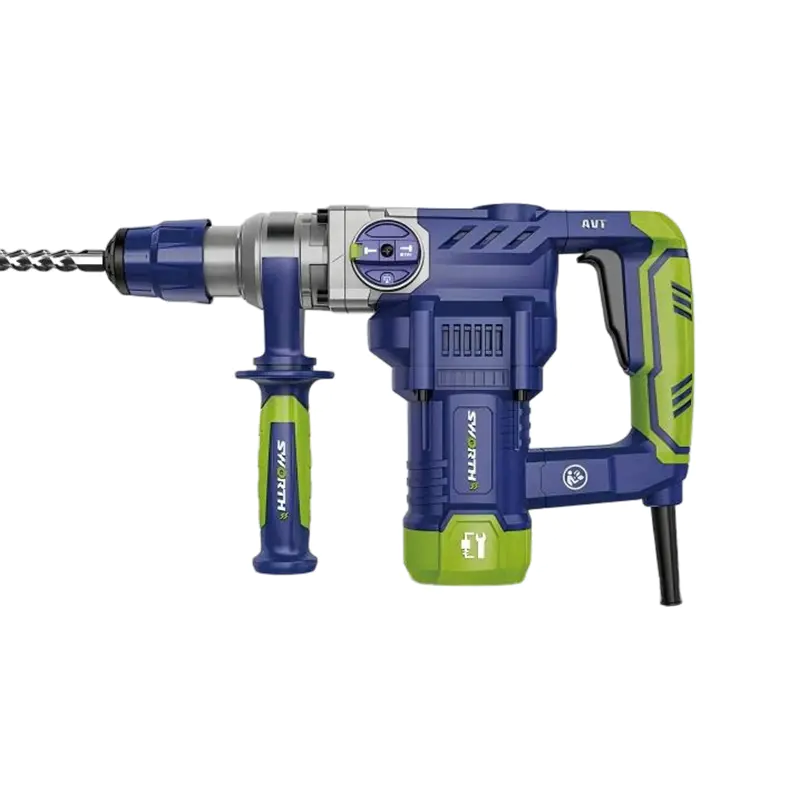
SW932 Groove Sandblasting Hammer
-
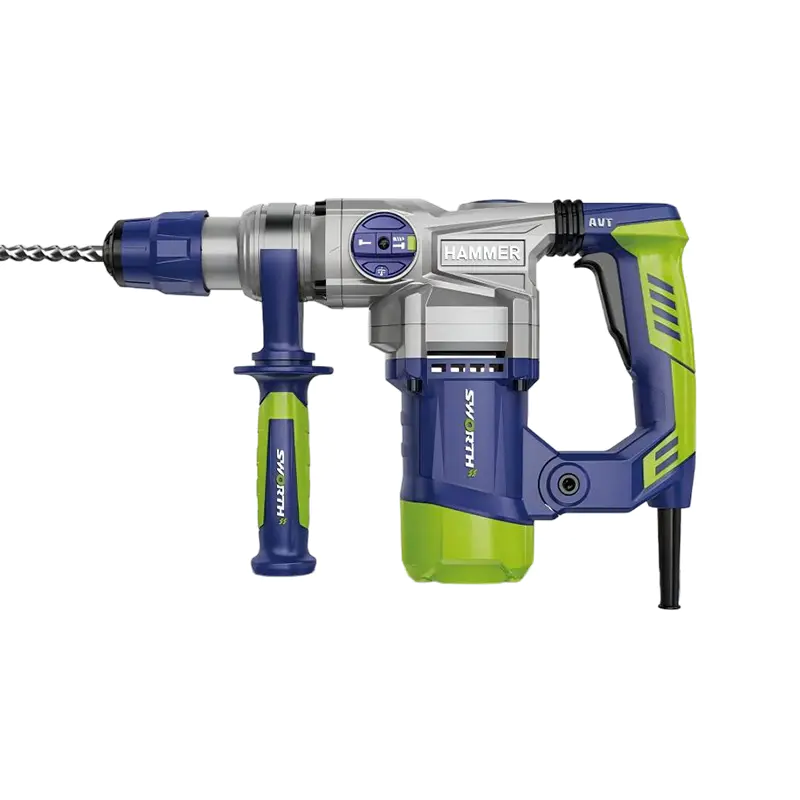
SW9362A Large Hole Rebar Hammer
-
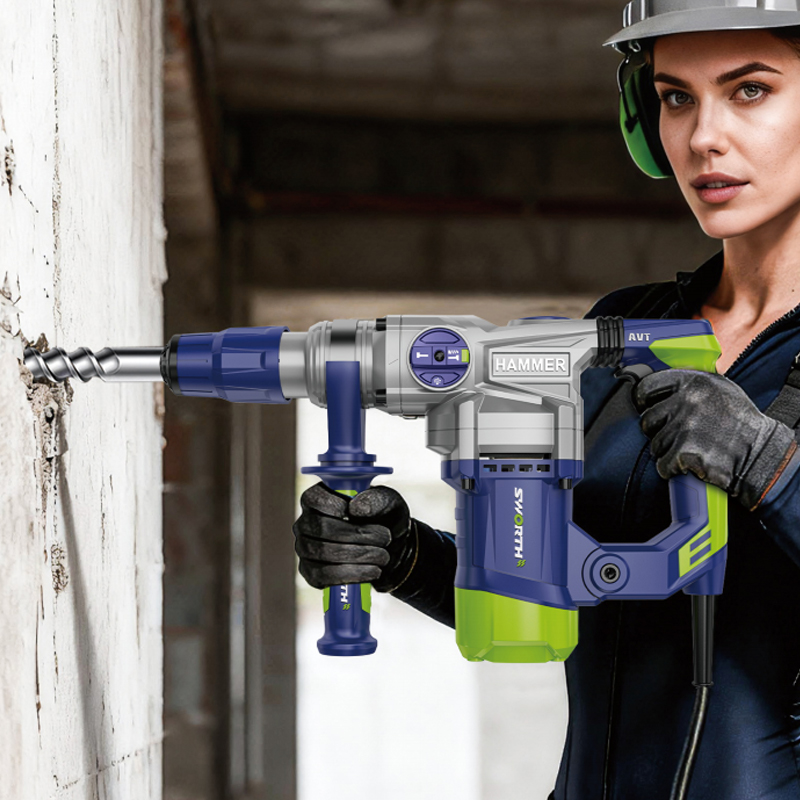
SW940 Enlarged Hole Rebar Hammer
-
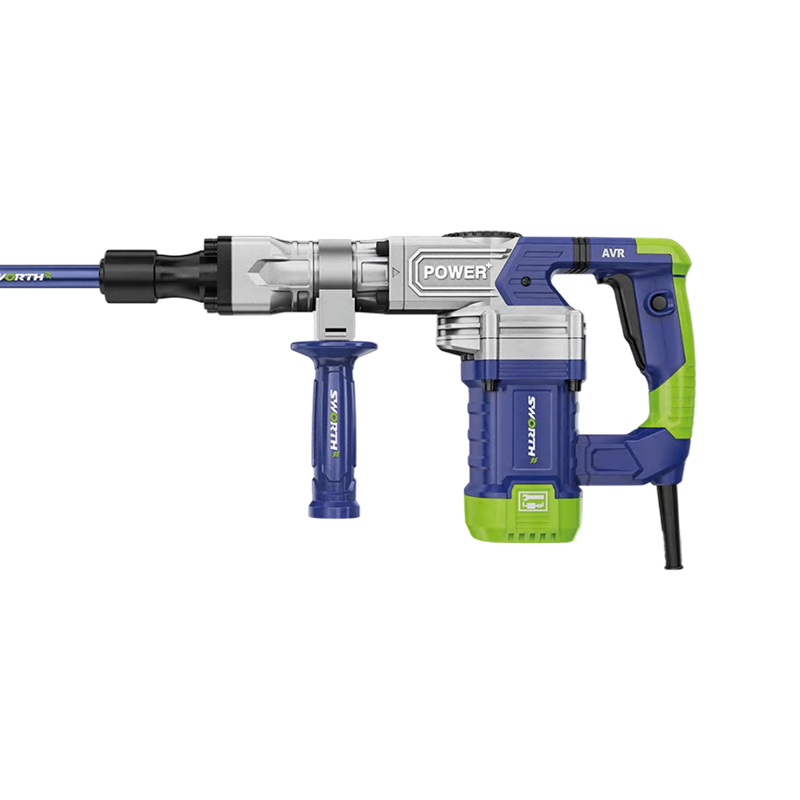
SW35S1 Powerful Demolition Hammer
-
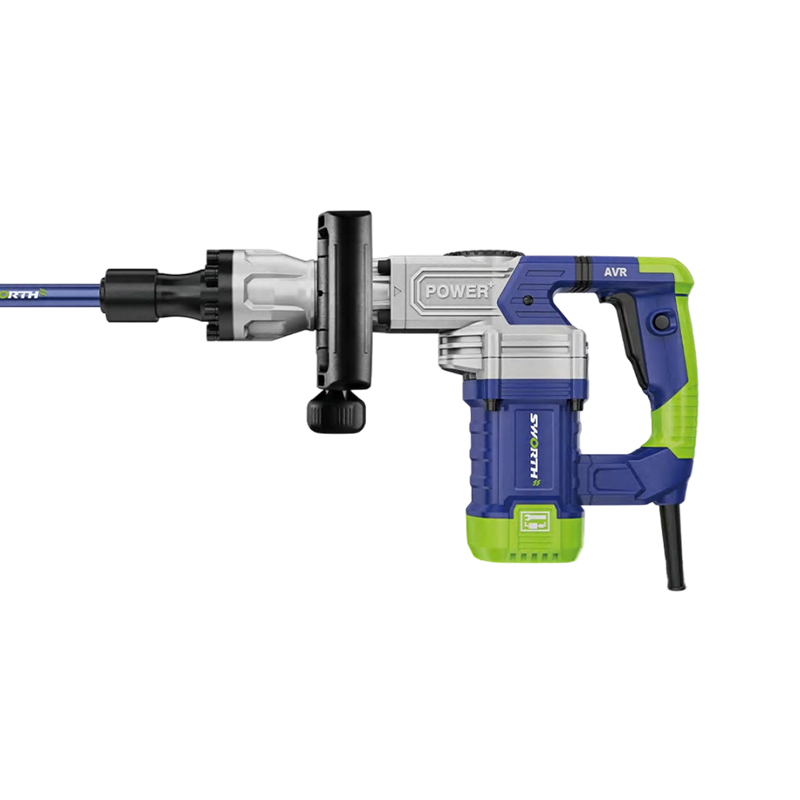
SW35S2 High-Efficiency Heat Dissipation Demolition Hammer
-
SW9371 High-Power Demolition Hammer
-
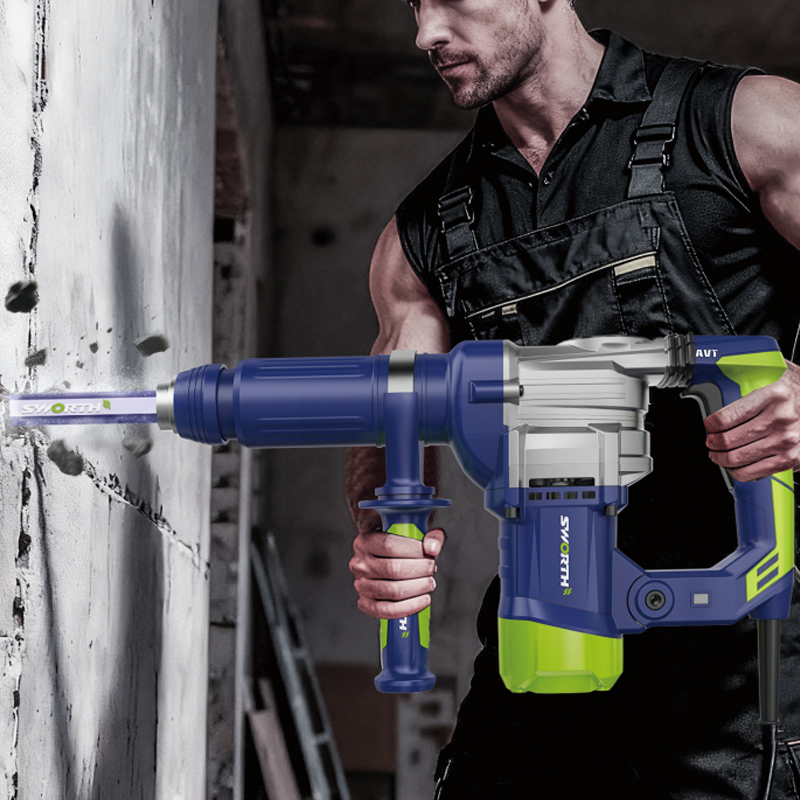
SW9373 Anti-Scalding Carbon Brush Holder Demolition Hammer
-
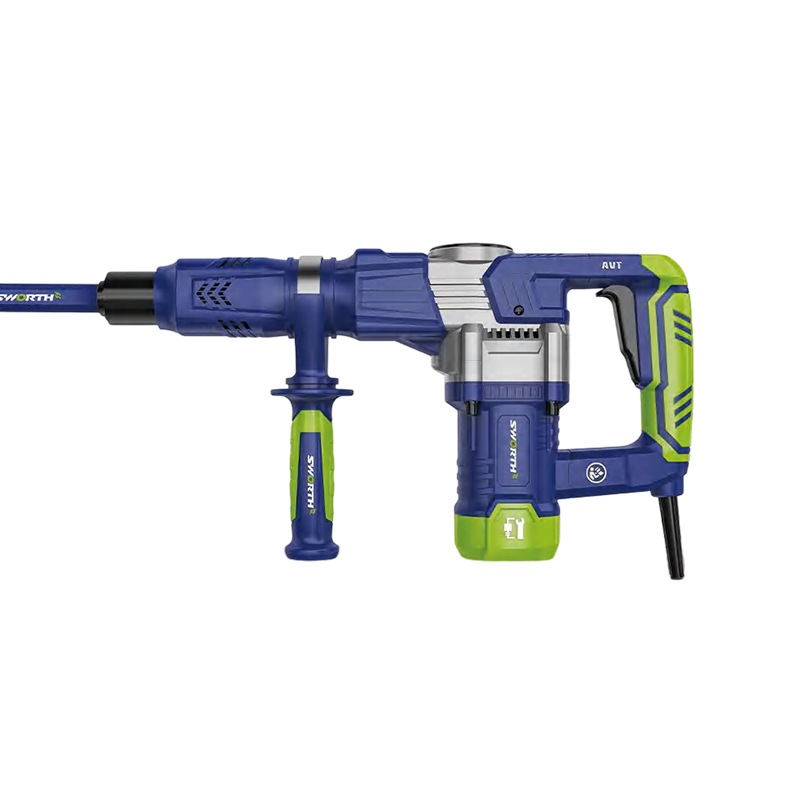
SW535 Powerful Anti-Scalding Demolition Hammer
-
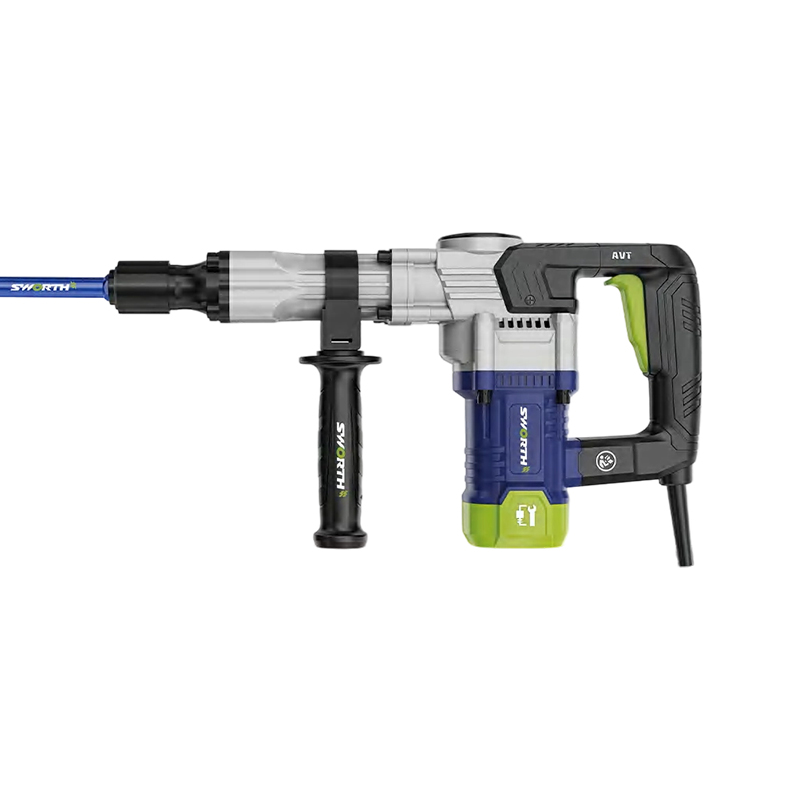
SW535-2 Durable Powerful Demolition Hammer
-
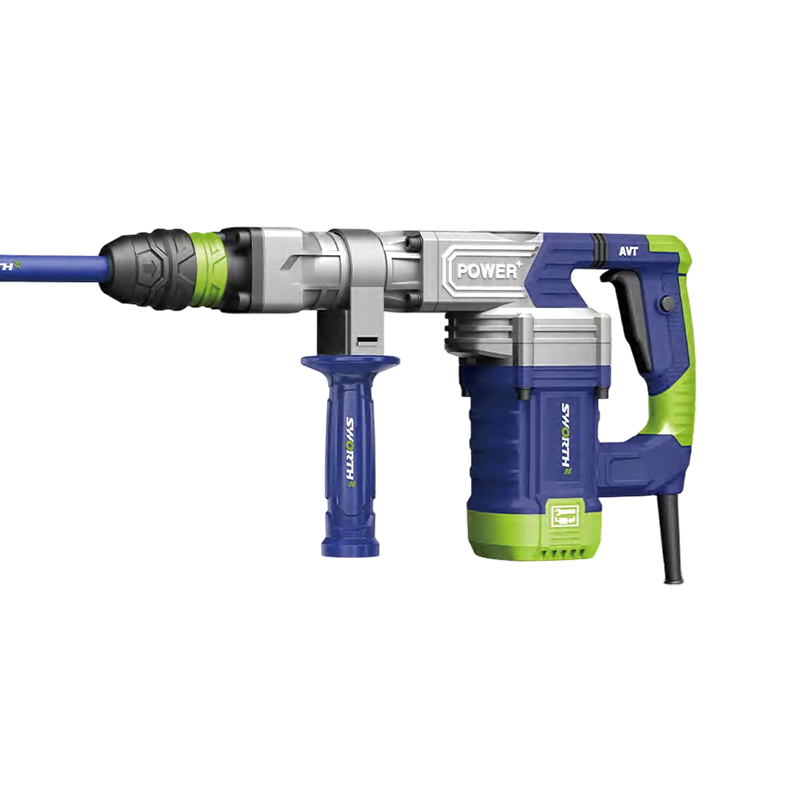
SW35S3 Five-Pipe Drill Bit Demolition Hammer
-

SW11E Five-Pipe Clamping Demolition Hammer
 +86-18314829275
 sale@sworthtools.com
 No. 101, Yugui Road, chengxi Industrial Zone, Yongkang City, Zhejiang Province, China
Copyright© Yongkang Siwei Technology Co., Ltd. All Rights Reserved

Hammer Tools & Cordless Garden Tools Manufacturer
