 English
 русский
 Español

How a 6-Speed Constant-Power Rotary Hammer Improves Professional Jobsite Performance
Professional construction, renovation, maintenance, and installation projects often require one tool to perform several demanding tasks. A machine may need to drill reinforced concrete in the morning, remove tiles in the afternoon, and create precise chisel channels before the working day ends. When a tool is designed only for one narrow application, crews must carry several machines, change equipment frequently, and accept slower progress whenever the material or task changes.
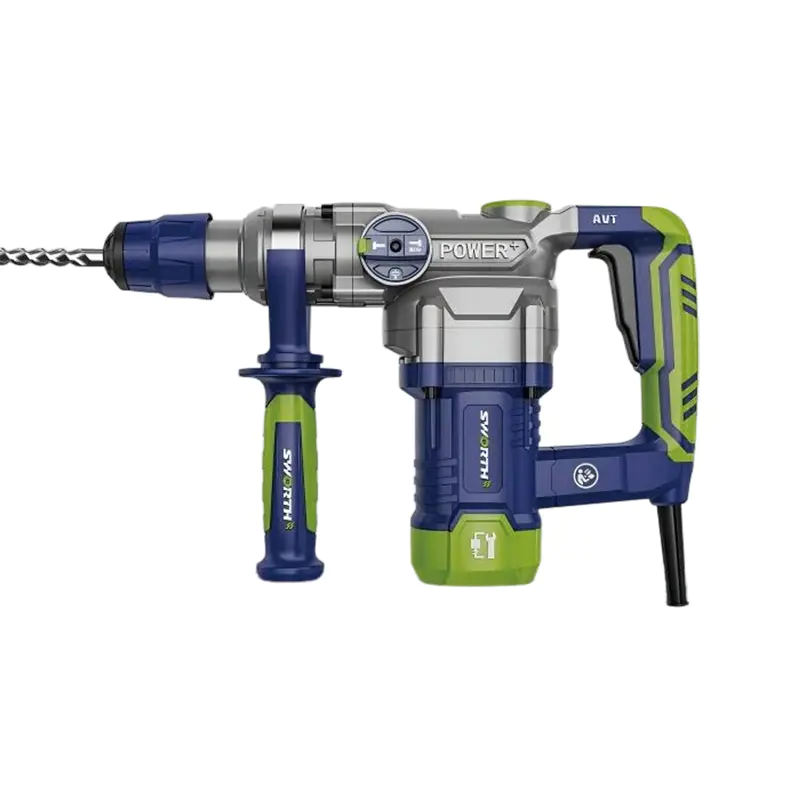
The SW945 6-Speed Constant Power Rotary Hammer is designed to address that challenge. It combines high impact energy, adjustable impact frequency, multi-angle chisel positioning, vibration reduction, safety protection, and a heavy-duty motor platform in one professional tool. Its operating range covers delicate chiseling, general drilling, surface removal, and demanding work in dense masonry and concrete.
With a rated input of 1550 watts, an impact energy of 16 joules, a maximum drilling capacity of 45 millimeters, and an impact frequency adjustable from 1,900 to 3,800 blows per minute, the machine is built for users who require both strength and control. Its six-speed constant-power system allows the operator to select a suitable working level instead of relying on a single fixed output.
This flexibility is important because professional productivity is not determined by maximum power alone. A high-output machine must also be controllable, durable, comfortable to hold, and appropriately protected against overload, dust, vibration, and accidental mechanical stress. The design of this rotary hammer addresses each of these requirements through a combination of mechanical engineering, electronic control, protective structures, and production quality management.

SW945 6-Speed Constant Power Rotary Hammer
Designed for Multiple Professional Applications
A rotary hammer is often selected for its ability to create holes in hard materials, but a professional model must do more than drill. Construction sites regularly involve changing materials, different working angles, and varying levels of precision. The same project may include soft block walls, dense brick, natural stone, reinforced concrete, tile, and old mortar. Each material responds differently to impact energy and drilling speed.
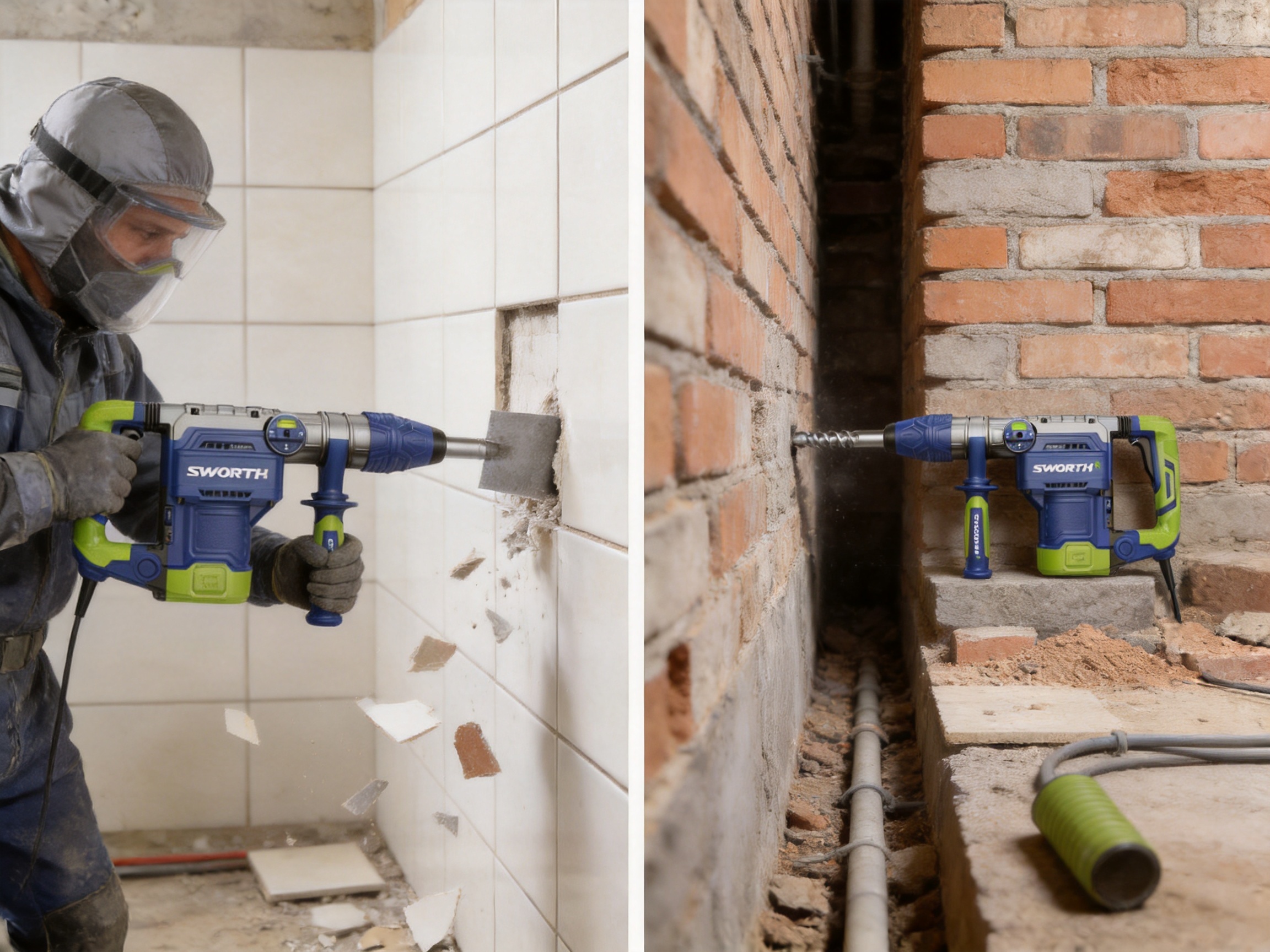
The SW945 is suitable for precision chiseling in softer block walls, where excessive impact can damage the surrounding surface. It can also support fixed-angle flat chisel work for tile removal, surface scraping, and preparation before further finishing. When the job requires greater force, the machine is equipped for heavy drilling in reinforced concrete foundations and other dense structures.
The tool is also useful for multi-material switching. Brick, stone, and concrete do not always require the same balance between rotation and impact. The adjustable six-speed system helps users adapt the tool to the immediate task, reducing the need to switch to a separate machine whenever material conditions change.
Typical professional applications include:
• Drilling anchor holes for structural fixtures and brackets.
• Creating openings for conduits, pipes, and electrical installations.
• Removing ceramic tile, mortar, plaster, and surface coatings.
• Chiseling channels in masonry for wiring and utility installation.
• Drilling holes in reinforced concrete foundations and slabs.
• Breaking small sections of concrete during repair and renovation work.
• Preparing masonry surfaces for new finishes, coatings, or repairs.
• Working on brick, block, stone, and other mineral-based materials.
Because the machine supports several operations, it can help reduce equipment changes and improve transport efficiency. A smaller tool inventory also makes it easier for mobile repair teams, installation contractors, and maintenance crews to respond to different job conditions.
Six-Speed Constant Power for Better Control
The most important feature of the SW945 is its six-speed constant-power system. The impact frequency can be adjusted from 1,900 to 3,800 blows per minute. This gives the operator greater authority over how the tool behaves instead of forcing every application to use the same impact setting.
Lower impact levels are useful when the surrounding material is relatively fragile or when the operator needs to maintain a more controlled chisel action. Precision work around conduits, masonry joints, tile edges, and finished surfaces can benefit from a slower and more measured impact rate. Using an appropriate level helps reduce unnecessary damage to nearby areas.
Higher impact levels are intended for harder, heavier work. Dense concrete, thick masonry, and foundation drilling require strong repeated blows to break through resistance. The higher settings make it possible to apply more aggressive action when the job calls for it.
The term constant power refers to the machine’s ability to maintain a stable working output as load conditions change within its intended operating range. In practical use, this can help the operator maintain a consistent drilling or chiseling rhythm instead of experiencing an uncontrolled reduction in performance whenever the bit meets greater resistance.
Compared with a basic single-speed rotary hammer, a six-speed model offers several practical advantages:
• More precise adjustment for different materials.
• Better control during delicate chiseling and surface work.
• Greater flexibility when moving between drilling and demolition tasks.
• Reduced dependence on multiple specialized machines.
• More consistent performance during changing load conditions.
• Improved ability to match the tool to the operator’s preferred working method.
This does not mean that the highest setting is always the best choice. Professional results come from matching impact power to the material, accessory, drilling depth, and desired finish. The six-speed system gives experienced users the adjustment range necessary to make that decision on site.
High Impact Energy and Heavy-Duty Power
The SW945 provides a rated power input of 1550 watts and an impact energy of 16 joules. These specifications position the tool for demanding masonry and concrete applications where a lightweight general-purpose drill would be insufficient.
Impact energy determines how much force is transferred through the tool and into the working accessory during each blow. A higher impact value can improve penetration into dense materials and increase the speed of material removal during chiseling. However, impact energy must be supported by a suitable motor, transmission, housing, accessory interface, and safety system. A powerful impact mechanism without adequate structural support can reduce service life and create excessive vibration.
The SW945 uses a 30-millimeter cylinder and a larger, thicker motor structure. This heavy-duty configuration is intended to support stronger impact generation and stable operation under demanding conditions. The larger cylinder provides a robust platform for the hammer mechanism, while the motor delivers the electrical input needed to sustain repeated impact cycles.
The maximum drilling capacity is listed as 45 millimeters. Actual capacity will depend on the material, drill bit type, drilling depth, operating speed, cooling conditions, and the user’s technique. Nevertheless, the specification indicates that the tool is intended for substantial drilling work rather than occasional light-duty wall drilling.
The no-load speed range is 210 to 430 revolutions per minute. This relatively controlled rotational range is appropriate for high-impact drilling, where torque and impact action are more important than the high rotational speed typically associated with compact drilling machines.
Multi-Angle Flat Chisel Positioning
Many demolition and renovation tasks require the chisel to face a specific direction. If the accessory cannot be positioned conveniently, the operator may need to rotate the entire machine, work at an awkward wrist angle, or repeatedly remove and reinstall the chisel. These actions waste time and can increase fatigue.
The SW945 uses a multi-angle toggle switch that allows the flat chisel to be positioned and locked in a selected direction. This feature is particularly useful during tile removal, surface scraping, channel cutting, and other applications where a flat chisel must follow a consistent path.
Fixed-angle positioning improves practical control in several ways. It allows the user to orient the working edge before beginning the operation, maintain a more natural grip, and keep the tool aligned with the surface. It can also make repeated work more consistent across a large area.
For example, when removing wall tile, the operator can position the chisel to approach the tile at a suitable angle and then work along the surface without repeatedly repositioning the accessory. During conduit channel work, a narrower chisel can be aligned with the intended route before the tool is activated.
The positioning system does not eliminate the need for safe technique. The accessory must be correctly installed, the machine should be held securely, and the operator should avoid excessive side loading. However, the multi-angle function provides a useful mechanical advantage that is not available on a simple fixed-orientation design.
Durable MAX-Grade Adapter Sleeve
The adapter sleeve is a critical connection point between the hammer mechanism and the working accessory. It receives repeated impact forces, rotational loads, dust exposure, and vibration. If the sleeve is too thin or poorly supported, wear may appear as looseness, difficult accessory insertion, reduced impact transfer, or premature mechanical failure.
The SW945 uses a larger and thicker MAX-grade adapter sleeve. The design is intended to provide greater strength, improved durability, and longer service life in demanding applications. A stronger sleeve can help maintain a more stable connection between the tool and accessory during heavy drilling and chiseling.
The larger structure also supports the use of robust professional accessories. When working in reinforced concrete or hard masonry, the bit and adapter are subjected to considerable force. The adapter must transfer that energy efficiently without excessive movement or deformation.
Users should still inspect the sleeve regularly. Dust and debris should be removed according to the maintenance instructions, accessories should be checked for damage, and worn or deformed bits should not be used. Correct accessory care is essential because even a durable adapter can be damaged by unsuitable, bent, excessively worn, or improperly installed tools.
Vibration Reduction and Operator Comfort
High-impact tools naturally generate vibration. If vibration is transmitted directly to the operator’s hands and arms, long working periods can become uncomfortable and less productive. Fatigue can also affect accuracy, grip stability, and the ability to maintain a consistent working angle.
The SW945 incorporates vibration reduction features, a soft rubber grip, an anti-slip handle surface, and an oversized trigger. These elements are intended to make the machine more comfortable to control during extended drilling and chiseling work.
The rubber-coated grip helps improve contact between the operator’s hand and the tool. A secure grip is important when the machine is producing repeated impacts or when the accessory encounters variable resistance. The anti-slip surface can also be useful when the user is wearing work gloves or operating in a dusty environment.
The oversized trigger is designed for easier operation. A large switch can be activated with less concentrated finger pressure and may be more convenient when the operator is wearing protective gloves. The control layout also allows the user to maintain a stable hold while adjusting the working action.
Comfort features should not be considered cosmetic additions. They influence how long an operator can work effectively, how accurately the tool can be guided, and how consistently the machine can be used throughout a project. A powerful tool that is difficult to hold may not produce better real-world productivity than a controllable tool with well-designed ergonomics.
Users should take regular breaks during extended work, maintain a balanced stance, avoid forcing the machine, and follow applicable workplace guidance for vibration exposure. The tool’s vibration reduction system supports comfort, but it does not replace responsible operating practices.
Safety Clutch for Better Protection
Rotary hammers can encounter sudden resistance when a bit becomes trapped in dense material, contacts embedded reinforcement, or shifts inside a partially drilled hole. Without suitable protection, the reaction force can rotate the housing unexpectedly and place stress on the operator’s wrist or arm.
The SW945 includes a safety clutch designed to help reduce the transmission of sudden overload reactions. When the accessory experiences an abrupt obstruction, the clutch can help interrupt or limit the mechanical reaction between the rotating drive and the tool body.
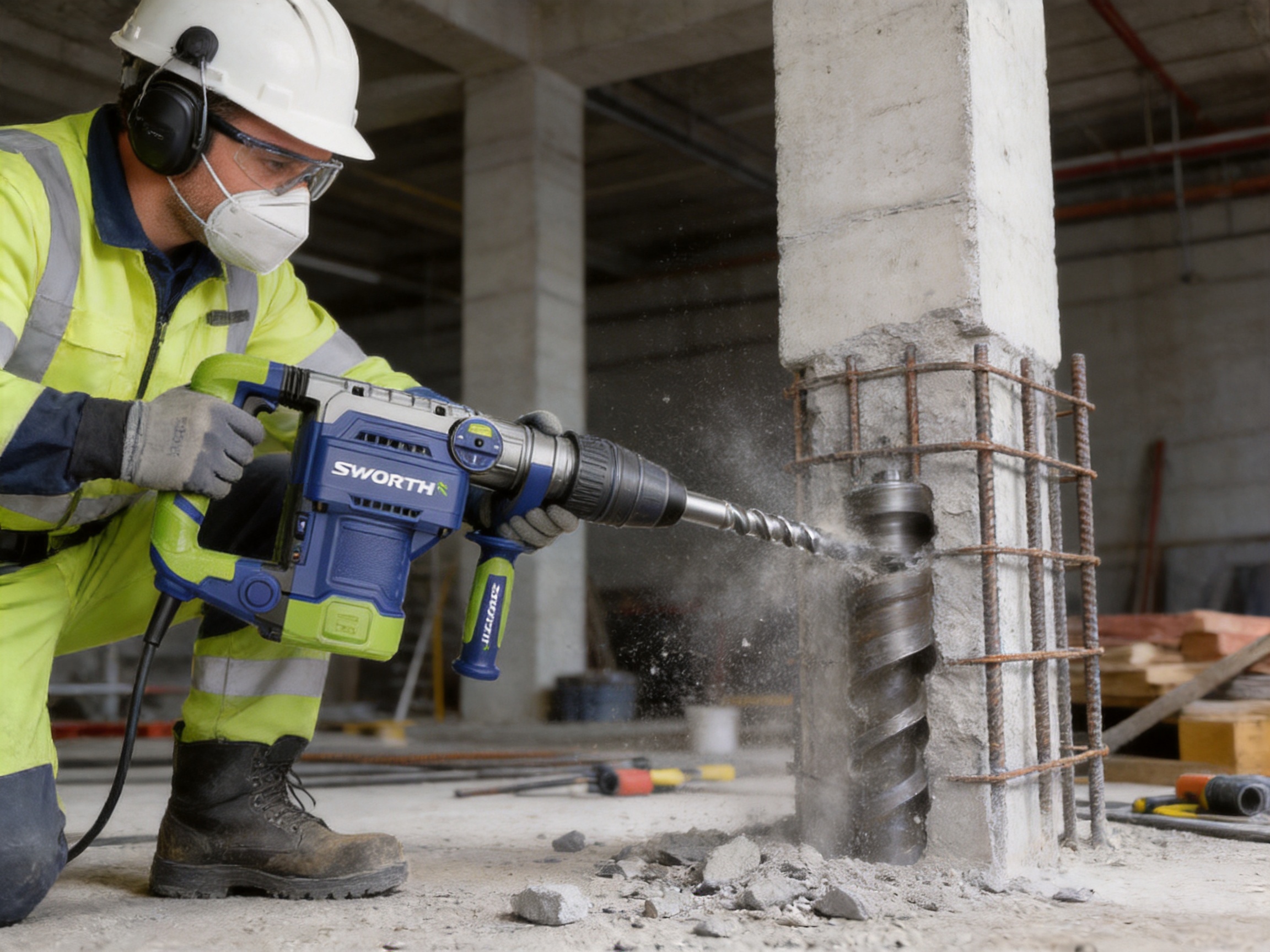
This safety feature is especially valuable during large-hole drilling and work in reinforced concrete, where hidden steel reinforcement may be encountered. It is also beneficial when the bit becomes temporarily jammed by debris or an uneven hole wall.
A safety clutch is not a substitute for correct handling. Operators should use compatible accessories, maintain a firm but relaxed grip, keep both hands in the recommended positions, and stop the machine if unusual noise, excessive vibration, or repeated clutch activation occurs. The purpose of the clutch is to provide an additional layer of protection, not to encourage careless operation.
Dust-Sealed Head and Internal Protection
Construction environments are filled with fine particles generated by concrete, brick, block, stone, tile, and mortar. These particles can enter mechanical assemblies through gaps around rotating components and accessory interfaces. Once inside, abrasive dust can accelerate wear on bearings, gears, seals, and other moving parts.
The SW945 uses a dust cap and a dust-sealed head to help reduce the movement of dust toward sensitive internal components. Keeping abrasive particles away from the rotating section can help reduce internal wear and support longer service life.
Dust protection is particularly important during dry drilling, chiseling, and demolition work. Fine mineral dust can be highly abrasive, and it can also affect switches, ventilation paths, and electrical components if the tool is not maintained properly.
Operators should clean the exterior after use, keep ventilation openings clear, inspect the accessory interface, and store the machine in a reasonably clean and dry location. The dust-sealed head improves protection, but no power tool should be treated as completely immune to dust contamination.
Carbon Brush and Power Status Indicators
Maintenance awareness can help prevent unexpected downtime. The SW945 includes a carbon brush indicator light and a power indicator light. These visual signals provide useful information about the tool’s operating and service condition.
The power indicator helps confirm that the machine is connected to an active electrical supply. This can be helpful during setup, troubleshooting, and work in locations where several tools are connected to extension equipment or temporary power systems.
The carbon brush indicator is intended to alert the user when brush inspection or replacement may be required. Carbon brushes are wear components in brushed motors. Their condition can influence electrical contact, motor performance, heat generation, and reliability. Replacing them at an appropriate time can help avoid secondary damage and unexpected stoppage.
Indicator lights do not replace professional inspection. If the machine produces burning odors, abnormal sparking, unusual sound, loss of power, or excessive heat, it should be disconnected and checked by qualified service personnel. Early attention to warning signs can reduce repair costs and improve workplace safety.
| Specification | SW945 Performance Data | Professional Benefit |
| Rated voltage | 220–240 V~, 50/60 Hz | Suitable for compatible electrical systems and standard professional jobsite power supplies |
| Power input | 1550 W | Provides a strong electrical foundation for heavy drilling and impact work |
| Impact frequency | 1,900–3,800 BPM | Allows adjustment for delicate, general, and aggressive applications |
| No-load speed | 210–430 RPM | Supports controlled high-impact drilling and accessory operation |
| Impact energy | 16 J | Helps break through dense masonry and concrete |
| Maximum drilling capacity | 45 mm | Supports substantial anchor, installation, and construction holes |
| Cylinder size | 30 mm | Provides a heavy-duty platform for the impact mechanism |
| Speed settings | 6 | Improves control across different materials and working conditions |
Advantages Compared with Basic Rotary Hammers
Professional buyers often compare rotary hammers according to power, price, durability, ergonomics, and service requirements. A basic single-speed model may be adequate for occasional drilling, but it may not offer the flexibility needed by contractors who move between different materials and applications.
The SW945 offers several advantages over simpler machines. Its six-speed adjustment provides more control than a fixed-output system. Its 16-joule impact rating and 1550-watt input support demanding work that may exceed the capability of compact general-purpose tools. Its multi-angle chisel positioning adds functionality for surface removal and controlled demolition.
The heavy-duty 30-millimeter cylinder and reinforced adapter sleeve are also important differentiators. These components are designed for repeated high-load work rather than occasional household use. A professional tool must withstand not only one difficult operation but many cycles across multiple projects.
Another advantage is the combination of power and operator protection. A machine that offers high output but lacks vibration reduction, a safety clutch, or a comfortable grip may create greater fatigue and handling risk. The SW945 integrates these features into the same platform.
The machine can also reduce the need for separate equipment. Instead of carrying one tool for light chiseling, another for tile removal, and another for heavy concrete drilling, a crew may be able to complete more tasks with one adaptable rotary hammer, provided the correct accessories are used.
Compared with a dedicated demolition hammer, the SW945 offers greater versatility because it supports drilling as well as chiseling. Compared with a compact hammer drill, it provides more impact energy and a larger capacity for heavy masonry work. Its position is therefore between narrow-purpose tools: it is intended to be powerful enough for serious construction applications while remaining adaptable to a wider range of tasks.
Manufacturing Strengths and Engineering Approach
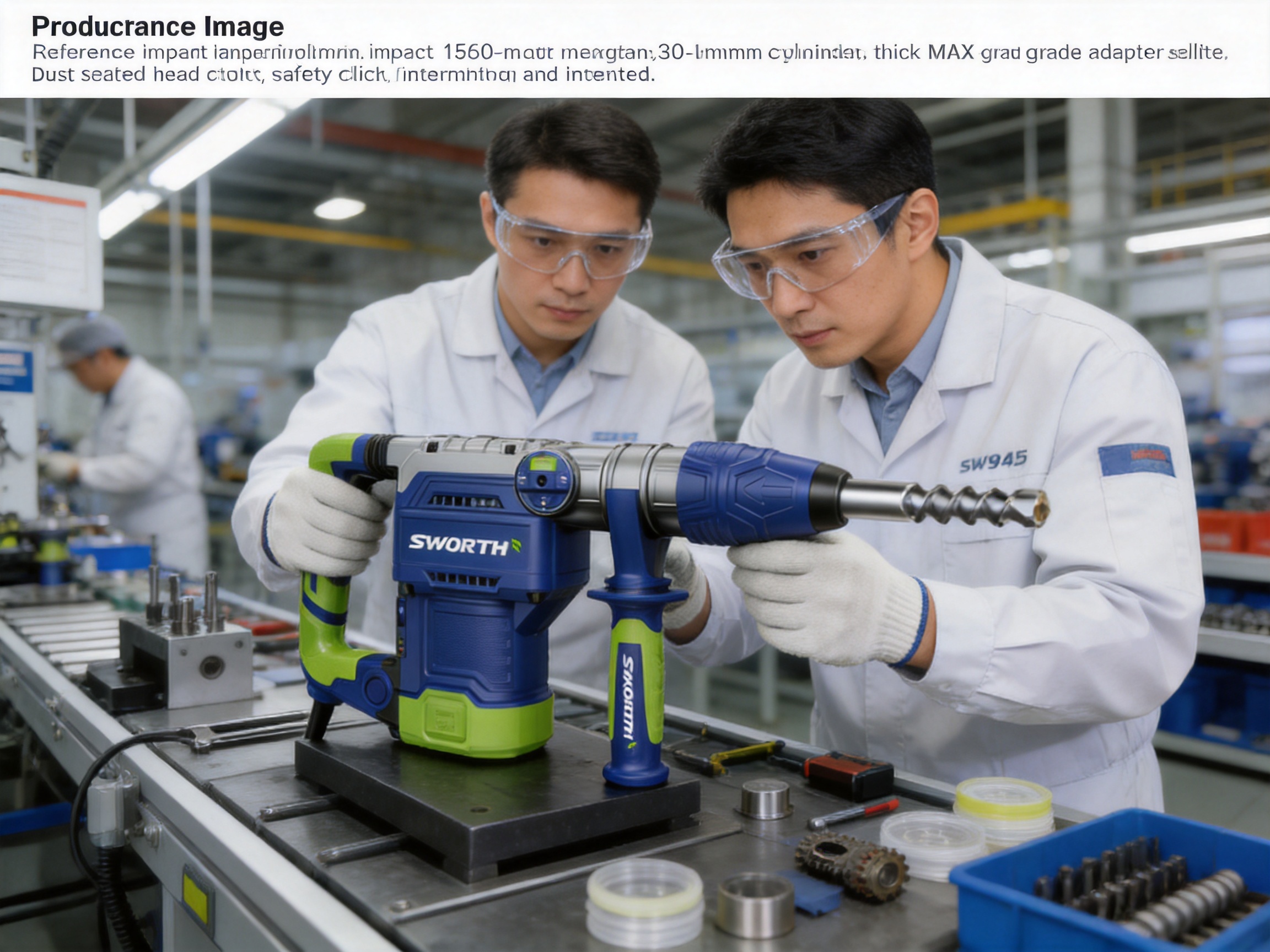
Product performance is strongly connected to manufacturing discipline. A rotary hammer includes electrical, mechanical, thermal, and structural systems that must work together accurately. The motor, impact mechanism, transmission, adapter sleeve, housing, seals, switch, clutch, and grip cannot be treated as independent parts.
Yongkang Siwei Technology Co., Ltd. integrates research and development, production, and sales. This structure allows the company to coordinate product design with manufacturing knowledge and customer feedback. Its stated focus is professional performance, reliable materials, and products capable of operating under harsh working conditions.
The company specializes in demolition hammers, chisel cutting tools, and related professional equipment. This specialization provides a foundation for understanding the practical demands of construction users. Such users are concerned not only with nominal power but also with accessory durability, mechanical balance, serviceability, handling comfort, and consistent performance.
Advanced manufacturing of a professional rotary hammer involves several important stages:
• Engineering design of the motor, impact mechanism, transmission, housing, and control system.
• Selection of materials appropriate for repeated impact and thermal stress.
• Precision production of the cylinder, adapter sleeve, gears, and related components.
• Assembly control to ensure correct alignment of moving parts.
• Installation of seals, dust protection, safety clutch components, switches, and indicators.
• Electrical testing for power, insulation, switching, and operating stability.
• Mechanical testing for impact action, accessory retention, vibration, and load response.
• Final inspection before packaging and shipment.
A strong production process must also control tolerances. Small variations in the relationship between the cylinder, piston, striker, bearings, and adapter can influence impact efficiency, noise, vibration, and wear. Consistent assembly is therefore as important as the nominal specification of individual components.
Material quality is equally important. The adapter sleeve and impact components must tolerate repeated force. The housing must protect internal assemblies while remaining manageable in the operator’s hands. Rubber grip materials must maintain their surface properties in realistic jobsite conditions. Sealing components must remain effective against dust and normal operating heat.
The company’s experience in professional demolition and cutting tools supports a product philosophy centered on durability and practical efficiency. The aim is not simply to increase motor power, but to create a balanced tool in which power, control, safety, and service life reinforce one another.
Quality Control for Harsh Working Conditions
Construction tools often operate in environments that are more demanding than laboratory conditions. They may be exposed to concrete dust, temperature changes, vibration, accidental impact, long working cycles, unstable surfaces, and frequent transportation between sites. Quality control must therefore consider both performance and durability.
For a rotary hammer, quality evaluation should include no-load operation, loaded impact performance, switch function, clutch response, accessory retention, insulation, power consumption, and abnormal noise. The goal is to identify problems before the product reaches the customer.
Dust protection should be evaluated around the accessory interface and rotating head. Vibration reduction components should be checked for correct installation and secure attachment. Indicator lights should function reliably, and the carbon brush system should provide a clear service signal.
Production traceability can also support quality assurance. When components, assembly stages, and inspection results are recorded, manufacturers can investigate field feedback more efficiently. This helps identify recurring issues, improve future designs, and maintain consistent output across production batches.
The company’s professional orientation is reflected in its focus on high-quality materials and advanced processes. A tool intended for engineering construction must be designed with the expectation that it will be used repeatedly, transported frequently, and placed under substantial mechanical loads.
Efficient Work Practices with the Rotary Hammer
Correct operating technique improves both productivity and tool life. Before beginning work, the operator should select an accessory suitable for the material and application. The bit or chisel should be clean, undamaged, correctly installed, and compatible with the adapter system.
The six-speed setting should be selected according to the task. A lower setting can be appropriate for precision chiseling, channel work, tile removal, and surfaces where surrounding damage must be limited. A higher setting can be used for dense concrete or heavy material removal when the accessory and working conditions allow it.
The operator should allow the impact mechanism to perform the work instead of applying excessive body weight. Too much downward force can restrict accessory movement, increase heat, and place unnecessary stress on the machine. A steady, balanced hold is normally more effective than aggressive pushing.
During drilling, the bit should be kept aligned with the intended hole. Side pressure can increase wear and may damage the accessory or adapter sleeve. If the hole becomes blocked with debris, the operator should stop and clear the obstruction safely rather than forcing the machine continuously.
For chiseling, the flat chisel should be positioned using the multi-angle function before operation. The user should work progressively, removing material in manageable sections. Excessive leverage or twisting can place loads on the accessory and adapter that are different from the intended impact direction.
When working in reinforced concrete, users should be prepared for changes in resistance. The safety clutch can help reduce sudden reactions, but the machine should still be held with both hands and positioned securely. Eye, hearing, respiratory, hand, and foot protection should be selected according to the work environment and applicable safety requirements.
Maintenance and Service Recommendations
Regular maintenance helps preserve performance and reduces the risk of unplanned downtime. After each work session, loose dust should be removed from the housing, handle, switch area, ventilation openings, and accessory interface. The machine should be disconnected from the power supply before cleaning or inspection.
The adapter sleeve should be checked for abnormal wear, excessive looseness, cracking, or deformation. Accessories should be inspected for damaged shanks, chipped edges, bent bodies, and excessive wear. A damaged accessory can reduce efficiency and place additional stress on the tool.
The power cable and plug should be inspected regularly. Cuts, crushed sections, exposed conductors, or loose connections require immediate attention. Electrical repairs should be performed by qualified personnel using appropriate replacement components.
The carbon brush indicator should not be ignored. When the indicator signals service, the brushes should be inspected and replaced according to the maintenance procedure. Continued use of severely worn brushes can affect motor performance and may damage the commutator.
Users should also monitor changes in sound, vibration, heat, and impact behavior. A sudden reduction in impact force, repeated clutch engagement, unusual gear noise, or excessive temperature may indicate a mechanical or electrical problem.
Proper storage is another important consideration. The rotary hammer should be protected from moisture, extreme contamination, and unnecessary impact during transport. Accessories should be stored separately or secured so that they do not damage the tool housing.
Benefits for Contractors and Professional Buyers
For contractors, the value of a rotary hammer is measured by more than its purchase price. Productivity, reliability, service intervals, operator comfort, and equipment utilization all affect the total cost of ownership.
A versatile six-speed machine can support more operations per day and reduce the time spent changing between tools. Its large drilling capacity and high impact energy make it suitable for structural installation, renovation, demolition preparation, and maintenance work. The multi-angle chisel function can improve efficiency during repeated surface removal.
For rental companies, a durable and adaptable tool can serve a wider customer base. However, rental operators should establish clear inspection, cleaning, accessory, and service procedures. The machine should be checked between rentals, and users should receive practical guidance on speed selection, safe handling, and dust control.
For engineering and maintenance teams, the indicator lights, safety clutch, dust protection, and robust adapter sleeve can support more predictable operation. A machine that communicates service needs and protects its key assemblies may be easier to manage across a fleet.
For distributors, the product offers a combination of recognizable professional features: strong input power, high impact energy, adjustable performance, heavy-duty construction, operator protection, and a broad application range. These qualities can make it easier to position the machine for construction, renovation, installation, and demolition-related customers.
Environmental and Product Development Capabilities
In addition to its professional demolition and cutting tools, Yongkang Siwei Technology Co., Ltd. has developed capabilities in green new energy technologies since 2024. The company reports experience with high-efficiency brushless motors, electronic control systems, and intelligent battery platforms.
These capabilities are relevant because modern power-tool development increasingly depends on motor efficiency, electronic control, thermal management, and battery technology. Although the SW945 is a corded rotary hammer, experience in these technical areas can contribute to broader engineering knowledge and future product development.
The company’s cordless garden tool range includes lithium-ion lawn mowers, string trimmers, lawn tractors, hedge trimmers, electric pruning shears, and high-speed chainsaws. This wider product portfolio indicates that the manufacturer works across both corded professional equipment and cordless outdoor power tools.
Developing different categories requires attention to distinct technical challenges. Construction tools emphasize impact resistance, mechanical durability, and dust protection. Cordless garden tools emphasize battery efficiency, motor control, runtime, balance, and outdoor environmental exposure. Experience across both areas can encourage a comprehensive approach to product engineering.
Why the SW945 Is a Practical Professional Choice
The SW945 is built around a clear professional proposition: provide one powerful rotary hammer that can adapt to different materials and tasks while protecting the operator and the machine.
Its six-speed constant-power system provides a broader working range than a basic fixed-speed design. Its 1550-watt motor and 16-joule impact energy support serious drilling and chiseling. The 45-millimeter maximum drilling capacity makes it appropriate for large installation holes and demanding masonry work.
The 30-millimeter cylinder and thicker MAX-grade adapter sleeve support a heavy-duty mechanical platform. The multi-angle flat chisel system improves positioning during tile removal, channel cutting, and surface preparation. Vibration reduction, soft rubber grip, oversized trigger, and safety clutch address the practical needs of users who work for extended periods.
Dust-sealed protection, carbon brush indication, and power status indication add service and maintenance value. These features help users monitor the condition of the machine and reduce the likelihood that minor problems will remain unnoticed.
Compared with narrow-purpose tools, the SW945 can complete a wider range of work. Compared with compact hammer drills, it provides substantially stronger impact performance. Compared with a dedicated demolition hammer, it offers more balanced versatility by supporting both drilling and controlled chiseling.
For professional customers, this combination can lead to simpler equipment planning, improved jobsite mobility, and better utilization of each tool. The machine is not intended to replace every specialized tool in every application, but it is designed to cover a substantial range of common construction and renovation requirements.
Q&A
What type of tool is the SW945?
The SW945 is a corded six-speed constant-power rotary hammer designed for drilling, chiseling, tile removal, surface scraping, masonry channel work, and demanding applications in concrete, brick, block, and stone.
What is the impact energy of the machine?
The stated impact energy is 16 joules. This level is intended for heavy-duty masonry and concrete work, including substantial drilling and material removal.
Can the impact frequency be adjusted?
Yes. The machine provides six speed levels with an impact frequency range from 1,900 to 3,800 blows per minute. Users can select a lower or higher setting according to the material and task.
What is the maximum drilling capacity?
The listed maximum drilling capacity is 45 millimeters. The achievable result depends on the material, bit, drilling depth, operating method, and jobsite conditions.
Is the rotary hammer suitable for tile removal?
Yes. The machine is suitable for flat chisel work such as tile removal and surface scraping. Its multi-angle toggle switch allows the flat chisel to be positioned in a selected fixed direction.
What does the 30-millimeter cylinder provide?
The 30-millimeter cylinder forms part of the heavy-duty impact mechanism. It supports a larger motor and stronger working platform for demanding drilling and chiseling applications.
How does the safety clutch help the user?
The safety clutch is designed to reduce sudden mechanical reactions when the accessory becomes obstructed or jammed. It can help reduce the risk of wrist strain, although users must still operate the machine with correct technique and protective equipment.
Does the tool include dust protection?
Yes. The rotary hammer uses a dust cap and dust-sealed head to help limit the entry of abrasive particles into the rotating section and reduce internal wear.
What are the indicator lights used for?
The power indicator helps show that the tool is receiving electrical power. The carbon brush indicator alerts the user when the brushes may require inspection or replacement.
Is the machine comfortable for extended use?
The design includes vibration reduction, a soft rubber grip, an anti-slip handle, and an oversized trigger to improve comfort and control. Users should still take breaks and follow applicable guidance for vibration exposure.
What electrical supply does the machine require?
The listed rated voltage is 220–240 V~, 50/60 Hz. Users should confirm that the local power supply and any extension equipment are compatible before operation.
What materials can the SW945 work on?
The machine is intended for brick, stone, concrete, reinforced concrete, block walls, tile, mortar, and similar mineral-based materials when used with suitable accessories.
How does it compare with a basic hammer drill?
It provides higher impact energy, a larger drilling capacity, a heavy-duty cylinder, six adjustable impact levels, and additional chisel-positioning and protection features. It is designed for more demanding professional work.
How does it compare with a dedicated demolition hammer?
The SW945 offers greater versatility because it supports both rotary drilling and chiseling. A dedicated demolition hammer may be preferable for continuous large-scale breaking, while the SW945 is intended for users who need a broader range of construction functions.
What maintenance does the tool require?
Users should clean dust from the exterior and ventilation openings, inspect the adapter sleeve and accessories, check the power cable, monitor indicator lights, and arrange qualified service when unusual noise, heat, vibration, or reduced performance appears.
Who manufactures the SW945?
The product is manufactured by Yongkang Siwei Technology Co., Ltd., a tool manufacturer integrating research and development, production, and sales, with experience in demolition tools, chisel cutting tools, professional construction equipment, and cordless garden tools.
Conclusion
The SW945 6-Speed Constant Power Rotary Hammer is designed for professional users who need one machine to manage a wide range of demanding construction and renovation tasks. Its six adjustable impact levels provide control, while its 1550-watt input, 16-joule impact energy, 30-millimeter cylinder, and 45-millimeter drilling capacity provide the force required for hard materials.
The multi-angle flat chisel system improves working position, and the MAX-grade adapter sleeve supports durability under repeated impact. Vibration reduction, a rubber anti-slip grip, an oversized trigger, a safety clutch, dust-sealed protection, and service indicator lights address important requirements for practical jobsite operation.
Behind these features is a manufacturing approach focused on professional applications, durable materials, coordinated engineering, and quality control. Yongkang Siwei Technology Co., Ltd. combines product development, production, and sales while also extending its technical capabilities into efficient motors, electronic controls, intelligent battery systems, and green garden equipment.
For contractors, installers, maintenance teams, rental operators, and distributors, the main advantage is adaptability. The machine can move from precision chiseling to heavy concrete drilling without requiring a complete change of equipment. When matched with suitable accessories and operated responsibly, it offers a strong balance of power, control, durability, safety, and versatility.
References
1. Product specification sheet for the SW945 6-Speed Constant Power Rotary Hammer.
2. Manufacturer-provided technical information on impact frequency, motor power, cylinder construction, adapter sleeve design, dust protection, safety clutch, and indicator systems.
3. General principles of rotary hammer operation, masonry drilling, and impact-tool maintenance.
4. General occupational safety guidance for power-tool handling, vibration exposure, dust control, eye protection, hearing protection, and electrical equipment inspection.
5. Manufacturer information concerning research and development, production capabilities, professional demolition tools, brushless motor systems, electronic controls, and cordless garden equipment.
Product: SW945 6-Speed Constant Power Rotary Hammer

Recommended Products
-


SW528 Small Hole Rebar Hammer
-
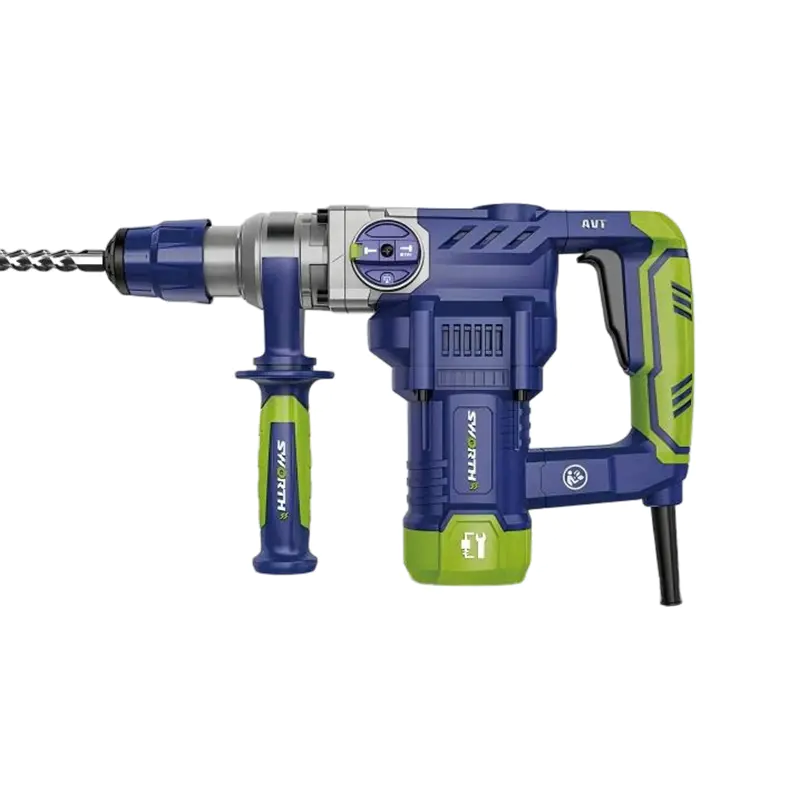
SW932 Groove Sandblasting Hammer
-
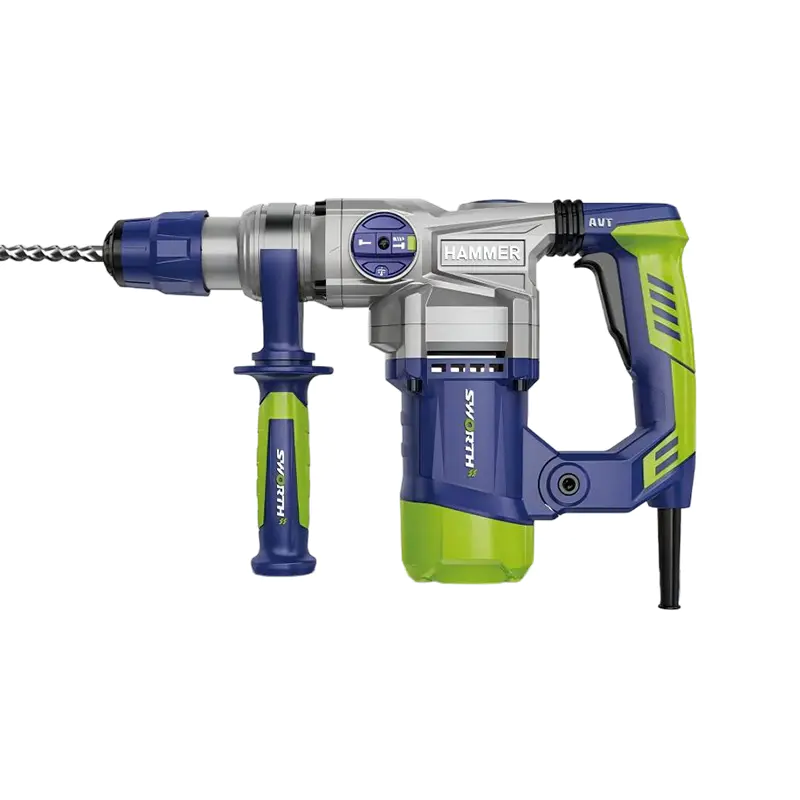
SW9362A Large Hole Rebar Hammer
-
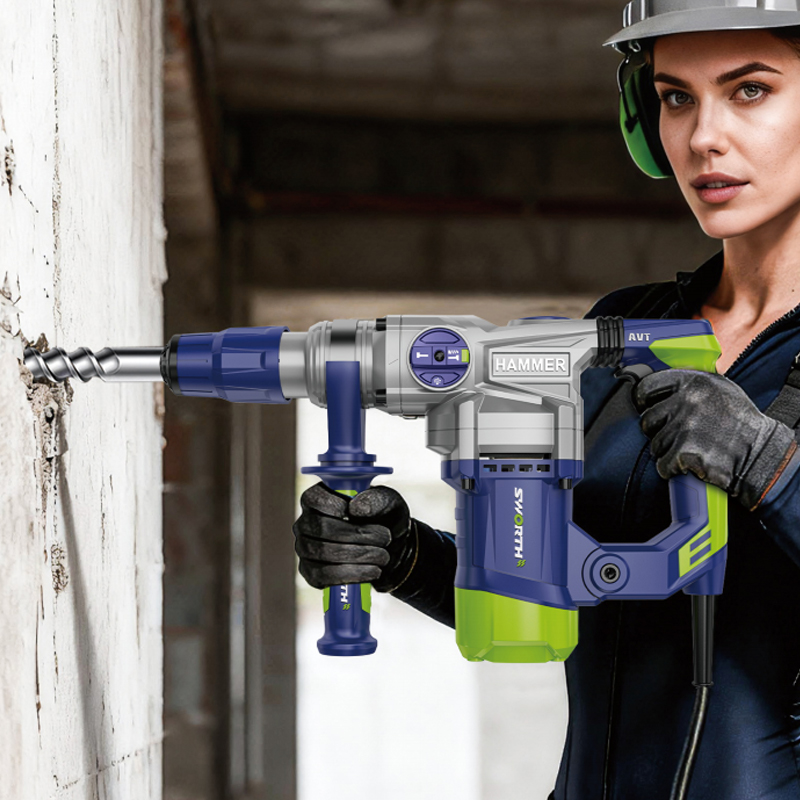
SW940 Enlarged Hole Rebar Hammer
-
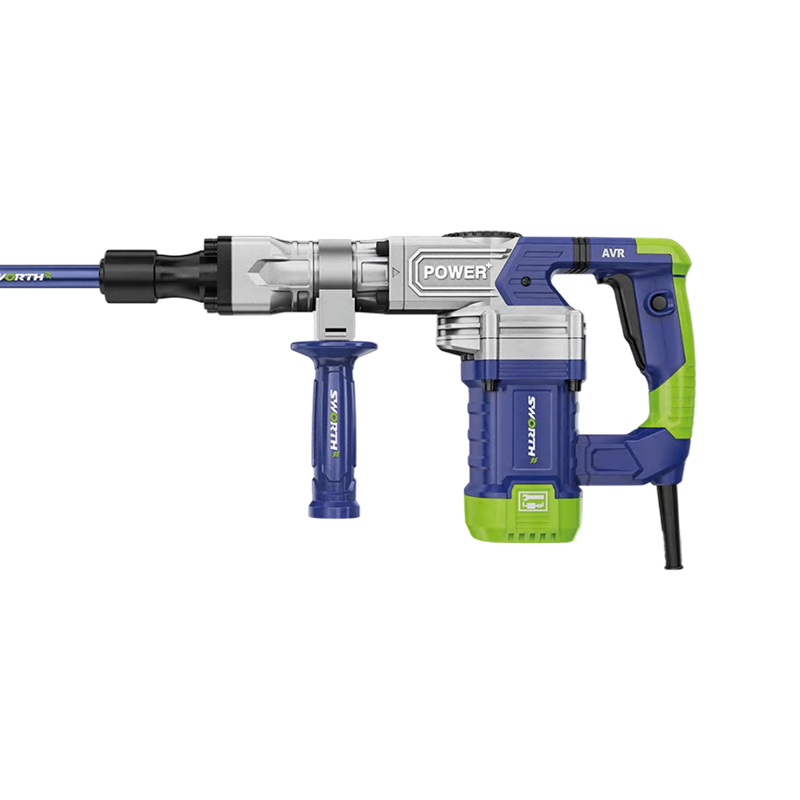
SW35S1 Powerful Demolition Hammer
-
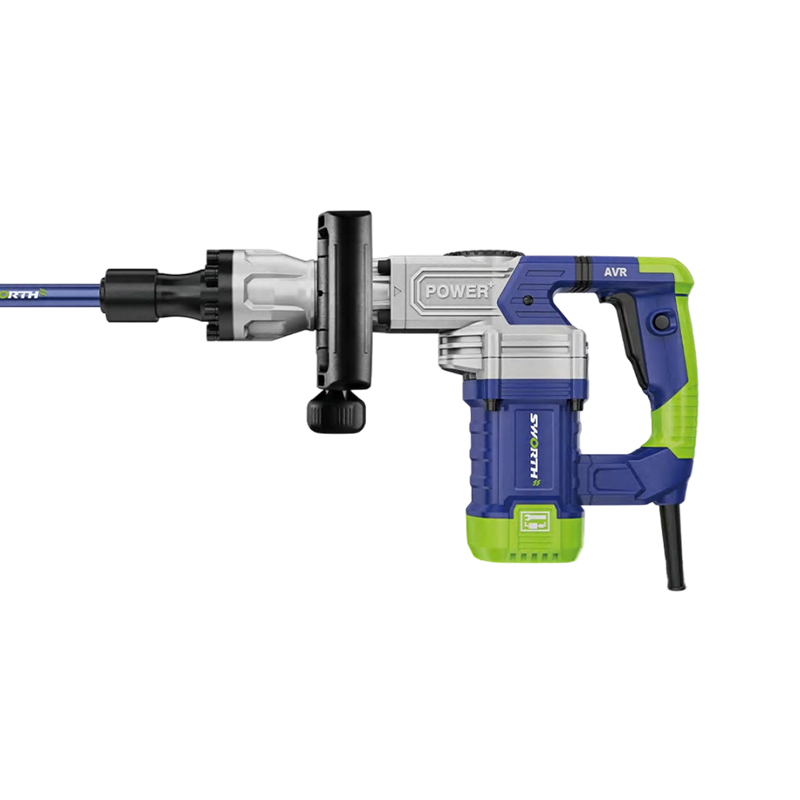
SW35S2 High-Efficiency Heat Dissipation Demolition Hammer
-
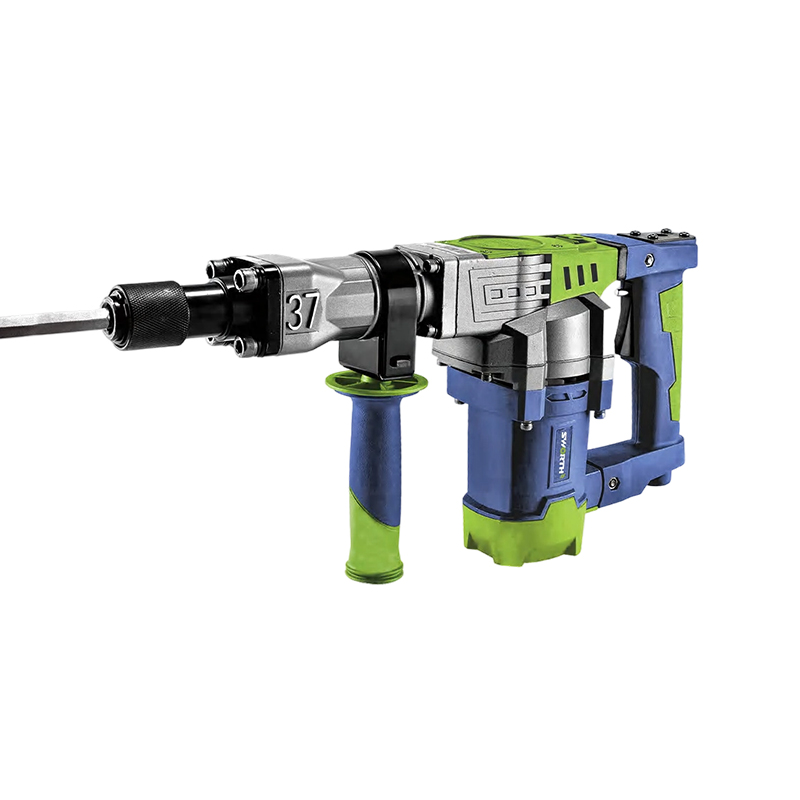
SW9371 High-Power Demolition Hammer
-
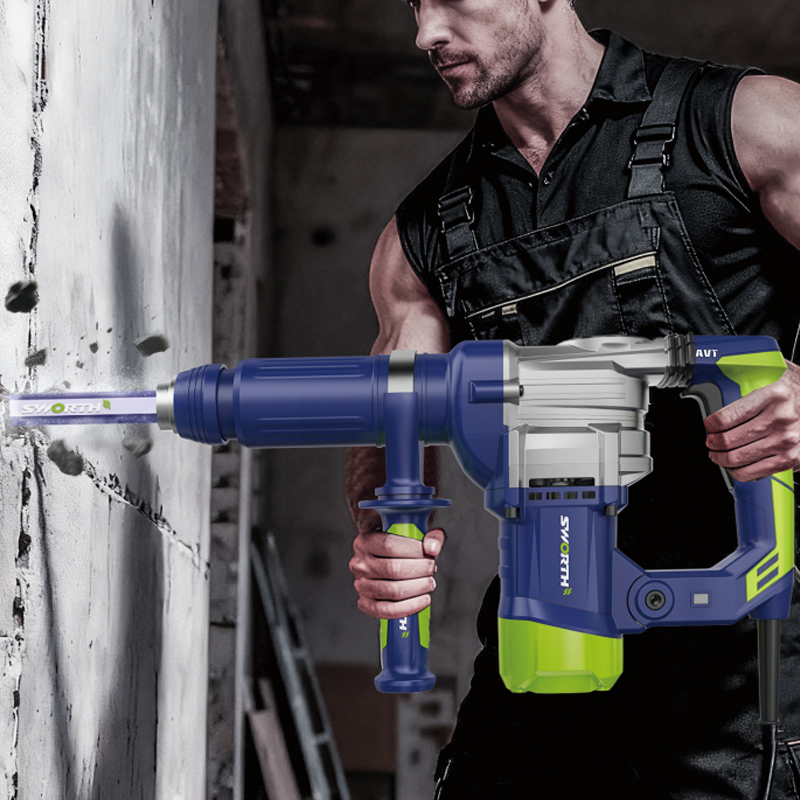
SW9373 Anti-Scalding Carbon Brush Holder Demolition Hammer
-
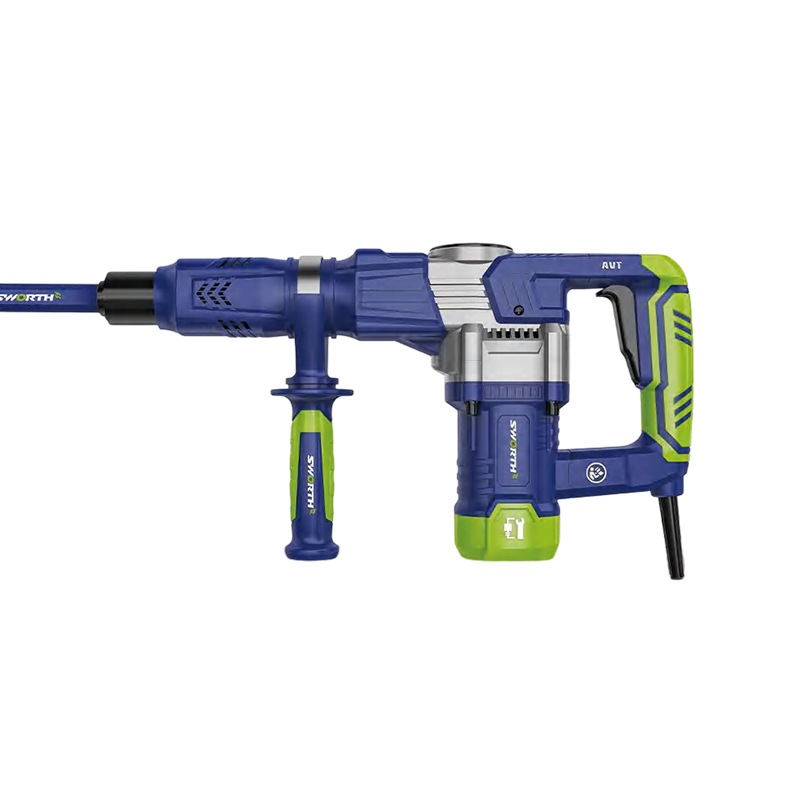
SW535 Powerful Anti-Scalding Demolition Hammer
-
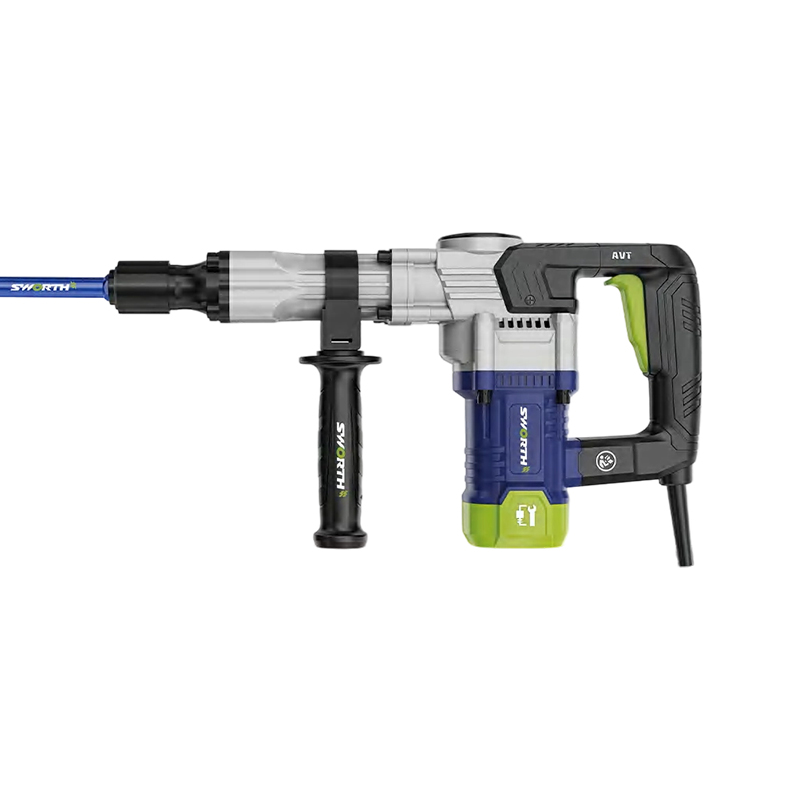
SW535-2 Durable Powerful Demolition Hammer
-
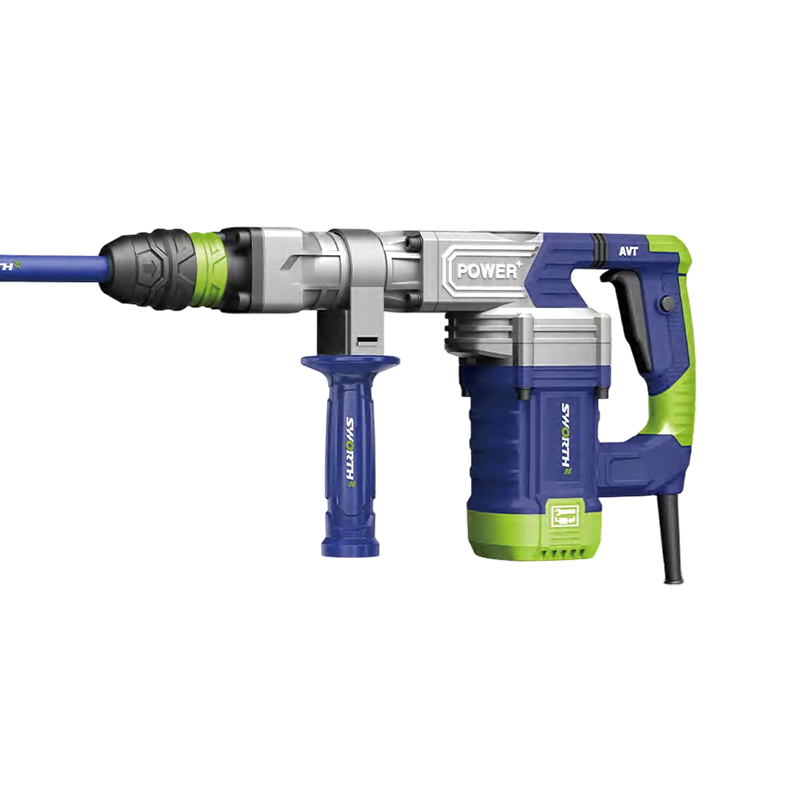
SW35S3 Five-Pipe Drill Bit Demolition Hammer
-

SW11E Five-Pipe Clamping Demolition Hammer
 +86-18314829275
 sale@sworthtools.com
 No. 101, Yugui Road, chengxi Industrial Zone, Yongkang City, Zhejiang Province, China
Copyright© Yongkang Siwei Technology Co., Ltd. All Rights Reserved

Hammer Tools & Cordless Garden Tools Manufacturer
