 English
 русский
 Español

Portable and Lightweight Pruning Shears: The Pruner That Goes Up the Tree With You
A pruning shear that weighs too much ends up left on the ground. The user climbs the ladder with one hand on the rail and the other empty, and the shear stays below. Portable and lightweight pruning shears are built around the opposite idea: the tool goes with the user, up the ladder, into the canopy, and along the row. The weight, the balance, and the carry method decide whether the shear is on the belt or in the truck.
The Weight Comes From the Metal
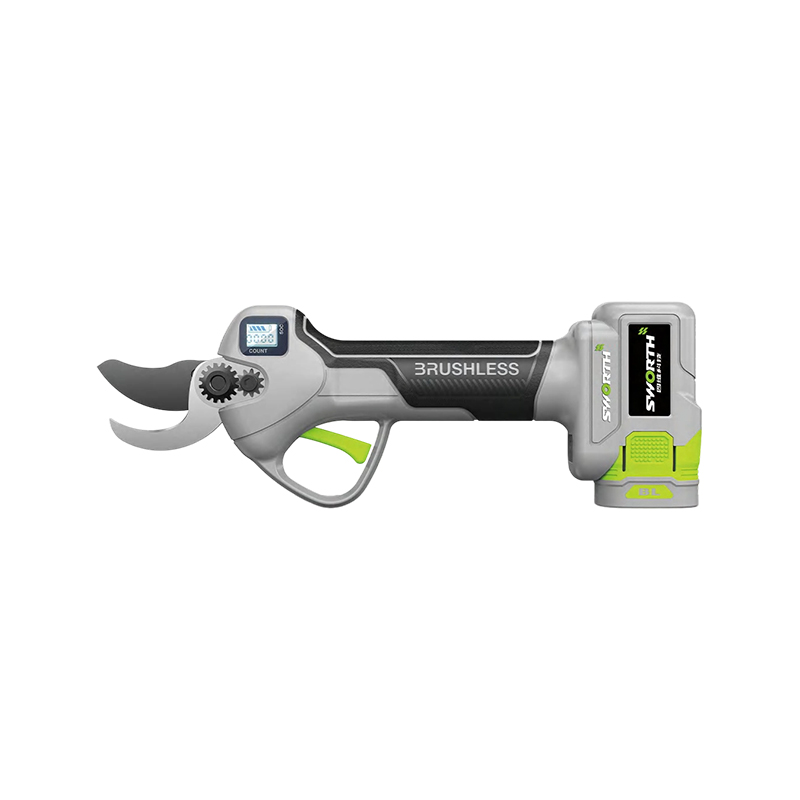
The shear weighs what the blade and the handles weigh. Aluminum handles cut the weight against the forged steel. Aluminum is strong enough for the pruning load and roughly a third of the weight of steel for the same stiffness. A portable and lightweight pruning shears with the aluminum handle and the steel blade balances the weight saving against the cutting durability.
The blade still has to be the hardened steel. A lightweight aluminum blade dulls fast and rolls on the branch. The lightweight shear keeps the steel where the cutting happens and saves weight in the handle.
The Balance Point
A lightweight shear that is blade-heavy feels awkward in the hand. The balance point should sit near the pivot, so the user is not fighting the blade with the wrist. Portable and lightweight pruning shears with the balance at the pivot feel lighter than the scale says.
The Carry Method
The shear is carried on the belt, in the holster, or on the lanyard. The lightweight tool with the belt clip or the holster stays with the user on the ladder and in the canopy. The heavy shear without the carry method stays on the ground.
The lanyard is the option for the work at height. The shear hangs from the wrist or the harness, and the drop does not lose the tool.
The Grip and the Spring
The grip is the rubber or the soft plastic over the aluminum. The grip has to stay comfortable through the repeated squeeze. The spring returns the blade after each cut. The portable and lightweight pruning shears with the properly tensioned spring and the comfortable grip is the tool the user keeps in the hand.
Here is what portable and lightweight pruning shears have to deliver:
- Aluminum handle with the steel blade
- Balance point near the pivot
- Belt clip, holster, or lanyard for the carry
- Comfortable grip for the repeated squeeze
- Spring return for the next cut
- Hardened blade that holds the edge
Where the Shear Works
The arborist uses the shear in the canopy. The weight matters at the end of the extended arm. The vineyard worker uses it along the row. The home gardener uses it for the shrub and the small tree. The tool that goes with the user does the work.
The Handle That Bends and the Blade That Rolls
The aluminum handle bends because the wall was too thin. The portable and lightweight pruning shears with the properly gauged handle holds. The blade rolls because the steel was soft. The hardened blade holds. The spring breaks because the wire was thin.
Portable and lightweight pruning shears go where the work is. The aluminum saves the weight. The steel cuts. Choose a shear with the right balance and the carry method.
Recommended Products
-
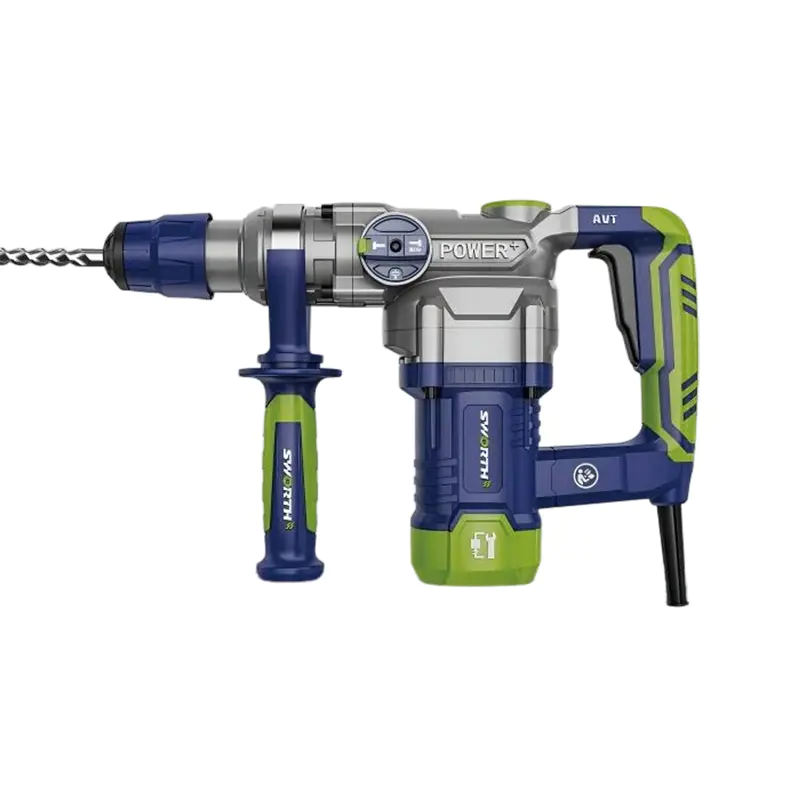


SW528 Small Hole Rebar Hammer
-
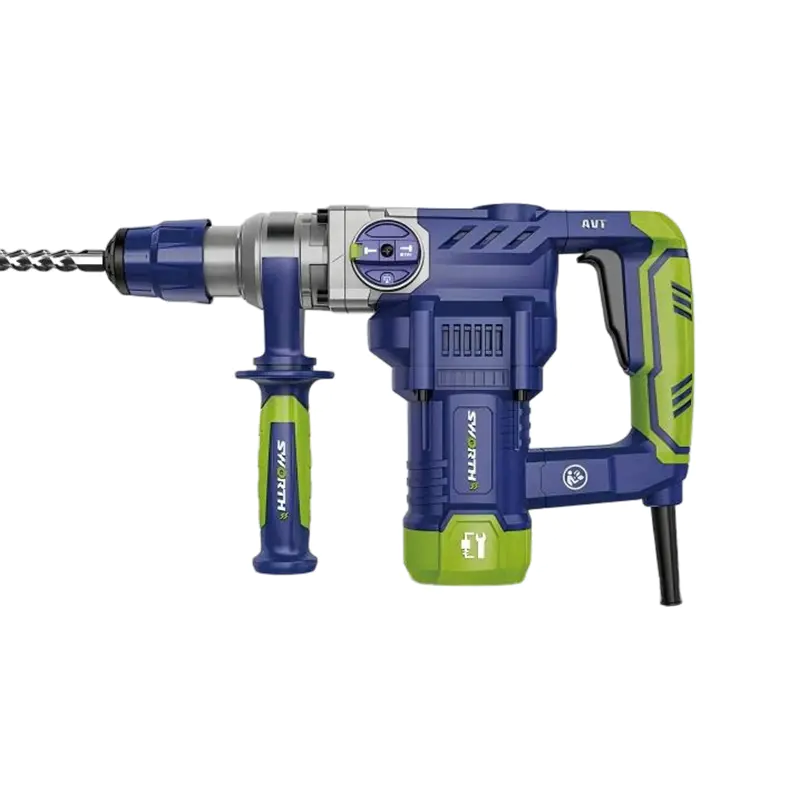
SW932 Groove Sandblasting Hammer
-
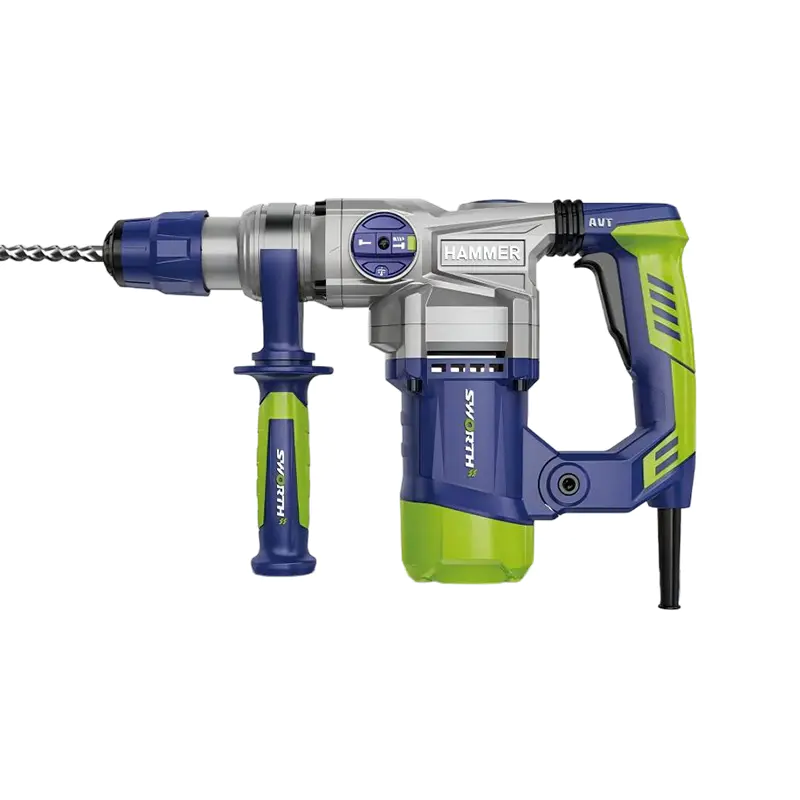
SW9362A Large Hole Rebar Hammer
-
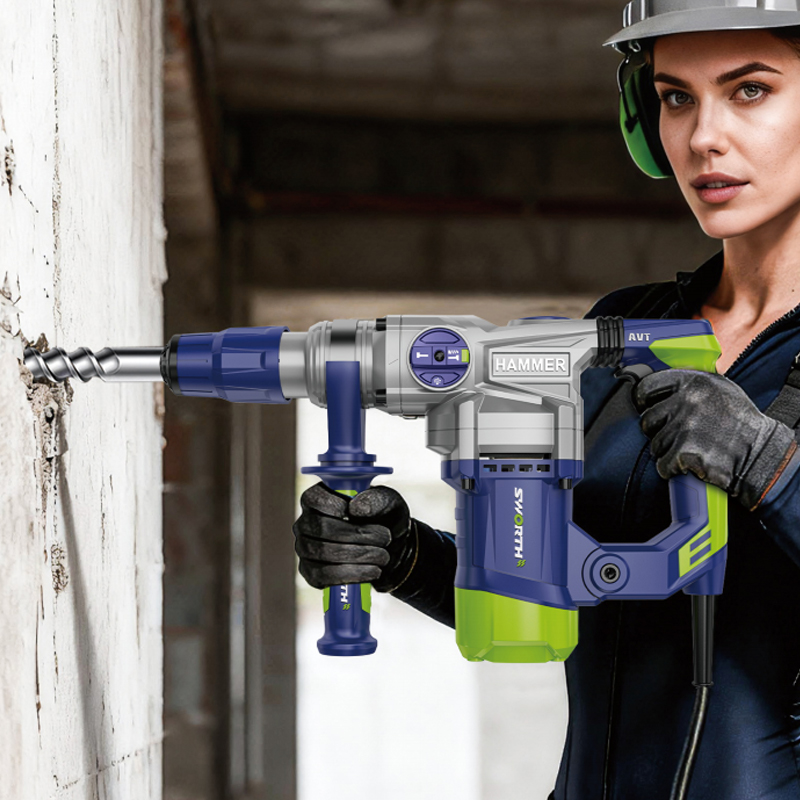
SW940 Enlarged Hole Rebar Hammer
-
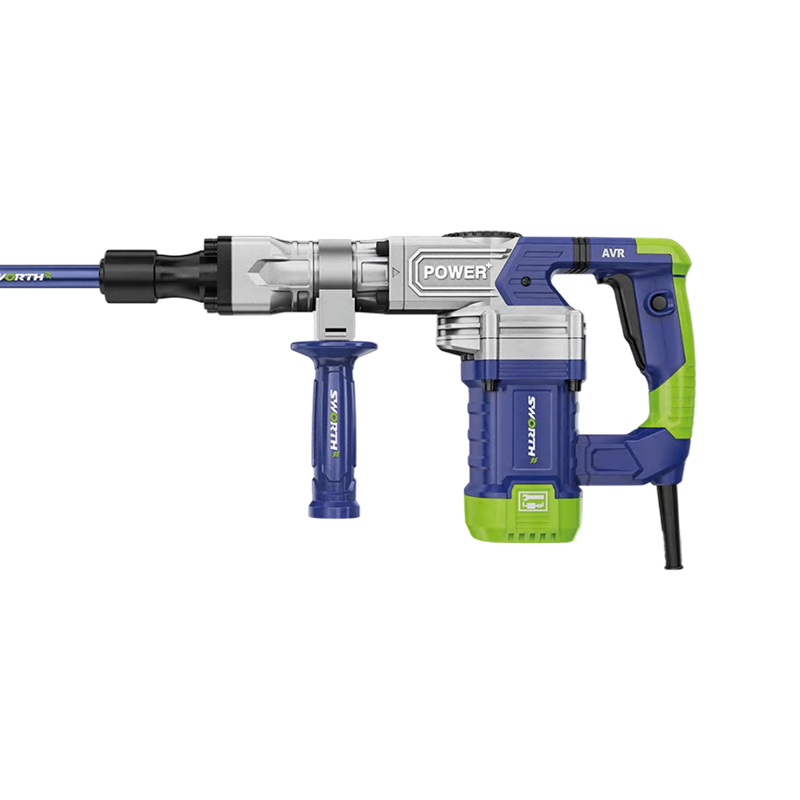
SW35S1 Powerful Demolition Hammer
-
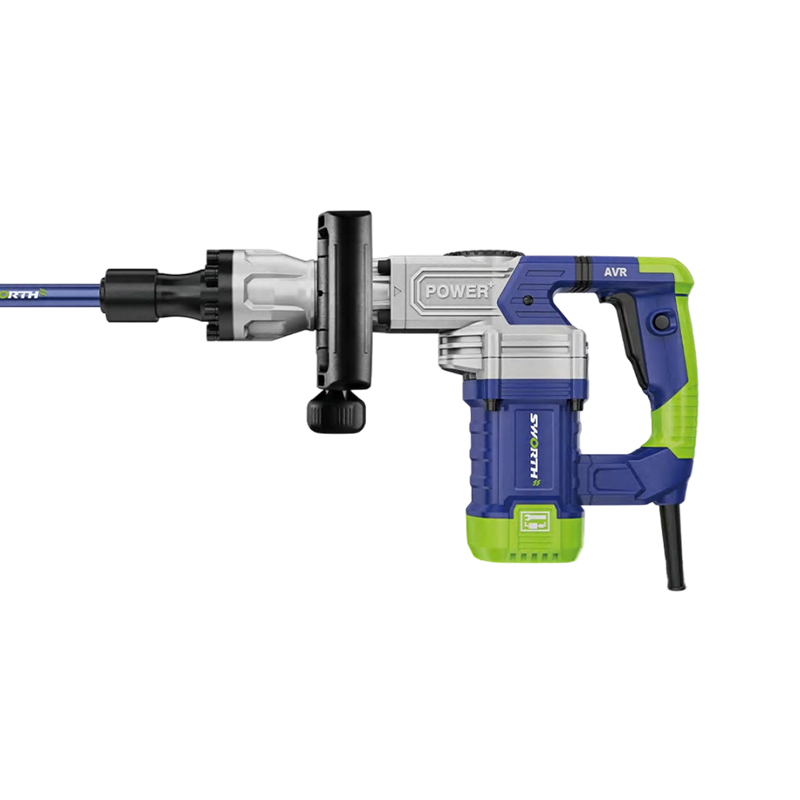
SW35S2 High-Efficiency Heat Dissipation Demolition Hammer
-
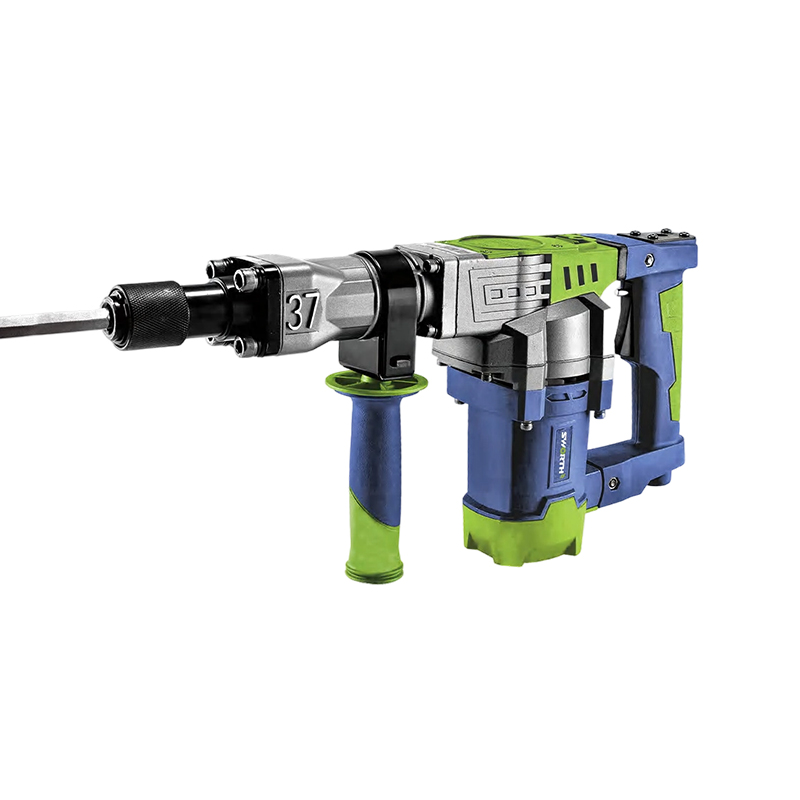
SW9371 High-Power Demolition Hammer
-
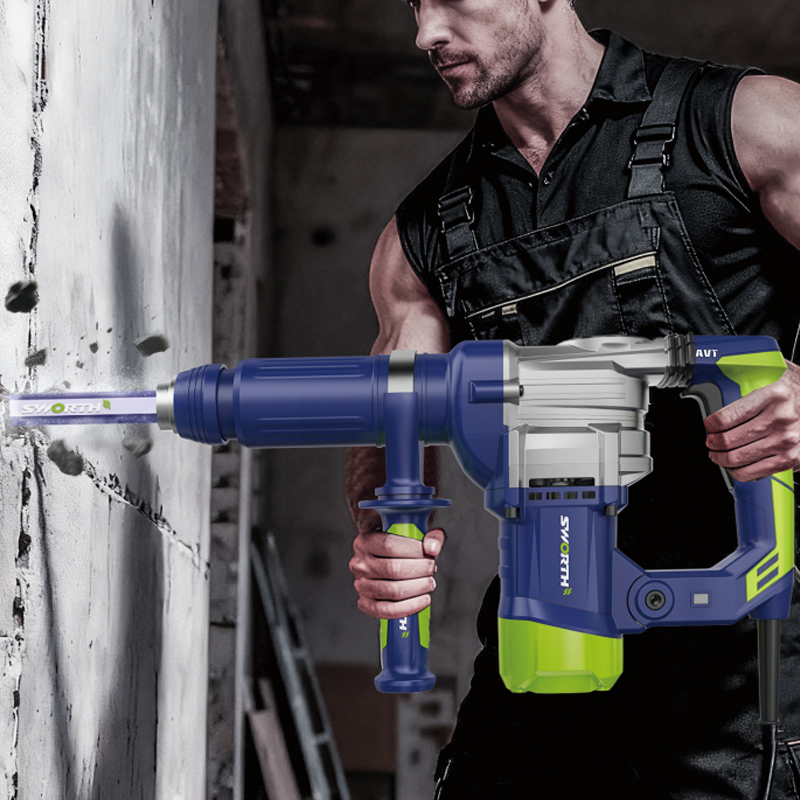
SW9373 Anti-Scalding Carbon Brush Holder Demolition Hammer
-
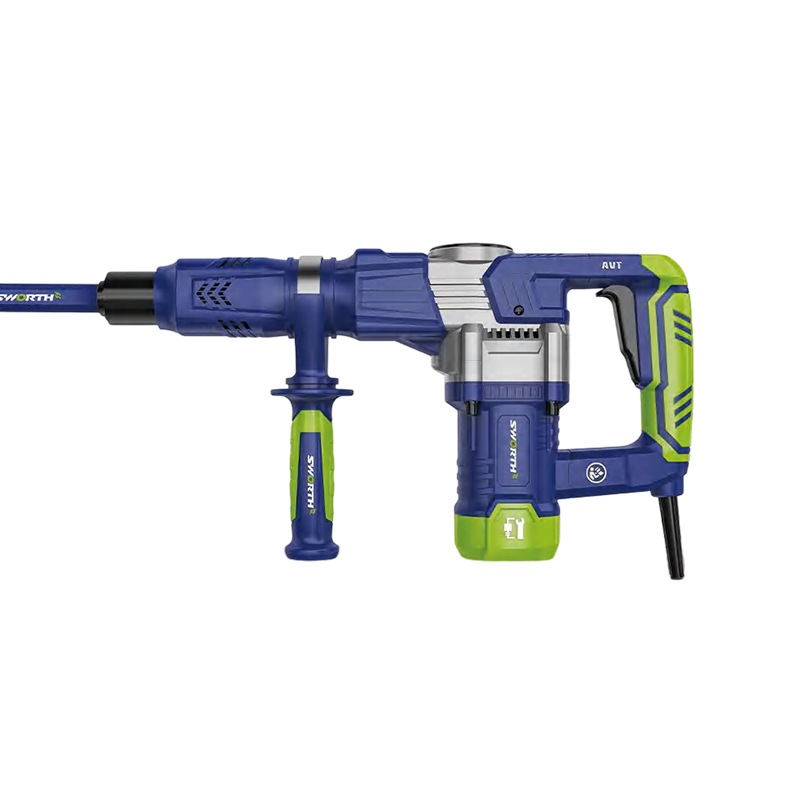
SW535 Powerful Anti-Scalding Demolition Hammer
-
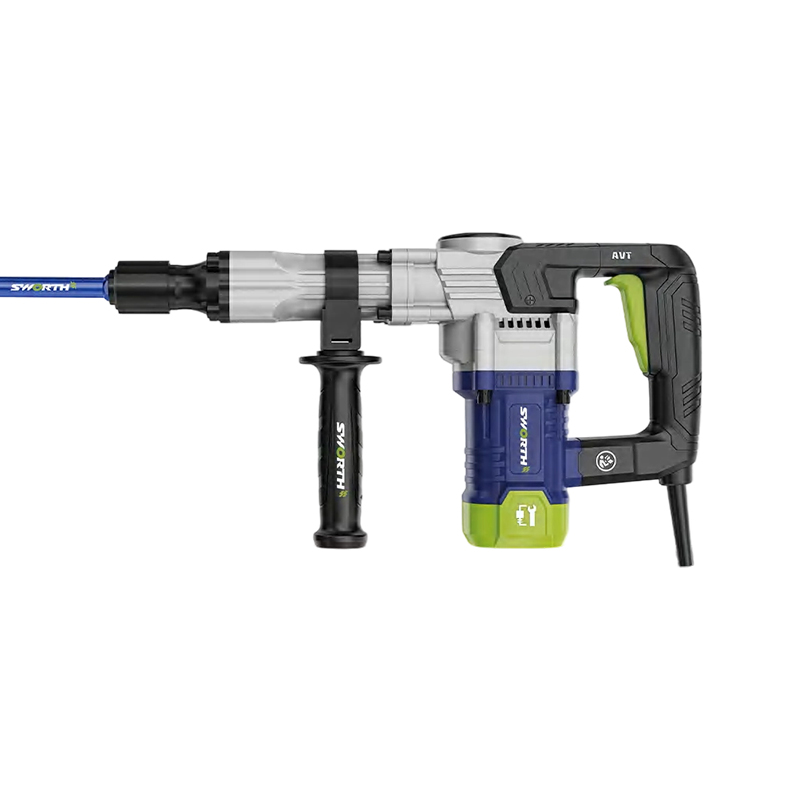
SW535-2 Durable Powerful Demolition Hammer
-
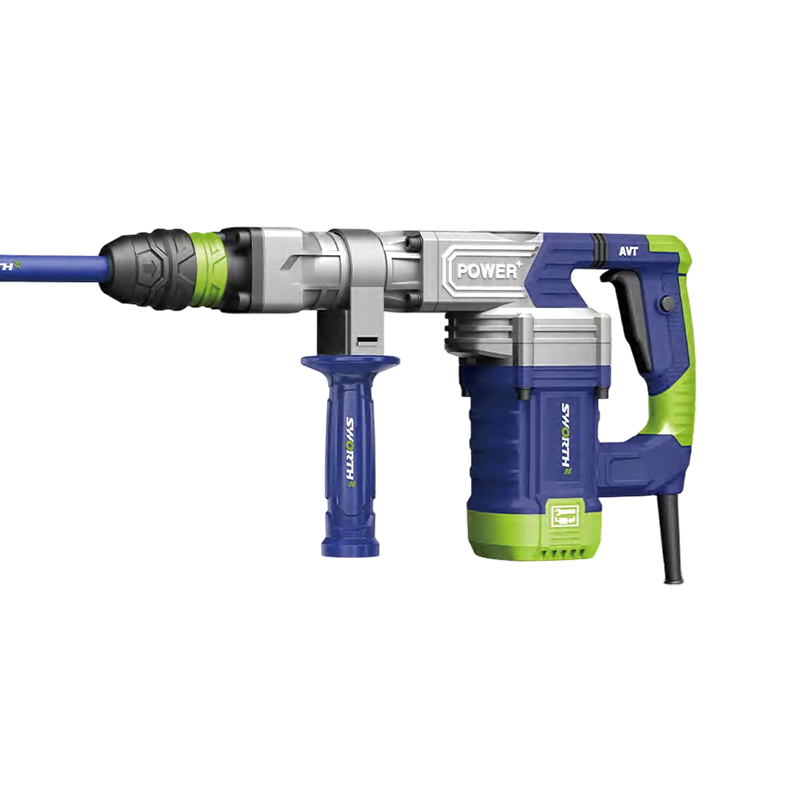
SW35S3 Five-Pipe Drill Bit Demolition Hammer
-

SW11E Five-Pipe Clamping Demolition Hammer
 +86-18314829275
 sale@sworthtools.com
 No. 101, Yugui Road, chengxi Industrial Zone, Yongkang City, Zhejiang Province, China
Copyright© Yongkang Siwei Technology Co., Ltd. All Rights Reserved

Hammer Tools & Cordless Garden Tools Manufacturer
